New
Exclusive

Table of contents
Budapest, the stunning capital of Hungary, stands as one of Europe's most captivating destinations, where imperial grandeur meets contemporary sophistication. Formed through the unification of Buda, Pest, and Óbuda in 1873, this remarkable city offers travellers an intoxicating blend of thermal baths, architectural splendour, and vibrant cultural experiences. From the majestic Hungarian Parliament Building reflected in the Danube's waters to the charming ruin bars of the Jewish Quarter, Budapest delivers unforgettable moments at every turn.
The city's accommodation scene perfectly mirrors this fusion of heritage and modernity, with a selection of exceptional hotels providing the ideal base for exploration. Whether seeking sleek contemporary design, historic elegance, or boutique charm, Budapest's finest establishments offer discerning travellers exclusive comfort and impeccable service. Below, we present a carefully curated selection of the city's most distinguished hotels, each offering unique character and exceptional value through Voyage Privé's exclusive offers.

Located on a tranquil side street adjacent to the renowned State Opera House, K+K Hotel Opera 4* presents an impeccable balance between central convenience and peaceful retreat. This sleek establishment features light, airy rooms that create a welcoming atmosphere for guests exploring Hungary's captivating capital.
The hotel's prime position allows visitors to explore the city centre entirely on foot. St. Stephen's Basilica stands just steps away, whilst the main Andrassy shopping boulevard—a UNESCO World Heritage Site—sits conveniently around the corner. Guests can indulge in complimentary access to the Finnish sauna and wellness centre, providing the perfect sanctuary after a day discovering Budapest's treasures.
Each morning begins with a generous breakfast buffet featuring both full English and continental selections, enhanced by local Hungarian delicacies. The Cosy Urban Rooms offer standard amenities alongside underfloor heating and flatscreen Smart TVs, with charming streetscape views. The hotel's bistro and bar serve light bites and regional dishes throughout the day, whilst the concierge team stands ready with expert recommendations for sightseeing adventures.
Special member benefits include a 10% discount in the Bistro & Bar and one complimentary drink per person per stay. With 200 well-appointed rooms and a 24-hour reception, this establishment earned an impressive 8.6/10 rating from 193 guest reviews.

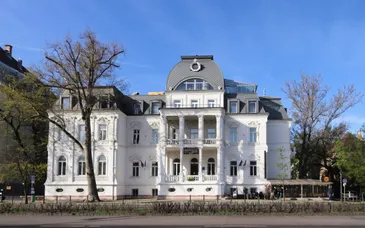
Nestled within the prestigious Drechsler Palace, formerly the Ballet Institute, W Budapest 5* represents a spectacular marriage of history and contemporary luxury. Interior designers have undertaken a meticulous reimagining of this architectural gem, transforming it into the vibrant pulse of the Hungarian capital through visionary design and cosmopolitan flair.
Positioned along the illustrious Andrássy Avenue—a UNESCO World Heritage Site celebrated as the city's most luxurious shopping street—this remarkable hotel showcases 151 elegant rooms and suites. Guests experience a true symphony between past and present, where soothing blue tones blend with refined gold accents and subtle touches of red create an atmosphere of ultimate chic.
The hotel revolutionises Budapest's culinary landscape with three innovative dining concepts. Le Petit Beefbar Budapest offers a fusion of Asian flavours alongside the famed Beefbar's signature dishes. Society25 provides a speakeasy atmosphere where creative cocktails flow freely, whilst W Lounge presents light lunches and lively DJ performances during evening hours. Members enjoy exclusive benefits including 20% off food and beverages.
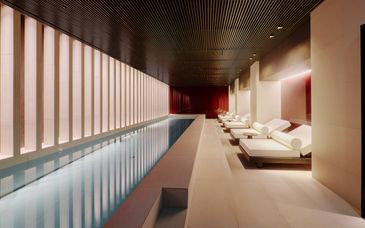
The AWAY® Spa serves as a secret oasis beneath the city streets, offering serene relaxation treatments and an invigorating fitness area. Additional perks include 15% off spa treatments, creating opportunities for authentic rejuvenation. This exceptional property, with check-in at 15:00 and check-out at 12:00, achieves an outstanding 9.8/10 rating from 189 reviews, with pets permitted for an additional cleaning fee.

A stylish getaway awaits at Hotel Gin Budapest, a brand new four-star establishment showcasing authentic local charm married with contemporary design. Spread across four floors, this stunning boutique property offers 35 beautifully appointed guestrooms, perfectly crafted by visionary local designers and architects.
Situated within the cultural hotspot of downtown Budapest, guests find themselves walking distance from iconic landmarks including the National Museum and the enchanting Danube Promenade. The Cosy Rooms, located on the third and fourth floors, serve as refined retreats featuring street views, large flat-screen TVs, and comfortable queen or king-size beds. The Upgraded Comfy Rooms, positioned on the first and second floors, boast high ceilings, charming street vistas, and plush king-size beds for maximum comfort.
Breakfast becomes a memorable experience at the sister hotel's SOLID Skybar, a seventh-floor rooftop venue surrounded by huge windows offering impressive Budapest skyline views. This wine bar and restaurant showcases natural and biodynamic wines alongside delicious weekend brunch options. Members receive one complimentary drink per person per stay, enhancing their urban escape.
With convenient access to Budapest's compelling history and culture, this chic establishment earns an impressive 9.6/10 rating from 52 reviews. Modern amenities include air conditioning, flat-screen TVs, coffee machines, and safe facilities throughout.

Hotel Rum Budapest 4* captivates through innovative design that seamlessly blends traditional and contemporary styles, creating uniquely inspiring interiors and a genuinely welcoming atmosphere. The intriguing modern aesthetic combines with a fantastic central location, establishing the perfect base for discovering exciting Budapest.
Positioned in the heart of the city, guests easily access all museums, monuments, and attractions. The Grand Market Hall and renowned Gellért Baths lie merely 10 minutes away on foot, whilst UNESCO World Heritage Site Andrássy Avenue sits within convenient reach. The stylish and spacious Medium Rooms feature minimalist decor enhanced by vibrant colour accents, creating modern sanctuaries for unwinding after urban exploration.
Mornings begin with breakfast at the hotel's rooftop restaurant, featuring impressive Budapest skyline views through panoramic windows. For elevated gastronomic experiences, SALT Restaurant awaits on the ground floor, proudly holding one Michelin star. Chef Szilard Toth showcases original flavours in traditional Hungarian cuisine, incorporating kitchen herbs and wild plants whilst serving freshly baked bread daily—a cornerstone of Hungarian culture.
Members receive one glass of prosecco per person per stay as an exclusive benefit. With 40 beautifully designed rooms, 24-hour reception, and a solid 9/10 rating from 145 reviews, this establishment delivers sophistication and convenience. Facilities include air conditioning, Wi-Fi, concierge service, and lift access throughout the building.
Hungary emerges as one of Central Europe's most compelling destinations, offering exceptional value without compromising on experience. This landlocked nation captivates visitors through its architectural masterpieces, world-renowned thermal springs, and culinary traditions stretching back centuries. Unlike many Western European capitals where costs can quickly escalate, Hungary provides luxury experiences at remarkably accessible prices.
The country's strategic position at the crossroads of Eastern and Western Europe has created a rich cultural tapestry. From Ottoman-era thermal baths to Austro-Hungarian palaces, Baroque churches to Art Nouveau cafés, Hungary's heritage unfolds through layers of fascinating historical influence. Beyond Budapest's urban sophistication lies a countryside dotted with medieval castles, expansive vineyards producing world-class wines, and the shimmering waters of Lake Balaton—Central Europe's largest lake.
Understanding Hungary's basics ensures smooth travel planning. The capital city, Budapest, serves as the nation's beating heart, home to nearly two million residents and the majority of major attractions. The official currency is the Hungarian Forint (HUF), with exchange rates typically hovering around 350-400 HUF to 1 EUR, though visitors should check current rates before travelling.
Hungarian serves as the official language, belonging to the Finno-Ugric language family rather than the Indo-European group—making it quite distinct from neighbouring countries. Whilst English proficiency varies, Budapest and major tourist areas generally offer good English-language support in hotels, restaurants, and attractions. Learning a few basic Hungarian phrases demonstrates respect and often elicits warm responses from locals.
Hungary operates on Central European Time (CET/CEST), uses Type C and F electrical outlets (230V, 50Hz), and drives on the right side of the road. The country maintains excellent infrastructure, reliable public services, and low crime rates, making it an exceptionally safe destination for all travellers.
Timing your Hungarian adventure significantly impacts both experience and budget. Each season presents distinct advantages, allowing travellers to align their visit with personal preferences and priorities.
Spring (March to May) brings Budapest to life as temperatures climb from cool to pleasantly warm, ranging between 10-20°C. Parks burst with colourful blooms, outdoor terraces reopen, and crowds remain manageable. This period offers excellent value, with accommodation prices lower than summer peaks whilst weather remains ideal for sightseeing and outdoor exploration.
Summer (June to August) transforms Hungary into a festival paradise. The legendary Sziget Festival draws hundreds of thousands to Budapest each August, whilst Lake Balaton becomes Hungary's beach resort playground. Temperatures reach 25-35°C, perfect for thermal bath visits and Danube cruises. However, this popularity brings higher prices and crowded attractions, particularly during July and August when European holidays peak.
Autumn (September to November) rivals spring as an optimal visiting period. September extends summer warmth with fewer tourists, whilst October showcases stunning foliage across the countryside. Wine harvest season makes this the perfect time for vineyard tours in Tokaj, Eger, and Villány. Temperatures gradually cool from 20°C to 10°C, creating comfortable conditions for urban exploration.
Winter (December to February) enchants through magical Christmas markets transforming Budapest's squares and the Basilica into festive wonderlands. Thermal baths become particularly inviting as steam rises against crisp air. Whilst temperatures drop to -5°C to 5°C, indoor attractions, museums, and cosy cafés provide warm refuge. Accommodation reaches its lowest prices, and major sites feel pleasantly uncrowded.
Strategic timing creates substantial savings whilst enhancing experiences. Visiting during shoulder seasons—April to May and September to October—delivers optimal weather combined with 20-40% lower accommodation costs compared to summer peaks. Booking hotels mid-week rather than weekends often yields additional discounts, particularly in Budapest where business travel dominates weekdays.
Major holidays including Easter, Hungarian National Day (March 15th), and the August 20th St. Stephen's Day celebrations bring increased domestic tourism and higher prices. Conversely, January through March (excluding Valentine's weekend) represents the absolute lowest season, with exceptional deals available for budget-conscious travellers willing to brave colder temperatures.
Hungary's membership in the Schengen Area simplifies entry for most international visitors. Citizens from the European Union, United Kingdom, United States, Canada, Australia, New Zealand, and numerous other countries enjoy visa-free entry for stays up to 90 days within any 180-day period for tourism purposes.
Travellers should ensure passports remain valid for at least three months beyond intended departure dates from the Schengen Area. Upon entry, no stamping occurs for EU/EEA citizens, whilst other nationalities receive entry stamps that immigration officials may check upon departure. Overstaying permitted durations can result in fines, entry bans, and future visa complications.
Those requiring visas should apply at Hungarian embassies or consulates in their home countries well before travel dates. Processing typically requires 15 working days, though complex applications may take longer. Travel insurance covering medical expenses minimum €30,000 throughout the Schengen Area is strongly recommended and sometimes required for visa applications.
Hungary's affordability compared to Western European destinations allows varied budgets to stretch further. Budget travellers can comfortably explore Hungary spending £35-50 daily by staying in hostels, eating at local establishments, using public transport, and selecting free or low-cost attractions. This includes hostel dormitory beds (£10-15), street food and affordable restaurants (£10-15), public transport passes (£5), and one paid attraction (£5-10).
Mid-range travellers enjoying comfortable three or four-star hotels, sit-down restaurant meals, occasional taxis, and multiple attractions should budget £80-120 daily. This encompasses hotel rooms (£40-60), restaurant dining including wine (£25-35), mixed transportation (£8-12), and attraction entries plus activities (£15-20). This budget allows experiencing thermal baths, guided tours, and evening entertainment without constant financial concern.
Luxury travellers seeking five-star accommodation, fine dining, private transfers, and exclusive experiences should anticipate £200+ daily. Premium hotels command £120-200+ nightly, whilst Michelin-starred dining, private tours, spa treatments, and premium wine tastings add considerably. However, even luxury travel in Hungary costs substantially less than comparable Western European experiences.
Budapest offers accommodation spanning all budget levels. Hostel dormitory beds start around £10-15 nightly in well-rated establishments, whilst private hostel rooms cost £25-40. Budget hotels and guesthouses range £35-55 for clean, centrally-located doubles with private facilities.
Mid-range hotels—including boutique properties, chain hotels, and apartment rentals—typically charge £55-90 nightly for well-appointed rooms in excellent locations. These often include breakfast, providing additional value. Four-star hotels with superior amenities, spas, and prime positions command £80-130.
Luxury five-star establishments, historic grand hotels, and design properties range £130-250+, offering exceptional service, elegant rooms, premium dining, and comprehensive spa facilities. Outside Budapest, accommodation costs drop approximately 30-50%, making regional exploration particularly economical.
Whilst Hungary belongs to the European Union, it maintains the Hungarian Forint (HUF) rather than adopting the Euro. Many establishments, particularly in tourist areas, accept Euros; however, exchange rates offered are typically unfavourable. Obtaining Forints ensures better value and smoother transactions.
ATMs provide the best exchange rates and widespread availability throughout cities and towns. Withdraw larger amounts less frequently to minimize transaction fees. Avoid airport and train station currency exchange bureaus offering poor rates; instead, use reputable exchange offices in city centres comparing rates before committing. Credit and debit cards see wide acceptance in hotels, restaurants, and shops, though smaller establishments and markets may require cash.
Tipping culture in Hungary follows moderate European standards. Restaurant bills rarely include service charges; guests typically add 10-15% for satisfactory service, with exceptional experiences warranting up to 20%. Rather than leaving cash on tables, inform servers of the total amount including tip when paying. Taxi drivers appreciate rounding up fares or adding 10%, whilst hotel porters and cleaning staff welcome small gratuities (200-500 HUF). Thermal bath attendants, tour guides, and spa therapists also appreciate tips reflecting service quality.
Perched majestically above the Danube on Castle Hill, Buda Castle represents Budapest's historical crown jewel. This sprawling complex has witnessed centuries of Hungarian history, from medieval origins through Ottoman occupation to Austro-Hungarian imperial grandeur. Today, the palace houses the Hungarian National Gallery and Budapest History Museum, whilst the surrounding district enchants through cobblestone streets, charming squares, and spectacular viewpoints.
Reaching Castle Hill becomes part of the experience via the historic funicular railway (Budavári Sikló) ascending from Clark Ádám tér, offering stunning river views during the brief journey. Alternatively, walking routes wind through picturesque neighbourhoods, revealing hidden courtyards and architectural treasures.
Fisherman's Bastion (Halászbástya) crowns Castle Hill as one of Budapest's most photographed locations. This neo-Romanesque terrace, completed in 1902, features seven fairy-tale towers representing the Magyar tribes who founded Hungary. The panoramic views encompass the Parliament Building, Margaret Island, and the Pest side sprawling below, creating unforgettable sunrise and sunset vistas. Whilst upper terrace access requires modest fees, free lower areas provide equally magnificent perspectives.
The Hungarian Parliament Building dominates Budapest's skyline as the nation's architectural masterpiece and the world's third-largest parliament building. Completed in 1904, this Gothic Revival marvel showcases 691 rooms, 20 kilometres of staircases, and nearly 90 statues adorning its facades. The building's symmetrical design reflects Hungary's historical bicameral system, with identical chambers flanking the central dome.
Guided tours reveal the building's spectacular interiors, including the main staircase featuring frescoes by Károly Lotz, the Hungarian Crown Jewels displayed beneath the dome, and the richly decorated assembly chambers. Tours operate in multiple languages throughout the day, though booking advance tickets online proves essential during busy periods. EU citizens enjoy free admission, whilst others pay modest fees.
Viewing the illuminated Parliament at night from the Buda side, particularly from Fisherman's Bastion or riverside promenades, creates magical moments. Evening Danube cruises showcase this architectural wonder from water level, with dramatic floodlighting reflecting across the river's surface.
Heroes' Square (H?sök tere) anchors Budapest's ceremonial space, commemorating Hungarian national history through the Millennium Monument. This imposing colonnade features statues of Hungary's most significant leaders and kings, whilst the central column supports the Archangel Gabriel holding the Holy Crown of Hungary. Flanking the square, the Museum of Fine Arts and M?csarnok (Hall of Art) provide world-class cultural offerings.
Andrássy Avenue extends 2.5 kilometres from the city centre to Heroes' Square, earning UNESCO World Heritage status for its architectural significance. This elegant boulevard showcases neo-Renaissance mansions, luxury boutiques, cafés, and cultural institutions including the Hungarian State Opera House. The tree-lined avenue creates perfect conditions for leisurely strolls, window shopping, and architectural appreciation.
Beneath Andrássy Avenue runs the M1 metro line, continental Europe's first underground railway completed in 1896. The vintage yellow trains and beautifully preserved stations transport passengers not just physically but temporally, offering glimpses into late 19th-century engineering achievements.
Széchenyi Thermal Bath represents Budapest's largest and most iconic bathing complex, welcoming visitors into a neo-Baroque palace of wellness completed in 1913. Fed by two thermal springs reaching temperatures of 74-75°C at source, the facility offers 18 pools of varying temperatures—three spectacular outdoor pools and 15 indoor pools including thermal, swimming, and plunge varieties.
The outdoor pools create surreal winter experiences as steam rises against snow-dusted statues and freezing air, whilst summer transforms them into social hubs where locals play chess on floating boards. Water temperatures maintain comfortable 27-38°C year-round, allowing extended soaking sessions beneficial for circulation, joint health, and stress relief.
Beyond pools, Széchenyi provides saunas, steam rooms, massage services, and various therapeutic treatments. Arriving early (opening at 6:00 AM) avoids crowds, whilst Friday and Saturday nights feature "Sparty" events combining thermal bathing with music and light shows. Facilities include locker rentals, towel hire, and swimsuit shops for those arriving unprepared. Budget several hours to fully experience this Budapest institution.
Gellért Spa captivates through stunning Art Nouveau architecture rivalling its therapeutic waters. Opened in 1918 within the luxurious Gellért Hotel, this bathing palace showcases colourful mosaics, sculptural details, stained glass windows, and decorative columns creating an atmosphere of refined elegance.
The complex features indoor thermal pools maintained at various temperatures, a beautiful swimming pool beneath a retractable glass roof, and outdoor wave pool offering summertime enjoyment. The ornate main thermal pool, surrounded by lion-head water spouts and classical columns, feels like bathing in a museum—an experience uniquely Budapest.
Gellért traditionally attracted a quieter, more sophisticated crowd compared to Széchenyi's lively atmosphere, though recent tourism growth has increased visitor numbers. Spa services include massages, mud treatments, and various wellness therapies bookable in advance. Located at the Buda foot of Liberty Bridge, Gellért combines easily with Citadella visits and Gellért Hill explorations.
Budapest's ruin bars (romkocsma) emerged as one of the city's most distinctive contributions to global nightlife culture. These establishments occupy abandoned buildings, derelict apartments, and forgotten courtyards in the Jewish Quarter, transforming dilapidated spaces into eclectic entertainment venues through mismatched furniture, artistic installations, and creative décor.
Szimpla Kert pioneered this movement in 2002, claiming the title of Budapest's first and most famous ruin bar. Spread across multiple rooms and a large courtyard, Szimpla features bathtubs repurposed as seating, bicycles hanging from ceilings, vintage cars embedded in walls, and constantly evolving art displays. The venue hosts live music, film screenings, farmers' markets on Sundays, and maintains a perpetually buzzing atmosphere.
Other notable ruin bars include Instant-Fogas (Budapest's largest party complex), Kuplung (intimate and artistic), Doboz (rooftop garden), and Ellátó Kert (hidden garden bar). The Jewish Quarter concentration allows easy bar-hopping, with each venue offering distinct character and crowd. Most open around 16:00-17:00 and continue until 02:00-06:00, with peak energy from 22:00 onwards.
Danube cruises showcase Budapest's illuminated beauty from the river's unique perspective. Evening departures prove most popular, as sunset transitions to darkness and monuments illuminate against the night sky. Parliament, Buda Castle, Chain Bridge, and the Citadella create stunning reflections across the water's surface.
Cruise options range from simple one-hour sightseeing tours to elegant dinner cruises featuring live music and multi-course Hungarian cuisine. Budget-friendly options provide audio guides and welcome drinks, whilst premium experiences include champagne receptions, folklore performances, and gourmet dining. Most cruises depart from docks near Vigadó tér or Parliament, operating year-round with glass-enclosed vessels ensuring comfort during winter months.
Daytime cruises offer different advantages, allowing clearer photography and extended journeys toward Szentendre—a charming baroque town 20 kilometres north. These longer excursions reveal Budapest's outskirts, riverside landscapes, and Margaret Island's recreational areas whilst providing relaxing escape from urban intensity.
Budapest maintains an extensive, efficient public transport network comprising four metro lines, numerous tram routes, comprehensive bus coverage, and suburban railway connections. The system operates from approximately 04:30 until 23:30, with limited night bus services continuing through early morning hours.
The M1 metro line (yellow) follows Andrássy Avenue from Vörösmarty tér to Heroes' Square, serving major tourist attractions in vintage stations. M2 (red) crosses the Danube connecting Buda and Pest, stopping at major transport hubs including Keleti and Déli railway stations. M3 (blue) runs north-south through Pest, whilst M4 (green), Budapest's newest line completed in 2014, features stunning modern architecture at stations including Kalvin tér and F?vám tér.
Trams prove particularly useful along the Danube embankments. Routes 4 and 6 circle the city on the Grand Boulevard, whilst trams 2 and 2A follow the Pest riverside offering spectacular Parliament views. Tram 47 and 49 connect Buda's main areas, whilst route 19 provides scenic riverside journeys.
Buses fill gaps between metro and tram coverage, accessing residential areas and specific attractions. Route 16 ascends Castle Hill, whilst airport shuttle bus 100E provides direct city centre connections. Navigating the system requires valid tickets purchased before boarding and validated immediately upon entry—inspectors frequently check compliance, issuing substantial fines for violations.
Travellers must evaluate their itineraries when choosing between Budapest Card passes and individual ticket purchases. Single journey tickets cost 350 HUF (approximately £0.90), valid for one uninterrupted journey with metro transfers. Block purchases of 10 tickets provide minor discounts, whilst day passes (1,650 HUF) allow unlimited travel across all public transport.
The Budapest Card includes unlimited public transport alongside free entry to over 30 museums, attractions, and thermal baths, plus discounts on tours, restaurants, and entertainment. Available in 24-hour (8,900 HUF), 48-hour (13,900 HUF), 72-hour (17,900 HUF), and 96-hour (20,900 HUF) variants, the card suits intensive sightseeing schedules combining multiple attractions daily.
Calculate potential savings by totaling planned attraction entries against card costs. Visitors focusing primarily on free attractions (Parliament exterior, Castle Hill walks, church visits) may find single tickets more economical. Conversely, those visiting multiple museums, taking thermal bath trips, and using frequent public transport typically recoup Budapest Card costs whilst enjoying convenience and queuing priority at some locations.

Lake Balaton stretches 77 kilometres across western Hungary as Central Europe's largest freshwater lake, earning affectionate designation as the "Hungarian Sea." This shallow lake (average depth 3 metres) warms quickly during summer, reaching comfortable swimming temperatures that attract both domestic holidaymakers and international visitors seeking lakeside relaxation.
Tihany Peninsula juts dramatically into Balaton's northern shore, crowned by the stunning Benedictine Abbey founded in 1055. This baroque masterpiece offers panoramic lake views, whilst the surrounding village charms through lavender fields, traditional thatched houses, and artisan shops selling pottery and embroidered textiles. Tihany's network of hiking trails reveals hidden coves, volcanic formations, and seasonal wildflower displays. The peninsula houses two lakes—Inner and Outer—creating unique ecosystems supporting rare bird species.
Siófok dominates the southern shore as Balaton's party capital, drawing young crowds to nightclubs, beach bars, and music festivals throughout summer. The town's extensive beaches provide water sports facilities, while the Emese Cultural Centre and various parks offer family-friendly alternatives. Siófok serves as an excellent base for exploring surrounding vineyards and accessing other lakeside communities via regular ferry services.
Beyond these highlights, Balatonfüred combines elegant 19th-century architecture with therapeutic waters and yacht-filled marinas. Keszthely anchors the western shore with the spectacular Festetics Palace and its baroque library. Badacsony's volcanic slopes produce exceptional wines, with cellar tours and tastings overlooking shimmering waters creating memorable experiences.
Lake Balaton transforms into an outdoor playground offering diverse activities. The shallow, calm waters provide ideal conditions for beginner sailors and windsurfers, with rental facilities and instruction available at major beaches. Stand-up paddleboarding has gained popularity, allowing peaceful exploration of quieter shoreline sections and reed-lined channels.
Cycling enthusiasts discover paradise along the 210-kilometre route encircling the entire lake. The well-maintained, mostly flat path connects towns, beaches, and attractions whilst revealing vineyard landscapes and traditional villages. E-bike rentals ease longer sections, whilst numerous accommodation options allow multi-day touring with luggage transfers available.
Summer beaches bustle with families enjoying designated swimming areas, playgrounds, and rental water toys. Northern shore beaches often feature more natural settings and quieter atmospheres, whilst southern locations offer livelier scenes with beach bars and organized activities. Lake fishing remains popular, with permits required for catching pike-perch, carp, and catfish.
Eger captivates as one of Hungary's most charming baroque cities, crowned by the historic castle where 2,000 defenders famously withstood Ottoman sieges in 1552. The fortress complex now houses museums detailing this heroic resistance, medieval weaponry displays, and underground casemate passages creating atmospheric exploration. Panoramic views from castle ramparts encompass terracotta rooftops, church spires, and surrounding vineyard valleys.
The Valley of the Beautiful Women (Szépasszony-völgy) lies just outside Eger's centre, hosting approximately 50 small wine cellars carved into hillsides. This unique wine village specializes in full-bodied red wines, particularly the famous Bulls Blood (Egri Bikavér) blend combining multiple local grape varieties. Visitors stroll between cellars sampling directly from producers, often accompanied by cheese platters and regional delicacies in rustic, convivial atmospheres.
Eger's baroque architecture centres around Dobó Square, dominated by the Minorite Church and flanked by elegant townhouses now housing cafés and restaurants. The city boasts Hungary's second-largest basilica, featuring spectacular ceiling frescoes and organ concerts. Thermal baths provide relaxation, whilst the historic wine cellars beneath the city offer atmospheric dining experiences.
Tokaj produces what Louis XIV declared "the wine of kings and the king of wines"—a legendary sweet wine crafted from grapes affected by noble rot (botrytis cinerea). This northeast Hungarian region benefits from unique microclimates where autumn mists from the Bodrog and Tisza rivers encourage fungal development, concentrating sugars and flavours to extraordinary levels.
The classification system ranges from dry Furmint whites to intensely sweet Tokaji Aszú measuring sweetness in puttonyos (traditionally baskets of aszú berries added to base wine). Five and six puttonyos wines achieve remarkable complexity through extended aging in historic cellars carved from volcanic rock. UNESCO recognized Tokaj's wine region as a World Heritage Cultural Landscape, acknowledging centuries of viticultural tradition.
Visiting Tokaj town and surrounding villages like Tarcal and Mád reveals family wineries offering tastings in atmospheric cellars. Modern producers balance traditional methods with contemporary winemaking, creating diverse styles appealing to varied palates. Wine festivals throughout autumn celebrate harvest, whilst year-round cellar visits pair tastings with regional cuisine featuring duck, foie gras, and local cheeses.
Villány anchors Hungary's southernmost wine region, where Mediterranean climate influences and limestone-rich soils produce the nation's finest red wines. This compact area near the Croatian border specializes in Bordeaux varietals—Cabernet Franc, Cabernet Sauvignon, and Merlot—alongside Portuguese varieties and indigenous Kékfrankos.
The region's contemporary wine scene balances traditional cellars with striking modern architecture. Producers like Vylyan, Bock, and Malatinszky gained international recognition, elevating Hungarian red wines onto global stages. Wine tourism infrastructure includes luxury accommodation, fine dining restaurants, and comprehensive tasting experiences ranging from casual cellar visits to guided vineyard tours.
Villány's compact size allows exploring multiple wineries daily, with most within short cycling or driving distances. The town itself charms through wine-themed sculptures, Mediterranean-style architecture, and festivals celebrating wine culture throughout the year. Nearby Siklós Castle and Harkány thermal spa provide complementary attractions extending regional visits.

Goulash (gulyás) stands as Hungary's most internationally recognized dish, though authentic versions differ significantly from foreign interpretations. True Hungarian goulash resembles hearty soup rather than thick stew, featuring tender beef chunks, potatoes, carrots, and plenty of sweet paprika simmered slowly until flavours meld beautifully. The dish originated with Magyar shepherds preparing simple one-pot meals over open fires, evolving into national culinary symbol.
Preparing goulash begins with rendering lard or cooking oil, sautéing onions until golden, then adding generous paprika away from heat to prevent bitterness. Beef—traditionally tougher cuts benefiting from long cooking—browns before vegetables and liquid join. Csipetke (pinched noodles) or small pasta sometimes enrich the soup, whilst caraway seeds add distinctive aromatic notes. Restaurants throughout Hungary serve regional variations, with each claiming authentic superiority.
Fisherman's Soup (halászlé) represents Hungary's other iconic soup, particularly celebrated along the Danube and Tisza rivers. This bright red, paprika-infused broth traditionally combines multiple freshwater fish varieties—typically carp, catfish, and pike—cooked with onions and hot paprika creating intense, spicy flavours. Tisza-style preparations include noodles, whilst Danube versions remain broth-focused. River towns host fisherman soup festivals where expert cooks compete preparing massive cauldrons over open flames.
Lángos epitomizes Hungarian comfort food—deep-fried flatbread emerging golden and crispy, typically topped with sour cream, grated cheese, and optional garlic. This beloved street food traces origins to Turkish influences during Ottoman occupation, though modern versions became popular during communist-era social gatherings. Traditional preparation involves yeast dough stretched thin and plunged into hot oil, puffing dramatically whilst developing characteristic crispy exterior and soft interior.
Modern lángos vendors offer creative toppings beyond classics—ham, mushrooms, vegetables, even sweet variations with Nutella or jam. Lake Balaton resorts and Budapest markets serve particularly excellent examples, with the best requiring immediate consumption whilst still crackling hot. Sharing oversized lángos between friends enhances the communal experience integral to Hungarian food culture.
Kürt?skalács (chimney cake) provides Hungary's signature sweet treat, especially prevalent at festivals and Christmas markets. This spiral pastry wraps yeast dough around rotating spits, baking over hot coals whilst basted with butter and rolled in sugar, cinnamon, cocoa, or nuts. The result resembles hollow cylinders with caramelized exteriors and soft, slightly chewy interiors releasing steam when torn—hence the "chimney" designation. Transylvanian origins connect this delicacy to Hungarian communities beyond current borders, adding cultural significance to delicious appeal.
Pálinka holds sacred status in Hungarian drinking culture as the traditional fruit brandy distilled from apricots, plums, pears, cherries, or apples. Authentic pálinka must contain minimum 37.5% alcohol, derive from Hungarian-grown fruit, and follow strict production regulations earning protected geographical indication status. The spirit traditionally accompanies celebrations, marks friendship bonds, and aids digestion when consumed before or after meals.
Quality pálinka showcases pure fruit flavours without added sugars or artificial elements. Apricot (barack) and plum (szilva) varieties dominate production, whilst aged versions develop complex character through oak barrel maturation. Visiting distilleries—particularly in fruit-growing regions like Szatmár and Békés—reveals artisanal production methods and offers tastings educating visitors on quality indicators and proper consumption etiquette.
Unicum presents Hungary's bitter herbal liqueur, recognizable through distinctive round bottles bearing red circles and crosses. The secret recipe, guarded by the Zwack family since 1790, combines over 40 herbs and spices macerated and aged in oak casks. The intensely bitter flavour initially challenges uninitiated palates; however, appreciation grows with understanding its digestive properties and cultural significance. Unicum cocktails modernize consumption, whilst aged Unicum Plum (Szilva) offers mellower introduction through plum-aged sweetness.
Mastering basic Hungarian phrases demonstrates cultural respect and often elicits warm local responses despite the language's notorious difficulty. Essential greetings include "Jó napot kívánok" (formal good day, abbreviated "Jó napot"), "Szia" (informal hi/bye), and "Viszontlátásra" (formal goodbye). "Köszönöm szépen" expresses thanks beautifully, whilst "Kérem szépen" functions as polite "please" or "you're welcome."
Practical phrases for travellers include "Beszél angolul?" (Do you speak English?), "Mennyibe kerül?" (How much does it cost?), "Hol van...?" (Where is...?), and "Segítség!" (Help!). Numbers prove essential: "egy" (one), "kett?" (two), "három" (three), "négy" (four), "öt" (five). Restaurant essentials include "Egészségére!" (Cheers!), "A számlát kérem" (The bill, please), and "Finom volt" (It was delicious).
Hungarian phonetics challenge English speakers through unusual letter combinations and accent marks affecting pronunciation dramatically. The letter "s" sounds like English "sh," whilst "sz" produces standard English "s" sound. Stress always falls on first syllables regardless of word length, creating distinctive rhythm. Learning proper pronunciation shows respect, though most Hungarians appreciate any language attempts with good humour and patience.
Hungarian etiquette emphasizes formal politeness in initial interactions, with familiarity developing gradually. Address strangers and business contacts using titles (Mr./Mrs. plus surname) until invited toward first-name basis. Handshakes accompany greetings, with maintained eye contact demonstrating sincerity and respect. Gift-giving when visiting homes remains customary—flowers (odd numbers only), chocolates, or wine prove appropriate choices.
Dining etiquette includes waiting for hosts to begin eating, keeping hands visible above tables (not in laps), and finishing everything served to show appreciation. Toasting rituals hold importance; maintain eye contact during "Egészségére!" whilst clinking glasses, and avoid crossing arms with other toasters. Never clink beer glasses—this tradition stems from Austrian generals celebrating Hungarian revolutionaries' execution with beer toasts in 1849.
Public behaviour expectations include quiet conduct on public transport, removing shoes when entering homes, and avoiding loud conversations in restaurants. Photography restrictions apply in some churches, museums, and government buildings—always check before shooting. Swimming cap requirements in thermal baths catch visitors unprepared; facilities rent or sell caps at modest costs. Respecting these conventions ensures positive interactions and authentic cultural immersion.
Day One: Buda Exploration – Begin atop Castle Hill, exploring Buda Castle grounds, museums, and panoramic terraces. Walk through the charming Castle District towards Matthias Church's stunning architecture and Fisherman's Bastion's fairy-tale towers. Descend via funicular for lunch in Viziváros neighbourhood before afternoon thermal bathing at Rudas or Király Baths. Evening brings Danube river cruises showcasing illuminated monuments, followed by dinner in the Castle District or Watertown.
Day Two: Pest Highlights – Start at St. Stephen's Basilica, climbing the dome for city views. Stroll along Andrássy Avenue towards Heroes' Square, stopping at the Opera House for guided tours or simply admiring exteriors. Explore City Park's Vajdahunyad Castle before afternoon relaxation at Széchenyi Thermal Bath. Evening begins with the Great Market Hall for shopping and snacking, then explores the Jewish Quarter's ruin bars, starting at Szimpla Kert and continuing based on energy levels.
Day Three: Markets and Culture – Visit the Great Market Hall early for authentic atmosphere and fresh produce. Walk along the Danube to Parliament Building for guided tours showcasing crown jewels and spectacular interiors. Cross Chain Bridge to Buda for lunch, then explore Gellért Hill and Citadella for panoramic perspectives. Conclude with evening at Gellért Spa or elegant dining at a Michelin-starred restaurant, reflecting on Budapest's multifaceted charm.
Days 1-3: Budapest – Follow the three-day city break itinerary above, establishing deep connection with the capital's treasures whilst acclimatizing to Hungarian culture and cuisine.
Day 4: Budapest to Eger (140km) – Depart mid-morning, arriving Eger early afternoon. Visit Eger Castle and historical exhibitions before exploring baroque town centre. Evening discovers the Valley of Beautiful Women for wine cellar hopping and Bulls Blood tastings, with dinner at traditional Hungarian restaurant.
Day 5: Eger to Lake Balaton (150km) – Morning explores Eger's basilica and additional sights before driving toward Lake Balaton. Stop at Tihany Peninsula, visiting the abbey and exploring lavender fields. Check into lakeside accommodation at Balatonfüred or nearby villages. Sunset lakeside dining concludes the day.
Day 6: Lake Balaton Circuit – Full day circles the lake, visiting Badacsony for wine tastings, Keszthely for Festetics Palace tours, and various beaches for swimming and water sports. Return to accommodation for final lakeside evening.
Day 7: Return to Budapest (110km from Balatonfüred) – Leisurely morning at the lake before afternoon drive returning to Budapest. Evening allows final dinner, souvenir shopping, and nostalgic wandering through favourite discovered locations before departure preparation.
Days 1-2: Budapest Introduction – Major highlights including Parliament, Castle Hill, thermal baths, and initial ruin bar exploration establish foundation for deeper cultural understanding.
Day 3: Budapest Cultural Deep Dive – Focus on museums (Hungarian National Museum, House of Terror, Museum of Fine Arts) and Jewish Quarter heritage including Dohány Street Synagogue. Evening classical concert at Opera House or St. Stephen's Basilica organ performance.
Day 4: Budapest to Eger (140km) – Transfer to Eger, afternoon castle visit and evening wine cellar exploration in Valley of Beautiful Women.
Day 5: Eger Wine and Culture – Morning visits Eger Basilica and baroque architecture. Afternoon organized wine tour explores local vineyards with professional tastings and education on Hungarian wine traditions. Dinner pairs regional wines with traditional cuisine.
Day 6: Eger to Tokaj (90km) – Drive to legendary Tokaj wine region. Check into wine hotel or guesthouse, afternoon explores town and initial cellar visits understanding Aszú production methods.
Day 7: Tokaj Immersion – Full day dedicated to vineyard tours, cellar tastings ranging from dry Furmint to sweet Aszú wines, and visits to multiple villages including Tarcal and Mád. Evening wine-paired dinner showcases regional specialties.
Day 8: Tokaj to Villány (320km) – Longest driving day crosses southern Hungary toward Villány red wine region. Afternoon arrival allows checking into wine accommodation and initial orientation.
Day 9: Villány Wine Discovery – Comprehensive exploration of Villány's red wine scene through organized tours or independent cellar hopping. Visit contemporary architectural wineries, traditional family operations, and enjoy sophisticated wine-paired lunch. Nearby Siklós Castle provides cultural dimension.
Day 10: Villány to Budapest (240km) – Morning allows final wine purchases before afternoon return to Budapest. Evening farewell dinner at celebrated restaurant reviewing journey's cultural and culinary discoveries.