New
Exclusive

Our offers
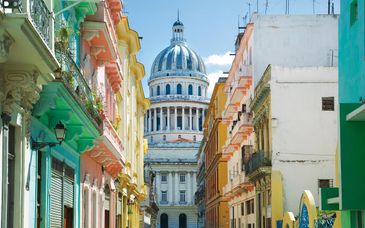
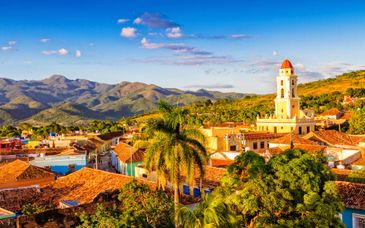

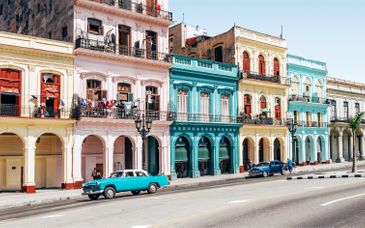
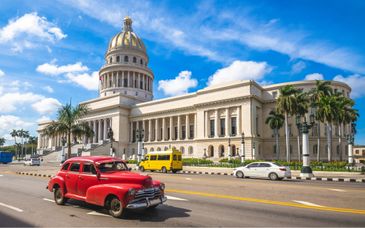
Table of contents
Cuba beckons travellers with its intoxicating blend of Spanish colonial architecture, revolutionary history and vibrant Afro-Caribbean culture, largely preserved due to decades of isolation from mainstream tourism. The island nation offers extraordinary opportunities to experience authentic Latin American culture through music, dance, art and culinary traditions that have evolved uniquely within Cuba’s distinctive political and social context. Vintage American automobiles from the 1950s cruise past crumbling baroque facades and revolutionary murals, creating a visual time capsule that captures Cuba’s complex relationship with history and modernisation. The warmth and resilience of the Cuban people shine through their legendary hospitality, with locals eager to share stories, music and cultural traditions that have sustained communities through challenging economic periods. Cuba’s tourism infrastructure has developed carefully to balance visitor accessibility with the preservation of authentic cultural experiences, ensuring that tours provide genuine insights into Cuban life rather than sanitised interpretations. From the cobblestone streets of Trinidad to the pristine beaches of Varadero, Cuba’s diverse landscapes and cultural heritage create travel experiences that challenge assumptions while providing profound insights into Caribbean history, Spanish colonial legacy and the ongoing Cuban experiment in socialist governance.

Revolutionary history comes alive through this comprehensive Cuban odyssey spanning 10, 12 or 14 nights across the island’s most iconic destinations. Your journey begins in authentic Havana, where classic car tours reveal the capital’s vibrant culture and revolutionary heritage, before venturing to colonial Cienfuegos, known for its French-influenced architecture and picturesque harbour setting. The adventure continues through Trinidad’s cobblestone streets and UNESCO World Heritage sites.
Luxury accommodation awaits throughout your Cuban exploration, featuring carefully selected 5-star hotels including Meliá Cohiba in Havana with sea-view rooms, Meliá San Carlos in Cienfuegos and Mystique La Popa in Trinidad’s historic centre. The tour concludes with paradise relaxation in Varadero, where all-inclusive comfort at Meliá Varadero provides the perfect finale to your cultural discovery across Cuba’s most treasured regions.
Flexible duration options allow personalised Cuban experiences, with bed and breakfast stays in cultural cities complemented by all-inclusive beach relaxation. Included classic car sightseeing tours, private transfers between destinations and comprehensive assistance throughout ensure seamless travel while experiencing Cuba’s revolutionary spirit, colonial charm and Caribbean beauty through carefully curated luxury accommodation and authentic local encounters.
What we love: The flexible duration options allowing personalised Cuban exploration combined with luxury 5-star accommodation throughout. The perfect progression from revolutionary Havana through colonial Trinidad to paradise beaches in Varadero creates an ideal Cuban adventure.

Intimate Cuban discovery awaits through this exclusive 10-night private tour combining expert local guidance with luxury accommodation across three distinct destinations. Havana’s historic centre unfolds through professional guided tours including tobacco factory visits, rum museum explorations and classic car adventures that reveal the capital’s revolutionary heritage and colonial magnificence. Trinidad’s charm emerges through guided cultural excursions showcasing Plaza Mayor, Museo Romántico and artisan markets.
Authentic accommodation experiences include staying in Casa Coloniale Trinidad within local inhabitants’ houses, providing genuine cultural immersion alongside luxury hotel comfort in Havana’s Palacio Cueto or Palacio de los Corredores. Cayo Santa Maria’s pristine beaches offer half-board relaxation at Playa Cayo Santa Maria, creating the perfect balance between cultural exploration and Caribbean paradise.
Private transfers ensure personalised comfort throughout your Cuban journey, while included local guides provide insider perspectives on Cuba’s fascinating history and vibrant contemporary culture. Optional excursions feature Cienfuegos visits, traditional music shows with Buena Vista Social Club stars and sailing cruises with dolphin encounters, creating comprehensive Cuban experiences tailored to individual interests and preferences.
What we love: The authentic casa particular experience in Trinidad providing genuine local immersion alongside luxury hotel comfort. The combination of private guided tours with optional cultural experiences creates personalised Cuban discovery.

Flexible Cuban exploration spans 7 to 14 nights across the island’s most captivating destinations, beginning in vibrant Havana, where colonial charm meets Caribbean soul through historic Old Havana plazas and the seafront Malecón promenade. Classic car sightseeing tours reveal vintage American automobiles cruising past stunning architecture, while lively music and warm Cuban hospitality create unforgettable memories. Trinidad and the Ancón Peninsula provide the perfect contrast between preserved colonial history and pristine Caribbean beaches.
Premium accommodation features upgraded rooms throughout your journey, including Meliá Cohiba’s Classic Rooms with late check-out privileges, Melia Trinidad Península’s Deluxe Ocean View Rooms with all-inclusive comfort and Paradisus Los Cayos’ Junior Suites with Royal Service amenities. Cayo Santa Maria’s white sandy beaches and turquoise waters provide ideal relaxation within the UNESCO-declared biosphere reserve of Jardines del Rey archipelago.
Comprehensive inclusions feature classic car tours, shared transfers between destinations and luxury upgrades ensuring exceptional value throughout your Cuban adventure. Optional excursions range from Hemingway legacy tours and Tropicana cabaret shows to historic Trinidad walks and sugar industry museum visits, creating personalised experiences that reveal Cuba’s rich cultural heritage and revolutionary spirit through authentic encounters.
What we love: The luxury room upgrades throughout the journey combined with flexible duration options from 7 to 14 nights. The perfect blend of cultural immersion in historic cities with paradise relaxation on pristine Caribbean beaches.

Adult-oriented Cuban discovery unfolds across customisable durations of 10, 12 or 14 nights, exclusively designed for travellers aged 18 and above seeking authentic island experiences. Havana’s unmatched charm reveals itself through vintage car drives and comprehensive city explorations, while Trinidad’s traditional character emerges through colonial architecture and artisan markets. The journey concludes on Cayo Santa Maria’s magnificent sandy beaches within the UNESCO-designated Jardines del Rey archipelago.
Five-star luxury defines accommodation throughout this Cuban adventure, featuring Mystique Habana Hotel’s Deluxe Rooms, Mystique Trinidad La Popa Hotel’s elegant accommodations and Grand Aston Cayo Las Brujas Hotel’s Garden View Rooms. Board variations provide cultural immersion through bed and breakfast stays in Havana and Trinidad, transitioning to all-inclusive relaxation during beach time in Cayo Santa Maria.
Professional assistance ensures seamless travel throughout Cuba, while classic car sightseeing tours provide unique perspectives on the island’s revolutionary history and colonial heritage. Optional excursions feature colonial architecture tours with lunch, cigar production discoveries, Sugar Mills Valley explorations and Caribbean boat trips with snorkelling adventures, creating comprehensive Cuban experiences tailored to adult interests and cultural curiosity.
What we love: The adult-focused approach ensuring sophisticated Cuban experiences combined with five-star accommodation throughout. The variety of optional cultural excursions from cigar tastings to UNESCO valley explorations creates personalised adventure opportunities.
Wandering through Old Havana reveals layer upon layer of architectural history, where 16th-century Spanish colonial buildings stand alongside baroque churches and neoclassical mansions that collectively form one of the Americas’ most complete colonial urban centres. UNESCO World Heritage status protects this remarkable district, where ongoing restoration projects carefully preserve original construction techniques and materials while adapting historic structures for contemporary use. Guided walking tours navigate narrow cobblestone streets while explaining the social and economic forces that shaped colonial society, including the roles of Spanish merchants, enslaved Africans and indigenous peoples in creating Havana’s distinctive cultural character.
Plaza de Armas anchors Old Havana as its oldest square, surrounded by important buildings including the former Governor’s Palace and historic fortifications that protected the Spanish treasure fleet from pirate attacks and foreign invasions. The square’s weekend book market showcases Cuban literature, revolutionary memorabilia and vintage photographs that illustrate the island’s complex political evolution. Professional guides share stories about key historical figures while explaining how Spanish colonial administration, sugar plantation economics and African cultural influences combined to create Cuban society.
Revolutionary monuments and museums throughout Havana document Cuba’s struggle for independence from Spanish rule and subsequent revolutionary transformation under Fidel Castro’s leadership. The Museum of the Revolution occupies the former presidential palace, displaying artefacts, photographs and personal items that tell the story of Cuba’s various independence movements. These historical tours provide balanced perspectives on Cuban politics while focusing on the social and cultural impacts of revolutionary change on ordinary citizens’ daily lives.

Havana’s architectural evolution spans five centuries, from Spanish fortress construction through Art Deco influences to Soviet-era modernist buildings that reflect different periods of foreign influence and domestic development. Specialist architecture tours examine construction techniques, decorative elements and urban planning approaches that created Havana’s distinctive streetscapes. Expert guides explain how climate, available materials and cultural preferences influenced building styles while discussing ongoing preservation challenges and restoration techniques that maintain historical authenticity.
Cuban music pulses through every aspect of daily life, from impromptu street performances to sophisticated concert halls where traditional son, salsa and contemporary fusion styles demonstrate the island’s remarkable musical creativity and innovation. Professional musicians lead cultural tours that visit music venues, recording studios and educational institutions where visitors learn about Cuban musical history while participating in hands-on workshops that teach basic rhythms and dance steps. These immersive experiences reveal how African rhythms, Spanish melodies and indigenous influences combined to create distinctive Cuban musical forms that have influenced popular music worldwide.
Salsa dance emerged from Cuba’s multicultural heritage, blending African percussion, Spanish guitar traditions and jazz influences into energetic social dances that embody Cuban joie de vivre and community spirit. Dance studios and cultural centres throughout Havana offer lessons for beginners alongside advanced workshops that explore regional variations and historical development of different dance styles. Evening tours often conclude at live music venues where visitors can practise newly learned steps while experiencing authentic Cuban nightlife and social interaction.
Santería represents Cuba’s most distinctive religious tradition, combining Yoruba spiritual practices brought by enslaved Africans with Catholic imagery and indigenous elements that created a unique syncretic faith system. Respectful cultural tours explore Santería’s role in Cuban society through visits to religious sites, traditional ceremonies (where permitted) and discussions with practitioners who explain spiritual beliefs and cultural practices. These educational experiences provide insights into how enslaved communities preserved African cultural heritage while adapting to Caribbean colonial conditions.
Local artisans throughout Cuba maintain traditional craft techniques including pottery, woodcarving, textile weaving and metalwork that reflect both indigenous heritage and Spanish colonial influences. Craft workshops provide opportunities to observe master craftspeople at work while learning about traditional materials, tools and techniques that have been passed down through generations. These hands-on experiences often include opportunities to create simple crafts while supporting local artisans and understanding the economic challenges facing traditional craft production in contemporary Cuba.
Pristine beaches along Cuba’s extensive coastline offer crystal-clear Caribbean waters, white sand shores and coral reef systems that support diverse marine ecosystems perfect for snorkelling, diving and water sports activities. The island’s north coast features calm bay areas ideal for swimming and relaxation, while the southern shores provide more dramatic landscapes with mangrove forests and protected marine reserves. Professional dive operators lead underwater tours that explore coral formations, tropical fish populations and historical shipwrecks while educating visitors about marine conservation and reef protection efforts.
Viñales Valley showcases Cuba’s dramatic karst landscape, where limestone mogotes (hill formations) rise from tobacco-growing valleys that have supplied Cuba’s world-famous cigar industry for centuries. Horse-riding tours through this UNESCO World Heritage landscape visit tobacco farms where traditional cultivation methods continue unchanged, providing insights into agricultural practices that sustain rural communities. Cave exploration tours reveal underground river systems and geological formations created over millions of years, while providing cool respites from tropical heat.
Sierra Maestra mountains in eastern Cuba offer hiking opportunities through cloud forests and coffee plantations while providing historical significance as the base for revolutionary guerrilla operations during the 1950s. These mountain tours combine natural history with political history, explaining how geography influenced revolutionary strategy while showcasing endemic bird species, tropical vegetation and traditional mountain agriculture. Coffee plantation visits demonstrate traditional growing and processing methods while supporting rural communities that maintain sustainable agricultural practices.

Historical sites throughout Cuba document the island’s struggle against Spanish colonial rule, brief periods of independence, American economic influence and revolutionary transformation that created contemporary Cuban society. The Bay of Pigs Museum provides Cuban perspectives on the failed 1961 invasion, while revolutionary battlefields and safe houses tell stories of guerrilla warfare and popular resistance. These historical tours present Cuban viewpoints on controversial events while encouraging visitors to understand how different groups experienced political change and social transformation.
Museums dedicated to revolutionary leaders provide insights into the personalities and ideologies that shaped modern Cuba, including displays of personal artefacts, correspondence and photographs that humanise political figures often known only through international media representations. Professional historians guide these educational tours while explaining the social and economic conditions that led to revolutionary change and subsequent political development. These balanced presentations help visitors understand Cuban perspectives on their own history and political choices.
Socialist institutions including schools, hospitals and community centres demonstrate how revolutionary ideals translated into social programmes that prioritise education, healthcare and community development over individual wealth accumulation. Educational tours explore these institutions (where permitted) while discussing achievements and challenges of Cuba’s social experiment. Local residents often participate in these discussions, sharing personal experiences and perspectives on daily life under Cuba’s unique political and economic system.
Modern Cuban life reflects adaptations to economic challenges while maintaining strong social bonds, cultural traditions and national pride that sustain communities through difficult periods. Urban and rural tours reveal how Cubans have developed innovative solutions to resource constraints while preserving educational excellence, healthcare access and cultural vitality. These authentic cultural exchanges provide insights into contemporary Cuban creativity, resilience and community solidarity that tourists rarely experience through conventional sightseeing.
Trinidad represents Cuba’s best-preserved colonial town, where cobblestone streets, pastel-coloured houses and baroque churches create an authentic 18th-century Spanish American atmosphere that transports visitors to the height of the sugar economy. This UNESCO World Heritage site showcases colonial architecture, traditional crafts and local museums that explain how sugar plantation wealth created elaborate urban centres while relying on enslaved labour that shaped Trinidad’s demographic and cultural development. Walking tours through Trinidad’s historic centre visit artisan workshops, colonial mansions and religious sites while explaining daily life during the colonial period.
Cienfuegos earns recognition as the "Pearl of the South" for its elegant French-influenced architecture and neoclassical urban planning that differs markedly from typical Spanish colonial designs found elsewhere in Cuba. The city’s 19th-century development coincided with increased French immigration and investment, creating architectural styles and urban layouts that reflect European influences while adapting to tropical climate and local building materials. Cultural tours explore Cienfuegos’ maritime heritage, architectural landmarks and contemporary cultural institutions that maintain the city’s reputation for elegance and cultural sophistication.
Santiago de Cuba serves as the island’s second-largest city and cultural capital of eastern Cuba, where Afro-Caribbean influences appear more prominently in music, religion and daily culture than in western regions. The city’s mountainous setting and historical significance as a revolutionary stronghold create a distinctive character that contrasts with Havana’s colonial grandeur. Cultural tours through Santiago explore carnival traditions, musical heritage and local festivals that showcase the city’s vibrant cultural creativity and strong African heritage connections.
Traditional Cuban cuisine blends Spanish, African and indigenous influences into hearty dishes that utilise locally available ingredients while adapting to periodic shortages that have encouraged culinary creativity and resourcefulness. Cooking classes with local families provide authentic insights into Cuban home cooking, traditional recipes and creative adaptations that maintain nutritious and flavourful meals despite ingredient limitations. These culinary experiences often include market visits, ingredient discussions and shared meals that create meaningful cultural exchanges between visitors and Cuban families.
Organic farming initiatives throughout Cuba demonstrate sustainable agricultural practices that developed partly from necessity when economic isolation required self-sufficiency in food production while limiting access to chemical fertilisers and pesticides. Urban agriculture tours visit community gardens, rooftop farms and agricultural cooperatives that supply fresh produce to local communities while providing employment and food security. These educational tours explain permaculture principles, companion planting techniques and community organisation methods that support local food systems.
Traditional coffee and tobacco production represent Cuba’s most famous agricultural exports, with small-scale farmers maintaining traditional cultivation methods that produce premium products while supporting rural communities. Plantation tours visit family-owned operations where visitors observe traditional processing techniques, learn about crop cultivation and understand the economic importance of these agricultural sectors to Cuban export earnings and rural livelihoods. These agricultural experiences often include tastings and discussions about sustainable farming practices that protect soil and water resources.