New
Exclusive

Our offers
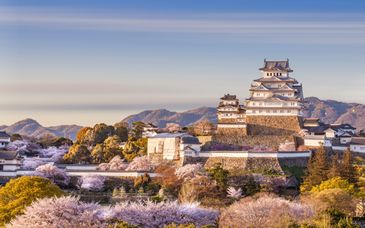
Table of contents
Japan stands as one of the world’s most captivating destinations, seamlessly blending ancient traditions with cutting-edge modernity. The archipelago offers an extraordinary tapestry of experiences, from serene temple gardens and traditional ryokans to bustling metropolises and technological marvels. Organised tours provide an excellent gateway to understanding this complex nation, offering structured itineraries that unveil both iconic landmarks and hidden gems while ensuring travellers maximise their time in this fascinating country.

This comprehensive 12-night group tour presents an extraordinary odyssey through Japan’s cultural heartland, expertly guided to ensure you experience the very essence of this captivating nation. The journey encompasses UNESCO World Heritage sites including the magnificent Toshogu Shrine and the unique Gassho-Zukuri thatched houses of Shirakawa, offering glimpses into Japan’s architectural heritage. Travellers will witness the country’s remarkable diversity, from Tokyo’s bustling metropolis to the moving Peace Memorial Park in Hiroshima, all while enjoying the services of knowledgeable local guides.
The tour’s highlight includes an exhilarating journey aboard Japan’s legendary bullet train from Hiroshima to Kyoto, where you’ll glide through the countryside at remarkable speeds. Cultural immersion reaches its peak with a traditional Japanese tea ceremony, allowing you to participate in this ancient ritual that embodies Japanese philosophy and aesthetics. The itinerary thoughtfully balances must-see destinations with hidden gems, including visits to remote mountain villages and pristine temple complexes.
What we love: The expertly guided experience ensures deep cultural understanding, while the inclusion of both iconic sites and off-the-beaten-path locations provides a comprehensive introduction to Japan’s multifaceted character.

Designed as a private tour experience, this exceptional journey offers flexibility with durations ranging from 8 to 14 nights, allowing travellers to tailor their Japanese adventure according to personal preferences. The carefully curated itinerary showcases Japan’s most spectacular natural wonders alongside its rich cultural treasures, spanning from Tokyo’s futuristic skyline to Kyoto’s timeless temples. Guests can choose between comfortable 3-star or luxurious 4-star accommodation throughout their stay, ensuring optimal comfort while exploring this remarkable country.
The extended 14-night option includes visits to Kanazawa, renowned for its exquisite Kenrokuen garden and traditional crafts, plus the charming mountain town of Takayama with its preserved Edo-period architecture. Each destination reveals different aspects of Japanese culture, from Hiroshima’s poignant historical significance to the artistic heritage of skilled woodworkers in Takayama. The tour incorporates guided evening walks through Kyoto’s historic Gion district, where glimpses of geishas in traditional dress transport visitors back centuries.
What we love: The private tour format allows for personalised exploration, while the variety of duration options ensures the perfect fit for different travel styles and time constraints.

This meticulously planned tour brings together Japan’s most beautiful natural landscapes with its profound cultural heritage, offering travellers an immersive 12 or 14-night adventure through the country’s diverse regions. The journey begins in Tokyo’s electrifying urban environment before progressing to Kanazawa, where traditional crafts and the stunning Kenrokuen garden await discovery. The itinerary seamlessly weaves together contrasting experiences, from the bustling energy of Osaka’s culinary districts to the peaceful contemplation found in Kyoto’s ancient temples.
Kanazawa emerges as a highlight, showcasing Japan’s artistic traditions through silk kimonos, ceramics and delicate lacquerware that represent centuries of refined craftsmanship. The tour includes visits to UNESCO World Heritage sites and provides opportunities for cultural immersion, including traditional tea ceremonies that reveal the philosophical depths of Japanese aesthetics. Each destination has been carefully selected to present different facets of Japanese civilisation, from imperial history to modern innovation.
What we love: The tour’s emphasis on traditional crafts and cultural heritage provides deep insights into Japan’s artistic soul, while the inclusion of both major cities and hidden gems creates a perfectly balanced exploration.

Adventure awaits on this exceptional journey that combines Tokyo’s metropolitan excitement with the spiritual serenity of Mount Fuji’s hot springs and the mystical atmosphere of Buddhist temples in Koya San. Available in durations from 7 to 13 nights, this tour offers authentic Japanese experiences through carefully selected accommodations including traditional ryokans where guests sleep on tatami mats and enjoy kaiseki dining. The itinerary ventures beyond typical tourist routes to include sacred mountain retreats and historic temple complexes.
Koya San represents the tour’s spiritual pinnacle, where travellers can experience temple lodging and participate in Buddhist practices amidst ancient forest settings. The journey through Hakone provides spectacular views of Mount Fuji while guests relax in natural hot springs that have soothed visitors for centuries. Evening walks through Kyoto’s geisha districts offer glimpses into Japan’s artistic traditions, creating memories that capture the country’s timeless elegance.
What we love: The inclusion of temple lodging and spiritual experiences provides authentic cultural immersion, while the combination of natural beauty and religious heritage creates profound connections with Japanese traditions.

This remarkable tour unveils Japan’s hidden treasures alongside its celebrated landmarks, featuring unique experiences in traditional ryokans by the Japanese Sea and wandering in yukata robes through the charming canals of Kinosaki Onsen’s "Seven Onsen City". The journey spans must-see destinations including Tokyo, Kyoto, Himeji, Osaka and the breathtaking Amanohashidate sandbar, known as the "Bridge to Heaven" and recognised as one of Japan’s three most beautiful panoramas. Guests can choose between 3-star and 4-star accommodation while exploring this diverse itinerary.
Kinosaki Onsen emerges as a jewel of traditional Japan, where tree-lined rivers and wooden houses create an atmosphere of timeless tranquillity. The town’s seven prestigious hot springs offer healing waters amidst stunning natural settings, while nearby beaches provide opportunities for relaxation and water activities. The longer 13-night option includes Amanohashidate’s mystical sandbar, where Shinto mythology tells of gods passing between heaven and earth.
What we love: The focus on traditional hot spring culture and authentic ryokan experiences provides deep connections with Japanese hospitality traditions, while the inclusion of lesser-known destinations reveals the country’s hidden beauty.
Selecting the right tour for Japan requires careful consideration of various factors that will shape your entire experience. The timing of your visit plays a crucial role, as each season offers distinct advantages and unique experiences. Spring brings the world-famous cherry blossom season, while autumn showcases spectacular foliage that transforms landscapes into stunning natural galleries.
Tour duration varies considerably, ranging from week-long introductory packages to comprehensive month-long explorations. Shorter tours typically focus on major cities such as Tokyo, Kyoto and Osaka, while extended programmes venture into rural regions, allowing deeper cultural immersion and exploration of lesser-known destinations. Budget considerations also influence tour selection, as luxury experiences featuring exclusive accommodations and private guides command premium prices compared to group tours with standard amenities.
Group size significantly impacts the tour experience, with smaller groups offering more personalised attention and flexibility, while larger groups may provide better value for money. Many operators cater to specific interests, such as culinary tours, historical explorations or nature-focused adventures, allowing travellers to align their journey with personal passions.

Cultural immersion represents the heart of any meaningful Japanese experience, and specialised tours excel at providing authentic encounters with local traditions. These programmes typically include visits to ancient temples, participation in traditional ceremonies and opportunities to stay in traditional accommodations that have welcomed guests for centuries.
Traditional arts workshops form integral components of cultural tours, offering hands-on experiences in activities such as calligraphy, pottery and textile weaving. Participants often engage with local artisans who share generational knowledge while demonstrating techniques passed down through families for centuries. Tea ceremony experiences provide intimate glimpses into Japanese philosophy and aesthetics, revealing the profound cultural significance behind seemingly simple rituals.
Festivals and seasonal celebrations add vibrant dimensions to cultural tours, with many operators timing their itineraries to coincide with local matsuri or traditional observances. These events showcase community spirit and regional identity through elaborate processions, traditional performances and local cuisine that reflects centuries-old recipes and cooking methods.
Japanese cuisine extends far beyond internationally recognised dishes, encompassing regional specialities and cooking traditions that vary dramatically across different prefectures. Culinary tours unveil this gastronomic diversity through market visits, cooking classes and dining experiences at establishments ranging from humble local eateries to renowned restaurants.
Market exploration forms the foundation of most culinary tours, introducing participants to seasonal ingredients and traditional preparation methods. Tsukiji Fish Market in Tokyo and similar venues across Japan provide fascinating insights into the country’s relationship with fresh seafood and the meticulous standards that define Japanese food culture. Participants often witness morning auctions and learn about quality assessment techniques used by professional buyers.
Cooking workshops enable travellers to master authentic techniques under expert guidance, covering everything from perfect rice preparation to complex knife skills required for traditional preparations. Regional specialities receive particular attention, with tours highlighting unique local dishes that reflect geographical influences and historical trading relationships. Sake and tea tastings complement culinary experiences, educating participants about production methods and the cultural significance of these beverages in Japanese society.
Japan’s spiritual landscape encompasses thousands of temples, shrines and sacred sites that collectively tell the story of the nation’s religious and philosophical development. Tour programmes dedicated to these locations provide context and understanding that independent visitors often miss, explaining the significance of architectural details, ritual practices and historical connections.
Ancient capitals such as Nara and Kyoto serve as living museums where tour participants can explore multiple UNESCO World Heritage sites within compact areas. Expert guides illuminate the relationships between different religious traditions and explain how Buddhism and Shintoism have coexisted and influenced Japanese culture throughout history.
Pilgrimage routes offer unique opportunities for spiritual exploration and physical challenge, with some tours incorporating portions of ancient walking paths used by monks and religious seekers for over a millennium. These experiences often include meditation sessions and meetings with contemporary religious practitioners who maintain traditional practices in modern settings.

Contemporary Japan showcases technological innovation and urban development that consistently amazes international visitors. Modern exploration tours highlight cutting-edge achievements in robotics, transport and urban planning while examining how traditional values influence contemporary Japanese society.
Tokyo serves as the primary showcase for modern Japan, offering experiences that range from visits to technology centres and innovation hubs to exploration of youth culture districts and contemporary art galleries. Architectural tours reveal how Japanese designers have created structures that respect traditional aesthetics while incorporating revolutionary engineering solutions.
Transport systems themselves become attractions, with tours often including rides on various types of high-speed trains that demonstrate Japanese precision and efficiency. Technology centres and research facilities occasionally open their doors to tour groups, providing glimpses into developments that may shape global technological trends in coming decades.
Japan’s natural beauty encompasses diverse landscapes that include volcanic mountains, pristine coastlines, ancient forests and hot spring regions that have provided relaxation and healing for centuries. Nature-focused tours cater to outdoor enthusiasts while also appealing to those seeking peaceful retreats from urban environments.
Mount Fuji remains the most iconic natural landmark, with various tour options ranging from challenging climbs during official climbing season to scenic viewing experiences from surrounding lakes and observation points. Hot spring regions offer opportunities for relaxation and cultural education, as onsen culture represents an important aspect of Japanese lifestyle and social interaction.
National parks throughout Japan protect ecosystems that support unique flora and fauna, with guided tours providing educational insights into conservation efforts and environmental challenges. Seasonal activities such as cherry blossom viewing and autumn leaf tours attract millions of visitors annually, requiring advance planning and local knowledge to identify optimal viewing locations and timing.
Each season in Japan offers distinct advantages and unique experiences that influence tour planning and itinerary development. Spring cherry blossom season represents the most popular period for international visitors, but also the most crowded and expensive time to travel.
Summer provides access to mountain hiking trails and festival seasons, though high temperatures and humidity in many regions require careful planning and appropriate preparations. Autumn showcases spectacular foliage displays that rival any destination worldwide, while winter offers opportunities for snow sports and visits to illumination displays that transform cities into magical wonderlands.
Seasonal cuisine and cultural practices change throughout the year, with tours adapting their focus to highlight ingredients, festivals and activities that reflect the rhythm of Japanese life. Many tour operators offer seasonal speciality programmes that maximise the unique aspects of each time period while minimising weather-related challenges.
Japan’s exceptional transport infrastructure enables efficient travel between diverse destinations, but navigating the system independently can prove challenging for international visitors. Tour packages typically include comprehensive transport arrangements that eliminate stress and maximise sightseeing time.
Rail passes and transport cards included in tour packages provide significant value while ensuring seamless movement between cities and attractions. Professional guides familiar with local transport systems help groups navigate efficiently while explaining the cultural and historical significance of various locations encountered during travel.
Luggage forwarding services commonly included in tours allow participants to travel light while ensuring belongings arrive safely at each destination. This uniquely Japanese service exemplifies the attention to detail and customer service standards that enhance the overall tour experience.
Japanese accommodation options range from ultra-modern international hotels to traditional ryokans that provide immersive cultural experiences. Tour programmes typically offer varied accommodation experiences that showcase different aspects of Japanese hospitality and lifestyle.
Traditional inns provide opportunities to experience tatami rooms, futon sleeping arrangements and elaborate multi-course meals that reflect seasonal ingredients and regional specialities. Many ryokans feature private or communal hot spring baths that offer relaxation and cultural education about this important aspect of Japanese culture.
Modern accommodation options demonstrate Japanese innovation in space utilisation and customer service, with features such as high-tech toilets, automated check-in systems and compact but efficient room designs that maximise functionality within limited space.
Selecting appropriate tour operators requires evaluation of multiple factors including group size preferences, activity levels, cultural interests and budget considerations. Established operators typically offer comprehensive support services and experienced guides who enhance the educational value of each experience.
Language capabilities of guides significantly impact tour quality, with bilingual guides providing cultural context and facilitating interactions with local people that independent travellers might miss. Safety records and emergency support systems become particularly important when considering adventure activities or visits to remote locations.
Flexibility within structured itineraries allows for spontaneous discoveries while maintaining efficient scheduling that maximises destination coverage. Many operators offer customisation options that accommodate specific interests or physical limitations while maintaining group cohesion and cost efficiency.