New
Exclusive

Our offers
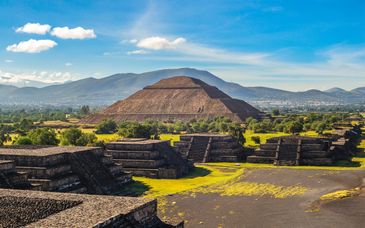
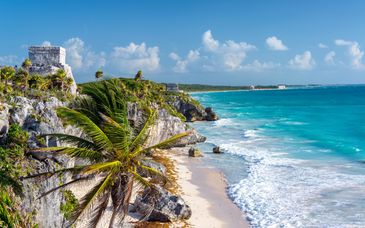
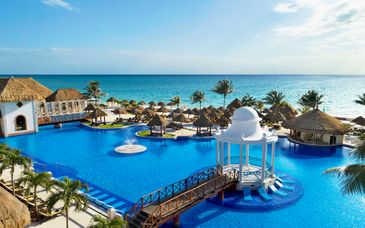
Table of contents
Spanning from Pacific shores through rugged mountain ranges to Caribbean coastlines, Mexico encompasses extraordinary geographical diversity that nurtured sophisticated pre-Columbian civilisations. Their archaeological treasures continue to reveal advanced astronomical knowledge, architectural innovations, and artistic achievements that challenge conventional understanding of ancient Mesoamerican societies. This remarkable North American nation preserves the most extensive Maya heritage sites alongside Aztec ruins, colonial Spanish architecture, and indigenous communities that maintain traditional customs, languages, and spiritual practices through centuries of cultural persistence despite political upheavals and social transformations. The country’s diverse ecological zones—from Sonoran deserts through tropical rainforests to high-altitude volcanic plateaus—created unique environmental conditions that fostered different cultural adaptations, while extensive trade networks connected these regions through complex economic relationships and cultural exchange systems.
Contemporary Mexico attracts adventurous travellers seeking authentic cultural experiences through archaeological exploration, indigenous community interactions, culinary discoveries, and natural environment appreciation that combines historical education with outdoor adventure activities ranging from coral reef diving to volcano climbing. The nation’s numerous UNESCO World Heritage sites include not only famous Chichen Itza and Teotihuacan but also colonial cities, natural reserves, and cultural landscapes that demonstrate Mexico’s significance for both cultural heritage and biodiversity conservation. Professional tour operators provide essential logistical support for navigating diverse regions, complex transport networks, and safety considerations while ensuring responsible tourism practices that benefit local communities and protect fragile archaeological sites and natural environments through sustainable travel initiatives that preserve Mexico’s extraordinary heritage for future generations.

This magnificent dual-destination experience begins in Mexico’s captivating capital, where centuries of history unfold before your eyes. The journey commences with an expertly guided exploration of Mexico City’s historic centre, including the impressive Zócalo main square, the Metropolitan Cathedral, and the National Palace adorned with Diego Rivera’s famous murals. The itinerary includes a fascinating visit to the Anthropological Museum, housing Mexico’s most significant pre-Columbian treasures, followed by an unforgettable excursion to the ancient pyramids of Teotihuacán.
Following three nights of cultural immersion, the adventure continues at the stunning Occidental at Xcaret 5? resort in Playa del Carmen. This luxury property sits adjacent to the renowned Xcaret eco-archaeological park, offering guests unlimited access to over 40 cultural attractions and exhibitions. The resort features 700 elegantly appointed rooms, seven swimming pools, a private beach, and comprehensive all-inclusive dining options across 11 restaurants and 10 bars.
What we love: The seamless combination of Mexico City’s rich heritage with the natural wonders of the Riviera Maya, plus the exclusive $500 resort credit per room and complimentary access to the Xcaret park for resort guests.

The Yucatán Journey presents an extraordinary seven-night adventure through Mexico’s most enchanting peninsula, showcasing ancient Mayan cities, pristine natural wonders, and vibrant colonial towns. Beginning in Cancun, this comprehensive tour ventures deep into the heart of the Yucatán, visiting the mystical ruins of Tulum perched dramatically above powder-white beaches, the jungle-shrouded temples of Palenque, and the world-famous archaeological site of Chichén Itzá.
Travellers will experience the ethereal beauty of Bacalar’s seven-coloured lagoon, swim in the turquoise cascades of Agua Azul waterfalls, and explore the fortified colonial charm of Campeche, a UNESCO World Heritage Site. The journey includes stays in carefully selected accommodations throughout the region, with full board included from days two to seven, ensuring guests can focus entirely on the remarkable experiences unfolding around them.
What we love: The expertly crafted itinerary that reveals hidden cenotes, allows swimming with dolphins, and includes authentic cultural experiences like a traditional piñata celebration, all while maintaining excellent comfort standards throughout.

Experience the best of both worlds with this exceptional twin-centre holiday that showcases Mexico’s cosmopolitan capital alongside its world-renowned Caribbean coastline. The adventure begins at the prestigious Sheraton Maria Isabel Hotel & Towers, perfectly positioned on the famous Paseo de la Reforma overlooking the iconic Angel of Independence monument. Guests enjoy three nights in this prime location with included guided tours to the Anthropology Museum and the magnificent Teotihuacán pyramids.
The second phase unfolds at the spectacular Dreams Sands Resort Cancun & Spa, where six nights of all-inclusive luxury await along a breathtaking 650-foot stretch of pristine white sand beach. This elegant resort features nine restaurants, five bars, multiple pools, and access to an extensive array of water sports and entertainment options, ensuring every moment is filled with relaxation and enjoyment.
What we love: The perfect balance between cultural exploration and tropical relaxation, with private transfers throughout and the convenience of internal flights between destinations, making this an effortlessly luxurious experience.

Adventure seekers will relish this independent exploration of the Yucatán Peninsula, combining the freedom of self-drive discovery with the comfort of premium accommodations. The journey encompasses seven carefully planned days visiting colonial gems like Valladolid, Izamal, and Mérida, while exploring ancient Mayan treasures at Uxmal, Ek Balam, and the legendary Chichén Itzá. Your included rental car provides complete flexibility to explore at your own pace, with a comprehensive roadbook guiding you to each spectacular destination.
The tour includes the option to extend your Mexican adventure with a luxurious beach retreat at the magnificent Barcelo Maya Caribe 5?, nestled within 50 hectares of tropical paradise along one of the Riviera Maya’s most beautiful beaches. This exceptional resort features eight swimming pools, the Barcy Water Park, a 3000m² U-Spa, and extensive dining options, providing the perfect conclusion to your Yucatán adventure.
What we love: The complete freedom to explore Mexico’s treasures independently while enjoying the security of pre-arranged accommodations, plus the flexibility to add a beach extension for the ultimate combination of adventure and relaxation.
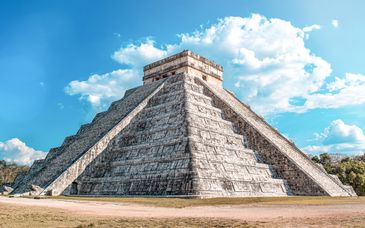
The Maya civilisation represents one of humanity’s greatest intellectual achievements through sophisticated writing systems, precise astronomical calculations, and monumental architecture that demonstrates advanced engineering knowledge while creating harmonious integration between ceremonial complexes and natural landscapes across the Yucatán Peninsula, Chiapas, and parts of Central America. Chichen Itza stands as the most famous Maya site through its iconic pyramid that demonstrates precise astronomical alignments, while the Great Ball Court reveals complex ceremonial sports that held deep religious significance within Maya cosmology and social organisation. Professional archaeological guides provide essential interpretation of Maya hieroglyphics, calendrical systems, and architectural symbolism while managing visitor flow through advance booking requirements and preservation protocols designed to protect ancient structures from environmental damage and excessive tourism impact.
Palenque emerges from Chiapas rainforest through remarkably preserved temples and palaces where intricate stone carvings reveal Maya royal history, religious ceremonies, and sophisticated artistic traditions that flourished during the Classic Period when Maya cities controlled extensive trade networks throughout Mesoamerica. This jungle-enclosed archaeological site provides immersive experiences where howler monkey calls echo through ancient plazas, while guided tours explain architectural innovations, royal succession stories, and religious practices that governed Maya society through complex interrelationships between astronomy, agriculture, and spiritual beliefs. Professional archaeological interpretation ensures visitor understanding of site significance while protecting fragile structures and rainforest environments that support diverse wildlife populations and maintain ecological balance essential for site preservation.
Lesser-known Maya sites, including Calakmul, Uxmal, and Coba, offer authentic archaeological experiences with fewer crowds while revealing different aspects of Maya civilisation through distinctive architectural styles, regional variations, and cultural adaptations that demonstrate the sophistication and diversity of Maya society across different time periods and geographical regions. These remote archaeological complexes often require adventurous travel through jungle roads, boat access, or hiking trails that recreate aspects of ancient pilgrimage routes while providing opportunities for wildlife observation, botanical education, and cultural interactions with contemporary Maya communities that maintain traditional knowledge and spiritual connections to ancestral sites through ongoing ceremonial practices and cultural preservation efforts.

The Yucatán Peninsula’s unique geological formation creates an underwater cave system that surfaces through cenotes—natural freshwater pools that served sacred purposes for ancient Maya civilisations while providing essential water sources in this limestone landscape where surface rivers remain absent. These extraordinary geological features offer world-class diving and snorkelling experiences through crystal-clear waters that reveal underwater stalactite formations, diverse aquatic ecosystems, and archaeological artefacts that demonstrate Maya religious practices and ceremonial offerings made in these sacred pools. Professional diving operators ensure safety through certified guides, proper equipment, and cave diving certifications while maintaining environmental protection protocols that preserve fragile underwater ecosystems and archaeological materials for future generations through responsible tourism practices.
Mexico’s Caribbean coast presents pristine beaches backed by the Mesoamerican Reef System—the second-largest coral reef in the world—that supports extraordinary marine biodiversity through tropical fish species, sea turtles, and coral formations that create spectacular underwater environments for diving and snorkelling adventures. Coastal resorts provide access to protected marine parks where sustainable tourism practices support conservation efforts while enabling visitors to experience healthy coral ecosystems, observe marine wildlife, and participate in research activities that contribute to reef protection and restoration initiatives. Professional marine guides possess extensive knowledge of reef ecology, marine species identification, and conservation challenges while ensuring responsible interaction protocols that minimise environmental impact while maximising educational value and appreciation for marine ecosystem complexity.
Traditional fishing villages along the Caribbean coast maintain authentic character through working harbours where local communities continue sustainable fishing practices while adapting to tourism opportunities that provide economic diversification without compromising cultural integrity or environmental stewardship. These coastal communities often feature cultural centres, craft workshops, and traditional restaurants that demonstrate regional specialities while maintaining connections to maritime livelihoods that shaped local customs, architectural styles, and community organisation throughout generations of coastal adaptation. Guided community visits typically include fishing boat experiences, traditional craft demonstrations, and cultural exchanges that reveal how coastal communities balance traditional practices with contemporary challenges while supporting cultural preservation through heritage tourism that values authenticity over commercialisation.
Mexico City represents one of the world’s largest metropolitan areas through a complex urban landscape that encompasses ancient Aztec foundations, colonial Spanish architecture, and contemporary cultural institutions while maintaining distinct neighbourhood characters that reflect different periods of urban development and social organisation. The historic city centre preserves extraordinary examples of colonial architecture through the Zócalo (main square), Metropolitan Cathedral, and surrounding colonial palaces that demonstrate Spanish urban planning principles while incorporating indigenous labour, materials, and artistic influences that created distinctive Mexican colonial style. Professional cultural guides navigate bustling streets while explaining architectural evolution, social hierarchies, and cultural synthesis that characterised colonial Mexican society through complex interactions between Spanish, indigenous, and African populations that shaped contemporary Mexican cultural identity.
The Templo Mayor archaeological site reveals layers of Aztec history beneath modern Mexico City through excavated temple foundations, ceremonial objects, and architectural remains that demonstrate the sophistication and power of Tenochtitlan—the Aztec capital that once controlled vast territories across central Mexico through military conquest and tribute systems. This remarkable archaeological complex provides a direct connection to pre-Columbian urban planning, religious practices, and social organisation, while adjacent museums display extraordinary collections of Aztec art, ritual objects, and historical documents that explain indigenous perspectives on Spanish conquest and cultural transformation. Guided archaeological tours ensure historical accuracy while addressing complex issues of cultural preservation, indigenous rights, and historical interpretation that remain relevant to contemporary Mexican society and identity formation.
Mexico City’s vibrant neighbourhoods, including Roma Norte, Coyoacán, and Xochimilco, preserve distinct cultural characteristics through architectural styles, local markets, and community traditions that demonstrate how urban development accommodated diverse populations while maintaining cultural diversity within metropolitan environments. These comprehensive neighbourhood tours typically include visits to traditional markets, artisan workshops, and cultural centres that reveal continuing connections to regional traditions, indigenous crafts, and culinary customs while exploring how contemporary Mexican artists, writers, and cultural activists address social issues through creative expression. Professional cultural interpreters facilitate respectful interactions while explaining how historical legacies influence contemporary social dynamics, cultural production, and community organisation in modern Mexican urban environments.

Throughout central Mexico, colonial cities preserve remarkable architectural heritage through UNESCO World Heritage designations that recognise outstanding examples of Spanish colonial urban planning, religious architecture, and domestic buildings that demonstrate 16th- through 18th-century construction techniques while revealing social hierarchies and cultural synthesis during the colonial period. Guanajuato’s colourful hillside architecture creates dramatic urban landscapes through narrow streets that wind between baroque churches, colonial mansions, and underground roadways that originally served mining operations, while contemporary cultural activities, including international festivals, maintain vibrant artistic traditions within historical settings. Professional heritage guides navigate complex urban topography while explaining mining history, architectural styles, and cultural developments that transformed colonial Mexican society through economic prosperity, artistic patronage, and educational institutions that attracted intellectuals and artists from across Spanish America.
San Miguel de Allende exemplifies colonial architectural preservation through its historic centre, where baroque churches, colonial mansions, and traditional markets demonstrate Spanish urban planning principles while maintaining authentic atmosphere through ongoing community life and cultural activities that preserve traditional crafts, religious observances, and architectural maintenance techniques. The city’s cultural institutions, art galleries, and educational programmes attract international visitors while supporting local artisans, cultural traditions, and architectural preservation through tourism revenue that values heritage conservation over commercial development. These comprehensive cultural tours typically include visits to traditional workshops, colonial churches, and cultural centres that explain how colonial society functioned while examining how contemporary communities maintain cultural continuity through adaptive reuse, traditional crafts, and community organisation that preserves essential characteristics of colonial Mexican urban culture.
Puebla showcases distinctive colonial architecture through Talavera pottery decoration, baroque church facades, and traditional building techniques that created a unique regional style while maintaining strong connections to indigenous artistic traditions and Spanish architectural principles through cultural synthesis that produced distinctive Mexican colonial characteristics. The city’s historic centre preserves exceptional examples of religious architecture, domestic buildings, and public spaces that demonstrate colonial social organisation, while contemporary cultural activities, including culinary traditions, craft production, and religious festivals, maintain living connections to colonial heritage through community participation and cultural transmission across generations. Professional cultural guides explain architectural significance, historical development, and ongoing preservation efforts while providing access to private courtyards, religious spaces, and cultural institutions that enhance understanding of colonial society’s complexity and artistic achievement during Spanish rule.
Mexican gastronomy reflects extraordinary cultural diversity through indigenous ingredients, Spanish colonial influences, and regional variations that created one of the world’s most complex and sophisticated culinary traditions, recognised by UNESCO as Intangible Cultural Heritage of Humanity for its cultural significance, traditional preparation methods, and ongoing community-based preservation efforts. Traditional cooking techniques, including stone grinding, clay pot preparation, and wood-fired cooking, continue throughout Mexico, while contemporary chefs interpret ancestral recipes using modern techniques that preserve authentic flavours and cultural significance through ingredients sourced from traditional agricultural systems and local markets. Professional culinary tours guide participants through traditional markets, street food vendors, family kitchens, and renowned restaurants while explaining ingredient selection, preparation techniques, and cultural contexts that created distinctive regional flavour profiles and cooking traditions that vary significantly across Mexico’s diverse geographical regions.
Regional cuisine variations demonstrate Mexico’s cultural and geographic diversity through distinctive ingredients, preparation methods, and cultural traditions that reflect indigenous heritage, colonial influences, and local agricultural conditions while maintaining strong connections to ceremonial practices, seasonal cycles, and community celebrations that preserve cultural identity through food customs. Oaxacan cuisine features complex mole sauces, traditional cheese production, and mezcal distillation, while Yucatecan specialities incorporate Maya ingredients and Spanish colonial techniques that created unique fusion dishes unavailable elsewhere in Mexico. These immersive culinary experiences typically include cooking classes, market tours, and agricultural visits that demonstrate how traditional knowledge guides contemporary food production while supporting sustainable agriculture, cultural preservation, and community economies through culinary tourism that values authenticity and cultural education.
Traditional food markets throughout Mexico provide authentic cultural experiences through vibrant displays of regional produce, traditional prepared foods, and artisan products that demonstrate continuing connections to indigenous agricultural systems, seasonal growing cycles, and community food traditions that support local economies while preserving cultural heritage through daily commercial activities. Professional food guides navigate complex market environments while explaining ingredient identification, seasonal availability, and cultural significance of different foods while facilitating respectful interactions with vendors and food preparers who maintain traditional knowledge through family recipes and community practices. These comprehensive gastronomic explorations often include multiple markets, regional restaurants, and agricultural producers that demonstrate how geography, climate, and cultural history influenced local food preferences while supporting sustainable food systems that maintain biodiversity and cultural heritage through traditional agricultural and culinary practices.
Mexico’s diverse ecosystems create exceptional opportunities for adventure tourism through activities ranging from volcano climbing in central highlands to whale watching along Pacific coasts, while tropical rainforests, desert landscapes, and coral reefs provide settings for outdoor pursuits that combine physical challenge with environmental education and cultural appreciation. Professional adventure operators ensure safety through certified guides, proper equipment, and emergency protocols while maintaining environmental responsibility through sustainable tourism practices that support conservation efforts and benefit local communities through economic opportunities that value natural resource protection over exploitation. These comprehensive adventure programmes often combine multiple activities within single itineraries that showcase different ecological regions while maintaining focus on safety, cultural sensitivity, and environmental stewardship that respects indigenous territorial rights and protected area management objectives.
Marine environments along both Pacific and Caribbean coasts provide world-class diving, snorkelling, and whale watching opportunities through healthy marine ecosystems that support diverse species, including humpback whales, whale sharks, sea turtles, and tropical fish populations that depend on coral reef and open ocean habitats protected through marine parks and conservation initiatives. Professional marine operators maintain international safety standards while providing environmental education and species identification guidance that enhances visitor appreciation for marine ecosystem complexity and conservation challenges facing ocean environments worldwide. These water-based adventures typically include multiple locations that demonstrate marine biodiversity while supporting research activities, conservation programmes, and community-based tourism initiatives that provide economic alternatives to fishing communities while maintaining traditional maritime knowledge and cultural connections to ocean environments.
Mountain and forest environments throughout Mexico provide hiking, climbing, and wildlife observation opportunities through protected areas that preserve indigenous territorial rights while supporting conservation efforts through sustainable tourism that benefits local communities and maintains traditional ecological knowledge essential for ecosystem management. National parks and biosphere reserves offer established trail networks, visitor facilities, and interpretive programmes that combine outdoor recreation with environmental education and cultural appreciation while supporting research activities and conservation programmes that protect endangered species and critical habitats. These comprehensive outdoor experiences typically include accommodation in eco-lodges, meals featuring local ingredients, and guided activities that demonstrate traditional ecological knowledge while contemporary conservation efforts preserve natural and cultural heritage through collaborative management approaches that recognise indigenous rights and scientific research objectives through sustainable tourism practices that support both conservation goals and community development needs.