
New
Exclusive





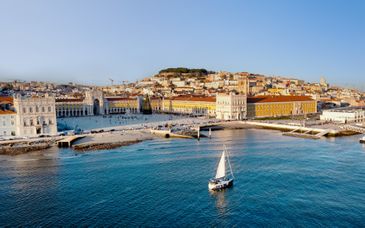
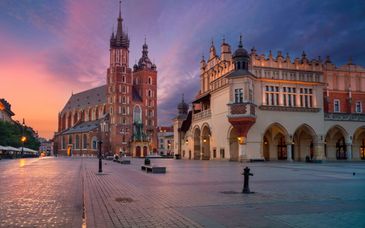




Table of contents
Short European escapes have never been more accessible, yet planning flights, hotels, transfers and itineraries independently can drain your precious time off before you even depart. City break packages eliminate that friction, bundling everything from transport and accommodation to curated tours into one seamless booking. Whether you crave a spontaneous weekend exploring Baroque squares in Prague, a long weekend hopping between Porto and Lisbon by train, or a design-focused Scandinavian adventure in Stockholm, these thoughtfully assembled holidays let you focus on discovery rather than logistics. Join Voyage Privé today to unlock exclusive offers featuring handpicked hotels, members-only rates and insider itineraries that transform a quick getaway into an unforgettable urban adventure.

Experience Poland's contrasting capitals with this twin-centre package combining medieval Kraków and modern Warsaw. Your 4- or 6-night itinerary includes comfortable 4-star hotels in both cities, seamless train transfers between destinations, and detailed highlights to help you navigate each city's treasures—from Wawel Castle and the Jewish Quarter to Warsaw's reconstructed Old Town and vibrant café culture. Perfect for history enthusiasts seeking excellent value.
What we love: The included train journey showcases Poland's countryside, whilst the flexible duration suits both weekend warriors and those with a few extra days to delve deeper into Central European culture.

Discover Portugal's two most captivating cities on this 5–7-night rail-based adventure. Begin in Porto's riverside Ribeira district, sampling port wine cellars and azulejo-tiled streets, before boarding a scenic train south to Lisbon's hilltop miradouros and Belém monuments. Your package includes quality 4-star accommodation in both cities, train tickets and optional guided tours—ideal for travellers who prefer sustainable, stress-free overland journeys with ever-changing views.
What we love: The train route hugs Portugal's Atlantic coast, offering glimpses of fishing villages and golden beaches between your two urban bases—a journey that becomes part of the experience itself.

Combine two of Central Europe's most enchanting capitals on this 6–7-night cultural odyssey. Wander Prague's Gothic spires and Astronomical Clock before travelling by included train to Budapest's thermal baths and ruin bars. Your package features comfortable 4-star hotels, inter-city rail transfers and sample itineraries highlighting must-see sights and hidden gems—perfect for first-timers seeking a comprehensive introduction to the region's rich history and vibrant contemporary scenes.
What we love: The contrasting characters—Prague's fairy-tale medieval core versus Budapest's grand Belle Époque boulevards and spa culture—deliver twice the discovery in one seamless booking.

Football fans and culture seekers alike will relish this event-driven Munich package, which pairs a quality hotel stay with guaranteed match tickets at the iconic Allianz Arena, home of Bayern Munich. Beyond the stadium, explore Bavaria's capital—from beer halls and the English Garden to world-class museums and Marienplatz's Glockenspiel. This short break demonstrates how to build a city escape around a specific date, ensuring you secure both accommodation and coveted event access in one booking.
What we love: The hassle-free combination of hotel and match tickets removes the stress of coordinating separate bookings, whilst leaving daytime hours free for sightseeing, beer gardens and Bavarian pretzels.
Rome, Barcelona and Lisbon remain perennial favourites for short breaks, each offering a distinct Mediterranean flavour within easy reach of UK airports. Rome dazzles with its layered history—wander from the Colosseum to the Trevi Fountain, pause for cacio e pepe in Trastevere and marvel at the Vatican's artistic treasures, all within compact, walkable neighbourhoods. Barcelona blends Gaudí's whimsical modernisme with beachfront promenades and tapas-hopping in the Gothic Quarter; allocate time for Sagrada Família, Park Güell and a sunset stroll along La Rambla. Lisbon charms with its seven hills, vintage trams and pastel-tiled façades; ride Tram 28, explore Belém's monuments and savour pastéis de nata whilst soaking in miradouro views. All three cities boast year-round appeal, excellent flight connections and a wealth of free or low-cost experiences—perfect for maximising a 2–4-night itinerary without breaking the bank.
Central and Eastern European capitals deliver exceptional value alongside rich cultural heritage, making them ideal for budget-conscious travellers seeking substance over glitz. Prague's fairy-tale Old Town, Charles Bridge and castle complex can be explored in a long weekend, with evenings spent sampling Czech beer in historic cellars; consider adding a half-day trip to the Sedlec Ossuary in Kutná Hora. Kraków pairs medieval splendour—Wawel Castle, the Main Market Square—with poignant history at nearby Auschwitz-Birkenau, whilst its compact centre and affordable dining make it easy on the wallet. Budapest offers thermal baths, ruin bars and stunning Danube vistas from Fisherman's Bastion; a 3–4-night stay allows time for both Buda's hills and Pest's boulevards. Many twin-centre packages link these cities by train, letting you experience two contrasting capitals in one trip whilst enjoying scenic overland journeys through rolling countryside.
Scandinavia's capitals blend cutting-edge design, waterfront settings and easy access to nature, appealing to travellers who crave urban sophistication with outdoor escapes. Stockholm spreads across 14 islands, offering cobblestoned Gamla Stan, world-class museums like the Vasa Museum and archipelago boat trips within minutes of the city centre; its compact core suits a 3-night stay. Copenhagen pairs hygge-infused cafés and Nyhavn's colourful quays with Tivoli Gardens and innovative Nordic cuisine; rent a bike to explore like a local and consider a day trip across the Øresund Bridge to Malmö. Bergen serves as Norway's gateway to the fjords—stroll the UNESCO-listed Bryggen wharf, ride the Fløibanen funicular for panoramic views, then embark on a fjord cruise or scenic rail excursion to witness dramatic landscapes. Though pricier than southern Europe, Scandinavian cities reward with exceptional public transport, English fluency and unforgettable nature-meets-design experiences.
A two-night city break demands ruthless prioritisation and smart logistics to avoid wasting precious hours. Fly out Friday evening or early Saturday, choosing accommodation within walking distance of key sights to minimise transit time; drop bags and head straight out to maximise daylight. Saturday: tackle your top two or three must-sees in the morning—book skip-the-line tickets in advance—break for a leisurely lunch in a characterful neighbourhood, then spend the afternoon wandering on foot through markets, viewpoints or along a riverside stroll. Saturday evening: dine in a recommended local quarter, perhaps catching a sunset from a rooftop bar. Sunday: rise early for a quieter experience at a major monument, explore a secondary neighbourhood or market, then enjoy a final meal before your late-afternoon or evening flight home. Avoid over-scheduling; two or three headline attractions plus ample time to soak up atmosphere will leave you refreshed rather than exhausted.
Three or four nights unlock a more relaxed rhythm, allowing you to venture beyond the postcard sights and incorporate a guided experience or day trip. Dedicate your first full day to the city's iconic core—major museums, historic quarters and signature viewpoints—then use day two for a half- or full-day organised tour: a food-and-wine walk, a bike tour through lesser-known districts, or an excursion to nearby attractions such as Versailles from Paris, Sintra from Lisbon or Lake Bled from Ljubljana. Day three can blend a morning museum visit with an afternoon of free exploration—vintage shops, local markets or a neighbourhood you have not yet covered—followed by an evening at a recommended restaurant or cultural event. This pace leaves room for spontaneity: linger over coffee, revisit a favourite square or pursue a serendipitous recommendation from your hotel concierge.
Twin-centre breaks maximise variety, pairing two complementary cities connected by scenic rail or short flights. Classic combinations include Porto and Lisbon (Portugal's contrasting north-south duo), Prague and Budapest (Central European culture trail) or Copenhagen and Stockholm (Scandinavian capitals linked by bridge and ferry). Allocate 2–3 nights per city, travelling mid-stay to break up the itinerary; morning or early-afternoon trains work best, letting you settle into your second base by evening. Train journeys often double as sightseeing—Portugal's coastal route, Poland's countryside or the Øresund crossing—so book daytime services and choose window seats. Pack light (a single carry-on simplifies station changes) and choose centrally located hotels near each city's main station to minimise transfer stress. Twin-centre packages bundle accommodation, rail tickets and suggested itineraries, removing the guesswork whilst preserving flexibility for independent exploration.
Dedicating one afternoon or evening to a food-focused neighbourhood walk immerses you in local life beyond the tourist trail. Seek out districts known for authentic eateries, markets and street food—Rome's Testaccio, Barcelona's El Born, Lisbon's Mouraria or Budapest's Jewish Quarter. Start mid-afternoon when markets are still lively but crowds have thinned; sample regional specialities from stalls, bakeries and delis, piecing together a progressive meal as you wander. Many cities offer guided food tours (2–3 hours) that combine tastings with historical context and insider tips; these work well on your first evening, providing orientation and recommendations for the rest of your stay. Alternatively, research a cluster of three or four rated spots—a wine bar, a traditional tavern, a gelateria—and hop between them at your own pace, allowing time to chat with owners and observe neighbourhood rhythms. This approach delivers cultural insight, memorable flavours and excellent photo opportunities in a single, leisurely experience.
Balancing must-see attractions with unstructured exploration is the hallmark of a successful city break. Reserve mornings for your top one or two ticketed sights—museums, palaces or viewpoints—when queues are shorter and your energy is highest; book timed-entry slots online to avoid wasting time in line. Limit yourself to one major museum per day (two hours maximum) to prevent fatigue, then transition to open-air exploration: stroll a park, climb a bell tower for panoramic views or wander a historic quarter without a fixed agenda. Afternoons suit neighbourhood discovery, market browsing or a leisurely lunch, whilst late afternoons and evenings are ideal for viewpoints (sunset light) and dining. If your itinerary spans three or more nights, consider one day trip—coastal towns, wine regions or natural landmarks within an hour's travel—to add variety and context. Many packages incorporate optional excursions that complement urban sightseeing with memorable contrasts.
Building your city break around a specific event—a football match, music festival, Christmas market or cultural celebration—adds focus and excitement but requires advance planning. Start by securing event tickets or confirming dates, then book flights and accommodation as early as possible; popular fixtures and festivals drive up hotel prices and availability. Choose lodging within easy reach of the venue (or on a direct metro line) to avoid post-event transport stress, and build in buffer time on either side—arrive a day early to explore the city, and consider staying an extra night to recover and sightsee without the crowds. Event-driven packages bundle hotel and tickets, guaranteeing both and often including pre-match experiences or local insights. For festivals, research neighbourhood impacts (road closures, noise) and book accordingly; for sports, check kick-off times and plan your sightseeing around the match schedule to make the most of every hour.

Most city break packages bundle core components into a single booking: return flights or train tickets, 2–5 nights' accommodation (often with breakfast) and airport or station transfers. Many also offer optional add-ons—guided tours, museum passes, event tickets or travel insurance—that you can select during checkout. What's included: transport to and from your destination, hotel room (double or twin) and basic transfers; some packages feature half-board (breakfast plus one meal) or specific excursions as standard. What's excluded: meals beyond breakfast, local transport (metro, trams), attraction entry fees, city tourist taxes, tips and personal expenses. Travel insurance is sometimes offered as an optional extra but rarely included automatically; always check the fine print. Packages clearly itemise inclusions on each product page, letting you compare offerings and budget for extras. Before booking, confirm cancellation terms, deposit requirements and whether your package is ATOL-protected (for flight-inclusive holidays), ensuring financial security and flexibility should plans change.
Efficient transport planning is critical when every hour counts. Book flights that land by mid-morning or early afternoon, maximising your first day; conversely, choose late-afternoon or evening departures on your final day to squeeze in a last morning of sightseeing. Research airport-to-city transfers in advance—many packages include private or shared shuttles, but if not, identify the fastest public option (express train, metro or bus) and pre-purchase tickets or load a transport app. Within the city, invest in a multi-day travel card if you will use public transport often; otherwise, most compact European centres are walkable, with trams or metro for longer hops. Pack light—a cabin-sized wheelie bag or backpack avoids checked-baggage fees, speeds up airport transit and simplifies hotel check-ins and train changes. If your accommodation is not ready on arrival, ask to store luggage so you can start exploring right away; check out but leave bags at the hotel on departure day to enjoy your final hours unencumbered.
Before you travel, verify entry requirements: UK passport holders currently enjoy visa-free access to the EU Schengen zone for stays up to 90 days, but always ensure your passport has at least six months' validity. Many European cities levy a tourist or city tax (€1–5 per person per night), payable at your hotel at check-out; budget for this separately as it is rarely included in package prices. Travel insurance is essential, covering medical emergencies, trip cancellations and lost belongings; compare policies and ensure adequate coverage for your activities. Notify your bank of your travel dates to avoid card blocks, and carry a mix of payment methods—contactless cards are widely accepted, but small vendors and markets may prefer cash. For last-minute bookings, monitor flash sales and late-availability offers, which can deliver significant savings on unsold inventory; be flexible with dates and destinations, and book midweek departures when possible for better availability and lower prices. Download offline maps, key booking confirmations and emergency contacts before departure to stay organised throughout your break.

City break packages transform the dream of a spontaneous European escape into an effortless reality, bundling flights, quality hotels and curated experiences into seamless 2–5-night itineraries. Whether you are drawn to Mediterranean sunshine, Central European culture or Scandinavian design, the right package balances iconic sights with neighbourhood discovery, structured tours with free time, and careful planning with room for serendipity. By understanding what is included, choosing the right duration and pace, and booking smartly—especially through members-only platforms—you will unlock exceptional value and unforgettable urban adventures. Start planning your next short escape to Europe's most captivating capitals today.
City break packages are pre-arranged short holidays (usually 2–5 nights) that bundle flights or train tickets, hotel accommodation, and often airport transfers into a single booking. They are designed for travellers seeking hassle-free urban escapes, with many packages also offering optional guided tours, museum passes, or event tickets. By combining core travel components, these packages simplify planning, often deliver better value than booking separately, and let you focus on enjoying your destination rather than coordinating logistics.
The best weekend destinations balance compact size, excellent transport links, and high concentrations of sights within walking distance. Top picks include Rome, Barcelona, Lisbon, Prague, Budapest, Amsterdam, and Paris—all reachable within 2–3 hours from UK airports and offering rich experiences in 2–3 days. For something different, consider Porto, Kraków, Copenhagen, or Edinburgh, which combine cultural depth with manageable scale. Choose based on your interests: history and art (Rome, Florence), design and nightlife (Barcelona, Berlin), or food and affordability (Lisbon, Budapest).
Two nights suit a quick weekend escape, covering headline sights and one neighbourhood deep-dive but leaving little downtime. Three nights offer a more comfortable rhythm, allowing for major attractions, a day trip or guided tour, and leisurely exploration without rushing. Four or five nights enable twin-centre itineraries, multiple day trips, or a slower pace with time to revisit favourites and discover hidden corners. Match duration to your goals: 2 nights for a taster, 3–4 for depth, 5 or more for multi-city or event-driven breaks.
Standard inclusions are return flights or train tickets, 2–5 nights' hotel accommodation (often with breakfast), and airport or station transfers. Some packages add guided tours, museum passes, or event tickets as standard or optional extras. Excluded items usually include most meals, local transport, attraction entry fees, city tourist tax, and travel insurance. Always review the package details on the booking page to understand exactly what is covered and budget accordingly for additional expenses during your stay.
Train-based breaks offer several advantages: lower carbon footprint, city-centre-to-city-centre convenience (no airport transfers), generous luggage allowances, and scenic journeys that double as sightseeing. They work brilliantly for twin-centre itineraries—Porto to Lisbon, Prague to Budapest, or Copenhagen to Stockholm—where rail times are competitive with flying (including check-in). For longer distances or limited time, flights remain faster, but trains deliver a more relaxed, sustainable, and often more enjoyable travel experience, especially across well-connected European networks.
Yes—last-minute packages (departing within 2–4 weeks) can offer excellent value as operators discount unsold inventory. Members-only flash sales often feature short-notice deals on flights, hotels, and bundled packages. To maximise savings, stay flexible with dates and destinations, monitor offers regularly, and be ready to book quickly when a deal appears. Midweek departures and off-peak seasons (November–March, excluding holidays) yield the best last-minute availability and prices, whilst popular weekends and school holidays require earlier booking.