New
Exclusive














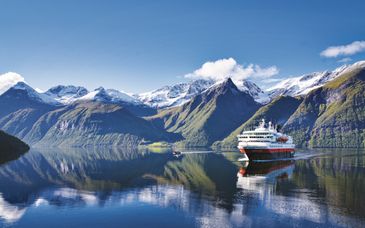

Table of contents
Short city break deals unlock the perfect formula for quick, affordable escapes from the UK. Within three hours of flight time, discover top European destinations offering flexible two to four night itineraries packed with culture, cuisine and unforgettable experiences. From medieval squares to fjord cruises, curated packages bundle flights, central hotels and handpicked excursions at exceptional value. Whether you crave art-filled museums, vibrant food markets or romantic waterfronts, the right city break package transforms a long weekend into a rejuvenating adventure without draining annual leave or stretching budgets.
Before diving into itineraries and tips, explore a curated selection of standout short-break packages. Each offer combines central accommodation, cultural experiences and flexible durations—perfect for a quick escape.

This twin-centre package pairs two of Poland's most captivating cities over two to six nights. Stay in four-star hotels with breakfast and enjoy a seamless train transfer between Krakow's medieval Old Town and Warsaw's reconstructed Royal Route. Ideal for culture lovers, the itinerary works beautifully over a long weekend or extended break, with optional festive-market visits in winter and UNESCO heritage sites year-round.
What we love: The effortless train connection lets you experience two distinct atmospheres—Krakow's cobbled charm and Warsaw's dynamic modernity—without the hassle of separate bookings or airport transfers.

Combine Scandinavia's capital cool with fjord-side beauty on this four to six night package. You'll stay in central four-star hotels, cruise Oslo's island-dotted fjord and travel between cities aboard the legendary Bergen Railway—one of the world's most scenic train journeys. Perfect for travellers who want nature and urban culture in one compact trip, with opportunities for hiking, seafood markets and Viking museums.
What we love: The Oslo–Bergen rail segment is a highlight in itself: think snow-capped plateaus, mirror lakes and mountain hamlets framed by your carriage window—an unforgettable day of slow travel.

Explore Scotland's capital over three to four nights with a choice of three or four-star hotels, daily breakfast and an included whisky-tasting experience. Add an optional full-day tour to the Highlands and Loch Ness to blend cobbled Royal Mile wanderings with dramatic glens and castle ruins. It's an excellent option for UK-based travellers seeking a no-fly city break with rich history, literary heritage and easy access to wild landscapes.
What we love: The whisky experience offers a delicious introduction to Scotland's national spirit, while the Highlands day trip delivers postcard scenery without requiring a separate overnight stay.

Naples serves up authentic Italian soul food, Baroque churches and easy access to Pompeii and the Amalfi Coast. This flexible two to seven night package includes guided walking tours, optional archaeological excursions and stays in characterful hotels. Whether you have 48 hours or a full week, you'll taste wood-fired pizza in its birthplace, wander the vibrant Spaccanapoli district and soak up millennia of history—all at exceptional value.
What we love: The sheer flexibility: book a quick weekend to sample street food and Vesuvius views, or extend to a week and add Capri, Sorrento or the Amalfi clifftop villages.
Five European cities stand out as ideal for short breaks. Paris sits just one hour fifteen minutes away, perfect for romance and museums; the compact centre means you can stroll from the Louvre to Montmartre in an afternoon. Amsterdam requires one hour ten minutes, offering canal-ring cycling culture and world-class art within walking distance of Centraal Station. Barcelona lies two hours fifteen minutes south, blending Gaudí architecture with Mediterranean beaches and tapas-filled alleys. Lisbon takes two hours thirty minutes, rewarding visitors with hilltop trams, seafood feasts and pastel-hued Alfama lanes. Rome demands two hours thirty minutes but packs ancient history and gelato into a pedestrian-friendly historic core. Each city works beautifully for two to four nights because compact centres, excellent public transport and frequent direct flights from multiple UK airports minimise transit time and maximise exploration hours. Many packages include airport transfers and central hotels, streamlining the entire experience so you step off the plane and straight into discovery.
Matching destination to mood ensures a more satisfying short break. Culture seekers thrive in Krakow, where medieval squares, Wawel Castle and Auschwitz day trips fill every hour, or Rome, where the Colosseum, Vatican and Baroque fountains tell millennia of stories. Food lovers find paradise in Lisbon's pastel de nata bakeries, seafood grills and wine bars, or Barcelona's tapas crawls through Boqueria market and Catalan taverns. Nature and active breaks shine in Oslo and Bergen, with fjord cruises, mountain hikes and coastal trails, or Edinburgh, where Arthur's Seat climbs and Highlands day trips balance cobbled-street wanderings. Romantic getaways flourish in Paris, with Seine strolls, Montmartre sunsets and bistro dinners, or Amsterdam, offering canal-side cafés, tulip gardens in spring and cosy brown bars. Curated offers bundle experiences—walking tours, tastings, excursions—aligned with these themes, so you can book a package tailored to your interests and make every moment count.
Seasonality shapes every aspect of a city break. Spring—April through May—and autumn—September through October—deliver mild weather, fewer crowds and lower prices across most European cities, ideal for sightseeing without queues or heatwaves. Summer brings long daylight hours and festival buzz from June to August but also peak prices and tourist throngs; book well ahead or target less-visited cities like Thessaloniki, Warsaw or Bergen. Winter, November through March, suits Christmas-market fans drawn to Krakow or Edinburgh and budget hunters chasing bargain flights, though daylight shrinks and some attractions reduce hours; cities like Lisbon and Barcelona remain pleasant year-round with temperate climates. Last-minute deals surface in shoulder seasons when hotels release unsold inventory, while advance booking in high season—Easter, summer holidays—secures better availability. Flash sales offer significant savings even during popular months, and flexible dates unlock cheaper flights and quieter streets; shifting a break by one week can transform the experience.
A concrete two-day itinerary for Barcelona demonstrates the art of the quick escape. Day one begins mid-morning: drop bags at your hotel, walk to the Sagrada Família and marvel at Gaudí's soaring columns, grab lunch at a neighbourhood café serving pan con tomate and jamón, spend the afternoon in the Picasso Museum tracing the master's evolution, enjoy an evening stroll along Las Ramblas to the waterfront, then settle into a tapas bar in El Born for patatas bravas and vermouth. Day two starts with a morning visit to Park Güell, its mosaic terraces framing city views, followed by mid-morning coffee and ensaïmada pastries, an exploration of the Gothic Quarter's narrow alleys and hidden plaças, lunch at Boqueria market sampling seafood and Iberian charcuterie, an afternoon browsing design shops or taking a short harbour cruise, and an early-evening departure. This brisk pace focuses on must-sees without exhaustion. Skip-the-line tickets and a centrally located hotel minimise transit time, while breakfast and airport transfers included in many packages maximise sightseeing hours. One memorable meal anchors the experience and provides a delicious highlight to savour long after returning home.
Three days allow a more relaxed rhythm, balancing city highlights with a short excursion. Picture Lisbon plus Sintra: Day one begins with arrival, settling in, an afternoon walking tour of the Baixa and Chiado districts, and an evening fado show in Alfama over grilled sardines and vinho verde. Day two delivers a morning at the Jerónimos Monastery and Belém Tower, lunch sampling pastéis de nata at the birthplace bakery, afternoon exploration of Alfama's miradouros and tile-adorned façades, sunset from São Jorge Castle, and dinner at a seafood tasca. Day three offers a half-day trip to Sintra, touring the candy-coloured Pena Palace and Moorish castle ruins, returning by early afternoon for final strolls through Bairro Alto or last-minute cork-and-tile shopping, then an evening flight or overnight stay. You can linger over breakfast, revisit a favourite square, or add a cooking class learning to prepare bacalhau. The half-day excursion adds variety without the fatigue of a full-day tour. Optional excursions with transport and guide make logistics seamless, and this format suits couples and first-time visitors wanting iconic sights plus a taste of the surrounding region—a proper escape without burning too much annual leave.
Four days feel genuinely restorative, incorporating a full-day trip and deeper local immersion. Consider Krakow plus Auschwitz: Day one offers arrival, an orientation walk around the Rynek G?ówny main square, light sightseeing at St. Mary's Basilica, and a welcome dinner of pierogi and ?urek soup. Day two dedicates the full day to a guided excursion to Auschwitz-Birkenau memorial, returning evening with time for quiet reflection. Day three explores Kazimierz, the historic Jewish quarter, at leisure—browsing vintage shops, sampling bagels at street stalls, visiting the Galicia Museum, perhaps joining a food tour to taste obwarzanek and oscypek cheese, or attending a klezmer concert. Day four reserves the morning for revisiting the Wawel Castle gardens or last-minute amber jewellery shopping, then an afternoon or evening departure. There's time to sleep in, enjoy long lunches, and experience the city's rhythm rather than sprinting through sights. This duration works well for families, older travellers, or anyone seeking activity blended with downtime. Multi-centre and excursion-inclusive packages are designed for exactly this kind of relaxed, immersive short break, with transfers and experiences pre-arranged so you focus on enjoying the journey rather than managing logistics.
Headline attractions—Eiffel Tower, Colosseum, Anne Frank House—remain non-negotiable for first-timers, yet dedicating half your time to authentic local experiences often yields the most memorable moments. Browse a Sunday flea market in Paris's Marché aux Puces, sip vermouth in a century-old Barcelona bodega, hike to a miradouro above Lisbon's terracotta rooftops, or join a street-art walk through Berlin's Kreuzberg. Arrive at major museums at opening time or late afternoon to dodge crowds, using the midday lull for a leisurely market lunch or a wander through residential streets where locals buy bread and chat at café counters. Many cities offer combined tickets or city cards—Paris Museum Pass, Barcelona Card—that save money and skip queues. Ask hotel staff or concierge for insider tips: the best miradouro in Lisbon, the quietest hour at the Uffizi, the tastiest pierogi stall in Krakow. Balancing bucket-list sights with spontaneous discoveries creates a richer, more personal short break, and even 48 hours allows time for both if you plan smartly and resist the temptation to over-schedule.
Culinary experiences define city breaks as vividly as monuments. Taste pastel de nata in Lisbon's Belém, sample pintxos in Barcelona's El Born, queue for pizza in Naples's Spaccanapoli, or enjoy smørrebrød in a Copenhagen café overlooking canals. Dedicate at least one meal to a local speciality—whether a Michelin-starred tasting menu or a humble street-food stall—and book a short food tour lasting two to three hours to discover hidden gems and learn the stories behind dishes. Many packages include breakfast, freeing up budget for lunch and dinner splurges, and markets—La Boqueria, Borough, Naschmarkt—double as sightseeing and snacking opportunities where you graze on cheese, charcuterie and fresh fruit while soaking up local colour. Try a cooking class or wine tasting if you have a free afternoon; these experiences are social, educational and delicious, providing a souvenir skill to take home. Food becomes the most vivid memory of a short break—the flaky croissant, the perfect espresso, the seafood feast—so research and prioritise a few must-try bites. Explore offers that bundle culinary experiences, such as the Edinburgh whisky tasting or Naples food-focused itineraries.
Active pursuits suit short breaks beautifully, providing fresh air, exercise and a different perspective on the city. Self-guided walking routes—Paris's Left Bank literary trail, Rome's Appian Way, Amsterdam's canal ring—reveal layers of history at your own pace. Bike rentals in Copenhagen, Barcelona or Berlin let you cover more ground while feeling the urban rhythm. Short river or harbour cruises on the Seine, Danube or Oslo Fjord offer relaxation and new angles on waterfront landmarks. Half-day hikes—Arthur's Seat in Edinburgh, Montjuïc in Barcelona, trails around Bergen—deliver summit views and a dose of nature without requiring special gear or advance booking. Many cities boast excellent public bike-share schemes and well-marked walking paths, and a morning jog or evening stroll along a waterfront bookends a day beautifully. Nature-focused packages such as the Bergen & Fjords break or Stavanger & Bergen cruise combine city culture with outdoor adventure, perfect for active travellers who want more than museums. Even a short city break can include a canal-side cycle, a hilltop sunset or a fjord cruise, adding variety and balance to the trip.
A typical city-break package bundles return flights from a UK airport, two to four nights in a centrally located three, four or five-star hotel, daily breakfast, and airport transfers via private car or shared shuttle. Many deals sweeten the offer with extras: a welcome drink, a guided walking tour, skip-the-line museum tickets, or an optional excursion such as a day trip to Versailles, Pompeii or Sintra. Clarify what's included before booking—some packages cover all meals, others just breakfast; some include attraction passes, others leave those to you. Central location matters enormously on a short break: a hotel within walking distance of major sights saves precious hours otherwise spent on metro rides or taxis. Look for packages offering flexibility—choice of departure airports, multiple hotel categories, optional add-ons—so you can tailor the trip to your budget and interests. Bundling flights, accommodation and transfers into one purchase simplifies planning, often costs less than booking separately, and provides financial protection if one element is disrupted. Read the fine print regarding cancellation policies, luggage allowances and any resort fees or tourist taxes not included in the headline price, then compare total cost rather than just the upfront figure.

Last-minute deals—typically one to four weeks before departure—can deliver exceptional value when airlines and hotels discount unsold inventory, especially in shoulder seasons or mid-week departures. You'll need flexibility on dates and destinations, and popular weekends or school holidays rarely see deep discounts. Advance planning—three to six months ahead—secures the widest choice of hotels, flight times and room types, crucial for peak periods like Easter, summer holidays or Christmas markets. Early birds often benefit from lower baseline prices before demand drives them up, and you can spread payments or lock in exchange rates if booking international packages. A hybrid approach works well: monitor flash sales and set alerts for your wishlist destinations, but book firm plans—anniversary trips, family reunites—as soon as dates are confirmed. Membership in flash-sale clubs grants access to limited-time offers with savings up to seventy percent, combining the thrill of a bargain with curated quality. Compare across platforms, check airline and hotel direct sites for price-match guarantees, and remember that the cheapest deal isn't always the best—factor in baggage fees, transfer costs and hotel location to calculate true value.
Short city break budgets vary widely based on destination, season and standards. A two-night Paris or Barcelona weekend in high season with four-star accommodation, return flights and breakfast typically ranges from £400 to £700 per person; switch to three-star hotels or shoulder-season dates and costs drop to £250–£450. Eastern European destinations like Krakow, Warsaw or Thessaloniki offer even better value: expect £200–£400 for similar packages, with meals and attractions costing half those in Scandinavia or Switzerland. Scandinavia—Oslo, Bergen, Helsinki—commands premium prices, often £500–£900 for a three-night break including fjord excursions or ferry transfers, reflecting higher local costs. Build in £30–£60 per person per day for meals if not included, £10–£20 for public transport day passes, and £15–£50 for major attraction tickets. Flash-sale discounts can slash headline prices by thirty to seventy percent, but always check what's included and compare total trip cost. Set a realistic budget before browsing, prioritise your must-haves—central location, daily breakfast, a specific excursion—and be flexible on less-important details to maximise value without compromising the experience.
Short breaks reward minimalist packing. A carry-on bag eliminates check-in queues, baggage-claim waits and lost-luggage anxiety, giving you an extra hour at each end of the trip. Pack versatile layers—one pair of comfortable walking shoes, one smart-casual outfit, two or three tops, one pair of trousers or a skirt—that mix and match for different occasions. Roll clothes to save space, use packing cubes to organise, and wear your bulkiest items—jacket, boots—on the plane. Essentials include travel-size toiletries in a clear bag, phone charger and adapter, a reusable water bottle, and a compact umbrella or packable rain jacket. Download offline maps, e-tickets and hotel confirmations to your phone before departure, and carry a paper copy of your booking reference and emergency contacts. If visiting multiple cities, a small daypack holds daily necessities—wallet, water, guidebook, camera—leaving hands free for gelato or shopping bags. Remember prescriptions, any required visas or health documents, and travel insurance details. Packing light doesn't mean sacrificing comfort; it means moving through airports and cobbled streets with ease, ready to explore the moment you arrive.

European cities excel at public transport, making car hire unnecessary and taxis optional. Most offer multi-day travel cards—Paris Visite, Barcelona T-10, Rome 72-hour pass—that cover metro, buses and trams at lower cost than single tickets, and many include airport transfers or discounts at museums. Purchase cards at airport kiosks, major metro stations or online in advance, and validate them correctly to avoid fines. Walking remains the best way to absorb a city's character: cobbled lanes, hidden courtyards and neighbourhood bakeries reveal themselves at three miles per hour, not thirty. For longer distances, metros are fast and frequent; buses and trams offer scenic routes but slower progress. Bike-share schemes—Vélib' in Paris, Bicing in Barcelona—suit confident urban cyclists and provide exercise plus flexibility. River ferries and harbour boats in cities like Amsterdam, Lisbon and Istanbul double as transport and sightseeing. Download the local transport app for real-time schedules, route planning and mobile tickets. Many packages include airport transfers, sparing you the stress of navigating unfamiliar systems with luggage; for the rest, a rechargeable transport card and comfortable shoes unlock the entire city.
European cities rank among the world's safest destinations, yet sensible precautions enhance peace of mind. Keep valuables secure in inside pockets or a cross-body bag, especially in crowded tourist areas, markets and public transport where pickpockets operate. Stay aware of common scams—fake petitions, distraction theft, overpriced taxi rides—and politely decline unsolicited help or offers. Use hotel safes for passports, extra cash and electronics when sightseeing. Stick to well-lit, populated areas after dark, and research neighbourhood safety if venturing beyond the centre. Travel insurance is essential, covering medical emergencies, trip cancellation, lost baggage and personal liability; policies cost £10–£30 for a short break and provide invaluable protection. UK residents benefit from reciprocal healthcare via GHIC in EU countries, but it doesn't cover everything—repatriation, dental emergencies, pre-existing conditions—so comprehensive insurance remains necessary. Carry emergency contact numbers for your insurer, embassy and hotel, and register valuable items like cameras or jewellery on your policy. Most short breaks proceed without incident, but preparation means you can relax and enjoy your escape knowing help is a phone call away if needed.
Winter transforms European cities into enchanted wonderlands of twinkling lights, mulled wine and artisan crafts. Krakow's Rynek G?ówny hosts one of the continent's most atmospheric Christmas markets, with wooden stalls selling oscypek cheese, hand-carved ornaments and steaming mugs of grzane wino beneath the Gothic towers of St. Mary's Basilica. Edinburgh's Princes Street Gardens sprout a Ferris wheel, ice rink and Germanic-style chalets offering bratwurst and roasted chestnuts against a backdrop of the illuminated castle. Oslo and Bergen blend Scandi-cool design with festive hygge, their harbourfront markets showcasing knitwear, candles and gingerbread beneath the Northern Lights if you're fortunate. Winter city breaks offer fewer crowds, lower prices and cosy indoor pursuits—museum marathons, café afternoons, theatre evenings—balanced by brisk walks through snowy parks or along frozen canals. Book early for popular dates around the first weekend of Advent or the week before Christmas, and pack layers plus waterproofs to stay comfortable during outdoor market browsing. Many packages include festive extras like Christmas dinners or New Year's Eve gala events, turning a short break into a seasonal celebration.

Spring awakens European cities with cherry blossoms in Amsterdam's Vondelpark, wisteria cascading over Barcelona's courtyards, and tulip fields blazing colour across the Netherlands. April through May brings perfect sightseeing weather—mild temperatures, long daylight, blooming parks—and a calendar packed with cultural festivals. Easter sees solemn processions in Rome and Seville, while King's Day turns Amsterdam into an orange-clad street party every April 27th. Lisbon's Santo António celebrations in June fill Alfama with sardine grills and folk music, and Edinburgh's spring festivals preview the summer Fringe with comedy, theatre and art. Spring also marks the sweet spot before peak-season prices kick in; flights and hotels cost less than summer, yet weather is often superior to the unpredictable autumn months. Book a spring break to enjoy cities in bloom, attend vibrant festivals, and experience local culture at its most exuberant without the August crush or winter chill. Many packages include festival tickets or themed experiences—flower-market visits, outdoor concerts, seasonal tastings—that immerse you in the city's springtime spirit.
Summer unleashes a torrent of music, art and open-air celebration across European cities. Barcelona's Sónar electronic-music festival in June, Copenhagen's Roskilde rock extravaganza, Oslo's Øya indie gathering, and countless jazz, opera and folk events fill calendars from Midsummer through August. Long daylight hours—sunset at 22:00 in Scandinavia, 21:00 in Paris—mean you can pack in a museum morning, beach afternoon and concert evening with time for a leisurely dinner in between. Rooftop bars, harbour beaches and riverside parks become open-air living rooms where locals and visitors mingle over Aperol spritzes and gelato. Summer does bring crowds and higher prices, so target early June or late August for better value, and book accommodation and major attractions well in advance. Consider less-obvious cities—Thessaloniki, Helsinki, Tallinn—that offer summer festivals, beach access and cultural riches without the throngs besieging Venice or Dubrovnik. Many packages include festival passes, outdoor excursions or coastal day trips, blending urban culture with nature and creating a summer short break that feels like a full holiday despite lasting only three or four days.
Short city breaks offer the perfect antidote to routine, delivering cultural immersion, culinary adventure and architectural wonder within a long weekend. Whether you chase art in Paris, fjord views in Bergen, medieval charm in Krakow or vibrant markets in Lisbon, curated packages bundle flights, central hotels and handpicked experiences at exceptional value. With flexible itineraries, insider tips and seasonal highlights, every escape becomes a chapter in your personal travel story—proof that extraordinary journeys don't require weeks of leave, just the curiosity to explore and the savvy to book smart deals when they appear.
Most packages bundle return flights from a UK airport, two to four nights in a centrally located hotel with daily breakfast, and airport transfers. Many add extras such as skip-the-line museum tickets, guided walking tours, welcome drinks or optional excursions. Always check the fine print for luggage allowances, cancellation policies and any tourist taxes not included in the headline price to understand total cost.
Advance booking three to six months ahead secures widest choice and lower baseline prices, crucial for peak periods like Easter or summer holidays. Last-minute deals one to four weeks before departure can deliver exceptional value in shoulder seasons or mid-week slots, but require flexibility on dates and destinations. Flash-sale memberships grant access to limited-time offers with savings up to seventy percent.
Paris, Amsterdam, Barcelona, Lisbon and Rome excel for quick escapes due to short flight times under three hours, compact centres with high concentrations of sights, excellent public transport and frequent direct flights from multiple UK airports. Each offers a mix of iconic landmarks and neighbourhood charm, so even a brief visit feels rewarding without exhausting transit or logistics.
Budget £250–£450 per person for three-star hotels in popular cities during shoulder seasons, rising to £400–£700 for four-star peak-season weekends in Paris or Barcelona. Eastern European destinations like Krakow or Thessaloniki cost £200–£400, while Scandinavia commands £500–£900 for three nights including excursions. Add £30–£60 daily for meals, £10–£20 for transport passes and £15–£50 for major attractions.
Bundled packages often cost less than separate bookings and simplify planning by combining flights, accommodation and transfers into one purchase with financial protection if disrupted. Compare total cost including baggage fees, transfer expenses and hotel location rather than just headline prices. Flash-sale discounts can slash package prices by thirty to seventy percent while maintaining curated quality and central locations.
Spring—April through May—and autumn—September through October—deliver mild weather, fewer crowds and lower prices, ideal for sightseeing without queues or heatwaves. Summer offers long daylight and festivals but peak prices and throngs; winter suits Christmas-market fans and budget hunters. Cities like Lisbon and Barcelona remain pleasant year-round, while shoulder-season flash sales unlock exceptional value on unsold inventory.