New
Exclusive





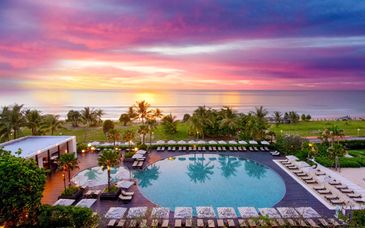
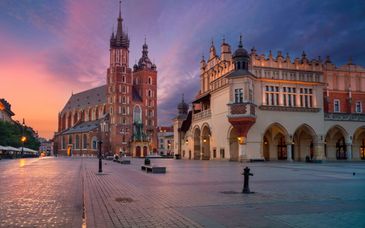


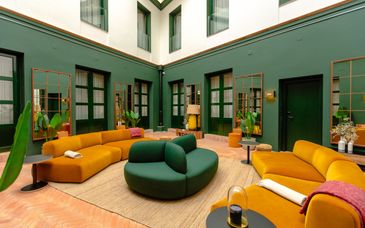

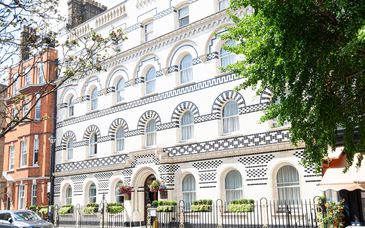
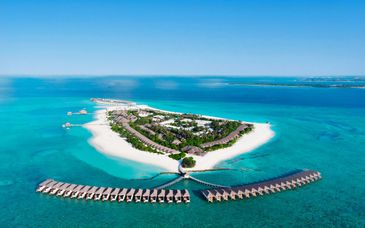

Table of contents
Drifting through the emerald waters of Ha Long Bay aboard a traditional junk represents one of the most captivating travel experiences Asia has to offer. This UNESCO World Heritage site enchants visitors with its dramatic seascape of limestone karsts rising majestically from jade-green depths, creating a landscape of otherworldly beauty. Whether you select a budget-friendly overnight voyage or a luxury multi-day expedition, the blend of relaxation and adventure awaits: kayaking through hidden lagoons, exploring ancient caves adorned with stalactites, and savouring fresh seafood under star-studded skies. Register now to discover exceptional curated tours pairing overnight Ha Long Bay cruises with top-tier accommodation across Vietnam.

This shorter stay combines the cultural richness of Hanoi with a one-night Ha Long Bay cruise and relaxing beach time in Da Nang. The itinerary includes transfers, an overnight cruise aboard a traditional junk, and optional excursions to explore Vietnam's coastal highlights. Ideal for travellers seeking a balanced mix of adventure and leisure in under two weeks.
What we love: The seamless blend of UNESCO heritage, overnight cruising through limestone karsts, and beach relaxation on Vietnam's central coast.

Experience Vietnam in style with this luxury twelve-day itinerary featuring a one-night Ha Long Bay cruise and five nights at a five-star beach resort in Nha Trang. The package includes representative services, private transfers, and optional excursions to tailor your journey. Perfect for discerning travellers seeking comfort, elegance, and iconic landscapes.
What we love: The premium onboard experience, five-star beachfront accommodation, and the effortless combination of cultural discovery and coastal indulgence.

This curated tour emphasises culture and nature, with a night cruise in Ha Long Bay included as a highlight. Extend your adventure with an optional beach stay on Phu Quoc Island. The itinerary balances guided visits to historic sites with free time to explore at your own pace, ideal for authentic immersion.
What we love: The focus on authentic experiences, the flexibility of the Phu Quoc extension, and the overnight cruise through one of the world's most stunning seascapes.

Enjoy the flexibility and personalised service of a private guided tour with an overnight cruise in Ha Long Bay and an extended itinerary through central and southern Vietnam. Choose between twelve or fifteen nights to suit your schedule. Private transfers, dedicated guides, and tailored excursions ensure a bespoke experience from start to finish.
What we love: The privacy and flexibility of a private tour, the overnight cruise, and the freedom to explore Vietnam's highlights at your own rhythm.
Ha Long Bay earned its UNESCO World Heritage status in 1994, with an extension granted in 2000, recognising its exceptional geological and ecological value. Over sixteen hundred limestone islands and islets rise from the Gulf of Tonkin, sculpted across millennia by wind and water erosion into a dramatic karst topography of towering pillars, hidden grottoes, and floating fishing villages. The emerald-green waters harbour rich biodiversity, from coral reefs and mangroves to endemic species found nowhere else on Earth. Cultural legends speak of the descending dragon that gave the bay its name, adding mystique to a landscape already among the world's most photographed. A cruise remains the only practical way to experience this vast archipelago, granting access to remote caves, secluded beaches, and panoramic viewpoints unreachable by road. Sunrise and sunset transform the scene, casting golden light over the karsts and creating an ever-changing tableau. Gliding silently between islands aboard a traditional junk blends adventure, relaxation, and natural wonder into a single unforgettable journey.
The ideal months for a Ha Long Bay cruise are between March and May or September and November, when mild temperatures ranging from 20 to 28 degrees Celsius, lower humidity, and calmer seas create perfect conditions. Clear skies favour kayaking and deck activities, while typhoon risk remains minimal; however, prices rise and tourist numbers increase, so advance booking is essential. Summer months from June through August bring heat and humidity exceeding 30 degrees, with occasional afternoon showers, yet the lush greenery and lively atmosphere appeal to many visitors during peak domestic travel season. Winter, spanning December to February, offers cooler temperatures between 15 and 20 degrees, misty mornings that add mystique to the karsts, fewer crowds, and lower prices; the trade-offs include chilly deck conditions, occasional drizzle, and reduced visibility. Typhoon season peaks from July to September, though modern cruise operators monitor weather closely and adjust itineraries for safety. Flexible cancellation policies provide peace of mind, and checking long-range forecasts helps travellers plan accordingly. Each season reveals a different perspective on the bay's beauty, ensuring memorable experiences year-round.

Day cruises depart from various points along the coast, offering a condensed introduction to Ha Long Bay within six to eight hours. These excursions suit travellers with limited time or those combining the bay with other destinations across Vietnam. Most include lunch, a visit to one or two caves, and a brief kayaking session, providing a taste of the landscape without requiring overnight accommodation. Overnight cruises, by contrast, unlock the bay's full magic, allowing passengers to witness sunrise over the karsts, explore multiple islands at a relaxed pace, and enjoy sunset cocktails on deck. One-night itineraries typically cover the main highlights, while two- or three-night voyages venture into less-visited areas such as Bai Tu Long Bay or Lan Ha Bay, where crowds thin and tranquillity deepens. Longer cruises incorporate additional activities—cooking classes, tai chi sessions, squid fishing under the stars—and provide ample time to appreciate the ever-shifting interplay of light, water, and stone. For those seeking immersion rather than a quick snapshot, overnight options deliver unparalleled depth and connection to this extraordinary environment.
Budget cruises operate on basic wooden junks or steel-hulled boats, offering shared cabins, simple meals, and essential amenities at accessible prices. These vessels attract backpackers and cost-conscious travellers willing to trade comfort for affordability, though standards vary and research into operator reputation is crucial. Mid-range cruises strike a balance between value and quality, featuring private en-suite cabins, varied menus showcasing Vietnamese cuisine, and well-maintained vessels with attentive staff. These options appeal to families and couples seeking comfort without extravagance, and they represent the majority of Ha Long Bay cruise offerings. Luxury cruises elevate the experience with spacious suites, gourmet dining, spa facilities, personalised service, and exquisite design blending traditional aesthetics with modern conveniences. Premium operators limit passenger numbers to ensure exclusivity and tailor itineraries to guest preferences, visiting secluded spots inaccessible to larger groups. Onboard activities expand to include wine tastings, photography workshops, and private excursions, while cabins feature balconies, bathtubs, and high-end linens. Discerning travellers willing to invest in exceptional experiences find luxury cruises deliver memories worth every premium pound spent.
Kayaking through Ha Long Bay offers an intimate encounter with the karst landscape, allowing paddlers to slip beneath overhanging cliffs, navigate narrow channels, and enter hidden lagoons where silence reigns and nature flourishes undisturbed. Most cruises provide single or double kayaks, along with life jackets and basic instruction, enabling guests of varying skill levels to explore at their own pace. Swimming opportunities abound in sheltered coves where turquoise waters invite refreshing dips, though some areas restrict access to protect fragile ecosystems. Cave exploration ranks among the bay's most popular activities, with sites such as Sung Sot Cave (Surprise Cave) and Thien Cung Cave (Heavenly Palace Cave) showcasing vast chambers adorned with stalactites and stalagmites illuminated by coloured lights. Guides share geological insights and local legends, enriching the experience beyond mere sightseeing. Some cruises include visits to floating fishing villages, where families have lived for generations, harvesting pearls and fish while maintaining traditions passed down through centuries. These excursions provide cultural context and human connection, complementing the natural splendour surrounding every turn in the bay's labyrinthine waterways.

Many Ha Long Bay cruises incorporate cooking classes, inviting guests to learn the art of Vietnamese cuisine from skilled chefs who demonstrate techniques for preparing fresh spring rolls, fragrant pho, or delicate seafood dishes using ingredients sourced from local markets. These hands-on sessions foster appreciation for the country's culinary heritage and provide skills travellers can recreate at home. Tai chi classes on the sundeck at dawn offer a meditative start to the day, with gentle movements performed against the backdrop of mist-shrouded karsts and awakening waters. Some vessels host traditional music performances or invite local artisans aboard to demonstrate crafts such as lantern-making or calligraphy, creating opportunities for cultural exchange and deeper understanding. Squid fishing excursions after dinner add an element of playful adventure, as passengers lean over the rails with lines and lures, hoping to catch the evening's catch under the guidance of experienced crew members. These activities transform a cruise from passive sightseeing into active engagement, fostering connections between guests, crew, and the living culture of Vietnam in ways that enrich travel far beyond the visual spectacle alone.
Hanoi serves as the primary gateway for Ha Long Bay cruises, located approximately 160 kilometres from the embarkation points. Most cruise packages include round-trip transfers, typically departing the capital between 7 and 8 in the morning for a journey lasting three to four hours depending on traffic and route. Shared shuttle buses offer the most economical option, though comfort varies and multiple hotel pick-ups extend travel time. Private cars or minivans provide greater flexibility and comfort, departing on your schedule and allowing stops en route at attractions such as Yen Duc Village or roadside markets. Luxury operators arrange limousine transfers with refreshments and entertainment, transforming the journey into part of the experience rather than mere transit. Seaplane transfers have emerged as a premium alternative, reducing travel time to 45 minutes while offering spectacular aerial views of the karst landscape and Red River Delta. These flights depart from Noi Bai International Airport and land directly at cruise embarkation points, appealing to time-conscious travellers willing to pay a premium for convenience and unforgettable perspectives. Confirming transfer details during booking ensures smooth logistics and eliminates confusion on departure day.
Packing for a Ha Long Bay cruise requires balancing comfort, practicality, and protection from the elements. Lightweight, breathable clothing suits the tropical climate, while a light jacket or sweater is essential for cooler evenings and air-conditioned cabins, particularly during winter months. Comfortable walking shoes with good grip facilitate cave exploration, and water shoes protect feet on rocky beaches or when entering kayaks. Sunscreen, sunglasses, and a wide-brimmed hat shield against intense UV exposure during deck activities, and insect repellent wards off mosquitoes in certain areas. Waterproof bags safeguard electronics and valuables during kayaking excursions, and a small daypack keeps essentials accessible during off-boat activities. Most cruises provide toiletries and towels, though bringing personal favourites ensures familiarity and comfort. Safety considerations include verifying that vessels meet international standards for life jackets, fire equipment, and emergency protocols; reputable operators display safety certifications and conduct pre-departure briefings. Travel insurance covering medical emergencies and trip cancellations provides crucial protection, as healthcare facilities in remote areas remain limited. Motion sickness medication helps sensitive passengers, though the bay's sheltered waters generally ensure calm conditions. Respecting environmental guidelines—avoiding littering, touching coral, or disturbing wildlife—preserves the bay's fragile ecosystems for future generations.

A Ha Long Bay cruise pairs seamlessly with exploration of Hanoi, where French colonial architecture, bustling markets, and historic temples create a vibrant urban counterpoint to the bay's natural serenity. Spend two or three days wandering the Old Quarter, visiting the Temple of Literature, and savouring street food before embarking on your cruise. Extend southward to Hoi An, a UNESCO-listed town renowned for its lantern-lit streets, tailor shops, and riverside charm, or venture to the imperial city of Hue to explore ancient citadels and royal tombs along the Perfume River. Beach lovers gravitate toward Nha Trang or Phu Quoc, where white-sand shores and turquoise waters provide relaxation after cultural immersion. Adventurous travellers head north to Sapa, where terraced rice fields cascade down mountainsides and ethnic minority villages offer trekking opportunities and homestay experiences. The Mekong Delta in the south presents another dimension, with floating markets, fruit orchards, and labyrinthine waterways revealing rural life. Multi-destination itineraries allow travellers to experience Vietnam's remarkable diversity—from mountain highlands to coastal plains, from bustling cities to tranquil islands—with a Ha Long Bay cruise serving as the jewel in a comprehensive exploration of this captivating country.
Several curated tours offer optional extensions to Phu Quoc, Vietnam's largest island, where pristine beaches, coral reefs, and pepper plantations create an idyllic retreat. Three to five additional nights allow for snorkelling, diving, or simply unwinding in beachfront resorts before returning home. Da Lat, a highland city known for its cool climate, French villas, and surrounding coffee plantations, appeals to those seeking a different pace and landscape. Cultural enthusiasts extend itineraries to include My Son Sanctuary, a Cham temple complex dating to the fourth century, or the Cu Chi Tunnels near Ho Chi Minh City, where underground networks used during wartime now educate visitors about Vietnam's complex history. Some packages incorporate overnight stays in Ninh Binh, often called
The optimal periods are March to May and September to November, when temperatures range from twenty to twenty-eight degrees Celsius, seas remain calm, and typhoon risk stays low. These months offer clear skies ideal for photography and deck activities, though prices increase and advance booking becomes necessary due to higher demand. Winter months provide cooler, misty conditions with fewer tourists, while summer brings warmth and occasional showers alongside peak domestic travel.
Overnight cruises lasting one to two nights capture the bay's essence, allowing time for sunrise viewing, cave exploration, kayaking, and relaxed dining. Three-night voyages venture into less-visited areas such as Bai Tu Long Bay or Lan Ha Bay, offering deeper immersion and additional activities. Day cruises provide a condensed six-to-eight-hour introduction suitable for travellers with limited time or those combining the bay with other Vietnam destinations.
Most cruise packages include round-trip transfers from Hanoi, typically via shared shuttle bus departing between seven and eight in the morning for a three-to-four-hour journey. Private car or minivan options offer greater comfort and flexibility, while premium seaplane transfers reduce travel time to forty-five minutes and provide aerial views of the karst landscape. Confirm transfer details during booking to ensure smooth logistics.
Standard inclusions comprise kayaking through hidden lagoons, cave exploration at sites such as Sung Sot Cave or Thien Cung Cave, swimming in sheltered coves, and visits to floating fishing villages. Many cruises add cooking classes, tai chi sessions at sunrise, squid fishing after dinner, and cultural performances. Luxury vessels may offer spa treatments, wine tastings, and photography workshops tailored to guest preferences.
Bring lightweight, breathable clothing, a light jacket for cooler evenings, comfortable walking shoes with good grip, and water shoes for beach and kayaking activities. Sun protection—sunscreen, sunglasses, wide-brimmed hat—is essential, along with insect repellent and waterproof bags for electronics. Most vessels provide toiletries and towels, though personal favourites ensure comfort. Motion sickness medication helps sensitive passengers, and travel insurance covering medical emergencies proves crucial.
Ha Long Bay pairs seamlessly with Hanoi for cultural exploration, Hoi An for lantern-lit streets and tailoring, Hue for imperial history, and beach destinations such as Nha Trang or Phu Quoc for relaxation. Northern extensions to Sapa offer mountain trekking and ethnic minority villages, while southern routes explore the Mekong Delta's floating markets. Multi-destination itineraries showcase Vietnam's remarkable diversity with the cruise as a central highlight.
Budget cruises operate on basic vessels with shared cabins, simple meals, and essential amenities at accessible prices, appealing to cost-conscious travellers. Mid-range options provide private en-suite cabins, varied Vietnamese cuisine, and well-maintained vessels. Luxury cruises feature spacious suites, gourmet dining, spa facilities, personalised service, and exquisite design, limiting passenger numbers to ensure exclusivity and offering tailored itineraries to secluded spots inaccessible to larger groups.
Most cruises welcome families, with mid-range and luxury vessels offering family cabins and child-friendly activities such as kayaking, swimming, and cave exploration. Onboard safety equipment includes life jackets in multiple sizes, and crew members provide supervision during excursions. Shorter one-night itineraries suit younger children, while longer voyages appeal to teenagers seeking adventure. Confirm age policies and available facilities when booking to ensure a comfortable family experience.
During peak seasons—March to May and September to November—booking two to three months in advance secures preferred vessels and cabin categories, as availability diminishes closer to departure. Off-peak periods allow shorter booking windows, though popular luxury operators maintain high occupancy year-round. Flexible cancellation policies provide peace of mind, and early booking often unlocks promotional rates or complimentary upgrades from select operators.
Reputable operators adhere to UNESCO guidelines, prohibiting single-use plastics, treating wastewater before discharge, and limiting waste through recycling programs. Many vessels use eco-friendly cleaning products, source seafood sustainably, and educate passengers about protecting fragile ecosystems. Kayaking and swimming restrictions in sensitive areas prevent coral damage and wildlife disturbance. Supporting operators committed to environmental stewardship helps preserve Ha Long Bay's natural beauty for future generations.