New
Exclusive

Table of contents
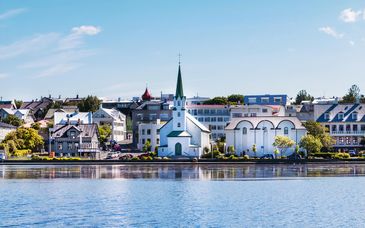
The Icelandic capital stands apart from conventional European city breaks through its unique fusion of cosmopolitan charm and wild natural landscapes accessible within an hour's drive. Wander past colourful corrugated-iron houses along Laugavegur, climb the iconic Hallgrímskirkja tower for panoramic views, then venture beyond the city limits to witness Strokkur erupting skyward, Gullfoss thundering into a canyon, or the ethereal glow of the Aurora Borealis dancing overhead. Modern design hotels, innovative Nordic cuisine, and the striking Harpa Concert Hall provide sophisticated urban pleasures, whilst the Blue Lagoon, black sand beaches, and glacier lagoons deliver unforgettable outdoor adventures. Register with Voyage Privé to unlock exceptional Reykjavík packages featuring top-tier accommodation, guided excursions, and exclusive offers reaching up to 70% off standard rates, transforming your Icelandic escape into an experience of exceptional value.

This 4-night Reykjavík city break package combines the best of Iceland's capital with its most celebrated natural highlights. Discover the Golden Circle's geothermal wonders, chase waterfalls along the dramatic South Coast, and unwind at the iconic Blue Lagoon. Guided excursions and airport transfers are included, making it effortless to experience Reykjavík's vibrant culture and Iceland's raw beauty in one short trip. Perfect for first-time visitors seeking a well-rounded introduction to the Land of Fire and Ice.
What we love: The seamless blend of city exploration and nature excursions, with all logistics handled—ideal for maximising a long weekend in Reykjavík.

Stay in the heart of Reykjavík at this stylish 4-star hotel, perfectly positioned for exploring the capital's design shops, restaurants, and cultural landmarks on foot. Premium rooms offer modern comfort, while optional excursions—including Northern Lights boat trips and Golden Circle tours—can be added to your package. The central location means Hallgrímskirkja, Harpa Concert Hall, and the Old Harbour are all within easy walking distance, making it an excellent base for a Reykjavík weekend break.
What we love: The unbeatable city-centre location combined with the flexibility to add iconic Icelandic excursions to your stay.

Designed for winter travellers, this Reykjavík holiday package focuses on Iceland's two most sought-after experiences: hunting the Aurora Borealis and soaking in the milky-blue geothermal waters of the Blue Lagoon. Your central Reykjavík hotel provides a comfortable base, while included transfers and guided Northern Lights tours take the stress out of planning. It's the perfect short break for those chasing the magic of Iceland's winter phenomena without the complexity of self-drive itineraries.
What we love: A hassle-free winter escape that delivers Iceland's bucket-list experiences—Northern Lights and Blue Lagoon—in one neat package.

For independent explorers, this fly-and-drive package offers the freedom to discover Iceland at your own pace. Choose between 4- or 7-night self-drive itineraries with car hire included, visiting the Blue Lagoon, Gullfoss waterfall, Jökulsárlón glacier lagoon, and the dramatic South Coast black sand beaches. Hand-picked accommodation along the route ensures comfort after each day's adventure. It's the ultimate flexible Reykjavík city break for those who want to venture beyond the capital and explore Iceland's legendary Ring Road highlights.
What we love: Total freedom to explore Iceland's most photogenic landscapes, with the convenience of pre-arranged accommodation and car hire.
Few capitals on Earth deliver such striking contrasts within such convenient proximity. Reykjavík itself is wonderfully compact and walkable, with candy-coloured houses lining Skólavörðustígur, boutique design hotels clustered around the harbour, and Nordic restaurants serving fermented shark alongside modern fusion cuisine. The soaring Hallgrímskirkja church and the shimmering glass facade of Harpa Concert Hall anchor a cityscape where culture thrives—galleries, live music, geothermal swimming pools open year-round. Yet within 45 minutes' drive you reach steaming lava fields, thundering waterfalls, and the otherworldly milky waters of the Blue Lagoon. The Golden Circle route loops through geysers and rifts where tectonic plates meet, all achievable in a single day trip. This rare blend appeals to culture enthusiasts craving Scandi-chic coffee shops and foodies hunting down lamb slow-cooked in geothermal springs, whilst simultaneously satisfying photographers chasing waterfalls and adventurers hoping to witness the Northern Lights. Most Reykjavík city break packages from the UK bundle central hotel stays with guided excursions, removing logistical headaches and maximising your precious weekend hours. The 4-Night Tour: Getaway to Iceland exemplifies this approach, combining comfortable city accommodation with expertly led tours to Iceland's greatest hits, ensuring you experience both cosmopolitan sophistication and raw volcanic drama without stress or wasted time.
Your ideal travel window depends entirely on whether you prioritise celestial displays or extended daylight for exploration. September through March delivers the dark skies essential for Northern Lights viewing, with November to February offering the longest nights and statistically highest aurora activity—though clear skies remain a gamble and sightings are never guaranteed despite expert forecasting. Winter temperatures hover between -5°C and 5°C, demanding thermal layers but rewarding resilient travellers with snow-dusted landscapes and the chance to see the Aurora Borealis shimmering green and violet overhead. Conversely, June through August brings the Midnight Sun phenomenon, with daylight stretching to 21 hours and temperatures climbing to a mild 10–15°C, making it the warmest season for outdoor pursuits and granting extended hours to explore the South Coast waterfalls, black sand beaches, and highland roads otherwise inaccessible in winter. Shoulder months—May and September—strike a balance: fewer crowds throng Gullfoss and Strokkur, hotel rates drop, and September evenings grow dark enough for early aurora attempts whilst daytime weather remains tolerable. For dedicated aurora hunters, winter remains non-negotiable despite harsher conditions; summer suits families, hikers, and those prioritising comfort and maximum sightseeing hours. Regardless of season, book Blue Lagoon slots and Northern Lights tours well ahead, as winter packages like the Northern Lights and Blue Lagoon Escape sell out rapidly during peak aurora months.
Candour matters when discussing costs: Iceland ranks among Europe's priciest destinations, and surprises await the unprepared. A casual lunch in Reykjavík runs £10–15 per person; a mid-range dinner with wine easily reaches £50–80; a pint of local beer costs £5–7. Central three- or four-star hotels charge £80–150 per night during high season, though Voyage Privé packages slash these rates through exclusive member offers reaching up to 70% off standard prices. Day tours to the Golden Circle or South Coast typically cost £50–100 per person, whilst Blue Lagoon Comfort admission starts around £60–80 when pre-booked (walk-up rates climb higher). Self-drive itineraries add car hire at £40–70 daily, plus fuel at roughly £1.50–1.80 per litre. A realistic budget for a Reykjavík weekend break—covering return flights from the UK, two or three nights' accommodation, a couple of excursions, and meals—ranges from £600 to £1,000 per person, fluctuating with season and package inclusions. Bundled Reykjavík city break packages deliver superior value compared to piecing together flights, hotels, and tours separately, as providers negotiate group rates and absorb logistical costs. The expense represents a common downside of Iceland, yet the unique experiences—witnessing Strokkur geyser erupt every few minutes, soaking in geothermal waters beneath the midnight sky, chasing the Northern Lights across volcanic plains—justify the outlay for most visitors. Booking through curated offers like the 3-Night Summer Tour in Iceland helps contain costs whilst ensuring quality accommodation and guided expertise.
A whirlwind 2-day, 2-night Reykjavík weekend break demands ruthless prioritisation but remains achievable for those seeking a taste of Iceland's dual character. Day one: arrive at Keflavík Airport (45 minutes from the capital; Flybus transfers cost around £25 return), check into a central hotel near Laugavegur, then spend the afternoon wandering the compact city centre—climb Hallgrímskirkja tower for sweeping views, admire Harpa Concert Hall's honeycomb glass, explore the colourful Old Harbour, and browse independent boutiques along Skólavörðustígur. Dine at a local restaurant serving Icelandic lamb or fresh fish. Day two: rise early for either a half-day Golden Circle tour (approximately six hours covering Þingvellir National Park, Strokkur geothermal area, and Gullfoss waterfall) or a morning visit to the Blue Lagoon (pre-book Comfort package; allow two to three hours plus transfer time). Return to the city for a leisurely evening stroll or, during winter months, embark on a Northern Lights boat trip from the harbour. Day three: enjoy a final morning browsing museums or sipping coffee in a cosy café before catching an afternoon flight home. Forty-eight hours proves tight but delivers a genuine snapshot of Reykjavík's urban culture paired with one iconic natural excursion. Many Voyage Privé packages include transfers and one major tour, simplifying logistics; the Classic Iceland Break offers flexible three- to five-night options suited to weekend extensions for those able to stretch their stay an extra day.
The three-day, three-night itinerary represents the most popular Reykjavík city break length, striking an ideal balance between urban exploration and natural spectacle. Day one: arrive and transfer to your Reykjavík hotel, spend the afternoon discovering the city centre—Hallgrímskirkja, Harpa, the harbour's seafood restaurants, and the charming streets radiating from Austurvöllur square. Sample Icelandic cuisine: tender lamb, creamy skyr, perhaps even fermented shark for the brave. Day two: embark on a full-day Golden Circle tour (approximately eight hours) visiting Þingvellir National Park, a UNESCO World Heritage site where the North American and Eurasian tectonic plates diverge in a dramatic rift valley; Strokkur geyser, which shoots boiling water 15–30 metres skyward every five to ten minutes; and Gullfoss, a two-tier waterfall thundering into a canyon with mesmerising power. Return to Reykjavík by evening. Day three: join a South Coast excursion (ten to eleven hours) to witness Seljalandsfoss waterfall—walk behind its curtain of water for a unique perspective—and Skógafoss, a mighty cascade framed by green cliffs, before reaching Reynisfjara black sand beach with its basalt columns and roaring Atlantic surf. Alternatively, dedicate day three to relaxing at the Blue Lagoon and shopping in the city before an evening flight. Day four (if staying three nights): enjoy a leisurely morning and depart. This itinerary covers Iceland's greatest hits and suits first-time visitors. Voyage Privé's Icelandic Natural Wonders and 3-Night Summer Tour packages include guided day tours and central hotels, eliminating the need to organise components separately and ensuring early starts and long days are managed smoothly despite unpredictable weather.
Extending your Reykjavík city break to four or five days unlocks a more relaxed rhythm and the opportunity to venture deeper into Iceland's extraordinary landscapes. Consider adding a dedicated Blue Lagoon half-day, ideally scheduled on arrival or departure day to maximise your time without sacrificing a full sightseeing day. Alternatively, book a Jökulsárlón glacier lagoon and Diamond Beach day trip—a 13- to 14-hour return journey along the South Coast that showcases icebergs calving into a serene lagoon and glittering ice fragments scattered across black sand—or opt for an overnight stay near Skaftafell to reduce driving. Another excellent addition: a Snæfellsnes Peninsula day tour, exploring fjords, lava fields, coastal cliffs, and the glacier-capped volcano immortalised in Jules Verne's novel. For those craving independence, switch to a self-drive itinerary, allowing you to explore at your own pace, stop for photographs whenever inspiration strikes, and access remote hot springs or lesser-known waterfalls. Four to five days permits both major excursions and leisurely city exploration—visit the National Museum, soak in the geothermal pools at Sky Lagoon, savour multi-course Nordic tasting menus, and experience Reykjavík's surprisingly vibrant nightlife. Voyage Privé's Iceland Fly and Drive packages (four or seven nights) include car hire and hand-picked hotels along your route, ideal for confident drivers seeking autonomy. For those preferring guided expertise, the 4-Night Tour: Getaway to Iceland bundles city accommodation, Golden Circle, South Coast, and Blue Lagoon visits into one seamless package. Seven days (see Tour of Iceland in 7 Nights) suits full Ring Road circumnavigations, but four to five days represents the sweet spot for a Reykjavík-focused break enriched with nature add-ons.
The Golden Circle remains Iceland's most celebrated day trip from Reykjavík, a roughly 300-kilometre loop achievable in six to eight hours depending on stops and group size. Three headline attractions anchor the route: Þingvellir National Park, a UNESCO World Heritage site where the North American and Eurasian tectonic plates diverge in a dramatic rift valley—walk between continents along wooden pathways, explore the site of Iceland's ancient parliament Alþingi founded in 930 AD, and marvel at the crystal-clear waters of Silfra fissure (snorkelling or diving tours available for the adventurous). Next, the Strokkur geothermal area, where Strokkur geyser erupts reliably every five to ten minutes, shooting boiling water fifteen to thirty metres into the air—position your camera for the telltale bubble preceding each eruption—whilst fumaroles hiss and hot springs simmer across a lunar-like landscape. Finally, Gullfoss waterfall, a two-tier cascade plunging into a narrow canyon with such force that mist creates rainbows on sunny days; viewing platforms offer multiple perspectives, and the raw power proves mesmerising year-round. Most tours also stop at Kerið volcanic crater, its aquamarine lake contrasting with rust-red slopes, or a local farm growing tomatoes in geothermal greenhouses. Half-day tours (approximately six hours) cover the essentials; full-day versions (eight to ten hours) add extras like the Secret Lagoon hot spring or Friðheimar greenhouse for a tomato-soup lunch. Booking guided tours provides convenience—hotel pick-up, expert commentary, no navigation stress—whilst renting a car grants flexibility to linger at favourite spots. The Golden Circle remains accessible year-round, though winter roads demand caution; guided tours handle icy conditions safely. Packages such as the Classic Iceland Break include Golden Circle excursions, ensuring you witness these geological marvels without logistical hassle.
Blue Lagoon and Sky Lagoon represent Iceland's two premier geothermal spa experiences, each offering distinct character and location advantages. Blue Lagoon, situated near Keflavík Airport (approximately 45 minutes from Reykjavík), features milky-blue mineral-rich water warmed by geothermal energy, silica mud masks scooped from in-pool dispensers, and a swim-up bar serving prosecco and smoothies. The Comfort package (around £60–80) includes admission, towel, and one drink; Premium and Luxury tiers add bathrobes, extra masks, dining reservations, and private changing facilities. Sky Lagoon, perched on Reykjavík's edge (roughly ten minutes from the city centre), offers a newer, more intimate experience: an ocean-view infinity pool where Atlantic waves crash below, and a seven-step ritual incorporating sauna, cold plunge, steam room, and body scrub. The Pure package (approximately £50–60) covers admission and towel; Sky Pass upgrades to private changing and lounge access. Both require advance booking—peak-season slots sell out weeks ahead, and walk-up availability proves rare. Blue Lagoon delivers the iconic bucket-list experience and suits travellers pairing the visit with airport transfers (many Reykjavík city break packages schedule it on arrival or departure day to avoid wasting a full sightseeing day). Sky Lagoon appeals to those seeking a less touristy alternative closer to the capital, with equally stunning views but smaller crowds. Some Voyage Privé packages bundle Blue Lagoon admission, such as Black Sands and Blue Lagoon, simplifying planning and often securing better rates than individual bookings. Whichever you choose, pre-booking remains essential to guarantee entry and avoid disappointment.
Chasing the Northern Lights—or Aurora Borealis—from Reykjavík requires patience, flexibility, and realistic expectations. The aurora season runs from September through March, when nights grow dark enough for visibility; peak months fall between November and February, offering the longest darkness and statistically highest solar activity, though sightings remain subject to three critical variables: solar storms (unpredictable), clear skies (Iceland's weather changes rapidly), and darkness (light pollution from Reykjavík reduces visibility). Even during optimal months, success rates on guided tours hover around 50–70% over the season—some nights deliver spectacular multi-coloured displays rippling across the sky, others yield nothing but clouds or faint green glows requiring long-exposure cameras to capture. Guided Northern Lights tours (three to four hours, costing £40–60) drive to dark rural locations away from city lights, employ expert guides who monitor aurora forecasts and cloud cover in real time, and often include free re-booking if the aurora fails to appear—a valuable insurance policy. Boat trips departing from Reykjavík harbour offer an alternative vantage point with minimal light pollution. Self-drivers can check the Icelandic Met Office app for aurora forecasts (KP index and cloud coverage) and head to dark spots independently, but winter road conditions demand confident driving skills and appropriate vehicles. Pack warm clothing—thermal base layers, insulated jacket, waterproof outer shell, hat, gloves—and prepare for potentially long waits in sub-zero temperatures. Several Reykjavík holiday packages incorporate Northern Lights excursions, including the Northern Lights and Blue Lagoon Escape and optional boat trips with the Canopy by Hilton Reykjavík package. Above all, maintain realistic expectations: the aurora is a natural phenomenon beyond human control, and witnessing it requires luck alongside planning.
Keflavík International Airport (KEF) serves as Iceland's principal gateway, located approximately 50 kilometres—or 45 minutes' drive—from Reykjavík city centre. Direct flights from UK cities including London, Manchester, Edinburgh, Glasgow, and Birmingham take around three hours, with carriers such as Icelandair, British Airways, easyJet, and Wizz Air operating year-round services. Flight-and-hotel packages, common on Voyage Privé, frequently deliver superior value compared to booking components separately, bundling accommodation, transfers, and sometimes excursions at discounted rates. Airport transfers: Flybus and Airport Direct run frequent shuttles (£20–25 return, approximately 45 minutes to the city centre) with hotel drop-off available at most central accommodations; taxis cost roughly £100–120 and suit groups sharing costs; private transfers can be arranged through package providers. Airport timings: arrive two hours before international departures; KEF offers duty-free shopping for alcohol, cosmetics, and Icelandic woolens—worth purchasing here as retail prices in Reykjavík prove higher. Many packages, including the 4-Night Tour: Getaway to Iceland, include airport transfers and guided excursions, streamlining logistics and eliminating the stress of navigating unfamiliar transport systems. UK, EU, and US citizens require no visa for stays under 90 days; ensure your passport remains valid for the duration of your trip. Travel insurance is strongly recommended, and ATOL protection on package holidays safeguards your investment should travel disruptions occur.
Reykjavík's compact city centre rewards exploration on foot—the distance from Hallgrímskirkja to the Old Harbour spans roughly twenty minutes' walk, with most hotels, restaurants, galleries, and landmarks concentrated within one to two kilometres. Public buses (Strætó) operate efficiently across the capital and suburbs, charging a flat fare of around £3.50 payable via contactless card or mobile app (cash is not accepted); useful routes serve Perlan museum and residential areas beyond walking distance. Taxis prove expensive—expect £15–20 for short city trips—though the ride-hailing app Hreyfill provides transparent pricing and convenience. For excursions beyond the city, guided tours reign supreme: most Golden Circle, South Coast, and Northern Lights trips include hotel pick-up and drop-off, eliminating the need to rent a car and navigate unfamiliar roads. Car hire suits those pursuing fly-and-drive itineraries or craving independence; expect £40–70 per day for standard vehicles, with 4WD required only for highland F-roads (summer access only) but unnecessary for paved routes to the Golden Circle or South Coast during summer months. Winter driving demands experience with ice and snow, studded tyres (legally required November–April), and respect for rapidly changing weather. Many Reykjavík city break packages, such as the Iceland Fly and Drive, bundle car hire with pre-arranged accommodation, streamlining the self-drive experience. Fuel costs hover around £1.50–1.80 per litre; parking in central Reykjavík requires payment (metered zones), whilst rural attractions offer free parking. For most short-break visitors, walking the city and joining guided tours provides the optimal balance of convenience, cost, and safety.
Selecting the right accommodation base shapes your Reykjavík city break experience. The 101 postcode—encompassing Laugavegur, Skólavörðustígur, and the Old Harbour—places you within walking distance of restaurants, shops, nightlife, and cultural landmarks, ideal for travellers prioritising urban immersion and evening strolls. Alternatively, areas near Öskjuhlíð hill and Perlan museum offer quieter, nature-adjacent stays with spa facilities and forest trails, suiting those seeking relaxation alongside sightseeing. Voyage Privé curates a range of Reykjavík city break packages: central three- and four-star design hotels like the Canopy by Hilton Reykjavík City Centre combine modern comfort with unbeatable location; hotel-plus-excursion bundles such as Icelandic Natural Wonders include guided day tours and breakfast; fly-and-drive itineraries like the Tour of Iceland in 7 Nights feature hand-picked countryside hotels along scenic routes. Booking tips: register with Voyage Privé to access exclusive members-only offers delivering up to 70% off standard rates; book two to three months ahead for summer (June–August) or Christmas and New Year periods when demand peaks; shoulder seasons (May, September) present lower prices and thinner crowds whilst retaining decent weather. Packages typically bundle flights, accommodation, breakfast, and often transfers or excursions, delivering better value than assembling components individually and ensuring cohesive itineraries. ATOL protection on flight-inclusive packages provides peace of mind, safeguarding your investment against travel disruptions. Whether you prioritise a central city base for nightlife and culture or a quieter retreat with spa access, Voyage Privé's curated selection simplifies the search for quality accommodation at exceptional value.
Planning a Reykjavík city break demands balancing urban culture with natural adventure, selecting the right season for your priorities, and booking strategically to manage Iceland's costs. Whether you chase the Northern Lights across winter skies, soak in the Blue Lagoon's milky waters, or marvel at Gullfoss thundering into a canyon, the Icelandic capital delivers unforgettable experiences within a compact, accessible framework. Register with Voyage Privé to unlock exclusive packages combining top-tier hotels, expert-led excursions, and exceptional savings of up to 70%, transforming your Icelandic escape into a journey of discovery and exceptional value.
Reykjavik excels as a city break destination, offering a compact walkable centre rich in Nordic culture, design hotels, and innovative cuisine, alongside unmatched access to natural wonders—Golden Circle geysers, Blue Lagoon, waterfalls, and Northern Lights—within 30–60 minutes. The combination of cosmopolitan charm and dramatic Icelandic nature makes it ideal for 2–5 day trips blending urban exploration and outdoor adventure.
The best month depends on your priorities: September to March for Northern Lights and winter landscapes; June to August for Midnight Sun, warmest weather (10–15°C), and extended daylight (up to 21 hours); May and September for fewer crowds and lower prices. Winter (November–February) offers the darkest nights for aurora viewing, whilst summer (June–August) suits sightseeing and outdoor activities.
Seven days is not excessive if exploring beyond Reykjavik on a full Ring Road fly-and-drive itinerary visiting Jökulsárlón glacier lagoon, Akureyri, and remote fjords. For a Reykjavik-focused city break, 3–5 days proves ideal, covering the city, Golden Circle, South Coast, and Blue Lagoon. Longer stays suit adventurous travellers keen to explore Iceland's diverse landscapes at a leisurely pace.
Iceland's primary drawback is cost: it ranks among Europe's most expensive destinations, with high prices for meals (£10–15 casual, £50–80 mid-range dinners), accommodation (£80–150/night for 3–4* hotels), and excursions. Weather remains unpredictable year-round, and winter roads challenge inexperienced drivers. However, unique landscapes, Northern Lights, and geothermal experiences justify the expense for most visitors seeking bucket-list adventures.
Most Reykjavik city break packages bundle return flights from the UK, central hotel accommodation (3–4 nights), daily breakfast, and airport transfers. Many also include guided excursions such as Golden Circle tours, South Coast waterfalls, Blue Lagoon admission, or Northern Lights hunting. Voyage Privé packages deliver exceptional value with savings up to 70% off, combining quality hotels, expert-led tours, and seamless logistics in one convenient booking.