New
Exclusive

Our offers

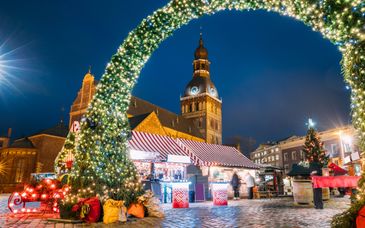
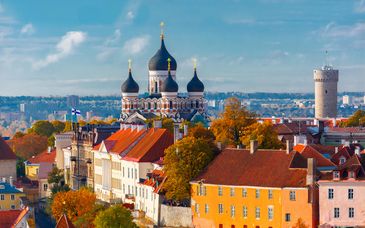
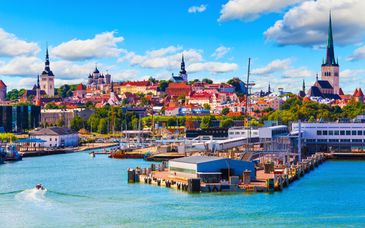
Table of contents
A Lithuania city break promises an enchanting mix of UNESCO-listed architecture, lakeside castles and buzzing café culture, all at prices that leave room for indulgence. Whether you're wandering the baroque lanes of Vilnius, savouring cepelinai in a cosy tavern or hopping between the three Baltic capitals, Lithuania rewards curious travellers with authenticity and charm. Exclusive offers on handpicked hotels and curated tours ensure your Baltic adventure is as seamless as it is unforgettable.

Nestled beside a tranquil lake in the Aukštadvaris Regional Park, just outside Vilnius, Esperanza Resort & SPA combines countryside serenity with five-star luxury. Guests enjoy a private beach, state-of-the-art spa, indoor pool and gourmet restaurants, all wrapped in contemporary design. Packages typically include bed and breakfast plus shared transfers, making it effortless to unwind after exploring the capital. Perfect for travellers seeking a peaceful lakeside retreat within easy reach of the city's cultural treasures.
What we love: The private lakefront setting, world-class spa facilities and seamless blend of relaxation and proximity to the city.

Set in 280 hectares of landscaped grounds on the edge of Vilnius, Vilnius Grand Resort offers a full resort experience with a spa, restaurants, golf facilities and spacious rooms. Packages are sold on a bed-and-breakfast basis with optional spa upgrades, ideal for families or couples who want resort amenities alongside easy city access. The peaceful location provides a restful base after days spent sightseeing in the Old Town or venturing to Trakai.
What we love: Comprehensive resort facilities, family-friendly atmosphere and excellent value for a four-star stay near the capital.

Experience the magic of Vilnius in winter with this dedicated Christmas-market short break. The package includes three to four nights' accommodation with breakfast, a guided city tour and an optional excursion to Trakai Island Castle, all timed to coincide with the festive markets in Cathedral Square. Twinkling lights, mulled wine and handcrafted gifts create an unforgettable seasonal atmosphere, making this the perfect winter city escape.
What we love: The festive focus, included city tour and the chance to explore Trakai's snow-dusted castle during the holiday season.

For travellers keen to explore beyond Lithuania, the Baltic Pearls tour links Vilnius, Riga and Tallinn in one seamless itinerary. Choose between six or nine nights, with breakfasts and selected guided visits included. This multi-city package is ideal for first-time visitors who want to compare the distinct character of each Baltic capital, from Vilnius's baroque grandeur to Tallinn's medieval charm, all arranged for maximum convenience.
What we love: The hassle-free multi-city format, expert local guides and the opportunity to tick off three capitals in one unforgettable trip.

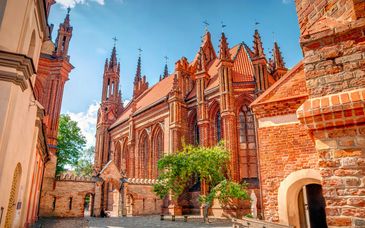
Vilnius stands as the heart of any Lithuania city break, crowned by its UNESCO-listed Old Town—one of Europe's largest—where cobbled lanes wind past baroque churches such as St Anne's and Vilnius Cathedral, alongside pastel-painted townhouses steeped in history. The bohemian Užupis district, often compared to Montmartre, beckons with riverside cafés, artist studios and a self-declared constitution nailed to a wall, embodying the city's playful, creative spirit. Gothic spires rise beside Renaissance courtyards and neoclassical façades, weaving centuries of architecture into a compact, walkable centre perfect for weekend exploration. Cultural venues such as the National Museum of Lithuania and the MO Museum balance reverence for the past with forward-looking exhibitions, while independent boutiques and vibrant street art inject youthful energy into ancient streets. Vilnius marries heritage with modernity, offering galleries, craft beer bars and organic eateries mere steps from monuments that predate them by half a millennium, making it the quintessential anchor for any Lithuanian escape.
Kaunas, Lithuania's second city, deserves attention as either an alternative or a complement to Vilnius. Recognised as a UNESCO Creative City for its interwar modernist architecture, Kaunas boasts the pedestrianised Laisv?s al?ja boulevard and the hilltop Kaunas Castle, delivering a quieter, more local atmosphere than the capital. Travellers seeking off-the-beaten-path culture will appreciate its slower pace and authentic Lithuanian character. For nature lovers, Klaip?da and the Curonian Spit—a narrow sand-dune peninsula stretching into the Baltic—offer beaches, pine forests and exceptional birdwatching. Klaip?da's port-city vibe and German heritage buildings contrast with Vilnius's baroque elegance, providing a refreshing coastal dimension. Lithuania's compact size makes multi-city exploration feasible even on a short break; Kaunas lies just one hour from Vilnius by train or bus, while summer coastal excursions add variety to urban itineraries. Flexible travellers can weave together baroque splendour, modernist landmarks and windswept dunes in a single, memorable journey.
Two peak seasons define a Lithuania city break. Summer—June through August—delivers long daylight hours, open-air festivals including the Vilnius Festival and Midsummer celebrations, plus pavement cafés perfect for people-watching under warm skies; this is high season, so early booking secures the best accommodation. Winter, particularly late November to early December, transforms Cathedral Square into a festive wonderland where wooden chalets dispense mulled wine, ice skaters glide beneath baroque spires dusted with snow, and carol concerts echo through the Old Town. Spring—April and May—and autumn—September and October—offer mild weather, fewer crowds and lower prices, ideal for budget-conscious explorers. Key events punctuate the calendar: Vilnius City Days in September, St Casimir's Fair in March, and a roster of music and film festivals year-round. Each season delivers its own charm: summer for outdoor vitality and long evenings, winter for cosy Christmas magic, shoulder months for tranquillity and value. Aligning your visit with personal interests—whether cultural immersion, seasonal festivals or simply strolling at leisure—ensures the trip matches your rhythm and budget.

A two-day itinerary captures the essence of Vilnius. Begin Day 1 morning in Cathedral Square; visit Vilnius Cathedral and climb Gediminas Tower for sweeping panoramas over terracotta rooftops and green hills. Descend into the Old Town, pausing at the red-brick Gothic elegance of St Anne's Church and the revered Gates of Dawn. Lunch in a traditional restaurant to sample cepelinai—potato dumplings stuffed with meat—or chilled beet soup, šaltibarš?iai. Afternoon: wander Pilies Street for amber jewellery and linen boutiques, then cross the Vilnia River into Užupis to photograph the angel statue and read the quirky constitution plaques. Evening: dine on contemporary Lithuanian cuisine in a vaulted cellar restaurant. Day 2 morning: explore Vilnius University's baroque courtyards and the frescoed library, then stroll through the Bernardine Gardens. Afternoon: take a half-day excursion to Trakai Island Castle—a fairytale island castle on a lake—returning by early evening. Final dinner: try kibinai pastries and locally brewed craft beer. This condensed route balances iconic landmarks, local flavours and a countryside castle, ensuring you experience Vilnius's full character in just 48 hours.
Extending to three or four days allows deeper immersion. Follow the 48-hour core, then dedicate Day 3 to Trakai Island Castle at a leisurely pace: rent a kayak to paddle around the lake, visit the Karaite ethnographic museum, and lunch on kibinai in a Karaite-run café. Return to Vilnius for an evening at the National Opera and Ballet Theatre or a jazz club in the Old Town. Day 4 can be split between cultural deep dives—Museum of Occupations and Freedom Fights for sobering 20th-century history, the MO Museum for cutting-edge exhibitions—and neighbourhood exploration: the wooden houses of Žv?rynas, the riverside Vingis Park for a sunset walk, or the bohemian cafés of Šnipišk?s. Alternatively, take a day trip to Kernav?, a UNESCO archaeological site with ancient hill forts, or the spa town of Druskininkai for thermal baths and forest trails. This expanded itinerary balances must-see sights with off-the-radar discoveries, catering to travellers who prefer slow exploration over tick-box tourism. Four days also leave room for spontaneous market visits, lingering café afternoons and evening strolls without the pressure of an overpacked schedule.
A full week unlocks Lithuania's regional diversity. Spend Days 1–3 in Vilnius following the itinerary above, adding a day trip to Trakai Island Castle. Day 4: travel to Kaunas by train; explore the pedestrianised Laisv?s al?ja, visit Kaunas Castle and the interwar modernist architecture around Vytautas Magnus University. Overnight in Kaunas to experience its evening restaurant scene and slower pace. Day 5: head west to Klaip?da, Lithuania's port city; wander the old German quarter, then catch a ferry to the Curonian Spit. Days 6–7: base yourself in Nida, a charming fishing village on the Spit; hike the towering sand dunes, cycle through pine forests, and watch the sun set over the lagoon. Return to Klaip?da, then Vilnius for a final night, or fly home from Klaip?da's small airport. This week-long loop showcases baroque capital, modernist second city and pristine coastal nature, offering a complete portrait of Lithuania. The itinerary suits active travellers who enjoy cycling, hiking and water sports as much as museum visits and architectural walks, proving that Lithuania delivers far more than a single-city experience.

Cathedral Square serves as Vilnius's ceremonial heart, where neoclassical Vilnius Cathedral stands beside a freestanding bell tower; the square hosts concerts, markets and New Year celebrations throughout the year. Climb the adjacent Gediminas Tower—the sole surviving fragment of the Upper Castle—for 360-degree views over the Old Town's spires and the winding Neris River. The climb is short but steep; the panorama rewards every step. At the southern edge of the Old Town, the Gates of Dawn house a revered chapel containing a miraculous icon of the Virgin Mary, drawing pilgrims and curious visitors alike; the golden glow of candlelight and the hushed reverence inside contrast with the bustling street below. These three landmarks anchor any walking tour, offering a blend of civic grandeur, defensive history and spiritual significance. Plan to visit Gediminas Tower early morning or late afternoon when light bathes the city in warm tones, perfect for photography. Cathedral Square is best experienced during an event—summer concerts or Christmas markets—when the space comes alive with music, food stalls and local families. The Gates of Dawn chapel welcomes visitors throughout the day; a moment of quiet reflection here provides a contemplative pause amid sightseeing.
Vilnius's museum scene spans centuries and genres. The National Museum of Lithuania traces the nation's story from prehistoric amber trade through the medieval Grand Duchy to 20th-century independence struggles; highlights include medieval armour, folk costumes and interactive exhibits suitable for families. The MO Museum—opened in 2018—showcases modern and contemporary Lithuanian art in a striking glass-and-concrete building; rotating exhibitions feature bold abstract works, Soviet-era nonconformist paintings and cutting-edge installations, appealing to design-conscious travellers. For a sobering counterpoint, the Museum of Occupations and Freedom Fights—colloquially known as the KGB Museum—occupies the former KGB headquarters; basement cells, interrogation rooms and exhibits on Soviet repression offer chilling insight into Lithuania's recent past. Allocate two hours per museum; the MO and National Museum suit art and history enthusiasts, while the Museum of Occupations and Freedom Fights is essential for understanding Lithuania's journey to independence. Guided tours at the Museum of Occupations and Freedom Fights provide context and personal stories absent from static displays. Museum cafés—especially at the MO—serve excellent coffee and light bites, making them ideal rest stops. Many museums offer free or discounted entry on the first Sunday of each month, a boon for budget travellers visiting during shoulder season.
Cross the Vilnia River into Užupis, Vilnius's self-declared artists' republic, where a bronze angel stands sentinel over cobbled lanes lined with galleries, workshops and quirky cafés. On 1 April each year, residents issue tongue-in-cheek passports and celebrate independence with parades and concerts; the district's constitution—translated into dozens of languages—adorns a wall near the bridge, proclaiming rights such as "the right to be happy" and "the right to be a dog." Street art enlivens building façades: murals range from political commentary to whimsical characters, and open-air sculpture gardens dot riverside paths. Užupis attracts painters, musicians and writers, creating a bohemian vibe reminiscent of Paris's Left Bank or Berlin's Kreuzberg, yet with a distinctly Lithuanian twist. Wander without a map; serendipity reveals hidden courtyards, vintage shops and rooftop bars with views back toward the Old Town. Morning visits capture the district in gentle light, ideal for photography and café breakfasts; evenings bring live music spilling from basement bars and candlelit restaurant terraces. Užupis embodies Vilnius's creative soul, proving the city is more than baroque churches and medieval walls—it pulses with contemporary culture and irreverent humour.
Vilnius International Airport lies just five kilometres south of the city centre, connected by frequent buses, taxis and ride-hailing apps; the journey takes 15 to 20 minutes, making arrivals and departures swift and stress-free. Direct flights operate from London, Dublin, Edinburgh and other UK hubs via carriers including Ryanair, Wizz Air and LOT Polish Airlines; flying time averages two to two and a half hours. For multi-city Baltic itineraries, consider flying into Tallinn or Riga and travelling overland by bus or train; modern coaches link the three capitals in under five hours, offering scenic countryside views and budget-friendly fares. Kaunas Airport serves low-cost carriers and lies closer to Lithuania's second city, useful if combining Vilnius with Kaunas exploration. Travellers from continental Europe can reach Vilnius by train via Warsaw or by long-distance bus from Berlin, though flights remain faster and often cheaper. Airport facilities include currency exchange, car-hire desks and a small selection of cafés; free Wi-Fi throughout the terminal keeps you connected. Book flights several months ahead for summer and Christmas market periods to secure lower fares and convenient schedules; shoulder-season travellers benefit from last-minute deals and quieter planes.
Vilnius's compact Old Town is eminently walkable; most major sights lie within a 20-minute stroll of Cathedral Square, and comfortable shoes are the only requirement for a full day's sightseeing. For reaching outer neighbourhoods or the lakeside resorts, public buses run frequently and accept contactless payment or pre-purchased tickets from kiosks; a single fare costs around one euro, making buses an economical choice for budget-conscious travellers. Taxis and ride-hailing apps such as Bolt operate throughout the city, offering affordable door-to-door convenience; fares from the airport to the Old Town rarely exceed ten euros. Bike-sharing schemes have expanded in recent years, with docking stations near parks and main streets; cycling along the Neris River greenway or through Vingis Park provides a leisurely alternative to walking. Renting a car suits those planning day trips to Trakai Island Castle, Kernav? or the coast, though city-centre parking can be limited and pricey. Electric scooters dot pavements, available via smartphone apps, ideal for quick hops between museums or back to your hotel. Lithuania drives on the right; roads are well maintained, and English signage is common on major routes. For multi-city tours, intercity buses and trains connect Vilnius to Kaunas, Klaip?da and beyond, with tickets bookable online in advance for the best prices.
Lithuania ranks among Europe's most affordable destinations, delivering high-quality experiences at a fraction of Western European prices. A three-course meal in a mid-range Vilnius restaurant costs £20 to £30 per person, including wine; street-food kibinai or cepelinai from market stalls run under £5. Four-star hotel rooms in the Old Town average £60 to £100 per night; lakeside resorts like Esperanza or Vilnius Grand Resort offer luxury at similarly accessible rates. Museum entry fees hover around £5 to £8, with discounts for students and seniors; many churches and public squares remain free. Public transport and taxis cost less than in London or Paris, leaving more budget for dining, shopping and excursions. Craft beer in a trendy bar costs £2 to £3 per pint; cocktails in upscale lounges rarely exceed £6. Souvenir amber jewellery, linen textiles and locally made ceramics represent excellent value, with artisan pieces priced well below equivalent goods in Scandinavia or Germany. Overall, a weekend city break—including flights, accommodation, meals and sightseeing—can be comfortably enjoyed for £400 to £600 per person, less during shoulder season or with advance bookings. This affordability allows travellers to indulge in spa treatments, gourmet dinners and guided tours without financial strain, making Lithuania an ideal choice for those seeking luxury on a sensible budget.

Lithuanian cuisine celebrates hearty, comfort-driven flavours rooted in centuries of agrarian tradition. Cepelinai—potato dumplings shaped like Zeppelin airships—arrive stuffed with minced pork or mushrooms, smothered in sour cream and crispy bacon bits; the dish is filling, savoury and quintessentially Lithuanian. Šaltibarš?iai, a vibrant pink cold beet soup served with hot boiled potatoes, refreshes on warm summer days; its tangy, slightly sweet flavour surprises first-timers but quickly becomes addictive. Kibinai, crescent-shaped pastries filled with spiced lamb or vegetables, trace their origins to the Karaite community in Trakai; best enjoyed fresh from a bakery near the castle, they make an ideal on-the-go snack. Šakotis, a towering spit cake resembling a Christmas tree, appears at celebrations and markets; its crisp, layered texture pairs beautifully with coffee. Smoked eel from the Curonian Spit, black bread dense with rye and caraway, and cottage cheese desserts round out a menu that prioritises local ingredients and time-honoured recipes. Vegetarians will find mushroom-filled cepelinai, hearty vegetable soups and fresh salads featuring local greens. Dining in Vilnius ranges from rustic taverns serving grandmothers' recipes to contemporary bistros reimagining classics with modern plating and seasonal twists, ensuring every palate discovers something memorable. Embrace the portions—Lithuanian hospitality means generous servings—and save room for dessert.
Vilnius's dining scene spans cosy cellar taverns and sleek rooftop restaurants. Lokys, housed in a 15th-century merchant's cellar, specialises in game meats and traditional dishes served amid candlelit stone arches; the atmosphere alone justifies a visit. Forto Dvaras, near the Gates of Dawn, offers cepelinai, potato pancakes and honey cake in a rustic setting frequented by locals and tourists alike. For modern Lithuanian cuisine, Sweet Root—a Michelin-recommended gem—crafts tasting menus from foraged ingredients and heritage grains, presenting each course as edible art. Telegrafas combines elegant interiors with inventive menus blending Baltic seafood and seasonal vegetables, ideal for special-occasion dinners. Cafés such as Café de Paris and Croissant & Coffee serve excellent pastries and filter coffee, perfect for breakfast or mid-afternoon breaks. Street-food markets—Hales Turgus being the most famous—brim with vendors selling smoked fish, fresh berries, artisan cheeses and ready-to-eat kibinai. Užupis harbours quirky eateries like Užupio Kavin?, where mismatched furniture and live acoustic sets create a laid-back vibe. Budget travellers can feast on hearty soups and salads at self-service canteens for under £10; those seeking fine dining will find Michelin-quality meals at half the price of Paris or Copenhagen. Reservations are wise for popular spots on weekends and during summer festivals; most menus offer English translations, and staff speak good English throughout the capital.
Lithuania's craft-beer revolution has transformed Vilnius into a hub for hop enthusiasts. Microbreweries such as Bravaria, Dundulis and Sakiški? produce IPAs, stouts and seasonal ales using local grains and innovative techniques; taprooms offer flights for sampling multiple styles. Alaus Biblioteka—the Beer Library—stocks hundreds of Lithuanian and international brews, with knowledgeable staff guiding selections to match your taste. Traditional midus, a honey-based mead, appears on many menus; its sweet, floral notes pair well with desserts or sipped as an aperitif. Krupnikas, a spiced honey liqueur, warms winter evenings; served hot or over ice, it carries hints of clove, cinnamon and citrus. Lithuanian vodka brands like Stumbras enjoy local loyalty, often consumed with pickles and rye bread during celebratory toasts. Wine lists increasingly feature natural and organic bottles from neighbouring countries, though beer and spirits dominate local drinking culture. Cocktail bars in Vilnius's Old Town—Bourbon Beerhouse, Leila's Cocktail Bar—mix creative drinks using Baltic botanicals and house-infused spirits. Coffee culture thrives; third-wave roasters such as Caffeine and Double Coffee serve single-origin espresso and pour-overs in minimalist interiors. Enjoy a leisurely afternoon sampling craft beers on a sunny terrace, toasting your Lithuania city break with a glass of chilled midus as the sun dips behind baroque spires.
Lithuania weaves together medieval grandeur, vibrant creativity and exceptional value, making it an irresistible choice for discerning travellers seeking an authentic European city break. From the cobbled elegance of Vilnius Old Town to the island castle of Trakai, the modernist boulevards of Kaunas and the windswept beauty of the Curonian Spit, every corner reveals layers of history, culture and natural splendour. Whether you spend a weekend savouring cepelinai in a candlelit cellar, a week cycling coastal dunes, or a multi-city tour discovering all three Baltic capitals, Lithuania promises memories rich in discovery and delight. Exclusive offers ensure your journey combines comfort, convenience and affordability, leaving you free to immerse yourself fully in this enchanting Baltic gem.
Summer from June to August offers long daylight, festivals and warm weather perfect for outdoor exploration, though it is peak season requiring early booking. Winter, especially late November to early December, delivers magical Christmas markets and snow-dusted baroque architecture. Spring and autumn provide mild temperatures, fewer crowds and lower prices, ideal for budget travellers. Each season has unique appeal: summer for energy, winter for festive charm, shoulder months for tranquillity and value.
A weekend of 48 hours captures Vilnius essentials: Cathedral Square, Gediminas Tower, Old Town lanes and a half-day trip to Trakai. Three to four days allow deeper cultural immersion, including museums, Užupis exploration and a full day at Trakai. A week enables multi-city touring, adding Kaunas and the Curonian Spit coast. Choose duration based on interests: two days for highlights, four for relaxed discovery, seven for regional diversity.
Vilnius ranks among Europe's most affordable capitals. Mid-range restaurant meals cost 20 to 30 euros per person, four-star hotels average 60 to 100 euros per night, and museum entries run five to eight euros. Public transport and taxis are inexpensive, leaving budget for dining, shopping and excursions. Overall, a weekend break—flights, accommodation, meals, sightseeing—fits comfortably within 400 to 600 euros per person, far less than Western European equivalents.
Cathedral Square, Gediminas Tower and the Gates of Dawn anchor any itinerary, offering civic grandeur, panoramic views and spiritual significance. Vilnius Cathedral showcases neoclassical elegance, Gediminas Tower delivers 360-degree city vistas, and the Gates of Dawn chapel houses a revered icon. Add St Anne's Church for Gothic beauty, Užupis for bohemian street art, and Vilnius University's baroque courtyards for architectural splendour. Together, these sites encapsulate the city's layered history.
Multi-city tours linking Vilnius, Riga and Tallinn are popular and practical. Modern buses connect the three capitals in under five hours each leg; six- to nine-night packages include accommodation, breakfasts and guided visits. This format suits first-time visitors wanting to compare each city's distinct character—Vilnius's baroque charm, Riga's Art Nouveau elegance, Tallinn's medieval walls. Booking a curated tour simplifies logistics, ensuring seamless travel and expert local insights.
Cepelinai—potato dumplings stuffed with pork or mushrooms—are the national dish, hearty and savoury. Šaltibarš?iai, cold pink beet soup, refreshes in summer. Kibinai, crescent pastries filled with spiced lamb, originate from Trakai's Karaite community. Šakotis spit cake, smoked eel, dense rye bread and cottage cheese desserts complete the culinary portrait. Vilnius restaurants range from rustic taverns to Michelin-recommended bistros, catering to all tastes and budgets.
English is widely spoken in Vilnius hotels, restaurants, museums and tourist sites, making communication straightforward. Younger Lithuanians and service-industry staff typically speak good English; menus often feature English translations. Learning a few Lithuanian phrases—"labas" for hello, "a?i?" for thank you—is appreciated but not essential. Public transport apps and maps use English options. Outside the capital, especially in rural areas, English is less common, though patience and gestures bridge most gaps.
Trakai Castle, a fairytale island fortress on Lake Galv?, is Lithuania's most iconic sight beyond Vilnius. The short journey—30 kilometres, 30 minutes by bus or car—rewards visitors with stunning lakeside scenery, a well-preserved medieval castle housing a history museum, and opportunities for kayaking or paddle-boating. Lunch on kibinai in a Karaite café adds cultural flavour. Allocate half a day minimum; full-day visits allow leisurely exploration, boat trips and forest walks around the lake.
Pack comfortable walking shoes for cobbled Old Town streets, layers for variable weather, and a waterproof jacket regardless of season. Summer needs sunscreen, sunglasses and light clothing; winter demands warm coats, gloves and hats for sub-zero temperatures. A daypack carries water, snacks and a camera for sightseeing. Smart-casual attire suits upscale restaurants and opera visits. Electrical adapters for European two-pin sockets, a reusable water bottle and a phrasebook or translation app complete essentials.
Credit and debit cards are accepted in most Vilnius hotels, restaurants, shops and museums. Contactless payment is common, and ATMs are plentiful for cash withdrawals. Lithuania uses the euro, simplifying transactions for visitors from eurozone countries. Smaller market stalls, rural cafés or family-run guesthouses may prefer cash, so carry a modest amount. Notify your bank of travel dates to avoid card blocks. Tipping is appreciated but not obligatory; rounding up bills or adding 5 to 10 per cent for excellent service is customary.