
New
Exclusive









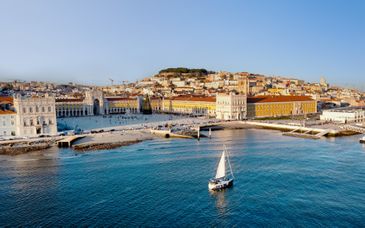
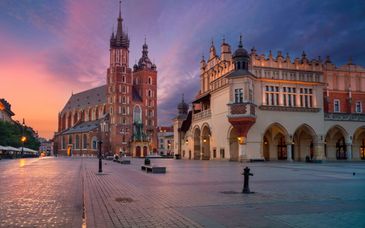




Table of contents
Easter marks the perfect moment for a European city break: spring has arrived, temperatures are rising and cities across the continent burst into life with colourful processions, open-air markets and blooming gardens. Whether you are seeking sunshine on the Amalfi Coast, the drama of Seville's Semana Santa or a family adventure in Kraków, an Easter city break combines culture, relaxation and discovery in a compact two- to four-day itinerary. Register today to unlock hand-picked hotel packages, twin-city tours and seasonal offers that transform your short break into an unforgettable spring escape.

Experience the heart of Poland with this twin-centre adventure combining Kraków’s medieval splendour and Gda?sk’s maritime heritage. This short break includes train transfers between both cities, breakfast at your three- or four-star hotel and flexible itineraries spanning four to six nights. Explore the cobbled lanes of the Old Town, visit the poignant Auschwitz-Birkenau memorial—located about 70 km west of Kraków—and discover the amber-trading legacy of Gda?sk’s waterfront: a rich cultural journey perfect for an Easter getaway that blends history, architecture and Baltic charm.

Journey through Norway’s most captivating cities with a multi-centre escape that pairs the cosmopolitan energy of Oslo with the fjord-framed beauty of Bergen. This package includes a scenic fjord cruise, train transfers aboard the legendary Bergen Railway—a 6.5- to 7.5-hour journey through the highlands—and accommodation in four-star properties. Marvel at the Viking Ship Museum, stroll through Bergen’s historic Bryggen wharf and savour fresh seafood in waterfront restaurants: an Easter itinerary that marries natural splendour with Scandinavian sophistication.

Discover Scotland’s capital in style with a short break that combines three- or four-star accommodation, a whisky experience and a full-day tour of the Highlands. Wander the Royal Mile, climb to Edinburgh Castle and venture into the dramatic landscapes of Loch Ness and Glen Coe. This long-weekend itinerary captures the essence of Scottish heritage, from the cobbled closes of the Old Town to the misty peaks of the north: a perfect Easter escape for culture and nature lovers.
April ushers in a season of renewal across the continent, transforming urban landscapes into canvases of blossom and light. Parks that lay dormant through winter suddenly erupt in tulips, magnolias and cherry trees, while café terraces reopen and locals spill onto sun-drenched squares. Prague’s Pet?ín Hill becomes a riot of pink blooms, Paris’s Luxembourg Gardens frame sculptures in wisteria and Lisbon’s miradouros offer panoramas framed by jacaranda. The mild temperatures—averaging 15 to 20 degrees—make sightseeing comfortable without the oppressive heat of high summer or the unpredictable downpours of autumn. Easter also falls outside peak tourist season in many cities, meaning shorter queues at major monuments, better availability at top-rated hotels and a more authentic encounter with daily life. You can linger in the Uffizi without jostling crowds, enjoy a leisurely lunch in a Roman trattoria without a three-week reservation and photograph Gaudí’s mosaics in natural light undisturbed by tour groups. For travellers seeking both cultural richness and practical ease, an Easter city break strikes the ideal balance between vibrant atmosphere and manageable logistics.
Easter ignites a calendar of traditions that vary dramatically from one region to another, each offering a window into local faith, folklore and creativity. In Seville, Semana Santa transforms the Andalusian capital into an open-air theatre: hooded penitents carry life-size pasos through narrow lanes, brass bands punctuate the night with haunting saetas and the scent of orange blossom mingles with incense. Over in Florence, the Scoppio del Carro sees a cart laden with fireworks explode in front of the Duomo, a spectacle dating back over 350 years. Kraków’s Rynek G?ówny hosts a traditional Easter market where artisans sell hand-painted pisanki eggs, oscypek cheese and intricate paper cut-outs, while folk ensembles perform in medieval costume. Farther north, Stockholm celebrates påsk with brightly coloured feathers adorning shop windows and families gathering for herring and egg-laden smörgåsbord. These events are not staged for tourists; they are living expressions of identity that invite you to witness centuries-old customs in their authentic setting. Attending a Good Friday procession in Braga or an Easter Sunday concert in Vienna’s Musikverein adds emotional depth to your itinerary, transforming a simple city visit into a culturally immersive experience that lingers long after you return home.
A city break occupies that sweet spot between a fleeting weekend and a full week’s holiday, making it perfect for professionals with limited leave, families coordinating school calendars or couples seeking a spontaneous escape. Two to four nights allow you to explore a city’s core attractions, sample its culinary scene and still enjoy leisurely mornings without the exhaustion of marathon sightseeing. The compact geography of European cities means you can walk between neighbourhoods, hop on efficient metro systems or cycle along designated lanes, maximising your time on the ground rather than in transit. Budget airlines and high-speed rail networks have rendered even distant capitals accessible within a few hours: London to Budapest takes two and a half hours by air, while the Eurostar whisks you from Paris to Amsterdam in just over three. Many hotels offer special Easter packages that bundle breakfast, late check-out or complimentary museum passes, adding value without inflating your budget. The absence of complex logistics—no multi-day road trips, no island-hopping ferries—means you can focus on savouring the moment rather than consulting timetables. For those new to solo travel or introducing children to international exploration, a city break provides a manageable first step, combining the thrill of discovery with the reassurance of urban infrastructure and English-speaking services.
Few destinations marry natural drama with historical depth as compellingly as Naples and its coastal hinterland. The city itself pulses with an energy that can feel overwhelming yet utterly intoxicating: washing lines strung between ochre palazzi, scooters weaving through baroque piazzas and the aroma of sfogliatelle wafting from century-old pasticcerie. Dedicate your first day to the historic centre, a UNESCO site where Spaccanapoli slices through ancient Greek streets, churches hide Caravaggio masterpieces and the Museo Archeologico Nazionale houses treasures from Pompeii and Herculaneum. On day two, venture to the ruins themselves: walk the Via dell’Abbondanza, peer into frescoed villas and stand in the shadow of Vesuvius, whose brooding cone dominates the skyline. The following morning, board a ferry or hire a driver for the Amalfi Coast, where pastel villages cling to vertiginous cliffs and lemon groves cascade to turquoise coves. Positano’s boutique-lined lanes tumble to a pebble beach, Ravello’s Villa Cimbrone offers gardens suspended above the sea and Amalfi itself boasts a cathedral whose Arab-Norman façade glints in the spring sun. Easter Sunday often sees processions winding through these towns, accompanied by brass bands and followed by family feasts of pastiera and casatiello. Register to access curated packages that include guided archaeological tours, coastal transfers and stays in boutique hotels with terraces overlooking the bay.
Seville in April is a city transformed, its streets perfumed by orange blossom and animated by the fervour of Semana Santa. The week-long celebration sees sixty confraternities parade ornate floats bearing statues of Christ and the Virgin Mary, each accompanied by hundreds of nazarenos in pointed capirotes. The processions move with solemn grace through the Barrio de Santa Cruz, their candlelight flickering against whitewashed walls and geranium-filled balconies. Between these nightly spectacles, explore the Real Alcázar, a palace complex where Mudéjar arches frame reflecting pools and peacocks strut through Renaissance gardens. Climb the Giralda tower for panoramic views over terracotta rooftops, then lose yourself in the labyrinthine lanes of Triana, the traditional potters’ and flamenco artists’ quarter. By day, the spring sunshine encourages long lunches on shaded patios: sip chilled manzanilla, savour jamón ibérico and sample salmorejo, the city’s silkier cousin to gazpacho. As dusk falls, catch a live flamenco performance in an intimate tablao, where dancers’ zapateado rhythms and singers’ cante jondo cries evoke centuries of Andalusian soul. Seville during Easter is not merely a destination; it is an immersion in passion, tradition and sensory richness that leaves an indelible mark on every visitor fortunate enough to witness it.
Perched on seven hills above the Tagus estuary, Lisbon combines the laid-back charm of a coastal town with the cultural infrastructure of a European capital. Begin in the Alfama, the Moorish quarter where narrow alleys twist past azulejo-clad façades and fado drifts from tavern doorways. Ride tram 28 up to the Castelo de São Jorge, whose ramparts offer sweeping views over terracotta rooftops to the river and the 25 de Abril Bridge. Descend to Belém to marvel at the Manueline exuberance of the Jerónimos Monastery and sample pastéis de nata still warm from the ovens of the historic Fábrica. On your second day, venture west to the Portuguese Riviera: the fairytale palaces of Sintra—Pena’s candy-coloured turrets, Quinta da Regaleira’s initiation wells—nestle in forested hills that remain cool even as the coast basks in sunshine. Continue to Cascais, a former fishing village turned elegant resort, where you can stroll the seafront promenade, dip your toes in the Atlantic and dine on grilled robalo in a beachfront marisqueira. Easter in Lisbon is marked by processions in the Baixa and special masses in the Sé Cathedral, but the city’s secular pleasures—miradouro sunsets, vintage bookshops, vibrant street art—are equally compelling. The mild April climate, averaging 18 degrees, makes it a perfect escape for sun-seekers who also crave urban sophistication and historical depth.
Kraków enchants with a medieval core so perfectly preserved it feels lifted from a Renaissance painting. The vast Rynek G?ówny, Europe’s largest medieval square, pulses with life: flower stalls cluster around the Gothic Cloth Hall, trumpeters sound the hejna? from St Mary’s Basilica every hour and horse-drawn carriages clatter over cobblestones. Beneath the square lies the Rynek Underground Museum, an archaeological marvel that traces the city’s mercantile past through interactive exhibits. Dedicate an afternoon to Wawel Castle, where royal apartments, a treasury of crown jewels and a cathedral housing the tombs of Polish kings occupy a limestone bluff above the Vistula. The nearby Kazimierz district, once the heart of Jewish Kraków, now thrives as a bohemian quarter of vintage cafés, street art and klezmer concerts. A sobering but essential excursion takes you to Auschwitz-Birkenau, an hour west, where guided tours provide historical context and space for reflection. From Kraków, board a comfortable train north to Gda?sk, a port city rebuilt after wartime devastation into a meticulous replica of its Hanseatic glory. Walk the Long Market past pastel gabled houses, visit the European Solidarity Centre to understand the Solidarity movement’s role in toppling communism and cruise the canals that link the old town to the shipyards. Easter markets in both cities sell hand-painted eggs, oscypek cheese and regional crafts, while churches host choral concerts that showcase Poland’s deep musical heritage.
Prague in spring sheds its winter grey to reveal a cityscape of spires, bridges and baroque façades gilded by soft sunshine. Cross the Charles Bridge at dawn, when mist rises from the Vltava and only a handful of early risers share the cobblestones with you, then explore the Old Town Square as the Astronomical Clock strikes the hour and crowds gather to watch the procession of apostles. Climb to Prague Castle, a vast complex encompassing St Vitus Cathedral’s stained glass, the Golden Lane’s tiny artisan cottages and terraced gardens that cascade down to Malá Strana. Easter Sunday sees processions in the Hrad?any district and special concerts in historic churches, while the city’s beer gardens reopen for the season, offering Pilsner Urquell beneath blossoming chestnut trees. A few hours south by train, Vienna greets visitors with imperial grandeur and coffeehouse culture. Stroll the Ringstrasse past the neo-Gothic Rathaus and the State Opera House, then step inside the Hofburg to tour the Sisi Museum and the Spanish Riding School. The Belvedere Palace houses Klimt’s golden masterpieces, while the Naschmarkt tempts with stalls selling everything from Turkish spices to Viennese pastries. Easter in Vienna means attending a performance of the St Matthew Passion in the Musikverein or a festive mass in St Stephen’s Cathedral, followed by Sachertorte in a wood-panelled café. Both cities offer a blend of high culture, accessible beauty and culinary tradition that appeals to discerning travellers seeking substance alongside spectacle.
Florence remains the cradle of the Renaissance, a compact city where every piazza, every palazzo and every church façade tells a story of artistic revolution. Begin in the Piazza del Duomo, where Brunelleschi’s terracotta dome soars above Giotto’s campanile and the Baptistery’s bronze doors depict scenes from the Old Testament in gilded relief. Ascend the dome’s four hundred steps for views over the Arno and the Tuscan hills beyond, then descend into the cathedral’s crypt to see remnants of the Roman city beneath. Cross to the Uffizi Gallery, where Botticelli’s Birth of Venus and Leonardo’s Annunciation hang in rooms that once served as Medici administrative offices, and allow at least three hours to absorb masterpieces spanning four centuries. On Easter Sunday, witness the Scoppio del Carro in front of the Duomo: a mechanical dove ignites a towering cart of fireworks, a tradition dating back over 350 years. Beyond the galleries, Florence rewards aimless wandering—across the Ponte Vecchio with its jewellery shops, through the Oltrarno artisan quarter where craftsmen still restore antique furniture and gild frames, up to Piazzale Michelangelo for sunset over the city. Dine in a trattoria on ribollita and bistecca alla fiorentina, sip Chianti in a wine bar carved into medieval walls and savour gelato from one of the city’s artisan gelaterie. Florence in April offers the rare combination of manageable crowds, perfect weather and a cultural density unmatched anywhere on earth, making it an Easter city break that satisfies both the intellect and the senses.
Bergen occupies a singular position among European cities: hemmed by seven mountains and opening onto a network of deep, glacial fjords, it functions as both urban hub and gateway to some of the continent’s most dramatic natural scenery. The city’s heart is Bryggen, a row of Hanseatic wooden warehouses painted in ochre, red and mustard, their gabled roofs leaning at precarious angles after centuries of settlement. Wander the narrow alleyways between them to discover artisan workshops, galleries and cafés tucked into spaces that once stored dried cod. Take the Fløibanen funicular to the summit of Mount Fløyen for panoramic views over the harbour, islands and surrounding peaks, then hike one of the well-marked trails that lead deeper into the forested highlands. Easter in Bergen often brings a mix of sunshine and showers, lending the landscape a luminous quality as light breaks through clouds to illuminate the fjords below. From the city, embark on a day trip to the Sognefjord, Norway’s longest and deepest fjord: cruise past sheer cliffs draped in waterfalls, board the Flåm Railway—a scenic descent through twenty tunnels and horseshoe curves—and pause in villages where wooden stave churches date back to the 12th century. Alternatively, venture to the Hardangerfjord, famous for its orchards that burst into blossom in late April, creating a pink and white canopy above the water. Bergen’s culinary scene reflects its maritime heritage—sample fresh king crab, smoked mackerel and raspeballer in waterfront restaurants—and its cultural calendar includes the annual Bergen International Festival, which often overlaps with Easter. This city break appeals to active travellers who crave both urban culture and immediate access to wilderness, offering fjord cruises, mountain hikes and museum visits within a compact itinerary.
Edinburgh in spring shakes off winter’s chill to reveal a city of Gothic spires, volcanic crags and elegant Georgian terraces bathed in lengthening daylight. The Royal Mile descends from the castle esplanade through the medieval Old Town, passing closes, wynds and hidden courtyards where history lurks in every shadow. Tour Edinburgh Castle to see the Honours of Scotland, the Stone of Destiny and the panoramic views from the ramparts, then explore the Palace of Holyroodhouse at the opposite end, the official Scottish residence of the British monarch. Climb Arthur’s Seat, an extinct volcano in the heart of the city, for a windswept hike that rewards with 360-degree views over the Firth of Forth, the Pentland Hills and the city’s rooftops. Easter in Edinburgh brings a festive atmosphere: the Royal Botanic Garden’s glasshouses showcase exotic blooms, traditional afternoon teas are served in grand hotels and whisky bars offer tutored tastings of single malts from Islay to Speyside. Extend your city break with a day tour into the Highlands: travel north through the dramatic pass of Glen Coe, where jagged peaks frame the road and waterfalls cascade from hidden corries, then continue to the shores of Loch Ness. Stop at Urquhart Castle, a romantic ruin perched above the loch, and keep an eye out for the legendary monster—though the real spectacle lies in the wild beauty of the landscape itself. Return via the Cairngorms or the picturesque village of Pitlochry, where you can visit a salmon ladder and sample local produce. This combination of urban sophistication and rugged wilderness makes Edinburgh an ideal Easter destination for those who appreciate culture, history and the great outdoors in equal measure.
Stavanger offers a more intimate Norwegian city experience than Bergen or Oslo, yet it serves as the perfect base for exploring one of the country’s most iconic natural landmarks: the Lysefjord and its towering Preikestolen cliff. The city itself charms with its Gamle Stavanger quarter, where more than one hundred wooden houses painted white and ochre line cobbled streets, their window boxes brimming with spring flowers. Visit the Norwegian Petroleum Museum to understand the oil industry that transformed the region, then stroll the harbour where fishing boats unload their catch beside modern yachts. On your second day, join a fjord cruise that glides beneath the 600-metre vertical face of Preikestolen—also known as Pulpit Rock—and continues past cascading waterfalls and isolated farmsteads clinging to the fjord’s edge. For the more adventurous, a guided hike to the top of Preikestolen takes around four hours return and rewards with one of Scandinavia’s most photographed vistas: a flat granite platform jutting into space above the fjord’s sapphire waters. Easter typically marks the start of the hiking season, though snow may still linger on higher trails, adding drama to the landscape. Back in Stavanger, dine on freshly caught cod, mussels and prawns in one of the waterfront restaurants, or explore the city’s emerging culinary scene in bistros that champion local ingredients and New Nordic techniques. This short break suits active couples and families who want a taste of Norway’s natural grandeur without committing to a full wilderness expedition, combining easy city exploration with a spectacular day in the fjords.
Easter city breaks offer families the opportunity to combine relaxation with learning, and Europe’s capitals excel at making education engaging for all ages. London’s Science Museum captivates children with interactive exhibits on space exploration, robotics and the human body, while the Natural History Museum’s dinosaur gallery never fails to spark wonder. In Munich, the Deutsches Museum spans seven floors of hands-on experiments covering aviation, mining, musical instruments and renewable energy, keeping curious minds occupied for an entire day. Copenhagen’s Experimentarium takes a similar approach, encouraging children to build bridges, test wind resistance and explore optical illusions through play. Beyond science, many cities boast attractions tailored to younger visitors: Amsterdam’s NEMO Science Museum resembles a giant ship and includes a rooftop terrace with panoramic views, while Stockholm’s Junibacken brings Astrid Lindgren’s stories to life through a magical story train and play areas themed around Pippi Longstocking. History becomes tangible in Berlin at the DDR Museum, where children can sit in a Trabant car and experience daily life in East Germany, or in Rome at the Explora Children’s Museum, which uses interactive installations to teach urban planning, sustainability and civic responsibility. These venues recognise that attention spans vary and that the best learning happens when children are active participants rather than passive observers. Plan visits for mid-morning to avoid crowds, pack snacks to sustain energy levels and allow time for breaks in nearby parks or playgrounds. Many museums offer family tickets, audio guides designed for children and special Easter workshops that tie seasonal themes to their permanent collections, adding extra value to your itinerary.
Even the most museum-loving child needs time to run, climb and explore, and Europe’s cities provide an abundance of green spaces where families can recharge between cultural activities. Paris’s Luxembourg Gardens feature a large playground, puppet theatre and a pond where children sail wooden boats, all set within formal French gardens that parents find equally appealing. Vienna’s Prater combines a vast park with the historic Wurstelprater amusement area, home to the iconic Riesenrad Ferris wheel and dozens of fairground rides suitable for all ages. In Barcelona, Parc de la Ciutadella offers rowing boats, a monumental fountain and wide lawns perfect for picnics, while Gaudí’s Parc Güell transforms a hillside into a mosaic wonderland where staircases, benches and pavilions become climbing frames in disguise. Dublin’s Phoenix Park, one of Europe’s largest urban parks, houses a zoo, herds of free-roaming deer and the Victorian People’s Garden, providing hours of entertainment without an admission fee. Budapest’s Margaret Island sits in the middle of the Danube and features playgrounds, a musical fountain, thermal baths and bike rental, making it an ideal half-day escape from the city’s thermal spas and historic sites. Easter often brings temporary funfairs, egg hunts and outdoor performances to these parks, adding seasonal excitement to the usual attractions. Prioritise accommodation within walking distance of a major park so you can retreat there whenever energy levels flag or tempers fray, and remember that a morning spent outdoors often makes children more receptive to an afternoon museum visit. These green oases prove that a successful family city break balances structured sightseeing with unstructured play, allowing children to absorb new experiences at their own pace.
Navigating a city with children requires forethought, but the rewards—a child’s first taste of gelato in a Roman piazza, their delight at a street performer in Brussels—make the extra planning worthwhile. Seek out restaurants with dedicated children’s menus, high chairs and a relaxed atmosphere where noise is tolerated and service is swift. Italian cities excel in this regard: trattorias welcome families, serve simple pasta dishes and often provide colouring sheets to keep little hands busy. Scandinavian capitals take a similarly pragmatic approach, with many cafés offering play corners, nursing rooms and changing facilities as standard. Research accommodation with family suites or connecting rooms, ideally in neighbourhoods well served by public transport to minimise walking distances. Many hotels provide cots, bottle warmers and even babysitting services, allowing parents the occasional evening out. Pack a lightweight stroller if your child is under five—cobblestones can be challenging, but most cities offer smooth pavements and pedestrian zones. Invest in a family travel card for unlimited public transport; children often travel free or at reduced rates, and the convenience of hopping on and off trams, buses and metros without fumbling for tickets is invaluable. Build flexibility into your itinerary: plan one major activity per day and leave afternoons open for spontaneous discoveries or rest time back at the hotel. Accept that you will not see everything and that a happy, well-rested child is worth more than ticking off every monument. Easter city breaks with children teach adaptability, patience and the art of finding joy in unexpected moments—a puppet show in a park, a ride on a vintage tram, a scoop of pistachio gelato shared on a sunny bench.
Easter falls on a movable date between late March and late April, and demand for city breaks peaks around the long weekend, so early booking is essential to secure the best rates and availability. Monitor flight prices using comparison tools and set alerts for your chosen route; budget carriers often release seats up to a year in advance, while legacy airlines may offer sales in January for spring travel. Consider flying midweek rather than over the Easter weekend itself: departing on a Tuesday or Wednesday and returning the following week can halve the cost of airfare and spare you airport queues. High-speed rail presents an attractive alternative for destinations within five hours: the journey becomes part of the experience, stations are centrally located and baggage allowances are generous. Book train tickets as soon as timetables open—usually ninety days ahead—to access advance-purchase discounts. Accommodation requires equal attention: boutique hotels in historic centres fill quickly, particularly properties offering Easter brunch, late check-out or family suites. Read recent reviews to confirm that facilities match descriptions, check cancellation policies in case plans change and verify whether breakfast is included—a buffet breakfast can save both time and money when travelling with children. If your itinerary spans two cities, investigate twin-centre packages that bundle hotels, transfers and sometimes sightseeing; these often deliver better value than booking each component separately. Register with specialist travel platforms to access members-only rates, room upgrades and curated itineraries that take the guesswork out of planning.
April weather across Europe can be capricious: mornings may dawn bright and mild, only for clouds to gather by lunchtime and showers to arrive mid-afternoon. Layer your clothing so you can adapt to shifting conditions—a lightweight waterproof jacket, a merino wool sweater and a long-sleeved shirt provide flexibility without bulk. Pack a compact umbrella and comfortable walking shoes with good grip; cobblestones become slippery when wet, and many city centres require several kilometres of walking each day. Sunglasses and sunscreen are equally important, as spring sunshine at northern latitudes can be deceptively strong. For southern destinations such as Seville or Naples, temperatures may reach the mid-20s, warranting linen trousers, breathable shirts and a sun hat. Bring a small daypack to carry water, snacks, guidebooks and any purchases, plus a portable charger to keep phones and cameras powered through long days of sightseeing. If you plan to attend religious services or visit churches, ensure you have clothing that covers shoulders and knees—a lightweight scarf or shawl serves double duty as both modesty cover and extra layer on cool evenings. Consider packing a reusable water bottle to refill at public fountains, reducing plastic waste and staying hydrated. Finally, leave space in your luggage for souvenirs: Easter markets, artisan shops and local delicatessens tempt with regional crafts, chocolates and preserves that make excellent gifts or mementos of your journey.
Easter attracts both pilgrims and holidaymakers to Europe’s cities, so anticipate larger crowds at major monuments, restaurants and transport hubs. Beat the rush by visiting headline attractions early in the morning or late in the afternoon; the Colosseum at eight o’clock or Sagrada Família at dusk offer a more contemplative experience than midday visits. Pre-book timed entry tickets wherever possible to bypass queues—most major museums and monuments now offer online reservations that guarantee admission at a specific hour. Explore secondary sights that deliver equal fascination with fewer visitors: Rome’s Baths of Caracalla rival the Forum for grandeur yet see a fraction of the traffic, while Paris’s Musée Rodin provides impressionist masterpieces and sculpture gardens without the Louvre’s throngs. Use public transport strategically: many cities offer multi-day travel cards that include museum discounts and priority lanes, and mastering the metro or tram network saves both time and taxi fares. Download offline maps to navigate without draining data, and identify a few reliable cafés or bakeries near your hotel for quick, affordable meals when hunger strikes. Build downtime into your schedule; relentless sightseeing leads to fatigue and diminishes enjoyment. An afternoon spent people-watching in a piazza, browsing a bookshop or sampling pastries in a café often becomes the most cherished memory of a trip. Finally, remain flexible: if a procession blocks your planned route or a museum closes unexpectedly, view it as an invitation to discover something unplanned rather than a frustration. The best city breaks balance structure with spontaneity, allowing serendipity to shape your journey as much as any itinerary.
Navigating the myriad options for flights, hotels, transfers and activities can overwhelm even seasoned travellers, and the risk of booking disparate elements that fail to cohere into a seamless experience is real. Curated travel platforms solve this by assembling packages that marry quality accommodation with strategic locations, insider access and value-added extras. Members-only offers frequently include room upgrades, complimentary breakfasts, late check-out and priority booking for popular excursions—benefits that independent travellers struggle to negotiate. Twin-centre itineraries come pre-planned with train or ferry transfers, eliminating the hassle of coordinating timetables and luggage logistics, while city cards bundled into packages unlock free entry to dozens of museums, discounts at restaurants and unlimited public transport. Customer service teams provide support before and during your trip, rerouting plans if flights are delayed or recommending alternatives if weather disrupts an outdoor activity. Perhaps most valuable is the curation itself: hotels are vetted for location, service and guest satisfaction, itineraries are tested to ensure they balance sightseeing with leisure and seasonal events are incorporated to maximise the Easter experience. Registering unlocks access to flash sales, last-minute deals and exclusive departures not advertised publicly, often delivering savings of thirty to fifty per cent compared to booking directly. For discerning travellers who value their time as much as their budget, these platforms transform the planning process from a chore into an anticipation-building pleasure, ensuring that your Easter city break exceeds expectations from the moment you click confirm.
Book flights and accommodation at least eight to twelve weeks before Easter to secure optimal rates and availability. Monitor prices from January, when airlines release spring schedules, and consider midweek departures to avoid peak weekend premiums. Early booking also ensures access to curated packages that bundle hotels, transfers and activities at members-only rates.
Southern destinations such as Seville, Lisbon, Naples and Athens enjoy daytime temperatures between eighteen and twenty-four degrees in April, offering sunshine and outdoor dining. Northern cities like Bergen, Edinburgh and Stockholm remain cooler but provide longer daylight hours and fewer crowds, ideal for active sightseeing and nature excursions.
Absolutely. Events such as Seville's Semana Santa, Florence's Scoppio del Carro and Krakow's Easter markets are cultural spectacles that welcome all visitors. They offer insight into local traditions, music and craftsmanship, and participation requires no religious observance—simply respect for the solemnity or festivity of the occasion.
Two to four nights strike the ideal balance, allowing you to explore major sights, sample local cuisine and experience seasonal events without exhaustion. Twin-centre itineraries extending to five or six nights suit travellers who wish to combine two cities, such as Krakow and Gdansk or Oslo and Bergen, with train transfers included.
Layer clothing to adapt to variable spring weather: a lightweight waterproof jacket, comfortable walking shoes, sunglasses and a daypack. Southern destinations warrant sun hats and breathable fabrics, while northern cities require warmer layers. Always pack modest attire for visiting churches and a compact umbrella for sudden showers.
Yes, provided you choose cities with interactive museums, parks and child-friendly dining. Destinations like Copenhagen, Munich, Amsterdam and Dublin offer attractions designed for younger visitors, plus efficient public transport and hotels with family suites. Build flexibility into your itinerary and prioritise one major activity per day.
Pre-book timed entry tickets online, visit headline attractions early in the morning or late afternoon and explore secondary sights that offer equal interest with fewer visitors. Many cities also offer skip-the-line passes bundled into travel cards, saving both time and money.
Curated packages bundle quality accommodation, strategic locations, transfers and value-added extras such as room upgrades, late check-out and museum passes. They eliminate the complexity of coordinating multiple bookings, provide customer support and often deliver savings of thirty to fifty percent compared to booking components separately.
Yes, most European capitals operate extensive metro, tram and bus networks with high frequency, even on public holidays. Multi-day travel cards offer unlimited journeys and often include discounts on museums and attractions. Download offline maps and check schedules in advance to navigate confidently.
Absolutely. Cities like Bergen, Edinburgh, Stavanger and Lisbon serve as gateways to fjords, highlands, coastal cliffs and national parks, all accessible on day trips. Many packages include guided excursions—fjord cruises, Highland tours, Sintra palace visits—that blend urban culture with natural splendour in a compact itinerary.