
New
Exclusive




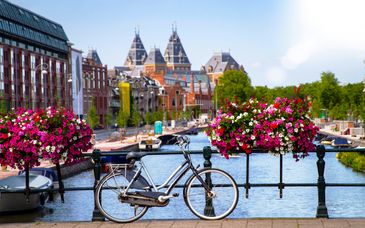





Table of contents
Few waterways capture the essence of European heritage as compellingly as the Rhine. Flowing through alpine landscapes, vine-clad hillsides and historic cities, this legendary river has been a thoroughfare of culture and commerce for millennia. Modern river cruises transform that ancient route into an accessible, comfortable journey where each morning brings a new port of call and every afternoon reveals castles perched on rocky bluffs or half-timbered villages frozen in time. Whether you seek medieval romance, world-class wines, or simply a relaxed way to visit multiple countries in a single voyage, a Rhine cruise delivers.

One of the most compelling reasons to embark on a Rhine cruise is the seamless multi-country experience it offers. Rather than wrestling with train schedules, airport transfers or motorway tolls, guests wake each day to find their ship moored alongside a new city or village. From the alpine town of Basel in Switzerland through the German heartland of Cologne and Koblenz to the Dutch capital of Amsterdam, the Rhine traces a natural corridor that links five nations without a single border queue. This effortless connectivity allows travellers to compare architectural styles, sample regional cuisines and absorb different languages in the space of a week, all while unpacking just once.
The Rhine Gorge between Koblenz and Rüdesheim is a UNESCO World Heritage landscape, renowned for its concentration of castles, fortified towers and terraced vineyards that climb impossibly steep hillsides. Passengers on deck witness the legendary Lorelei Rock, around which medieval legends swirl, and pass beneath medieval toll fortresses that once extracted levies from merchant barges. Beyond the Gorge, the river widens to reveal Romanesque cathedrals, Renaissance palaces and Art Nouveau townhouses in cities such as Strasbourg, Mainz and Cologne. Each bend in the waterway unveils layers of history, from Roman settlements to Cold War reminders, offering a living textbook of European civilisation.
The quintessential Rhine itinerary sails northward from Basel, Switzerland's cultural crossroads on the upper Rhine, to Amsterdam, the Dutch capital threaded by canals. This route typically spans seven nights and calls at Strasbourg, where the Gothic cathedral's astronomical clock draws crowds; Mannheim or Ludwigshafen, gateways to the baroque splendour of Heidelberg; the Rhine Gorge with its castle-studded cliffs; Koblenz, where the Moselle joins the Rhine at the monumental Deutsches Eck; Cologne, home to Germany's most visited landmark, the twin-spired Dom; and finally Amsterdam, whose museum quarter and canal-ring architecture provide a grand finale. Many cruise lines, including the Avalon Rhine Cruise, offer this classic itinerary with included excursions to Heidelberg Castle, Rhine Gorge wine tastings and Amsterdam canal cruises, ensuring guests experience the full breadth of Rhine culture.
For those seeking a deeper dive into wine country and quieter valleys, combination cruises that weave together the Rhine and its tributary the Moselle offer a compelling alternative. Departing from Mainz or Koblenz, these itineraries venture up the serpentine Moselle to villages such as Cochem, with its fairy-tale Reichsburg castle, and Bernkastel-Kues, a half-timbered gem surrounded by Riesling vineyards. Many routes include a stop at Trier, Germany's oldest city, where Roman gates, baths and amphitheatres recall two millennia of continuous habitation. The Serenade 2 River Cruise exemplifies this itinerary, blending Moselle wine towns with Rhine highlights and offering full-board comfort aboard a modern four-star vessel. Returning to the Rhine via Koblenz, passengers enjoy both the grandeur of the main river and the intimate charm of its most celebrated tributary.

Not every traveller has a full week to spare, and several operators respond with shorter Rhine voyages that concentrate on a single region. A popular option is the Cologne-to-Amsterdam loop, which spends six nights exploring the Lower Rhine and Dutch waterways, calling at Rotterdam, Antwerp and Nijmegen before returning to Cologne. Other themed cruises focus on Christmas markets during December, when medieval squares transform into twinkling wonderlands of mulled wine and handcrafted gifts, or tulip season in spring, when Dutch bulb fields erupt in colour. Whichever length or theme appeals, the modular nature of Rhine cruising ensures an itinerary exists to match your schedule and interests.
Perched at the point where Switzerland, France and Germany converge, Basel serves as the traditional embarkation point for southbound cruises or the turnaround port for northbound journeys. The city's compact Altstadt brims with medieval guildhouses, contemporary art museums including the renowned Fondation Beyeler, and the vibrant Marktplatz dominated by the red-sandstone Rathaus. Many cruisers use Basel as a springboard to explore nearby Lucerne or the alpine resort of Interlaken, adding mountain vistas and Swiss hospitality to their Rhine adventure.
Few cities embody the Rhine's bicultural heritage as vividly as Strasbourg. Capital of France's Alsace region, it boasts half-timbered Petite France quarters, the soaring Gothic Cathédrale Notre-Dame with its intricate astronomical clock, and the modern European Parliament complex symbolising post-war reconciliation. Strasbourg's cuisine marries French finesse with German heartiness, offering choucroute garnie, flammekueche and local Gewürztraminer wines. Shore excursions often include the picturesque Alsace Wine Route, where villages such as Riquewihr and Colmar seem lifted from storybook illustrations. The Rhine River Cruise from Strasbourg typically includes full board and guided tours, allowing guests to savour both the city and its surrounding wine hamlets.
Between Koblenz and Rüdesheim, the Rhine narrows and winds through a sixty-kilometre stretch of UNESCO-protected valley where nearly every hilltop bristles with a ruined fortress. Passengers sail past Marksburg Castle, the only Rhine castle never destroyed, and Pfalzgrafenstein, a whitewashed toll castle marooned on a mid-river island. The slate cliffs of the Lorelei rise 120 metres above the water, their siren legend inspiring poets from Heine to Apollinaire. Many ships pause in Rüdesheim, a wine town whose Drosselgasse alley overflows with taverns, souvenir shops and oompah bands, or in Boppard, where a cable car whisks visitors to a panoramic viewpoint. This segment represents the emotional and scenic heart of any Rhine cruise, a slow-motion parade of medieval romance that justifies the voyage alone.

Dominated by the twin spires of its thirteenth-century cathedral, Cologne offers a potent blend of sacred art, Roman history and contemporary vitality. The Dom's Shrine of the Three Kings and Gero Crucifix rank among Christianity's most precious relics, while the adjacent Roman-Germanic Museum displays mosaics and glassware from the city's ancient past. Beyond the cathedral, Cologne's Altstadt hums with brewhouses serving Kölsch beer in slender glasses, while the chocolate museum on the riverbank indulges sweet tooths with live demonstrations and tastings. Many Rhine cruises, including those aboard MS Crucevita, designate Cologne as either an embarkation port or a full-day stop, granting ample time to explore Germany's fourth-largest city.
The Dutch capital provides a fittingly cosmopolitan conclusion to most Rhine voyages. Amsterdam's concentric canal rings, a UNESCO World Heritage site in their own right, frame narrow townhouses with gabled facades, while world-class museums such as the Rijksmuseum, Van Gogh Museum and Anne Frank House draw culture seekers from across the globe. Shore excursions might include a canal cruise through the Grachtengordel, a cycle ride to the windmills of Zaanse Schans, or a visit to the spring tulip gardens at Keukenhof. Amsterdam's blend of artistic heritage, liberal social policies and vibrant nightlife ensures that even the most seasoned traveller finds something new to discover.
Modern Rhine river ships typically accommodate between one hundred and two hundred passengers in cabins that range from compact interior staterooms to spacious suites with French balconies or full walk-out balconies. Standard cabins measure around fifteen square metres and feature hotel-style beds, en-suite bathrooms with showers, climate control and flat-screen televisions. Mid-tier categories add French balconies, floor-to-ceiling glass doors that slide open to admit fresh air and river views without extending a physical balcony. Top-tier suites, often located on upper decks, boast separate seating areas, walk-in wardrobes and full balconies with outdoor furniture. Lines such as Avalon have pioneered the Panorama Suite concept, where beds face floor-to-ceiling windows to maximise scenery appreciation, transforming the cabin into a private observation lounge.
Rhine cruises operate on a full-board basis, with breakfast, lunch and dinner included in the fare, alongside afternoon tea and late-night snacks. Breakfast buffets offer continental and cooked options, from fresh pastries and cold cuts to eggs cooked to order, while lunches alternate between buffet service and plated menus. Dinners adopt a more formal multi-course structure, with menus that reflect regional cuisines as the ship progresses along the river. Expect Alsatian choucroute in Strasbourg, sauerbraten in the Rhineland, and Dutch herring or cheese platters as you approach Amsterdam. Many ships feature open-seating dining, allowing guests to choose their table and dining companions each evening, fostering a convivial atmosphere. Complimentary wine, beer and soft drinks accompany lunch and dinner on premium lines, while others offer beverage packages for an additional fee.
Shore excursions form the backbone of the Rhine cruise experience, and most itineraries include at least one guided tour per port. Classic excursions might encompass walking tours of medieval old towns, visits to castles and cathedrals, wine tastings in vineyard cellars, or coach transfers to nearby attractions such as Heidelberg or the Black Forest. Premium lines offer tiered excursion programmes, labelling tours as Classic, Discovery or Active to help guests select the pace and depth that suits them. Active excursions might include cycling the Rhine Cycle Route, hiking to hilltop fortresses, or kayaking along quieter tributaries, while Discovery options delve into niche interests such as Bauhaus architecture, Jewish heritage or culinary workshops. Onboard, enrichment lectures cover topics from Roman history to winemaking techniques, and some ships feature resident historians or local guest speakers who provide context for the passing landscape.

The Rhine cruise season runs from late March through December, with each period offering distinct advantages. Spring, particularly April and May, brings mild temperatures, blooming orchards and the famous Dutch tulip fields in full colour. Summer months of June, July and August guarantee warm weather and long daylight hours, ideal for deck lounging and evening strolls in port, though popular towns can feel crowded and prices peak. Autumn, from September through October, ranks as the favourite season for many repeat cruisers: harvest festivals animate wine villages, vineyards glow gold and crimson, and the weather remains pleasant without the summer throngs. December appeals to those enchanted by Christmas markets, when Cologne, Strasbourg and other cities erect wooden chalets selling handcrafted ornaments, gingerbread and glühwein. Winter cruises outside the festive period are rare, as water levels can drop and some attractions close, though intrepid travellers may find bargain fares and an authentic local atmosphere.
Rhine cruise fares vary widely depending on cruise line, cabin category, season and itinerary length. Budget river cruise operators may start around one thousand pounds per person for a week-long voyage in an inside cabin during shoulder season, while luxury lines command three thousand pounds or more for the same duration in a suite during peak weeks. Most advertised prices include accommodation, all meals, guided excursions in each port, Wi-Fi, and gratuities, though it pays to read the fine print. Flights, transfers, travel insurance, premium drinks packages and optional excursions often incur additional charges. Some operators bundle air travel and transfers into a single package price, simplifying logistics but reducing flexibility for those who prefer to arrive early or extend their stay. Comparing inclusions across lines ensures you assess true value rather than headline price alone.
Rhine cruises span a spectrum from mass-market to ultra-luxury, each segment catering to different priorities. Mass-market lines such as MSC offer affordable fares, larger ships and a cosmopolitan passenger mix, with onboard entertainment that might include evening shows and themed parties. Mid-tier operators provide a more refined experience, smaller ships, regional cuisine and included wine with meals, striking a balance between value and comfort. Luxury and premium lines distinguish themselves through higher crew-to-guest ratios, more spacious cabins, complimentary drinks throughout the day, exclusive shore excursions and personalised service that anticipates guest preferences. The Romantic Rhine River Cruise aboard Avalon Panorama exemplifies the premium tier, offering Panorama Suites with wall-to-wall windows, a choice of Classic or Active excursions, and an atmosphere geared towards mature, culturally curious travellers. Researching each line's style, reading recent reviews and consulting a specialist agent will steer you towards the operator that matches your expectations.
Rhine cruises adopt a smart-casual dress code, with evenings slightly more formal than daytime. Pack layers to accommodate variable weather, including a waterproof jacket for deck viewing, comfortable walking shoes for cobblestone streets, and a sun hat or umbrella depending on the season. Most ships request elegant casual attire for dinner, meaning trousers and collared shirts for men, dresses or smart separates for women, with one or two optional formal nights when jackets or cocktail dresses are appreciated but not mandatory. Luggage space in cabins is limited, so a single medium suitcase per person plus a daypack for excursions proves ideal. Many lines offer laundry services for a fee, reducing the need to overpack.
European river cruises require a valid passport with at least six months' validity beyond your return date. UK citizens benefit from visa-free travel within the Schengen Area for stays of up to ninety days, though post-Brexit regulations mean you should carry proof of accommodation and return transport if requested. Travel insurance covering medical expenses, trip cancellation and lost luggage is advisable, as healthcare costs can mount rapidly abroad. Most Rhine cruise ships offer complimentary Wi-Fi, though bandwidth may be limited; purchasing a local SIM card or European data plan ensures reliable connectivity for navigation apps and social media. Mobility considerations matter on river ships, where gangways can be steep and certain villages feature uneven paving; discuss any access needs with your cruise line in advance to ensure suitable cabin placement and excursion alternatives.
The Rhine flows through countries using both the euro and the Swiss franc. While most establishments in Basel accept euros, you may receive change in francs, and ATMs dispense local currency. Credit and debit cards are widely accepted, though small vendors in Christmas markets or village bakeries may prefer cash. Onboard, many ships operate cashless systems where purchases are charged to your cabin and settled at voyage end, simplifying transactions. Tipping policies vary by cruise line: some include gratuities in the fare and discourage additional tipping, while others suggest ten to fifteen euros per passenger per day, divided among crew at journey's end. Check your cruise documents for specific guidance to avoid uncertainty.

The cities that bookend Rhine itineraries—Basel, Amsterdam and Cologne—merit exploration beyond the brief hours allotted by the cruise schedule. Adding a night or two in Basel allows time to visit the Fondation Beyeler art museum, stroll the Rhine promenade at sunset, or take a day trip to nearby Freiburg and the Black Forest. Amsterdam rewards an extended stay with visits to lesser-known museums such as the Rembrandt House or the NEMO science centre, a canal-side dinner in the Jordaan quarter, or a bike ride through Vondelpark. Cologne's Roman sites, chocolate museum and lively Belgian Quarter bars deserve more than a rushed morning ashore. Most cruise lines offer pre- and post-cruise hotel packages, or you can arrange independent accommodation and transfers to tailor your extension precisely.
Rhine cruises pass through regions with proud culinary and viticultural traditions. Sampling local specialities, whether Kölsch beer in Cologne's brewhouses, Riesling in Rüdesheim's wine cellars, or stroopwafels in Amsterdam's markets, deepens your connection to each destination. Learning a few phrases in German, French or Dutch, even simple greetings and thanks, elicits warm responses from locals who appreciate the effort. Many towns host weekly markets where farmers sell fresh produce, cheeses and baked goods; arriving on market day offers an authentic glimpse of daily life beyond the tourist trail. Attend a classical concert in a baroque church, join a guided bike tour through vineyard paths, or simply linger in a town square with a coffee and watch the world pass by—all gestures that transform passive sightseeing into active cultural immersion.
The Rhine's castles, vineyards and historic streetscapes provide endless photographic opportunities. Early mornings and late afternoons deliver the best light, with mist often clinging to the river at dawn and golden hour illuminating castle walls at dusk. The open sun deck or upper lounge of your ship serves as a mobile observation platform; stake out a spot as you enter the Rhine Gorge to capture the procession of fortresses. Respect local customs when photographing people, asking permission before snapping portraits in markets or religious sites. Beyond the camera, consider keeping a travel journal to record impressions, menus, overheard conversations and the small serendipities that statistics and photos cannot convey. These personal narratives, paired with your images, will evoke the voyage's flavour long after you return home.
The following questions address common queries from travellers planning their first Rhine cruise or comparing different options. Each answer distils practical advice to help you make informed decisions.
Most Rhine cruises span seven nights, allowing time to sail from Basel to Amsterdam or vice versa with stops at key cities and the Rhine Gorge. Shorter four- to five-night voyages focus on a single region, such as the Middle Rhine or the Dutch waterways, ideal for those with limited holiday time. Longer itineraries of ten to fourteen nights often combine the Rhine with the Moselle, Main or Danube rivers, appealing to enthusiasts seeking a comprehensive Central European river journey.
Late spring from April to May and early autumn from September to October offer the most favourable combination of mild weather, manageable crowds and vibrant landscapes. Summer months guarantee warm temperatures but attract peak visitor numbers and higher prices. December Christmas market cruises provide festive charm, though daylight hours are short and some attractions close. Water levels can affect navigation in very dry summers or wet winters, so booking during shoulder seasons minimises risk.
Rhine cruises cater primarily to adult travellers, with most passengers aged fifty and above. While children are welcome, onboard amenities such as pools, kids' clubs and family entertainment are rare on river ships, which lack the space of ocean liners. Excursions involve considerable walking on cobblestones and may not captivate younger attention spans. Families seeking a Rhine experience might consider self-drive itineraries or land-based tours that allow greater flexibility for child-friendly activities.
Your cabin choice depends on budget and how much time you plan to spend in the room. If excursions and onboard socialising fill your days, a standard inside or window cabin suffices for sleeping and changing. Travellers who enjoy morning coffee or evening wine on a private balcony will appreciate French or full balcony cabins, despite the premium cost. Suites on upper decks offer extra space and often priority boarding, worth considering for longer voyages or special occasions.
Expect to pay between one thousand and three thousand pounds per person for a week-long Rhine cruise, depending on cruise line, cabin category and season. Budget an additional three hundred to six hundred pounds for flights if not included, fifty to one hundred pounds for travel insurance, and discretionary spending on drinks, optional excursions, souvenirs and tips if not covered. Premium lines with all-inclusive fares simplify budgeting by covering most onboard expenses upfront.
Travel insurance is indispensable. Medical treatment abroad can cost tens of thousands of pounds, and cruise cancellations due to illness, injury or unforeseen events result in significant financial loss. Comprehensive policies cover medical emergencies, trip cancellation, baggage loss, and missed departures. Ensure your policy includes cover for pre-existing conditions if relevant and check that river cruising is not excluded under adventure or specialist travel clauses.
Onboard announcements and excursions are typically conducted in English on UK-marketed cruises, though crew members often speak multiple European languages. Ashore, English is widely understood in tourist areas of major cities such as Amsterdam, Cologne and Strasbourg, but proficiency drops in smaller villages. Learning basic German, French or Dutch phrases enhances interactions and demonstrates respect for local culture. Cruise directors and guides bridge any language gaps during organised excursions.
Most cruise lines require passengers to complete the full itinerary from embarkation to disembarkation port, as cabins, meals and excursions are priced as a package. Some operators offer partial itineraries or allow you to join mid-cruise if cabins remain unsold, though this is rare and may not result in proportional savings. If you wish to extend your stay in a particular city, consider booking a pre- or post-cruise hotel package rather than interrupting the voyage.
Low water in summer or high water in spring can occasionally prevent river ships from passing under bridges or navigating shallow stretches. Cruise lines monitor levels closely and implement contingency plans, which may include coach transfers to rejoin the ship downstream, alternative ports of call, or switching to a sister ship on a different river section. Reputable operators provide compensation such as onboard credits or partial refunds if significant itinerary changes occur, though minor adjustments are considered normal and typically not refundable.
Tipping policies vary by cruise line. Some premium operators include all gratuities in the advertised fare and discourage additional tipping, simplifying budgeting and eliminating end-of-cruise envelope anxiety. Other lines suggest a daily gratuity amount, typically ten to fifteen Euros per passenger, pooled among crew and settled at voyage end. A few budget operators leave tipping entirely discretionary. Check your cruise documents or ask your travel agent to clarify the policy for your chosen line.