New
Exclusive

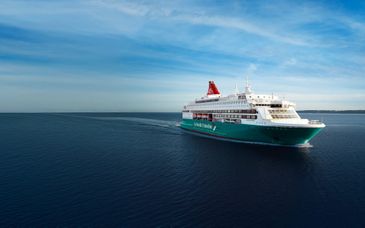
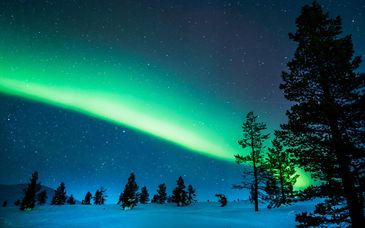
Table of contents
Witnessing the aurora borealis from the deck of a ship, sailing through Arctic waters under dancing green curtains of light, ranks among the planet's most extraordinary travel experiences. The advantages of cruise-based aurora hunting are compelling: mobility to chase clear skies, access to remote anchorages far from light pollution, and the comfort of returning to a warm cabin after each night's spectacle. Curated Northern Lights packages, combining guided excursions, quality accommodation and expert itineraries, ensure every element of your Arctic voyage is seamlessly orchestrated. Register to unlock exclusive aurora cruise deals and handpicked experiences across Norway, Iceland and Greenland.

This 3–5-night Tromsø package combines stylish accommodation at the Clarion Hotel The Edge with an included small-boat Northern Lights cruise aboard a catamaran. Sail into the Arctic night away from city lights, maximising your chances of witnessing the aurora borealis. Optional wildlife excursions—whale watching, husky sledding and snowmobile safaris—round out your Arctic adventure. Breakfast is included, and the central Tromsø location offers easy access to restaurants, museums and the Arctic Cathedral.
What we love: The intimate catamaran cruise for aurora viewing, the modern Clarion Hotel The Edge with panoramic fjord views, and the flexibility to add daytime wildlife activities.

Embark on a longer expedition cruise departing from Reykjavik and venturing deep into East Greenland's Scoresby Sund, the world's largest fjord system. This full-board ship experience includes zodiac landings on remote shores, encounters with icebergs and Arctic wildlife, and nightly opportunities to witness the aurora borealis in some of the darkest skies on Earth. Expert naturalist guides enrich every excursion, and the extended itinerary raises your probability of multiple aurora sightings across different latitudes and weather windows.
What we love: The remote Greenland wilderness, zodiac landings among icebergs, full-board expedition comfort, and exceptional aurora-viewing potential far from any light pollution.

This curated Tromsø tour packages a guided Northern Lights chase with optional fjord cruises, snowmobiling and local cultural visits. Stays include breakfast and selected excursions, allowing you to tailor your Arctic experience. Choose from 3, 4, 5 or 6-night durations to suit your schedule and maximise aurora-viewing opportunities. The flexibility to add activities—from Sami reindeer encounters to ice-dome visits—makes this package ideal for first-time aurora hunters and families seeking a balanced mix of adventure and comfort.
What we love: Flexible durations, curated excursions combining aurora chases with daytime Arctic activities, and the convenience of breakfast and selected tours included.

Experience Norway's legendary coastal voyage aboard Hurtigruten's Arctic Highlights itinerary, sailing inside the Arctic Circle through fjords, past fishing villages and beneath the aurora borealis. These multi-day cruises combine practical coastal transport with expedition-style aurora hunting, stopping at ports including Tromsø, the Lofoten Islands and North Cape. Full-board accommodation, expert lectures and the ship's mobility to seek clear skies make this one of the most reliable formats for Northern Lights viewing. Longer sailings (7–14 nights) increase your chances of multiple sightings.
What we love: The iconic Hurtigruten coastal route, daily port calls combining culture and nature, full-board comfort, and the extended itinerary maximising aurora probability.
A Northern Lights cruise encompasses three main ship formats, each designed to position passengers under dark Arctic skies away from light pollution. Short night cruises (2–4 hours) depart from ports like Tromsø or Reykjavik, returning the same evening after sailing to optimal viewing locations offshore. Coastal voyages, exemplified by Hurtigruten's Norwegian coastal route, span multiple days and combine practical transport with aurora viewing, calling at fishing villages and remote anchorages throughout the journey. Expedition cruises represent the longest format: multi-week voyages to destinations such as Greenland or Svalbard, featuring zodiac landings, naturalist guides and immersive Arctic exploration. All three formats share the goal of maximising aurora-viewing opportunities through mobility and darkness, yet differ in duration, comfort level and activity range. Packages span the full spectrum, from intimate catamaran night cruises in Tromsø to full expedition sailings to Greenland. Choosing the right format depends on budget, time available and desired level of adventure; shorter formats suit travellers with limited schedules, whilst extended expeditions reward those prioritising aurora success and wilderness immersion.
Cruise-based aurora hunting offers three decisive advantages over land-based stays. First, mobility allows ships to reposition overnight, chasing clear skies and avoiding cloud cover; whereas land-based lodges remain fixed, vessels can sail 50–100 nautical miles to exploit weather windows and find optimal viewing conditions. Second, dark skies far from coastal light pollution create pristine viewing environments; ships anchor or sail in remote waters where the only illumination comes from stars and the aurora itself, free from the glow of towns and cities. Third, remote anchorages grant access to high-latitude fjords, offshore islands and open ocean where auroral ovals are most active, reaching latitudes (65–75°N) where geomagnetic activity peaks. Cruise itineraries are purpose-designed for aurora viewing, scheduling night-time sailing through optimal latitudes and offering heated observation lounges, deck space and wake-up calls when the lights appear. Whilst no trip can guarantee sightings, the combination of expert routing, flexible itineraries and extended time under Arctic skies raises probability compared to a static hotel. Hurtigruten coastal cruises exemplify this mobility advantage, repositioning nightly along Norway's coast to maximise clear-sky opportunities.
No cruise or tour can guarantee aurora sightings, as two factors remain beyond human control: weather and solar activity. Cloud cover, precipitation and fog can obscure the sky even when auroral activity is high, rendering the most powerful geomagnetic storms invisible from the surface. Solar activity varies with the 11-year solar cycle and unpredictable solar storms; the aurora borealis results from solar wind interacting with Earth's magnetic field, and activity fluctuates from night to night and hour to hour. Even during peak months (September–March) and in prime locations (northern Norway, Iceland, Greenland), some nights will be cloudy or geomagnetically quiet. Travellers should choose longer itineraries (7+ nights) to increase the statistical probability of encountering at least one clear, active night. Cruise operators often include contingency plans—multiple aurora-hunting excursions, expert forecasting and flexible schedules—to maximise chances, yet realistic expectations remain essential. The Arctic environment offers rewards beyond the lights alone: wildlife, dramatic landscapes, cultural encounters and the unique experience of polar travel. Approach your voyage with an appreciation for the entire journey, celebrating aurora sightings as the extraordinary bonus they are rather than the sole measure of success.
Norway stands as the most accessible and popular Northern Lights cruise destination, combining excellent infrastructure with prime auroral latitudes. Tromsø, positioned at 69°N, serves as the gateway to the Arctic, offering frequent short night cruises and shore-based packages; curated options include 3–5-night stays with catamaran aurora cruises and flexible 3–6-night tours pairing guided aurora chases with optional excursions. The Lofoten Islands add dramatic peaks, fishing villages and dark skies to longer coastal itineraries, creating photogenic foreground interest for aurora photography. Hurtigruten coastal voyages represent the classic Norwegian experience: sailing from Bergen or Tromsø northward inside the Arctic Circle, calling at ports including Hammerfest, Honningsvåg and North Cape. Typical formats span 3–4-night short breaks (Tromsø-based with night cruises and day excursions), 7-night round-trip coastal segments (Tromsø to Kirkenes and return) and 11–14-night full coastal voyages (Bergen to Kirkenes). Norway's frequent flights, range of ship sizes (from small catamarans to large expedition vessels) and well-developed tourism infrastructure make it ideal for first-time aurora cruisers and families seeking comfort alongside adventure.
Iceland serves dual roles as both a destination for short aurora cruises from Reykjavik harbour and a departure point for longer expeditions. Short sailings combine city breaks with night-time cruising along the southwest coast, offering aurora viewing within easy reach of Reykjavik's restaurants, museums and geothermal pools. Reykjavik's excellent air connections from the UK and Europe make it a convenient gateway for international travellers. Greenland expedition cruises represent the ultimate remote aurora experience: multi-day voyages (7–14 nights) departing Reykjavik and sailing to East Greenland's Scoresby Sund, Ittoqqortoormiit and the Denmark Strait. The Arctic Express Cruise to Greenland exemplifies this format, offering zodiac landings, iceberg encounters and some of the darkest skies on the planet. Greenland itineraries require more time and budget yet reward travellers with unparalleled wilderness, wildlife (whales, seals, Arctic foxes) and exceptionally high aurora-viewing potential due to minimal light pollution and high-latitude positioning. The extended sailing distance and remoteness mean fewer passengers, more personalised service and a true expedition atmosphere absent from shorter coastal cruises.
Several cruise lines offer Northern Lights sailings departing from UK ports (Southampton, Dover) in autumn and winter, combining Norwegian fjord calls (Bergen, Tromsø, Lofoten) with aurora-viewing opportunities. These longer cruises (10–14 nights) appeal to UK travellers seeking a no-fly option and the convenience of embarking close to home, eliminating the need for separate flights and airport transfers. Some operators schedule repositioning cruises combining Iceland or Norway with transatlantic crossings or Caribbean segments. The Northern Lights, Orlando and Caribbean Cruise package exemplifies multi-destination itineraries pairing aurora hunting in Iceland with a Caribbean cruise and Orlando stopover—ideal for travellers wanting diverse experiences in one trip. Whilst these combinations offer value and variety, the Northern Lights component is shorter (3–5 nights in Arctic waters), so dedicated aurora hunters may prefer single-destination itineraries for maximum viewing time. Multi-destination formats suit families seeking warm-weather beach time alongside Arctic adventure, or travellers wanting to tick multiple bucket-list experiences within a single voyage. Evaluate priorities: if aurora viewing is paramount, choose dedicated Arctic itineraries; if variety matters more, combined formats deliver broader experiences.
Core aurora-hunting excursions form the centrepiece of any Northern Lights cruise package. Night cruises (2–4-hour sailings) depart after dinner, positioning the ship away from harbour lights; passengers gather on deck or in heated observation lounges, with crew providing hot drinks and wake-up calls when the aurora appears overhead. Guided bus chases represent shore excursions departing from port, driving to remote viewpoints inland or along the coast, led by local guides who monitor real-time aurora forecasts and KP-index readings to select optimal locations. Small-group boat trips (intimate catamaran or RIB excursions for 12–30 passengers) offer closer engagement and expert commentary; the Tromsø catamaran cruise exemplifies this format, combining mobility with personal attention. The best packages offer multiple aurora-hunting opportunities across different nights and formats, increasing the statistical chance of success. Booking excursions in advance (especially small-group options) is advisable, as popular departures fill rapidly. Dress in thermal layers: deck temperatures can drop below -10°C, and windchill from ship movement or open boats intensifies the cold. Bring hand warmers, insulated boots and waterproof outer layers to remain comfortable during extended viewing periods.
Arctic itineraries are rich in wildlife and adventure activities complementing aurora hunting. Whale watching ranks among the most popular excursions: humpback, orca and fin whales frequent Norwegian and Icelandic waters in winter, and the combined whale-watching and Northern Lights package illustrates how operators pair marine safaris with evening aurora chases. Birdwatching opportunities include sea eagles, puffins and guillemots, whilst seal and reindeer sightings enrich coastal excursions. Popular adventure activities include husky sledding (driving your own team through snowy forests), snowmobile safaris (high-speed rides across frozen lakes and tundra) and visits to ice domes (sculptural ice hotels and chapels; the Tromsø Ice Dome excursion pairs this with evening aurora hunts). Cultural encounters add depth: Sami reindeer herding experiences, traditional joik singing and visits to coastal fishing villages provide insight into Arctic life and indigenous traditions. These daytime activities ensure that even cloudy nights (when the aurora is hidden) remain memorable and worthwhile, transforming your voyage into a comprehensive Arctic immersion rather than a single-focus aurora hunt.
Capturing the Northern Lights requires manual camera settings and preparation. Use a DSLR or mirrorless camera with manual mode, a wide-angle lens (14–24 mm), a sturdy tripod and spare batteries (cold drains power rapidly). Recommended starting settings include ISO 1600–3200, aperture f/2.8–f/4, shutter speed 5–15 seconds, and manual focus set to infinity. Shoot in RAW format for post-processing flexibility, allowing you to adjust white balance and exposure without degrading image quality. Many cruises and shore excursions offer guided photography workshops led by professional Arctic photographers, teaching composition, foreground interest (silhouetted trees, icebergs, ships) and how to adjust settings in real time as aurora intensity changes. Some packages partner with local experts who provide one-on-one coaching during excursions. Practise at home before departure: set up your tripod in darkness, experiment with long exposures of streetlights or stars, and familiarise yourself with manual controls so you can operate them whilst wearing gloves. Balance photography with simply enjoying the spectacle—some of the most memorable moments come from putting the camera down and watching the lights dance overhead, immersing yourself fully in the experience rather than viewing it solely through a viewfinder.
The aurora season runs from late August or early September through late March or early April, when Arctic nights are long and dark enough for viewing. Peak months include September–October (autumn equinox, milder weather, some daylight for sightseeing, but higher chance of rain or cloud in coastal areas) and February–March (deep winter, longest nights, colder but often clearer skies, more stable high-pressure systems). December–January offers maximum darkness but also the coldest temperatures and shortest daylight for daytime activities, making mid-winter ideal for dedicated aurora hunters willing to sacrifice comfort for viewing hours. The 11-year solar cycle influences auroral activity: we are approaching solar maximum (2024–2026), meaning higher geomagnetic activity and more frequent, intense auroral displays. Early or late season offers milder weather and more daylight but less darkness; mid-winter offers maximum viewing hours but harsher conditions. Check long-range forecasts and book cruises labelled for 2026 or 2027 to align with solar maximum. Weather remains the wild card: September and October bring autumn storms and cloud cover to coastal Norway, whilst February and March deliver clearer skies but bone-chilling cold. Balance your tolerance for cold against your preference for daylight activities when selecting departure dates.
Longer cruises (7–14 nights) increase your chances of encountering at least one clear, active night. If the probability of clear skies and auroral activity on any given night is approximately 30%, a 3-night trip offers roughly 65% cumulative chance of one good night, whereas a 10-night trip raises that to over 95%. Longer itineraries also cover more latitude and longitude, allowing the ship to reposition away from weather systems and seek out clear-sky windows. Compare formats: a 3-night Tromsø short break (fixed location, 2–3 aurora-hunting attempts) versus a 12-night Hurtigruten coastal voyage (multiple ports, nightly sailing through the auroral oval, 8–10 viewing opportunities). The range spans flexible 3–6-night Tromsø tours for budget- or time-limited travellers, and extended Hurtigruten sailings for those prioritising aurora success. If seeing the Northern Lights is your primary goal, invest in a longer itinerary; the incremental cost per night decreases, and the probability gain is substantial. Shorter trips suit travellers combining aurora viewing with other priorities (city breaks, specific cultural events), whilst extended voyages suit dedicated aurora hunters and those seeking comprehensive Arctic immersion.
Maximise aurora chances during the cruise by making informed decisions about nights ashore versus at sea. Some itineraries include overnight port stays (Tromsø, Reykjavik), allowing passengers to join land-based aurora chases or stay aboard; other nights are spent sailing. Nights at sea in open water or remote fjords often offer darker skies and less light pollution, yet nights ashore provide access to inland locations away from coastal weather. Monitor real-time aurora forecasts: the KP-index (geomagnetic activity scale, 0–9; KP 3+ is good for high latitudes), cloud-cover maps and aurora apps (My Aurora Forecast, Aurora Alerts) provide hourly predictions. Liaise with the ship's expedition team or excursion desk, who receive professional forecasts and can advise on the best viewing opportunities each night. Practise flexibility: if the forecast is excellent, prioritise deck time or book an optional night excursion; if cloudy, enjoy onboard entertainment or rest for the next opportunity. Guided packages often include expert briefings on reading forecasts, teaching passengers to interpret KP-index values, cloud-cover probabilities and moon-phase effects (darker nights with new moons offer better contrast for aurora viewing).
Choosing a Northern Lights cruise transforms aurora hunting from a fixed land-based gamble into a mobile, flexible adventure maximising your chances of witnessing one of nature's greatest spectacles. Whether you select a short catamaran night cruise from Tromsø, a week-long coastal voyage aboard Hurtigruten, or an extended Greenland expedition, the combination of expert itineraries, remote anchorages and curated excursions ensures every element of your Arctic journey is designed around the aurora borealis. Register today to explore exclusive packages, compare itineraries and secure your place under the dancing green lights of the polar night.
The best months are September–October (milder weather, autumn equinox auroral activity, some daylight for daytime excursions) and February–March (longest nights, colder but clearer skies, peak winter darkness). December–January offers maximum darkness but the coldest conditions and least daylight for shore activities. Choose based on your tolerance for cold and preference for daylight excursions; February–March typically delivers the highest probability of clear skies and stable high-pressure systems across the Arctic Circle.
Yes—cruises offer significant advantages: mobility to chase clear skies and avoid cloud cover, dark anchorages far from light pollution, and multiple viewing opportunities across different nights and locations. Ships can reposition overnight to exploit weather windows, accessing remote fjords and open ocean where auroral ovals are most active. Whilst no trip guarantees sightings (weather and solar activity are unpredictable), longer cruises (7+ nights) statistically increase your chances compared to fixed land-based stays, often achieving 90%+ probability of at least one clear, active night.
Norway (especially Tromsø and the Lofoten Islands) is more accessible, with frequent flights from the UK, a wide range of cruise formats (short night cruises to 14-night coastal voyages), and excellent infrastructure—ideal for first-timers and families. Iceland offers convenient Reykjavik departures and serves as a gateway to remote Greenland expeditions, which provide darker skies and higher aurora probability but require more time and budget. Choose Norway for accessibility, variety, and established tourism infrastructure; choose Iceland or Greenland for wilderness, intensity, and expedition-style immersion.
A minimum of 5–7 nights is recommended to give yourself multiple aurora-hunting opportunities and account for cloudy nights or low solar activity. Longer itineraries (10–14 nights, such as Hurtigruten coastal voyages or Greenland expeditions) offer the highest probability—often 90%+ chance of at least one clear, active night. Three-night short breaks can succeed during optimal conditions (clear skies, high KP-index) but carry higher risk; if aurora viewing is your primary goal, invest in a longer itinerary to maximise statistical success.
Yes—many cruises welcome families, especially shorter Norway-based itineraries (3–7 nights) with daytime activities like husky sledding, whale watching, snowmobile safaris, and ice-dome visits that engage children. Choose cruises with heated viewing lounges, flexible excursion schedules, and family cabins to ensure comfort. Note that late-night aurora viewing and cold temperatures (often below -10°C) require warm clothing and may be challenging for very young children; some families prefer land-based stays with shorter night excursions, allowing children to sleep indoors whilst parents chase the lights.