
New
Exclusive



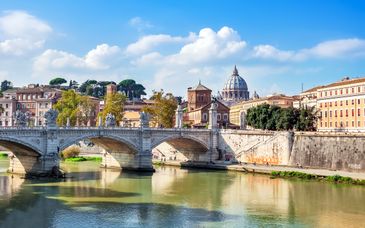

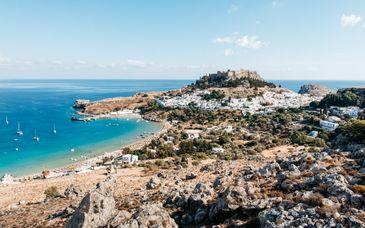







Table of contents

This package combines two nights in Rome, two nights in Venice and a 7-night MSC Mediterranean cruise aboard MSC Lirica, Opera or Sinfonia. Enjoy flights, transfers, hotel stays and full-board dining on your cruise, exploring iconic ports along Italy's stunning coastline. Perfect for first-time visitors wanting a taste of Italy's greatest cities before setting sail.
What we love: The seamless blend of land and sea, allowing you to explore Rome's ancient wonders and Venice's romantic canals before embarking on a week-long Mediterranean adventure with full board included.

Sail the turquoise waters of the Gulf of Naples aboard a small-group catamaran, visiting Procida, Ischia, Capri and the Amalfi Coast. This intimate sailing experience offers full-board dining on a comfortable catamaran, perfect for active travellers and island hoppers seeking authentic coastal exploration away from large cruise ships.
What we love: The freedom to anchor in hidden coves, swim in crystal-clear bays and explore charming island villages at a relaxed pace, with the wind in your sails and the Mediterranean sun overhead.
Discover this catamaran cruise

Combine a relaxing stay in beautiful Sorrento with an MSC Armonia cruise visiting Genoa, Marseille, Menorca, Sardinia, Valletta and Sicily. This package includes VIP chauffeur options and all-inclusive cruise drink packages on selected departures, offering the perfect balance of land-based relaxation and Mediterranean exploration.
What we love: Starting your voyage in Sorrento, the gateway to the Amalfi Coast, before embarking on a comprehensive western Mediterranean itinerary that showcases Italy's finest ports alongside international highlights.
An Italian cruise is a sea voyage visiting multiple ports along Italy's coastline and islands, typically as part of a broader Mediterranean itinerary. Most Italian cruises last 7 nights, the industry standard for western Mediterranean voyages, though extended 10- and 11-night options allow deeper exploration of Sicily, Sardinia and the Adriatic. Seven-night cruises typically cover four to six ports, balancing sea days with shore excursions, while longer voyages add more islands or venture into Greece, Croatia and the French Riviera. Embarkation ports include Venice, Rome (Civitavecchia), Genoa, Naples and Bari, with many UK travellers flying into these cities or choosing cruises departing from Southampton. Full board is standard, with cabin categories ranging from inside staterooms to balcony suites. Italian cruises suit anyone wanting to sample multiple destinations without the hassle of packing and unpacking, making them ideal for first-time visitors, families and those seeking a blend of culture, cuisine and coastal relaxation in one seamless holiday.
Cruising Italy offers distinct advantages over land-based travel, particularly for families, first-time visitors and island hoppers. Families appreciate the all-in-one convenience: childcare, entertainment and dining are handled onboard, while shore excursions can be tailored to all ages. First-time visitors benefit from a curated introduction to Italy's highlights—Venice, Rome, Naples, the Amalfi Coast—without the logistics of trains, car hire or multiple hotel bookings. Island hoppers find cruises especially valuable for reaching destinations like Capri, Ischia, Sicily and Sardinia, where ferry schedules and accommodation can be complex to arrange independently. However, cruises do limit time in each port (typically 8–12 hours), so travellers seeking deep cultural immersion or rural exploration may prefer land-based itineraries. Cruises excel for those prioritising variety, ease and value, especially when packages include flights, transfers and full board. For a more intimate experience, small-ship and catamaran cruises offer flexibility and access to hidden coves, appealing to active travellers and couples seeking romance over resort-style amenities.
A classic 7-night western Mediterranean cruise typically embarks in Venice, sailing south along Italy's Adriatic and Tyrrhenian coasts. Day one begins with embarkation in Venice, allowing time to explore the Grand Canal and St Mark's Square before departure. Day two is often a sea day, perfect for settling into onboard life. Day three docks in Bari, gateway to Puglia's whitewashed towns and baroque architecture. Day four arrives in Naples, offering excursions to Pompeii, Sorrento or the Amalfi Coast. Day five calls at Rome's port, Civitavecchia, with shore trips to the Vatican, Colosseum or Tivoli. Days six to seven may include stops in Livorno (for Florence and Pisa) or La Spezia (for Cinque Terre) before returning to Venice. This itinerary balances iconic cities with coastal charm, and full board means you'll enjoy Italian-inspired cuisine onboard between ports.
For travellers captivated by the Gulf of Naples, dedicated island-hopping itineraries focus on Capri, Ischia, Procida and the Amalfi Coast. Small-ship and catamaran cruises are ideal here, offering 7-night voyages that anchor in secluded bays and allow swimming, snorkelling and leisurely exploration. A typical week might include embarkation in Naples or Sorrento, followed by day sails to Capri (Blue Grotto, Anacapri), Ischia (thermal spas, Aragonese Castle), Procida (colourful Marina Corricella) and Positano or Amalfi on the coast. Unlike large ships, catamarans can moor closer to shore and adjust itineraries for weather or guest preference, creating a more intimate, flexible experience. Full board is provided onboard, with fresh seafood and local wines featuring prominently. This style suits couples, active travellers and small groups seeking authentic island life without the crowds of mass-market cruises.
Extended 10- or 11-night cruises often include Sicily and southern Italy, adding depth to the classic western Mediterranean route. Palermo, Sicily's capital, offers Norman palaces, bustling markets and street food like arancini and cannoli. Messina, on Sicily's northeastern tip, serves as a gateway to Taormina's ancient Greek theatre and Mount Etna, Europe's most active volcano. Catania, on the island's east coast, blends baroque architecture with lava-stone streets and vibrant fish markets. These itineraries may also call at Syracuse (Greek ruins, Ortygia island), Malta (Valletta's fortifications) and Sardinia (Cagliari's beaches and nuraghe towers). Longer voyages allow more leisurely pacing, with additional sea days for onboard relaxation and enrichment talks on Italian history and cuisine. Full board and entertainment are included, making extended cruises excellent value for those wanting comprehensive Mediterranean exploration.
Venice is often an embarkation or turnaround port, so many cruisers arrive a day early to explore. With just one day, prioritise St Mark's Square (Piazza San Marco) with its basilica, Doge's Palace and Campanile bell tower. Book skip-the-line tickets online to avoid queues. Stroll the Rialto Bridge and browse the Rialto Market for fresh produce and Venetian cicchetti (tapas). A gondola ride is iconic but pricey (£70–90 for 30 minutes); consider a shared traghetto ferry (£2) across the Grand Canal for a budget alternative. Wander the quieter Cannaregio or Dorsoduro districts to escape the crowds and discover artisan workshops. Lunch on seafood risotto or sarde in saor at a bacaro (wine bar). Venice is compact and walkable, though water buses (vaporetti) connect major sights. Allow six to eight hours to see the highlights comfortably.
Civitavecchia, Rome's cruise port, lies 80 km northwest of the capital, requiring a 60–90-minute transfer by coach, train or private car. Most shore excursions focus on Rome's iconic trio: the Vatican (St Peter's Basilica, Sistine Chapel), the Colosseum and Roman Forum, and the Trevi Fountain. Pre-book skip-the-line tickets and guided tours to maximise your 8–10 hours ashore. Ambitious travellers can visit Pompeii and Mount Vesuvius, though this requires a 3-hour drive each way and is best suited to extended port calls or overnight stays. If time is tight, choose either Rome or Pompeii, not both. Independent travellers can take the train from Civitavecchia to Roma Termini (£5–15, 45–75 minutes) and explore on foot or by metro. Lunch on carbonara or cacio e pepe in Trastevere, and budget time for gelato near the Pantheon.
Naples is a gateway to some of Italy's most spectacular shore excursions. Pompeii and Herculaneum, buried by Vesuvius in AD 79, are 30–40 minutes away and require two to three hours to explore; guided tours bring the ruins to life. Sorrento, perched on cliffs overlooking the Bay of Naples, offers limoncello tastings, artisan shops and stunning coastal views (one hour from Naples). The Amalfi Coast—Positano, Amalfi, Ravello—is a 90-minute drive each way along hairpin roads; budget a full day for this excursion. Capri, reached by hydrofoil (45 minutes), enchants with the Blue Grotto sea cave, Anacapri's chairlift to Monte Solaro, and the Gardens of Augustus. Ischia, another island option, is famed for thermal spas and the medieval Aragonese Castle. Time management is critical: choose one major excursion per port call and allow buffer time for traffic and ferry schedules.
Large-ship Mediterranean cruises, operated by lines such as MSC Cruises and Costa Cruises, carry 2,000–6,000 passengers and offer resort-style amenities: multiple restaurants, pools, theatres, kids' clubs, spas and evening entertainment. These ships are ideal for families, with dedicated children's programmes, waterslides and family cabins. Full board is standard, with buffet and à la carte dining options, though speciality restaurants and drinks may incur extra charges (all-inclusive packages are available on some sailings). Onboard activities include live shows, casinos, fitness classes and enrichment lectures. Large ships follow fixed itineraries, docking at major ports like Venice, Naples and Rome, with shore excursions bookable through the cruise line or independently. The trade-off for size is less flexibility and a more structured experience, but the value, convenience and variety make large ships the most popular choice for Italian cruises.
Small-ship and sailing cruises, typically carrying 10–100 passengers, offer intimacy, flexibility and access to smaller ports and hidden coves. Catamarans and yachts are perfect for island-hopping around the Gulf of Naples, the Aeolian Islands or Sardinia's Costa Smeralda, where large ships cannot venture. Pros include personalised service, the ability to swim and snorkel directly from the boat, flexible itineraries that adapt to weather and guest preferences, and a more authentic, active sailing experience. Full board is provided, often featuring fresh, locally sourced meals prepared onboard. Cons include fewer onboard facilities (no theatre, casino or kids' club), smaller cabins, and higher per-night costs compared to large ships. Small ships also offer less stability in rough seas, which may concern those prone to seasickness. However, for couples, active travellers and those seeking a boutique experience, small-ship cruises deliver unparalleled access to Italy's islands and coastline.
Thematic and premium cruises cater to niche interests, elevating the Italian cruise experience with specialist programming. Food-focused voyages feature celebrity chefs, cooking classes, wine tastings and shore excursions to vineyards, olive groves and Michelin-starred restaurants. Wellness cruises emphasise spa treatments, yoga, meditation and healthy cuisine, with some ships offering thermal suites and thalassotherapy pools. Adults-only cruises (18+ or 21+) provide a serene, sophisticated atmosphere, free from children's activities and family crowds, ideal for couples and solo travellers seeking relaxation and romance. Premium and luxury lines offer smaller ships, higher crew-to-passenger ratios, all-inclusive pricing (drinks, gratuities, excursions included) and more spacious cabins with balconies. These cruises visit the same Italian ports as mass-market ships but with more time ashore, overnight stays in select cities, and curated excursions led by local experts.
The best months to cruise Italy are May, June, September and early October, when temperatures are warm (20–28°C), crowds are manageable and the Mediterranean is calm. July and August are peak season, with hot weather (30°C+), higher prices and crowded ports, though this is ideal for beach lovers and families constrained by school holidays. April and late October offer mild weather and lower fares but carry a higher risk of rain and cooler sea temperatures. November to March is low season, with fewer sailings, rougher seas and some attractions closed, though bargain hunters can find excellent deals. Spring and autumn also coincide with Italy's cultural calendar: Easter processions, wine harvests and food festivals. For the Amalfi Coast and islands, aim for May–June or September, when the weather is perfect for swimming and hiking without the August crush.
Italy's main cruise embarkation ports are Venice (for Adriatic and eastern Mediterranean voyages), Rome/Civitavecchia (western Mediterranean), Genoa (Riviera and western Med), Naples (southern Italy and islands) and Bari (Adriatic and Greek Isles). Venice's cruise terminal is near the city centre, accessible by water taxi or bus. Civitavecchia requires a 60–90-minute transfer to Rome. Genoa and Naples have terminals close to their historic centres, making pre- or post-cruise hotel stays convenient. UK travellers can fly into these cities (direct flights from London, Manchester, Birmingham) or choose cruises departing from Southampton, which eliminate the need for flights but add two to three sea days each way. Southampton departures suit those who prefer a leisurely start, dislike flying or want to maximise time onboard. When booking, confirm whether flights, transfers and hotel nights are included in your package.
Packing for an Italian cruise requires balancing onboard and onshore needs. Essentials include comfortable walking shoes for cobbled streets and archaeological sites, a day bag for shore excursions, sun protection (hat, sunglasses, SPF 30+ sunscreen) and a refillable water bottle. Clothing should be layered: lightweight trousers, shorts, T-shirts and sundresses for daytime, plus a light cardigan or jacket for air-conditioned interiors and cooler evenings. Most cruises have at least one formal night, so pack smart-casual or cocktail attire (dress, suit or jacket). Swimwear, a beach towel (often provided onboard) and sandals are essential for pool days and island stops. Bring a universal adapter (Italy uses Type L plugs), any prescription medications, and photocopies of your passport and travel insurance. If visiting religious sites (Vatican, churches), pack modest clothing covering shoulders and knees.
UK travellers need a passport valid for at least three months beyond their return date to cruise Italy and the Schengen Area. No visa is required for stays up to 90 days within any 180-day period. From 2025, UK visitors must register via the European Travel Information and Authorisation System (ETIAS) before travel; this online process costs £6 and is valid for three years. Ensure your passport has at least two blank pages for entry stamps. Travel insurance is essential, covering medical emergencies, trip cancellations and lost luggage; the UK Global Health Insurance Card (GHIC) provides basic state healthcare in EU countries but does not replace comprehensive insurance. Italy requires no vaccinations for UK travellers, though routine immunisations (MMR, tetanus) should be up to date. Pack any prescription medications in original packaging, with a doctor's letter if necessary. Onboard, cruise ships have medical centres for minor ailments, but serious cases may require evacuation to shore hospitals.
A cruise makes sense when convenience, variety and value are priorities. Unpacking once whilst visiting four to six destinations is ideal for travellers who want to sample Italy's highlights without the logistics of trains, car hire and multiple hotels. Full board eliminates meal planning and budgeting, and onboard entertainment and facilities provide relaxation between ports. Cruises are cost-effective for families, as children often sail free or at reduced rates, and all-inclusive packages bundle flights, transfers and accommodation. First-time visitors benefit from curated itineraries that cover iconic cities and islands, while island hoppers appreciate the ease of reaching Capri, Sicily and Sardinia without ferry schedules. Cruises also suit those with limited time: a 7-night voyage delivers more destinations than a week-long land-based trip. However, port calls are brief (8–12 hours), so cruises favour breadth over depth.
Land-based travel is better for deep exploration, flexibility and access to rural areas. Spending several days in Rome, Florence or Venice, immersing yourself in museums, neighbourhoods and local life, will feel rushed with a cruise's 8-hour port call. Independent travellers who prefer spontaneous itineraries, late dinners and off-the-beaten-path discoveries will find cruises too structured. Land-based trips also allow access to Italy's countryside—Tuscany's vineyards, Umbria's hilltop towns, the Dolomites—which cruises cannot reach. Foodies seeking authentic trattorias, slow travel enthusiasts and those who dislike the regimented schedule of ship life will prefer hotels, agriturismi or self-catering apartments. Land travel also offers more control over budget, from hostels to luxury villas, and the freedom to linger in places you love. However, it requires more planning, higher per-day costs (accommodation, meals, transport) and the effort of packing and moving between destinations.
Italy's coastline and islands await, whether you sail on a grand liner or a nimble catamaran. Each port reveals layers of history, artistry and flavour, while the sea itself offers a rhythm of its own: sunrise over the Adriatic, moonlight on the Tyrrhenian, the scent of salt and citrus carried on the breeze. A cruise delivers Italy's treasures with ease and elegance, leaving you free to savour every moment. Choose your voyage, pack your curiosity, and let the Mediterranean work its magic.
Yes, numerous cruises circumnavigate Italy or focus on Italian ports. Western Mediterranean itineraries typically visit Venice, Naples, Rome (Civitavecchia), Genoa and sometimes Bari, often combined with stops in France, Spain or Greece. Dedicated Italian island-hopping cruises explore the Gulf of Naples (Capri, Ischia, Procida), Sicily (Palermo, Catania, Messina) and Sardinia. Small-ship and catamaran cruises offer intimate voyages around the Amalfi Coast and Aeolian Islands. Most Italian cruises last 7–11 nights, with embarkation ports in Venice, Rome, Genoa or Naples.
The two major Italian cruise lines are MSC Cruises, headquartered in Geneva but with Italian roots and a strong Mediterranean focus, and Costa Cruises, part of Carnival Corporation and known for its Italian style, cuisine and crew. Both operate large ships with full board, family facilities and entertainment, sailing western Mediterranean itineraries that call at Italian ports. MSC ships include MSC Magnifica, MSC Preziosa, MSC Lirica and MSC Armonia, whilst Costa operates Costa Mediterranea and others.
Cruising is an excellent way to see Italy if you want to visit multiple destinations efficiently, enjoy hassle-free travel and prioritise variety over deep exploration. A 7-night cruise can cover Venice, Rome, Naples, the Amalfi Coast and Sicily, offering a curated introduction to Italy's highlights with full board and onboard relaxation. However, port calls are brief (8–12 hours), so you'll experience each city's top attractions rather than its hidden corners. Cruises suit first-time visitors, families and those with limited time.
The best months to cruise Italy are May, June, September and early October. These shoulder-season months offer warm, sunny weather (20–28°C), calm seas and fewer crowds than peak summer. May and June are ideal for spring blooms and cultural festivals, whilst September and October bring wine harvests and pleasant swimming conditions. July and August are hottest and busiest, with higher prices and crowded ports, though perfect for families and beach lovers. Avoid November to March unless seeking bargain fares.
Italian cruises embark from several major ports: Venice (for Adriatic and eastern Mediterranean voyages), Rome/Civitavecchia (western Mediterranean), Genoa (Riviera and western Med), Naples (southern Italy and islands) and Bari (Adriatic and Greek Isles). UK travellers can fly into these cities or choose cruises departing from Southampton, which eliminate flights but add 2–3 sea days each way. Embarkation ports are well connected by airport transfers, trains and taxis. Many cruise packages include hotel nights in the embarkation city.