New
Exclusive

Table of contents
An Iceland city break delivers the ultimate fusion of cosmopolitan energy and untamed wilderness within a single long weekend. Reykjavík—perched on the edge of the Arctic Circle—combines cutting-edge design hotels, Michelin-level dining and vibrant street art with instant access to geothermal lagoons, thundering waterfalls and the shimmering curtain of the aurora borealis. Within two hours of the capital, you will stand between tectonic plates at Þingvellir, watch a geyser erupt on repeat at Strokkur and photograph the double cascade of Gullfoss, all whilst returning to your city-centre suite each evening. Whether you chase the Northern Lights under winter’s velvet darkness or hike beneath the midnight sun in June, Iceland’s compact geography and efficient infrastructure transform a three-day escape into a bucket-list adventure that rivals month-long expeditions elsewhere.

This five-day Reykjavík-based package wraps up Iceland’s greatest hits: the Golden Circle (Þingvellir, Geysir, Gullfoss), the South Coast’s iconic waterfalls (Seljalandsfoss and Skógafoss) and the otherworldly Reynisfjara black-sand beach. Accommodation is centrally located, transfers are included and you will tick off the Blue Lagoon for a soak between adventures. Perfect for first-timers who want a ready-made itinerary without the planning stress. What we love: a seamless blend of city time and nature excursions, with all logistics handled so you can focus on the views and the Northern Lights during the winter season.

Designed for winter travellers, this short break pairs a guided Northern Lights hunt with a visit to the milky-blue geothermal waters of the Blue Lagoon. Your Reykjavík hotel sits within walking distance of Hallgrímskirkja and the harbour, and evening excursions whisk you into the dark countryside to chase the aurora. Transfers, accommodation and the Blue Lagoon entry ticket are bundled, making it hassle-free for a long weekend. What we love: the focus on Iceland’s two most iconic experiences—Northern Lights and Blue Lagoon—without cramming too much into a tight schedule.

Tailored for June to August, this four-day programme showcases Iceland under the midnight sun. You will explore the Golden Circle’s geothermal geysers and thundering Gullfoss waterfall, then head south to Seljalandsfoss (walk behind the cascade) and Reynisfjara’s basalt columns. An optional Blue Lagoon extension lets you unwind before your flight home. Ideal for families or couples seeking long daylight hours and milder weather. What we love: nearly 24 hours of daylight means more sightseeing, more photos and no rush—plus wildflower-dotted highlands at their greenest.

For active travellers, this three-to-four-night package layers in glacier walks, super-jeep Northern Lights chases and a soak at Fontana geothermal baths. You will still hit the Golden Circle highlights but with added adrenaline: crampons on ice, off-road tracks under the aurora and smaller group sizes for a more personal experience. Accommodation, transfers and all activity gear are included. What we love: the perfect balance of adventure and relaxation, with expert guides who know where to find the clearest skies and the best ice formations.
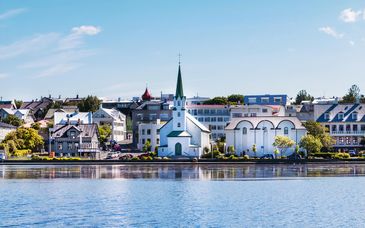
Reykjavík is refreshingly walkable: you can stroll from the rainbow-painted Hallgrímskirkja church to the Old Harbour in under 20 minutes, passing independent boutiques, street-art murals and cosy coffee roasters along the way. Start at the top of Hallgrímskirkja’s tower for a 360-degree panorama, then wander down Laugavegur—the main shopping street—for Icelandic wool sweaters and design homeware. The harbour district offers whale-watching departures, seafood bistros and the striking Harpa concert hall, whose glass façade mirrors the basalt columns you will see on the South Coast. Art lovers should duck into the National Gallery or the quirky Phallological Museum, whilst foodies can book a table at Dill or Matur og Drykkur for New Nordic tasting menus. Because the city centre is so compact, you will have time left over for a dip in one of Reykjavík’s geothermal pools—Sundhöllin or Laugardalslaug—where locals soak year-round.
What sets an Iceland city break apart is the proximity of world-class natural sites. The Blue Lagoon sits just 40 minutes from Keflavík Airport and 50 minutes from Reykjavík, making it an easy first or last stop; many travellers schedule their soak between landing and check-in, storing luggage on-site. The Golden Circle—a 300-kilometre loop encompassing Þingvellir National Park, the Geysir geothermal area and Gullfoss waterfall—can be driven independently in five hours or tackled on a guided coach tour that departs Reykjavík at 8 am and returns by 6 pm. South Coast highlights (Seljalandsfoss, Skógafoss, Reynisfjara) lie 90 minutes to two hours east, perfect for a full-day excursion that still gets you back to the capital for dinner. This city-plus-nature formula means you enjoy hotel comforts each evening, then wake to geysers or black-sand beaches by day.

Timing your Iceland city break hinges on whether you prioritise the Northern Lights or extended daylight. Winter (November to March) offers the aurora borealis: clear, dark skies from roughly 6 pm to 8 am give multiple chances each night, and December to February sees only four to five hours of daylight, creating an atmospheric, twilight feel. Pack thermals, waterproofs and insulated boots; temperatures hover around 0°C but wind chill and sudden snow squalls demand layers. Summer (June to August) flips the script: near-24-hour daylight means you can hike at midnight, photograph waterfalls in golden light at 11 pm and pack far more sightseeing into each day. Temperatures reach 10–15°C, wildflowers carpet the highlands and roads to remote areas open fully. Shoulder seasons—April to May and September to October—split the difference: you will catch early or late Northern Lights, enjoy moderate crowds and benefit from lower rates.

A two-night Reykjavík weekend break is tight but achievable if you fly Friday evening and return Sunday night. Day one: land at Keflavík, transfer to your hotel (45 minutes), then spend the afternoon exploring Hallgrímskirkja, Laugavegur high street and the Old Harbour; book dinner at a harbourside restaurant (try fish stew or lamb shank) and, if it’s winter, join an evening Northern Lights coach tour departing around 9 pm. Day two: rise early for a full-day Golden Circle tour—most operators pick you up at 8:30 am, visit Þingvellir’s continental rift, watch Strokkur geyser erupt every 5–8 minutes, marvel at Gullfoss’ double cascade and return by 6 pm. Spend your final evening soaking in a city geothermal pool. Day three (if you have it): add the Blue Lagoon en route to the airport.
Three or four nights unlock a more relaxed pace and let you add the South Coast’s dramatic waterfalls and black-sand beaches. Day one: arrive, check into your Reykjavík hotel and spend the afternoon wandering the city centre—Harpa concert hall, the Sun Voyager sculpture and a harbour seafood lunch. Day two: full-day South Coast tour departing at 8 am. You will stop at Seljalandsfoss (walk behind the curtain of water), Skógafoss (climb 527 steps for a top-down view), the Sólheimajökull glacier tongue (optional short glacier walk) and Reynisfjara, where hexagonal basalt columns frame crashing Atlantic waves; return to Reykjavík by 7 pm. Day three: tackle the Golden Circle independently or on a small-group tour. Day four (if available): visit the Blue Lagoon mid-morning—book the Comfort package for a silica mud mask—then transfer to Keflavík for your flight.

With four or five nights, you can layer in specialist excursions—glacier hiking, ice-cave exploration (November to March), whale watching or a Snæfellsnes Peninsula day trip—without feeling rushed. Follow the three-to-four-day framework above, then dedicate day four to an active adventure: a guided glacier walk on Sólheimajökull (crampons, ice axes and two hours on the ice), a super-jeep tour into the highlands or a small-boat whale-watching cruise from Reykjavík’s Old Harbour (minke and humpback whales, white-beaked dolphins). Winter travellers should book a second Northern Lights excursion—perhaps a smaller, more flexible hunt in a minibus or even a self-drive chase if you’re confident with night navigation. Summer visitors can add a midnight-sun hike up Mount Esja (30 minutes from Reykjavík, summit at 914 metres) or a horseback ride on an Icelandic horse farm near Hveragerði.
The Golden Circle remains Iceland’s most popular excursion: three UNESCO-calibre sites packed into a single day. Þingvellir National Park is where the North American and Eurasian tectonic plates pull apart at 2 cm per year, creating a dramatic rift valley you can walk between; it’s also the birthplace of Iceland’s medieval parliament, the Alþingi, founded in 930 AD. Thirty kilometres northeast, the Geysir geothermal field bubbles and hisses; whilst the original Great Geysir is now dormant, neighbouring Strokkur erupts every 5–8 minutes, hurling boiling water 20 metres into the air—have your camera ready. Ten minutes further on, Gullfoss (Golden Falls) thunders into a narrow canyon in two tiers, spraying mist that creates rainbows on sunny days. Most tours return via the Kerið volcanic crater, whose vivid red slopes cradle a turquoise lake, and stop at the Friðheimar greenhouse for tomato soup served under vine canopies.

The Blue Lagoon is Iceland’s most photographed attraction: a milky-turquoise geothermal pool set in black lava fields near Grindavík. Temperatures hover at 38–40°C year-round, and the silica-rich water is said to benefit skin conditions (the on-site clinic treats psoriasis). Pre-booking is mandatory; slots sell out weeks ahead in summer and over Christmas. Choose between Comfort (towel, drink, silica mask), Premium (robe, slippers, second mask, table reservation at Lava restaurant) or Retreat Spa (private changing suite, access to a quieter lagoon, champagne). Arrive 30 minutes early to shower (compulsory), then float between lava-rock channels, smear white silica mud on your face and sip a glass of sparkling wine at the swim-up bar. Most visitors spend 90 minutes to two hours; longer and you risk overheating. Book a morning slot to avoid crowds or an evening visit (open until 10 pm in summer, midnight on weekends) for a romantic, less crowded soak.
The Northern Lights (aurora borealis) dance across Iceland’s skies from September to April, peaking in December to February when nights are longest. Tours depart Reykjavík around 9 pm, driving to dark-sky zones 30–60 minutes outside the city. Guides monitor real-time aurora forecasts and cloud cover, sometimes changing location mid-trip to chase clear patches. Success is never guaranteed—solar activity and weather must align—but reputable operators offer free rebooking if the aurora fails to appear. Dress in thermals, insulated boots and windproof layers; you will spend up to an hour standing outdoors in sub-zero temperatures. Bring a tripod and a camera with manual settings (ISO 3200, 15-second exposure, wide aperture) or book a photography-focused tour where guides help you capture the lights. Small-group or super-jeep tours reach more remote areas and offer a more personal experience than large coaches.
Seljalandsfoss is the waterfall you can walk behind: a narrow path threads between the 60-metre cascade and the cliff face, offering a curtain-of-water view (bring waterproofs; spray drenches you). Five minutes away, hidden Gljúfrabúi tumbles inside a narrow canyon; wade through ankle-deep water to see it. Thirty minutes east, Skógafoss roars down 60 metres into a wide pool, generating constant mist and frequent rainbows; climb the 527-step staircase to the top for a bird’s-eye perspective and views across the coast. Another 40 minutes brings you to Reynisfjara, Iceland’s most famous black-sand beach. Hexagonal basalt columns (the Gardar cliff) rise from the sand like a giant’s pipe organ, and the Reynisdrangar sea stacks jut from the surf—legend says they are trolls turned to stone at sunrise. Powerful sneaker waves make swimming lethal; stay well back from the waterline. Most South Coast day trips also stop at Dyrhólaey arch and the Sólheimajökull glacier tongue.

Glacier hiking offers the thrill of crampons, ice axes and crevasse navigation on Europe’s largest ice cap, Vatnajökull, or its outlet tongues like Sólheimajökull. Half-day walks (3–4 hours) suit beginners; guides provide all safety gear and teach ice-axe self-arrest. The ice is a mesmerising palette of blues, blacks (volcanic ash) and whites, sculpted into ridges, moulins (vertical shafts) and seracs (ice towers). From November to March, natural ice caves form beneath the glaciers; the most famous, the Crystal Cave near Jökulsárlón, glows electric blue when sunlight filters through the ice ceiling. Access requires a super-jeep and a guide; tours depart from Reykjavík at 6 am for the five-hour drive east, spend one hour inside the cave, then return by 9 pm. Book well ahead—spaces are limited and weather can close caves without warning.
Keflavík Airport sits 45 kilometres southwest of Reykjavík. Flybus and Airport Direct coaches run every 30 minutes (£20 one-way, 45-minute journey), dropping passengers at the BSÍ bus terminal or hotels. Taxis cost around £90 but seat up to four. Car hire starts at £30 per day; roads are well maintained, but winter ice, gravel sections and one-lane bridges demand caution. GPS is essential; mobile data is reliable and affordable (buy a SIM card at the airport or pre-order an eSIM). If you plan only the Golden Circle and South Coast, guided tours remove driving stress and offer expert commentary; if you want flexibility or plan to explore the Snæfellsnes Peninsula or Eastfjords, hire a car. Parking in Reykjavík costs around £2 per hour in paid zones (free evenings and Sundays); most hotels charge £10–15 per night for on-site parking.
Icelandic weather swings from sunshine to sleet in minutes. The golden rule: layer. Start with merino base layers (top and bottoms), add a fleece or down mid-layer, then a windproof, waterproof shell. Pack insulated, waterproof hiking boots with good ankle support (essential for glacier walks and uneven lava fields), plus thermal socks. Bring a warm hat, gloves and a buff or scarf; even in summer, wind chill at waterfalls or on coastal cliffs can be biting. Sunglasses and high-SPF sunscreen are non-negotiable—UV reflects off snow and water. In winter, add hand warmers, a headlamp (for Northern Lights photography) and crampons if you plan independent glacier access. Swimwear and a microfibre towel are essential for geothermal pools. Leave jeans and cotton at home; they take hours to dry and offer no insulation when wet.
Iceland is expensive. A three-night city break costs around £800–1,500 per person, covering flights (£150–300 return from London), mid-range hotel (£100–150 per night), meals (£15 for lunch, £35 for dinner) and two or three excursions (Golden Circle tour £60, Northern Lights hunt £70, Blue Lagoon Comfort package £60). Alcohol is pricey—beer costs £8 in bars, wine from £20 in restaurants—so consider buying duty-free on arrival. Supermarkets (Bónus, Krónan) offer budget-friendly picnic supplies: smoked salmon, skyr yoghurt, rye bread. Tap water is free, pure and delicious; refill your bottle everywhere. Tours and activities represent the biggest expense; booking through exclusive platforms can save 20–30%. Tipping is not expected but rounding up restaurant bills is appreciated. Budget travellers can cut costs by self-catering, choosing dorm beds in hostels and joining free walking tours, but Iceland rewards those willing to invest in comfort and curated experiences.
High season runs June to August: temperatures reach 10–15°C, roads are fully open and daylight stretches past midnight, but prices peak and popular sites heave with tour buses. Shoulder seasons—April to May and September to October—offer milder crowds, lower rates and the chance to see both Northern Lights (late September, early April) and green landscapes, though weather remains fickle and some highland roads stay closed. Winter (November to March) is Northern Lights prime time, with long dark nights and snow-draped scenery, but daylight shrinks to four hours in December, blizzards can close roads and icy conditions make driving hazardous; stick to guided tours unless you have winter-driving experience. Christmas and New Year see Reykjavík’s festive markets and fireworks (New Year’s Eve is spectacular) but book months ahead. For a balanced experience—decent weather, fewer crowds, Northern Lights potential—target late September or early April.
The area around Hallgrímskirkja and Laugavegur puts you at the heart of Reykjavík’s shopping, dining and nightlife. Boutique properties here occupy restored townhouses with mid-century Icelandic design, exposed concrete and floor-to-ceiling windows framing the church’s soaring tower. Rooms are compact but impeccably styled, often featuring rainfall showers, Skyn Iceland toiletries and Nespresso machines. Breakfast spreads lean Nordic—smoked trout, skyr, rye bread, cloudberry jam—and many hotels offer complimentary afternoon coffee and waffles. You can walk to Harpa, the Old Harbour and the Sun Voyager sculpture in under 15 minutes, and dozens of restaurants (from Thai street food to tasting-menu temples) line the surrounding streets. Parking is limited and costs extra, but you will not need a car for city exploration.
Old Harbour hotels offer floor-to-ceiling harbour views, watching fishing boats and whale-watching vessels come and go. The neighbourhood has evolved from industrial grit to hip enclave, dotted with craft breweries (Bryggjan Brugghús), seafood shacks (Sægreifinn’s famous lobster soup) and the Marshall House gallery. Many tour operators (Northern Lights, South Coast, Golden Circle) pick up from harbour hotels, saving you a taxi or bus ride to the BSÍ terminal. Rooms tend to be larger than in the Hallgrímskirkja quarter, and several properties feature rooftop hot tubs where you can soak under the Northern Lights or midnight sun. The trade-off: you are a 10-minute walk from Laugavegur’s main shopping and restaurant strip, though the harbour’s own dining scene has matured into a destination in its own right.
If you land late or depart early, staying near Keflavík Airport or in the Reykjanes Peninsula town of Grindavík saves the 45-minute transfer to Reykjavík. Airport hotels are functional—clean, quiet, buffet breakfast included—and several offer free shuttles. Grindavík properties put you five minutes from the Blue Lagoon, ideal for an arrival-day soak before heading into the capital, or a departure-day visit before your flight. The surrounding lava fields, geothermal vents and coastal cliffs make atmospheric backdrops, though dining options are limited to hotel restaurants and one or two local bistros. Consider splitting your stay: first and last nights near the airport or Blue Lagoon, middle nights in Reykjavík, maximising both convenience and city immersion.
An Iceland city break redefines the concept of a short escape, compressing geological wonders, cultural depth and Arctic adventure into a three-to-five-day window that leaves you exhilarated rather than exhausted. Reykjavík serves as your stylish, walkable base—design hotels, New Nordic cuisine, geothermal pools—whilst the Golden Circle, Blue Lagoon, South Coast waterfalls and Northern Lights lie within 90 minutes, ensuring every day delivers a new headline moment. Whether you chase the aurora under winter’s star-studded sky or hike beneath the midnight sun’s golden glow, Iceland’s compact scale and dramatic contrasts guarantee memories that rival month-long odysseys elsewhere, proving that the best journeys are measured not in days but in moments that take your breath away.
Three to four days is ideal for a balanced Iceland city break. You will have time to explore Reykjavik, complete a full-day Golden Circle tour, visit the Blue Lagoon and add either a South Coast excursion or a Northern Lights hunt. A long weekend (two nights) covers the essentials but feels rushed; five days allows an extra adventure such as glacier hiking or a Snæfellsnes Peninsula trip without exhausting yourself.
Central Reykjavik is highly walkable: Hallgrímskirkja, Laugavegur shopping street, the Old Harbour and Harpa concert hall sit within a one-kilometre radius. You can cover the main sights on foot in a single day. For excursions beyond the city—Golden Circle, South Coast, Blue Lagoon—either book guided tours with hotel pick-up or hire a car. Public buses serve the suburbs but are unnecessary for most short-break itineraries.
The Northern Lights are visible from September to April, with peak viewing in December, January and February when nights are longest. Clear, dark skies away from city lights are essential; tours depart Reykjavik around nine in the evening, driving to rural locations. Success depends on solar activity and weather, so book flexible tours offering free rebooking if the aurora does not appear. Late September and March offer a balance of decent weather and aurora potential.
You can drive the Golden Circle independently in five to six hours, stopping at Thingvellir, Geysir, Strokkur and Gullfoss. Roads are well maintained and signposted, and car hire starts at thirty pounds per day. However, guided tours (around sixty pounds) remove navigation stress, provide expert commentary and often include extras like Kerið crater or Friðheimar greenhouse lunch. In winter, icy roads make tours safer unless you have winter-driving experience.
Blue Lagoon entry starts at sixty pounds for the Comfort package (towel, drink, silica mask), rising to ninety pounds for Premium (robe, slippers, extra mask, Lava restaurant table) and 350 pounds-plus for Retreat Spa (private lagoon, champagne). Pre-booking is mandatory; slots sell out weeks ahead in summer and over Christmas. Book directly online, choosing your entry time carefully—morning slots are quieter, evening visits offer a romantic atmosphere under the midnight sun or Northern Lights.
Layer for unpredictable weather: merino base layers, fleece mid-layer, waterproof shell, insulated hiking boots, warm hat and gloves. Even summer demands windproof layers; rain can strike any month. Bring swimwear for geothermal pools, sunglasses and high-SPF sunscreen (UV reflects off snow and water). In winter, add thermals, hand-warmers and a headlamp for Northern Lights photography. Leave jeans and cotton at home—they dry slowly and offer no insulation when wet.
Iceland is expensive. Expect to spend 800 to 1,500 pounds per person for three nights, including flights (150 to 300 pounds), mid-range hotel (100 to 150 pounds per night), meals (fifteen pounds lunch, thirty-five dinner) and two to three excursions (sixty to seventy pounds each). Beer costs eight pounds in bars, wine from twenty in restaurants. Save money by buying duty-free alcohol on arrival, self-catering from supermarkets like Bónus and booking tours through exclusive platforms for discounts.
Northern Lights can appear over Reykjavik on very clear, active nights, but light pollution dims the display. For the best experience, join a guided tour that drives thirty to sixty minutes into dark countryside, where the aurora appears brighter and more dynamic. Tours monitor real-time forecasts and adjust locations mid-trip to chase clear skies. If you prefer independence, drive to Grótta lighthouse or Álftanes peninsula on Reykjavik's outskirts for darker skies.