New
Exclusive













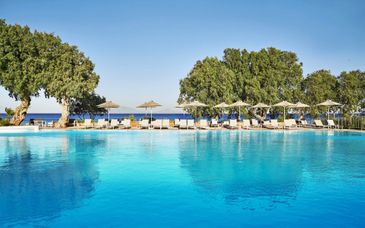
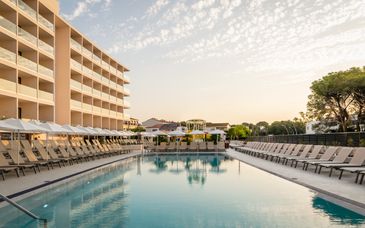


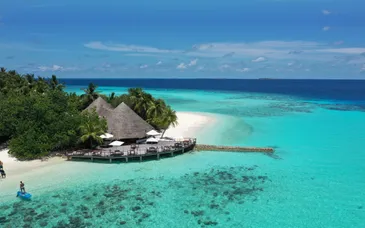







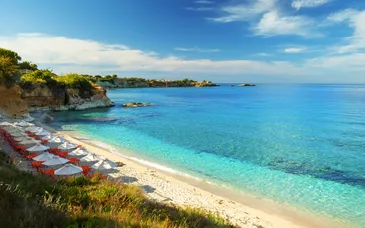




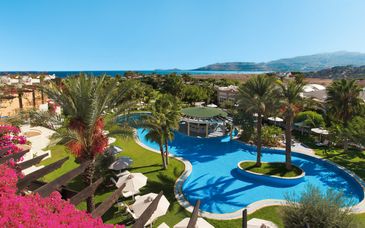







Table of contents
Taking a city break with teenagers offers a unique opportunity to blend culture, adventure, street life, and entertainment in ways that keep adolescents engaged whilst providing parents with peace of mind. Modern European destinations have evolved to cater brilliantly to family travel, offering everything from London's bustling markets and West End theatres to Barcelona's stunning Gaudí architecture and Mediterranean beaches. The key to success lies in selecting accommodation that genuinely understands family needs, offering spacious rooms, central locations, and facilities designed for older children. Register today to discover exceptional stays at top-tier hotels featuring family rooms, teen clubs, and prime locations that transform ordinary holidays into extraordinary short breaks your teenagers will remember long after returning home.
Before exploring destinations and itineraries, discover three outstanding properties perfect for families travelling with teenagers, offering an exceptional mix of urban convenience, beach access, and teen-focused facilities that elevate your city break experience.

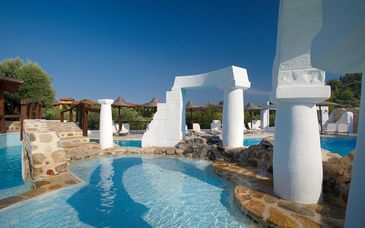
The Zante Royal Resort on the Greek island of Zakynthos is a dream for families with teenagers. Specially designed to cater to children from 3 to 12 years, 'Zantino World' is a paradise for kids and teenagers, offering supervised activities, entertainment, and sports. The resort combines beach access with pools, waterslides, and evening shows, making it ideal for a city-and-beach combo break. Teens will love the freedom to explore the resort's facilities whilst parents relax knowing everything is on-site.
What we love: The dedicated teen club, beachfront location, and all-inclusive packages that take the stress out of budgeting for family meals and activities.

Located near Faliraki on Rhodes, the Evita Resort Hotel is a family favourite with water slides, mini, mid, and teen clubs, and All Inclusive packages. Teenagers will appreciate the dedicated club with age-appropriate activities, sports tournaments, and evening entertainment, whilst parents enjoy the resort's proximity to Rhodes Town's historic old quarter and vibrant nightlife. The hotel's layout encourages independence for older kids, with safe, supervised zones and plenty of poolside lounging.
What we love: The multi-age club structure that keeps teenagers entertained, the water slides for active fun, and easy access to both beach and cultural excursions in Rhodes.

Set on Sardinia's stunning northern coast in Castelsardo, Club Coralia Rasciada offers a seafront location with Coralia Kids Club and Coralia Club Ado (13–17) providing sports, entertainment, and social activities tailored to teenagers. The resort's Italian setting combines beach relaxation with easy day trips to medieval hilltop towns, making it perfect for families who want culture and coast. Teens can join organised excursions, beach volleyball, and evening discos, whilst parents explore local cuisine and coastal walks.
What we love: The dedicated 13–17 club that gives teenagers their own space, the authentic Sardinian location, and the balance of structured activities and free time.
European cities excel at offering teenagers the perfect blend of culture, street life, sports, and beaches that keep them engaged throughout your break. Barcelona combines Gaudí's architectural masterpieces with Mediterranean beaches, skate parks, and vibrant food markets like La Boqueria, creating an irresistible mix of sightseeing and leisure. Amsterdam captivates with its cycling culture, interactive museums such as the Anne Frank House and NEMO Science Museum, plus scenic canal tours that offer unique perspectives. Lisbon attracts teenagers with colourful street art, panoramic viewpoints called miradouros, surf-friendly beaches at nearby Carcavelos, and a thriving tech scene. Berlin delivers street art tours through Kreuzberg, powerful history museums, youth culture hubs, and age-appropriate nightlife for older teens. Rome brings ancient history to life through gladiatorial stories at the Colosseum, gelato culture, and bustling piazzas perfect for people-watching. These cities transcend traditional sightseeing by providing immersive experiences including street art walks, food market explorations, cycling routes, and beach access that genuinely engage teenagers. Parents appreciate the excellent public transport networks, safety standards, and diverse accommodation options ranging from family hotels to aparthotels with kitchenettes that offer flexibility for meals and downtime.
British cities offer exceptional city break opportunities for families with teenagers, combining cultural richness with entertainment that resonates with adolescent interests. London dazzles with West End theatrical productions, eclectic street markets including Camden and Brick Lane, vibrant street art in Shoreditch, Thames river rides, and interactive museums like the Science Museum and Natural History Museum where hands-on exhibits captivate young minds. Manchester celebrates music heritage through The Smiths and Oasis connections, offers football stadium tours at Old Trafford and Etihad Stadium, features the Northern Quarter's indie shops and street food scene, plus modern MediaCityUK attractions. Edinburgh enchants with the historic Royal Mile, underground vaults offering ghost tours, the challenging Arthur's Seat hike providing panoramic city views, summer festivals including the Fringe, and Harry Potter connections that delight fans. UK cities work brilliantly for families because there is no language barrier, easy train or budget flight access from most regions, and an abundance of free or low-cost attractions that keep budgets manageable. Teenagers particularly enjoy the blend of pop culture references spanning music, sport, and film locations, history presented through engaging storytelling rather than dry facts, and the freedom to explore safe, walkable city centres independently under parental supervision.
Combining city exploration with beach relaxation or theme park excitement creates the ultimate teenager-friendly break that balances cultural discovery with active outdoor fun. Barcelona pairs world-class sightseeing with Barceloneta beach for swimming and beach volleyball, plus PortAventura theme park located just one hour away by train offering thrilling rides. Lisbon blends historic neighbourhoods like Alfama and Belém with gorgeous beaches at Cascais and Estoril, plus surf lessons at Carcavelos beach that teenagers absolutely adore. Ibiza surprises families with Ibiza Town's UNESCO-listed old quarter and beautiful beaches, water sports opportunities, and family-friendly resorts located away from the famous nightlife zones. Zakynthos offers Zante Town exploration, boat trips to the stunning Blue Caves and iconic Shipwreck Beach, plus water parks that provide hours of entertainment. These combinations work brilliantly for families with teenagers because they balance cultural exploration during cooler morning hours with active, outdoor fun in afternoons when energy levels peak. Teens can enjoy a morning discovering museums or historic sites, then spend afternoons at beaches or theme parks burning off energy. These destinations frequently feature excellent family resorts offering all-inclusive packages, teen clubs, and water parks that simplify logistics for parents. The variety keeps everyone satisfied and dramatically reduces the risk of boredom that can plague single-focus holidays.

Start your London adventure with a Thames Clipper river ride from Westminster to Greenwich, offering teenagers the speed and spectacular views they crave whilst covering significant distance efficiently. Explore Greenwich Market for vintage finds and street food, visit the historic Cutty Sark clipper ship, then head to Shoreditch for guided street art tours showcasing works by Banksy and emerging artists, plus vintage shops packed with unique fashion. Lunch at Boxpark or Brick Lane provides international cuisine in trendy surroundings. Afternoon visits to the Science Museum or Natural History Museum offer interactive exhibits that engage teenagers far more than traditional displays. Evening entertainment comes via a West End show, booked in advance for better prices. Day two begins at Camden Market exploring alternative fashion stalls and sampling global street food, followed by walks through Regent's Park or Tube rides to South Bank for street performers and the London Eye. Afternoon options include the Tate Modern art gallery or football stadium tours at Arsenal, Chelsea, or Tottenham. This itinerary brilliantly mixes iconic sights with genuinely teen-friendly activities including street art, markets, and theatrical performances whilst using public transport via Oyster card or contactless payment. Budget-conscious families appreciate that many museums offer free entry, advance theatre tickets provide affordability, and family-friendly accommodation near King's Cross or South Bank ensures excellent transport links.
Begin your Barcelona journey at the breathtaking Sagrada Família, booking skip-the-line tickets to avoid queues that frustrate teenagers, then continue to Park Güell for Instagram-worthy mosaics and panoramic city views. Afternoon exploration of the Gothic Quarter reveals medieval streets and hidden squares, with stops at La Boqueria market for exotic fruit smoothies and tapas samples. Evening strolls along Las Ramblas and dinner in the trendy El Born neighbourhood complete day one. Day two focuses entirely on beach activities at Barceloneta, offering swimming, paddleboarding, beach volleyball, and seaside relaxation that teenagers need after intensive sightseeing. Lunch at a chiringuito beach bar provides authentic paella and fresh seafood. Afternoon options include the Barcelona Aquarium showcasing Mediterranean marine life or cable car rides up Montjuïc mountain for spectacular views and the Olympic Stadium. Day three explores youth culture through the skate park near Plaça dels Àngels with the MACBA contemporary art museum nearby, then discovering the Gràcia neighbourhood's indie shops, vintage boutiques, and cosy cafés. Optional afternoon trips to PortAventura theme park, reached in one hour by train, provide thrilling roller coasters and water rides. This itinerary masterfully balances Gaudí's architectural genius, Mediterranean beach time, and vibrant youth culture through skate parks and food markets. Barcelona's metro system proves easy for teenagers to navigate, whilst family aparthotels in Eixample or beachfront locations offer space and kitchenettes for flexible, budget-friendly meals.
Launch your Lisbon experience exploring the Alfama district's narrow streets, riding iconic Tram 28, and visiting São Jorge Castle for sweeping panoramic views across terracotta rooftops. Lunch in Baixa precedes walks to Belém for the magnificent Jerónimos Monastery and essential pastel de nata custard tart tasting at the legendary Pastéis de Belém. Day two begins with street art tours through LX Factory and Bairro Alto, discovering colourful murals, indie shops, and creative studios that teenagers find genuinely inspiring. Afternoon train rides to Cascais or Carcavelos beach enable surf lessons, with numerous schools offering two-hour beginner sessions that build confidence and create lasting memories. Day three visits the spectacular Oceanário, one of Europe's finest aquariums, then explores Parque das Nações modern waterfront with cable cars offering aerial perspectives. Dinner at Time Out Market provides a food hall featuring dozens of stalls representing Lisbon's culinary diversity. Optional day four ventures to Sintra for the fairy-tale Pena Palace and Quinta da Regaleira's mystical gardens with underground tunnels teenagers adore exploring. Lisbon brilliantly combines historical depth, street culture creativity, and beach access, supported by excellent public transport spanning metro, trams, and trains. Teenagers appreciate the city's creative energy, emerging tech startup scene, and Instagram-worthy viewpoints called miradouros scattered throughout hillside neighbourhoods. Family-friendly hotels in Baixa or near Cais do Sodré provide central access to attractions whilst maintaining reasonable budgets.

Teenagers respond enthusiastically to cultural activities when presented through interactive, visual, and story-driven experiences rather than traditional museum displays. Interactive museums including London's Science Museum and Natural History Museum, Barcelona's CosmoCaixa, and Lisbon's Museu da Electricidade engage adolescents through hands-on exhibits, virtual reality experiences, and participatory demonstrations that make learning feel like entertainment. Science centres such as Copenhagen's Experimentarium and Paris's Cité des Sciences offer experiments teenagers can conduct themselves, fostering genuine curiosity. Street art tours through Shoreditch in London, El Raval in Barcelona, Bairro Alto in Lisbon, and Kreuzberg in Berlin transform urban exploration into treasure hunts for famous works whilst teaching about social commentary and artistic expression. These experiences work because they invite participation rather than passive observation, connect to teenager interests including technology, art, and social issues, and provide Instagram-worthy moments that let adolescents share experiences with friends. Parents value that these activities combine education with entertainment, keeping teenagers engaged for extended periods without complaints about boredom, whilst building knowledge and cultural appreciation that extends beyond the holiday itself.
Active outdoor experiences provide essential balance to cultural sightseeing, allowing teenagers to burn energy whilst creating exciting memories. Urban cycling tours through Amsterdam's canal network, Copenhagen's bike-friendly streets, or Barcelona's beachfront promenades offer freedom and exercise simultaneously. Water sports including paddleboarding, kayaking, and surfing at beaches near Lisbon, Barcelona, or Ibiza teach new skills whilst providing thrilling challenges teenagers relish conquering. Climbing experiences range from indoor climbing walls in most major cities to outdoor adventures like scaling Arthur's Seat in Edinburgh or hiking Montjuïc in Barcelona for rewarding panoramic views. Zip-lining, high-ropes courses, and adventure parks located near cities like Paris, Berlin, and Rome deliver adrenaline rushes that create bonding moments for families. Theme parks including PortAventura near Barcelona, Europa-Park near Freiburg, and Thorpe Park near London provide full days of roller coasters and water rides. These activities succeed because they challenge teenagers physically, build confidence through skill development, create natural opportunities for family bonding without forced interaction, and provide the excitement adolescents crave whilst remaining safely supervised. Parents appreciate that active days lead to contented, tired teenagers in evenings, making dinner and accommodation time more peaceful.
Culinary experiences engage teenagers through sensory discovery, social interaction, and Instagram-worthy presentations that appeal to adolescent interests. Food market tours through Borough Market in London, La Boqueria in Barcelona, or Mercado da Ribeira in Lisbon expose teenagers to international cuisines, exotic ingredients, and street food culture whilst encouraging adventurous eating. Cooking classes teaching pasta-making in Rome, paella preparation in Barcelona, or pastry techniques in Paris provide hands-on activities that teenagers can recreate at home, building lasting skills. Street food tours through neighbourhoods like Brick Lane in London, Le Marais in Paris, or Testaccio in Rome combine walking exercise with culinary sampling, discovering hidden gems locals frequent. Chocolate workshops in Brussels or Zurich, gelato tastings in Rome or Florence, and cheese experiences in Amsterdam appeal to teenage sweet teeth whilst teaching about artisanal production. Food halls like Time Out Market in Lisbon or Mercato Centrale in Florence offer diverse options that satisfy different family preferences without restaurant formality. These experiences work because they engage multiple senses, provide shareable social media content, accommodate various dietary preferences and restrictions, and create relaxed family interaction around shared enjoyment rather than forced conversation. Parents value that food experiences often prove more affordable than formal restaurants whilst delivering authentic cultural immersion and creating opportunities to discuss local traditions, ingredients, and culinary history in accessible, engaging ways that teenagers actually enjoy.

Accommodation selection significantly impacts city break success when travelling with teenagers, requiring careful consideration of location, space, and facilities. Central locations near public transport hubs reduce travel time to attractions, allowing more sightseeing and less commuting that frustrates teenagers. Family rooms or connecting rooms provide privacy teenagers increasingly need whilst keeping families close. Aparthotels with kitchenettes offer flexibility for breakfast and snacks, reducing meal costs and accommodating fussy eaters or dietary requirements. Hotels with pools, fitness centres, or game rooms give teenagers downtime options within the property when they need breaks from sightseeing. Properties near shopping districts, markets, or entertainment venues allow older teenagers supervised independence to explore whilst parents relax. Free Wi-Fi proves essential for teenagers maintaining contact with friends and sharing experiences on social media. Breakfast-included options simplify mornings and ensure good starts before busy sightseeing days. Reading reviews from other families with teenagers provides realistic expectations about noise levels, space, and age-appropriate facilities. Booking accommodation through exclusive platforms often delivers significant savings on premium properties, stretching budgets to afford better locations or upgrading room categories for additional space and comfort that makes city breaks more enjoyable for everyone.
Managing budgets effectively ensures city breaks remain affordable without sacrificing experiences teenagers will remember. Advance booking of flights, trains, and accommodation typically delivers substantial savings compared to last-minute arrangements. City tourist cards like the London Pass, Barcelona Card, or Lisbon Card bundle attraction entries with public transport, often proving more economical than individual tickets. Many world-class museums offer free entry on specific days or times, requiring schedule planning but delivering significant savings. Picnic lunches assembled from market purchases reduce meal costs whilst providing authentic local food experiences teenagers enjoy. Drinking water bottles refilled from public fountains rather than purchasing bottled water saves money and reduces plastic waste. Walking or cycling between nearby attractions rather than taking taxis builds exercise into days whilst cutting transport costs. Afternoon or matinee theatre performances typically cost less than evening shows whilst offering identical entertainment. Student discounts available at many attractions, museums, and transport systems reduce costs for teenagers with valid student identification. Setting daily spending allowances for teenagers teaches budgeting skills whilst giving them autonomy over souvenir purchases and treats. Cooking occasional meals in aparthotel kitchenettes breaks up restaurant dining, saves money, and provides comfortable family time. Free walking tours available in most major cities deliver excellent orientation and local knowledge, operating on tip-only bases that prove economical.
Including teenagers in planning processes increases their engagement, reduces resistance, and ensures itineraries reflect their interests alongside parental priorities. Begin by researching destinations together, watching travel videos, reading blogs, and discussing what appeals to different family members. Allow each teenager to choose one or two must-do activities, ensuring the itinerary includes elements everyone anticipates with excitement. Assign research tasks like finding the best street art locations, identifying Instagram-worthy spots, or locating highly-rated teen-friendly restaurants, giving teenagers ownership over aspects of the trip. Create shared digital folders or Pinterest boards where family members contribute ideas, building collective enthusiasm. Discuss budgets transparently, helping teenagers understand financial constraints whilst inviting creative solutions for maximising experiences within available resources. Establish ground rules about phone usage, curfews for older teenagers granted independence, and meeting points if exploring separately, ensuring everyone understands expectations before departure. Build flexibility into itineraries, avoiding over-scheduling that exhausts everyone, and leaving room for spontaneous discoveries teenagers often prefer to rigid plans. Consider teenager energy patterns when scheduling activities, placing active experiences during their peak energy times and cultural visits when they naturally slow down. Encourage teenagers to document the trip through photos, videos, or travel journals, creating personal projects that maintain engagement throughout. Post-trip, involve teenagers in sharing experiences with extended family or creating presentations for school, extending the value and memories of your city break investment long after returning home.

Safety remains paramount when exploring cities with teenagers, requiring preparation, communication, and appropriate boundaries. Research neighbourhood safety before booking accommodation, choosing well-lit, populated areas near public transport. Establish family meeting points at central landmarks in case anyone gets separated, ensuring everyone knows backup locations. Ensure teenagers carry fully charged phones with local emergency numbers programmed, plus accommodation addresses written in local language. Discuss stranger danger appropriate to their age, covering tactics for declining unwanted attention, identifying safe people to approach for help like uniformed staff or families with children, and recognising common tourist scams. Set clear boundaries about where teenagers can go independently, which areas require adult accompaniment, and what time everyone must return to accommodation. Use phone-tracking apps that let parents monitor teenager locations whilst respecting their privacy and building trust. Ensure teenagers carry photocopies of passports whilst originals remain secured at accommodation. Discuss public transport safety including staying alert to belongings, avoiding empty carriages, and trusting instincts when situations feel uncomfortable. Create code words for text messages signalling genuine emergencies versus minor issues, preventing panic whilst maintaining communication. Review basic first aid for common issues like blisters, sunburn, dehydration, and minor injuries. Ensure adequate travel insurance covers entire family including teenagers, checking it includes medical emergencies, trip cancellations, and lost belongings that could otherwise prove financially devastating.
Maintaining teenager engagement throughout city breaks requires balancing structure with freedom, activity with rest, and family time with independence. Mix sightseeing with activities teenagers genuinely enjoy rather than purely educational visits parents prefer. Schedule downtime between intensive activities, allowing teenagers to recharge without feeling rushed from one sight to another. Offer choices wherever possible, letting teenagers select between two restaurant options or decide afternoon activity order, giving them agency that increases cooperation. Allow older teenagers supervised independence for shopping or exploring approved areas, building confidence whilst satisfying their increasing need for autonomy. Use challenges or games like photo scavenger hunts finding specific architectural details, street art, or local foods, making sightseeing interactive rather than passive. Let teenagers lead occasionally, navigating public transport or choosing routes to destinations, building practical skills whilst keeping them actively involved. Respect their need to stay connected with friends back home through reasonable phone time rather than demanding constant digital disconnection that causes resentment. Plan special experiences specifically for them like concerts, sports events, or workshops in their interest areas, showing their preferences matter. Build in flexible mornings when teenagers can sleep later after long travel days rather than forcing early starts that breed grumpy moods. Create opportunities for them to interact with local teenagers through sports activities, workshops, or organized teen clubs at resorts, potentially forming brief friendships and cultural exchanges. Celebrate the trip with special treats like favourite meals, small souvenirs, or experiences they specifically requested, reinforcing positive associations with family travel that encourage future participation.
City breaks with teenagers offer remarkable opportunities to create lasting family memories whilst exposing adolescents to diverse cultures, histories, and experiences that broaden perspectives and build independence. The destinations, itineraries, and practical strategies outlined in this guide provide frameworks for successful trips that satisfy both teenage interests and parental priorities. Whether exploring vibrant street art in Berlin, surfing lessons near Lisbon, or theatrical magic in London, the key lies in balancing structured cultural experiences with freedom, adventure, and the authentic urban exploration teenagers crave. By selecting appropriate accommodation, involving teenagers in planning, maintaining safety awareness, and building flexibility into itineraries, families can navigate the unique challenges of teenage travel whilst reaping the rewards of shared discovery. Register today to access exclusive offers on family-friendly hotels and resorts that understand the specific needs of families with teenagers, featuring spacious rooms, teen clubs, and locations that place you at the heart of Europe's most exciting cities. Your next unforgettable city break awaits, promising adventure, culture, and precious family moments that will be treasured long after you return home.
Teenagers from 13 to 18 years benefit most from city breaks as they possess the stamina for full sightseeing days, appreciate cultural and historical contexts, and enjoy the independence cities offer. Younger teens prefer interactive museums and outdoor activities, whilst older teenagers engage more deeply with art galleries, music venues, and culinary experiences. The key is matching destination and activities to their specific age, maturity level, and interests to ensure engagement throughout the break.
Successful family itineraries alternate between cultural sights parents value and activities teenagers enjoy, such as following a museum visit with street art tours or beach time. Involve teenagers in planning so they select some must-do experiences, creating shared ownership of the itinerary. Schedule flexible downtime allowing everyone to pursue individual interests, then reunite for meals or special experiences. Mix educational content with interactive, hands-on activities rather than purely passive sightseeing to maintain teenage engagement.
Amsterdam, Barcelona, Berlin, Copenhagen, Lisbon, London, Madrid, Munich, Paris, and Vienna feature excellent public transport networks that are safe, frequent, and easy to navigate with teenagers. These cities offer integrated systems combining metro, trams, and buses, plus family or multi-day passes that reduce costs. Clear signage, English information, and mobile apps make navigation straightforward even for visitors. Public transport provides teenagers valuable independence skills whilst keeping families mobile and budgets manageable.
Budget approximately 50 to 100 pounds per teenager daily covering meals, attraction entries, local transport, and spending money for souvenirs or treats. Costs vary significantly by destination, with London, Paris, and Zurich proving more expensive than Lisbon, Athens, or Prague. City tourist cards bundling attractions and transport reduce costs substantially. Cooking some meals in aparthotel kitchenettes, choosing free museums, and walking between nearby sights stretch budgets further whilst maintaining quality experiences.
Aparthotels with separate sleeping areas and kitchenettes offer space, privacy, and meal flexibility ideal for families with teenagers. Family rooms or connecting rooms in central hotels near public transport provide convenience and allow supervised independence. Properties with pools, game rooms, or teen clubs give adolescents downtime options when needing breaks from sightseeing. Choose neighbourhoods near shopping districts or entertainment venues allowing older teenagers to explore independently whilst parents relax nearby.
Older teenagers benefit from supervised independence exploring approved areas, building confidence, navigation skills, and autonomy they increasingly need. Establish clear boundaries about permitted areas, return times, and check-in protocols via phone or messaging. Provide local currency, emergency contacts, and ensure fully charged phones with tracking apps. Start with shorter independent periods in safe, populated areas before extending freedom. This approach satisfies their growing need for autonomy whilst maintaining parental oversight and safety.
Ensure teenagers carry charged phones with emergency contacts, accommodation addresses in local language, and photocopies of passports whilst originals remain secured. Establish family meeting points at central landmarks in case of separation. Discuss age-appropriate stranger danger, common tourist scams, and public transport safety. Set clear boundaries about where they can go independently and required return times. Use phone-tracking apps for location monitoring whilst respecting privacy. Secure comprehensive travel insurance covering medical emergencies, cancellations, and lost belongings.
Rather than demanding complete digital disconnection that breeds resentment, create phone-free challenges or games making sightseeing interactive, such as photo scavenger hunts finding architectural details or street art. Allow designated phone times for social media updates, then request devices away during meals or special experiences. Involve teenagers in documenting the trip through photography projects or travel journals, channeling screen time into creative outputs. Choose interactive museums and hands-on activities naturally engaging their attention more effectively than traditional displays requiring constant parental enforcement.
Spring from April to June and early autumn from September to October offer ideal weather, smaller crowds, and lower prices than peak summer months. These shoulder seasons provide comfortable temperatures for walking and outdoor activities without the exhaustion of summer heat or winter cold. School holiday periods including Easter, half-terms, and summer naturally attract families, requiring earlier booking and accepting higher prices and crowds. City breaks work year-round, with winter offering Christmas markets and festive atmosphere, though shorter daylight hours limit sightseeing time.
Create itineraries incorporating activities appealing to different interests, allowing each teenager to select must-do experiences ensuring everyone has something they anticipate. Plan some parallel activities where family members split for an afternoon pursuing individual interests, then reunite for dinner. Choose destinations offering diverse attractions from sports stadiums to art galleries, outdoor adventure to shopping districts, satisfying varied preferences. Build flexibility allowing spontaneous decisions based on daily moods and energy levels rather than rigid schedules frustrating everyone.