New
Exclusive

Table of contents
Tokyo captivates travellers with its seamless fusion of ancient ritual and cutting-edge modernity, offering a cityscape where serene shrines like Sens?-ji coexist with the pulsating scramble of Shibuya Crossing. The capital's efficient transport network—anchored by rechargeable Suica and Pasmo cards—turns even first-time visitors into confident navigators, while every district unveils a distinct personality: the youth culture and quirky boutiques of Harajuku, the historic markets of Asakusa, the skyscraper bars of Shinjuku. Culinary adventures await around every corner, from conveyor-belt sushi to intimate izakaya tucked beneath railway arches, and whether your itinerary spans a weekend or a full week, Tokyo rewards curiosity with layers of discovery that never grow stale. To streamline your planning and unlock exclusive rates on curated Japan tours, register today and explore packages that pair the capital's urban buzz with cultural treasures and beach escapes across the archipelago.
Curated Japan packages combine Tokyo with cultural highlights and beach escapes, ideal for travellers seeking hassle-free city breaks with expert itineraries and exclusive savings.

This self-guided 7–13-night tour seamlessly blends Tokyo's urban energy with the tropical beauty of Ishigaki in Okinawa, plus cultural immersion in Kyoto and Osaka. Each day comes with suggested itineraries and optional excursions, while domestic transfers are included for effortless travel. Perfect for couples and first-time visitors wanting both city highlights and beach relaxation, this package offers flexibility and convenience in one unforgettable journey across Japan's diverse landscapes.
What we love: The freedom to explore Tokyo's temples and markets at your own pace, then unwind on Okinawa's white-sand beaches—all with transfers and accommodation sorted.

Spanning 10–12 nights, this guided and self-guided tour covers Tokyo, Kyoto, Hiroshima and more, with selected options including a Japan Rail Pass for seamless Shinkansen travel. Practical travel information and daily itineraries ensure you maximise every moment, from Asakusa's historic temples to Hiroshima's poignant Peace Memorial. Ideal for travellers who want comprehensive coverage of Japan's iconic cities without the stress of planning logistics independently.
What we love: The inclusion of a JR Pass on select options, unlocking unlimited bullet-train travel and making multi-city exploration effortless and cost-effective.

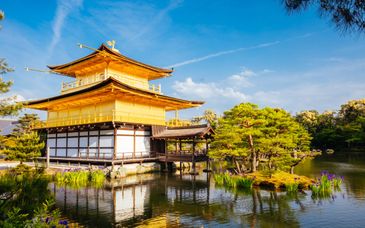
For travellers seeking a shorter yet immersive experience, this 6–10-night package splits time between Tokyo's modern buzz and Kyoto's timeless temples. Train transfers between cities are included, allowing you to focus on exploring rather than logistics. Whether you're strolling through Meiji Jingu's forested grounds or admiring Kyoto's golden pavilions, this itinerary balances cultural depth with manageable pacing—perfect for a first Tokyo city break or a romantic getaway.
What we love: The ideal duration for first-time visitors, offering a taste of both ultra-modern Tokyo and traditional Kyoto without feeling rushed.

This 9–13-night itinerary takes cultural immersion to the next level, pairing Tokyo and Kyoto with overnight stays in a traditional ryokan and even a monastery. Experience tatami-mat rooms, kaiseki dining and morning meditation alongside must-see sights like Hakone's volcanic valleys and Tokyo Skytree. Food lovers and culture seekers will relish the authentic encounters and slower pace woven into this thoughtfully designed tour.
What we love: The rare opportunity to sleep in a monastery and ryokan, offering genuine insight into Japanese hospitality and spiritual traditions beyond the usual hotel stay.
Tokyo shines throughout the year, but certain seasons deliver distinct rewards. Spring—late March through early April—ushers in the iconic cherry blossom season, when parks like Ueno and Shinjuku Gyoen transform into canopies of pink petals and hanami picnics fill the air with celebration. Autumn, spanning October to November, paints the city in vivid reds and golds, especially beautiful around Meiji Jingu and the Imperial Palace gardens, with comfortable temperatures perfect for walking tours and open-air exploration. Summer—June through August—brings heat, humidity and lively matsuri festivals featuring fireworks, street food and traditional dance, though expect crowds and elevated hotel rates during peak weeks. Winter, December to February, is crisp and clear, offering unobstructed Mount Fuji views on clear days and fewer tourists, though some outdoor attractions may close early. Shoulder months of May and September strike a balance between pleasant weather and manageable crowds, while the Cities & Beaches of Japan tour provides flexible dates to capture seasonal highlights.
Tokyo's universal appeal spans every travel style and passion. Couples discover romance in lantern-lit temple walks, intimate izakaya dinners over sake and grilled skewers, and sunset panoramas from Tokyo Tower or Roppongi Hills, where the cityscape glitters beneath them. Food lovers embark on culinary odysseys—Michelin-starred sushi counters in Ginza, ramen alleys in Shinjuku, street-food stalls in Harajuku—with optional cooking classes and sake tastings adding hands-on flavour to every meal. First-time visitors benefit from intuitive signage, English-friendly transport apps and a wealth of iconic sights—Shibuya Crossing, Sens?-ji, Meiji Jingu—clustered in walkable neighbourhoods that reward spontaneous exploration. Shoppers revel in high-fashion boutiques along Omotesand?, quirky vintage stores in Shimokitazawa, sprawling electronics emporiums in Akihabara and department-store depachika food halls brimming with beautifully packaged treats. The Tokyo & Kyoto package suits couples and culture seekers wanting a balanced itinerary that blends urban energy with traditional tranquillity.
Tokyo is not a budget destination: anticipate £80–150 per person daily for mid-range accommodation, meals and transport, rising to £200+ for luxury stays and fine dining experiences. A 48-hour weekend break covers headline sights—Asakusa, Shibuya, Shinjuku—but feels compressed; three days permits museum visits and leisurely market mornings; four to five days comfortably incorporates a day trip to Hakone or Mount Fuji and deeper neighbourhood dives. The city's pace is brisk—trains run like clockwork, restaurants turn tables efficiently—but politeness and order prevail, making navigation stress-free even for newcomers. Book accommodation and airport transfers in advance to save time and money; the Essentials of Japan tour includes practical travel information and optional JR Pass, simplifying budgeting and logistics. Note that $5,000—roughly £4,000—covers a week for two with mid-range hotels, daily meals and a couple of splurges, while solo travellers can stretch funds further or upgrade to boutique properties.
Day one: arrive early in Asakusa to explore Sens?-ji temple and Nakamise shopping street before crowds descend—aim for 8–9 a.m. to witness morning prayers and enjoy the serene approach through the towering Kaminarimon gate. Mid-morning, take the metro to Meiji Jingu shrine, walking the tranquil forested path and writing a wish on an ema plaque. Lunch in nearby Harajuku—crepes, katsu sandwiches—then stroll Takeshita Street for quirky fashion and photo ops. Late afternoon, head to Shibuya Crossing for the iconic scramble, best viewed from Starbucks' second-floor window, followed by dinner in Shibuya's izakaya alleys. Day two: morning at Tsukiji Outer Market for sushi breakfast and street snacks, then visit teamLab Planets or the Imperial Palace East Gardens. Evening in Shinjuku: ascend the Tokyo Metropolitan Government Building's free observation deck at sunset, then explore Golden Gai's tiny bars or Memory Lane for yakitori and atmosphere. The Discover Japan tour includes notes on pocket Wi-Fi and prepaid transport cards to streamline short stays.
Day three: dedicate the morning to Ueno Park, home to the Tokyo National Museum—samurai armour, ukiyo-e prints—and Ueno Zoo for families travelling with children. Alternatively, visit the Edo-Tokyo Museum in Ry?goku for life-size reconstructions of old Tokyo streets and interactive exhibits; note it closes on Mondays. Lunch at a nearby ramen shop or conveyor-belt sushi chain, then afternoon at teamLab Planets for immersive digital art installations—book tickets online in advance to skip queues and secure entry. Evening: consider a unique night experience such as a robot cabaret show in Shinjuku, a traditional tea ceremony in a machiya townhouse, or a guided food tour through Y?rakuch?'s yakitori alleys under the railway arches. This extra day allows a slower pace, deeper cultural dives and time to browse department-store depachika food halls for beautifully packaged souvenirs and treats. The Intense Japan package includes cultural experiences like ryokan stays that complement museum visits and temple explorations.
With four or five days, dedicate one full day to a nearby destination. Hakone—90 minutes by train—offers volcanic hot springs, the open-air sculpture museum, a scenic ropeway over Owakudani's sulphurous vents, and on clear days stunning Mount Fuji views across Lake Ashi; return the same evening or overnight in a traditional ryokan for the full onsen experience. Nikko, two hours north, showcases ornate T?sh?g? Shrine, serene Lake Ch?zenji and Kegon Falls, ideal for history buffs and nature lovers seeking forested trails and waterfalls. Kamakura, one hour south, combines beachside temples, the Great Buddha statue and charming hiking trails linking shrines through forested hills—perfect for a relaxed day trip with coastal views. For a short domestic extension, consider adding two nights in Kyoto via Shinkansen bullet train—2.5 hours—to experience traditional tea houses, bamboo groves and Fushimi Inari's vermilion torii gates. The Cities & Beaches tour pairs Tokyo with Hakone, Kyoto and Okinawa for a comprehensive Japan experience blending city, culture and coast.
Shibuya is synonymous with the world's busiest pedestrian crossing, a mesmerising ballet of thousands surging across the intersection every few minutes; nearby, the Hachik? statue commemorates Japan's most loyal dog and serves as a popular meeting point for locals and tourists alike. Shibuya's multi-storey malls—Shibuya 109, Parco—cater to fashion-forward teens and twenty-somethings, while side streets hide record shops, vintage boutiques and cosy cafés serving meticulously brewed pour-over coffee. A short walk north, Harajuku pulses with kawaii culture: Takeshita Street overflows with crepe stands, purikura photo booths and shops selling colourful wigs and platform trainers that define Tokyo's playful street style. Omotesand? Avenue offers refined contrast, lined with flagship stores by international designers and the serene, forested approach to Meiji Jingu shrine, where towering torii gates mark the transition from urban chaos to spiritual calm. Street food highlights include rainbow cotton candy, oversized taiyaki fish-shaped cakes and savoury okonomiyaki pancakes sizzling on griddles, while shoppers should budget extra luggage space for quirky souvenirs and limited-edition snacks unavailable elsewhere.
Asakusa centres on Sens?-ji, Tokyo's oldest Buddhist temple, approached via the bustling Nakamise shopping arcade where vendors sell folding fans, yukata robes and freshly grilled senbei rice crackers. The towering Kaminarimon gate with its giant red lantern is one of Tokyo's most photographed landmarks; arrive early to enjoy the temple grounds in relative peace and witness morning prayers conducted by robed monks. Nearby, the Sumida River offers pleasant walks and views of Tokyo Skytree, Japan's tallest structure, which houses an aquarium and observation decks offering 360-degree panoramas. Ueno, a short metro ride away, is Tokyo's cultural heart: Ueno Park shelters the Tokyo National Museum, the National Museum of Western Art, Ueno Zoo and seasonal cherry blossoms that draw thousands during spring weekends. The adjacent Ameya-Yokoch? market is a sensory feast of dried seafood, spices, discount cosmetics and street-food stalls serving takoyaki octopus balls and yakitori skewers, offering authentic glimpses of old Tokyo amid the modern metropolis and its gleaming towers.
Shinjuku is Tokyo's busiest transport hub and a neon-lit entertainment district: the east side hosts department stores, electronics shops and the red-light area of Kabukich?, while the west side features skyscraper hotels and the Tokyo Metropolitan Government Building, whose free twin observation decks—open until 11 p.m.—offer panoramic night views stretching to Mount Fuji on clear evenings. Golden Gai, a warren of narrow alleys lined with tiny bars seating four to eight patrons, delivers intimate, quirky nightlife where each bar has its own theme, regulars and house rules. Memory Lane—Omoide Yokoch?—serves smoky yakitori under railway arches, perfect for budget-conscious foodies seeking atmosphere and flavour without pretence. Roppongi, a short metro ride south, caters to a more international crowd with upscale clubs, late-night izakayas and art museums; the Mori Art Museum atop Roppongi Hills stays open until 10 p.m., pairing contemporary exhibitions with dazzling city views. Both neighbourhoods buzz until the early hours, and 24-hour ramen shops plus convenience stores ensure you'll never go hungry, no matter how late your explorations run.
For short city breaks—two to four days—spent entirely in Tokyo, a rechargeable Suica or Pasmo card is the simplest solution: tap on and off at ticket gates across metro, JR trains and buses, and use the same card in convenience stores and vending machines for drinks and snacks. Cards cost ¥500 deposit—refundable upon return—plus your chosen top-up amount; buy them at airport or station machines with English menus and clear instructions. The Japan Rail Pass, covering unlimited JR trains nationwide including Shinkansen bullet trains, makes financial sense only if you plan inter-city travel—for example, a return Tokyo–Kyoto trip alone nearly pays for a seven-day pass starting around £280. For a pure Tokyo city break, skip the JR Pass; if adding a day trip to Hakone or Mount Fuji, check whether a regional pass such as the Hakone Free Pass offers better value and convenience. The Essentials of Japan tour includes JR Pass options and practical transport guidance, simplifying multi-city logistics and removing guesswork from your travel budget.
Rent a pocket Wi-Fi device at Narita or Haneda airport—around £5–8 per day—for unlimited data shared across multiple devices, keeping Google Maps, translation apps and restaurant-booking platforms at your fingertips without roaming charges or data caps. Alternatively, buy a prepaid tourist SIM card with data-only or voice options from airport kiosks. For airport transfers, the Narita Express reaches central Tokyo in 60 minutes, while the Keisei Skyliner is slightly faster and cheaper; from Haneda, the Tokyo Monorail or Keiky? Line take 20–30 minutes to major stations. Book seats online for small discounts and guaranteed space for luggage, avoiding the scramble during peak arrivals. Avoid rush hours—7:30–9:30 a.m. and 5:30–7:30 p.m.—when trains are packed shoulder-to-shoulder; if you must travel then, keep bags small, stand near doors and follow the flow of commuters. Download the Japan Transit Planner app for real-time route guidance and fare calculations, while many attractions open at 9 or 10 a.m., so plan early starts to beat crowds and maximise daylight hours for photography and exploration.
UK passport holders enjoy visa-free entry for stays up to 90 days; ensure your passport remains valid for the duration of your trip and carry proof of onward travel if requested at immigration. Japan enforces strict customs rules: you cannot bring fresh fruit, vegetables, meat products—including jerky and sausages—or dairy without permits, so pack only commercially sealed, shelf-stable snacks and treats. Prescription medications are generally allowed if carried in original packaging with a doctor's letter; some common medicines containing codeine or pseudoephedrine are restricted, so check the Japanese embassy website before departure to avoid confiscation or fines. You may bring up to 400 cigarettes and three 760 ml bottles of alcohol duty-free, while amounts over ¥1,000,000—roughly £5,500—in cash or equivalents must be declared on your customs form. Tea bags are permitted and popular as gifts, posing no import issues. Japan requires no specific vaccinations for UK travellers, though routine jabs—MMR, tetanus—should be up to date for peace of mind. Females can wear shorts without issue; dress modestly in temples and shrines by covering shoulders and knees out of respect, and remove shoes when entering tatami-mat areas or traditional inns.

Tokyo's blend of ancient tradition and relentless innovation creates a city break unlike any other, where every turn reveals a new layer of culture, cuisine and creativity. From the first bow at Sens?-ji to the final toast in a Golden Gai bar, the capital rewards curiosity and spontaneity, inviting you to return again and again to discover neighbourhoods, flavours and experiences you missed the first time. Register now to unlock exclusive access to curated Japan tours, top-tier hotel stays and insider itineraries that transform a simple city break into a journey of a lifetime.
Late March to early April for cherry blossom season and October to November for autumn foliage are peak times offering pleasant weather and natural beauty, though hotels book quickly and prices rise. May and September provide comfortable temperatures, fewer crowds and better value. Winter—December to February—is cold but clear, ideal for Mount Fuji views, while summer—June to August—is hot, humid and festival-filled. Choose based on priorities: scenery, budget or events.
Forty-eight hours covers headline sights like Asakusa, Shibuya and Shinjuku but feels rushed. Three days allows museum visits, market browsing and a more relaxed pace. Four to five days comfortably includes a day trip to Hakone, Mount Fuji or Nikko, plus time for shopping, food tours and unique experiences such as a tea ceremony or robot show. First-time visitors should aim for at least three full days to appreciate Tokyo's depth without exhaustion.
Prohibited items include fresh fruit, vegetables, meat products—jerky, sausages—dairy and uncooked rice, which require import permits and are typically confiscated. Certain medications containing codeine, pseudoephedrine or stimulants are restricted; carry prescriptions in original packaging with a doctor's letter. Counterfeit goods, pornography and weapons—including decorative swords without permits—are banned. Tea bags, commercially packaged snacks and most over-the-counter medicines are fine. Always declare restricted items on your customs form to avoid fines.
Five thousand dollars—approximately £4000—is sufficient for two people for one week, covering mid-range hotels at £80–120 per night, daily meals at £40–60 per person, metro travel, entry fees and a couple of splurges such as a kaiseki dinner or day trip. Solo travellers can stretch the budget further or upgrade to luxury accommodation. Budget-conscious visitors reduce costs by staying in hostels, eating at convenience stores and using free attractions, while luxury seekers should budget £200+ per person daily.
Women can wear shorts in Japan without issue; casual Western clothing is widely accepted in cities. For temple and shrine visits, dress modestly—cover shoulders and knees out of respect—and remove shoes when entering tatami-mat areas. In upscale restaurants or traditional ryokan, smart-casual attire is appreciated. Japan's summer heat makes shorts practical; pack light layers for air-conditioned interiors. Overall, Japanese dress codes are relaxed and respectful, with no strict rules beyond basic modesty in religious sites.