New
Exclusive

Table of contents
Sorrento captivates visitors with its clifftop panoramas, fragrant lemon groves and timeless Italian elegance. Perfectly positioned for exploring Capri, Pompeii and the Amalfi Coast, this charming town combines historic piazzas, authentic cuisine and stunning coastal walks. Whether you're seeking a romantic weekend or a leisurely week discovering southern Italy's treasures, Sorrento delivers effortless sophistication. Register with Voyage Privé today to unlock exclusive offers on handpicked hotels, guided excursions and curated packages that transform your city break into an extraordinary Mediterranean escape.

This Sorrento-based package combines all-inclusive board with expertly curated excursions to Capri, Amalfi and Pompeii. Ideal for travellers who want hassle-free planning, the offer bundles accommodation, meals and guided day trips into one seamless experience. Enjoy the freedom to explore southern Italy's most iconic sights without worrying about logistics or dining reservations, making it perfect for couples and families seeking convenience and value.
What we love: All-inclusive dining and pre-arranged excursions to Capri, Amalfi and Pompeii mean you can focus entirely on soaking up the Mediterranean magic.

This longer escorted tour takes you beyond Sorrento to explore Ischia, Amalfi and Capri in one comprehensive itinerary. With half-board accommodation, included transfers and guided excursions, it's designed for travellers who want to experience multiple highlights without the stress of independent planning. The multi-stop format offers a deeper immersion into the region's culture, landscapes and history, all from the comfort of a single booking.
What we love: A week-long journey combining Sorrento, Ischia and the Amalfi Coast with guided tours and transfers included—perfect for first-time visitors to the region.

Tucked in Piano di Sorrento, a short drive from the centre of Sorrento, this boutique relais offers intimate, characterful accommodation with breakfast included. Its location puts you within easy reach of Piazza Tasso, historic churches and the town's best restaurants and limoncello bars. Perfect for couples seeking a romantic base, the property combines authentic Italian hospitality with modern comfort, making it an ideal choice for a short, immersive city break.
What we love: Boutique charm in a quiet location, with breakfast included and easy access to Sorrento's top sights and dining spots.

Combine a short stay in Sorrento with an all-inclusive Mediterranean cruise aboard MSC Armonia. This hybrid package is perfect for travellers who want to explore Sorrento's clifftop charm before embarking on a cruise itinerary that takes in additional coastal gems. With accommodation, transfers and onboard dining included, it offers exceptional value and variety, blending land-based sightseeing with the luxury and convenience of a cruise experience.
What we love: The best of both worlds—Sorrento's historic elegance followed by an all-inclusive cruise exploring the wider Mediterranean.
Sorrento occupies a privileged position atop tuff cliffs that plunge into the Bay of Naples, surrounded by terraced groves of lemon and orange trees whose fragrance drifts through the town on warm Mediterranean breezes. From its clifftop belvederes, sweeping views extend across turquoise waters to the brooding silhouette of Mount Vesuvius, creating a backdrop few destinations can rival. Narrow cobbled lanes wind between pastel-painted buildings adorned with flower-filled balconies, while historic churches and elegant piazzas speak to centuries of cultural heritage. The town's compact footprint means most restaurants, boutiques and waterfront promenades lie within comfortable walking distance, eliminating the need for constant transfers. Excellent transport links—trains from Naples airport, frequent ferries to the islands, and bus services along the coast—make Sorrento far more accessible than remote villages clinging to cliffside roads. This combination of natural splendour, authentic atmosphere and practical connectivity has long attracted writers, artists and discerning travellers seeking la dolce vita in its purest form.
Couples find Sorrento irresistible for romantic escapes: sunset strolls along the clifftop Via Marina Grande, candlelit dinners in family-run trattorias, and leisurely boat trips to secluded coves create memories that linger long after departure. Families appreciate the town's safe, pedestrian-friendly centre, child-welcoming restaurants, and the gentle beaches at Marina Grande where little ones can paddle and play. First-time visitors to the Amalfi Coast benefit enormously from Sorrento's central location and infrastructure: it's easier to reach and navigate than Positano or Amalfi town, yet provides equally stunning coastal scenery and serves as an ideal base for day trips to Pompeii, Capri and Ravello. Solo travellers and older guests find reassurance in the town's welcoming pace, English-speaking locals, and reliable public transport. Whether you crave culture, relaxation or adventure, Sorrento delivers without the stress of driving narrow coastal roads or staying in isolated hamlets far from amenities.

Sorrento strikes a balance that makes it the smartest choice for many visitors. It boasts excellent transport connections—trains, ferries, buses—a compact walkable centre, a wide choice of accommodation and dining, and a relaxed vibe less overrun than Amalfi town during peak season. The trade-off is fewer dramatic coastal views within the town itself and a slightly less postcard-perfect setting than villages perched directly above the sea. Amalfi town offers postcard scenery, the magnificent cathedral, and immediate access to coastal walks, but suffers from narrow streets choked with day-trippers, limited parking, and fewer hotel options. Naples delivers unparalleled cultural riches—museums, castles, world-class pizza—yet its urban grit, traffic and chaotic streets can overwhelm travellers seeking a peaceful retreat. For a short break combining convenience, beauty and easy access to major sights, Sorrento wins hands down: you enjoy clifftop charm, excellent facilities, and the freedom to explore the wider region without sacrificing comfort or sanity.
Arrive mid-morning and check into your hotel before strolling through Piazza Tasso, the town's elegant main square lined with cafés and shops. Wander the historic centre's narrow lanes, pausing at the Duomo and the artisan workshops where craftsmen produce intricate marquetry. Lunch on fresh seafood at a harbourside restaurant in Marina Grande, then walk the clifftop path to the Villa Comunale gardens for panoramic views across the bay. In the afternoon, join a limoncello tasting at a family-run grove, learning how the region's famous liqueur is made from sun-ripened Sorrento lemons. Spend the evening savouring traditional Neapolitan pizza and local wine in a trattoria off the main drag. On day two, catch the morning ferry to Capri: explore the Piazzetta, ride the chairlift to Monte Solaro, and visit the Gardens of Augustus. Return to Sorrento late afternoon, then enjoy sunset drinks on your hotel terrace before a final dinner of handmade pasta and limoncello sorbet.
Extend your weekend with a third or fourth day to unlock the region's deeper treasures. Dedicate day three to Pompeii: take the Circumvesuviana train and spend the morning walking the haunting, ash-preserved streets of this ancient Roman city, marvelling at frescoes, temples and the forum. Return to Sorrento for a late lunch, then relax by the pool or explore the town's boutiques and gelato shops. On day four, embark on a boat excursion along the Amalfi Coast: sail past the pastel facades of Positano, disembark in Amalfi to tour the cathedral and wander the medieval lanes, then stop in Ravello to visit Villa Rufolo and its clifftop gardens overlooking the sea. Return to Sorrento as the sun dips low, painting the bay in gold and rose. This extended itinerary balances guided excursions with free time, allowing you to savour the region's highlights without rushing.

A full week transforms Sorrento from a stopover into a luxurious home base. Spend days one and two exploring the town itself: historic sites, coastal walks, cooking classes, spa treatments and leisurely meals. Day three takes you to Capri for an unhurried exploration—swim at Marina Piccola, visit the Blue Grotto, and linger over lunch in Anacapri. Day four is reserved for Pompeii and, if time permits, a quick stop at the smaller Herculaneum ruins. On day five, hire a driver or join a small-group tour along the Amalfi Coast, stopping in Positano, Amalfi and Ravello. Day six offers a change of pace: take the ferry to Ischia to soak in thermal springs and explore volcanic beaches. Dedicate your final day to relaxation—lounge by the pool, browse the markets, enjoy a farewell dinner featuring freshly caught fish and local wines. This week-long rhythm lets you experience the region's diversity without the exhaustion of constant hotel changes.
The beating heart of Sorrento is Piazza Tasso, a grand square flanked by cafés, boutiques and the statue of the Renaissance poet Torquato Tasso. From here, pedestrian lanes lined with lemon-themed ceramics, leather sandals and inlaid-wood souvenirs radiate in all directions. The Duomo di Sorrento, rebuilt in the fifteenth century, features a striking facade and intricate marble interiors that reward a brief visit. Nearby, the Sedile Dominova—a fourteenth-century loggia adorned with frescoes—offers a glimpse into the town's noble past. Wander deeper into the historic quarter to discover artisan workshops where master craftsmen create intarsio (marquetry) furniture and boxes using techniques passed down through generations. The lanes open onto hidden courtyards, intimate piazzas and viewpoints where you can pause to admire the bay below. This compact, pedestrian-friendly core makes sightseeing effortless and delightful, with surprises around every corner.
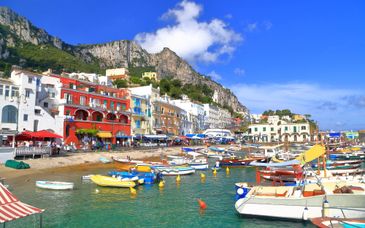
Sorrento's clifftop position gifts visitors with spectacular coastal paths that combine fresh sea air, panoramic views and pockets of tranquillity. The walk from the town centre down to Marina Grande—a traditional fishing village—descends through lemon groves and past centuries-old stone walls, arriving at a small harbour lined with colourful boats and waterfront trattorias. Here you can swim from pebbly beaches, rent a kayak, or simply watch fishermen mend their nets while savouring a plate of spaghetti alle vongole. Another rewarding route leads to the Villa Comunale park, perched on the cliff edge with manicured gardens and a belvedere offering unobstructed views of the bay, Vesuvius and the distant islands. For a longer excursion, follow the coastal path west towards Punta del Capo, passing secluded coves and the ruins of a Roman villa. These walks reveal Sorrento's natural beauty beyond the bustling centre, providing peaceful interludes between cultural visits and dining adventures.

The terraced lemon groves that cascade down Sorrento's hillsides produce the plump, aromatic citrus fruit that defines the region's culinary identity. Many family-run farms welcome visitors for guided tours, explaining traditional cultivation methods and the importance of the Sorrento lemon—protected by IGP status—for local cuisine and liqueur production. Tastings of homemade limoncello, the sweet, potent digestif, are a highlight, often accompanied by samples of lemon marmalade, candied peel and lemon-infused olive oil. You'll learn how the thick-skinned fruit is hand-picked, its zest steeped in alcohol, then blended with sugar syrup to create the vibrant yellow liqueur served ice-cold after meals. Some farms offer hands-on experiences: pick your own lemons, participate in a cooking class featuring lemon risotto or delizia al limone, and stroll through shaded groves where the scent of citrus blossom perfumes the air. These immersive encounters connect you to Sorrento's agricultural heritage and provide delicious souvenirs to take home.
Sorrento rewards culture enthusiasts with a handful of engaging museums and historic sites. The Museo Correale di Terranova occupies an aristocratic villa surrounded by gardens, displaying an eclectic collection of Neapolitan paintings, porcelain, clocks and archaeological finds that trace the region's artistic evolution. Smaller but equally charming, the Museo Bottega della Tarsia Lignea showcases the town's marquetry tradition through antique furniture, decorative panels and contemporary pieces that demonstrate the enduring skill of local artisans. The nearby Vallone dei Mulini—a verdant ravine crossed by ancient stone bridges—offers a quiet retreat where abandoned mills and lush vegetation create an atmospheric backdrop for photography and contemplation. For a dose of spirituality, visit the Chiostro di San Francesco, a fourteenth-century cloister with Moorish arches and a peaceful courtyard that hosts classical concerts during summer evenings. These cultural stops enrich your understanding of Sorrento's layered history and artistic legacy.
A short ferry ride transports you to Capri, the glamorous island beloved by emperors, writers and celebrities. Disembark at Marina Grande, then ride the funicular up to Capri town, where the famous Piazzetta serves as the social hub—sip an espresso at a pavement café and watch the world go by. Wander the designer boutiques of Via Camerelle, visit the Gardens of Augustus for jaw-dropping views of the Faraglioni rock formations, and stroll down the winding Via Krupp if open. Take a bus or chairlift to Anacapri, the quieter hilltop town, where you can ascend Monte Solaro by chairlift for panoramic vistas, explore the Villa San Michele, or hike to the lighthouse at Punta Carena. Don't miss the chance to cruise to the Blue Grotto, a sea cave illuminated by ethereal blue light—though weather and sea conditions determine access. Return to Sorrento in the late afternoon, sun-kissed and satisfied.
The Amalfi Coast road ranks among the world's most scenic—and nerve-wracking—drives, hugging cliffs high above the Mediterranean. Join a guided coach tour or hire a private driver to navigate the hairpin bends while you focus on the views. First stop: Positano, a vertical village of pastel houses tumbling down to a pebbly beach. Descend the stepped lanes to browse boutiques selling handmade sandals and linen resort wear, then pause for lunch overlooking the sea. Continue east to Amalfi town, dominated by its magnificent cathedral with Arab-Norman architecture and a glittering mosaic facade. Explore the medieval lanes, visit the Chiostro del Paradiso, and sample sfogliatella pastries at a historic café. Climb inland to Ravello, perched high above the coast, where the gardens of Villa Rufolo and Villa Cimbrone offer some of the most breathtaking panoramas in Italy. Return to Sorrento as twilight softens the cliffs, carrying memories of vertiginous beauty.

No visit to the Sorrento area is complete without confronting the ghosts of Pompeii, the Roman city frozen in time by Vesuvius's catastrophic eruption in AD 79. Reach the site via the Circumvesuviana train or a guided tour bus, then spend several hours walking streets lined with bakeries, brothels, villas and public baths. Marvel at vivid frescoes, intricate mosaics and plaster casts of victims caught in their final moments—a haunting testament to the volcano's fury. Hire an audio guide or join a small-group tour to understand the site's historical context and daily life in ancient Rome. For a quieter, more intimate experience, visit Herculaneum, a smaller settlement buried under deeper volcanic mud that preserved wooden beams, furniture and even food. The ruins here are more compact, less crowded, and offer extraordinary detail, including intact mosaics and frescoes. Both sites provide sobering yet fascinating encounters with the past, set against the ever-present silhouette of Mount Vesuvius looming on the horizon.
For a change of pace, ferry services from Sorrento connect to the volcanic island of Ischia, renowned for its thermal springs, lush gardens and dramatic landscapes. Spend the day soaking in natural hot pools, exploring the medieval Castello Aragonese, or hiking the trails on Monte Epomeo for sweeping views. The island's laid-back atmosphere and therapeutic waters make it a perfect antidote to sightseeing fatigue. Nearby Procida, the smallest and least developed of the Bay of Naples islands, charms visitors with its pastel harbour, quiet beaches and authentic fishing-village vibe. Wander the tangled lanes of Terra Murata, the fortified old town, or relax on the crescent beach of Chiaiolella. Both islands reward travellers seeking tranquillity, natural beauty and a glimpse of island life unchanged by mass tourism. Return ferries run throughout the day, allowing flexible schedules and the option to combine both islands in a single trip.
Most international visitors fly into Naples Capodichino airport, located about 50 kilometres from Sorrento. From the airport, you can take a direct Curreri shuttle bus—journey time approximately 75 minutes—or hire a private transfer for door-to-door convenience. Alternatively, catch a taxi or bus to Naples Centrale railway station, then board the Circumvesuviana train towards Sorrento—the scenic route takes roughly an hour and passes through suburban sprawl before reaching the coast. Ferries and hydrofoils also link Sorrento to Naples, Capri, Positano, Amalfi and Ischia, with services running frequently from spring through autumn but reduced in winter. If arriving from Rome, consider the high-speed train to Naples, then connect via Circumvesuviana or private transfer. Once in Sorrento, the compact centre is walkable, and local buses or taxis handle trips to outlying areas.
Spring—April through early June—and autumn—September through October—offer the ideal conditions for a Sorrento city break. During these shoulder seasons, temperatures hover between 18 and 25 degrees Celsius, sunshine is abundant, and crowds thin compared to the July–August peak. Hotels and restaurants remain open but feel less frenetic, ferry schedules are still robust, and day trips to Capri or the Amalfi Coast become more enjoyable without the summer throngs. Spring brings wildflowers and citrus blossom, while autumn rewards visitors with harvest festivals and mellower light perfect for photography. Winter—November through March—sees quieter streets, lower prices and mild but unpredictable weather; some hotels, restaurants and ferry services close, though the town retains its charm and cultural sites remain accessible. Summer guarantees sunshine and buzzing nightlife but also intense heat, packed beaches and inflated prices, making advance booking essential.
Sorrento's historic centre is compact and pedestrian-friendly, so walking suffices for most sightseeing. For trips beyond the centre—Marina Grande, Punta del Capo, or nearby beaches—local SITA buses run regularly and tickets cost just a few euros. Taxis wait at designated ranks near Piazza Tasso and the train station; agree on a fare before departure or ensure the meter is running. For exploring the Amalfi Coast independently, hiring a scooter or car offers freedom but demands confidence navigating narrow, winding roads with aggressive drivers and limited parking. Many visitors prefer guided tours or private drivers to eliminate stress and maximise sightseeing time. Ferries and hydrofoils provide the most scenic and relaxing way to reach Capri, Positano and other coastal destinations, with tickets available at the harbour or online. Plan your transport in advance during peak season to avoid sold-out services or long queues.

Sorrento and the surrounding region celebrate simple, sun-drenched flavours: fresh seafood, ripe tomatoes, fragrant basil, buffalo mozzarella and, of course, lemons. Start your day with a sfogliatella or cornetto at a local pasticceria, washed down with a strong espresso. Lunch might feature spaghetti alle vongole, frittura di paranza, or a caprese salad drizzled with local olive oil. For dinner, seek out family-run trattorias away from the main tourist drag—ask locals for recommendations—and savour handmade gnocchi alla sorrentina, grilled swordfish, or wood-fired pizza topped with San Marzano tomatoes and fior di latte. Finish with a scoop of lemon gelato or delizia al limone, a lemon-sponge dessert soaked in limoncello cream. Reserve ahead during high season, especially for waterfront tables in Marina Grande or restaurants with panoramic terraces. Don't forget to sample local wines—Falanghina, Greco di Tufo and Lacryma Christi—and take home bottles of limoncello, olive oil and dried pasta as edible souvenirs.
Pack light, breathable clothing for warm days—linen trousers, cotton dresses, shorts—and layers for cooler evenings or air-conditioned restaurants. Comfortable walking shoes are non-negotiable: Sorrento's cobbled streets, clifftop paths and archaeological sites demand sturdy footwear. Bring a sunhat, sunglasses and high-SPF sunscreen to protect against intense Mediterranean sun, plus a swimsuit for hotel pools or beach dips. A light jacket or pashmina proves useful for ferry rides or evening breezes. If visiting churches or religious sites, ensure shoulders and knees are covered. Smart-casual attire suffices for most restaurants, though a few upscale venues appreciate a dressier look. Don't forget a reusable water bottle, a small daypack for excursions, and a universal plug adapter. Leave room in your luggage for souvenirs—ceramics, limoncello, sandals—and consider packing a foldable tote for market finds and beach essentials.
Sorrento cuisine revolves around fresh, local ingredients and recipes handed down through generations. The signature dish, gnocchi alla sorrentina, combines pillowy potato dumplings with tomato sauce, basil and melted mozzarella, baked until bubbling. Seafood dominates menus: grilled octopus, stuffed squid, anchovy fritters and the ubiquitous spaghetti alle vongole showcase the day's catch. Caprese salad—ripe tomatoes, creamy buffalo mozzarella, fresh basil and olive oil—tastes revelatory when made with sun-ripened produce from nearby farms. Parmigiana di melanzane, layers of fried aubergine, tomato and cheese, appears as a starter or side dish. For a lighter bite, try a panino filled with prosciutto, provolone and sun-dried tomatoes. Many trattorias offer tasting menus that let you sample multiple classics in one sitting, accompanied by local wines and finished with a shot of chilled limoncello. Cooking classes provide hands-on opportunities to master these dishes, offering recipes and techniques to recreate Sorrento flavours at home.
No visit to Sorrento is complete without savouring limoncello, the vibrant lemon liqueur served ice-cold as a digestif. Produced from the zest of Sorrento lemons, pure alcohol and sugar, it delivers a sweet, intensely citrus punch that cleanses the palate after rich meals. Many families guard secret recipes, and artisan producers offer tastings where you can compare homemade versions to commercial brands. Beyond limoncello, the region boasts excellent wines: crisp white Falanghina pairs beautifully with seafood, while Greco di Tufo offers mineral notes and bright acidity. Lacryma Christi, grown on the volcanic slopes of Vesuvius, produces both white and red versions with distinctive terroir. For something unusual, try Aglianico, a robust red that ages gracefully, or Fiano di Avellino, a complex white with honey and almond nuances. Wine bars and enoteche throughout Sorrento offer flights and guided tastings, introducing you to lesser-known labels and helping you select bottles to bring home.
Sorrento's weekly market, held Thursday mornings near the train station, bursts with colourful stalls selling fresh produce, cheeses, cured meats, olives and local specialties. Wander the aisles to sample sun-dried tomatoes, taste aged provolone, and haggle gently for ceramics and linens. Smaller food shops throughout the historic centre stock artisan pasta, jarred preserves, and vacuum-packed mozzarella perfect for packing in your suitcase. For a deeper dive into the region's culinary culture, join a guided food tour that combines market visits with tastings at family-run bakeries, salumerie and gelato shops. Many tours include a cooking demonstration or hands-on lesson, teaching you to make fresh pasta, pizza dough or traditional desserts. These experiences connect you with local producers, reveal the stories behind regional ingredients, and provide insider tips on where to eat and what to order. Return home with recipes, techniques and a suitcase full of edible treasures.
Choosing your base in Sorrento depends on priorities. The historic town centre—around Piazza Tasso and the pedestrian lanes—offers proximity to restaurants, shops, cultural sites and transport hubs. You'll enjoy lively evening ambience, easy access to amenities, and a wide range of accommodation from boutique relais to larger hotels. The trade-off is occasional noise and fewer sea views, though many properties feature rooftop terraces with bay panoramas. Marina Grande, the old fishing village at the base of the cliffs, provides a quieter, more authentic experience with waterfront trattorias, small beaches and a village atmosphere. Staying here means climbing steep steps or taking a shuttle to reach the town centre, but rewards you with direct sea access and a slower pace. Some hotels occupy clifftop positions between the two, offering the best of both worlds: views, gardens and pools with relatively short walks to the centre. Consider your mobility, priorities—culture versus relaxation—and whether you prefer being in the heart of the action or retreating to a peaceful enclave.
Budget travellers can find clean, comfortable guesthouses and B&Bs in Sorrento from around €60–100 per night, often including breakfast and a warm welcome from family owners. These properties may lack pools or sea views but provide excellent value and insider tips on local haunts. Mid-range hotels—€100–200 per night—typically offer more amenities: pools, terraces, on-site restaurants, and prime locations near the centre or waterfront. Many occupy historic buildings with traditional tilework, vaulted ceilings and charming courtyards. At the luxury end, five-star hotels and boutique retreats command €300 and upwards, delivering clifftop infinity pools, Michelin-starred dining, spa facilities, private beach clubs and impeccable service. These properties cater to honeymooners and discerning travellers seeking indulgence and exclusivity. Whichever tier you choose, booking through curated platforms can unlock significant savings, exclusive packages and added perks—spa credits, room upgrades, included excursions—that elevate your city break without breaking the bank.
Sorrento stands as the perfect gateway to southern Italy's most celebrated treasures, blending clifftop elegance, authentic cuisine and easy access to Capri, Pompeii and the Amalfi Coast. Whether you're stealing away for a romantic weekend, embarking on a family adventure, or dedicating a week to exploring the region's layers of history and natural beauty, this charming town delivers unforgettable experiences at every turn. Register today to discover handpicked hotels, exclusive packages and curated itineraries that transform your Sorrento city break into a journey of Mediterranean magic you'll treasure long after the limoncello has been savoured and the last sunset admired.
A minimum of two full days allows you to explore the town centre, enjoy a limoncello tasting, and take one major day trip to Capri or Pompeii. Three to four days lets you add the Amalfi Coast drive and a second island or archaeological site. A week transforms Sorrento into a luxurious base for deeper exploration—Ischia, Ravello, cooking classes and leisurely coastal walks—without the stress of constant hotel changes.
Spring (April to early June) and autumn (September to October) offer ideal conditions: mild temperatures, fewer crowds, abundant sunshine and full ferry schedules. Summer guarantees warmth and buzzing nightlife but brings peak prices and packed beaches. Winter sees quieter streets and lower rates, though some services close and weather can be unpredictable. Shoulder seasons deliver the best balance of comfort, value and accessibility.
Direct shuttle buses run from Naples Capodichino airport to Sorrento in approximately 75 minutes; book online or at the airport. Alternatively, take a taxi or bus to Naples Centrale station, then board the Circumvesuviana train towards Sorrento (one-hour journey). Private transfers offer door-to-door convenience. Ferries from Naples port provide a scenic option during warmer months, though they require reaching the harbour first.
Absolutely. Sorrento's excellent transport links—ferries, buses, private drivers—make it easier to reach Positano, Amalfi and Ravello than staying in those towns themselves. You avoid narrow coastal roads, limited parking and higher accommodation costs, while still enjoying daily access to the coast's highlights. The town's infrastructure, dining variety and relaxed pace provide a comfortable home base for multi-day exploration.
Sample gnocchi alla sorrentina, spaghetti alle vongole, fresh caprese salad, and delizia al limone for dessert. Don't miss limoncello tastings at family-run groves, wood-fired Neapolitan pizza, and seafood grilled or fried at Marina Grande trattorias. Local cheeses—buffalo mozzarella, provolone—and sun-dried tomatoes make excellent souvenirs. Pair meals with regional wines like Falanghina or Greco di Tufo for an authentic culinary experience.
Technically possible but rushed and exhausting. Morning ferries to Capri allow three to four hours on the island; return by early afternoon, then catch a train to Pompeii for a quick two-hour visit before closing. You'll sacrifice depth for coverage and miss the magic of lingering. Better to dedicate separate days to each destination, or choose one and explore it thoroughly rather than ticking boxes in a blur.
Not necessary. The town centre is walkable, local buses serve nearby areas, and ferries reach islands and coastal towns. Renting a car for the Amalfi Coast drive offers freedom but demands confidence on narrow, winding roads with aggressive drivers and scarce parking. Most visitors find guided tours, private drivers or public transport less stressful and more enjoyable, allowing them to admire views rather than white-knuckling the wheel.
Bring comfortable walking shoes for cobbled streets and archaeological sites, light breathable clothing, sunhat, sunglasses and high-SPF sunscreen. Pack layers for cooler evenings, a swimsuit for pools or beaches, and modest attire for churches. Include a reusable water bottle, daypack for excursions, universal plug adapter and space in your luggage for souvenirs—ceramics, limoncello, handmade sandals and local delicacies make wonderful mementos of your trip.
Yes. The town's pedestrian-friendly centre, safe beaches at Marina Grande, and variety of boat trips keep children entertained. Many restaurants welcome families, offering simple pasta and pizza dishes. Day trips to Pompeii and Capri fascinate older kids, while younger ones enjoy ferry rides and gelato stops. Choose accommodation with pools and family rooms, and plan a relaxed pace with downtime between excursions to avoid meltdowns and exhaustion.
Sorrento offers better transport links, a compact walkable centre, wider accommodation and dining choice, and a more relaxed, less touristy atmosphere. Positano delivers postcard-perfect vertical scenery, boutique shopping and beachfront glamour but suffers from steep steps, limited parking, higher prices and summer crowds. For a practical base with easy access to the wider region, Sorrento wins; for romantic, Instagrammable beauty and a splurge-worthy escape, Positano excels.