
New
Exclusive

Our offers
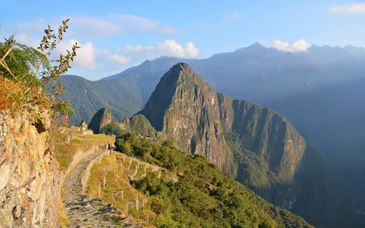
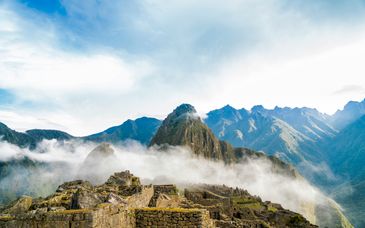

Table of contents
Stretching from Pacific coastlines through towering Andean peaks to dense Amazon rainforests, Peru encompasses extraordinary geographical diversity that supported sophisticated pre-Columbian civilisations. Their archaeological treasures continue to reveal advanced engineering, astronomical knowledge, and artistic achievements that challenge conventional understanding of ancient American societies. This remarkable South American nation preserves the most extensive Inca heritage sites alongside numerous pre-Inca cultures, including Nazca, Moche, and Chachapoya civilisations. These created monumental architecture, intricate textiles, and sophisticated urban planning that demonstrates millennia of continuous cultural development across diverse ecological zones. The country’s three distinct geographical regions—coastal desert, Andean highlands, and Amazon basin—created unique environmental conditions that fostered different cultural adaptations, while trade networks connected these regions through complex economic and social relationships.
Modern Peru attracts adventurous travellers seeking authentic cultural experiences through archaeological exploration, indigenous community interactions, and natural environment appreciation. These combine historical education with outdoor adventure activities ranging from high-altitude trekking to rainforest wildlife observation. The nation’s UNESCO World Heritage sites include not only famous Machu Picchu but also colonial cities, archaeological complexes, and natural areas that demonstrate Peru’s significance for both cultural heritage and biodiversity conservation. Professional tour operators provide essential logistical support for navigating altitude changes, remote locations, and complex transport requirements while ensuring responsible tourism practices that benefit local communities and protect fragile archaeological sites and natural environments for future generations.

Experience Peru’s most treasured destinations through this comprehensive private tour, offering two distinct itineraries that showcase the country’s archaeological wonders, colonial heritage, and vibrant indigenous culture. The 7-night Cusco Mythical City tour provides an intimate exploration of Lima’s historic centre, the Sacred Valley’s traditional markets, and the legendary Machu Picchu, while the extended 11-night Southern Andean Treasures journey encompasses additional destinations, including Arequipa’s stunning colonial architecture, the dramatic Colca Canyon, and Lake Titicaca’s fascinating floating islands.
Both itineraries begin in Lima with comprehensive city tours visiting the Presidential Palace, Archbishop’s Palace, and the remarkable Larco Museum, which houses pre-Hispanic gold and silver artefacts. The Sacred Valley experience includes visits to Awanakancha’s textile demonstrations, Pisac’s colourful handicraft markets, and Ollantaytambo’s impressive Inca urban planning, while Machu Picchu tours provide exclusive access to this UNESCO World Heritage Site and New Wonder of the World. Expert-guided experiences reveal the citadel’s engineering marvels and historical significance.
Extended tours venture into Peru’s southern regions, exploring Arequipa’s Plaza de Armas and Santa Catalina Monastery before discovering the breathtaking Colca Canyon with its dramatic Condor Cross lookout, offering views of one of the world’s deepest canyons. Lake Titicaca experiences include boat trips to the Uros floating islands, where indigenous communities maintain ancestral traditions on artificial islands built with totora reeds, creating authentic cultural encounters that showcase Peru’s remarkable diversity and heritage preservation.
What we love: The exceptional flexibility of choosing between 7-night and 11-night itineraries, combined with comprehensive cultural experiences, expert English-speaking guides throughout, comfortable accommodation in Standard or Superior category hotels, and inclusive private transfers that ensure seamless exploration of Peru’s most iconic destinations, from Machu Picchu to the Sacred Valley and beyond.

Embark on Peru’s ultimate discovery adventure through thoughtfully crafted itineraries exploring the country’s archaeological treasures, natural wonders, and cultural heritage by air, sea, and land across either 7 or 14 nights. The comprehensive journey unveils the mysterious Nazca Lines etched into desert sands, the wildlife-rich Ballestas Islands known as ‘Little Galápagos’, and the dramatic landscapes of Paracas National Reserve, while providing intimate encounters with ancient civilisations through Machu Picchu’s breathtaking citadel and the Sacred Valley’s living traditions.
Lima’s colonial splendour unfolds through guided tours of the historic centre, Presidential Palace, and the exceptional Larco Museum, showcasing pre-Columbian gold and silver collections, before adventures continue to the mysterious Nazca Lines. Here, aerial perspectives reveal ancient geoglyphs, including spiders, condors, and monkeys. The extended 14-night itinerary incorporates Arequipa’s baroque architecture, the spectacular Colca Canyon with its soaring condors, and Lake Titicaca’s floating Uros islands, where indigenous communities demonstrate traditional totora reed construction techniques.
Machu Picchu experiences reach their pinnacle through train journeys to Aguas Calientes, followed by comprehensive guided tours revealing the citadel’s engineering masterpiece and historical significance as Inca ruler Pachacuti’s sanctuary. Optional adventures include Rainbow Mountain expeditions, showcasing multi-coloured peaks created by mineral deposits, Palccoyo’s peaceful alternative to crowded tourist destinations, and Humantay lagoon treks through stunning Andean landscapes that provide authentic encounters with Peru’s natural magnificence.
What we love: The exceptional choice of Standard, Superior, or Boutique category accommodation (7-night tours), comprehensive exploration by air, sea, and land, including Nazca Lines flights and Ballestas Islands boat trips, expert English-speaking guides providing cultural insights, and extensive optional excursions featuring Rainbow Mountains and archaeological sites that enhance Peru’s remarkable diversity.

Discover Peru’s extraordinary cultural heritage and natural beauty through this exceptional private tour, offering two magnificent itineraries that span from 7 to 14 nights, encompassing the country’s most treasured archaeological sites, colonial cities, and breathtaking landscapes. The intimate Mythical City of Cusco tour focuses on the ancient Inca capital, Sacred Valley traditions, and Machu Picchu’s legendary citadel, while the comprehensive Grand Peruvian South journey expands to include the wildlife-rich Ballestas Islands, mysterious Nazca Lines, dramatic Colca Canyon, and the indigenous communities of Lake Titicaca.
Cultural immersion begins in Lima with guided explorations of the historic centre’s Presidential Palace and Archbishop’s Palace, followed by visits to Saint Francis’s Church with its fascinating catacombs and the renowned Larco Museum, housing Peru’s most complete pre-Hispanic gold and silver collection. Sacred Valley experiences showcase traditional weaving techniques at Awanakancha, vibrant handicraft markets in Pisac, and Ollantaytambo’s remarkable Inca urban planning that continues to influence modern residents living according to ancestral traditions.
The extended Grand Peruvian South adventure ventures into Peru’s diverse regions, including Paracas National Reserve’s dramatic coastline, Arequipa’s stunning colonial architecture and Santa Catalina Monastery, and the awe-inspiring Colca Canyon with its massive condors soaring over landscapes twice as deep as the Grand Canyon. Lake Titicaca’s floating Uros islands provide authentic cultural encounters with indigenous communities maintaining traditional lifestyles on artificial islands constructed entirely from totora reeds, while optional Rainbow Mountain excursions reveal nature’s spectacular mineral-created colours across lavender, turquoise, and terracotta peaks.
What we love: The comprehensive choice between intimate 7-night and extensive 14-night itineraries, Standard or Superior category hotel accommodation throughout, shared tourist bus transfers with English-Spanish-speaking guides on extended journeys, second-class Machu Picchu train tickets providing scenic Andean views, and optional Rainbow Mountain excursions showcasing Peru’s natural wonders beyond archaeological treasures.

Combine Peru’s archaeological wonders with pristine Amazon rainforest exploration through this remarkable 7-night tour featuring an optional 2-night Amazon extension that showcases the country’s incredible biodiversity alongside its cultural treasures. The adventure encompasses mysterious Nazca Lines flights, wildlife-rich Ballestas Islands boat tours, ancient Inca sites, including the legendary Machu Picchu, and immersive Amazon experiences featuring jaguars, giant otters, and vibrant macaws in their natural habitat through expert-guided jungle expeditions.
Archaeological discoveries begin with scenic flights over the enigmatic Nazca Lines, revealing ancient geoglyphs, including spiders, hummingbirds, and monkeys etched into desert landscapes, while Ballestas Islands boat tours showcase Peru’s ‘Little Galápagos’, teeming with sea lions, Humboldt penguins, and diverse bird species. Cusco’s ancient Inca capital provides access to the Sacred Valley’s traditional markets and Machu Picchu’s breathtaking citadel through scenic train journeys and comprehensive guided tours revealing the site’s engineering marvels and historical significance.
Amazon rainforest extensions transport adventurers deep into pristine wilderness through boat journeys along the Madre de Dios River to eco-lodges providing authentic jungle experiences. Expert naturalist guides lead forest walks, revealing extraordinary biodiversity, including jaguars, tapirs, howler monkeys, and over 600 bird species, while Monkey Island visits offer close encounters with black spider monkeys and South American coatis. Cocha Cayman lagoon expeditions provide opportunities to observe black and white caimans during spectacular sunset experiences that showcase the Amazon’s untouched natural beauty.
What we love: The unique combination of archaeological exploration and Amazon biodiversity through flexible 7-night or 9-night options, comprehensive inclusions featuring Nazca Lines flights and Ballestas Islands boat tours, luxury train services to Machu Picchu in Vistadome categories, authentic Amazon eco-lodge experiences with expert naturalist guides, and extensive optional excursions, including Vinicunca Rainbow Mountains and Devil’s Balcony adventures.
Machu Picchu represents the pinnacle of Inca architectural achievement through precisely fitted stone construction, sophisticated drainage systems, and astronomical alignments that demonstrate advanced engineering knowledge while creating harmonious integration between monumental architecture and dramatic mountain landscape. This extraordinary archaeological site, perched at 2,430 metres above sea level on a narrow ridge between towering peaks, remained hidden from Spanish conquistadors and was largely unknown to the outside world until American historian Hiram Bingham’s 1911 expedition brought international attention to its remarkable preservation. Professional guided tours provide essential interpretation of the complex site layout, architectural features, and historical significance while managing visitor flow through advance booking requirements and daily entrance limitations designed to protect fragile stone structures from excessive tourism impact.
The Sacred Valley encompasses numerous important Inca sites, including Ollantaytambo fortress, Pisac archaeological complex, and traditional villages where Quechua-speaking communities maintain agricultural terraces, weaving traditions, and cultural practices that provide living connections to ancient Inca heritage. These comprehensive valley tours typically combine major archaeological sites with community visits that demonstrate traditional farming techniques, textile production, and cultural ceremonies that survived Spanish colonial suppression through geographic isolation and cultural resilience. Professional guides explain agricultural innovations, including sophisticated irrigation systems, crop diversification strategies, and altitude-adapted farming techniques that enabled Inca civilisation to support large populations across diverse ecological zones through sustainable resource management.
Railway access to Aguas Calientes provides a scenic journey through cloud forest environments, where subtropical vegetation creates dramatic landscape transitions from high-altitude agricultural terraces to lower-elevation rainforest ecosystems that demonstrate Peru’s extraordinary biodiversity. The train journey itself becomes a cultural experience through panoramic windows that reveal changing landscapes, while onboard services provide orientation to Inca history and regional ecology that enhances visitor preparation for Machu Picchu exploration. Alternative trekking routes, including the famous Inca Trail, require advance permits and physical preparation while providing immersive experiences through ancient pathways, archaeological sites, and camping experiences that recreate historical pilgrimage journeys to this sacred Inca citadel.

The Classic Inca Trail represents Peru’s most famous trekking experience through four-day guided expeditions that follow original Inca stone pathways across mountain passes exceeding 4,200 metres elevation while visiting numerous archaeological sites that demonstrate the extensive road network connecting Machu Picchu with broader Inca territory. This challenging trek requires significant physical preparation for high-altitude hiking, while government regulations limit daily departures to 500 people, including guides and porters, necessitating advance booking often six months ahead during peak season periods. Professional trekking companies provide comprehensive support, including porters, camping equipment, and experienced guides who ensure safety while explaining the archaeological significance of waypoint sites and ecological features encountered throughout the mountain journey.
Alternative trekking routes offer diverse experiences for different fitness levels and interests, including the Salkantay Trek that combines high-altitude mountain scenery with cloud forest descents, the Choquequirao Trek that visits remote archaeological sites with minimal tourist crowds, and shorter day hikes that provide spectacular Andean scenery without multi-day camping commitments. These alternative routes often feature superior wildlife viewing opportunities, traditional community interactions, and archaeological sites that receive fewer visitors than the classic Inca Trail while providing equally stunning mountain scenery and cultural insights into highland Peruvian life. Professional outfitters ensure proper acclimatisation schedules, emergency communication systems, and environmental protection protocols that minimise trekking impact while maximising safety and cultural authenticity.
High-altitude preparation requires gradual acclimatisation through staged ascents and proper hydration while understanding altitude sickness symptoms and prevention strategies that enable safe mountain travel above 3,500 metres elevation, where reduced oxygen levels affect most sea-level residents. Professional trekking guides monitor group health while providing coca tea, rest schedules, and emergency evacuation procedures that ensure participant safety during challenging mountain conditions. These comprehensive mountain experiences combine physical challenge with cultural education through visits to traditional villages, agricultural terraces, and ceremonial sites that demonstrate continuing Quechua cultural practices and highland adaptation strategies developed over centuries of mountain living.
Peru’s Amazon region encompasses over 60% of national territory through pristine rainforest that harbours extraordinary biodiversity, including thousands of plant species, hundreds of bird varieties, and numerous endemic animals that make this region one of Earth’s most important biological treasure troves. Professional nature guides lead expeditions into protected areas, including Manu National Park, Tambopata National Reserve, and private conservation concessions, where sustainable ecotourism supports rainforest protection while providing economic alternatives to logging, mining, and agricultural conversion that threaten remaining primary forest areas. These wilderness experiences typically combine wildlife observation, botanical education, and indigenous community interactions that demonstrate traditional ecological knowledge and sustainable resource use practices developed through millennia of rainforest habitation.
Jungle lodges provide comfortable accommodation within rainforest environments while minimising ecological impact through renewable energy systems, waste management protocols, and local employment practices that support conservation objectives and community development simultaneously. Daily activities include early morning bird-watching excursions when wildlife activity peaks, afternoon botanical walks that explore medicinal plants and forest ecology, and night tours that reveal nocturnal species, including caimans, owls, and various mammals that avoid daytime activity. Professional naturalist guides possess extensive knowledge of rainforest ecology, animal behaviour, and plant identification while ensuring visitor safety through proper equipment, communication systems, and emergency procedures adapted for remote rainforest conditions.
Indigenous community visits provide authentic cultural experiences through interaction with native groups who maintain traditional lifestyles while adapting to contemporary challenges, including territory protection, cultural preservation, and sustainable development that balances traditional practices with modern necessities. These community-based tourism initiatives often include demonstrations of traditional crafts, medicinal plant preparation, and subsistence activities, including fishing, hunting, and agriculture that demonstrate sophisticated understanding of rainforest ecology and resource management. Professional cultural guides facilitate respectful interactions while ensuring community benefits through fair compensation, cultural sensitivity protocols, and educational exchanges that promote mutual understanding between visitors and indigenous peoples while supporting territorial rights and cultural preservation efforts.
Lima’s historic centre preserves exceptional colonial architecture through UNESCO World Heritage designation that recognises outstanding examples of Spanish colonial urban planning, religious architecture, and civil buildings that demonstrate 16th- through 18th-century construction techniques while revealing social hierarchies and cultural synthesis that characterised colonial Peruvian society. The city’s central plaza, cathedral complex, and surrounding colonial mansions showcase elaborate baroque decoration, intricate wooden balconies, and architectural styles that blend European design principles with local materials and indigenous construction techniques. Professional cultural guides navigate bustling modern city streets while explaining colonial history, architectural evolution, and contemporary cultural developments that maintain strong connections to colonial heritage through religious traditions, culinary customs, and artistic expressions that survived republican transformation and modern urbanisation pressures.
Cusco represents the extraordinary synthesis of Inca foundations with Spanish colonial superstructure through streets where precisely fitted Inca stone walls support colonial buildings, while major plazas occupy sites of ancient ceremonial complexes that demonstrate cultural continuity through architectural layering. The former Inca capital’s colonial churches contain remarkable artistic treasures, including paintings from the Cusco School that developed a distinctive style combining European religious themes with Andean symbolism and indigenous artistic techniques that created a unique colonial American art movement. These comprehensive cultural tours typically include cathedral visits, archaeological site exploration, and traditional neighbourhood walks that reveal how indigenous populations adapted to colonial rule while maintaining cultural practices through religious syncretism, artistic expression, and community organisation that preserved essential elements of pre-Columbian identity.
Arequipa showcases distinctive colonial architecture through volcanic stone construction that creates a unique aesthetic character while its historic centre preserves exceptional examples of mestizo baroque style that demonstrates cultural fusion between Spanish and indigenous artistic traditions. The city’s monastery complexes, particularly Santa Catalina convent, provide immersive colonial experiences through preserved living quarters, religious spaces, and artistic collections that reveal colonial religious life while demonstrating economic and social systems that supported extensive religious institutions. Professional heritage guides explain architectural significance, historical development, and ongoing conservation efforts while providing access to restricted areas and private collections that enhance understanding of colonial society’s complexity and cultural achievement during the Spanish rule period.

Peru’s diverse topography creates exceptional opportunities for adventure tourism through activities ranging from high-altitude mountaineering in the Cordillera Blanca to river rafting on Amazon tributaries, while desert landscapes near Nazca provide sandboarding and dune buggy experiences that demonstrate the country’s remarkable geographical variety within relatively compact territory. Professional adventure tour operators ensure safety through certified guides, proper equipment, and emergency protocols while providing skill instruction and gradual progression that enables participants with varying experience levels to enjoy challenging outdoor activities in spectacular natural settings. These adventure programmes often combine multiple activities within single itineraries that showcase different geographical regions while maintaining focus on safety, environmental responsibility, and cultural sensitivity that respects local communities and protected areas.
White-water rafting expeditions navigate rivers ranging from gentle family-suitable floats through archaeological valleys to challenging Class V rapids that demand advanced skills while providing access to remote areas where traditional communities maintain subsistence lifestyles alongside pristine natural environments. The Urubamba River system offers various difficulty levels, while the Apurímac River provides multi-day expeditions through deep canyons with spectacular scenery and archaeological sites accessible only by river approach. Professional rafting outfitters maintain international safety standards while employing local guides who provide cultural interpretation and ensure positive community relationships that support sustainable tourism development in remote areas dependent on river-based economic activities.
Mountain climbing opportunities include numerous peaks exceeding 6,000 metres elevation within the Cordillera Blanca that provide technical climbing challenges, while lower peaks offer trekking access to spectacular high-altitude scenery, including glaciated summits, alpine lakes, and unique highland ecosystems adapted to extreme altitude conditions. Professional mountaineering services provide comprehensive support, including acclimatisation programmes, technical instruction, and certified guides who ensure safety while facilitating access to some of South America’s most spectacular mountain landscapes. These high-altitude adventures require significant physical preparation and technical skills while providing extraordinary rewards through pristine mountain environments, cultural interactions with highland communities, and personal achievement through challenging outdoor pursuits in spectacular Andean settings.
Peruvian gastronomy reflects extraordinary cultural diversity through indigenous ingredients, Spanish colonial influences, Chinese and Japanese immigration contributions, and African heritage that created fusion cuisine recognised internationally for innovation and complexity while maintaining strong connections to traditional preparation methods and regional specialities. Lima’s emergence as South America’s culinary capital demonstrates how contemporary chefs interpret traditional recipes using modern techniques while preserving authentic flavours and cultural significance through ingredients sourced from diverse ecological regions, including coastal seafood, highland grains, and tropical fruits that provide remarkable variety within national cuisine. Professional culinary tours guide participants through traditional markets, street food vendors, and renowned restaurants while explaining ingredient selection, preparation techniques, and cultural contexts that created distinctive Peruvian flavour profiles and cooking traditions.
Traditional cooking classes provide hands-on experience preparing authentic dishes, including ceviche, anticuchos, and regional specialities, while learning about indigenous ingredients such as quinoa, amaranth, and numerous potato varieties that demonstrate agricultural diversity developed through thousands of years of selective cultivation across different altitude zones. These interactive culinary experiences often include market visits where professional chefs explain ingredient selection, seasonal availability, and quality indicators while demonstrating how traditional knowledge guides contemporary cooking practices that maintain cultural authenticity. Local family cooking experiences provide intimate cultural exchange through meal preparation, family interaction, and traditional recipe sharing that reveals how food customs maintain community bonds and cultural identity across generations.
Regional cuisine variations reflect Peru’s geographical diversity through coastal seafood traditions, highland potato and grain dishes, and Amazon preparations featuring exotic fruits, river fish, and forest products that demonstrate adaptive food cultures developed within specific ecological contexts. Professional food guides navigate regional markets, traditional restaurants, and community celebrations while explaining how climate, agriculture, and cultural history influenced local food preferences and preparation methods that create distinctive regional identities within broader Peruvian culinary tradition. These comprehensive gastronomic explorations often include agricultural visits to farming communities where traditional cultivation methods preserve heirloom varieties while supporting sustainable agriculture that maintains biodiversity and cultural heritage through food production systems connecting contemporary cuisine with ancient agricultural innovations.
Peru’s extraordinary landscape diversity creates exceptional photography opportunities through dramatic mountain vistas, ancient archaeological sites, vibrant indigenous cultures, and pristine natural environments that provide subjects ranging from intimate cultural portraits to sweeping landscape compositions capturing the country’s remarkable visual diversity within single photographic expeditions. Professional photography tours coordinate optimal lighting conditions, exclusive access opportunities, and technical support while ensuring respectful cultural interactions and environmental protection that enable serious photographers to create compelling imagery without compromising ethical responsibilities towards subjects and locations. These specialised tours often feature small group sizes, extended time at prime locations, and expert guidance from photographers familiar with local conditions, cultural sensitivities, and conservation requirements that enhance creative possibilities while maintaining responsible tourism practices.
Golden hour photography at major archaeological sites provides extraordinary lighting conditions that enhance stone architecture while avoiding crowds through early morning and late afternoon access when visitor numbers decrease and atmospheric conditions create dramatic visual effects. Professional photography guides coordinate advance permissions for special access, tripod usage, and extended shooting time while providing technical assistance with challenging lighting conditions, altitude effects on equipment, and cultural protocol requirements for photographing in sacred or sensitive locations. These comprehensive photography experiences often include both archaeological subjects and landscape compositions that demonstrate the relationship between human cultural achievement and natural environmental settings that influenced ancient civilisation development.
Wildlife photography expeditions in Amazon regions provide opportunities for capturing extraordinary biodiversity through patient observation, appropriate equipment, and expert naturalist guidance that maximises encounter opportunities while maintaining ethical distance and behaviour standards that protect animal welfare and natural behaviour patterns. Professional wildlife photography tours feature comfortable accommodation, specialised equipment support, and guides experienced in both animal behaviour and photographic techniques who ensure optimal positioning, lighting awareness, and composition guidance while maintaining conservation priorities that preserve wildlife habitats and support community-based conservation initiatives. These immersive nature photography experiences combine technical instruction with ecological education that enhances both photographic skills and environmental awareness through direct engagement with pristine ecosystems and their remarkable biological diversity.