
New
Exclusive

Our offers


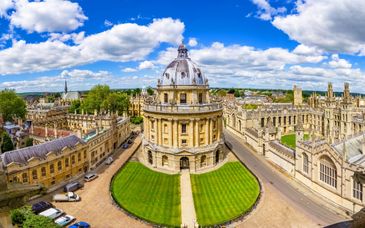
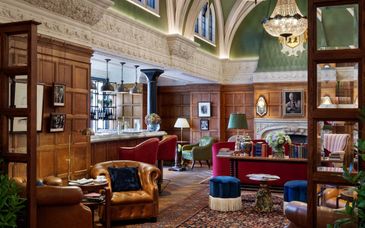
Table of contents
Beyond the honey-stone quads and cobbled lanes lies a destination that effortlessly blends nine centuries of intellectual heritage with the gentle pleasures of riverside strolls, historic pubs and world-class collections. Oxford’s dreaming spires rise above Radcliffe Square, where the iconic Radcliffe Camera commands attention, whilst the Bodleian Library safeguards millions of volumes in hushed reading rooms. Christ Church welcomes visitors to its magnificent Great Hall—familiar to Harry Potter fans—and serene meadow walks, whilst Magdalen College enchants with cloistered gardens and a resident deer park. The compact city centre invites exploration on foot, revealing hidden courtyards, independent bookshops and atmospheric inns at every turn. Punting along the River Cherwell offers a quintessentially English interlude, gliding past weeping willows and college boathouses, whilst the Ashmolean Museum presents treasures spanning millennia. Just beyond the city, Blenheim Palace’s baroque grandeur and the Cotswolds’ picturesque villages extend the experience into the surrounding Oxfordshire countryside. Join Voyage Privé today to unlock exclusive members-only offers on handpicked hotels in Oxford and the surrounding region, ensuring your stay matches the elegance and distinction of this remarkable destination.

Positioned in the heart of Oxford, the Courtyard by Marriott Oxford City Centre 4* places you within moments of the city’s iconic dreaming spires, characterful old pubs and historic colleges. This stylish, contemporary hotel offers modern comfort alongside easy walking access to the Radcliffe Camera, the Bodleian Library and the bustling Covered Market. Guests appreciate the blend of efficient service, well-appointed rooms and a central location that transforms sightseeing into effortless exploration, making it an ideal base for a weekend city break.
What we love: The unbeatable location allows you to step straight into Oxford’s cultural heart, with all major attractions reachable on foot within minutes.

Located just outside the city centre, The Oxford Hotel 4* combines excellent transport links with an impressive range of leisure facilities, including an indoor pool, sauna, steam room and beauty treatments. This hotel suits travellers seeking a more relaxed pace, offering the chance to unwind after a day exploring the colleges and museums. The spacious rooms, convenient parking and family-friendly amenities make it a practical choice for those combining cultural discovery with relaxation and wellness.
What we love: The comprehensive leisure facilities provide a tranquil retreat, perfect for unwinding between days of sightseeing and punting adventures.

Set in the beautiful Cotswolds countryside just a short drive from Oxford, Minster Mill 4* offers an indulgent escape surrounded by blooming wildflowers and tranquil riverside gardens. This charming retreat features individually designed rooms, exceptional dining using locally sourced ingredients and access to the Garden Spa for ultimate relaxation. It’s the perfect choice for those wishing to combine an Oxford city break with the pastoral beauty and village charm of the Cotswolds, providing a peaceful countryside base within easy reach of the city’s attractions and Blenheim Palace.
What we love: The enchanting Cotswolds setting and Garden Spa create a romantic, restorative atmosphere that complements the intellectual energy of nearby Oxford.
Oxford presents a rare combination of accessibility, intimacy and cultural depth that distinguishes it among British city break destinations, offering visitors a chance to walk in the footsteps of scholars, writers and thinkers whilst enjoying contemporary comforts and countryside proximity.
Few cities can rival Oxford’s singular blend of nine centuries of continuous university heritage, architectural magnificence and palpable intellectual atmosphere. The famous dreaming spires punctuate a skyline of honey-coloured college buildings, medieval churches and elegant libraries, creating vistas that have inspired poets and painters for generations. The Radcliffe Camera stands as an iconic rotunda masterpiece, whilst the Bodleian Library ranks among the world’s oldest and most beautiful repositories of knowledge. Christ Church’s Tom Quad and Great Hall evoke centuries of tradition, and the Divinity School’s fan-vaulted ceiling represents Gothic craftsmanship at its zenith. Beyond the grand set pieces, cobbled lanes reveal hidden courtyards, ancient pubs where literary legends gathered, and the gentle rivers Cherwell and Thames that frame the compact, walkable city centre. This fusion of medieval foundations with vibrant contemporary cultural life—museums, concerts, theatre, independent shops—creates an atmosphere both reverent and alive, where history feels immediate and discovery awaits around every corner.
Spring arrives in Oxford with blossom-laden college gardens and the exuberant May Morning celebration, when choristers sing from Magdalen Tower at dawn and the city erupts in festivity; temperatures remain mild and crowds manageable, making April and May particularly appealing for exploration. Summer brings the warmest weather and longest days, ideal for punting and riverside picnics, though July and August see peak tourist numbers and graduation ceremonies that can restrict college access and fill accommodation. Autumn offers comfortable temperatures, fewer visitors and college gardens at their most beautiful, with September and October providing excellent conditions for walking and sightseeing without the summer crush. Winter presents a quieter, more contemplative Oxford, where Christmas markets enliven the streets, cosy historic pubs beckon and attractions remain accessible despite shorter days and occasional rain. Key events include the Oxford Literary Festival in spring and various classical concerts throughout the year; booking college tours and popular attractions in advance proves essential during peak periods, whilst visiting midweek often yields calmer experiences and better availability.
Couples discover Oxford’s romantic appeal through intimate riverside walks along the Cherwell, atmospheric candle-lit dinners in centuries-old inns, private punting excursions gliding beneath trailing willows and boutique accommodation in historic settings—the city’s compact scale and unhurried pace foster connection and shared discovery. Families find abundant engagement through interactive museums like the Ashmolean, Pitt Rivers and Natural History Museum, the thrill of recognising Harry Potter filming locations at Christ Church, safe and walkable streets, riverside parks perfect for picnics and educational experiences that inspire children without overwhelming them. Culture seekers revel in world-class library collections, exceptional art spanning millennia, profound literary heritage tracing Tolkien, Lewis Carroll, C.S. Lewis and the Inklings, plus classical concerts, theatre and intellectual talks that maintain Oxford’s reputation as a centre of learning and creativity. Solo travellers and older visitors appreciate the accessible, enriching environment where public transport, level pavements and concentrated attractions enable independent exploration, whilst the blend of intellectual stimulation and pastoral tranquillity provides both mental engagement and physical relaxation across a memorable short break.
Efficient planning around transport, local movement and budget ensures your Oxford city break unfolds smoothly, allowing you to focus on the colleges, museums and riverside pleasures that define this destination.
Direct train services from London Paddington reach Oxford in approximately one hour, with frequent departures throughout the day making rail the most convenient option for visitors from the capital; the station sits a ten-minute walk from the city centre, and services also connect Oxford to Birmingham, Manchester and other major UK cities. Driving via the M40 motorway takes around 90 minutes from London, though city centre parking proves limited and expensive, with strict restrictions on many streets; instead, five Park & Ride sites—Thornhill, Pear Tree, Redbridge, Seacourt and Water Eaton—encircle the city, offering ample free parking and regular bus services into the centre for a modest fare. London Heathrow stands as the nearest major airport, approximately one hour away by direct coach or taxi, whilst Gatwick, Luton and Birmingham airports also serve the region, with passengers reaching Oxford via coach services or trains through London. Hotels in the city centre rarely include parking, making Park & Ride or public transport the practical choice for motorists, whilst those staying in countryside properties outside Oxford typically enjoy complimentary parking and easy drives into the city or to surrounding Cotswolds villages.
Oxford’s compact historic core makes walking the ideal means of exploration, with most major attractions—Radcliffe Camera, Bodleian Library, Christ Church, Ashmolean Museum, Magdalen College—reachable within a 20-minute stroll, and pedestrianised streets encouraging leisurely discovery of hidden courtyards, bookshops and cafés. Local bus services operated by Oxford Bus Company and Stagecoach provide frequent connections to outer neighbourhoods, Park & Ride sites and attractions like Blenheim Palace in nearby Woodstock, with day tickets offering unlimited travel and good value for those making multiple journeys. Taxis and ride-hailing services prove readily available for late evenings, luggage transport or trips to countryside hotels, though rarely necessary for daytime sightseeing within the city centre. Cycling enjoys popularity on Oxford’s flat terrain, with several bike hire companies offering rentals, dedicated cycle lanes on main routes and college-studded streets that reward two-wheeled exploration; however, the busy city centre and pedestrian zones can challenge inexperienced urban cyclists, making walking the most relaxing option for visitors unfamiliar with the local traffic patterns and etiquette.
A budget-conscious two-night Oxford city break can be achieved for approximately £150–250 per person, covering hostel or budget hotel accommodation, self-catering or casual meals at the Covered Market and pubs, free admission to the Ashmolean and other museums, modest college entry fees and walking-based exploration without paid tours. Mid-range travellers should anticipate £300–500 per person, encompassing a comfortable three- or four-star hotel—often available at exceptional value through exclusive members-only offers—pub lunches and restaurant dinners, paid attractions including Bodleian Library tours and Blenheim Palace admission, punting on the Cherwell and occasional taxis or guided experiences. Premium visitors seeking boutique accommodation, fine dining, private tours, spa facilities, afternoon tea and comprehensive exploration of Oxford and the Cotswolds should budget £600 or more per person for a weekend. Most museums charge no admission, college entry fees range from £5–15, and punting costs approximately £25–30 per person for an hour; booking accommodation through members’ clubs often delivers the best value without compromising quality, ensuring your budget stretches further whilst maintaining the elegance and comfort befitting this distinguished destination.
These carefully designed itineraries balance Oxford’s essential highlights with flexible pacing, allowing you to tailor each day to your interests, energy levels and travel style whilst ensuring no major sight or experience goes overlooked.
Begin at 09:00 in Radcliffe Square, where the iconic Radcliffe Camera commands attention and the Bodleian Library’s historic courtyards invite exploration; spend 30 minutes admiring exteriors and soaking in the atmosphere before walking five minutes to Christ Church, where a two-hour visit encompasses the magnificent Great Hall—inspiration for Harry Potter’s Hogwarts dining room—the intimate cathedral and the serene Christ Church Meadow stretching to the rivers. Lunch around 12:00 at the bustling Covered Market offers artisan sandwiches, pastries and local specialities before an afternoon stroll along Broad Street, browsing the legendary Blackwell’s bookshop and pausing at the Sheldonian Theatre, then dedicating 90 minutes to the Ashmolean Museum’s highlights—Egyptian mummies, Pre-Raphaelite masterpieces and contemporary exhibitions. Late afternoon allows exploration of a college quad, perhaps Balliol or Trinity, followed by a riverside walk to Magdalen College or, time permitting, a brief punt on the Cherwell before concluding with dinner at a characterful pub in Jericho or the city centre; this fast-paced itinerary captures Oxford’s essence whilst acknowledging the limitations of a single day.
Day one commences with a morning Bodleian Library guided tour, providing access to the breathtaking Divinity School and Duke Humfrey’s reading room alongside fascinating insights into the library’s history; follow with exterior appreciation of the Radcliffe Camera before lunch in the city centre or at a riverside café. Afternoon exploration of Christ Church—allowing two hours for the college, hall, cathedral and meadow walk—leads naturally to the confluence of the Cherwell and Thames, where pre-booked punting awaits around 16:00, gliding beneath willows and past college gardens for an hour of quintessential Oxford tranquillity. Evening unfolds at a historic inn such as The Eagle and Child, where Tolkien and C.S. Lewis debated over pints, or the hidden Turf Tavern for traditional fare and local ales. Day two begins at the Ashmolean Museum, dedicating two hours to its world-class collections, before lunch at the Covered Market or a Jericho café introduces the neighbourhood’s independent spirit. Afternoon brings another college visit—Magdalen’s deer park and cloisters enchant, or New College’s chapel and gardens inspire—followed by climbing University Church tower for panoramic spire views, then browsing Broad Street’s bookshops and university shops before afternoon tea or an early dinner, with optional theatre or concert to conclude your stylish weekend break.
Extending your stay to three days allows the two-day itinerary to unfold at a more leisurely pace whilst adding a significant excursion that enriches the Oxford experience beyond the city limits. Day three option A dedicates a half-day to Blenheim Palace, the baroque masterpiece 20 minutes away in Woodstock, where you’ll spend three to four hours exploring the opulent state rooms, Churchill exhibition, formal gardens and sweeping parkland designed by Capability Brown, returning to Oxford for late lunch and a relaxed afternoon at the Pitt Rivers Museum’s eclectic anthropological displays or the adjacent Natural History Museum, followed by a final riverside stroll or shopping in the city centre. Day three option B embraces the Cotswolds, hiring a car or joining a guided tour to visit honey-stone villages like Burford, with its steep high street and antique shops, Bourton-on-the-Water’s riverside greens and model village, and Stow-on-the-Wold’s market square and galleries, returning to Oxford by evening after a full day of pastoral beauty and village charm. Alternatively, spend day three at a slower rhythm: morning at the Botanic Garden—Britain’s oldest, offering seasonal displays and riverside views—followed by leisurely café culture, boutique browsing, a final college visit and perhaps afternoon tea before departure, allowing Oxford’s intellectual atmosphere and architectural grace to settle into memory without rush or pressure.
Prioritising Oxford’s signature experiences and securing tickets early for high-demand attractions ensures your city break captures the destination’s essence whilst avoiding disappointment or wasted time queuing during your short stay.
Christ Church stands as Oxford’s most famous college, where visitors explore Tom Quad’s grandeur, the intimate cathedral blending Norman and Gothic elements and the magnificent Great Hall that inspired Harry Potter’s Hogwarts dining scenes; opening times vary with term schedules and events, making advance online ticket purchase essential. Magdalen College enchants with its deer park, medieval cloisters and riverside walks, whilst New College impresses through its chapel, medieval hall and immaculate gardens; Balliol and Trinity offer accessible quads and fascinating histories. The iconic Radcliffe Camera, Oxford’s most photographed building, houses reading rooms accessible only through Bodleian Library guided tours, which must be booked ahead and provide privileged access to the Divinity School’s fan-vaulted ceiling and Duke Humfrey’s ancient library, where scholars have studied for centuries. The Ashmolean Museum, Britain’s oldest public museum, charges no admission and presents world-class collections spanning Egyptian antiquities, classical sculpture, European paintings including Pre-Raphaelite masterworks and contemporary art across beautifully designed galleries; temporary exhibitions sometimes require timed tickets. Climbing the University Church of St Mary the Virgin tower rewards with panoramic views across the dreaming spires, whilst the Sheldonian Theatre’s cupola offers another elevated perspective; all major colleges restrict access during examinations and private events, confirming availability before visiting prevents frustration.
Punting represents the quintessential Oxford outdoor experience, where visitors pole flat-bottomed boats along the gentle River Cherwell past college gardens, willow-draped banks and meadows grazed by cattle, creating timeless scenes of English summer leisure. Hire a punt from Magdalen Bridge or Cherwell Boathouse between April and September, choosing self-punting for adventure and laughter—mastering the pole technique provides entertainment—or chauffeured trips for relaxed commentary and guaranteed smooth progress; one hour costs approximately £25–30 per person, and booking ahead during peak summer weekends ensures availability. Christ Church Meadow offers the most accessible riverside walking, with level paths leading from the college to the confluence of the Cherwell and Thames, where cattle graze freely and wildflowers bloom across open common land; continue to Iffley Lock for a longer walk, or head north to Port Meadow, an ancient common unchanged for millennia where horses roam and traditional pubs like The Perch provide refreshment. The Botanic Garden, Britain’s oldest scientific garden, founded in 1621, presents seasonal displays from alpines to tropical plants, riverside borders and glasshouses year-round; entry costs a modest fee and offers tranquil escape from the busy streets. These outdoor experiences provide essential counterpoint to museum and college exploration, allowing families to picnic, couples to stroll hand-in-hand and all visitors to appreciate Oxford’s natural beauty and pastoral surroundings that have inspired poets, painters and scholars for generations.
The historic Covered Market, trading since the 1770s, forms the heart of Oxford’s food culture, where independent butchers, fishmongers, bakers and delicatessens cluster beneath a Victorian roof alongside artisan cake shops, pie specialists and casual cafés serving everything from full English breakfasts to international street food; browsing the stalls and sampling local produce provides authentic flavour of the city. Gloucester Green market operates Wednesday through Saturday, offering street food, crafts and seasonal produce in an open-air setting near the bus station. Oxford’s pubs carry profound literary and historical significance: The Eagle and Child on St Giles’ hosted the Inklings—Tolkien, C.S. Lewis and fellow writers—who debated over pints in the 1930s–40s; Turf Tavern hides down a narrow alley, its tiny 13th-century rooms and courtyard garden exuding atmosphere; The Bear claims status as Oxford’s oldest pub, its cosy interior decorated with thousands of tie snippets; The Perch sits beside Port Meadow, offering riverside tables, Sunday roasts and traditional ales. All serve classic pub fare—fish and chips, pies, ploughman’s lunches—alongside local craft beers and ciders. Afternoon tea elevates the Oxford experience through elegant settings: The Randolph Hotel presents classic tiered stands in grand Victorian surroundings, Vaults & Garden Café offers a quirky option in St Mary’s Church crypt with vaulted ceilings and ethical sourcing, Browns provides an Oxford institution’s reliable quality, whilst several hotels with afternoon tea packages deliver excellent value through members’ offers; booking ahead for weekend tea proves essential during peak seasons.
Is Oxford good for a city break?
Yes, Oxford ranks among England’s finest city break destinations, combining world-class history, stunning architecture and a compact, walkable centre ideal for a weekend or long weekend. The city offers iconic university colleges, exceptional museums, riverside charm through punting and an intimate scale that allows comprehensive exploration without feeling rushed. Nearby attractions like Blenheim Palace and the Cotswolds extend the experience into the surrounding countryside, whilst excellent transport links from London and other UK cities ensure easy access. Oxford suits couples seeking romance, families wanting educational engagement and culture enthusiasts pursuing intellectual and artistic enrichment in a setting that has inspired scholars, writers and poets for nine centuries.
How many days in Oxford is enough?
Two days provides sufficient time to explore Oxford’s essential highlights—major colleges, Bodleian Library, Ashmolean Museum, punting and riverside walks—at a comfortable pace without feeling rushed. A single day captures the main sights but requires selective choices and brisk movement, best suited for day-trippers or those combining Oxford with other destinations. Three days allows deeper immersion, adding excursions to Blenheim Palace or Cotswolds villages, visiting additional colleges and museums and enjoying leisurely meals, afternoon tea and evening cultural events. The compact city centre concentrates attractions within walking distance, making even short stays rewarding, whilst longer visits permit relaxation, spontaneous discoveries and a slower rhythm that matches Oxford’s contemplative academic atmosphere.
How to spend three days in Oxford?
Dedicate day one to the city’s core: morning Bodleian Library tour and Radcliffe Camera appreciation, Christ Church exploration including Great Hall and meadow, afternoon Ashmolean Museum visit and evening punting followed by dinner at a historic pub. Day two focuses on additional colleges—Magdalen’s deer park, New College’s chapel—University Church tower climb for panoramic views, Covered Market lunch, afternoon browsing Broad Street bookshops and optional theatre or concert. Day three ventures beyond the city: half-day excursion to Blenheim Palace’s state rooms and gardens, returning for Pitt Rivers Museum and final riverside strolls, or full-day Cotswolds tour visiting Burford, Bourton-on-the-Water and Stow-on-the-Wold before returning to Oxford for farewell dinner. This balance delivers a comprehensive Oxford experience whilst incorporating countryside beauty and architectural splendour beyond the dreaming spires.
Is Oxford city worth visiting?
Oxford absolutely merits visiting for anyone interested in history, architecture, literature or simply beautiful, walkable cities offering rich cultural experiences. The concentration of world-class attractions—ancient colleges, libraries, museums—within an intimate, pedestrian-friendly centre creates exceptional value for time invested, whilst the blend of intellectual atmosphere, riverside tranquillity and contemporary cultural life ensures diverse appeal. Free museum admission, modest college entry fees and accessible public transport make Oxford achievable across budget ranges, whilst the proximity to London, the Cotswolds and Blenheim Palace positions it perfectly for standalone breaks or multi-destination itineraries. Whether exploring solo, as a couple or with family, Oxford delivers memorable experiences combining education, inspiration and relaxation in one of England’s most distinguished and beautiful settings.
What is the best time to visit Oxford?
Late spring—April and May—offers the best combination of mild weather, blossoming college gardens, moderate crowds and events like May Morning celebrations, making it ideal for first-time visitors. Early autumn, particularly September and October, provides comfortable temperatures, fewer tourists and beautiful garden colours without summer’s peak congestion. Summer brings the warmest weather and longest days, perfect for punting and outdoor exploration, though July and August see the highest visitor numbers and graduation ceremonies that can restrict college access. Winter presents a quieter, more contemplative Oxford with festive markets and cosy pubs, though shorter days and rain require flexibility. Visiting midweek rather than at weekends typically ensures calmer attractions and better accommodation availability regardless of season.
Yes, Oxford ranks among England's finest city break destinations, combining world-class history, stunning architecture, and a compact, walkable centre ideal for a weekend or long weekend. The city offers iconic university colleges, exceptional museums, riverside charm through punting, and an intimate scale that allows comprehensive exploration without feeling rushed. Nearby attractions like Blenheim Palace and the Cotswolds extend the experience into the surrounding countryside, whilst excellent transport links from London and other UK cities ensure easy access. Oxford suits couples seeking romance, families wanting educational engagement, and culture enthusiasts pursuing intellectual and artistic enrichment in a setting that has inspired scholars, writers, and poets for nine centuries.
Two days provides sufficient time to explore Oxford's essential highlights—major colleges, Bodleian Library, Ashmolean Museum, punting, and riverside walks—at a comfortable pace without feeling rushed. A single day captures the main sights but requires selective choices and brisk movement, best suited for day-trippers or those combining Oxford with other destinations. Three days allows deeper immersion, adding excursions to Blenheim Palace or Cotswolds villages, visiting additional colleges and museums, and enjoying leisurely meals, afternoon tea, and evening cultural events. The compact city centre concentrates attractions within walking distance, making even short stays rewarding, whilst longer visits permit relaxation, spontaneous discoveries, and a slower rhythm that matches Oxford's contemplative academic atmosphere.
Dedicate day one to the city's core: morning Bodleian Library tour and Radcliffe Camera appreciation, Christ Church exploration including Great Hall and meadow, afternoon Ashmolean Museum visit, and evening punting followed by dinner at a historic pub. Day two focuses on additional colleges—Magdalen's deer park, New College's chapel—University Church tower climb for panoramic views, Covered Market lunch, afternoon browsing Broad Street bookshops, and optional theatre or concert. Day three ventures beyond the city: half-day excursion to Blenheim Palace's state rooms and gardens, returning for Pitt Rivers Museum and final riverside strolls, or full-day Cotswolds tour visiting Burford, Bourton-on-the-Water, and Stow-on-the-Wold before returning to Oxford for farewell dinner. This balance delivers comprehensive Oxford experience whilst incorporating countryside beauty and architectural splendour beyond the dreaming spires.
Oxford absolutely merits visiting for anyone interested in history, architecture, literature, or simply beautiful, walkable cities offering rich cultural experiences. The concentration of world-class attractions—ancient colleges, libraries, museums—within an intimate, pedestrian-friendly centre creates exceptional value for time invested, whilst the blend of intellectual atmosphere, riverside tranquillity, and contemporary cultural life ensures diverse appeal. Free museum admission, modest college entry fees, and accessible public transport make Oxford achievable across budget ranges, whilst the proximity to London, Cotswolds, and Blenheim Palace positions it perfectly for standalone breaks or multi-destination itineraries. Whether exploring solo, as a couple, or with family, Oxford delivers memorable experiences combining education, inspiration, and relaxation in one of England's most distinguished and beautiful settings.
Late spring—April and May—offers the best combination of mild weather, blossoming college gardens, moderate crowds, and events like May Morning celebrations, making it ideal for first-time visitors. Early autumn, particularly September and October, provides comfortable temperatures, fewer tourists, and beautiful garden colours without summer's peak congestion. Summer brings warmest weather and longest days perfect for punting and outdoor exploration, though July and August see highest visitor numbers and graduation ceremonies that can restrict college access. Winter presents a quieter, more contemplative Oxford with festive markets and cosy pubs, though shorter days and rain require flexibility. Visiting midweek rather than weekends typically ensures calmer attractions and better accommodation availability regardless of season.