New
Exclusive






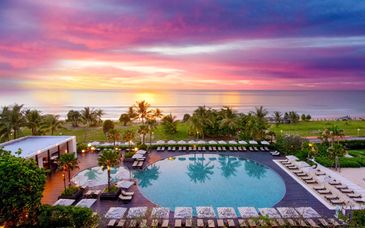


Table of contents
A Mekong river cruise is one of Southeast Asia's most evocative travel experiences, gliding past emerald rice paddies, bustling floating markets and timeless riverside villages. Whether you're drawn to the vibrant Mekong Delta in Vietnam, the cultural treasures of Phnom Penh or the awe-inspiring temples of Angkor Wat in Cambodia, a river journey here combines slow travel, rich heritage and authentic encounters. Join us today to unlock exclusive offers on curated itineraries that pair unforgettable cruises with handpicked hotels across Vietnam and Cambodia.

This 14-night journey combines the best of Vietnam and Cambodia with a luxurious 7-night full-board cruise aboard the Jayavarman. Sail through the Mekong's most iconic highlights, from floating markets to riverside temples, before ending your adventure on Cambodia's stunning coast at Sokha Beach Resort. City stays in Ho Chi Minh City and Phnom Penh bookend your river voyage, offering a complete Indochina experience.
What we love: The seamless blend of cultural immersion, river cruising and beach relaxation in one comprehensive itinerary.

Follow the legendary Mekong from Vietnam into Cambodia on this private tour, visiting the vibrant Cai Rang floating market and the riverside town of Chau Doc before crossing overland to Siem Reap. Multi-centre hotels and seamless transfers ensure comfort throughout, while daily excursions reveal the delta's authentic rhythms and Cambodia's ancient wonders, including Angkor Wat.
What we love: The intimate, private-tour format and the chance to witness daily life along the Mekong at its most authentic.

Explore the energy of Ho Chi Minh City before embarking on a 2-night cruise through the Mekong Delta aboard a floating hotel. Drift past rice paddies, visit local markets and experience the delta's timeless rhythms. Your journey concludes with a relaxing beach stay in Vung Tau or Ho Tram, blending river adventure with coastal serenity in one perfectly balanced itinerary.
What we love: The compact yet comprehensive format, ideal for travellers seeking both cultural discovery and beach downtime.

This flexible tour offers 11 or 14 nights exploring southern Vietnam and Cambodia, with overnight sampan cruises on the Mekong, visits to Phnom Penh and in-depth exploration of Angkor's temple complex in Siem Reap. Optional extensions to the island paradise of Koh Rong allow you to cap your cultural journey with pristine beaches and turquoise waters.
What we love: The authentic sampan experience and the flexibility to extend your adventure to Cambodia's idyllic islands.
The Mekong ranks among Asia's longest rivers, flowing through six countries before emptying into the South China Sea. River cruises focus on the lower stretch between southern Vietnam—the verdant Mekong Delta—and Cambodia, where the river serves as a lifeline for millions. The delta's maze of channels, floating villages and lush rice paddies contrasts with Cambodia's temple-studded plains and the vast Tonlé Sap basin. Key cities anchor these journeys: Ho Chi Minh City acts as the Vietnamese gateway, while Can Tho and Cai Rang showcase delta life at its most vibrant. Across the border, Phnom Penh offers colonial architecture and sobering history, and Siem Reap provides access to Angkor Wat via the Tonlé Sap river and lake. This watery corridor weaves together natural beauty, cultural heritage and the rhythms of rural Southeast Asia in a journey unlike any other.
Mekong river cruises come in two main formats. Short sampan or small-boat excursions—day trips or single overnights—offer an intimate, traditional experience closer to the water, navigating narrow channels and visiting local markets. These are popular in the Mekong Delta, departing from or near Ho Chi Minh City, and suit travellers with limited time or those seeking an authentic slice of delta life. Longer multi-night river ships, by contrast, provide hotel-like comfort: en-suite cabins, dining rooms, sun decks and guided shore excursions. These vessels typically sail for three to seven nights, covering greater distances and crossing the Vietnam–Cambodia border by river. Itineraries often include cultural stops such as Phnom Penh and access to Angkor Wat via Siem Reap. Some packages combine both: a delta sampan segment followed by a longer cruise, as seen in tours like the sampan overnight experiences or the 7-night full-board river ships.
A Mekong river cruise appeals to culture enthusiasts drawn to floating markets, Buddhist temples, colonial architecture and the chance to witness daily riverside life unfolding. Photographers find endless inspiration in dawn markets, golden-hour rice paddies and the silhouette of Angkor Wat at sunrise. Slow-travel advocates value the immersive, unhurried pace—days structured around shore excursions, meals and onboard talks—allowing time to absorb landscapes and connect with local communities. The experience suits couples, solo travellers and small groups seeking authenticity and comfort in equal measure. Mobility is generally good, though some excursions involve steps or uneven paths, and the format welcomes a wide age range. The reward is immersion: waking to river mist, watching village life from the deck and the privilege of crossing borders by water rather than road.
Two- to three-night cruises are popular for travellers with limited time or those combining a river segment with a longer Vietnam itinerary. These sail within the Mekong Delta—departing from or near Ho Chi Minh City—and visit highlights such as Cai Rang or Cai Be floating markets, fruit orchards, brick kilns and traditional villages. Realistic expectations are key: you will not reach Cambodia or Angkor Wat; the focus is delta life, local crafts and the rhythm of the river. Accommodation ranges from floating hotels to small river boats; meals are usually included. These short cruises pair well with city stays or beach extensions, as demonstrated by the 2-night delta cruise and beach stay. Expect early starts for market visits, sampan rides through narrow channels and stops at family workshops producing rice paper and coconut candy.
The classic four- to seven-night Mekong river cruise sails between southern Vietnam and Cambodia, or vice versa. A typical upstream itinerary departs Ho Chi Minh City (or nearby My Tho or Cai Be), visits delta markets and villages, crosses the border at Chau Doc and Kaam Samnor, then continues to Phnom Penh and sometimes onward via the Tonlé Sap to Siem Reap, gateway to Angkor Wat. Downstream routes reverse the journey. Expect daily guided shore excursions—temples, markets, silk farms, local homes—full-board dining, evening talks and comfortable cabins. This duration balances Vietnamese delta culture with Cambodian heritage, including Phnom Penh's Royal Palace and genocide memorial, and often a post-cruise Angkor extension. The 7-night Jayavarman cruise exemplifies this classic format, offering comprehensive immersion without feeling rushed.
Extended itineraries of eight to fourteen nights weave together city exploration, river cruising and beach or island relaxation. These packages often begin in Ho Chi Minh City, include a multi-night Mekong cruise, continue overland to Siem Reap for Angkor Wat, then finish with a coastal or island stay—Vung Tàu, Koh Rong or Sokha Beach. Some add northern Vietnam (Hanoi, Ha Long Bay) or central heritage towns such as Hoi An. The appeal lies in comprehensive, varied experiences that balance cultural immersion with downtime, ideal for first-time visitors to Indochina or those seeking a single, curated journey. Examples include the 11- or 14-night Vietnam and Cambodia tour with optional Koh Rong extension, or the City, River & Beach private tour. These itineraries suit travellers who prefer seamless planning and want to experience multiple facets of Southeast Asia in one trip.
The iconic floating markets of the Mekong Delta—Cai Rang (near Can Tho, the largest and most photogenic), Cai Be (smaller, more artisanal) and the general bustle of river commerce—define the delta experience. Early-morning excursions by small boat immerse you in the daily rhythm: vendors selling fruit, vegetables and noodle soup from their boats, wholesale traders signalling their wares with long poles, and the vibrant interplay of colour and activity on the water. Guides provide context on delta agriculture—rice, coconut, tropical fruit—and visits often include stops at family workshops producing rice paper and coconut candy, as well as riverside homes. The authenticity and importance of an early start cannot be overstated; markets peak at dawn, when the light is soft and the energy electric. Tours such as Along the Mekong Delta to Cambodia feature Cai Rang as a highlight.
Cultural shore excursions extend beyond the delta. In Phnom Penh, typical visits include the Royal Palace and Silver Pagoda, the National Museum (housing Khmer art and sculpture), and the sobering Tuol Sleng Genocide Museum and Killing Fields memorial—essential for understanding Cambodia's recent history. En route, cruises often stop at riverside pagodas, Cham Muslim villages (especially around Chau Doc) and rural communities where you can observe silk weaving, pottery or traditional fishing. These excursions are guided, providing historical and cultural context, and offer genuine interaction with local life—schoolchildren, monks, artisans. Some itineraries include ox-cart rides, village lunches or blessings by Buddhist monks. The Indochina Cities and Cruise tour exemplifies a comprehensive cultural itinerary that balances river life with urban heritage.
Many Mekong river cruises culminate with access to Angkor Wat and the temples of Siem Reap—either as a post-cruise extension or integrated into the itinerary via the Tonlé Sap river and lake. Angkor is a UNESCO World Heritage site and one of the world's most magnificent archaeological complexes; typical visits include sunrise at Angkor Wat, exploration of the Bayon's enigmatic faces and the jungle-clad Ta Prohm. The journey from river to Siem Reap may involve a scenic coach transfer or a continuation by boat on Tonlé Sap, Southeast Asia's largest freshwater lake, passing floating villages. Border crossings are handled smoothly: most cruises manage visas and formalities, with passengers disembarking at Chau Doc (Vietnam) and Kaam Samnor (Cambodia). This seamless access to Angkor is a major draw of longer Mekong itineraries, as seen in the Along the Mekong Delta to Cambodia tour.
Multi-night river ships offer cabin categories ranging from standard twin or double cabins with en-suite bathrooms, air conditioning and river-view windows, to superior or deluxe cabins with more space, better views or small balconies, and occasional suites with separate living areas. Most cruises are full-board—breakfast, lunch, dinner—with a mix of Western and local cuisine served in a single dining room with open seating. Typical onboard services include a sun deck with loungers, a small bar or lounge, daily briefings by the cruise director, occasional cultural performances (traditional dance, music) and sometimes a spa or plunge pool on larger vessels. The atmosphere is relaxed and social, with fellow passengers sharing tables and experiences. Wi-Fi may be limited or absent; the focus is on disconnecting and engaging with the journey. The full-board Jayavarman cruise exemplifies this level of onboard comfort.
Shore excursions are typically included and led by knowledgeable local guides who provide historical, cultural and ecological context. Excursions involve a mix of coach transfers, small-boat rides (sampans or tenders), walking tours and occasional cycling or ox-cart rides. The pace is generally leisurely, but some sites—temples, markets, village paths—require walking on uneven ground, steps or steep gangways. Travellers with limited mobility should check specific itinerary details and inform the operator in advance; most cruise lines can offer adapted excursions or assistance. Excursions are usually in small groups, fostering interaction and questions. The guides' insights bring the Mekong's stories to life, explaining everything from delta agriculture to Khmer history. Tours such as the private tours offer flexibility for those preferring tailored mobility options.
Mekong river cruises are comfortable but not ultra-luxury ocean liners. Cabins are compact, river views are ever-changing but sometimes monotonous (long stretches of flat delta), and the pace is slow—this is the essence of river travel. The experience is intimate; ships carry twenty to sixty passengers, fostering a convivial, small-group atmosphere. Crowding is rare onboard, though popular shore sites (Angkor Wat, Cai Rang market) can be busy in peak season. The climate is warm and humid year-round; air conditioning is standard, but expect heat during excursions. The reward is immersion: waking to river mist, watching village life unfold from the deck and the privilege of crossing borders by water. Travellers seeking fast-paced sightseeing or constant entertainment should consider whether slow travel suits them. The focus is on connection, observation and the timeless rhythms of the Mekong.
A journey along the Mekong is more than a cruise—it is an invitation to slow down, observe and connect with one of Southeast Asia's most storied waterways. From the vibrant floating markets of Vietnam to the temple grandeur of Cambodia, every bend in the river reveals new layers of culture, history and natural beauty. Whether you choose a compact delta escape or an extended voyage culminating at Angkor Wat, the Mekong river cruise promises memories that linger long after you disembark.
The best months to cruise the Mekong are November to February, during the dry season. Weather is cooler, less humid and ideal for sightseeing. March and April are hotter but still navigable. The wet season (May to October) brings higher water levels, lush landscapes and occasional rain; some shallow channels may be inaccessible in dry months, while rain can disrupt excursions in wet season. November to February offers the most stable conditions, making it peak season for mekong river cruise itineraries.
Prices for a Mekong river cruise vary widely. Short two- to three-night delta cruises start around £300–600 per person. Classic four- to seven-night Vietnam–Cambodia cruises range from £1,200 to £3,000+ per person, depending on ship, cabin category, inclusions (flights, hotels, Angkor entry, tips) and season. Peak-season departures and suite upgrades increase costs. Exclusive offers on packaged itineraries can provide excellent value; check current deals for the best rates.
Malaria risk in main Mekong cruise areas—Mekong Delta, Phnom Penh, Siem Reap—is generally low, and many travellers do not take prophylaxis. Consult a travel health clinic or GP six to eight weeks before departure for personalised advice based on your itinerary, season and health history. Other precautions include insect repellent, long sleeves at dawn and dusk, and ensuring routine vaccinations (hepatitis A, typhoid, tetanus) are current.
Mekong river ships often feature large windows or French balconies (floor-to-ceiling glass doors that open) rather than full walk-out balconies, due to vessel width. A balcony or French balcony offers private, unobstructed river views, fresh air and the chance to watch sunrise or daily life from your cabin—worth the upgrade for many travellers. Sun decks are communal and offer excellent views, so a balcony is a luxury rather than necessity.
Pack lightweight, breathable clothing (cotton, linen) in light colours. Long trousers or maxi skirts and sleeved tops are recommended for temple visits and sun or insect protection. Comfortable walking shoes or sandals with grip are essential for excursions. Bring a sun hat, sunglasses and a light scarf or shawl for temples (shoulders and knees should be covered). Evenings onboard are smart-casual; a sundress or trousers and blouse are appropriate. Add a light rain jacket or umbrella if travelling in wet season.