
Our offers
Krakow Tours
Table of contents
Ancient cobblestone streets wind through one of Europe’s most perfectly preserved medieval cities, where Gothic spires pierce the sky above market squares that have witnessed nearly a millennium of history. Kraków stands as Poland’s cultural capital, a living museum where royal castles overlook bustling cafés and centuries-old traditions blend seamlessly with contemporary life. The city’s remarkable survival through wars and political upheavals has left visitors with an authentic glimpse into Central European heritage.
Professional guided tours unlock the layers of Kraków’s complex history, from its golden age as the seat of Polish kings to its role as a centre of learning and resistance during darker periods. Each neighbourhood tells distinct stories, whether through the Jewish quarter’s poignant remnants, the royal castle’s opulent chambers or the underground passages beneath the main square. Tour operators provide expert interpretation that transforms historic stones into vivid narratives of human triumph and tragedy.
The Most Beautiful Kraków Tours with Voyage Privé
1. 4* City Break Kraków & Warsaw
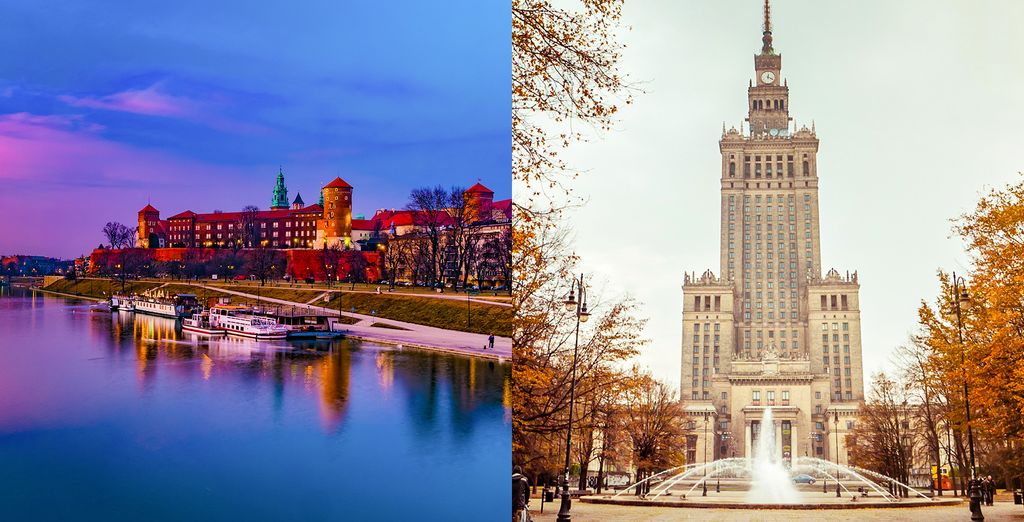

This remarkable dual-city adventure offers travellers the opportunity to discover two of Poland’s most captivating destinations in a single journey. Beginning in Kraków’s postcard-perfect Old Town, complete with its fairy-tale castle overlooking the river and Europe’s largest medieval market square, the tour progresses to Warsaw, Poland’s magnificent capital known as the city of palaces, royal gardens and grand parks.
The carefully curated accommodation includes stays at the characterful Metropolis Design Hotel 4* in Kraków, where guests enjoy ultra-unique rooms with colour-changing Barrisol lamps and designer furniture, alongside the stylish Negresco Bar featuring its own seawater aquarium. In Warsaw, the modern Novotel Warszawa Centrum 4* provides stunning city views just minutes from the Central Train Station, with comprehensive spa facilities including a sauna, fitness centre and jacuzzi.
Both cities transform magnificently during the festive season, when wooden huts adorned with twinkling fairy lights dominate the streets and monumental Christmas trees tower above eclectic market stalls. The tour includes convenient train transfers between cities, allowing travellers to relax while enjoying the scenic Polish countryside during their journey between these two extraordinary destinations.
What we love: The perfect combination of historical grandeur and modern comfort, from Kraków’s medieval charm to Warsaw’s royal elegance, all while staying in exceptional 4-star properties with unique design features and premium amenities throughout the journey.
2. City Break of Kraków & Gda?sk with Train

Experience Poland’s maritime heritage through this exceptional journey connecting the cultural heart of Kraków with the historic Baltic port city of Gda?sk. Gda?sk emerges as one of Europe’s premier city break destinations, thanks to its fascinating blend of Gothic churches standing beside cobbled streets filled with characterful cafés, amber shops and world-class museums, complemented by a modern marina and waterfront lined with romantic boat cruises and upmarket dockside establishments.
The tour offers flexible accommodation options, ranging from the modern Ascot Hotel 3*, positioned just ten minutes from Kraków’s Main Market Square, to the luxurious Metropolis Design Hotel 4* with its colour-themed floors and suspended minibars. In Gda?sk, travellers can choose between the contemporary Novotel Gda?sk Centrum 3* or the maritime-themed Hotel Admiral 4*, both strategically located within walking distance of the Old Town’s most significant attractions.
Gda?sk’s remarkable attractions include the Roads to Freedom Exhibition housed in an underground bunker, the bustling D?ugi Targ market famous for traditional food stalls and amber jewellery, and St Mary’s Church, often cited as the world’s largest old brick church with space for 25,000 people. The 15th-century astronomical clock and the church tower offering unrivalled vistas from 405 steps above the city provide unforgettable highlights for culturally curious travellers.
What we love: The seamless blend of cultural discovery and maritime adventure, experiencing Kraków’s legendary dragon mythology before exploring Gda?sk’s fascinating political history and amber trading heritage, all connected by comfortable train travel through Poland’s scenic countryside.
3. Galaxy Hotel with Optional Excursions 4*

The Galaxy Hotel 4* represents a rare gem in Kraków’s hospitality landscape, combining a prime location near the Old Town with exceptional amenities typically found only in resort destinations. This Certificate of Excellence winner overlooks the Grzegórzki District and Vistula River, boasting stunning city views from its six-storey structure alongside luxurious facilities including a swimming pool, sauna, steam room and comprehensive wellness centre.
Guests enjoy complimentary hop-on hop-off WOW Kraków bus tickets with audio guides covering essential sites like Wawel Castle, the Galicia Jewish Museum and Oskar Schindler’s Factory. The hotel’s Andromeda Alfa restaurant, operated by chef Tomasz Dziura, who has cooked for Prince Charles and Pope John Paul II, serves seasonally changing menus featuring traditional Polish ingredients and flavours, while the first night includes a welcome dinner with a three-course set menu.
Optional excursions enhance the experience significantly, including visits to the UNESCO-listed Wieliczka Salt Mine, the world’s oldest 13th-century working mine featuring underground chapels and salt sculptures, plus the profoundly moving Auschwitz-Birkenau memorial site. These carefully curated additions provide deeper understanding of Poland’s complex history while maintaining the comfort and convenience of returning each evening to the Galaxy Hotel’s tranquil wellness facilities.
What we love: The exceptional combination of luxury city hotel amenities with meaningful cultural experiences, from relaxing in rare urban spa facilities to exploring profound historical sites, all enhanced by expert culinary experiences and convenient sightseeing transportation included in the package.
Old Town and Main Market Square Tours
Europe’s largest medieval market square serves as the beating heart of Kraków, where the magnificent Cloth Hall has hosted merchants and traders since the Renaissance period. Walking tours through the Old Town reveal architectural treasures that span Gothic, Renaissance and Baroque periods, each building representing different chapters in the city’s remarkable story. The UNESCO World Heritage Site encompasses not just individual monuments but an entire urban landscape that remains largely unchanged since medieval times.
St Mary’s Basilica dominates the square with its asymmetrical towers, one of which houses the famous trumpeter who plays the hejna? mariacki every hour. The legend behind this tradition speaks to Kraków’s medieval struggles against invading forces, while the basilica’s interior showcases Veit Stoss’s extraordinary wooden altarpiece, considered one of Gothic art’s finest achievements. Tour guides explain the symbolism embedded in religious art and architecture that many visitors might otherwise overlook.
Underground tours beneath the market square reveal archaeological discoveries that trace Kraków’s development from the 10th century onwards. The Rynek Underground museum displays medieval street layouts, merchant stalls and everyday objects that illustrate how ordinary citizens lived and worked centuries ago. These subterranean explorations provide fascinating contrasts between surface-level grandeur and the practical realities of medieval urban life.

Wawel Castle and Royal Heritage Tours
Perched majestically above the Vistula River, Wawel Castle represents the pinnacle of Polish royal power and artistic achievement. Royal heritage tours guide visitors through state apartments adorned with Renaissance tapestries, medieval armour collections and crown jewels that speak to Poland’s former glory as a major European power. The castle complex encompasses multiple architectural styles, reflecting centuries of royal patronage and artistic evolution.
The cathedral within the castle grounds serves as the coronation site and final resting place of Polish monarchs, saints and national heroes. Sigismund’s Bell, housed in the cathedral tower, rings only during the most significant national celebrations and papal visits. Tours often include access to royal tombs, where elaborate sarcophagi and funeral monuments demonstrate the artistic mastery of Renaissance sculptors and the religious devotion of Polish royalty.
Dragon’s Den tours explore the legendary cave beneath the castle, where, according to folklore, a terrible beast once terrorised the city until defeated by a clever cobbler’s apprentice. The legend intertwines with archaeological evidence of prehistoric settlement, creating a narrative that spans from mythology to documented history. Modern sculptures of the Wawel Dragon breathe fire every few minutes, delighting visitors while commemorating this foundational myth.
Kazimierz Jewish Quarter Tours
The historic Jewish quarter of Kazimierz tells the story of a vibrant community that flourished for centuries before facing near-complete destruction during World War II. Walking tours through these atmospheric streets reveal synagogues, cemeteries and cultural centres that preserve the memory of Polish Jewish life while celebrating contemporary revival efforts. This district has transformed from a neglected area into one of Kraków’s most culturally significant neighbourhoods.
Seven historic synagogues remain from what was once one of Europe’s largest Jewish communities, each representing different periods and denominations of Jewish worship. The Old Synagogue, dating from the 15th century, now houses a museum dedicated to Jewish history and culture in Kraków. The Remuh Synagogue continues to function as an active place of worship, its cemetery containing tombstones of renowned rabbis and scholars who made Kraków a centre of Jewish learning.
Contemporary Kazimierz has experienced a cultural renaissance, with klezmer music venues, Jewish restaurants and cultural festivals celebrating both historical heritage and modern Jewish life in Poland. Tours often include stops at locations used in Steven Spielberg’s *Schindler’s List*, which was filmed extensively in the quarter. These visits provide opportunities to discuss how popular culture shapes historical memory and tourism.
Auschwitz-Birkenau Memorial Tours
Located approximately 70 kilometres from Kraków, the Auschwitz-Birkenau Memorial and Museum preserves the site of Nazi Germany’s largest concentration and extermination camp. These profoundly moving tours provide education about the Holocaust while honouring the memory of over one million victims who perished at this location. Professional guides, many of whom have dedicated their careers to Holocaust education, lead these sensitive explorations with appropriate solemnity and respect.
The main Auschwitz camp displays exhibitions housed in former prisoner barracks, showcasing personal belongings, photographs and documents that illustrate the systematic persecution and murder of Jews, Poles, Roma and other victims. The infamous gate bearing the phrase *Arbeit macht frei* stands as a symbol of Nazi deception and cruelty. Tours include explanations of daily life in the camp, resistance efforts by prisoners and the liberation by Soviet forces in January 1945.
Auschwitz II-Birkenau, the larger section of the camp complex, reveals the full scale of Nazi extermination efforts through preserved railway platforms, destroyed gas chambers and memorials to victims. The site’s vast size helps visitors understand the industrial nature of genocide while personal stories shared by guides ensure that individual human experiences remain central to these educational visits. These tours emphasise the importance of remembrance and vigilance against hatred and discrimination.

Salt Mine Tours in Wieliczka
The medieval salt mines of Wieliczka descend 135 metres underground, revealing a subterranean world of chambers, chapels and sculptures carved entirely from salt. These UNESCO World Heritage mines operated continuously for over 700 years, generating wealth that helped fund Kraków’s golden age. Underground tours navigate approximately 3.5 kilometres of tunnels, showcasing the ingenuity of medieval miners and the artistic achievements of generations of salt carvers.
The Chapel of St Kinga stands as the mines’ most spectacular chamber, featuring altarpieces, chandeliers and religious scenes carved from salt by miners during their spare time. This underground church continues to host weddings, concerts and religious services, demonstrating the living heritage of this unique site. The chapel’s acoustics, shaped by salt walls, create an extraordinary atmosphere for musical performances and spiritual reflection.
Historical mining techniques receive detailed explanation during these tours, from medieval extraction methods to 19th-century industrial innovations. Visitors observe reconstructed mining equipment, transportation systems and living quarters that illustrate the dangerous and demanding life of salt miners. The underground lakes, formed by natural salt dissolution, provide ethereal settings that highlight the ongoing geological processes that created these remarkable chambers.
Food and Traditional Cuisine Tours
Polish culinary traditions come alive through food tours that explore traditional recipes, local ingredients and contemporary interpretations of classic dishes. Kraków’s food scene combines hearty peasant cooking with refined royal cuisine, reflecting the city’s dual role as both a working-class centre and aristocratic capital. Local restaurants, market stalls and specialty food shops provide venues for tasting experiences that educate palates while supporting traditional foodways.
Pierogi preparation workshops often anchor these culinary experiences, teaching visitors to create Poland’s most famous dumplings while sharing stories about regional variations and family traditions. Traditional fillings range from potato and cheese to seasonal fruits, each representing different aspects of Polish agricultural heritage. Local grandmothers sometimes lead these sessions, sharing techniques passed down through generations alongside stories about food’s role in Polish family life.
Vodka tasting tours explore Poland’s national spirit through visits to traditional bars called *mleczny bar* and contemporary distilleries that create premium expressions of this historic beverage. Participants learn about distillation techniques, flavouring traditions and the cultural significance of vodka in Polish social customs. These tours often include food pairings that demonstrate how traditional Polish cuisine complements different styles of vodka.
Vistula River and Riverbank Tours
The Vistula River has shaped Kraków’s development for over a thousand years, providing transportation, trade routes and natural defences that influenced the city’s growth and character. River tours offer unique perspectives on Kraków’s skyline while exploring the relationship between urban development and natural geography. Modern riverboat excursions combine sightseeing with education about environmental conservation and urban planning.
Riverbank walking tours explore parks, bridges and recreational areas that demonstrate contemporary efforts to reconnect the city with its waterway. The Vistula Boulevards project has transformed former industrial areas into green spaces and cultural venues that serve both residents and visitors. These developments illustrate how cities can balance heritage preservation with modern amenities and environmental sustainability.
Wildlife observation along the river reveals surprising biodiversity within an urban environment, including bird species that migrate along the Vistula flyway. Local conservation groups sometimes lead specialised tours that focus on urban ecology and habitat restoration efforts. These experiences highlight the importance of green corridors and natural spaces within historic city centres.
Communist Era and Nowa Huta Tours
The planned socialist city of Nowa Huta, built during the communist period, represents a fascinating contrast to medieval Kraków and provides insights into 20th-century urban planning and social engineering. These tours explore how communist authorities attempted to create an ideal socialist community while examining the lived experiences of residents during this period. The district’s architecture, layout and cultural institutions reflect ideological goals that shaped Eastern European cities for decades.
Lenin Steelworks, now ArcelorMittal Kraków, employed tens of thousands of workers and served as the economic foundation for Nowa Huta’s development. Industrial heritage tours explain the role of heavy industry in communist economic planning while addressing environmental challenges created by decades of industrial production. The transition to a market economy and modern environmental standards provides context for understanding post-communist transformation.
Cultural institutions in Nowa Huta, including theatres, libraries and community centres, demonstrate how communist planners envisioned social life in socialist communities. Tours often include visits to the Arka Pana Church, built despite government opposition and serving as a symbol of religious resistance during the communist period. These experiences illustrate the complex relationship between official ideology and popular culture during Poland’s socialist era.
Art and Cultural Institution Tours
Kraków’s reputation as a centre of learning and creativity extends far beyond its medieval heritage, encompassing world-class museums, contemporary galleries and cultural institutions that continue to shape Polish intellectual life. Art tours guide visitors through collections that span from medieval religious art to cutting-edge contemporary works, revealing artistic traditions that have flourished despite political upheavals and economic challenges.
The Czartoryski Museum houses one of Poland’s most important art collections, including Leonardo da Vinci’s *Lady with an Ermine* and works by Rembrandt, while the National Museum’s branches showcase Polish art from Gothic to contemporary periods. These institutions provide context for understanding how artistic expression reflected and shaped national identity throughout different historical periods. Special exhibitions often feature international artists while highlighting Polish contributions to global cultural movements.
Contemporary art spaces demonstrate Kraków’s continued role as a creative centre, featuring galleries, performance venues and artist studios that support emerging talent. The annual cultural calendar includes festivals, exhibitions and performances that attract international audiences while providing platforms for local artists. These venues illustrate how traditional cultural institutions adapt to contemporary needs while maintaining their educational and cultural missions.