New
Exclusive

Our offers
Table of contents
Perched on the edge of the Baltic Sea, Gda?sk offers a captivating fusion of maritime grandeur, painstakingly restored architecture and profound historical resonance. Wander along D?uga Street, where rows of colourful merchant houses recall centuries of Hanseatic wealth, then explore the waterfront where cranes and quaysides whisper tales of seafaring adventure. From the birthplace of the Solidarity movement to the tranquil beaches of nearby Sopot, this compact destination delivers culture, heritage and coastal serenity in equal measure. Register with our members' club to unlock exclusive hotel rates and curated packages, ensuring your Baltic escape unfolds with elegance, ease and exceptional value at every turn.
Before diving into itineraries and sights, explore our hand-picked selection of hotels and packages that make planning your Gda?sk city break effortless. Members enjoy exclusive rates and curated stays in prime locations, from the heart of Gda?sk's Old Town to the sandy shores of Sopot.

Combine two of Poland's most captivating cities with this seamless package. Enjoy four or six nights split between Kraków and Gda?sk, with train transfers included for a stress-free journey. Choose from a selection of three- and four-star hotels, all with breakfast included, allowing you to experience medieval charm in Kraków before discovering Gda?sk's maritime heritage and Baltic coast setting—perfect for travellers wanting a richer Polish adventure.
What we love: The hassle-free train connection between cities, flexible night splits and the chance to tick off two bucket-list destinations in one trip.

Positioned near Gda?sk's Old Town, the Scandic Gda?sk offers contemporary comfort with Scandinavian design touches. Unwind in the on-site sauna after a day exploring D?uga Street and the waterfront, then enjoy dinner at the hotel restaurant. The central position makes it easy to reach all major sights on foot, while modern amenities ensure a relaxing base for your city break.
What we love: The unbeatable Old Town proximity, stylish Nordic interiors and the relaxing sauna—ideal after long days of sightseeing.

For those craving seaside serenity alongside city culture, this four-star hotel in Sopot delivers Baltic beach access, spa facilities and a tranquil coastal atmosphere. Just a short train ride from Gda?sk, Sopot is perfect for a day trip or an overnight stay to enjoy the famous wooden pier, sandy beaches and elegant spa-town ambience. Ideal for extending your city break with a relaxing seaside finale.
What we love: Direct beach access, spa amenities and the charming Belle Époque character of Sopot—a refreshing contrast to Gda?sk's urban energy.
Few European cities marry profound historical drama with coastal beauty as seamlessly as Gda?sk. Once a powerhouse of the Hanseatic League, its merchant wealth fuelled the construction of soaring Gothic churches and ornate townhouses. Devastation during the Second World War left the Old Town in ruins, yet meticulous reconstruction has restored every gabled façade and cobbled lane to breathtaking authenticity. Here, too, the Solidarity movement ignited in the shipyards, sparking the peaceful revolution that dismantled communism across Eastern Europe. Beyond politics and architecture, the Baltic Sea lends Gda?sk an invigorating maritime character: sail along the Mot?awa River, stroll harbourside promenades and breathe the salt-tinged air. This rare blend of deep historical significance, stunning waterfront scenery, vibrant cultural life and easy access to sandy beaches sets Gda?sk apart from landlocked rivals. Less touristy than Kraków or Warsaw, it delivers equally rich experiences with a welcoming local vibe and excellent value, making it ideal for travellers seeking authenticity, walkability and a refreshing coastal atmosphere.
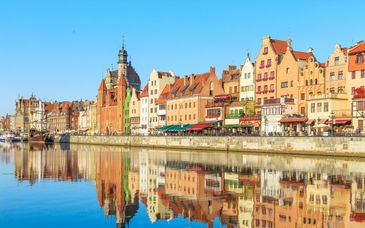
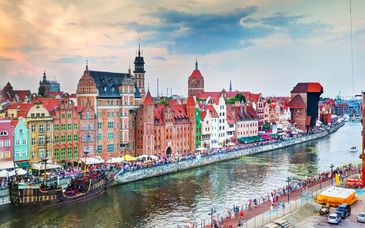
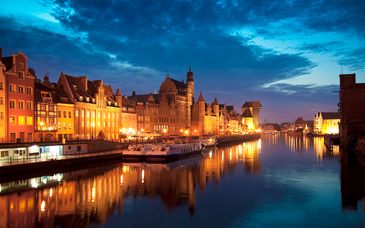
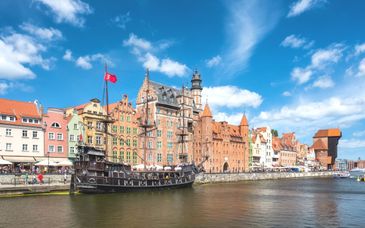
Stroll the Royal Route along D?uga Street, where every step reveals a parade of colourful, gabled merchant houses crowned by ornate parapets. Pause at the iconic Neptune Fountain, snap a photo beside the bronze sea god, then step inside Artus Court to admire Renaissance opulence and a towering tiled stove. Climb the 400 steps of St Mary's Church tower for sweeping panoramas over red rooftops, the harbour and the Baltic Sea beyond. The atmospheric waterfront promenade invites leisurely wanders past historic cranes, converted granaries and riverside cafés, while boat trips offer a fresh perspective from the water. Gda?sk reigns as the world's amber capital: browse countless jewellery boutiques, visit the Amber Museum and learn why this fossilised resin is known as Baltic gold. Savour traditional pierogi, fresh fish and craft beer in cellar restaurants, explore the blend of Gothic, Renaissance and Baroque architecture, and navigate the compact Old Town entirely on foot. Every corner—from wrought-iron signs to ornate doorways—rewards the curious photographer and leisurely explorer alike.
Late spring—May and June—and early autumn, particularly September, strike the ideal balance for a Gda?sk city break. Temperatures hover between 15 and 20 degrees Celsius, daylight stretches long into the evening, crowds remain manageable and accommodation rates stay reasonable. July and August bring the warmest weather, 20 to 25 degrees, perfect for combining urban sightseeing with beach time in Sopot, though expect higher prices and more tourists thronging the Old Town. Winter months—December through February—turn cold and grey, with temperatures near freezing, yet festive Christmas markets add seasonal charm and hotel rates plummet. The Baltic coast is famously changeable: pack layers, a waterproof jacket and comfortable walking shoes whatever the season. Spring brings blooming parks and softer light, summer enables seaside day trips and harbour cruises, autumn delivers golden hues and cosy café culture, winter offers atmospheric, crowd-free exploration of museums and historic interiors. Check our members' club for seasonal offers and flexible booking options tailored to your weather preferences and budget.
Arrive mid-morning and check into a centrally located hotel such as the Scandic Gda?sk, ensuring easy access to all major sights. Begin with the Royal Route: pass through the Golden Gate, walk the length of D?uga Street to the Green Gate, pausing to admire the Neptune Fountain and step inside Artus Court to marvel at Renaissance splendour. Lunch at a traditional Polish restaurant, then visit St Mary's Church, climbing the tower for panoramic views over the Old Town and harbour. Evening invites a waterfront stroll along the Mot?awa River, followed by dinner featuring fresh fish and local craft beer. Day two starts at the European Solidarity Centre, allowing two to three hours to absorb the powerful multimedia exhibits on Poland's struggle for freedom. Return to the Old Town for lunch, then dedicate the afternoon to browsing amber shops, exploring Mariacka Street and perhaps taking a one-hour harbour cruise. Depart in the evening or linger for a final breakfast. This itinerary covers all iconic sights, remains entirely walkable and leaves room for spontaneous café stops and photo breaks.
Expand the weekend plan into three leisurely days for a more relaxed rhythm. Day one mirrors the forty-eight-hour route: Royal Route, Old Town highlights and a waterfront dinner. Day two begins at the European Solidarity Centre, followed by the Maritime Museum, where exhibits span shipbuilding, piracy and naval warfare across multiple sites, including the museum ship So?dek and the medieval harbour crane. Lunch near the marina, then enjoy a free afternoon to delve into the Amber Museum, shop for souvenirs or simply relax in a café with a book and a coffee. Evening takes you to Granary Island—Wyspa Spichrzów—where converted warehouses now host lively bars, restaurants and live music venues. Day three offers a morning walk through Oliwa Park and a visit to Oliwa Cathedral for an organ concert—check the schedule in advance—or dedicate a half-day to Sopot for seaside air and the famous wooden pier. Return for a final Old Town stroll, last-minute amber purchases and departure. Three days permit deeper museum visits, unhurried meals and time to absorb the atmosphere without rushing.
A four-day itinerary incorporates a full day on the Baltic coast, balancing comprehensive city exploration with seaside relaxation. Days one and two follow the forty-eight-hour plan: Old Town, Royal Route, European Solidarity Centre and waterfront dining. Day three is devoted to Sopot: take the SKM commuter train—20 minutes, frequent departures—and spend the day exploring Europe's longest wooden pier at 511 metres, lounging on the sandy beach, browsing boutique shops along the pedestrianised Monte Cassino promenade and perhaps indulging in a spa treatment or seaside lunch. Return to Gda?sk for dinner or stay overnight at Hotel Sopot to savour a beachfront sunset and leisurely breakfast by the sea. Day four brings a morning at the Maritime Museum or a final harbour cruise, last-minute shopping in the Old Town and departure. Four days deliver the perfect balance: thorough city sightseeing, museum immersion, seaside serenity and no sense of haste—ideal for couples or friends seeking a well-rounded short break on Poland's coast.
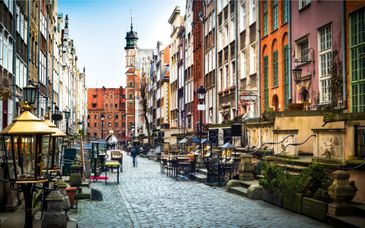
The beating heart of Gda?sk's Old Town lies along D?uga Street and Long Market, the storied Royal Route where kings once processed between towering gates. This pedestrianised thoroughfare dazzles with colourful, gabled merchant houses, each façade unique in ornament and hue—testament to the wealth accrued through Hanseatic trade. The Neptune Fountain stands proudly in Long Market, its bronze sea god embodying the city's maritime soul; legend holds that Neptune protects Gda?sk and its sailors. Nearby, Artus Court invites visitors inside a magnificent Renaissance hall where merchants and royalty once gathered; today you can admire ornate interiors, vaulted ceilings and a towering tiled stove. The Golden Gate and Green Gate frame the route's endpoints. Wander the side streets, particularly Mariacka Street, famed for its amber shops, wrought-iron balconies and charming cafés tucked into historic cellars. This area is entirely pedestrianised, making exploration safe and pleasant. Visit early morning or late afternoon for optimal light and fewer crowds, and pause for pierogi or coffee in one of the atmospheric vaulted restaurants.
Two museums define any serious Gda?sk city break. The European Solidarity Centre, perched beside the historic Gda?sk Shipyard where the Solidarity trade union ignited in 1980, offers a powerful, multimedia journey through Poland's struggle for freedom and the fall of communism across Europe. Allocate two to three hours; exhibits are presented in English and prove deeply moving, tracing strikes, repression, resilience and eventual triumph. The Maritime Museum spans several waterfront sites, including the medieval harbour crane and the museum ship So?dek, exploring Gda?sk's centuries-long relationship with the sea—trade routes, shipbuilding, piracy and naval warfare. The crane building rewards with harbour views, while boarding the So?dek provides a hands-on experience of life aboard a working vessel. Both museums are meticulously curated, family-friendly and enrich your understanding of the city's layered past. Note that most museums close on Mondays; booking tickets online during peak season avoids queues. Museum visits balance outdoor sightseeing and offer welcome respite in inclement weather, making them essential stops on any thoughtful itinerary.
Capture Gda?sk's beauty from above and afloat. St Mary's Church—Bazylika Mariacka—ranks among the world's largest brick churches, its tower dominating the skyline. Climb 400 steps, a 20-minute ascent rewarded with breathtaking 360-degree views over the Old Town's red rooftops, the Mot?awa River and the Baltic Sea shimmering in the distance. Sunset transforms the panorama into a palette of amber and rose—worth every step. Inside, admire the vast Gothic interior, the astronomical clock and medieval art adorning chapels and altars. For a contrasting perspective, book a harbour cruise departing from the waterfront; one- to two-hour boat trips glide past historic granaries, shipyards and Westerplatte, where the Second World War's first shots rang out, offering fresh photo opportunities and English commentary on maritime history. Combining the tower climb with a cruise delivers a full sensory experience of Gda?sk's nautical character. Both activities depend on clear weather; check schedules and book ahead during summer months to secure your preferred departure time.
Sopot deserves a full day—or an overnight stay—during your Gda?sk city break. Just 20 minutes by SKM train, this premier seaside resort boasts the wooden pier—molo—stretching 511 metres into the Baltic Sea, the longest in Europe. Stroll the pier for panoramic sea views, snap photographs of the horizon, then relax on the wide sandy beach, perfect for sunbathing and swimming in summer or bracing coastal walks year-round. The pedestrianised Monte Cassino—Monte Cassino Street—is lined with Belle Époque villas, boutique shops, cafés and restaurants serving fresh seafood and local specialities. Sopot exudes a genteel, spa-town atmosphere; consider booking a treatment at one of the historic spa hotels to unwind after days of urban exploration. The town also offers lively nightlife and the quirky Crooked House—Krzywy Domek—a wavy, fairy-tale building that makes for memorable photos. Spend a full day: morning on the beach, lunch by the pier, afternoon shopping or spa indulgence, then return to Gda?sk for evening—or stay overnight at Hotel Sopot to enjoy sunset over the Baltic and a leisurely breakfast by the sea.
Extend your exploration along the Tri-City—Trójmiasto—coast by venturing to Gdynia, 10 minutes beyond Sopot by train. This modern port city presents a different character: less touristy, more working harbour, with a vibrant waterfront and modernist architecture. Visit the Emigration Museum for excellent exhibits on Polish migration history, tour the museum ships Dar Pomorza and B?yskawica, and walk the Southern Pier for views of naval vessels and ferries departing for Scandinavia. Gdynia's waterfront promenade, Ko?ciuszko Square and clean lines offer a striking contrast to Gda?sk's medieval charm. If you have a hire car, drive north along the coast to the Hel Peninsula—a narrow, sandy spit dotted with fishing villages, windswept beaches and a seal sanctuary—about 90 minutes from Gda?sk. Alternatively, head south to the Vistula Spit or the historic town of Malbork, home to Europe's largest brick castle, 45 minutes by train. These extensions suit travellers with four or more days, a car or a keen interest in maritime history and coastal scenery, adding layers of discovery beyond the city centre.
Gda?sk's excellent rail connections enable multi-city adventures across Poland. Kraków lies five and a half to six hours away by train, Warsaw three hours, making combined itineraries entirely feasible. The City break of Kraków and Gda?sk with train package eliminates planning stress, with transfers included and flexible night splits—ideal for experiencing medieval Kraków's Wawel Castle and Main Square before discovering Gda?sk's maritime heritage and Baltic coast. Alternatively, dedicate a day to Malbork Castle, 45 minutes by train—a UNESCO World Heritage site and former headquarters of the Teutonic Knights, offering dramatic medieval architecture, vast courtyards and fascinating history. Toru?, birthplace of Copernicus, presents another charming option at two and a half hours. Book train tickets in advance via Polish Railways—PKP—for the best prices, and check our members' club for multi-city packages that simplify logistics, include breakfast and offer exclusive rates. These curated options prove perfect for travellers wanting a richer, more varied Polish city-break experience without the stress of self-planning, allowing you to focus on discovery, relaxation and unforgettable memories.
Whether you choose a focused weekend in Gda?sk's Old Town, a leisurely three-day exploration or a four-day adventure incorporating Sopot's sandy shores, Poland's Baltic jewel rewards every visitor with history, beauty and coastal charm. Register with our members' club to unlock exclusive hotel offers, seamless multi-city packages and curated itineraries that transform your city break into an effortless, unforgettable escape.
Certainly—Gdansk combines rich history, stunning architecture, waterfront charm and easy Baltic beach access in one compact, walkable destination. It offers excellent value, fewer crowds than Kraków or Warsaw, and a unique blend of culture and seaside relaxation. Ideal for couples, friends and history enthusiasts seeking an authentic, refreshing European city break with great food, fascinating museums and beautiful photo opportunities.
Two days cover the Old Town highlights and key museums; three days allow a more relaxed pace, deeper exploration and an evening by the marina; four days enable a full day trip to Sopot or Malbork Castle. Most visitors find two to three days ideal for a city break, balancing must-see sights with leisure time. Check our packages for flexible night options and curated itineraries.
May, June and September offer the best balance—mild weather at fifteen to twenty degrees Celsius, longer days, fewer crowds and good value. July and August are warmest and busiest, perfect for beach time in Sopot but pricier. December brings festive Christmas markets. Avoid January to February unless you enjoy cold, grey weather and rock-bottom prices. Spring and early autumn are ideal for comfortable sightseeing and photography.
Not at all—three days allow you to explore the Old Town thoroughly, visit major museums such as the European Solidarity Centre and Maritime Museum, enjoy leisurely meals, shop for amber, take a harbour cruise and include a day trip to Sopot or Malbork. You will avoid rushing and have time to soak up the atmosphere. Three days strike the perfect balance for a relaxed, comprehensive city break experience.
Beauty is subjective, but Gdansk ranks among Poland's most photogenic cities thanks to its colourful Old Town, Gothic architecture and waterfront setting. Kraków's medieval Main Square and Wawel Castle are equally stunning, while Wroc?aw's islands and bridges charm visitors. Gdansk's unique maritime character, reconstructed merchant houses and Baltic backdrop give it a distinctive, romantic appeal that rivals any Polish city—especially when combined with a Sopot beach day.