New
Exclusive

Our offers
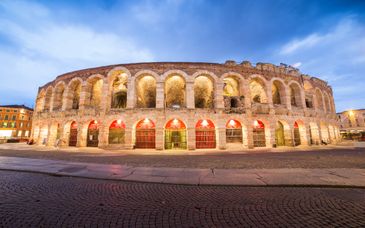

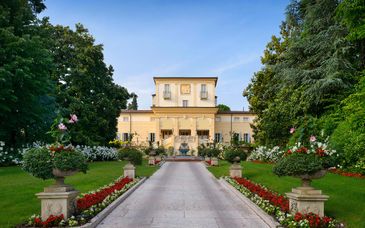
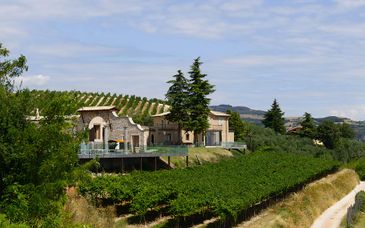
Table of contents
Nestled between the River Adige and the foothills of the Veneto Prealps, Verona captivates visitors with its perfectly preserved Roman amphitheatre, medieval towers and the legendary balcony of Juliet. A Verona city break combines cultural depth with effortless charm: stroll cobbled piazzas lined with al fresco cafés, attend a summer opera under the stars, or venture to nearby Valpolicella vineyards and Lake Garda. Register today to unlock exclusive offers on luxury boutique hotels, opera packages and curated stays in the heart of this UNESCO World Heritage city.

This luxury five-star hotel sits directly on Piazza delle Erbe, placing you steps from Juliet’s House, the Arena di Verona and Verona’s finest restaurants. Elegant rooms blend historic architecture with modern comforts, while welcome perks and late check-out options ensure a seamless stay. The Gabbia D’Oro is ideal for travellers who want to immerse themselves in Verona’s romantic atmosphere without sacrificing contemporary luxury or convenience.
What we love: The unbeatable location on Piazza delle Erbe, the refined interiors and the attentive service that makes every guest feel special.

Combine culture and comfort with this exclusive package that includes opera tickets at the Arena di Verona plus a stay at a stylish boutique hotel near the amphitheatre. Perfect for culture-focused short breaks, the package takes care of logistics so you can focus on enjoying Verdi or Puccini under the stars. The hotel offers spa facilities, a restaurant and special perks to enhance your Verona experience.
What we love: The seamless blend of world-class opera and boutique accommodation, all arranged in one convenient package.

These central suites offer independence and space, with the added bonus of an included opera ticket and guided walking tour. Located within easy reach of all major sights, Oriana Suites is a smart choice for visitors who want the flexibility of self-catering accommodation combined with curated cultural experiences. The package strikes an excellent balance between freedom and structure, ideal for first-time visitors to Verona.
What we love: The combination of spacious suites, included opera access and a guided tour that brings Verona’s history to life.

Set in a historic villa surrounded by gardens, this design hotel offers a tranquil retreat just a short drive from Verona’s centre. With a pool, spa and contemporary art installations throughout, Byblos Art Hotel is perfect for travellers seeking an upscale, peaceful base while remaining close to the city’s attractions. The villa’s blend of heritage architecture and modern design creates a unique atmosphere for a memorable stay.
What we love: The serene gardens, the striking contemporary art collection and the luxurious spa facilities.
Verona earned UNESCO World Heritage status for its exceptional preservation of two millennia of continuous urban development, showcasing layers of Roman, medieval and Renaissance architecture within a compact historic centre. The Arena di Verona, built in the first century AD, remains one of the world’s best-preserved Roman amphitheatres and still hosts grand opera performances each summer, offering visitors a rare chance to experience ancient engineering and contemporary culture in one setting. Shakespeare immortalised the city as the backdrop for Romeo and Juliet, and Casa di Giulietta draws romantics from around the globe to the famous balcony. Beyond literary legend, the River Adige curves through the centre, framing stone bridges and medieval towers with Alpine foothills rising in the distance. Verona delivers authentic Italian life alongside world-class attractions: morning markets on Piazza delle Erbe, afternoon Aperol spritzes in pavement cafés, evening strolls along illuminated Roman ruins. The manageable size of the historic core makes it perfect for a city break—major sights lie within walking distance, leaving ample time for leisurely meals, wine tasting in nearby Valpolicella and day trips to Lake Garda. Unlike crowded Venice, Verona retains an intimate, lived-in character while offering comparable beauty and cultural depth.
Spring months of April and May bring mild temperatures between 15 and 22 degrees Celsius, blooming gardens in historic palazzos and fewer crowds than summer, making this shoulder season ideal for sightseeing and photography. Autumn, particularly September and October, mirrors spring’s advantages with the bonus of harvest season in Valpolicella vineyards and truffle festivals in the surrounding countryside. Summer—June through August—coincides with the legendary opera season at the Arena di Verona, when warm evenings create perfect conditions for open-air performances of Verdi, Puccini and Rossini under the stars. However, summer also attracts peak tourist numbers and higher hotel rates, so book well ahead if attending the opera. Winter, from November through March, offers the quietest period with significantly lower prices and the charm of Christmas markets on Piazza dei Signori, though some attractions reduce their opening hours and evening temperatures can drop near freezing. For opera lovers, June to early September is non-negotiable; for budget-conscious travellers prioritising museums and architecture, late autumn and winter provide excellent value. First-time visitors seeking a balance of good weather, manageable crowds and reasonable rates will find late April, May, September and early October deliver the optimal Verona city break experience.

Begin your first morning at the Arena di Verona when doors open at 8:30, beating coach-tour groups and securing the best light for photographs of the ancient stone tiers. Climb to the upper levels for panoramic views over Piazza Bra and the surrounding rooftops, then descend to the arena floor to appreciate the scale of Roman engineering. Exit onto Piazza Bra for a mid-morning espresso at one of the grand cafés lining the square, watching locals cross the piazza on their way to work. Walk north along Via Mazzini, Verona’s elegant shopping street, towards Piazza delle Erbe, the former Roman forum now hosting a daily market beneath frescoed palazzos and the baroque Palazzo Maffei. Stop at Casa di Giulietta just off the piazza to see the famous balcony and courtyard, arriving before 11 to avoid the worst crowds. Continue to Piazza dei Signori, Verona’s political heart, surrounded by the Palazzo della Ragione and the Loggia del Consiglio with their harmonious arcades and the statue of Dante, who found refuge here during his exile. Lunch on traditional bigoli pasta with duck ragù at a trattoria near the piazza, then cross the river via Ponte Pietra, the city’s oldest bridge with Roman arches rebuilt after wartime destruction. Climb to the Roman Theatre and the archaeological museum above it for sweeping views across the River Adige to the historic centre, then return over the bridge and spend late afternoon at Castelvecchio, the imposing medieval fortress housing a superb art museum with works by Mantegna, Bellini and Veronese. End the day with an Aperol spritz on Piazza Bra as the setting sun turns the Arena’s limestone façade golden.
Dedicate your second morning to San Zeno Maggiore, one of northern Italy’s finest Romanesque churches, located a 20-minute walk west of the centre. The bronze doors, carved in the 11th and 12th centuries, depict biblical scenes with extraordinary detail, while the interior features a ship’s-keel wooden ceiling, Mantegna’s altarpiece and the crypt holding the relics of Verona’s patron saint. Return to the historic core via Corso Cavour, pausing at the Arco dei Gavi, a first-century Roman arch relocated beside Castelvecchio, then continue to the Duomo complex on the river’s eastern bank. The cathedral itself blends Romanesque and Gothic elements with Renaissance additions, while the adjacent baptistery contains an octagonal font carved from a single block of marble. Cross the river again to explore Giardino Giusti, a 16th-century Renaissance garden climbing the hillside with geometric parterres, cypress avenues, grottoes and terraces offering the best elevated views of Verona’s skyline. Descend for a late lunch in the Veronetta district, the bohemian quarter across the river favoured by students and locals, where family-run osterias serve hearty regional dishes at lower prices than the tourist centre. Spend your final afternoon shopping for artisan products—local wines, olive oils, Monte Veronese cheese—along Via Sottoriva, a medieval arcade beside the river, then return to Piazza delle Erbe for a final gelato before dinner. If your visit coincides with opera season, attend an evening performance at the Arena; otherwise, book a table at a restaurant near Ponte Scaligero to watch the illuminated castle and bridge reflected in the River Adige as you dine on risotto all’Amarone and local pastries.

With three or four days, you can explore Verona at a more relaxed pace and incorporate excursions to surrounding attractions. Dedicate your third morning to the Museo di Castelvecchio if you only managed a brief visit earlier, allowing time to appreciate the sculpture collection, the medieval armory and the covered bridge offering dramatic river views. Alternatively, visit the Basilica di Sant’Anastasia, Verona’s largest church, with its soaring Gothic interior, frescoed chapels and the famous hunchback holy-water stoups. Devote the afternoon to a half-day wine tour in Valpolicella, the prestigious wine region 15 kilometres north of the city, where guided tastings introduce you to Amarone, Ripasso and Recioto wines produced from partially dried grapes using ancient techniques. Many estates occupy historic villas surrounded by vineyards and cherry orchards, combining wine education with stunning countryside scenery. Return to Verona for dinner at a restaurant specialising in local cuisine paired with Valpolicella wines, trying dishes such as pastissada de caval (horse-meat stew) or pearà (pepper-and-breadcrumb sauce) served with boiled meats. On day four, take a morning trip to Lake Garda, Italy’s largest lake, just 30 kilometres from Verona. The southern shore towns of Sirmione, with its thermal springs and Scaliger castle jutting into turquoise water, and Peschiera del Garda, a fortified harbour town, both lie within easy reach by train or car. Explore Sirmione’s narrow lanes, visit the Roman ruins of the Grotte di Catullo on the peninsula’s tip, then enjoy a lakeside lunch of grilled lake fish and local white wine. Return to Verona mid-afternoon for final museum visits, shopping or simply relaxing in a café, savouring the unhurried rhythm of your extended city break.
Beyond Valpolicella and Lake Garda, several other destinations merit consideration if you have four full days. Soave, a medieval walled town 30 kilometres east of Verona, produces the crisp white wine of the same name and rewards visitors with a hilltop castle, intact defensive walls you can walk along, and family-run wine cellars offering tastings in ancient stone vaults. The journey takes under an hour by car, making Soave an easy half-day excursion combined with lunch in the historic centre. Alternatively, head north to Bolzano and the Dolomites, approximately two hours by car or train, for a dramatic contrast between Verona’s Italianate elegance and the German-speaking Alpine region of South Tyrol. Bolzano’s blend of Mediterranean and Alpine culture, its archaeological museum housing Ötzi the Iceman, and the surrounding mountain scenery create a memorable full-day trip. For art enthusiasts, Mantua (Mantova), 40 kilometres south, offers Renaissance palaces, Mantegna frescoes in the Ducal Palace and the intimate charm of a smaller historic city built on three artificial lakes. The journey takes about an hour, leaving time to explore the Palazzo Te, the cathedral and the atmospheric piazzas before returning to Verona for dinner. Finally, consider a combined excursion to Bassano del Grappa and the Palladian Villas of the Veneto, where you can visit Palladio’s architectural masterpieces—including Villa Barbaro at Maser and Villa Emo at Fanzolo—scattered across the countryside between Verona and Venice. Each villa showcases the Renaissance architect’s genius for harmonising buildings with landscape, and guided tours reveal frescoed interiors by Veronese and other masters. These day trips transform your Verona city break into a broader exploration of northern Italy’s cultural and natural wealth.

The Arena di Verona opera season runs from early June through early September, presenting four to six productions each summer on a monumental scale impossible in conventional theatres: casts of hundreds, live horses and elephants, and sets that transform the entire arena floor. Tickets go on sale in late autumn for the following summer, and popular productions—especially opening nights and weekend performances of classics like Aida, Carmen and Turandot—sell out months ahead, so book early through the official Arena website or authorised vendors. Seating divides into numbered seats in the lower tiers (poltronissime and poltrone), which offer the best views and come with cushions, and the upper stone steps (gradinata), where you sit on bare Roman stone but enjoy the authentic atmosphere and lower prices. Bring or rent a cushion if choosing the gradinata, as performances last three to four hours with one or two intervals. The best numbered seats occupy the central lower sections directly facing the stage, providing optimal sightlines and acoustics, though these command premium prices. Side sections offer good views at lower cost, while seats behind the stage exist but compromise the visual experience. Avoid the highest gradinata rows, where distance diminishes detail and sound quality suffers. Many packages combine opera tickets with hotel stays, transfers and sometimes dinner, simplifying logistics and often providing better value than booking components separately. Whichever category you choose, arrive at least an hour before curtain to navigate security, find your seat and soak up the pre-performance buzz as 22,000 spectators fill the ancient amphitheatre and vendors circulate selling cushions, programmes and prosecco.
Opera nights at the Arena di Verona are grand social occasions as much as artistic events, and the atmosphere before curtain-up resembles a festival. Dress codes are relaxed—smart casual is standard, though some attendees in premium seats opt for cocktail attire—and the mood is celebratory rather than formal. Performances begin at sunset, around 9 pm in June and 8:30 pm by late August, allowing the ancient stone to glow in the fading light before darkness falls and the stage illuminates. The pre-show ritual includes lighting small candles distributed to every spectator, creating a sea of flickering flames that transforms the arena into a breathtaking amphitheatre of light just before the orchestra strikes the first notes. Productions at the Arena favour spectacle and grand gestures suited to the vast space: choruses of a hundred voices, elaborate sets that fill the arena floor, live animals and dramatic lighting effects impossible in conventional opera houses. Acoustics are remarkable given the open-air setting, though wind can occasionally affect sound, and modern amplification discreetly reinforces singers’ voices. Intervals provide opportunities to buy refreshments from bars under the arcades, though queues are long, so many attendees bring picnics to enjoy in their seats. The performance ends around midnight, and the walk back through Verona’s illuminated streets under the stars completes an unforgettable evening. If rain threatens, the Arena has no roof, and performances proceed unless conditions become dangerous; bring a light waterproof just in case. For first-time opera-goers, the Arena’s sheer scale and the quality of productions make it an ideal introduction to the art form, while seasoned aficionados appreciate the unique thrill of experiencing Verdi and Puccini in a setting where gladiators once fought and Roman crowds roared 2,000 years ago.
Verona Villafranca Airport, located 12 kilometres southwest of the city, receives direct flights from numerous European cities and connects to the centre via the Aerobus shuttle, which departs every 20 minutes and reaches the train station in 15 minutes for a modest fare. Alternatively, Venice Marco Polo Airport lies 120 kilometres east, with direct trains from Venice to Verona taking between 70 and 90 minutes, making it a viable option if you find better flight connections or lower fares to Venice. Verona Porta Nuova station sits on the main Milan–Venice rail line, placing the city within easy reach of major Italian destinations: 90 minutes from Milan, 70 minutes from Venice, 45 minutes from Lake Garda towns. High-speed Frecciarossa and Italo trains serve the station, as do regional services to surrounding towns and villages. Once in Verona, the compact historic centre is entirely walkable, and most hotels lie within 15 minutes on foot of the Arena and main piazzas. Public buses operated by ATV cover the city and suburbs, though visitors staying centrally rarely need them except for trips to San Zeno or Giardino Giusti. Taxis wait at the station and major piazzas, while ride-hailing apps function in the city. Renting a car makes sense only if you plan extensive day trips to Valpolicella, Lake Garda or surrounding regions, as driving and parking in the historic centre are restricted and complicated. For excursions, consider organised tours that include transport, or use the efficient regional train and bus networks. The Verona Card, available for 24 or 72 hours, grants free entry to major museums and churches plus unlimited public transport, offering good value if you plan to visit multiple attractions; purchase it at the station, tourist offices or participating museums.
Veronese cuisine reflects the city’s position between the Alps and the Po Valley, combining mountain ingredients like polenta and game with Mediterranean olive oil, risotto and lake fish from nearby Lake Garda. Signature dishes include risotto all’Amarone, cooked with the region’s powerful red wine; bigoli con l’anatra, thick spaghetti with duck ragù; and bollito misto, mixed boiled meats served with pearà, a peppery breadcrumb sauce. For authentic local dining, avoid restaurants on Piazza Bra and Piazza delle Erbe, where tourist-focused menus and inflated prices dominate, and instead explore side streets and the Veronetta district across the river. Traditional osterias and trattorias serve generous portions of regional specialties at fair prices, often accompanied by local wines from Valpolicella, Soave and Bardolino. For aperitivo, the Veronese ritual of early-evening drinks with complimentary snacks, head to bars along Via Sottoriva or near Ponte Pietra, where locals gather from 6 pm onwards. Order an Aperol spritz, invented in nearby Padua, or a glass of Valpolicella Ripasso, and enjoy the buffet of cheeses, cured meats, olives and small bites included with your drink. Lunch can be a light affair—a slice of pizza or a panino from a forno (bakery), eaten on a piazza bench—or a full sit-down meal; many restaurants offer good-value menu fisso (fixed-price menus) at midday. For fine dining, several Michelin-starred restaurants operate in and around Verona, offering contemporary interpretations of Veneto cuisine in elegant settings. Book ahead for dinner, especially on weekends and during opera season, and note that many restaurants close on Sunday evenings and Mondays. Gelaterias abound, and sampling multiple gelaterie to find your favourite becomes a pleasant afternoon ritual; look for shops displaying natural colours and seasonal flavours rather than Day-Glo hues and towering peaks.
A Verona city break can accommodate a wide range of budgets depending on your choice of accommodation, dining and activities. Mid-range travellers staying in three- or four-star hotels near the centre, eating at local trattorias, visiting major sights and attending one opera performance can expect to spend between £100 and £200 per person per day, including accommodation, meals, museum entries and transport. Luxury travellers booking five-star properties like the Gabbia D’Oro, dining at upscale restaurants and purchasing premium opera seats will spend upwards of £300 daily per person. Budget-conscious visitors can reduce costs by staying in guesthouses or apartments outside the immediate centre, preparing some meals, choosing the gradinata seating at the Arena and visiting free sights like churches and piazzas, potentially bringing daily costs down to £70 or £80 per person. Hotel rates fluctuate sharply by season: opera season (June–August) commands peak prices, while winter months offer significant savings. Booking through exclusive member offers can secure luxury properties at mid-range prices, transforming the value equation. Museum and attraction entry fees are modest—the Arena costs around £10 to £15, Castelvecchio £8 to £12, and churches typically charge £2 to £5 or request donations. Opera tickets range from £30 for upper gradinata seats to over £200 for premium poltronissime on popular nights. Day trips to Lake Garda or Valpolicella add £50 to £100 for transport, entry fees and meals, while wine-tasting tours cost £60 to £120 depending on the number of estates visited and whether lunch is included. Overall, Verona offers better value than Venice or Florence while delivering comparable cultural richness, making it an excellent choice for discerning travellers seeking an authentic northern Italian experience without excessive tourist-industry inflation.

What is the ideal duration for a Verona city break?
Two full days allow you to cover major attractions—the Arena, Castelvecchio, Juliet’s House, Piazza delle Erbe and San Zeno Maggiore—at a comfortable pace with time for leisurely meals and evening strolls. Three to four days enable deeper exploration of museums, churches and gardens plus day trips to Lake Garda, Valpolicella vineyards or surrounding towns like Soave and Mantua, creating a more rounded experience of the region.
How far in advance should opera tickets be purchased?
For popular productions and weekend performances during peak season (July and August), book three to six months ahead to secure good seats at reasonable prices. Opening nights and final performances sell out earliest. Weeknight shows and less famous operas may have availability closer to the date, but waiting risks disappointment or being relegated to distant seats with poor views.
Is Verona suitable for families with children?
The compact historic centre, pedestrian-friendly piazzas and attractions like the Arena and Roman Theatre engage children, while gelaterias and casual dining options abound. However, churches and museums may test younger attention spans, and opera performances run late into the night. Families with teens interested in history or performing arts will find Verona rewarding; those with small children might prefer shorter visits or focus on outdoor sights and Lake Garda excursions.
What language challenges might visitors face?
English is spoken in most hotels, tourist-focused restaurants and major attractions, though proficiency varies. Away from the centre and in local trattorias, Italian predominates, and basic phrases prove helpful. Menus in tourist areas often include English translations; elsewhere, a translation app assists. Veronese people are generally patient and welcoming to visitors making an effort, and the city’s tourist infrastructure is well-developed compared to less-visited Italian destinations.
Can Verona be combined with other destinations?
The city’s location makes it an excellent base or stopover for multi-destination itineraries. Venice lies 90 minutes east by train, Milan 90 minutes west, Lake Garda 30 minutes north and Florence three hours south. Many travellers combine Verona with Venice and Lake Garda in a week-long northern Italy tour, or include it as a stopover between Milan and Venice. The efficient rail network and compact city centre make Verona easy to slot into broader travel plans without logistical headaches.
A Verona city break offers the rare combination of world-class cultural attractions, authentic Italian atmosphere and manageable scale that allows you to experience the city deeply rather than rushing between sights. From Roman amphitheatres to Renaissance gardens, Shakespeare’s balcony to Amarone wine tastings, every element comes together to create a memorable short break. Register today to access exclusive offers on boutique hotels, opera packages and curated experiences that transform a good trip into an exceptional one.
Two full days allow you to cover major attractions—the Arena, Castelvecchio, Juliet's House, Piazza delle Erbe and San Zeno Maggiore—at a comfortable pace with time for leisurely meals and evening strolls. Three to four days enable deeper exploration of museums, churches and gardens plus day trips to Lake Garda, Valpolicella vineyards or surrounding towns like Soave and Mantua, creating a more rounded regional experience.
For popular productions and weekend performances during peak season (July and August), book three to six months ahead to secure good seats at reasonable prices. Opening nights and final performances sell out earliest. Weeknight shows and less famous operas may have availability closer to the date, but waiting risks disappointment or poor seats.
The compact historic centre, pedestrian-friendly piazzas and attractions like the Arena and Roman Theatre engage children, while gelaterias and casual dining options abound. However, churches and museums may test younger attention spans, and opera performances run late. Families with teens interested in history or performing arts will find Verona rewarding; those with small children might prefer shorter visits.
English is spoken in most hotels, tourist-focused restaurants and major attractions, though proficiency varies. Away from the centre and in local trattorias, Italian predominates, and basic phrases prove helpful. Menus in tourist areas often include English translations; elsewhere, a translation app assists. Veronese people are generally patient and welcoming to visitors making an effort.
The city's location makes it an excellent base or stopover for multi-destination itineraries. Venice lies ninety minutes east by train, Milan ninety minutes west, Lake Garda thirty minutes north and Florence three hours south. Many travellers combine Verona with Venice and Lake Garda in a week-long northern Italy tour. The efficient rail network and compact city centre make Verona easy to slot into broader travel plans.