New
From
59 €

Table of contents
Few destinations rival Tuscany for sheer beauty and cultural richness. From the iconic Duomo rising above Florence to the medieval towers of San Gimignano, every corner delivers Renaissance masterpieces, vine-striped hills and farm-to-table cuisine that delights the senses. Whether you have a long weekend or a full week, this region offers unforgettable experiences at every turn. Join the members who unlock exclusive access to handpicked hotels, curated tours and exceptional stays across Tuscany through our platform, transforming short breaks into elevated travel adventures that combine convenience, quality and insider knowledge.

This seven-day itinerary combines the grandeur of Rome with a sweeping loop through Tuscany and the coastal charm of Cinque Terre. Guided visits bring the capital's monuments to life before you journey through Siena and Pisa, culminating in a boat trip along the clifftop villages of the Italian Riviera. Half-board options and carefully selected hotels ensure comfort and convenience throughout.
What we love: The seamless blend of three iconic Italian regions in one expertly crafted package.

Perfect for independent travellers, this seven-night fly-drive adventure unlocks Florence, Lucca, Siena and the rolling vineyards of Chianti. Hotel stays are arranged and daily routes are suggested, allowing you to discover medieval towns, artisan workshops and panoramic hilltop vistas at your own pace. The freedom of the open road meets the security of pre-planned accommodation.
What we love: Total flexibility combined with expert route planning and quality hotel selections.

This short yet immersive wine-focused escape takes you through Chianti, Greve, San Gimignano, Montalcino and Montepulciano. Tastings of Chianti Classico, Brunello di Montalcino and Vino Nobile are woven into visits to historic cellars and vineyard estates. Ideal for foodies and wine enthusiasts seeking a concentrated dose of Tuscan terroir and culinary heritage.
What we love: Curated tastings and direct access to winemakers in legendary appellations.

Combine the artistic treasures of Florence with the pastel-hued fishing villages of Cinque Terre in this flexible package. Dedicated day or overnight visits to the Ligurian coast complement your cultural city break, offering hiking trails, seafood feasts and dramatic clifftop views. It is the perfect marriage of Renaissance splendour and coastal relaxation.
What we love: The contrast between urban art galleries and seaside tranquillity in one seamless itinerary.
Tuscany stands as one of Europe's premier destinations for short breaks, offering an unparalleled combination of world-class art, exceptional food and wine culture, and breathtaking landscapes. The region's compact geography allows travellers to experience multiple facets in just a few days. Wander the halls of the Uffizi Gallery, admire Brunelleschi's Duomo and gaze upon Michelangelo's David at the Accademia before sipping Chianti Classico in a centuries-old vineyard. Rolling hills adorned with cypress-lined roads frame medieval hilltop towns such as Siena and San Gimignano, where cobbled streets lead to family-run trattorias serving farm-to-table fare. Whether exploring Florence's Renaissance masterpieces, indulging in truffle tasting or photographing golden-hour light across Val d’Orcia, every moment feels cinematic and enriching. The seamless blend of culture, gastronomy and natural beauty makes Tuscany a magnet for couples, foodies and photographers seeking authentic Italian experiences.
Spring (April to May) and autumn (September to October) represent the sweet spot for a Tuscany weekend break, delivering pleasant weather, fewer crowds and vibrant landscapes. Spring brings wildflower meadows and blossoming vineyards, while autumn showcases the grape harvest and warm amber tones across the countryside. Summer (June to August) attracts peak tourist numbers and high temperatures, particularly in Florence and Pisa, yet offers long daylight hours and lively festivals that animate town squares. Winter (November to March) provides quieter streets and more affordable accommodation, appealing to museum lovers and those embracing slow travel, though some rural attractions operate on reduced hours. Shoulder seasons allow outdoor wine tastings, leisurely countryside drives and unhurried sightseeing without the summer crush. Booking during April, May, September or October ensures a balance of comfort and atmosphere, ideal for couples and culture enthusiasts who value quality over quantity.
A Tuscany city break appeals to a broad spectrum of travellers, yet certain profiles find the region especially rewarding. Couples seeking romance will cherish intimate piazzas, candlelit dinners and sunset views over vine-striped hills. Foodies and wine enthusiasts revel in the culinary heritage, from cooking classes and truffle tastings to vineyard tours in Chianti, Montalcino and Montepulciano. Photographers and social-media creators discover endless inspiration in iconic landscapes, medieval architecture and the region's signature golden-hour light. Culture and history buffs appreciate the wealth of museums, churches and UNESCO sites, while wellness seekers enjoy agriturismi, thermal baths at Bagno Vignoni and the slower pace of rural life. Solo travellers, friends and multi-generational groups all find value, though Tuscany particularly shines for adults aged thirty to sixty who prioritise quality, authenticity and immersive experiences over mass tourism.

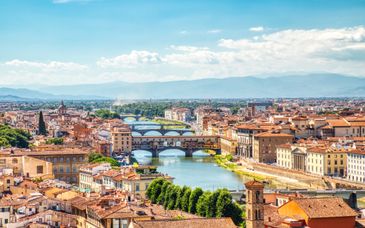
Florence rewards efficient planning with a wealth of iconic sights within walking distance. Begin at the Duomo (Cathedral of Santa Maria del Fiore), where climbing Brunelleschi's dome delivers panoramic views across terracotta rooftops; pre-book tickets to skip queues. Next, dedicate two hours to the Uffizi Gallery, home to masterpieces by Botticelli, Leonardo and Michelangelo; advance timed entry is essential. Cross the medieval Ponte Vecchio, lined with jewellery shops, and explore the artisan workshops of the Oltrarno district, where leatherworkers and framers ply traditional crafts. If time permits, visit Piazza della Signoria for outdoor sculptures, the Accademia to see David, or the Boboli Gardens for Renaissance landscaping. Starting early beats the crowds, and a leisurely lunch or gelato break sustains energy. Florence's compact historic centre makes it easy to cover major highlights on foot, transforming a single day into a rich cultural immersion.
Step back centuries in Siena and San Gimignano, two of Tuscany's most atmospheric medieval towns. Siena's shell-shaped Piazza del Campo hosts the famous Palio horse race and is surrounded by Gothic palaces that evoke centuries of civic pride. The Duomo di Siena dazzles with its marble façade and intricate floor mosaics, while climbing the Torre del Mangia rewards visitors with sweeping countryside views. An hour south, San Gimignano rises from the hills like a medieval Manhattan, its fourteen surviving towers creating a striking skyline visible for miles. Wander charming piazzas, sample artisan gelato and taste local Vernaccia wine in centuries-old cellars. Both towns are easily reached by car or bus from Florence (Siena approximately 90 minutes, San Gimignano an hour) and can be combined in a single day trip or savoured separately for a more relaxed pace.
Pisa and Lucca make convenient, rewarding day trips from Florence, both accessible by frequent regional trains in under 90 minutes. Pisa centres on the Piazza dei Miracoli, where the Leaning Tower, Romanesque cathedral and baptistery form an architectural ensemble that justifies two to three hours of exploration; quieter riverside streets offer cafés and local life beyond the tourist hub. Lucca, by contrast, unfolds as a hidden gem encircled by intact Renaissance walls, which visitors can walk or cycle atop for 360-degree views. The oval Piazza dell’Anfiteatro, built on Roman foundations, and the Guinigi Tower with its rooftop garden of oak trees exemplify the city's unique character. Lucca exudes a more relaxed, local atmosphere than Pisa, making it ideal for a leisurely lunch and stroll. Combine both towns in one long day or dedicate a half-day to each for deeper immersion.

A weekend Florence city break maximises art, food and atmosphere without rushing. Day one begins with arrival and exploration of the historic centre: the Duomo, Piazza della Signoria, Ponte Vecchio and a sunset aperitivo in the Oltrarno district. Day two opens with a pre-booked morning slot at the Uffizi, followed by lunch in a local trattoria and an afternoon visit to the Accademia or Boboli Gardens, concluding with an evening stroll along the Arno. If a third day is available, take a half-day trip to Fiesole for hilltop views and Roman ruins, or visit the Sant’Ambrogio or San Lorenzo markets for fresh produce and local colour before departure. Staying in the historic centre—neighbourhoods such as Santa Maria Novella, Santo Spirito or San Marco—minimises travel time and keeps major sights within easy reach. Pre-book museum tickets and any wine tastings or cooking classes to avoid disappointment.
A four-to-six-day loop captures Tuscany's essential highlights. Days one and two follow the weekend Florence itinerary above. Day three takes you by car or bus to Siena, where Piazza del Campo, the Duomo and medieval lanes warrant an overnight stay or a same-day return to Florence. Day four explores the Chianti wine region; visit villages such as Greve, Castellina or Radda for vineyard tastings and a farm-to-table lunch, with the option to overnight in an agriturismo. Day five offers a coastal escape: a train to Cinque Terre (approximately 2.5 hours from Florence) or the Tuscan coast (Viareggio, Forte dei Marmi) for seaside villages, hiking and seafood. Day six allows a leisurely breakfast and last-minute shopping in Florence before departure. A rental car unlocks flexibility for Chianti and rural areas, while trains serve Florence–Cinque Terre routes efficiently. Consult curated packages such as the Thousand Colours of Tuscany fly-drive or Cinque Terre & Florence tours for hassle-free planning.
A wine-focused, slow-travel itinerary over four to five days immerses you in Tuscany's legendary appellations. Day one sees you collect a rental car in Florence and drive to Chianti, settling into an agriturismo or boutique hotel before an evening tasting. Day two explores Chianti villages—Greve, Panzano, Castellina—with winery visits for Chianti Classico tastings and a farm-to-table lunch among the vines. Day three continues south to Montalcino, home of Brunello di Montalcino; tour a cellar, stroll the medieval town and dine at a local osteria. Day four brings you to Montepulciano, where Vino Nobile flows in underground cellars beneath Renaissance palaces; consider a detour to Pienza for pecorino cheese and Val d’Orcia photography. Day five allows a leisurely morning, then a return to Florence or an extension to Bagno Vignoni for thermal baths and more golden-hour landscapes. This itinerary suits foodies, wine lovers and anyone seeking a slower, more immersive pace. Reference the 4-night wine tour in Tuscany for a curated, stress-free experience.

Reaching Tuscany from the UK is straightforward, with direct flights from London, Manchester and Edinburgh to Florence (Peretola) and Pisa (Galilei) airports. Pisa is larger and often cheaper, with a one-hour train connection to Florence. High-speed trains link Florence to Rome, Milan and Venice, making Tuscany an easy addition to multi-city trips. For getting around, trains efficiently connect Florence, Pisa, Lucca and Siena, while regional buses (Tiemme, Busitalia) serve smaller towns such as San Gimignano. Renting a car is ideal for exploring Chianti, Val d’Orcia and rural areas, offering flexibility and access to vineyards and agriturismi. However, driving and parking in Florence's historic centre (ZTL zones) is restricted and fined; use park-and-ride lots or stay outside the ZTL. Book car hire in advance and use GPS or offline maps for rural routes. This combination of air, rail and road ensures seamless access to both urban and countryside highlights.
Choosing the right neighbourhood enhances your Tuscany city break. In Florence, Santa Maria Novella (near the train station) is walkable to major sights; Santo Spirito and Oltrarno offer an authentic, artisan vibe with excellent restaurants; and San Marco provides a quieter atmosphere near the Accademia. Staying in the historic centre maximises sightseeing time but can be pricier; areas just outside the ZTL offer better value and parking. For a countryside base, Chianti (Greve, Castellina) or Val d’Orcia (Pienza, Montalcino) provide agriturismo stays, vineyard hotels and scenic drives. Montecatini Terme serves as a convenient base for day trips to Pisa, Lucca and Cinque Terre (explore the Montecatini Terme package for hassle-free stays). Handpicked hotels and tours across Tuscany combine quality, location and value, ensuring every night enhances your overall experience.
Practical planning elevates any Tuscany weekend break. Museum tickets for the Uffizi, Accademia and Duomo dome climb should be pre-booked online weeks in advance, especially during high season, to avoid long queues; many sites offer timed entry. Florence and other towns charge a tourist tax (tassa di soggiorno), typically £2 to £5 per person per night, paid at the hotel. Cash remains useful in smaller towns and rural areas, though cards are widely accepted in cities. To manage crowds, visit major sights early in the morning or late in the afternoon, and explore lesser-known towns such as Volterra or Cortona to escape the busiest routes. Travelling in shoulder seasons (April to May, September to October) delivers the best overall experience. Many curated packages include skip-the-line access, guided tours and pre-arranged itineraries, saving time and stress while ensuring you experience Tuscany's highlights without the hassle.

A Tuscany city break delivers an extraordinary blend of art, wine and landscapes that few regions can match. From the Renaissance splendour of Florence to the medieval towers of San Gimignano and the vine-striped hills of Chianti, every day reveals new layers of beauty and culture. Whether you have a weekend or a full week, thoughtful itineraries and insider tips ensure you make the most of your time. Unlock exclusive offers, handpicked hotels and curated tours that transform your short break into an unforgettable Italian adventure.
Absolutely. Tuscany ranks among Europe's finest city break destinations, blending world-class art, history, food, wine and stunning landscapes. Its compact size and excellent transport links allow travellers to experience multiple highlights in a short stay of two to seven days, making it perfect for couples, foodies and culture lovers seeking authentic Italian immersion.
Florence serves as the best base for first-time visitors, thanks to its central location, wealth of sights and excellent transport connections. Alternatives include Siena for medieval charm, Montecatini Terme for day-trip convenience, or Chianti and Val d’Orcia for countryside immersion. Choose based on your priorities: city culture versus rural wine experiences.
April to May and September to October are ideal, offering mild weather, fewer crowds and vibrant landscapes—spring blooms or autumn harvest. Summer (June to August) is busiest and hottest, while winter (November to March) is quieter and more affordable, appealing to museum lovers and slow travellers, though some rural attractions operate on reduced hours.
Yes, three days suffices for a focused Tuscany city break, especially when based in Florence with a day trip to Siena, Pisa or Chianti. Longer stays (four to seven days) permit deeper exploration of wine regions, Cinque Terre and slower travel, but a well-planned weekend delivers rich cultural and culinary experiences.
San Gimignano captivates with its medieval towers and hilltop setting, while Pienza offers Renaissance architecture and Val d’Orcia views, and Cortona charms with Tuscan vistas. Beauty is subjective, yet these towns consistently rank among the most photogenic and atmospheric, each delivering postcard-perfect scenes and timeless Italian character.
Absolutely. Tuscany ranks among Europe's finest city break destinations, blending world-class art, history, food, wine, and stunning landscapes. Its compact size and excellent transport links allow travellers to experience multiple highlights in a short stay of two to seven days, making it perfect for couples, foodies, and culture lovers seeking authentic Italian immersion.
Florence serves as the best base for first-time visitors, thanks to its central location, wealth of sights, and excellent transport connections. Alternatives include Siena for medieval charm, Montecatini Terme for day-trip convenience, or Chianti and Val d'Orcia for countryside immersion. Choose based on your priorities: city culture versus rural wine experiences.
April to May and September to October are ideal, offering mild weather, fewer crowds, and vibrant landscapes—spring blooms or autumn harvest. Summer (June to August) is busiest and hottest, while winter (November to March) is quieter and more affordable, appealing to museum lovers and slow travellers, though some rural attractions operate on reduced hours.
Yes, three days suffices for a focused Tuscany city break, especially when based in Florence with a day trip to Siena, Pisa, or Chianti. Longer stays (four to seven days) permit deeper exploration of wine regions, Cinque Terre, and slower travel, but a well-planned weekend delivers rich cultural and culinary experiences.
San Gimignano captivates with its medieval towers and hilltop setting, while Pienza offers Renaissance architecture and Val d'Orcia views, and Cortona charms with Tuscan vistas. Beauty is subjective, yet these towns consistently rank among the most photogenic and atmospheric, each delivering postcard-perfect scenes and timeless Italian character.