8.2/10
- 8 reviews
Exclusive

Our offers
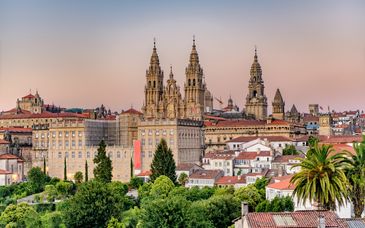
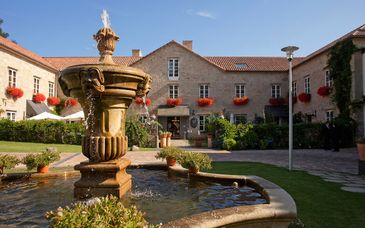
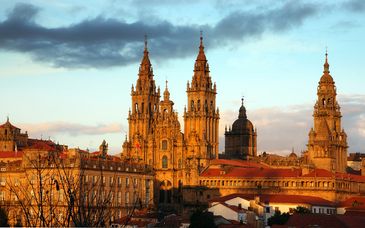
Table of contents
As the final destination of one of Europe’s most important pilgrimage routes for over a millennium, Santiago de Compostela welcomes travellers with a unique atmosphere shaped by centuries of devotion, culture and tradition. The UNESCO World Heritage-listed Old Town enchants visitors with its labyrinth of medieval streets, where granite buildings, historic squares and arcaded walkways create a timeless setting. At its heart stands the magnificent Cathedral of Santiago de Compostela, a masterpiece blending Romanesque, Gothic and Baroque architecture that houses the shrine of St James and draws pilgrims and culture enthusiasts from across the globe. The palpable spiritual energy created by the constant arrival of pilgrims mingles with the vibrant character of a modern university city, where ancient traditions meet contemporary Galician culture in tapas bars, markets and lively plazas. This combination of pilgrimage heritage, architectural splendour and living history creates an experience unlike any other European destination, making Santiago ideal for discerning travellers seeking cultural depth, authentic encounters and a sense of timeless significance within a compact, walkable urban centre perfectly suited to memorable short breaks.
The following handpicked properties represent a carefully curated selection of exceptional accommodation in and around Santiago de Compostela, each chosen for outstanding quality, prime location or distinctive character. Members enjoy exclusive rates and added benefits for truly memorable stays.

Housed in a beautifully restored former convent in the heart of Santiago’s Old Town, the AC Palacio del Carmen combines historic architecture with contemporary luxury. Guests enjoy spacious rooms with original stone walls and modern amenities, a serene interior courtyard, and a prime location just steps from the Cathedral and Plaza del Obradoiro. The hotel’s blend of heritage charm and five-star comfort makes it an ideal base for exploring the city’s cultural treasures on foot, whilst returning each evening to a tranquil, elegant retreat.
What we love: The seamless fusion of 18th-century convent architecture with modern design, the unbeatable Old Town location, and the peaceful cloister courtyard—a serene oasis after a day of sightseeing.

Set in a tranquil riverside estate just minutes from Santiago’s historic centre, A Quinta da Auga offers a luxurious spa retreat with Relais & Châteaux pedigree. The hotel features elegant rooms overlooking landscaped gardens and the River Sarela, a renowned spa with thermal circuits and treatments, and a Michelin-recommended restaurant celebrating Galician cuisine. It’s the perfect choice for travellers seeking a balance of cultural exploration and relaxation, combining easy access to the Old Town with a peaceful, pampering sanctuary to unwind.
What we love: The exceptional spa facilities with riverside views, the Relais & Châteaux commitment to gastronomic excellence, and the serene natural setting that feels worlds away yet remains close to the city centre.

Located in a peaceful residential area a short drive from the Old Town, Gran Hotel Los Abetos offers spacious, comfortable accommodation with excellent facilities including a spa, indoor pool, and on-site dining. The hotel is ideal for families or travellers seeking a quieter base with ample parking and modern amenities, whilst still being within easy reach of Santiago’s main attractions. Its blend of convenience, comfort, and value makes it a popular choice for city break visitors who appreciate a relaxed atmosphere.
What we love: The generous room sizes, the comprehensive wellness facilities perfect for unwinding after a day’s exploration, and the family-friendly atmosphere with plenty of space and services.
For those interested in combining a Santiago city break with a short Camino walking experience, there are also packaged 6–7 night Camino de Santiago tours that include daily stages, accommodation, and services—ideal for first-time pilgrims or anyone wanting a taste of this legendary route. Browse the full range of Santiago de Compostela offers to find exclusive member rates and curated packages.

The remarkable identity of Santiago de Compostela rests upon its millennial role as the final destination of the Camino de Santiago, one of Europe’s most significant pilgrimage routes since the Middle Ages. The UNESCO World Heritage-listed Old Town unfolds through a captivating labyrinth of medieval streets where granite arcades, historic squares and ancient buildings preserve centuries of architectural heritage. The magnificent Cathedral dominates the cityscape, its soaring Romanesque, Gothic and Baroque elements framing the sacred shrine of St James that has drawn millions of faithful and curious travellers over the centuries. The constant flow of pilgrims from every corner of the globe infuses the city with a palpable spiritual and cultural atmosphere, creating encounters between tradition and modernity as backpack-laden walkers mingle with students, residents and visitors in tapas bars and plazas. As the capital of Galicia, Santiago blends profound religious heritage with a vibrant university population and contemporary cultural scene, offering authentic Galician traditions alongside modern galleries, innovative cuisine and lively nightlife. This unique combination of pilgrimage significance, architectural grandeur, living history and accessible urban scale makes Santiago an incomparable European destination for travellers seeking cultural richness, authentic experiences and a profound sense of place within a compact, walkable setting perfectly suited to rewarding short breaks.
Santiago de Compostela experiences an oceanic climate characterised by mild temperatures and rainfall distributed throughout the year, requiring visitors to pack layers and waterproofs regardless of season. The most favoured months for city breaks fall between May and June or September and October, when pleasant temperatures ranging from 15 to 22 degrees Celsius combine with longer daylight hours and fewer crowds than the peak summer period, creating ideal conditions for exploring cobbled streets, visiting museums and enjoying outdoor cafés. July and August bring the warmest weather, with temperatures reaching 20 to 25 degrees, but also the highest visitor numbers and elevated accommodation prices as families and international tourists converge on the city. Spring months, particularly April and May, offer blooming landscapes, Easter festivities and a sense of renewal, whilst autumn from September through October presents harvest season, wine festivals and beautiful golden light perfect for photography. Winter months from November to March represent the quietest, wettest period, with frequent rain and cooler temperatures but also atmospheric conditions, minimal crowds and lower rates that appeal to travellers who embrace Galician weather and prefer authentic, uncrowded experiences. The Feast of St James on 25 July transforms the city with major celebrations, processions and special Masses, but accommodation must be secured many months ahead. Checking festival calendars and booking well in advance for peak periods ensures the best availability and rates.
A weekend comprising two days and one or two nights provides sufficient time to experience Santiago’s essential highlights—the magnificent Cathedral, the atmospheric Old Town, several museums and the celebrated Galician cuisine—making this duration ideal for a quick cultural escape or as an enriching addition to a broader Spanish or Portuguese itinerary. Extending the stay to three days allows a more relaxed rhythm, creating opportunities to explore lesser-known corners of the historic centre, visit the striking City of Culture, enjoy a half-day Camino walk from a nearby village such as Lavacolla or O Pedrouzo, or venture on a short excursion to coastal towns or local markets, deepening the connection with Galician culture beyond the main tourist circuit. Four days opens remarkable possibilities for full-day trips to destinations such as the dramatic Rías Baixas coastline, the mystical Cape Finisterre (approximately 90 km away), or luxurious spa towns like A Toxa, whilst also allowing time for a more substantial Camino stage covering 20 to 30 kilometres from Arzúa or arriving as true pilgrims do after walking the final stretches. This extended format particularly suits food enthusiasts wishing to savour multiple restaurant experiences, spa seekers desiring wellness time, or travellers wanting to combine urban cultural immersion with Galicia’s stunning natural landscapes and coastal heritage. For most visitors seeking a balanced, immersive experience without excessive rushing, three days represents the optimal duration.
The Cathedral of Santiago de Compostela stands as the city’s magnificent centrepiece and one of Europe’s greatest pilgrimage churches, its soaring Baroque façade commanding the vast Plaza del Obradoiro where pilgrims traditionally complete their journey with tears, embraces and triumph. Inside, the Pórtico de la Gloria reveals a Romanesque sculptural masterpiece of extraordinary beauty and detail, though pre-booking is essential to access this protected treasure. Attending the Pilgrim’s Mass at noon offers a moving experience as newly arrived pilgrims’ countries of origin are announced, and on special occasions the famous botafumeiro incense thurible swings in dramatic arcs across the transept. The Cathedral Museum and rooftop tours provide panoramic views over the Old Town’s terracotta roofs and medieval towers. Beyond the Cathedral, the atmospheric historic quarter unfolds through streets such as Rúa do Franco, Rúa da Raíña and Rúa do Vilar, where arcaded walkways shelter tapas bars, artisan shops and centuries-old buildings. Key squares including Praza da Quintana, Praza das Praterías and Praza da Inmaculada each possess distinct character and architectural treasures, whilst hidden corners reveal medieval churches, noble pazos and quiet corners perfect for contemplation. The simple pleasure of wandering without fixed agenda, absorbing the unique atmosphere and discovering unexpected details, remains among Santiago’s greatest rewards.
City break visitors can meaningfully experience the Camino de Santiago without committing to the full multi-week route by walking the final stage of approximately 20 kilometres from O Pedrouzo or 30 kilometres from Arzúa, allowing them to arrive in Santiago as true pilgrims do and share the emotional culmination of this legendary journey. Shorter walks from nearby villages such as Lavacolla, covering just 10 kilometres, or even the final few kilometres through Monte do Gozo to catch the traditional first view of the Cathedral spires, provide accessible tastes of the pilgrimage experience. Day-trip walks to picturesque Camino towns including Palas de Rei or Portomarín reveal rural Galician landscapes and authentic hospitality. The unique atmosphere in Santiago created by the constant arrival of pilgrims—backpacks, walking poles, emotional reunions in Plaza del Obradoiro—infuses the city with an energy unlike any other European capital. Visiting the Pilgrim’s Office to observe credential stamping and certificate collection offers insight into the bureaucracy and tradition of pilgrimage. Respectful visitors yield to long-distance walkers, avoid blocking popular photo spots, and honour the profound personal journeys represented by each arriving pilgrim. For those seeking a guided, supported experience, curated short Camino packages provide comprehensive services including accommodation, luggage transfers and daily itineraries.
Beyond the Cathedral, Santiago offers diverse cultural attractions that reveal different facets of Galician identity and contemporary creativity. The City of Culture of Galicia rises on a hillside overlooking the historic centre, its striking contemporary architecture designed by Peter Eisenman housing museums, exhibition spaces, archives and offering panoramic views that juxtapose medieval and modern Santiago. The Museum of the Galician People occupies a former convent and explores regional traditions, crafts, rural life and social history through engaging displays and a remarkable triple spiral staircase. The Galician Centre of Contemporary Art showcases modern and contemporary works in a serene building by Álvaro Siza, whilst the Pantheon of Illustrious Galicians in the Bonaval convent honours the region’s notable figures. Alameda Park provides the city’s green heart, with beautiful gardens, sculptures, tree-lined avenues and viewpoints overlooking the Old Town and Cathedral towers, perfect for afternoon strolls or sunset contemplation. Parque de Belvís offers another excellent vantage point with sweeping vistas. The lively university quarter around Praza de Cervantes pulses with student energy, bookshops and casual bars. Santiago’s compact dimensions allow visitors to combine several attractions in a single day, and the dynamic interplay between ancient heritage and contemporary culture gives the city a layered, evolving character that rewards curious exploration.
Day one begins with arrival and check-in at your chosen hotel—browse exclusive Santiago offers for exceptional member rates—followed by exploration of Plaza del Obradoiro to admire the Cathedral’s magnificent façade and surrounding historic buildings. Visit the Cathedral Museum or join a rooftop tour for panoramic views before wandering the atmospheric Old Town streets, discovering arcaded walkways, artisan shops and hidden plazas. Mid-afternoon, explore Mercado de Abastos to experience the sensory abundance of Galicia’s finest seafood, produce and local specialities, then enjoy coffee in Praza da Quintana whilst soaking up the unique atmosphere. Evening brings a tapas crawl along Rúa do Franco and Rúa da Raíña, sampling pulpo, pimientos de Padrón, local cheeses and Galician wines in traditional bars. Day two morning begins with the moving Pilgrim’s Mass at noon, followed by a pre-booked visit to the Pórtico de la Gloria and time in Alameda Park for strolls and views. Afternoon options include visiting the Galician Centre of Contemporary Art or Museum of the Galician People, or taking a short walk to Monte do Gozo for the pilgrim’s first view of the Cathedral. Conclude with a farewell dinner at a traditional restaurant, perhaps indulging in a seafood feast or renowned Galician beef. This itinerary captures essential experiences whilst allowing spontaneous discoveries and atmospheric immersion.
Building upon the two-day foundation, a third day offers enriching options tailored to individual interests. Option A appeals to those wishing to experience the Camino: take an early bus or taxi to O Pedrouzo or Lavacolla and walk the final 10 to 20 kilometres into Santiago, arriving in Plaza del Obradoiro as true pilgrims do after three to five hours of walking through Galician countryside and forests, experiencing the emotional culmination of this legendary route. Option B suits coastal enthusiasts: embark on a day trip to the Rías Baixas region, exploring picturesque fishing villages such as Combarro or Cambados, sampling exceptional Albariño wines directly from bodegas, and enjoying supremely fresh seafood in waterfront restaurants overlooking tranquil estuaries. Option C caters to culture devotees: spend the day visiting the City of Culture, the Bonaval complex and lesser-known Old Town corners at a leisurely pace, with extended lunch and afternoon hours in traditional cafés absorbing local rhythms. The three-day format permits deeper, less hurried engagement with Santiago’s multifaceted character, combining urban cultural immersion with active Camino participation or regional exploration. Curated Camino packages can incorporate these experiences with comprehensive support including luggage transfers, accommodation and detailed route information.
Four days allows a truly rounded Galician experience balancing cultural immersion with relaxing or adventurous extensions. Days one and two follow the core city itinerary covering the Cathedral, Old Town, museums and gastronomic exploration. Day three offers two compelling full-day excursions: Option A involves driving to Cape Finisterre, the dramatic Atlantic promontory long considered the end of the earth, where lighthouse, wild beaches and seafood restaurants create a powerful sense of place—allow two hours each way for the scenic coastal drive through rural Galicia. Option B combines the spa island of A Toxa with the Rías Baixas, blending coastal scenery with luxurious thermal spa relaxation—consider staying overnight at the elegant Eurostars Gran Hotel La Toja for a memorable wellness experience featuring belle époque architecture, thermal treatments and ocean views. Day four returns to Santiago for final sightseeing, shopping for souvenirs including silver jewellery, ceramics, local delicacies and artisan crafts, and a farewell meal celebrating the best of Galician cuisine. This extended format creates a comprehensive experience combining UNESCO heritage, pilgrimage culture, coastal landscapes, gastronomic excellence and wellness offerings, appealing to discerning travellers seeking authentic, multifaceted encounters with this remarkable corner of Spain whilst enjoying the curated luxury and exceptional value available through exclusive member offerings.

Galician cuisine celebrates the region’s Atlantic bounty and agricultural heritage through dishes of remarkable simplicity and exceptional quality. Signature specialities include pulpo a la gallega, tender octopus dressed with paprika, olive oil and coarse salt served on wooden plates; pimientos de Padrón, small green peppers fried and salted with the playful warning that one in ten delivers surprising heat; empanada gallega, savoury pies filled with tuna, cod, pork or vegetables encased in golden pastry; percebes, the prized goose barnacles harvested from dangerous Atlantic cliffs; vieiras, scallops prepared simply to honour their sweetness and symbolism as the Camino emblem; renowned ternera gallega, beef of extraordinary flavour and tenderness; and the beloved tarta de Santiago, an almond cake marked with the Cross of St James. The tapas culture thrives along streets including Rúa do Franco, Rúa da Raíña and around Mercado de Abastos, where bars serve generous complimentary tapas with each drink order, creating exceptional value. The Old Town harbours traditional taverns serving time-honoured recipes, the market area offers supremely fresh seafood, and newer neighbourhoods present contemporary interpretations of Galician gastronomy. Local wines, especially crisp Albariño whites and earthy Ribeiro, complement the cuisine, traditionally drunk from shallow cunca bowls. Embrace the local dining rhythm of late lunches, evening tapas crawls and unhurried meals where conversation and conviviality matter as much as the food itself.
Mercado de Abastos operates mornings from Monday to Saturday, offering a sensory feast where glistening seafood displays, artisan cheeses, cured meats, seasonal vegetables and vibrant flower stalls create an authentic portrait of Galician abundance—market bars serve excellent breakfasts and lunches featuring the day’s freshest ingredients. Smaller neighbourhood markets and specialist food shops reveal artisan production, from hand-crafted cheeses to traditional pastries. Wine bars and bodegas throughout the Old Town offer tastings of Galician varieties including Albariño, Godello and Mencía, often accompanied by the theatrical queimada ceremony where flaming aguardiente spirit is ritually prepared with sugar, lemon peel and coffee beans. Evening transforms the historic quarter, particularly around Rúa do Franco and Praza de Cervantes, as locals and visitors mingle over tapas and wine in a convivial atmosphere emphasising conversation, laughter and shared pleasure rather than late-night clubs or loud music. The university quarter contributes youthful energy through casual bars and cafés popular with students and younger residents. The striking contrast between the spiritual, contemplative daytime city and the warm, social evening scene reveals Santiago’s multifaceted character. Experiencing the evening tapas ritual, moving from bar to bar sampling small plates and wines whilst engaging in animated conversation, provides essential insight into Galician culture and the art of living well.
Attending the daily Pilgrim’s Mass at the Cathedral at noon offers a profoundly moving ceremony where newly arrived pilgrims’ nationalities are announced and, on special occasions, the giant botafumeiro incense thurible swings across the transept in dramatic arcs requiring eight attendants to control its momentum and releasing clouds of fragrant smoke. The Feast of St James on 25 July transforms Santiago into a city-wide celebration featuring solemn processions, spectacular fireworks, concerts, special Masses and festivities that draw hundreds of thousands of visitors—when this feast falls on Sunday, a Holy Year is declared, attracting millions of pilgrims and warranting booking accommodation many months ahead. Other significant festivals include Ascension Day, Corpus Christi processions with elaborate flower carpets, and the Cineuropa film festival. Traditional Galician music featuring the haunting gaita bagpipes, folk groups and Celtic-influenced melodies resonates through squares and taverns, connecting contemporary culture with ancient traditions. Artisan craft heritage thrives in workshops producing distinctive silver jewellery, especially the Cruz de Santiago cross, ceramics from nearby Sargadelos with their characteristic blue and white patterns, and delicate handmade lace. The ritual of embracing the statue of St James behind the Cathedral’s high altar and descending to visit his crypt in the confessio below creates a tangible connection to centuries of devotion. These experiences invite travellers to participate in living traditions rather than merely observe them, fostering genuine cultural exchange and memorable encounters.
Getting to Santiago proves straightforward: Santiago de Compostela Airport (SCQ) sits 15 kilometres from the city centre, receiving direct flights from major European cities including London, Paris, Frankfurt and Dublin, with excellent bus services and taxis covering the 20-minute journey affordably. Alternatively, train connections link Santiago to Madrid in five to six hours, Porto in three hours, and other Spanish cities through efficient rail networks, whilst bus services connect regional destinations. Getting around requires minimal effort as the compact Old Town is entirely walkable and pedestrianised throughout its historic core, eliminating any need for public transport to reach major attractions, though local buses serve outer areas and hotels beyond walking distance—taxis and ride-shares remain affordable for airport transfers or day excursions. The best visiting period spans May to June and September to October for ideal weather and manageable crowds, July to August for peak warmth but maximum tourists, and winter for atmospheric, uncrowded authenticity despite frequent rain. Spanish and Galician serve as official languages; English appears in hotels and tourist areas but less widely than in larger Spanish cities, making basic Spanish phrases helpful for authentic interactions. The Euro serves as currency, and Santiago offers remarkable value compared to other European capitals, with affordable dining, accommodation and attractions delivering exceptional experiences without premium pricing. The city maintains excellent safety standards, requiring only standard precautions in crowded areas, creating a welcoming, secure environment for all travellers to explore confidently and enjoy their cultural immersion without concern.
Exclusive member rates on handpicked hotels throughout Santiago de Compostela and the surrounding Galician region provide exceptional value and carefully curated experiences, from atmospheric Old Town properties steeped in history to contemporary spa retreats offering wellness and relaxation, plus coastal extensions for those wishing to explore beyond the city. Members enjoy remarkable discounts reaching up to 70 per cent off standard rates, complemented by added perks including room upgrades, spa credits, complimentary meals and other benefits that elevate every stay. The convenience of curated packages eliminates planning uncertainty, allowing discerning travellers to focus on anticipation and enjoyment rather than logistics. Explore the comprehensive range of Santiago de Compostela offers and sign up to access flash sales and exclusive deals unavailable elsewhere. Whether seeking a romantic boutique hotel within steps of the Cathedral, a family-friendly property with generous facilities and space, or a luxurious spa escape combining culture with pampering, the handpicked selection caters to every preference, budget and travel style whilst maintaining consistently high standards and authentic character.

Santiago de Compostela rewards visitors with an unforgettable blend of spiritual heritage, architectural magnificence, exceptional cuisine and authentic Galician culture within a compact, accessible setting ideally suited to enriching short breaks. Whether walking as pilgrims, exploring medieval streets, savouring tapas crawls or simply absorbing the unique atmosphere, discerning travellers discover experiences of depth and meaning that linger long after departure.
A weekend covering two days suffices to see main highlights including the Cathedral, Old Town and sample the food scene. Three days allows more relaxed exploration, time for museums, a short Camino walk or day trip. Four days enables combining city discovery with coastal or spa excursions. For most travellers, three days offers ideal balance—cultural immersion and flexibility without rushing. Choose duration based on interests: history enthusiasts may prefer longer, whilst those adding Santiago to broader itineraries find weekends sufficient.
May, June, September and October prove ideal, offering pleasant temperatures between 15 and 22 degrees Celsius, longer daylight and fewer crowds than high summer. July and August bring warmest weather but peak visitor numbers. Spring presents blooming landscapes and Easter festivities; autumn delivers harvest season and beautiful light. Winter proves quietest and wettest but atmospheric and budget-friendly. The Feast of St James on 25 July creates special celebration but requires advance booking. Pack layers and waterproofs year-round given changeable Galician weather.
Absolutely. Santiago delivers a unique combination of UNESCO World Heritage architecture, profound pilgrimage heritage, exceptional Galician gastronomy and a compact, walkable Old Town perfect for short breaks. Whether drawn by history, spirituality, cuisine or atmospheric medieval streets, Santiago provides authentic, memorable experiences unlike any other European city. Ideal as standalone city break or combined with Camino experiences, coastal Galicia or Porto. Excellent value and rich culture make visiting highly rewarding for discerning travellers seeking genuine encounters.
Yes, Santiago ranks among Europe's most walkable cities. The historic Old Town is compact and pedestrianised, placing all major sights—Cathedral, museums, markets, restaurants—within easy walking distance. The city features gentle hills and cobbled streets requiring comfortable walking shoes. Outer attractions like the City of Culture or Alameda Park sit 15 to 20 minutes on foot or short bus rides away. Overall, exploring Santiago on foot proves effortless and rewarding, revealing hidden corners and atmospheric details.
Yes. Many visitors walk the final 10 to 20 kilometres from villages including Lavacolla or O Pedrouzo to experience arriving in Santiago as pilgrims do, requiring three to five hours. Day-trip walks to nearby Camino towns or short sections prove accessible. No special equipment needed beyond comfortable shoes and weather-appropriate clothing. Respect Camino etiquette: yield to long-distance pilgrims, stay on marked paths, avoid blocking photo spots. Supported short Camino packages offer guided experiences with full services including accommodation and luggage transfers.