New
Exclusive

Our offers
Table of contents
Nestled in the heart of Bavaria, Nuremberg beckons travellers with its magnificent medieval architecture, world-famous Christmas market and rich cultural heritage. Whether you're wandering cobbled streets beneath the Imperial Castle, savouring authentic Nürnberger rostbratwurst or exploring poignant historical sites, this captivating city delivers an unforgettable experience. Perfect for a weekend escape or extended break, Nuremberg combines old-world charm with modern comforts. Register today to unlock exclusive offers on exceptional hotels and curated stays, ensuring your Nuremberg city break is nothing short of extraordinary.

Ideally positioned in the city centre, the Park Plaza Nuremberg 4* places you within easy reach of the Old Town and Imperial Castle. Superior rooms offer contemporary comfort, whilst breakfast is included to fuel your explorations. After a day discovering medieval streets and museums, unwind in the hotel's sauna and gym, or enjoy a meal at the on-site restaurant and bar. This modern four-star property combines convenience with quality, making it an excellent base for your Nuremberg city break. The central location means you can walk to Nuremberg's top attractions, whilst the wellness facilities provide a relaxing retreat after sightseeing.
Nuremberg distinguishes itself as Bavaria's second-largest city, yet it maintains an intimate atmosphere that larger destinations cannot replicate. The remarkably preserved Altstadt showcases centuries of architectural splendour: half-timbered houses lean over narrow lanes, Gothic churches pierce the skyline, and the imposing Kaiserburg commands attention from its sandstone perch. This Franconian gem played a pivotal role in Holy Roman Empire history, serving as the preferred residence of German kings and emperors who convened imperial diets within its fortifications. Beyond medieval grandeur, the city honours the legacy of Renaissance master Albrecht Dürer whilst confronting its complex 20th-century past with sobering memorial sites. The compact, walkable centre allows visitors to experience authentic Bavarian culture without overwhelming crowds: traditional beer halls resonate with convivial chatter, artisan workshops continue centuries-old crafts, and warm Franconian hospitality welcomes guests throughout the historic quarter. The world-renowned Christkindlesmarkt transforms winter evenings into magical experiences, yet Nuremberg captivates visitors year-round with its blend of culture, gastronomy and architectural beauty presented in a manageable, visitor-friendly package perfect for two to three days.
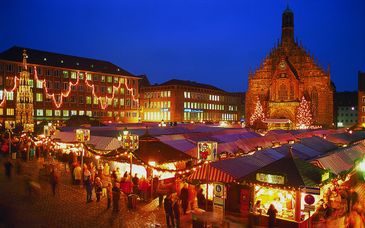
Spring months from April through May offer mild temperatures hovering between fifteen and twenty degrees Celsius, creating ideal conditions for exploring cobbled lanes and climbing castle towers without battling extreme weather. Early autumn, particularly September and October, delivers similar comfort alongside spectacular foliage in surrounding parks and fewer tourist crowds competing for restaurant tables and museum entry. These shoulder seasons provide extended daylight hours for photography enthusiasts capturing the Old Town's architectural details, whilst outdoor café culture flourishes along the Pegnitz riverbanks. Conversely, the Christmas market season from late November through Christmas Eve transforms Nuremberg into an enchanting winter wonderland. The Christkindlesmarkt, amongst Germany's oldest and most atmospheric yuletide celebrations, draws visitors worldwide who gather beneath twinkling lights to sip glühwein, sample fresh lebkuchen and browse market stalls brimming with handcrafted ornaments. This period demands advance hotel bookings and warmer clothing, yet rewards with an unparalleled festive atmosphere. Summer brings occasional heat but compensates with open-air concerts and beer garden evenings, whilst winter beyond market dates offers budget-friendly rates and tranquil sightseeing despite colder conditions. Your ideal timing depends upon whether you prioritise comfortable exploration or immersive seasonal magic.
Couples discover romance woven through Nuremberg's medieval fabric: sunset viewpoints from castle ramparts, intimate dinners in vaulted Gasthof cellars, and evening strolls across illuminated bridges create memories that linger long after departure. Families benefit from the interactive Toy Museum, spacious pedestrianised zones safe for children, and restaurants serving uncomplicated hearty fare that appeals to younger palates. The compact layout minimises transit frustrations, allowing more quality time at attractions rather than navigating complex transport networks. History enthusiasts find Nuremberg particularly rewarding: nine centuries of Imperial Castle evolution, Dürer's preserved residence offering glimpses into Renaissance artistic life, and the Germanisches Nationalmuseum housing over one million cultural artefacts spanning prehistory through contemporary periods. The Documentation Center at the former Nazi Rally Grounds provides essential context for understanding 20th-century German history through sobering yet necessary examination. Solo travellers and older visitors appreciate excellent public transport, widespread accessibility features, and the manageable scale that never feels overwhelming. Whether seeking cultural enrichment, family bonding or romantic escape, Nuremberg accommodates diverse traveller profiles with grace and authenticity.
The Kaiserburg crowns Nuremberg both literally and symbolically, its sandstone fortifications rising from a prominent ridge that has defended this strategic location since the eleventh century. Holy Roman Emperors chose this fortress as their preferred residence, conducting imperial business within walls that witnessed pivotal moments in European history. Visitors today explore the Palas with its stunning double Romanesque chapel featuring separate levels for nobility and commoners, the Sinwell Tower offering three-hundred-sixty-degree panoramic views across the Old Town's distinctive red-tiled rooftops, and the Deep Well plunging fifty metres into bedrock. The castle museum displays medieval armour, weaponry and artefacts that bring centuries past to vivid life. Budget ninety minutes to two hours for thorough exploration, though photography enthusiasts may linger longer at the garden terraces where golden-hour light paints the cityscape below in warm hues. Accessibility limitations exist due to historic staircases, yet the reward of standing where emperors once governed makes the climb worthwhile. Combination tickets covering multiple castle sections offer value, and opening hours vary seasonally, so verify schedules before ascending. No Nuremberg city break achieves completion without experiencing this commanding fortress.

The Altstadt enfolds visitors in medieval ambience, its city walls and towers framing a historic heart that survived wartime destruction through careful post-war reconstruction honouring original plans. Hauptmarkt serves as the social and commercial hub where daily life unfolds beneath the gaze of the Frauenkirche, whose mechanical clock performs the Männleinlaufen procession daily at noon. The Schöner Brunnen rises nineteen metres as a Gothic spire adorned with forty colourful figures representing the Holy Roman Empire's hierarchical worldview; tradition holds that spinning the brass ring embedded in its railing three times grants wishes. Wander beyond the square into Weißgerbergasse, where half-timbered houses lean at charming angles, their timber frames and painted plaster creating postcard-perfect scenes. The Handwerkerhof near the Hauptbahnhof recreates a craftsmen's courtyard where traditional trades continue in workshops selling handmade goods. Stroll the Pegnitz riverbanks, crossing covered bridges that have spanned these waters for centuries, and discover quiet corners where locals pause for coffee. Allocate two to three hours for Old Town exploration, allowing spontaneity to guide your route through lanes that reveal surprises around every corner.
Nuremberg's museum landscape caters to remarkably diverse interests across generations and intellectual pursuits. The Spielzeugmuseum occupies a historic building where centuries of playthings from porcelain dolls through intricate model railways delight families and nostalgic adults; seventy-five to ninety minutes suffices for most visitors. The Germanisches Nationalmuseum represents Germany's largest cultural heritage repository, its one-point-three million objects spanning prehistory through contemporary periods: paintings, sculptures, musical instruments, scientific apparatus, textiles and decorative arts fill galleries requiring two to three hours minimum for highlights alone. Serious enthusiasts could spend entire days within its walls. The Documentation Center Reichsparteitagsgelände occupies the unfinished Congress Hall at the former Nazi Party Rally Grounds, examining propaganda mechanisms, totalitarian ideology and Nuremberg's complex role in 20th-century German history through sobering permanent exhibitions demanding two hours for thoughtful engagement. Albrecht Dürer's House offers additional Renaissance context. Prioritise based on interests and available time: families gravitate toward toys, culture seekers embrace the Nationalmuseum, history students find the Documentation Center essential. Most museums close Mondays, so plan accordingly and investigate combination tickets for economic advantage.
Nürnberger Rostbratwurst defines Franconian culinary identity with protected geographical status ensuring authentic preparation: these small, thin pork sausages seasoned with marjoram sizzle over beechwood fires, their aroma drawing hungry visitors toward historic sausage kitchens clustered near Hauptmarkt. Traditionalists order Drei im Weggla (three sausages cradled in a crusty roll with mustard), whilst sit-down diners request six, eight or twelve arranged on pewter plates alongside sauerkraut and horseradish. Lebkuchen, Nuremberg's world-famous gingerbread, transcends Christmas to become a year-round staple available in traditional bakeries throughout the Old Town: soft varieties glazed with sugar, chocolate-covered delights, or plain rounds showcasing pure spice complexity. Sample Schäufele (roasted pork shoulder with crackling skin) or saure Zipfel (sausages poached in vinegar broth with onions) for deeper dives into regional specialities. Local bakeries offer Früchtebrot (dense fruit bread), oversized pretzels and seasonal treats. Dedicate at least one meal to these signature dishes in a wood-panelled Gasthof where servers in traditional dress deliver plates brimming with centuries of culinary tradition, or grab sausages from market stalls during the Christkindlesmarkt for an authentic experience.
Nuremberg honours its brewing heritage through Rotbier, a malty amber lager unique to Franconia that pours with ruby highlights and caramel notes distinguishing it from paler Bavarian brews. Traditional beer halls and Bierkeller carved into rock beneath the castle hill offer atmospheric settings where half-litre steins accompany hearty fare in wood-panelled rooms resonating with convivial conversation and occasional folk music. These centuries-old establishments prioritise local ingredients, time-honoured recipes and communal seating that encourages mingling amongst strangers who become friends over shared tables. Contrast this with Nuremberg's emerging craft beer scene, where microbreweries and contemporary taprooms experiment with IPAs, stouts and seasonal brews appealing to younger drinkers and beer enthusiasts seeking variety beyond traditional lagers. Summer Biergärten beneath chestnut trees provide pleasant outdoor alternatives. Consider a tasting tour moving from historic Brauhaus cellars to hip modern venues, experiencing both facets of Nuremberg's beer culture. Whether raising a stein in a vaulted medieval cellar or sampling experimental brews in a minimalist taproom, beer remains central to Franconian social life and essential to understanding local traditions.
Traditional Konditoreien and cosy cafés occupy historic buildings throughout the Altstadt, their vaulted ceilings and half-timbered interiors providing charming settings for the cherished ritual of Kaffee und Kuchen (coffee and cake). Afternoon visitors settle into cushioned chairs to savour Nürnberger Lebkuchen year-round, Baumkuchen (layered tree cake baked on rotating spits), warm Apfelstrudel dusted with powdered sugar, or rich Schwarzwälder Kirschtorte balancing chocolate, cherries and cream. Traditional pastry shops bake on-site, ensuring fresh flavours that mass production cannot replicate. Establishments near Hauptmarkt or along the Pegnitz offer pleasant viewpoints for people-watching whilst indulging sweet cravings. Seasonal specialities like Zwetschgendatschi (plum cake) appear when local orchards yield ripe fruit. Visit mid-afternoon when locals pause their day for this beloved tradition, experiencing the rhythm of Franconian life beyond tourist attractions. Some bakeries demonstrate lebkuchen-making techniques or offer tastings, adding interactive dimensions to your culinary exploration. Budget forty-five minutes to an hour for a proper café interlude, allowing time to rest weary feet, plan your next destination, and appreciate the slower pace that quality pastries and good coffee encourage.
Day One Morning: Begin at the Imperial Castle when gates open at nine o'clock, exploring the Palas, climbing the Sinwell Tower for panoramic views, and photographing the historic quarter spread below (budget two hours). Descend through medieval streets to Hauptmarkt, pausing at the Schöner Brunnen to spin the brass ring and admire the Frauenkirche (thirty minutes). Lunch: Sample authentic Nürnberger rostbratwurst at a historic sausage kitchen near the square. Afternoon: Choose between Albrecht Dürer's House or the Toy Museum (ninety minutes), then wander Weißgerbergasse and the Pegnitz riverbanks. Evening: Dine at a traditional beer hall, sampling local Rotbier. Day Two Morning: Visit the Germanisches Nationalmuseum, focusing on highlights (two to three hours). Afternoon: Explore the Handwerkerhof, shop for lebkuchen and souvenirs, relax at a café. Optional: substitute the Documentation Center if 20th-century history interests you more. Evening: Farewell dinner and an illuminated Old Town stroll. This itinerary balances major sights, local cuisine and leisure, perfect for first-time visitors. The Park Plaza Nuremberg 4* offers central location advantages for maximising your weekend.
Extend your city break to three days for deeper immersion without rushing between attractions. Days One and Two: Follow the weekend itinerary above at a relaxed pace, adding the Documentation Center on afternoon two (allocate two hours for this sobering yet essential site). Day Three Option A (Remain in Nuremberg): Morning visit to the Neues Museum showcasing contemporary art and design, or thoroughly explore the Craftsmen's Quarter with its artisan workshops. Afternoon options include a guided walking tour focusing on medieval history or wartime sites, or a seasonal river cruise on the Pegnitz offering fresh perspectives on familiar landmarks. Evening: attend a classical concert in a historic church or simply revisit favourite spots discovered earlier. Day Three Option B (Day Trip): Train to nearby Bamberg (one hour), a UNESCO World Heritage town boasting stunning medieval and Baroque architecture plus renowned brewery traditions; or journey to Rothenburg ob der Tauber (ninety minutes), a fairy-tale walled town frozen in time. Return to Nuremberg for dinner. Three days permit museum visits without fatigue, neighbourhood exploration beyond tourist circuits, and excursions into beautiful Franconian surroundings. Book centrally located accommodation to minimise travel time and maximise experiences.
When dusk descends, Nuremberg reveals different charms across seasons and settings. During Christmas market season, the Christkindlesmarkt glows beneath twinkling lights until twenty-two o'clock: sip warming glühwein, browse market stalls displaying handcrafted ornaments and regional treats, and absorb the festive atmosphere that draws visitors worldwide to this centuries-old tradition. Year-round alternatives include traditional beer halls or Bierkeller where local Rotbier accompanies hearty Bavarian dishes in convivial settings; weekend evenings often feature live folk music enhancing the authentic experience. Take sunset or evening walks through the illuminated Old Town when the Imperial Castle, Gothic churches and medieval towers glow against darkening skies, creating romantic ambience along cobbled lanes and across the Pegnitz bridges. Summer brings Biergärten beneath chestnut canopies and open-air concerts in castle grounds or Hauptmarkt. Check local event listings for theatre performances, classical concerts in historic churches, or seasonal festivals. Nuremberg's evenings blend relaxation, cultural heritage and atmospheric settings, providing perfect conclusions to days spent exploring this captivating Franconian gem.
Nuremberg rewards visitors with layers of history, culture and gastronomy presented in a walkable, welcoming format ideal for short stays. From Imperial Castle heights to market stalls brimming with lebkuchen, from sobering historical reckonings to joyful beer hall evenings, this Bavarian city offers experiences that resonate long after departure, inviting return visits to discover corners missed and flavours not yet savoured.
Yes, Nuremberg is an excellent city break destination. Its compact, walkable Old Town concentrates major attractions—Imperial Castle, museums, historic squares—within easy reach, making it ideal for two to three day visits. The city offers a rich blend of medieval architecture, poignant 20th-century history, authentic Bavarian cuisine and the world-famous Christmas market. Unlike larger German cities, Nuremberg feels intimate and manageable, with fewer crowds yet abundant cultural experiences. Whether you're a history enthusiast, couple seeking romance, or family exploring together, Nuremberg delivers a memorable and accessible short stay.
Two to three days are sufficient to experience Nuremberg's highlights comfortably. A weekend covers the Imperial Castle, Old Town, Hauptmarkt, one or two museums, and local dining. A long weekend allows deeper exploration—additional museums (Germanisches Nationalmuseum, Documentation Center), leisurely neighbourhood walks, and a possible day trip to Bamberg or Rothenburg. If visiting during the Christmas market season, consider an extra evening to fully enjoy the festive atmosphere. The city's compact layout means you can see a great deal without feeling rushed, making it perfect for short breaks.
Several airlines operate direct flights from the UK to Nuremberg Airport (NUE). Ryanair offers routes from London Stansted, Manchester and Edinburgh. Lufthansa and its partners provide connections via major hubs, though direct options vary seasonally. Flight times are approximately one-point-five to two hours. Nuremberg Airport is conveniently located just five kilometres from the city centre, with a metro (U-Bahn) link reaching the Hauptbahnhof (main station) in twelve minutes. Alternatively, travellers can fly to Munich (more frequent UK connections) and take a direct train to Nuremberg (one to one-point-five hours). Check current schedules and book early, especially for Christmas market season, when demand peaks.
Absolutely. Nuremberg combines significant historical importance with authentic Bavarian charm, making it one of Germany's most rewarding city break destinations. The remarkably preserved medieval Old Town, crowned by the Imperial Castle, offers architectural beauty and centuries of history. The city's role in both Holy Roman Empire grandeur and 20th-century events provides profound cultural and educational experiences. Add world-class museums, the enchanting Christkindlesmarkt, and outstanding Franconian cuisine (rostbratwurst, lebkuchen, local beers), and Nuremberg delivers a rich, multifaceted visit. Its manageable size, excellent transport links and welcoming atmosphere make it accessible and enjoyable for all traveller types. Nuremberg is well worth visiting.
Germany boasts many beautiful cities, each with distinct charm. Rothenburg ob der Tauber enchants with its fairy-tale medieval walls and half-timbered houses. Heidelberg captivates with its romantic castle ruins overlooking the Neckar River. Bamberg, a UNESCO World Heritage site, impresses with its intact medieval and Baroque architecture. Nuremberg itself ranks highly, blending a stunning Old Town, imposing castle and vibrant cultural life. Munich offers grand boulevards and beer gardens, whilst Dresden dazzles with Baroque splendour. "Prettiest" is subjective—history lovers may prefer Nuremberg or Bamberg, romantics Heidelberg, Christmas enthusiasts Nuremberg or Rothenburg. Each city rewards visitors with unique beauty, making Germany a treasure trove of picturesque destinations.