New
Exclusive

Our offers
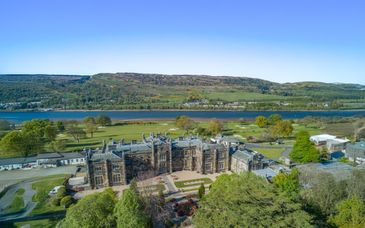


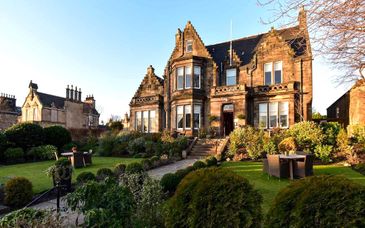
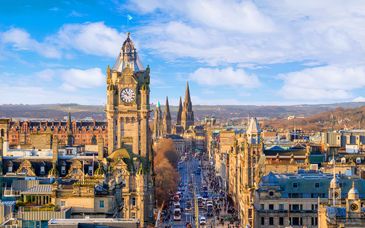
Table of contents
Scotland transforms into a magical wonderland during the final days of December, as the ancient celebration of Hogmanay takes centre stage across the nation. This beloved Scottish tradition, deeply rooted in centuries of history and folklore, offers visitors and locals alike an unforgettable way to welcome the new year. From the cobbled streets of Edinburgh’s Old Town to the remote Highland villages, the spirit of Hogmanay permeates every corner of Scotland, creating an atmosphere of warmth, community and jubilation that rivals any New Year’s celebration worldwide.
The Scottish approach to New Year’s Eve differs markedly from celebrations elsewhere, blending ancient Celtic customs with modern festivities to create something truly unique. Visitors planning their Hogmanay adventure will discover a rich tapestry of events, from intimate gatherings in traditional pubs to spectacular street festivals that attract hundreds of thousands of revellers. Understanding the cultural significance and practical aspects of these celebrations ensures a memorable experience that captures the true essence of Scottish hospitality and tradition.

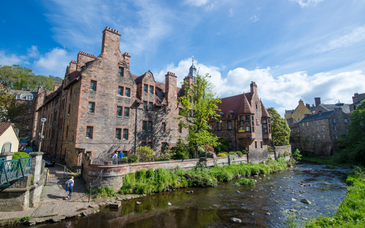
Edinburgh stands as Scotland’s crown jewel, offering visitors an extraordinary blend of medieval charm and contemporary sophistication that makes it the perfect destination for a memorable New Year’s celebration. This comprehensive city break package provides guests with access to both the historic Old Town and the elegant Georgian New Town, both recognised as UNESCO World Heritage Sites that showcase centuries of Scottish architectural evolution.
The experience begins with an exclusive whisky journey through the renowned Scotch Whisky Experience, where guests embark on the "Silver Tour", featuring a scenic barrel ride through the whisky production process. This immersive adventure includes guided tastings of two distinct Scottish whiskies, expertly paired with artisan chocolates, and concludes with a commemorative Glencairn whisky glass. The tour can be arranged flexibly throughout the stay, allowing guests to tailor their Edinburgh experience to their preferences.
The highlight of this package unfolds on the third day with an epic journey through Scotland’s most iconic landscapes, including the legendary Loch Ness, the dramatic Glen Coe and the breathtaking Scottish Highlands. This full-day expedition departs at dawn and returns at dusk, encompassing visits to historic Urquhart Castle, the picturesque town of Pitlochry and the stunning Cairngorms National Park. Guests can choose between comfortable 3-star accommodations in central Edinburgh or upgrade to 4-star properties, with options ranging from the elegant Crowne Plaza Royal Terrace to the contemporary Macdonald Holyrood.
What we love: The flexible accommodation options allow guests to choose between central Edinburgh locations or quieter zone 2 properties, while the comprehensive Highland tour provides an authentic taste of Scotland’s most legendary landscapes in a single unforgettable day.

This extraordinary seven-night road trip represents the ultimate Scottish adventure, allowing guests to traverse the country’s most breathtaking landscapes while staying in magnificent castles and elegant country manor houses that embody the grandeur of Scotland’s noble heritage. The journey begins at the majestic Macdonald Houstoun House near Edinburgh, a stunning property set within beautiful parkland that serves as the perfect introduction to Scottish castle hospitality.
The adventure unfolds across Scotland’s most celebrated regions, from the prestigious university town of St Andrews—home to golf’s most sacred grounds—to the royal splendour of Deeside, where Balmoral Castle has welcomed generations of monarchs. The itinerary includes stays at Norwood Hall in Aberdeen, the elegant Kingsmills in Inverness, and concludes at the atmospheric Sherbrooke Castle near Glasgow, renowned for its distinctive turrets, towers and battlements that create an authentic medieval atmosphere.
Each day presents new discoveries along the famous Malt Whisky Trail, where guests can explore world-renowned distilleries producing Scotland’s finest single malts, including Glenfiddich, Macallan and Glenlivet. The journey encompasses visits to historic battlefields like Culloden, the mysterious depths of Loch Ness, and the dramatic beauty of Glen Coe and Rannoch Moor. The experience allows complete flexibility, with optional car hire enabling guests to explore at their own pace while enjoying hearty Scottish breakfasts each morning.
What we love: The opportunity to stay in authentic Scottish castles and manor houses provides an unparalleled level of luxury, while the self-drive format allows complete freedom to explore Scotland’s legendary landscapes at a personalised pace.

This comprehensive eight-day journey through Scotland’s most treasured destinations combines the country’s two greatest passions: magnificent castles and world-class whisky production. The tour begins in Edinburgh, where guests can explore the medieval cobbled streets of the Old Town and stroll down the famous Royal Mile, discovering vintage shops alongside traditional pubs that have welcomed visitors for centuries.
The adventure continues to Aberdeen, known as Scotland’s Castle Country, where nineteen historic fortifications dot the landscape, including the dramatic Dunnottar Castle perched on crumbling cliffs above the North Sea. The journey through the Cairngorms National Park reveals forest-clad mountains and heather moorlands, while the coastal route showcases historic fishing villages and sweeping sandy beaches that define Scotland’s rugged coastline.
The whisky experience reaches its pinnacle with visits to the legendary Glenfiddich Distillery in Dufftown and Dewar’s Aberfeldy Distillery, where guests learn about centuries-old production methods and sample the honeyed richness of Scotland’s national spirit. The tour includes exclusive tastings, interactive museums and behind-the-scenes access to distilleries dating back to the 1890s. Additional highlights encompass Dunrobin Castle—the Highlands’ largest residence resembling a French château—and a delightful visit to Iain Burnett Highland Chocolatier for complimentary artisan hot chocolate.
What we love: The comprehensive castle visits provide insight into Scottish history from medieval times to royal residences, while the distillery experiences offer authentic tastings of world-renowned single malt whiskies in their original Highland settings.
Hogmanay’s origins stretch back through millennia, intertwining Viking influences with ancient Celtic winter solstice celebrations. The word itself derives from the Old French "hoguinané", meaning "gift at the New Year", though some scholars argue for Norse or Gaelic etymologies. During the 17th century, when Christmas celebrations faced suppression under Protestant rule, Hogmanay emerged as the primary winter festival, establishing traditions that continue to flourish today.
Ancient customs such as "first-footing" exemplify the deep cultural significance embedded within these celebrations. According to tradition, the first person to cross your threshold after midnight determines your household’s fortune for the coming year. Dark-haired visitors bearing gifts of coal, shortbread, salt or whisky bring particularly good luck, while empty-handed or fair-haired first-footers might herald misfortune. These beliefs reflect Scotland’s complex history of invasions and cultural exchanges, where Viking raids left lasting impressions on collective memory.
Fire ceremonies play another crucial role in Hogmanay traditions, symbolising purification and renewal. Throughout Scotland, communities gather around bonfires, while in some regions, participants carry flaming torches through streets in spectacular processions. These rituals connect modern celebrants with their ancestors, who believed fire possessed the power to ward off evil spirits and ensure prosperity in the year ahead.

Edinburgh’s Hogmanay celebration stands as one of Europe’s largest New Year’s festivals, transforming Scotland’s capital into a pulsating hub of international revelry. The three-day celebration typically begins on 30 December, culminating in the legendary street party that fills the historic city centre with hundreds of thousands of participants from around the globe. Princes Street, the Royal Mile and surrounding areas become pedestrian-only zones, creating an enormous outdoor party venue beneath the imposing silhouette of Edinburgh Castle.
The centrepiece of Edinburgh’s celebration remains the midnight fireworks display, launched from the ramparts of Edinburgh Castle and choreographed to music that echoes across the city. This spectacular show, visible from numerous vantage points throughout the Old and New Towns, creates a breathtaking backdrop as crowds join hands to sing "Auld Lang Syne" in unison. Multiple stages positioned throughout the venue feature live performances from renowned artists, traditional Scottish bands and emerging talent, ensuring continuous entertainment throughout the evening.
Access to Edinburgh’s main street party requires advance ticket purchase, with various options available to suit different preferences and budgets. Standard entry tickets provide access to the main party area, while premium packages offer enhanced experiences including priority viewing areas for the fireworks display, access to heated indoor facilities and complimentary refreshments. Tickets typically go on sale during the summer months, with early bird pricing available for advance purchasers.
Multiple entry points around the city centre facilitate crowd management, with clearly marked routes guiding ticket holders to their designated areas. Security measures ensure safety while maintaining the festive atmosphere, with bag checks and prohibited items lists enforced at all entry points. Public transport operates extended services throughout the night, though walking often proves the most efficient method of reaching the venue due to road closures and high demand.
Beyond the modern street parties and commercial celebrations, authentic Scottish Hogmanay traditions continue to thrive in communities across the nation. The practice of "redding" involves thorough house cleaning before midnight, symbolically removing the previous year’s negativity to welcome fresh opportunities. Families traditionally settle all debts, mend quarrels and complete unfinished business before the clock strikes twelve, ensuring they enter the new year with clear consciences and renewed relationships.
The "saining" ritual involves burning juniper branches throughout the house, with the aromatic smoke believed to purify the dwelling and its inhabitants. This ancient custom, particularly prevalent in Highland communities, connects participants with their Celtic heritage while creating a mystical atmosphere that enhances the spiritual significance of the transition between years. Many families combine this practice with the hanging of rowan branches above doorways, another protective measure rooted in folklore and superstition.
Midnight bells hold profound significance in Scottish Hogmanay celebrations, with communities gathering to hear the chimes that signal the year’s end. Following the final stroke, the tradition of "kissing and greeting" begins, as participants exchange embraces and good wishes with everyone present, regardless of their previous acquaintance. This custom embodies the Scottish spirit of inclusion and community that characterises authentic Hogmanay celebrations.
Glasgow’s Hogmanay celebration offers a distinctly different atmosphere from Edinburgh’s international extravaganza, focusing on family-friendly activities and local community spirit. George Square becomes the focal point for festivities, featuring live entertainment, children’s activities and a spectacular light show that illuminates the city’s Victorian architecture. The celebration emphasises accessibility and inclusivity, with free admission allowing families to participate without financial barriers.
The Highlands and Islands maintain their own unique Hogmanay traditions, often incorporating elements of Gaelic culture and local customs. On the Isle of Skye, communities gather for ceilidh dancing and traditional music sessions, while mainland Highland villages organise torchlight processions that wind through ancient landscapes under starlit skies. These intimate celebrations offer authentic experiences that connect participants directly with Scotland’s cultural heritage.
Stonehaven’s annual Fireball Ceremony represents one of Scotland’s most spectacular and ancient Hogmanay traditions. As midnight approaches, participants swing blazing fireballs attached to wire handles in mesmerising circular motions while marching down the High Street towards the harbour. This dramatic spectacle, rooted in ancient fire festivals, attracts thousands of spectators who line the streets to witness this unique celebration that has continued uninterrupted for generations.
The preparation for this ceremony involves months of planning, with local volunteers constructing the fireballs from chicken wire, paper and other combustible materials. Only residents of Stonehaven may participate as swingers, maintaining the tradition’s authenticity and community connection. The event concludes at the harbour, where participants cast their fireballs into the North Sea, symbolically consigning the old year to the depths while welcoming new beginnings.
Scottish Hogmanay celebrations feature distinctive culinary traditions that reflect the country’s agricultural heritage and climate. Shortbread, with its rich, buttery texture and symbolic round shape representing the sun’s return after the winter solstice, appears at every celebration. Families often prepare homemade versions using ancestral recipes passed down through generations, while commercial varieties ensure everyone can participate in this sweet tradition.
Black bun, despite its name referring to a rich fruitcake encased in pastry, serves as another essential Hogmanay delicacy. This dense, spiced cake requires weeks of preparation and ageing, making it a symbol of patience and anticipation for the new year. Traditional recipes include almonds, raisins, currants and a complex blend of spices that create distinctive flavours associated with Scottish celebrations.
Whisky naturally plays a central role in Hogmanay festivities, with the midnight dram marking the precise moment of transition between years. The tradition of sharing whisky with first-footers and neighbours reinforces community bonds while honouring Scotland’s national drink. Many families maintain special bottles reserved exclusively for Hogmanay, often featuring single malts from their local distilleries or expressions with particular sentimental value.

Planning accommodation for Hogmanay requires significant advance booking, particularly in popular destinations like Edinburgh and Glasgow, where demand far exceeds availability. Hotels, guesthouses and alternative accommodations typically implement premium pricing during this period, with rates often three to four times higher than standard winter rates. Booking immediately after tickets become available ensures the best selection and pricing options.
Alternative accommodation options include private rentals, hostels and bed-and-breakfast establishments that may offer better value while providing authentic Scottish hospitality experiences. Many visitors choose to stay outside city centres, utilising public transport or organised transport services to reach celebration venues. This approach often provides significant cost savings while reducing the stress of navigating crowded urban environments.
Weather considerations play a crucial role in Hogmanay planning, as Scottish winter conditions can be unpredictable and challenging. Waterproof clothing, warm layers and sturdy footwear prove essential for outdoor celebrations, particularly given the extended duration of festivities. Many venues provide some covered areas, though the majority of celebrations occur outdoors regardless of weather conditions.
Public transport systems implement special Hogmanay schedules, typically extending services throughout the night to accommodate revellers. Edinburgh’s bus and tram networks provide additional services, though capacity limitations during peak periods may result in significant waiting times. Pre-booking transport where possible, or planning walking routes, helps avoid disappointment and ensures timely arrival at celebration venues.
Road closures affect major cities during Hogmanay celebrations, with extensive pedestrian-only zones implemented for safety and crowd management. Private vehicles face significant restrictions, making public transport or walking the preferred options for reaching celebration areas. Taxi services experience exceptionally high demand and corresponding price premiums, while ride-sharing services may suspend operations in affected areas.
International visitors should consider flight scheduling carefully, as New Year’s Day is a public holiday throughout the United Kingdom. Limited flight options and higher prices characterise travel immediately before and after Hogmanay, making extended stays both practical and economical. Many visitors extend their trips to explore Scotland’s winter landscapes and cultural attractions while avoiding peak travel periods.
Large-scale Hogmanay celebrations require careful attention to personal safety and security measures. Designated meeting points help groups maintain contact despite crowd density, while mobile phone battery conservation becomes crucial given limited charging opportunities and potential network congestion. Emergency contact information and venue maps should be readily accessible, preferably in both digital and physical formats.
Alcohol consumption requires responsible management, particularly given the extended duration of celebrations and cold weather conditions. Hypothermia risks increase significantly when alcohol impairs judgement about appropriate clothing and shelter. Designated drivers or pre-arranged transportation ensure safe returns to accommodation, while buddy systems help monitor group members’ wellbeing throughout extended celebrations.
Security measures at major events include bag restrictions and prohibited items lists that participants must observe. Sharp objects, large bags, alcohol and certain personal items typically face restrictions, requiring advance planning to avoid disappointment at entry points. Official event websites provide comprehensive lists of permitted and prohibited items, along with information about secure storage facilities where available.
Photography opportunities abound during Scottish Hogmanay celebrations, from the dramatic fireworks displays to intimate moments of traditional customs. However, respecting others’ experiences and following venue guidelines ensures everyone can enjoy these spectacular events. Professional photographers often capture official event images, providing alternative options for those who prefer to experience celebrations without camera equipment.
Participating in traditional customs rather than merely observing them creates deeper connections with Scottish culture and more meaningful memories. Learning basic Gaelic phrases, understanding the significance of various rituals and engaging with local participants transforms visitors from tourists into temporary community members. These interactions often lead to lasting friendships and invitations to future celebrations.
Scottish Hogmanay represents far more than a simple New Year’s celebration; it embodies centuries of cultural tradition, community spirit and human resilience. The combination of ancient customs and modern festivities creates unique experiences that resonate long after the celebrations conclude, inspiring many visitors to return year after year to this remarkable Celtic celebration that welcomes all who seek authentic cultural experiences and genuine Scottish hospitality.