New
Exclusive

Our offers

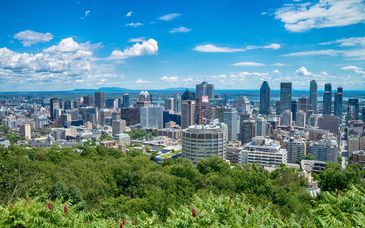
Table of contents
Montreal offers the perfect blend of Old World sophistication and contemporary urban energy, making it an ideal destination for a memorable city break. From the cobblestone streets of Old Montreal to the panoramic views atop Mount Royal, this vibrant Québécois metropolis delivers culture, cuisine, and year-round festivals in a compact, walkable setting. Whether you're planning a quick weekend escape or a longer exploration, Montreal rewards short-break travellers with world-class museums, thriving food markets, and distinct neighbourhoods each with their own character. Register to unlock exclusive offers on curated Montreal packages, combining boutique hotels, guided tours, and seamless travel arrangements for an unforgettable Canadian city break.

Nestled in the heart of Old Montreal, Hotel Le Saint-Sulpice offers boutique luxury just steps from Notre-Dame Basilica and the Old Port. This elegant four-star property features spacious suites with contemporary décor, many boasting private terraces and fireplaces. Guests enjoy complimentary breakfast, a rooftop terrace with city views, and exclusive wellness discounts at partner spas. The hotel's prime location makes it the perfect base for exploring Montreal's historic quarter, with cobblestone streets, artisan shops, and waterfront dining all within easy walking distance.
What we love: The combination of historic neighbourhood charm with modern suite comforts, plus the unbeatable location for first-time visitors wanting to immerse themselves in Old Montreal's atmosphere.

This comprehensive eight-day winter tour combines the best of Montreal and Quebec City, perfect for travellers wanting to experience both iconic destinations in one trip. The package includes carefully selected hotels, train travel between cities, guided walking tours of Old Montreal and Quebec City's historic districts, and a once-in-a-lifetime overnight stay at the famous Hotel de Glace (Ice Hotel). You'll explore Montreal's cultural highlights before journeying to Quebec City to discover its European charm, winter activities, and stunning architecture, all with expert local guides.
What we love: The seamless combination of two incredible cities with the unforgettable Ice Hotel experience, plus hassle-free train connections and expert-led tours that reveal hidden gems.

Experience the romance of Canadian rail travel with this six-night, seven-day journey connecting Montreal and Quebec City. This flexible package allows you to spend several days exploring Montreal's diverse neighbourhoods, markets, and museums before boarding the scenic train to Quebec City for further discovery. The itinerary includes suggested guided tours and optional excursions at each destination, giving you the freedom to customise your experience whilst enjoying pre-arranged accommodation and seamless transfers. It's ideal for travellers who want the convenience of a package with the flexibility of independent exploration.
What we love: The scenic train journey through the St Lawrence Valley, combining two distinct cities with the freedom to explore at your own pace whilst enjoying curated accommodation.

Embrace the magic of a Canadian winter with this specially designed nine-night tour showcasing Montreal and Quebec's most spectacular cold-weather experiences. The package includes exhilarating dog sledding adventures, activities at Lake Morency, an unforgettable overnight at the Ice Hotel, and comfortable train travel between Montreal and Quebec City. You'll experience the best of winter in both cities, from Montreal's cosy cafés and indoor cultural attractions to Quebec's snow-draped landscapes and outdoor adventures, all while staying in carefully selected hotels that provide warmth and comfort after days of winter exploration.
What we love: The perfect winter adventure combining thrilling outdoor activities like dog sledding with the unique Ice Hotel experience, ideal for travellers seeking authentic Canadian winter magic.
Montreal stands apart as North America's most European city, where French joie de vivre meets Canadian friendliness and American dynamism. The city's bilingual character creates a distinctive cultural blend: you'll hear French and English intermingling on cobblestone streets that could belong to Paris, yet find yourself surrounded by the efficiency and modernity of a major North American metropolis. Historic architecture from the 17th century sits alongside cutting-edge contemporary design, whilst neighbourhood bistros serving classic French cuisine neighbour innovative fusion restaurants pushing culinary boundaries. This unique duality means you can enjoy a European-style café culture—lingering over espresso and croissants—then dive into the fast-paced energy of festivals, live music venues, and a thriving arts scene. Montreal's compact size makes it perfect for short breaks; most major attractions lie within walking distance or a quick metro ride, allowing you to experience multiple facets of the city without wasting precious holiday time on transfers.
Montreal shines year-round, but each season offers distinct advantages for city break travellers. Spring (April–May) brings the city back to life after winter, with outdoor terraces reopening, cherry blossoms in the parks, and pleasant temperatures ideal for walking tours. Autumn (September–October) is arguably the finest time to visit: crisp, sunny days perfect for exploring, spectacular fall foliage on Mount Royal, and major cultural events including the Montreal International Jazz Festival afterglow. Both shoulder seasons offer mild weather (15–20°C), fewer crowds than summer, and excellent hotel availability. Summer (June–August) delivers warm weather and the peak festival season but expect higher prices and busier attractions. Winter (December–March) transforms Montreal into a snowy wonderland, offering unique experiences: outdoor skating, nearby skiing, the Igloofest electronic music festival, and easy access to winter activities like dog sledding.
Montreal's compact geography and concentrated attractions make it ideal for weekend warriors and short-break enthusiasts who want maximum experience in minimum time. Food lovers will find paradise here: the city boasts more restaurants per capita than anywhere in North America except New York, from hole-in-the-wall bagel bakeries and poutine joints to Michelin-worthy fine dining establishments. The Jean-Talon and Atwater markets overflow with local produce, artisan cheeses, and Québécois specialities. Culture seekers can fill days exploring world-class museums (the Montreal Museum of Fine Arts, Pointe-à-Callière archaeology museum), stunning architecture (Notre-Dame Basilica's Gothic Revival splendour), and diverse neighbourhoods each with distinct character—from the bohemian Plateau to trendy Mile End. The city's thriving performing arts scene, year-round festivals, and vibrant nightlife satisfy culture vultures of all tastes.
Maximise a weekend in Montreal with this efficient two-day itinerary covering essential highlights. Day one: Start in Old Montreal, exploring the cobblestone streets, visiting the breathtaking Notre-Dame Basilica (book tickets online to skip queues), and wandering the Old Port waterfront. Lunch at a traditional Québécois bistro, then walk or metro to Plateau Mont-Royal for afternoon café-hopping and boutique browsing. Evening: dinner in the Quartier des Spectacles followed by drinks on Crescent Street or Saint-Laurent Boulevard. Day two: Morning climb (or drive) up Mount Royal for panoramic city views and a stroll through the park. Descend to Mile End for brunch and to sample Montreal's famous bagels at St-Viateur or Fairmount. Afternoon: choose between the Montreal Museum of Fine Arts or the Biodome. Late afternoon: explore Jean-Talon Market for local products and snacks.
Three days allows deeper exploration of Montreal's cultural riches and culinary scene. Day one (Old Montreal & history): Morning at Pointe-à-Callière archaeology museum to understand the city's foundations, followed by Old Montreal exploration—Notre-Dame Basilica, Place Jacques-Cartier, and the Old Port. Lunch at a traditional tourtière spot, afternoon at the Montreal Science Centre or a harbour cruise. Evening in the Gay Village for dinner and nightlife. Day two (Museums & Mount Royal): Dedicate morning and early afternoon to the Montreal Museum of Fine Arts (allow 3–4 hours for the extensive collections). Late afternoon ascent of Mount Royal for sunset views, followed by dinner in the Plateau or Mile End. Day three (Food-focused exploration): Start with breakfast at a classic diner, then spend the morning at Jean-Talon Market sampling and shopping.
A winter city break in Montreal offers unique experiences unavailable in warmer months. Day one: Arrive and settle into your Montreal hotel, then explore the Underground City (interconnected shopping complexes and metro stations—perfect for acclimatising to winter temperatures). Afternoon visit to the Biodome (indoor tropical environments provide welcome warmth) or the Montreal Museum of Fine Arts. Evening: experience Montreal's cosy restaurant culture with hearty Québécois cuisine—tourtière, pea soup, and maple desserts—at a traditional bistro. Day two: Early departure for a day trip to the Ice Hotel (Hôtel de Glace) near Quebec City, approximately 2.5 hours by car or organised tour. Explore the stunning ice sculptures, frozen chapel, and themed suites carved from ice and snow. Many tours include additional winter activities like snowshoeing or ice slides.
Old Montreal (Vieux-Montréal) forms the historic heart of the city, where 17th- and 18th-century architecture transports visitors to another era. The crown jewel is Notre-Dame Basilica, a Gothic Revival masterpiece with a stunning blue-and-gold interior, intricate wood carvings, and one of North America's largest organs. Book the evening sound-and-light show (AURA) for an unforgettable multimedia experience. Wander the cobblestone streets discovering art galleries, boutique hotels, and restaurants in heritage buildings. Place Jacques-Cartier buzzes with street performers, outdoor cafés, and market stalls in summer. The Old Port (Vieux-Port) stretches along the St Lawrence River, offering waterfront promenades, seasonal activities (zip-lining in summer, skating in winter), and harbour cruises. Visit the Clock Tower for panoramic views, explore the Montreal Science Centre, or enjoy the riverside atmosphere.
Mount Royal, the small mountain giving Montreal its name, provides the city's most iconic viewpoint and beloved green space. The Kondiaronk Belvedere lookout offers sweeping panoramas across downtown skyscrapers to the St Lawrence River—spectacular at any time but particularly magical at sunset or when autumn colours blaze. Reach the summit via a pleasant 30-minute walk from the George-Étienne Cartier monument, by car, or bus 11. Descending the mountain's northern slope brings you to Mile End, Montreal's hippest neighbourhood and a haven for food lovers and culture seekers. This former working-class district now hosts artisan coffee roasters, independent bookshops, vintage boutiques, and some of the city's best restaurants. Mile End is home to Montreal's legendary bagel bakeries—St-Viateur and Fairmount, rivals since the 1950s, both producing wood-fired bagels 24 hours daily.
Montreal's food scene deserves its stellar reputation, and no visit is complete without market exploration and sampling iconic dishes. Jean-Talon Market, one of North America's largest public markets, overflows with local produce, artisan cheeses, charcuterie, maple products, fresh-baked goods, and prepared foods. Located in Little Italy, the market operates year-round (covered sections in winter) and offers the perfect spot for breakfast, lunch, or picnic supplies. Arrive hungry and graze your way through: sample Québécois cheeses, grab fresh fruit, try tourtière (meat pie), and stock up on maple syrup. Montreal's iconic foods demand tasting: bagels (smaller, denser, and sweeter than New York style, boiled in honey water then wood-fired); poutine (french fries topped with cheese curds and gravy—La Banquise offers dozens of variations); smoked meat sandwiches (Montreal's answer to pastrami, best at Schwartz's Deli).
Montreal-Trudeau International Airport (YUL) sits 20 kilometres west of downtown, with excellent connections to the city centre. The 747 Express bus runs 24/7 directly to downtown (Berri-UQAM metro station and several stops along Boulevard René-Lévesque) for approximately CAD 11, journey time 45–70 minutes depending on traffic. Taxis to downtown cost CAD 40–50 (flat rate), whilst ride-sharing services (Uber, Lyft) charge similar amounts. Once in Montreal, the efficient STM metro system provides the best way to navigate the city—four colour-coded lines serve all major neighbourhoods and attractions. Purchase a weekend pass (unlimited travel Friday evening through Monday) or three-day tourist pass for best value. The city centre is highly walkable, and many visitors find they use the metro less than expected. For day trips to Quebec City, VIA Rail trains depart from Gare Centrale (approximately 3 hours, CAD 50–120 depending on booking time and class).
British citizens require an Electronic Travel Authorization (eTA) to fly to Canada—apply online before departure (CAD 7, valid five years). Ensure your passport remains valid for the duration of your stay. Canada uses the Canadian dollar (CAD); exchange rates fluctuate but typically £1 = CAD 1.60–1.80. ATMs are widely available, and credit cards are accepted almost everywhere (Visa and Mastercard preferred). Tipping culture mirrors the United States: 15–20% in restaurants (calculated on pre-tax amount), CAD 1–2 per drink in bars, 15% for taxis, and CAD 2–5 per bag for hotel porters. Some restaurants add service charges for groups. Accommodation tax (approximately 3.5% provincial plus municipal taxes) will be added to hotel bills. Montreal ranks as one of North America's safest cities, with low violent crime rates. Exercise normal precautions: watch belongings in crowded areas and on public transport, avoid poorly lit areas late at night.
Packing for Montreal varies dramatically by season. Winter (December–March): Bring or buy upon arrival serious cold-weather gear—insulated, waterproof coat rated to -20°C or below, thermal underlayers, warm hat covering ears, insulated gloves or mittens, scarf, and waterproof winter boots with good traction (icy pavements are common). Layers are essential as indoor spaces are well-heated. Spring and Autumn (April–May, September–November): Pack layers—light jacket or fleece, long-sleeve shirts, jeans or trousers, comfortable walking shoes (waterproof recommended), and an umbrella or rain jacket. Temperatures fluctuate significantly, so versatile clothing allows adjustment throughout the day. Summer (June–August): Light, breathable clothing, comfortable walking shoes, sunglasses, sun hat, and sunscreen. Bring a light jacket or cardigan for over-air-conditioned indoor spaces and cooler evenings. Comprehensive travel insurance is essential for any international trip, covering medical emergencies and evacuation, trip cancellation, lost or delayed baggage, and travel delays.
Montreal delivers an exceptional city break experience, combining European sophistication with North American energy in a compact, accessible package. Whether you're drawn by the historic charm of Old Montreal, the culinary adventures awaiting at markets and bistros, the cultural richness of world-class museums, or the seasonal delights from summer festivals to winter wonderlands, this vibrant Québécois metropolis rewards short-break travellers with memorable experiences at every turn. The city's walkable neighbourhoods, efficient public transport, and concentration of attractions make it ideal for weekend getaways and three-day escapes, whilst its proximity to Quebec City and winter activity destinations extends possibilities for longer explorations. From sampling wood-fired bagels in Mile End to marvelling at Notre-Dame Basilica's Gothic splendour, from panoramic Mount Royal views to the sensory delights of Jean-Talon Market, Montreal offers diversity and quality that rival much larger cities. The blend of French and English cultures creates a unique atmosphere found nowhere else in North America, whilst the warmth of Montrealers ensures visitors feel welcomed from arrival to departure.
Prioritise Old Montreal's cobblestone streets and Notre-Dame Basilica, climb Mount Royal for panoramic views, explore diverse neighbourhoods like Mile End and the Plateau, visit Jean-Talon Market for local food, sample iconic dishes (bagels, poutine, smoked meat), and dedicate time to world-class museums like the Montreal Museum of Fine Arts. In winter, add activities like skating, nearby skiing, or a day trip to the Ice Hotel. Montreal's compact size allows you to experience multiple facets—history, culture, food, and neighbourhoods—even on a short weekend break.
A weekend (two full days) covers Montreal's highlights if you plan efficiently, hitting Old Montreal, Mount Royal, one or two neighbourhoods, and key food experiences. Three to four days allows a more relaxed pace, deeper neighbourhood exploration, additional museums, and time for a day trip to Quebec City or winter activities. A full week enables you to explore thoroughly, take multiple day trips, and truly immerse yourself in Montreal's culture and cuisine without rushing. Most city break travellers find three days ideal for balancing major sights with leisurely discovery.
Montreal excels as a weekend destination thanks to its compact geography, efficient public transport, and concentrated attractions. You can experience the city's European charm, sample its legendary food scene, explore distinct neighbourhoods, and visit major sights all within 48 hours. The city's walkability means minimal time wasted on transfers, whilst the variety of experiences—from historic architecture to contemporary culture—ensures a fulfilling short break. Weekend visitors should prioritise must-sees and accept they'll want to return to explore further.
Yes, Quebec City makes an excellent day trip from Montreal, located approximately 250 kilometres northeast. VIA Rail trains take about three hours each way, departing from Gare Centrale. Drive (2.5–3 hours) or join an organised coach tour. A day trip allows 4–6 hours in Quebec City—enough to explore the fortified Old Town (a UNESCO World Heritage site), walk the Dufferin Terrace, visit the Château Frontenac, and enjoy lunch. However, Quebec City deserves an overnight stay if possible to experience its evening atmosphere and avoid rushing.
Late spring (May–June) and early autumn (September–October) offer ideal conditions: mild temperatures (15–22°C), fewer crowds than peak summer, beautiful scenery (spring blossoms or fall foliage), and major cultural events. Summer (July–August) brings warm weather and peak festival season but higher prices and crowds. Winter (December–March) suits travellers seeking snow activities, winter festivals, and unique experiences like the Ice Hotel, though temperatures drop well below freezing. Avoid late March and April when melting snow creates slushy conditions and many attractions have reduced hours.
Winter in Montreal demands serious cold-weather gear: insulated, waterproof coat rated to -20°C or colder, thermal base layers (top and bottom), warm hat covering ears, insulated gloves or mittens, thick scarf, waterproof winter boots with excellent traction, and warm socks (wool or synthetic). Layer clothing as indoor spaces are well-heated. Add hand and foot warmers for extended outdoor time, sunglasses for bright snow glare, and lip balm for dry air. If you don't own suitable winter gear, consider purchasing upon arrival—Montreal has excellent outdoor equipment shops and department stores.