
New
Exclusive



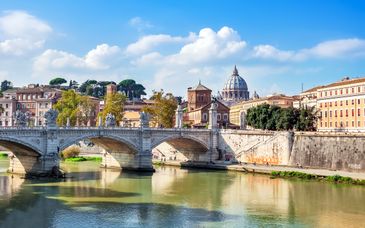

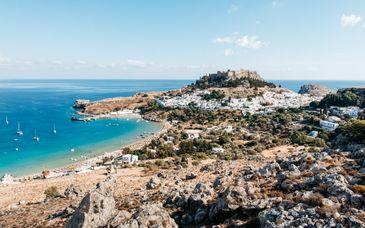






Table of contents
Cruising through European waters offers an unparalleled blend of cultural immersion, scenic beauty, and effortless travel that transforms how you experience the continent. From the turquoise coves of the Greek islands to the midnight sun illuminating Norwegian peaks, a European cruise grants access to destinations both iconic and remote, all while enjoying the comfort and amenities of your floating hotel. The variety of routes spans the warm embrace of the Mediterranean, the dramatic vistas of Scandinavia and the Baltic, the heritage-rich British Isles, and the intimate charm of river journeys through Europe's heartland. On board, you unpack once and wake each morning to a new horizon, savouring world-class dining, entertainment, and leisure facilities between ports. Shore excursions place you within reach of world-famous museums, ancient archaeological sites, pristine beaches, and vibrant local markets, curated to maximise your limited time in each destination. For families, cruises offer children's clubs, pools, and safe exploration; for couples, romantic sunsets and intimate dining; for solo travellers, organised activities and welcoming social spaces. Register with Voyage Privé to unlock exclusive member rates on premium European cruise itineraries, carefully selected ships, and exceptional offers that elevate your voyage from a simple holiday to an unforgettable journey across the continent's most captivating coastlines.

Embark on a classic Western Mediterranean voyage aboard NCL Epic, calling at Rome (Civitavecchia), Cannes, Barcelona, and Naples. This package includes hotel nights before or after your cruise, full-board dining, and drinks packages, plus flights and ATOL protection. The 7-night itinerary balances cultural exploration with on-board leisure, offering freestyle dining, entertainment, and family-friendly facilities. Perfect for first-time cruisers seeking iconic Mediterranean ports with the convenience of an all-in-one package.
What we love: The seamless combination of hotel stays and cruise, the freestyle dining concept, and the included drinks package that makes budgeting effortless.

Experience the perfect marriage of land and sea with this combined city-stay and cruise package. Explore the eternal city of Rome and the romantic canals of Venice before embarking on a 7-night MSC Mediterranean cruise. The itinerary visits captivating ports across Italy, Greece, and beyond, with flights, hotels, and comprehensive on-board dining included. This package allows you to delve deep into two of Italy's most beloved cities before discovering the broader Mediterranean from the comfort of a modern cruise ship.
What we love: The seamless blend of iconic city exploration and relaxed cruising, the included flights and hotels, and the opportunity to experience Venice and Rome before setting sail.

Sail through the heart of Europe aboard an intimate Avalon river ship, journeying from Amsterdam to Basel or Zurich along the legendary Rhine. This river cruise includes all shore excursions, full-board dining, and access to charming ports inaccessible to ocean-going vessels. Discover medieval towns, vineyard-clad hillsides, and cultural treasures in Germany, France, and Switzerland, with expert-led tours and ample time to explore each destination at a relaxed pace.
What we love: The intimate atmosphere of river cruising, the included shore excursions that immerse you in local culture, and the all-meals-included convenience that allows carefree exploration.

Glide through Central Europe's most elegant capitals aboard MS Vivaldi, visiting Vienna, Budapest, and Bratislava on a carefully crafted Danube itinerary. The ship offers full-board dining with the option to upgrade to an all-inclusive drinks package, ensuring a carefree voyage through the cultural and historical heart of Europe. On-board amenities blend comfort and intimacy, while shore excursions introduce you to imperial palaces, thermal baths, and centuries-old architecture.
What we love: The cultural richness of three magnificent capital cities, the full-board dining that simplifies planning, and the option to upgrade to all-inclusive beverages for complete relaxation.
The Mediterranean remains the quintessential European cruise region, divided into Western routes (Spain, France, Italy), Eastern itineraries (Croatia, Greece, Turkey), and Greek Islands voyages. Western Mediterranean highlights include Barcelona's Gaudí masterpieces, Rome's ancient Colosseum and Vatican treasures, the glamour of the French Riviera, and Tuscan ports offering access to Florence and Pisa. Eastern Mediterranean cruises showcase Dubrovnik's medieval walls, Santorini's iconic whitewashed villages perched above volcanic calderas, Mykonos' cosmopolitan nightlife, and Istanbul's unique blend of European and Asian cultures. Greek Islands itineraries allow true island-hopping through the Cyclades and Dodecanese, combining beach relaxation with archaeological wonders such as Delos and Knossos. Typical cruise lengths span seven to ten nights, with embarkation from Barcelona, Rome (Civitavecchia), Venice, or Athens (Piraeus). The appeal lies in warm weather, rich history spanning millennia, diverse cuisine from tapas to mezze, and the ease of exploring multiple countries without constant packing. Mediterranean cruises operate throughout the year, though the season peaks from May through October when temperatures and sea conditions prove most favourable for sailing and shore exploration.
Northern Europe cruises deliver a summer and early autumn experience from May through September, showcasing dramatic Norwegian fjords, the midnight sun, and vibrant Nordic cities that come alive under extended daylight hours. Norway itineraries feature UNESCO-listed Geirangerfjord and Nærøyfjord, Bergen's colourful Bryggen wharf lined with Hanseatic merchants' houses, and the remote North Cape where the Arctic Ocean meets the Barents Sea. Baltic routes connect St Petersburg's world-class Hermitage Museum, Tallinn's remarkably preserved medieval old town, Stockholm's elegant archipelago spread across 14 islands, Copenhagen's Tivoli Gardens and design quarter, and Helsinki's modernist architecture and design district. Some Scandinavia itineraries extend to Iceland for geothermal wonders, whale watching, and volcanic landscapes. Northern Europe cruises contrast sharply with Mediterranean voyages: cooler temperatures ranging from 15 to 22 degrees, longer daylight hours (midnight sun in summer Arctic regions), and a focus on natural landscapes, Viking heritage, and contemporary Nordic culture. Departures typically originate from Southampton, Copenhagen, or Amsterdam, with durations spanning seven to fourteen nights. Winter cruises from October through March offer the chance to witness the Northern Lights dancing across Arctic skies in Norwegian coastal waters, appealing to adventurous travellers seeking unique natural phenomena.
British Isles and Ireland cruises provide convenient short-break options departing from UK ports such as Southampton, Dover, and Liverpool, making them ideal for first-time cruisers or those seeking no-fly holidays that eliminate airport hassle. Typical itineraries span three to seven nights, exploring the Scottish Highlands and islands including Orkney, Shetland, and the Hebrides, Irish ports such as Dublin, Cork, and Belfast, and English coastal gems like Falmouth and Dartmouth. Highlights include Edinburgh's Royal Mile and castle perched above the city, the geological marvel of Giant's Causeway in Northern Ireland, the poignant Titanic Belfast museum, Scottish whisky distilleries offering tastings and tours, and dramatic coastal scenery ranging from Cornish cliffs to Hebridean beaches. The ease of driving directly to your embarkation port eliminates flight costs and airport queues, while the itineraries introduce you to lesser-known UK destinations best appreciated from the sea. These cruises suit families seeking convenient getaways, older travellers preferring accessible embarkation, and anyone curious to explore British and Irish heritage from a fresh perspective. The season runs best from May through September when weather proves most amenable, though year-round departures exist for hardy travellers. Many British Isles cruises feature enrichment lectures on local history, wildlife, and culture, adding educational depth to the voyage and positioning these itineraries as both accessible introductions to cruising and deep cultural explorations of Celtic lands.
Short-break cruises spanning three to five nights serve as perfect tasters for first-time cruisers, weekend getaways that require minimal annual leave, or add-ons to city breaks in gateway ports. Common routes include Southampton to Bruges or Amsterdam for a taste of continental Europe, Barcelona to Palma and Ibiza for Balearic sunshine and beaches, or Rome to Sicily and Malta for archaeological treasures and Mediterranean charm. The appeal lies in minimal disruption to work schedules, lower total cost compared to week-long voyages, and the opportunity to experience shipboard life, dining, and entertainment without major commitment. Short cruises typically include two to three ports, on-board shows and activities, and full dining options, offering a concentrated dose of the cruise experience. Many focus on a single region such as Western Mediterranean islands or North Sea cities, and some feature themed experiences including food and wine voyages, festive Christmas market cruises in winter, or music-themed sailings. Embarkation ports with excellent transport links such as Southampton, Barcelona, and Rome make short breaks accessible, and the format allows you to combine a brief cruise with pre- or post-cruise city stays in gateway destinations. While cabin prices per night often run higher on short cruises due to fixed embarkation costs, the total financial outlay remains budget-friendly, making these itineraries attractive entry points to cruising or quick escapes for experienced cruisers seeking a maritime weekend away.
The classic seven-night Mediterranean cruise stands as the most popular European itinerary, offering a balanced blend of culture, cuisine, relaxation, and the convenience of visiting four to five countries without constant packing. A typical Western Mediterranean sequence embarks in Barcelona (explore Gaudí's Sagrada Família and stroll Las Ramblas), calls at Marseille (gateway to Provence lavender fields and Aix-en-Provence), Genoa or La Spezia (for day trips to Cinque Terre's colourful villages or Pisa's Leaning Tower), Rome/Civitavecchia (Vatican Museums, Colosseum, Roman Forum), Naples (Pompeii ruins, Amalfi Coast drives), before returning to Barcelona. Eastern Mediterranean alternatives embark in Venice (canals, St Mark's Basilica, Doge's Palace), visit Split or Dubrovnik on Croatia's stunning Adriatic coast, call at Greek islands such as Santorini (caldera views, sunset in Oia) and Mykonos (beaches, whitewashed lanes), reach Athens (Acropolis, Parthenon, National Archaeological Museum), and return to Venice. The format delivers remarkable variety: historical tours, beach days, culinary experiences from paella to moussaka, and the chance to explore multiple UNESCO World Heritage Sites. On board, you enjoy leisure time during sea days, pools, entertainment, and diverse dining options. Seven-night cruises suit most holiday allowances and budgets, with prices varying by cabin category (inside, balcony, suite) and season (shoulder months of April-May and September-October offer better value than peak July-August). This itinerary length provides enough time to appreciate each destination without feeling rushed, making it the ideal introduction to Mediterranean cruising and a perennial favourite for repeat cruisers seeking reliable quality and diverse experiences.
Extended cruises spanning ten to fourteen nights offer immersive voyages for travellers seeking deeper exploration, more relaxed pacing, and access to a broader range of destinations within a single journey. Greek Islands extended itineraries embark from Athens on round-trip voyages visiting Crete (Minoan palace of Knossos, Heraklion Archaeological Museum), Rhodes (medieval old town, hilltop Lindos Acropolis), Santorini, Mykonos, plus Turkish coastal gems such as Ephesus (remarkably preserved Roman ruins) and Bodrum (castle, bazaar, beaches). Adriatic loops sail from Venice to Croatian ports including Dubrovnik, Split (Diocletian's Palace), and Zadar (Roman forum, Sea Organ), venture to Montenegro's dramatic Kotor fjord, and return via Italian Adriatic ports such as Bari and Ancona. Multi-country grand tours might span Barcelona to Venice via the French Riviera (Nice, Monaco), Italian Riviera (Portofino, Genoa), Rome, and Greek islands, or Northern Europe loops combining Baltic capitals with Norwegian fjords in a single comprehensive voyage. The benefits of longer cruises include more time in port (ships often stay overnight in major cities, allowing evening exploration), fewer sea days relative to port calls, and the opportunity to venture beyond main tourist sites on extended shore excursions. Longer itineraries attract a more mature, culturally curious demographic and often feature enrichment programmes including guest lecturers on history and art, cooking classes, and language lessons. Ten to fourteen-night cruises deliver better value per day compared to shorter voyages and allow time for pre- or post-cruise city stays, creating a truly comprehensive European exploration that satisfies curious minds and adventurous spirits seeking depth over breadth.
Cultural and historical excursions form the cornerstone of European cruise appeal, granting access to world-class museums, ancient ruins, and UNESCO World Heritage Sites that define Western civilisation. Mediterranean highlights include the Vatican Museums and Sistine Chapel in Rome, the Acropolis and Parthenon towering above Athens, the remarkably preserved ruins of Pompeii and Herculaneum near Naples, the ancient city of Ephesus in Turkey with its Library of Celsus and Great Theatre, and Diocletian's Palace in Split where Roman emperor retirement quarters evolved into a living city. Northern Europe offers the Hermitage Museum in St Petersburg (world's largest art collection), Viking Ship Museum in Oslo, Anne Frank House in Amsterdam, and Edinburgh Castle commanding views over Scotland's capital. Booking shore excursions in advance through your cruise line or reputable independent operators proves essential to avoid lengthy queues and maximise limited port time, particularly at major sites that can see thousands of daily visitors. Many ports offer hop-on-hop-off buses or guided walking tours that provide flexibility while ensuring you see key highlights efficiently. Guided tours deliver invaluable context through expert commentary and often include skip-the-line access that saves precious hours. Bear in mind that some ports such as Rome and Athens require significant travel time from cruise terminals to city centres (up to 90 minutes), so prioritise must-see sites and book morning excursions to maximise your day. Research opening hours, advance booking requirements, and any visa needs (St Petersburg's Hermitage requires a visa for British passport holders unless you remain with a cruise line's organised shore excursion with ferry visa waiver) well before your departure date to ensure smooth, rewarding cultural exploration.
Balancing beach relaxation with cultural exploration defines successful island-hopping itineraries, as Mediterranean and Atlantic islands offer diverse experiences ranging from pristine coastlines to archaeological treasures. Best beaches include Mykonos (Paradise Beach for parties, Super Paradise for LGBTQ+ scene), Santorini (Red Beach with volcanic cliffs, black-sand Kamari), Ibiza (Cala Comte for turquoise waters, Talamanca for families), Mallorca (Cala Millor's golden sands), Corsica (Palombaggia's pine-fringed shores), Sardinia (exclusive Costa Smeralda), and Malta (Golden Bay, Mellieha Bay). Culture-focused islands deliver rich historical experiences: Crete offers the Minoan palace of Knossos and Heraklion Archaeological Museum, Rhodes features a medieval old town and Lindos Acropolis perched above azure waters, Sicily boasts the Valley of the Temples and charming Taormina with Greek theatre overlooking Mount Etna, and Corfu presents Achilleion Palace and a Venetian-influenced old town. Some islands deliver both beach and culture in equal measure, notably Crete and Sicily, allowing you to split port time between archaeological exploration and coastal relaxation. Beach days prove ideal for families with children and travellers seeking downtime between intensive sightseeing, while culture enthusiasts should prioritise islands with significant historical sites and museums. Beach clubs offering loungers, umbrellas, and water sports (snorkelling, paddleboarding, jet skiing) operate across Mediterranean islands from May through September. Check port proximity to beaches before arrival, as some require taxis or organised excursions (15-30 minutes travel time), and pack beach essentials including sun protection, though most cruise lines provide towels for shore use, eliminating the need to carry bulky items.
Active shore excursions attract travellers seeking adventure, physical engagement, and unique perspectives beyond traditional bus tours, with European ports offering remarkable outdoor experiences across all seasons. Hiking opportunities include Norwegian fjord trails such as Trolltunga's dramatic cliff edge and Preikestolen (Pulpit Rock) towering 604 metres above Lysefjord, Cinque Terre coastal paths connecting five colourful Italian villages, Santorini caldera rim walks from Fira to Oia with spectacular views, and Madeira's levada trails following historic irrigation channels through lush landscapes. Cycling appeals to those preferring two wheels: Amsterdam and Copenhagen offer flat, bike-friendly city tours through canal-side streets and royal parks, Dubrovnik city walls rides combine history with exercise, Provence vineyard routes reward cyclists with wine tastings, and Baltic coastal paths deliver scenic seaside pedalling. Sailing and water sports include Greek island sailing trips on traditional caiques, kayaking through Norwegian fjords for intimate access to waterfalls and wildlife, snorkelling in Malta's crystal-clear waters exploring marine reserves, and paddleboarding in Ibiza's sheltered coves. Winter activities transform Northern European itineraries: Northern Lights tours in Arctic Norway (Tromsø, Alta) offer the chance to witness aurora borealis dancing across polar skies, husky sledding provides exhilarating transport across snowy landscapes, snowshoeing allows exploration of winter wonderlands, and visits to ice hotels deliver unforgettable overnight experiences. Active excursions typically feature smaller group sizes led by local experts who share insider knowledge, though you should check fitness requirements and book well in advance as popular activities fill quickly. Pack appropriate gear including sturdy hiking boots, waterproof layers, and clothing suitable for variable weather, and always check forecasts before departure to ensure safe, enjoyable active exploration.

Choosing optimal travel dates by region ensures you experience favourable weather, manageable crowds, and good value, with each European cruise region offering distinct seasonal advantages. Mediterranean cruises shine in April through June and September through October, delivering warm temperatures ranging from 20 to 28 degrees, fewer crowds than peak summer, and lower prices than the July-August school holiday rush when ports and ships overflow with families; winter months from November through March see reduced itineraries and cooler temperatures but offer mild conditions (12-18 degrees) and bargain fares for budget-conscious travellers. Northern Europe voyages operate primarily May through September when temperatures reach 15 to 22 degrees and long daylight hours (midnight sun in Arctic regions during June-July) maximise sightseeing time; June through August delivers warmest weather but highest prices and busiest ports, while September brings autumn colours, fewer tourists, and excellent value. British Isles cruises run best May through September when temperatures reach 15 to 20 degrees and rainfall proves less frequent, though year-round departures accommodate hardy travellers; spring (April-May) and autumn (September-October) offer lower prices, blooming landscapes or autumn foliage, and quieter ports. River cruises excel in April through May when tulips bloom in Holland and spring flowers carpet riverbanks, and September through October when harvest season brings vineyard tours and wine tastings, with Christmas market cruises starting November for festive atmosphere; summer proves warmest but busiest along popular routes. Shoulder seasons (April-May, September-October) across all regions balance pleasant weather, lower prices (often 20-40% less than peak), and manageable crowds, making them ideal for flexible travellers seeking value without sacrificing experience. Booking six to twelve months ahead secures best cabin selection and early-bird discounts while allowing time to research shore excursions, plan pre- or post-cruise stays, and arrange travel insurance.
Understanding key differences between ocean and river cruises, cabin types, and standard inclusions helps you select the right voyage and budget accordingly. Ocean cruises sail open seas aboard large ships carrying 1,000 to 5,000 passengers, offering extensive on-board facilities including multiple pools, theatres staging Broadway-style shows, numerous restaurants and bars, casinos, spas, and children's clubs; dining ranges from formal gala evenings to casual buffets, and cabin categories span inside (no window, most affordable), ocean view (porthole or window), balcony (private outdoor space commanding premium pricing), and suite (separate living area, concierge service, priority embarkation). River cruises navigate inland waterways on smaller vessels carrying 100 to 200 passengers, creating intimate atmospheres where you recognise fellow guests; virtually all cabins feature outside views (often with French balconies), and pricing typically approaches all-inclusive or near-all-inclusive models covering shore excursions, Wi-Fi, and most beverages that ocean cruises charge extra for, delivering cultural immersion focused on historic towns and countryside rather than open-sea sailing. Typical ocean cruise inclusions cover accommodation, main dining room meals (breakfast, lunch, dinner), basic beverages (water, tea, coffee), entertainment and shows, fitness centres, and children's clubs, with port taxes usually included in advertised prices. Usually extra on ocean cruises: speciality restaurants, alcoholic drinks and premium beverages (unless drinks package purchased), gratuities/service charges (£10-15 per person per day), shore excursions (£40-150 per excursion), spa treatments, Wi-Fi packages, and photos. River cruises often include shore excursions, Wi-Fi, and beer/wine with meals in the base fare, delivering better value despite higher upfront costs. Check precisely what each offer includes and budget £300-800 per person for extras on a week-long ocean cruise, or verify that river cruise inclusions match your priorities before booking to avoid unwelcome surprises.
Proper documentation, health preparation, and comprehensive insurance prove essential for smooth European cruise experiences, with requirements varying by destination and nationality. Passport validity requires at least six months remaining beyond your return date for most destinations, though some Schengen countries accept three months; check specific requirements for non-EU destinations including Turkey, Russia, and Morocco that may impose stricter rules. Visa requirements for British passport holders remain minimal across most European cruise regions: Schengen area and Mediterranean ports generally require no visa for stays under 90 days; Russia (St Petersburg) requires a visa unless you remain with your cruise line's organised shore excursion utilising the ferry visa waiver (72-hour exemption), which most cruise lines arrange; Turkey may require an e-visa depending on your itinerary and nationality, easily obtained online before departure. Health preparation requires no vaccinations for European cruises, though you should bring your EHIC or GHIC card for EU medical cover (post-Brexit, UK residents still receive emergency treatment) plus comprehensive travel insurance; pack prescription medications in original packaging with quantities sufficient for your entire trip plus extras, and carry a doctor's letter for controlled substances or injectable medications to avoid customs issues. Travel insurance proves essential rather than optional, covering medical emergencies (treatment costs can reach tens of thousands without insurance), trip cancellation or interruption, missed departure due to transport delays, lost luggage, and repatriation if needed; ensure your policy covers cruise-specific risks including missed ports due to weather, itinerary changes, and medical evacuation from ships at sea. ATOL protection applies automatically to flight-inclusive cruise packages booked through UK operators, safeguarding your money if the operator fails. Purchase insurance when you book (coverage often includes cancellation from that point) and review your cruise line's health protocols regarding COVID-19 testing, vaccination requirements, or other infectious disease measures that may apply. Proper preparation transforms potential stress into peace of mind, allowing you to focus entirely on enjoying your European voyage.

European cruises deliver unmatched variety, convenience, and value, whether you seek sun-soaked Mediterranean islands, dramatic Nordic fjords, intimate river journeys, or convenient no-fly British Isles explorations. With careful planning around seasonality, the right choice of cruise type and itinerary length, and proper preparation for documentation and insurance, your European cruise transforms from a simple holiday into an unforgettable voyage across the continent's most captivating destinations, creating memories that endure long after you return home.
The best month depends on your chosen region and priorities. For Mediterranean cruises, May, June, and September deliver warm temperatures ranging from 22 to 28 degrees, fewer crowds than peak summer, and excellent value, avoiding the intense heat and high prices of July and August. Northern Europe cruises prove best from June through August when long daylight hours and mild temperatures (15-22 degrees) maximise sightseeing opportunities, whilst river cruises shine in April through May for spring blooms and September through October for harvest season and autumn colours with fewer tourists.
Ocean cruises sail open seas aboard large ships carrying 1,000 to 5,000 passengers, offering extensive facilities including pools, theatres, multiple dining venues, and varied cabin categories from inside to suites, with shore excursions typically sold separately. River cruises navigate inland waterways on smaller vessels with 100 to 200 passengers, featuring all outside cabins, intimate atmospheres, and typically include excursions, Wi-Fi, and most beverages in the fare, delivering a more all-inclusive, culturally immersive experience focused on historic towns and countryside rather than open-sea sailing.
A 7-night Mediterranean cruise typically costs £600 to £1,500 per person for inside or oceanview cabins, depending on season, ship, and departure port; balcony cabins range £1,200 to £2,500, whilst suites start around £2,500 or more. Prices prove lowest during shoulder seasons from April through May and September through October, and highest in July and August. Flight-inclusive packages, drinks packages, gratuities, and shore excursions add to the base fare, so budget an additional £300 to £800 per person for a comprehensive holiday experience.
European cruises suit both families and couples admirably, with itineraries and ships tailored to different demographics and preferences. Large ocean ships such as MSC, Carnival, and NCL offer kids' clubs, family cabins, waterslides, and teen zones, making them ideal for families, particularly on Mediterranean routes featuring beach stops and varied activities. River cruises and smaller ocean ships attract couples and mature travellers seeking cultural immersion, fine dining, and quieter atmospheres, especially on Northern Europe, Adriatic, and Greek Islands itineraries that emphasise history and scenic beauty over high-energy entertainment.
Pack versatile layers for variable weather: lightweight clothing and sun protection for Mediterranean summers, warmer layers and waterproofs for Northern Europe and river cruises where temperatures prove cooler. Bring smart-casual outfits for evening dining (some ships host formal nights requiring dressier attire), comfortable walking shoes for shore excursions, swimwear for onboard pools, and a day bag for port days. Essential items include European two-pin travel adapters, prescription medications in original packaging, travel documents (passport, insurance, booking confirmations), and a refillable water bottle; check your cruise line's specific dress code and prohibited items before packing.