New
Exclusive


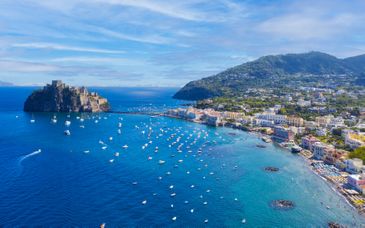
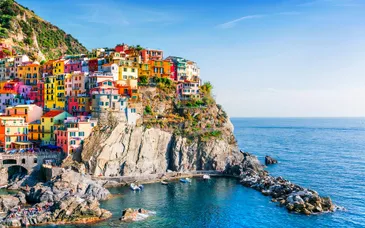
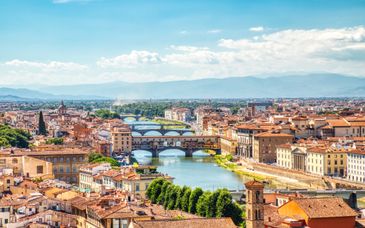
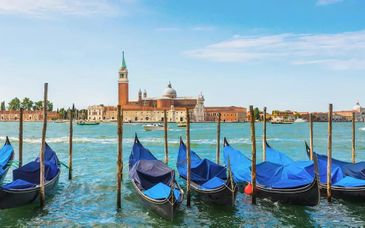
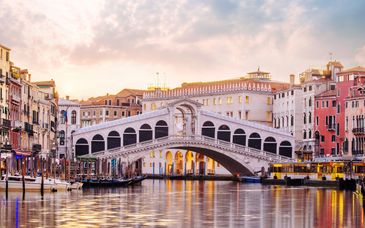
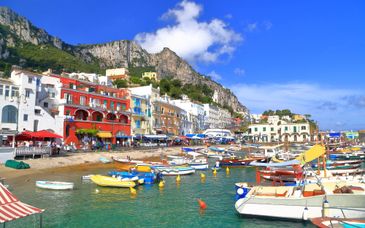
Table of contents
Italy stands as the quintessential destination for European city breaks, offering an unmatched blend of ancient history, Renaissance masterpieces, world-renowned cuisine and the timeless charm of la dolce vita. Whether your heart is set on a romantic weekend exploring Venice’s labyrinthine canals, a culture-packed 72 hours amid Rome’s imperial ruins, or a week-long adventure combining Florence’s Uffizi treasures with the coastal splendour of Cinque Terre and Tuscany’s rolling vineyards, every Italian city delivers unforgettable moments at every turn. Join us to unlock exclusive short-break packages, handpicked hotels and curated tours across Italy’s most captivating cities and regions.

This carefully crafted six-night itinerary seamlessly marries the imperial grandeur of Rome with the vibrant street life and archaeological wonders of Naples. Guests enjoy bed-and-breakfast accommodation in well-positioned hotels, allowing ample time to explore the Colosseum, Vatican Museums and Roman Forum before transferring south to discover Pompeii’s haunting ruins and the bustling markets of Naples’ historic centre. Optional excursions to the Amalfi Coast and Sorrento add coastal beauty and lemon-grove charm to the cultural immersion. With practical sample itineraries and included transport between the two cities, this package is ideal for first-time visitors seeking an accessible introduction to southern Italy’s most iconic urban landmarks and ancient sites.
What we love: The seamless blend of ancient history in Rome and vibrant coastal culture in Naples, all with hassle-free excursions included.

Perfect for travellers craving variety and depth, this seven-day guided tour links Rome’s imperial splendour with Tuscany’s Renaissance treasures and the pastel-hued fishing villages of the Cinque Terre. Begin with guided walks through the Pantheon and Trevi Fountain, then journey north to Siena’s medieval piazzas and Pisa’s iconic Leaning Tower. The tour culminates in the dramatic coastal scenery of Monterosso, Vernazza and Manarola, where scenic boat trips and cliff-top hiking trails reveal the Ligurian coast at its finest. With select meals, expert commentary and curated itineraries, this package suits those seeking a comprehensive introduction to central and northern Italy’s most celebrated art, architecture and natural beauty.
What we love: The harmonious balance of urban culture, hilltop towns and coastal hiking, all guided by local experts who bring history to life.

Art enthusiasts and nature lovers alike will relish this flexible package combining Florence’s world-class galleries with the coastal trails and colourful villages of the Cinque Terre. Spend two or three nights exploring the Uffizi, Accademia and Brunelleschi’s magnificent Duomo, then travel west to the Ligurian Riviera for hiking between Riomaggiore, Corniglia and Vernazza. The package includes train tickets and a Cinque Terre Card for unlimited trail access and local transport. Depending on your chosen duration, optional excursions to Lucca, Pisa or wine estates in the Chianti hills add further depth. This itinerary is ideal for couples or small groups seeking a blend of Renaissance masterpieces, fresh seafood and seaside relaxation.
What we love: The perfect pairing of Florence’s artistic heritage with the cinematic beauty and fresh pesto of Liguria’s coastal gem.
For a first-time visitor or a returning admirer, Rome offers an unrivalled concentration of ancient monuments, Baroque fountains and world-famous museums within a compact historic centre. A well-planned 48-hour itinerary might dedicate Day One to the Colosseum, Roman Forum and Palatine Hill, followed by an evening stroll to the Trevi Fountain and Spanish Steps. Day Two can focus on the Vatican Museums, Sistine Chapel and St Peter’s Basilica, with a late-afternoon aperitivo in the bohemian lanes of Trastevere. If you have 72 hours, add a morning at the Borghese Gallery or a leisurely walk through Villa Borghese gardens. Book skip-the-line tickets online to save one to two hours of queuing at major sites. Direct flights from London, Manchester and Edinburgh land at Fiumicino Airport in around two hours, making Rome the perfect destination for a long weekend escape from the UK.
Venice captivates with its car-free canals, Byzantine mosaics and romantic ambience, offering an entirely unique urban experience. Begin at St Mark’s Square, where the golden domes of the Basilica and the Gothic arches of the Doge’s Palace frame the lagoon, then cross the iconic Rialto Bridge to explore bustling markets and artisan workshops. A vaporetto ride along the Grand Canal reveals Renaissance palazzi and hidden gardens at every bend. The best months to visit are April through June and September to October, when mild temperatures, fewer crowds and stable water levels create ideal sightseeing conditions; avoid the peak heat of July and August, as well as the acqua alta floods that sometimes affect the city in late November. For a memorable half-day excursion, board a boat to Murano, Burano and Torcello islands to witness master glassblowers at work, stroll past rainbow-hued fishermen’s cottages and admire ancient Byzantine mosaics in tranquil basilicas.
Art and architecture aficionados will find Florence an open-air museum of Renaissance genius, crowned by Brunelleschi’s terracotta Duomo that dominates the skyline. Start your one-day art loop with a pre-booked morning slot at the Uffizi Gallery, home to Botticelli’s Birth of Venus, Leonardo’s Annunciation and works by Michelangelo and Caravaggio. After a Tuscan lunch near the cathedral, climb the 463 steps to the top of the Duomo’s cupola for panoramic views over terracotta rooftops and distant Apennine hills. In the afternoon, visit the Accademia Gallery to stand before Michelangelo’s towering David, then wander across the medieval Ponte Vecchio lined with jewellers’ workshops. As evening falls, savour an aperitivo in Piazza della Signoria beneath the replica of David and the Loggia dei Lanzi’s marble statues. Florence also serves as the gateway to Tuscany, making it an ideal base for day trips to Siena, Pisa, San Gimignano or the vine-covered hills of the Chianti wine region.
For travellers on a long weekend or bank-holiday break, three ready-to-copy itineraries maximise every hour. Rome 48h: Day 1 begins at 9am with the Colosseum and Forum, lunch in Monti, afternoon at the Trevi Fountain and Pantheon, evening dinner in Trastevere; Day 2 starts at 8am at the Vatican Museums, midday climb to St Peter’s dome, afternoon exploring Castel Sant’Angelo or the Borghese, aperitivo near Piazza Navona.
Venice 48h: Day 1 covers St Mark’s Basilica and Doge’s Palace in the morning, vaporetto down the Grand Canal and lunch near Rialto, evening cicchetti bar-hopping in Cannaregio; Day 2 takes a half-day boat tour to Murano, Burano and Torcello, returning for sunset views from the Accademia Bridge.
Florence 72h: Day 1 focuses on the Uffizi and Duomo climb, Day 2 on the Accademia and Oltrarno artisan quarters, Day 3 on a morning excursion to Pisa or Siena. Book skip-the-line museum tickets in advance and leave one evening free to discover local trattorias and gelaterias.
Extending your city break to three or four days opens the door to regional exploration beyond the urban core. Base yourself in Florence for two nights and add a full-day excursion to Siena and San Gimignano, both reachable in 60–90 minutes by regional bus or coach; wander Siena’s shell-shaped Piazza del Campo, then climb San Gimignano’s medieval towers for views over olive groves and vineyards. Alternatively, dedicate a day to Pisa and Lucca, exploring the Leaning Tower and Lucca’s intact Renaissance walls by bicycle. From Rome, a popular three-day formula allocates two nights in the capital and one full day to Pompeii and the Amalfi Coast or Sorrento; take an early train to Naples, then the Circumvesuviana line to Pompeii’s haunting ruins, continuing by bus or boat to clifftop Positano or lemon-scented Sorrento. Many packages include these excursions with transport and guide, such as the six-night Naples and Rome tour, making logistics simple for UK travellers seeking both urban culture and a taste of the Italian countryside or coastline.
For those with a full week, two popular multi-region itineraries deliver remarkable variety and depth. The first combines Florence with the Cinque Terre: spend two or three nights exploring the Uffizi, Duomo and Oltrarno workshops, then travel by train via La Spezia to the Ligurian coast for two or three nights hiking the dramatic trails linking Monterosso, Vernazza, Corniglia, Manarola and Riomaggiore; the journey takes around 2.5 hours and offers stunning Apennine and seaside views. The second itinerary pairs Naples with Sorrento and the Amalfi Coast: allocate one or two nights to Naples’ street-food markets, archaeological museum and historic centre, then transfer to Sorrento for three or four nights, using the town as a base for excursions to Pompeii, cliff-hugging Positano, cathedral-topped Amalfi and the chic island of Capri. Curated packages such as the Cinque Terre and Florence tour and the Sorrento, Amalfi and Capri Experience simplify planning and transport, delivering art, coast, cuisine and scenery in one unforgettable trip.
Italy’s world-renowned museums and monuments anchor any city break, yet careful planning can transform a visit from rushed to revelatory. In Rome, prioritise the Vatican Museums and Sistine Chapel, where Michelangelo’s frescoes demand at least two hours of contemplation; the Colosseum and Roman Forum merit a three-hour exploration with an expert guide who brings emperors and gladiators to life. Florence’s Uffizi and Accademia galleries house Renaissance masterpieces that reward advance booking and early-morning visits to avoid midday crowds. In Venice, the Doge’s Palace secret-itineraries tour reveals hidden chambers and prison cells, while Naples’ National Archaeological Museum holds the finest collection of Pompeian mosaics and frescoes outside the ancient site itself. Book skip-the-line or timed-entry tickets online via official museum websites to save one to two hours of queuing, especially during spring and autumn weekends. Many state museums offer free entry on the first Sunday of each month, though expect larger crowds. Joining a small-group guided tour adds invaluable context and anecdotes, transforming marble statues and painted panels into vivid narratives of ambition, faith and artistic genius.
Italian cuisine varies dramatically from city to city, offering regional specialities that deserve equal billing with museums and monuments on any short-break itinerary. In Rome, seek out cacio e pepe, carbonara and amatriciana in the trattorias of Trastevere or Testaccio, and grab a supplì (fried rice ball) from a street vendor near Campo de’ Fiori market. Florence is synonymous with bistecca alla fiorentina, a massive T-bone steak grilled rare, best enjoyed in a traditional osteria; for a quick lunch, order a lampredotto sandwich (tripe stewed in tomato) at the bustling Mercato Centrale, then finish with artisan gelato from one of the city’s historic gelaterias. Venice’s bacari bars around the Rialto serve cicchetti, small plates of marinated seafood, polenta and crostini, paired with a spritz aperitivo; fresh seafood risotto appears on every canal-side menu. Naples reigns as the birthplace of pizza, and a Margherita from a wood-fired oven in the historic centre remains one of Italy’s great culinary experiences; follow it with a sfogliatella pastry and a shot of espresso at a traditional café. Visiting a local food market immerses you in daily life and offers fresh produce, cheese and cured meats to take home or enjoy as an impromptu picnic.
Italy’s compact geography and efficient rail network make day trips from major cities both practical and rewarding, adding regional flavour and natural beauty to an urban break. From Rome, reach Pompeii and Naples in two to 2.5 hours by high-speed train, explore Tivoli’s Villa d’Este and Hadrian’s Villa in one hour by regional train or coach, or visit hilltop Orvieto and its Gothic cathedral in one hour. Florence serves as the gateway to Pisa and Lucca (60–90 minutes by train), medieval Siena and tower-studded San Gimignano (60–90 minutes by bus), and the vine-covered hills of the Chianti wine region (one hour by car or organised tour). From Venice, day-trippers can reach romantic Verona in 90 minutes, university town Padua in 30 minutes, or join a coach excursion to the dramatic peaks of the Dolomites (two to three hours). Naples anchors excursions to Pompeii and Herculaneum (30–40 minutes by Circumvesuviana train), the clifftop villages of the Amalfi Coast (60–90 minutes by train and bus or ferry to Sorrento, Positano and Amalfi), and the island of Capri (one hour by ferry). Many packages, such as the Rome, Tuscany and Cinque Terre tour, include or offer optional excursions with transport and guides, balancing independent urban exploration with curated regional discovery.
Timing your Italian city break can make the difference between serene sightseeing and battling queues in sweltering heat, so consider both climate and calendar when booking. The sweet spot falls in April through June and September through October, when daytime temperatures hover between 15 and 25°C, museum crowds thin after the Easter rush, hotel rates drop below summer peaks, and most attractions maintain full opening hours. Avoid July and August if possible: temperatures soar to 30–35°C and beyond, popular sites overflow with tour groups, and many Romans and Florentines depart for their own holidays, leaving some neighbourhood restaurants and shops shuttered. Late November brings shorter days and the risk of acqua alta flooding in Venice, while major Italian holidays such as Easter week and Ferragosto in mid-August see cities either packed or partly closed. In 2026, special events including the Venice Biennale and Rome Jubilee year may increase crowds and require advance bookings for accommodation and museum tickets. Shoulder-season travel offers the best balance of pleasant weather, availability and value; book flights and hotels two to three months ahead for spring or autumn dates, and even earlier for Easter or major cultural festivals.
UK travellers enjoy excellent flight connections to Italy, with direct services from London, Manchester, Edinburgh and other regional airports landing in Rome Fiumicino, Venice Marco Polo, Florence, Milan Malpensa or Linate, and Naples; flight time averages two to 2.5 hours. Budget carriers and full-service airlines operate multiple daily frequencies, offering flexibility for weekend and mid-week breaks. Once in Italy, the high-speed Trenitalia Frecciarossa and Italo trains link major cities with impressive speed and comfort: Rome to Florence takes 90 minutes, Florence to Venice two hours, Rome to Naples one hour, and Milan to Venice 2.5 hours; booking online in advance secures the best fares and seat reservations. Within cities, Rome and Milan operate metro systems supplemented by buses and trams, while Florence’s compact historic centre is best explored on foot. Venice relies on vaporetto water buses and walking, with no cars allowed in the historic core. Purchasing city transport passes such as the Roma Pass or Venezia Unica card simplifies ticketing and often includes museum discounts. Car rental is unnecessary and impractical in city centres, where ZTL restricted zones limit access, but becomes useful for exploring Tuscany, the Amalfi Coast or multi-region itineraries; packages such as the five-night Italian cities tour offer optional car rental to suit independent travellers.
Planning a realistic daily budget helps you enjoy Italy without financial stress, and sample figures per person (excluding flights) provide a useful benchmark. A low budget of €60–80 per day covers a hostel or budget hotel, street-food lunches and market picnics, free walking tours, public transport and one or two paid museum entries. A mid-range budget of €120–150 per day allows a comfortable three-star hotel, trattoria meals with wine, two to three museum tickets, occasional taxis and daily gelato and aperitivo. A comfort budget of €200–300 or more per day funds a four-star hotel, restaurant dining, skip-the-line tours, wine tastings and organised day-trip excursions. When packing for a two-to-four-night city break, aim for carry-on luggage only to navigate cobblestone streets, hotel stairs and train platforms without porters; include comfortable walking shoes (you will cover five to ten kilometres daily), layers for spring and autumn, a sun hat and sunscreen for summer, a light rain jacket, and a Type C, F or L adapter plug for charging devices. Bring a small day pack for sightseeing essentials, a refillable water bottle (public fountains abound) and modest clothing for church visits (covered shoulders and knees required). Many packages include breakfast and some excursions, helping to control costs and simplify planning, so review what is covered before booking additional meals or activities.

Italy’s magnetic blend of imperial ruins, Renaissance frescoes, canal-side romance and coastal drama ensures that every city break becomes a chapter in your personal travel story. Whether you choose to immerse yourself in Rome’s layered history, drift through Venice’s waterways at sunset, stand before Michelangelo’s David in Florence, or combine multiple regions in a week-long tour, the memories you create will linger long after you return home. Explore our handpicked Italy tours and boutique hotel stays to start planning your perfect Italian escape today.
The best city breaks depend on your interests. Rome offers unparalleled ancient history, the Colosseum and Vatican Museums. Venice captivates romantics with its canals, St Mark's Basilica and unique car-free atmosphere. Florence delights art lovers with the Uffizi, Accademia and Duomo. Milan appeals to fashion and design enthusiasts, while Naples provides vibrant street life, authentic pizza and easy access to Pompeii. Each city delivers distinct charm, so consider combining two or three for a comprehensive Italian experience.
Beauty is subjective, but Venice consistently ranks among the most picturesque, thanks to its canals, Byzantine architecture and romantic ambience. Florence enchants with Renaissance palaces and terracotta rooftops framed by the Duomo. Smaller gems such as Verona, with its Roman arena and Juliet's balcony, and Siena, with its medieval shell-shaped piazza, also claim devoted admirers. Visit multiple cities to form your own opinion; each offers unique visual splendour.
Focus on one city to explore thoroughly without rushing. Rome, Venice or Florence each merit three nights to cover major sights and soak up local atmosphere. Alternatively, split your time between two destinations: two nights in Florence plus one in Siena, or two nights in Rome with a day trip to Pompeii. Flexible packages such as the 4 to 7 night Cinque Terre and Florence stay allow you to tailor duration to your schedule.
Avoid July and August, when extreme heat, crowds and high prices diminish the experience. Easter week sees very busy attractions and requires advance bookings. Mid-August Ferragosto brings closures as locals holiday. Late November risks short days and Venice floods. The best months remain April through June and September through October, offering mild weather, manageable crowds and better value for UK travellers planning a short break.
The classic trio combines Rome for ancient history, Florence for Renaissance art and Venice for romantic canals. An alternative selection pairs Milan for modern culture and fashion, Naples for authentic street life and pizza, and either the Amalfi Coast or Cinque Terre for coastal beauty. A comfortable 7 to 9 day itinerary using high-speed trains allows you to explore three cities without feeling rushed, balancing urban sightseeing with regional day trips.