New
Exclusive

Our offers
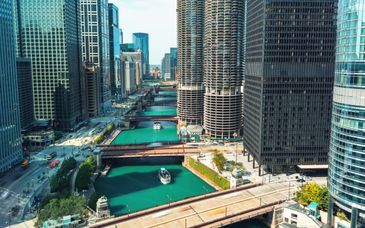
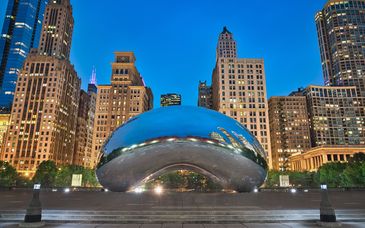
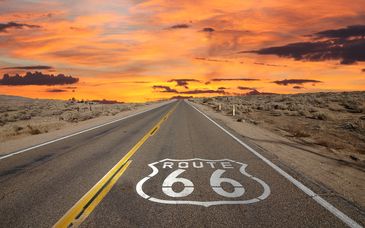
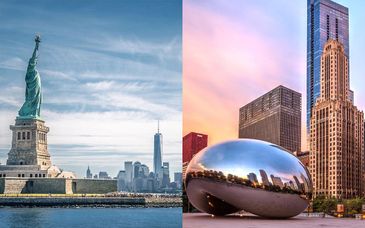
Table of contents
The skyline of Chicago rises with bold ambition, a testament to architectural innovation and Midwestern confidence. This city pulses with energy, from the shimmering waters of Lake Michigan to the bustling streets of the Loop, where history and modernity intersect. Cultural institutions of international renown await discovery alongside legendary blues clubs and deep-dish pizzerias. Whether your stay spans a brief weekend or extends to five immersive days, Chicago rewards every visitor with rich urban experiences. Register to unlock exclusive hotel offers and curated city-break packages that reveal the best of the Windy City at exceptional value, transforming your short stay into an unforgettable journey through one of America’s most dynamic metropolises.
A curated selection of Chicago city stays and multi-centre packages awaits, each designed to help travellers experience the city in style and comfort. These properties combine prime locations with exceptional service, ensuring your urban escape delivers both convenience and luxury. From lakeside retreats to downtown landmarks, each option provides a distinct gateway to exploring the Windy City at its finest.

This luxury city stay places you in the heart of downtown Chicago, with the option to extend your trip to New York. The package includes suggested activities and exclusive extras for a seamless urban escape, combining five-star comfort with prime access to Millennium Park, the Art Institute of Chicago, and the Magnificent Mile. Elegant rooms and attentive service create the perfect base for first-time visitors and luxury seekers alike.
What we love: Five-star comfort in a prime downtown location, perfect for first-time visitors and luxury seekers.

This central Chicago city stay offers easy access to Millennium Park, the Art Institute of Chicago, and the Magnificent Mile, making it an ideal base for sightseeing, shopping, and exploring top attractions on foot. Package suggestions include architecture cruises, Go City passes, and optional guided tours, ensuring every traveller can tailor their experience. The hotel’s downtown position allows you to maximise your time in the city without wasting precious hours on transport.
What we love: Ideal base for sightseeing, shopping, and exploring Chicago’s top attractions on foot.

This stylish lakeside retreat features contemporary design, spa facilities, and stunning views over Lake Michigan, creating a chic waterfront setting with a vibrant atmosphere. Within walking distance of Navy Pier and the Lakefront Trail, this property is perfect for couples and design enthusiasts seeking both urban excitement and serene water views. The hotel’s modern aesthetic and proximity to outdoor attractions offer a refreshing alternative to traditional downtown stays.
What we love: Chic waterfront setting with a vibrant atmosphere and proximity to outdoor attractions.
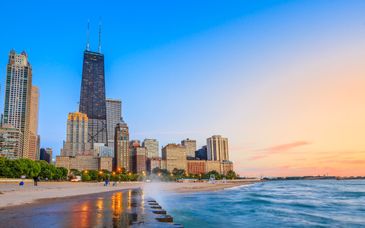
The city exudes bold confidence tempered by Midwestern warmth, creating an atmosphere that welcomes visitors while maintaining authentic urban energy. As the birthplace of the skyscraper, Chicago functions as a living museum of twentieth-century design, where the visionary work of Frank Lloyd Wright meets contemporary marvels. Willis Tower pierces the skyline whilst Cloud Gate reflects the city back upon itself in liquid metal curves. The Chicago River cuts through downtown, its bridges framing architectural narratives spanning more than a century. Musical heritage runs deep through these streets—electric blues was born here, and jazz venues still host legendary performances nightly. Food culture thrives with equal passion, from iconic deep-dish pizza and Chicago-style hot dogs to Michelin-starred dining rooms and craft breweries pushing creative boundaries. These elements combine seamlessly, making Chicago an ideal city-break destination for culture lovers, foodies, and architecture enthusiasts seeking substance behind the spectacle.
Late spring from May to June and early autumn from September to October are the best times to visit Chicago, offering mild weather, fewer crowds, and vibrant city life at its most accessible. Summer months, July and August, bring the warmest temperatures and peak tourist activity, with festivals, outdoor dining, and lakefront activities in full swing, though higher hotel prices and larger crowds accompany the sunshine. Winter stretches from December to February, with cold temperatures and snow, yet the festive atmosphere prevails through holiday markets and seasonal celebrations, whilst indoor attractions such as museums and theatres shine brightest. Shoulder months of April and November offer good value and manageable crowds, though weather patterns can be unpredictable and require flexible packing strategies. Average temperatures range from minus 5°C in January to 28°C in July, demanding layered clothing for spring and autumn visits, light summer wardrobes, and substantial winter gear including coats, scarves, and gloves. For a balanced city break combining pleasant weather with reasonable prices, aim your visit towards May, September, or October when the city reveals its finest character.
A 48-hour visit provides enough time for a highlights tour encompassing downtown Loop exploration, Millennium Park photography, Skydeck panoramas, a river cruise, and one iconic meal such as deep-dish pizza or an evening at a blues club. Three days represents the classic city-break duration, adding time for major museums including the Art Institute of Chicago and Field Museum, a neighbourhood walk through Lincoln Park or Wicker Park, and evening entertainment ranging from jazz to theatre performances. Four to five days allows deeper exploration across multiple neighbourhoods, specialist museums such as the Museum of Science and Industry and Shedd Aquarium, a dedicated food tour, a day trip to Oak Park for Frank Lloyd Wright architecture, and a more relaxed pace that honours spontaneous discoveries. Extension options beckon travellers with additional time, combining Chicago with a Route 66 road trip, a stopover in Memphis or New York, or exploration of the Great Lakes region. Even a short visit delivers rich experiences, yet longer stays reward curious travellers with hidden gems and authentic local flavour beyond the standard tourist circuit.

Day one morning begins in Millennium Park, where you photograph Cloud Gate (The Bean), stroll through Lurie Garden, and admire the Frank Gehry-designed Pritzker Pavilion before the crowds arrive. Day one afternoon proceeds to Willis Tower Skydeck for panoramic views from the 103rd floor and the glass Ledge experience, followed by exploration of the Loop architecture on foot via a short self-guided walk past historic buildings and modern towers. Day one evening delivers dinner at a classic deep-dish pizza establishment such as Lou Malnati’s, Giordano’s, or Pequod’s, with an optional evening stroll along the Chicago Riverwalk as lights illuminate the water. Day two morning features a 90-minute architecture river cruise, teaching the stories behind the skyline whilst gliding beneath historic bridges. Day two afternoon offers the Art Institute of Chicago, with highlights including the Impressionist collection, American Gothic, and Thorne Miniature Rooms, or shopping on the Magnificent Mile for those preferring retail therapy. Day two evening concludes with live blues or jazz at a historic venue such as Buddy Guy’s Legends or Kingston Mines, immersing you in the city’s musical soul before departure.
Day one encompasses Millennium Park and Cloud Gate, Skydeck views, a Loop architecture walk, an evening river cruise timed for sunset, and dinner in the West Loop restaurant row, where Michelin-starred establishments cluster. Day two morning dedicates two to three hours to the Art Institute of Chicago, allowing proper appreciation of masterworks spanning centuries and continents, whilst the afternoon explores the Field Museum, with Sue the T. rex, Ancient Egypt galleries, and Native American halls captivating visitors of all ages. Day two evening immerses you in authentic blues at Buddy Guy’s Legends or Rosa’s Lounge, where legendary musicians still command the stage. Day three morning takes you to Lincoln Park for the free zoo and lakefront strolls, followed by afternoon exploration of a neighbourhood such as Wicker Park for boutiques and street art, or Hyde Park for the Museum of Science and Industry and Frank Lloyd Wright’s Robie House. Day three evening features a jazz performance at Green Mill Cocktail Lounge or Jazz Showcase, rounding out a cultural journey through architecture, art, natural history, and music that defines the city’s character.
Days one and two follow the three-day cultural itinerary detailed above, covering core attractions, museums, architecture, and music venues that form the essential Chicago experience. Day three dedicates itself entirely to Lincoln Park, with the zoo, Conservatory, lakefront beaches, neighbourhood brunch, and a walk or bike ride along the Lakefront Trail, stretching 18 miles beside Lake Michigan. Day four explores Wicker Park and Bucktown through vintage shops, independent boutiques, street murals, craft coffee establishments, and trendy restaurants, with afternoon visits to the 606 elevated trail or Garfield Park Conservatory providing green respite. Day five ventures south to Hyde Park for the Museum of Science and Industry, featuring the U-505 submarine and Science Storms exhibit, a tour of the historic Robie House, and strolls through the University of Chicago campus, or alternatively books a guided food tour covering pizza, hot dogs, and ethnic neighbourhoods, or takes a day trip to Oak Park for the Frank Lloyd Wright Home and Studio. Five days allow time to discover diverse neighbourhoods, each with a distinct personality, whilst enjoying the city at a relaxed pace that reveals layers beyond surface attractions.

Willis Tower Skydeck commands the 103rd floor with 360-degree views and the thrilling glass Ledge extending beyond the building façade; book timed tickets online to skip queues during peak hours. 360 Chicago at John Hancock Center offers an alternative observation deck on the 94th floor with the TILT experience, featuring a tilting glass platform, often quieter than Skydeck and including a bar for cocktails with views. Art Institute of Chicago ranks among the world’s great art museums, housing Impressionist masterpieces by Monet, Renoir, and Seurat alongside American Gothic, modern art galleries, and the stunning Modern Wing designed by Renzo Piano; allow at least half a day for proper exploration. Field Museum presents natural history treasures including Sue the T. rex skeleton, Ancient Egypt galleries with mummies and artefacts, and comprehensive Native American collections, proving ideal for families and curious minds seeking knowledge beyond passive observation. Honourable mentions include the Museum of Science and Industry, with interactive exhibits and the captured U-505 submarine, Shedd Aquarium in its lakefront location housing diverse marine life, and the Chicago Architecture Center, offering tours, exhibitions, and a detailed scale model of the entire city.
Deep-dish pizza represents the city’s signature dish, a hearty cheese-laden pie with a thick buttery crust, best sampled at Lou Malnati’s, Giordano’s, Pequod’s, or Gino’s East, each claiming superiority through passionate local debate. Blues and jazz venues define Chicago as the home of electric blues and a jazz capital, with live music at Buddy Guy’s Legends, Kingston Mines, and Rosa’s Lounge for blues, or Green Mill and Jazz Showcase for jazz, many offering performances seven nights a week. Craft breweries have exploded across the city, with Revolution Brewing, Half Acre, and Goose Island producing locally brewed IPAs, stouts, and seasonal ales that pair perfectly with Chicago’s food culture. Neighbourhood dining beckons exploration of the West Loop with Michelin-starred restaurants and trendy bistros, Pilsen for Mexican taquerias and street art, Chinatown for dim sum and hot pot, or Greektown for traditional tavernas serving saganaki and souvlaki. Chicago-style hot dogs constitute iconic street food—an all-beef frank on a poppy-seed bun with yellow mustard, relish, onions, tomatoes, pickles, sport peppers, and celery salt, never ketchup according to local tradition.
Navy Pier attracts visitors as the city’s most popular attraction, featuring the Centennial Wheel Ferris wheel with climate-controlled gondolas, Chicago Children’s Museum, IMAX theatre, restaurants, and seasonal fireworks, with free admission to the pier itself. Lincoln Park Zoo operates as one of America’s oldest free zoos, compact and walkable, housing lions, gorillas, penguins, and a historic farm-in-the-zoo perfect for half-day family outings without admission fees. Lakefront Trail extends 18 miles of paved path along Lake Michigan, ideal for walking, jogging, cycling, or rollerblading; rent a bike through Divvy bike-share or local shops and explore beaches, parks, and skyline views stretching from north to south. Chicago Riverwalk provides a scenic pedestrian promenade along the river with cafés, public art, kayak rentals, and river taxis, connecting Millennium Park to the lake whilst offering a peaceful escape from downtown bustle. Summer beaches including Oak Street Beach, North Avenue Beach, and Montrose Beach welcome swimmers, volleyball players, and lakefront relaxation seekers, transforming the urban landscape into a waterfront resort from June to August.

Chicago benefits from two major airports: O’Hare International (ORD), positioned 17 miles north-west of downtown, serves larger international flights, whilst Midway International (MDW) sits 10 miles south-west, handling smaller domestic flights often at cheaper fares. Airport transfers include the Blue Line ‘L’ train from O’Hare, requiring 45 minutes and costing $5, the Orange Line from Midway, taking 30 minutes at the same fare, taxis charging flat rates of $40–$50 from O’Hare and $30–$35 from Midway, and ride-share services through Uber and Lyft, with private transfers and shuttles bookable in advance. Public transport via the ‘L’ elevated train and bus network operated by CTA covers the city efficiently; buy a Ventra card for recharging or use contactless payment, with unlimited-ride passes available for one day, three days, or seven days, offering excellent value for active sightseers. Taxis and ride-share services remain abundant and affordable, proving useful for late-night travel or trips to outer neighbourhoods beyond convenient ‘L’ stops. Walking and cycling suit the compact downtown area, with Divvy bike-share stations positioned throughout the city, enabling flexible transportation without vehicle ownership burdens.
First-timers benefit from staying in the Loop or Near North, covering the Magnificent Mile and River North, offering a central location within walking distance of Millennium Park, museums, shopping, and dining, with excellent public transport links radiating outward. Families appreciate Lincoln Park or Streeterville for a quieter residential atmosphere close to the zoo, lakefront, and Navy Pier, with family-friendly restaurants and parks nearby, creating safe, convenient bases. Foodies and culture seekers gravitate towards the West Loop restaurant row, with Michelin-starred dining and galleries, or Wicker Park for its hip, artsy character, independent boutiques, craft breweries, and live music venues reflecting authentic local culture. Budget-conscious travellers consider South Loop or Chinatown for good value, safe environments, and strong ‘L’ train connections, maintaining easy access to downtown attractions. Lakefront lovers favour Lakeshore East or Streeterville, with modern hotels offering lake views, close proximity to the Riverwalk and beaches, creating a resort-like atmosphere within an urban setting. The city’s compact downtown and efficient public transport ensure most neighbourhoods function as convenient bases for sightseeing, allowing personal preferences regarding atmosphere and budget to guide accommodation choices rather than accessibility concerns.
Downtown Chicago, the Loop, Magnificent Mile, and tourist neighbourhoods are generally safe with common-sense precautions: stay aware of your surroundings, avoid empty streets late at night, and keep valuables secure in bags and pockets. Some South and West Side neighbourhoods experience higher crime rates, so stick to well-travelled areas and consult hotel staff for neighbourhood-specific advice before venturing into unfamiliar districts. The ‘L’ trains and buses operate safely during daytime and early evening hours, though late-night travel warrants extra vigilance or taxi alternatives. US dollars (USD) serve as currency, with credit and debit cards widely accepted, ATMs plentiful throughout downtown, and tipping expected at 15–20% in restaurants, $1–$2 per drink, and $2–$5 for hotel porters and housekeeping. UK and EU citizens require an ESTA (Electronic System for Travel Authorisation) for visa-free travel to the US; apply online at least 72 hours before departure through the official government website, valid for two years at a $21 fee, with passport validity required for the duration of your stay. Mobile data incurs UK and EU roaming charges in the US, so consider a local SIM card from T-Mobile or AT&T prepaid services, or international roaming add-ons from your home provider, with free Wi-Fi available in most hotels, cafés, and public spaces. Local taxes add approximately 17.4% hotel tax, not included in advertised rates, plus 10.25% sales tax on goods and restaurant meals, requiring budget adjustments beyond listed prices.
Basic preparation, including ESTA approval, travel insurance, and local currency, ensures smooth trips, whilst Chicago remains a welcoming, visitor-friendly city where millions of tourists explore safely each year. The urban landscape rewards those who venture beyond central districts, discovering authentic neighbourhoods where local life unfolds beyond the tourist spectacle. From architectural marvels to musical legends, from lakefront tranquillity to downtown energy, the Windy City delivers experiences that linger long after departure, calling travellers back for deeper exploration with each subsequent visit.
Chicago excels as a city-break destination, combining rich architecture, world-class museums, vibrant food and music scenes, and a compact downtown ideal for short stays. The city balances iconic sights including Millennium Park and Willis Tower with authentic neighbourhoods offering local character. First-time visitors and repeat travellers alike discover new layers with each visit, from blues clubs to craft breweries, making it suitable for diverse interests and trip lengths.
What is the best month to visit Chicago?
May, September, and October emerge as the best months to visit Chicago, offering mild weather, manageable crowds, and vibrant city life at peak accessibility. Summer months of July and August bring warmest temperatures and most festivals, though larger crowds and higher prices accompany the sunshine. Winter from December through February delivers festive atmosphere, holiday markets, and lower prices, with indoor attractions including museums and theatres providing cultural richness despite cold weather. Shoulder months balance weather and value effectively.
How many days are enough to visit Chicago?
Forty-eight hours covers highlights including Millennium Park, Skydeck, a river cruise, and deep-dish pizza, providing a satisfying introduction to the city. Three days represents the classic city-break duration, adding major museums, neighbourhood exploration, and evening entertainment to the itinerary. Four to five days enables deeper immersion across multiple neighbourhoods, specialist museums, food tours, and day trips whilst maintaining a relaxed pace. Even short visits deliver rich experiences, though longer stays reward curious travellers with hidden gems beyond standard tourist circuits.
What is the number one thing to do in Chicago?
The architecture river cruise stands as the single best introduction to Chicago, combining sightseeing, storytelling, and stunning skyline views in 90 minutes whilst gliding beneath historic bridges. Expert guides explain the evolution of Chicago architecture from the Great Fire through contemporary skyscrapers, revealing the personalities and innovations behind each building. Alternatively, Millennium Park and Cloud Gate (The Bean) serve as the most iconic photo opportunity and perfect starting point, offering free access to public art and green space in the heart of downtown.
Is it safe to walk in downtown Chicago?
Downtown, the Loop, Magnificent Mile, and tourist areas remain generally safe for walking during daytime and early evening hours, with millions of visitors exploring on foot annually. Common sense precautions apply: stay aware of surroundings, avoid empty streets late at night, keep valuables secure, and travel in groups when possible. Some South and West Side neighbourhoods experience higher crime rates, so consult hotel staff for neighbourhood-specific advice before venturing beyond well-travelled tourist districts. Public transport operates safely during most hours, with taxis or ride-share services recommended for late-night travel.