New
Exclusive

Our offers
Table of contents
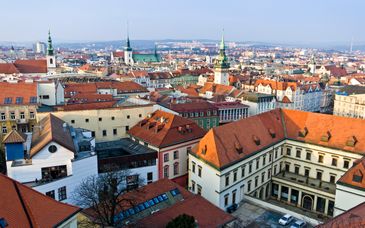
Brno, the Czech Republic's second city, offers an irresistible blend of authentic Moravian character, UNESCO-listed modernist architecture and historic grandeur—all without the crowds or costs of Prague. From the commanding ramparts of Špilberk Castle to the revolutionary lines of Vila Tugendhat, from the Gothic spires of the Cathedral of Saints Peter and Paul to the vine-clad hills of the surrounding wine country, Brno rewards culture seekers, couples and food lovers with a richly layered yet refreshingly intimate urban escape. Join us to unlock exclusive offers on top-tier hotels across the Czech Republic, including the luxurious Barceló Brno Palace, and discover why Brno is the hidden gem your next short break deserves.

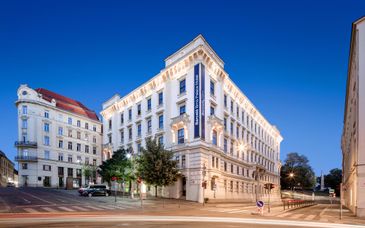
Situated in the very heart of the old town, the Barceló Brno Palace places you within walking distance of Špilberk Castle, the Cathedral of Saints Peter and Paul and all major attractions. This five-star property combines contemporary luxury with a prime historic location. Guests benefit from a guaranteed upgrade to a Deluxe Executive Room, daily breakfast included, and complimentary access to the wellness facilities—spa, sauna and fitness centre. The hotel's blend of modern design, attentive service and central positioning makes it the ideal base for exploring Brno's Moravian charm in style and comfort.
What we love: The unbeatable central location, the generous room upgrade and the included wellness perks transform a city break into a truly indulgent escape.

For travellers keen to combine Brno with a taste of Prague, the Pytloun Boutique Hotel Prague offers a luxurious five-star base on iconic Wenceslas Square. With elegant interiors, refined dining and a spa, this property is perfect for a multi-city Czech Republic adventure. Book a few nights in Prague before or after your Brno stay, and experience the best of both cities—grand imperial architecture in the capital, authentic Moravian culture in Brno—all at exclusive member rates that make a twin-centre itinerary both accessible and unforgettable.
What we love: The seamless pairing of two contrasting Czech experiences, with luxury and convenience at both ends of the journey.
Where Prague dazzles with its fairytale skyline and throngs of visitors, Brno offers a more grounded, authentic experience of Czech life. Prices for accommodation, meals and attractions run measurably lower here—often twenty to thirty per cent less than in the capital—allowing your budget to stretch further without sacrificing quality. The pace is relaxed, the queues non-existent, and the atmosphere decidedly local. Brno's identity is rooted in Moravia, the eastern region renowned for its wine traditions, regional cuisine and distinct cultural pride. You will explore Špilberk Castle and the Cathedral of Saints Peter and Paul in peace, savour genuine Moravian hospitality in neighbourhood wine cellars, and wander cobbled lanes where the only crowds are locals heading to the farmers' market. For travellers seeking substance, culture and value over tourist spectacle, Brno delivers the same calibre of history and architecture as Prague, wrapped in a more intimate, undiscovered package.
Brno welcomes visitors year-round, but spring—April through May—and autumn—September into October—offer the most agreeable conditions: mild temperatures, golden light and thinner crowds. Summer, June to August, brings outdoor festivals, alfresco dining on sun-drenched squares and longer daylight hours, though the city remains pleasantly uncrowded. Winter transforms Brno into a cosy, festive hub, with Christmas markets clustering around Freedom Square and mulled wine warming the chilly evenings. Budget-conscious travellers can manage on forty to sixty pounds per day, staying in hostels, sampling street food and focusing on free sights. Mid-range visitors—booking three- or four-star hotels, dining in restaurants and paying museum entry fees—should budget eighty to one hundred and twenty pounds daily. Those seeking luxury, including stays at the Barceló Brno Palace, fine dining and private tours, will find one hundred and fifty pounds and above appropriate. Membership unlocks exclusive rates on premium properties, delivering luxury at accessible prices.
Couples will fall for Brno's romantic hilltop castle vistas, intimate wine cellars carved into ancient rock and charming squares framed by pastel façades—perfect for leisurely strolls hand-in-hand. Culture seekers can immerse themselves in world-class modernist architecture, most notably Vila Tugendhat, the UNESCO-listed masterpiece by Mies van der Rohe, alongside Gothic, Baroque and functionalist landmarks that span seven centuries of building history. The city's museums—the Moravian Gallery for modern and contemporary art, the Technical Museum for interactive industrial exhibits—and vibrant theatre and music scenes offer intellectual stimulation at every turn. Food and wine lovers will relish Moravia's reputation as the heart of Czech viticulture: sample local whites and reds in traditional cellars, browse farmers' markets brimming with artisan cheeses and smoked meats, and dine on hearty regional specialities such as roast duck, potato dumplings and locally cured sausages. Solo travellers and small groups seeking an authentic, walkable city with rich heritage and contemporary energy will likewise find Brno an ideal short-break destination.
Špilberk Castle crowns a wooded hill above the city centre, its silhouette visible from streets and squares across Brno. Built in the thirteenth century as a royal fortress, it later served as a baroque stronghold and, infamously, a Habsburg prison. Today the castle houses the Brno City Museum, with permanent and temporary exhibitions tracing the fortress's history, the city's past and regional art. The real draw, however, is the panoramic viewpoint from the ramparts: red rooftops, church spires and the distant Moravian hills spread before you in a vista perfect for photography and contemplation. The surrounding park invites leisurely walks and picnics under mature trees. The museum opens from nine in the morning until six in the evening during peak season, with shorter hours in winter; admission costs around one hundred and fifty Czech koruna, roughly five pounds. Visit in late afternoon when the light softens and the tour groups have departed, allowing you to savour the castle's grandeur and the city's beauty in relative solitude.
Vila Tugendhat, a UNESCO World Heritage Site, stands as one of Europe's defining works of modernist residential architecture. Designed by Ludwig Mies van der Rohe and completed in 1930, the villa revolutionised domestic space with its steel-frame construction, floor-to-ceiling windows, open-plan living and seamless integration of interior and garden. For architecture enthusiasts worldwide, visiting Tugendhat is a pilgrimage. Advance booking is essential—tours fill weeks ahead—so reserve your slot via the official website as soon as your travel dates are confirmed. Guided tours, available in English, last sixty to ninety minutes and cost approximately three hundred and fifty koruna, around twelve pounds. Beyond Tugendhat, Brno boasts a wealth of functionalist and modernist heritage: explore the villas of the ?erná Pole district, the streamlined Avion Hotel and the sprawling Exhibition Grounds, a 1920s functionalist complex hosting trade fairs and cultural events. Self-guided walking tours, with routes available online, allow architecture fans to trace Brno's avant-garde legacy at their own pace.
The twin neo-Gothic spires of the Cathedral of Saints Peter and Paul pierce Brno's skyline, a landmark visible across the old town. The cathedral's quirky tradition—noon bells chiming at eleven o'clock—dates to the Thirty Years' War, when a ruse saved the city from siege. Climb the tower for sweeping views over rooftops and hills; entry costs around fifty koruna. Below, Freedom Square pulses as Brno's lively heart: cafés spill onto cobbles, the Plague Column rises at the centre, and the modern astronomical clock—a black granite obelisk—marks midday with a curious ritual involving falling glass marbles. A short stroll leads to Dominikánské nám?stí, a quieter, picture-perfect square lined with pastel façades and outdoor terraces ideal for coffee and people-watching. Culture seekers should carve out time for the Moravian Gallery, showcasing modern and contemporary art, and the Technical Museum, where interactive exhibits on transport and industry delight all ages. Many museums accept the Brno Pass, which bundles entry fees with unlimited public transport, offering excellent value for multi-day visitors.
A single day in Brno demands focus and energy, but the compact old town makes it achievable. Begin at Freedom Square mid-morning, then walk to the Cathedral of Saints Peter and Paul; climb the tower for panoramic views. Stroll through the historic lanes to Dominikánské nám?stí for a coffee break, then ascend to Špilberk Castle, allowing two hours to explore the museum and ramparts. Descend for lunch—try a traditional Moravian restaurant near the castle or back in the centre—then spend the afternoon browsing the Moravian Gallery or wandering the old town's boutiques and craft shops. Return to Freedom Square in late afternoon to relax over cake and watch the city unwind. As evening falls, seek out a wine bar to sample Moravian whites—crisp, aromatic and perfect as an aperitif—before dinner at a local restaurant; booking ahead is wise, especially on weekends. After dinner, stroll the illuminated streets or enjoy a nightcap in a cosy pub. Note that this itinerary omits Vila Tugendhat, which requires advance booking and a half-day commitment.
Two days afford a more leisurely rhythm and deeper immersion in Brno's culture and cuisine. Day one: morning at Špilberk Castle and its park; lunch in the old town; afternoon visit to the Cathedral and main squares; evening wine tasting in a traditional cellar—Vinárna U ?ápa is a local favourite—followed by dinner sampling roast pork, dumplings and regional cheeses. Day two: pre-booked morning tour of Vila Tugendhat, allowing two to three hours including travel time; lunch at a modern bistro; afternoon at the Moravian Gallery or Technical Museum; late afternoon browse the farmers' market if it's Saturday, or explore the Zelný trh, the historic Cabbage Market open daily, where vendors sell fresh produce, flowers and local specialities. Conclude with an evening at a local brewery or restaurant, savouring Moravian beer and hearty fare. This pace permits unhurried exploration, time for coffee breaks and people-watching, and a genuine taste of Brno's renowned food and wine culture.
Three days allow you to follow the two-day itinerary above and dedicate the third day to a rewarding excursion. Option one: the Moravian wine region—venture to the picturesque villages of Mikulov, Pavlov or Valtice, tour family-run wineries, cycle through sun-drenched vineyards and enjoy a long, leisurely lunch with wine pairings; organised tours are available, or rent a car for flexibility. Option two: the Lednice-Valtice Cultural Landscape, a UNESCO site thirty to forty minutes by train or bus—explore the fairy-tale Lednice Château with its English gardens and glasshouse, then the neoclassical Valtice Château, set amid parkland and ponds. Option three: a day trip to Vienna, just ninety minutes by direct train—sample Austrian capital highlights such as Schönbrunn Palace and the historic city centre, then return to Brno for the evening. Book train tickets online in advance for the best fares and guaranteed seats, and check timetables to maximise your day-trip time.
Reaching Brno from the United Kingdom offers several practical routes. Brno-Tu?any Airport (BRQ), located ten kilometres from the city centre, is small but convenient; Ryanair operates seasonal flights from London Stansted and select other UK airports, though schedules vary by season, so check current availability early in your planning. Many UK travellers prefer to fly into Prague (PRG), where frequent, affordable flights depart from multiple UK airports year-round. From Prague, direct trains and buses run to Brno every hour; the journey takes two and a half to three hours, with trains offering comfort and scenic views, and buses slightly cheaper fares. Train connections: Brno is a major rail hub on the Vienna–Prague corridor, with direct Eurocity and Railjet services linking it to Vienna in ninety minutes, Bratislava in ninety minutes, Budapest in three and a half hours and beyond. Bus: FlixBus and RegioJet offer budget coach services from Prague, Vienna and other cities; book online in advance for the best prices. When booking hotel packages, optional transfer and flight add-ons are often available, simplifying your arrival logistics.
Brno's compact historic centre is eminently walkable—most major sights lie within a twenty-minute stroll of each other, and exploring on foot immerses you in the city's rhythm and character. For longer distances, such as reaching Vila Tugendhat or the Exhibition Grounds, Brno's excellent public transport network comes into play: trams and buses crisscross the city, running frequently from early morning until late evening. A single ticket, valid for sixty minutes, costs around twenty-five koruna (ninety pence); purchase from machines at stops, kiosks or via the SEJF mobile app, and remember to validate on board. The Brno Pass, a tourist card available for twenty-four, forty-eight or seventy-two hours, bundles free or discounted entry to museums, galleries and attractions with unlimited public transport; prices start around two hundred and fifty koruna (nine pounds), and the pass can be purchased online or at the tourist information centre. Taxis and ride-hailing: Uber and Bolt operate in Brno; taxis are metered and reasonably priced, with short city rides costing one hundred to one hundred and fifty koruna. Cycling: the Rekola bike-share scheme offers another option, and Brno's growing cycle infrastructure makes two-wheeled exploration increasingly appealing.
The Czech koruna (CZK) is the local currency, with one pound sterling buying approximately twenty-eight to thirty koruna. Credit and debit cards are widely accepted in hotels, restaurants and shops, but carry some cash for markets, small cafés and public transport tickets. ATMs are plentiful; avoid exchange bureaux, which often offer poor rates. Language: Czech is the official tongue, but English is widely spoken in hotels, restaurants, tourist sites and by younger locals, making Brno very English-friendly. Learning a few Czech phrases—dobrý den for hello, d?kuji for thank you—demonstrates courtesy and is warmly received. Safety: Brno is a very safe city; standard urban precautions apply—watch your belongings in crowded areas, avoid unlit parks at night—but violent crime is rare and visitors seldom encounter problems. The emergency number across the European Union is 112. Accessibility: Brno's old town features cobbled streets and some steep inclines, which may challenge wheelchair users; newer trams and buses are wheelchair-accessible, and major museums provide accessible facilities. Vila Tugendhat has limited accessibility; check ahead if this is a concern. Tipping: in restaurants, round up the bill or add ten per cent if service was good; tipping is appreciated but not compulsory.
Absolutely. Brno delivers authentic Moravian culture, UNESCO-listed modernist architecture, historic landmarks and a renowned food and wine scene, all without the crowds and inflated prices of Prague. Culture seekers, couples and anyone craving a genuine, affordable Czech experience will find Brno richly rewarding and refreshingly intimate.
Two days is ideal for seeing the main sights at a relaxed pace, including Špilberk Castle, Vila Tugendhat, the Cathedral and the old town. One day covers the highlights if time is tight. Three days allows a day trip to the Moravian wine region, Lednice-Valtice or Vienna, adding depth and variety to your city break.
Yes. English is widely spoken in hotels, restaurants, museums and tourist sites, and younger locals generally speak good English. Brno is very accessible for English-speaking visitors. Learning a few Czech phrases—dobrý den, d?kuji—is appreciated but not essential for navigating the city comfortably.
Ryanair operates seasonal flights from London Stansted to Brno-Tu?any Airport (BRQ); availability varies by season, so check the Ryanair website for current schedules. Alternatively, fly to Prague from multiple UK airports—flights are frequent and affordable—then take a direct train or bus to Brno, a journey of two and a half to three hours.
Yes. Ryanair offers seasonal routes to Brno-Tu?any Airport from London Stansted and select European cities. Service frequency and availability change by season, so consult the Ryanair website early in your planning to confirm current flight schedules and secure the best fares for your travel dates.
Absolutely. Brno delivers authentic Moravian culture, UNESCO-listed modernist architecture, historic landmarks and a renowned food and wine scene, all without the crowds and inflated prices of Prague. Culture seekers, couples and anyone craving a genuine, affordable Czech experience will find Brno richly rewarding and refreshingly intimate.
Two days is ideal for seeing the main sights at a relaxed pace, including Špilberk Castle, Vila Tugendhat, the Cathedral and the old town. One day covers the highlights if time is tight. Three days allows a day trip to the Moravian wine region, Lednice-Valtice or Vienna, adding depth and variety to your city break.
Yes. English is widely spoken in hotels, restaurants, museums and tourist sites, and younger locals generally speak good English. Brno is very accessible for English-speaking visitors. Learning a few Czech phrases—dobrý den, d?kuji—is appreciated but not essential for navigating the city comfortably.
Ryanair operates seasonal flights from London Stansted to Brno-Tu?any Airport (BRQ); availability varies by season, so check the Ryanair website for current schedules. Alternatively, fly to Prague from multiple UK airports—flights are frequent and affordable—then take a direct train or bus to Brno, a journey of two and a half to three hours.
Yes. Ryanair offers seasonal routes to Brno-Tu?any Airport from London Stansted and select European cities. Service frequency and availability change by season, so consult the Ryanair website early in your planning to confirm current flight schedules and secure the best fares for your travel dates.