New
Exclusive

Our offers
Table of contents
Belgrade beckons with a rare alchemy of ancient ramparts and cutting-edge nightlife, where the fortress walls of Kalemegdan watch over floating splavovi clubs pulsing until dawn along the Sava and Danube rivers. This spirited capital marries Ottoman minarets with Austro-Hungarian boulevards, serves up sizzling ?evapi in bohemian lanes, and welcomes visitors with legendary Serbian warmth—all at prices that make Western Europe blush. A Belgrade city break delivers history, culture, cuisine and unforgettable evenings on the water, proving that Europe's most electrifying weekend escapes lie off the well-trodden path.

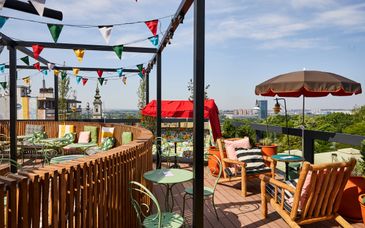
Mama Shelter Belgrade 4* sits in the heart of a lively pedestrian district, placing you steps from the city's best cafés, galleries and nightlife. Contemporary rooms blend playful design with comfort, whilst the rooftop bar offers sweeping views over Belgrade's skyline—ideal for sundowners after a day exploring Kalemegdan or Skadarlija. The on-site restaurant serves inventive international and local dishes, and the hotel's central location makes every major sight easily accessible on foot or by short taxi ride.
What we love: The rooftop bar's panoramic city views, the vibrant pedestrian neighbourhood on your doorstep, and the bold, design-led interiors that capture Belgrade's creative energy.

For travellers seeking a Belgrade city break with a difference, this 10-night Danube Serenade cruise aboard MS Fidelio includes an immersive stop in Serbia's capital. Glide along one of Europe's most storied rivers, waking each morning in a new port whilst enjoying on-board dining, entertainment and guided shore excursions. The Belgrade call lets you explore Kalemegdan Fortress and the old town before re-embarking for the next leg of your journey through Central and Southeast Europe.
What we love: Combining a Belgrade city break with multiple Danube destinations, the all-inclusive ease of river cruising, and the chance to see the confluence of the Sava and Danube from the water.

This guided 10-night Balkan odyssey weaves together Zagreb, Sarajevo, Belgrade and Novi Sad, offering a rich tapestry of history, architecture and cuisine. In Belgrade you'll tour the fortress, stroll Knez Mihailova and sample ?evapi in a traditional kafana, all with expert local guides who bring each city's story to life. Perfect for first-time visitors who want a curated, hassle-free introduction to the region, the tour includes comfortable accommodation, daily breakfast and seamless transfers between capitals.
What we love: The effortless multi-city format, knowledgeable guides who unlock hidden stories, and the chance to compare Belgrade's energy with the quieter charm of Novi Sad and Sarajevo's Ottoman lanes.
Belgrade stands apart as a city-break destination because it delivers world-class culture, thriving nightlife and rich history at a fraction of the cost you would pay in Paris, Rome or Barcelona. Accommodation, dining and entertainment remain remarkably affordable, meaning your budget stretches further without compromising quality or experience. The city's vibe is electric yet unpretentious—gritty post-industrial warehouses in Savamala host cutting-edge techno nights, whilst elegant Belle Époque façades line pedestrianised boulevards where locals linger over coffee for hours. Contrasts define every corner: ancient Kalemegdan Fortress ramparts overlook modern floating splavovi nightclubs; Ottoman mosques stand beside Brutalist towers; traditional kafanas serving slow-cooked sarma neighbour hipster espresso bars pouring single-origin flat whites. Belgraders are famously warm, open and eager to share their city's story, and the thriving arts scene—from street murals in Dor?ol to classical concerts at the National Theatre—reflects a capital in transformation, confidently reclaiming its place on Europe's cultural map. For budget-conscious travellers and those seeking an authentic, off-the-beaten-path European experience, a Belgrade city break offers exceptional value and genuine discovery.
Serbian is the official language, written in both Cyrillic and Latin scripts, though English is widely spoken in hotels, restaurants and tourist areas, making navigation straightforward for UK visitors. The currency is the Serbian dinar (RSD); whilst euros are sometimes accepted, dinars are preferred, and ATMs are plentiful throughout the city centre. Belgrade Nikola Tesla Airport (BEG) lies eighteen kilometres west of the centre, connected by the A1 bus line (frequent departures, affordable fare), licensed taxis with fixed prices around fifteen to twenty euros, and reliable ride-hailing apps. Direct flights from the UK operate from London and Manchester with multiple carriers, making a weekend escape simple to arrange. Spring (April and May) and autumn (September and October) offer the most pleasant weather—mild temperatures, fewer crowds and vibrant café terraces—whilst summer (June to August) brings heat, open-air festivals and splavovi in full swing along the rivers. Winter (December to February) can be cold, but atmospheric Christmas markets, lower prices and cosy kafana evenings reward those willing to bundle up.
Stari Grad, the Old Town, forms the historic heart where Knez Mihailova Street—a grand pedestrianised boulevard—links Republic Square to Kalemegdan Fortress, its neoclassical buildings housing boutiques, bookshops, ice-cream parlours and pavement cafés perfect for people-watching. Cobbled lanes radiate from the main artery, revealing hidden courtyards, vintage shops and galleries. Skadarlija, often compared to Montmartre, is Belgrade's bohemian quarter: a short, atmospheric street lined with traditional restaurants where live folk music spills from open doorways, vintage lampposts cast a golden glow, and the scent of grilled ?evapi mingles with rakija toasts. An evening here feels like stepping into old Belgrade. Zemun, once a separate Austro-Hungarian town on the Danube's right bank, retains its own distinct charm—wander the quayside promenade, climb Gardoš Tower for sweeping panoramic views, and enjoy fresh fish in riverside restaurants where locals gather on sunny afternoons. Each neighbourhood offers a different flavour of Belgrade's layered history, and exploring them on foot or by short taxi ride is both easy and rewarding.

Kalemegdan Fortress crowns the confluence of the Sava and Danube, a sprawling citadel guarding Belgrade for over two millennia through Roman, Byzantine, Ottoman and Austro-Hungarian rule. Wander the ramparts, explore ancient gates and defensive towers, then pause at the iconic Victor Monument—a bronze statue symbolising the city's resilience—before descending into the surrounding park dotted with open-air galleries, cafés and shaded benches. Republic Square (Trg Republike) serves as the city's central meeting point, flanked by the National Theatre and National Museum, with the equestrian statue of Prince Mihailo at its centre; street performers, seasonal markets and spontaneous gatherings animate the space day and night. Knez Mihailova Street stretches elegantly from the square to the fortress, its nineteenth-century façades housing international brands alongside local designers, artisan chocolatiers and inviting terraces where you can sip Turkish coffee and watch the world parade past. These three landmarks form the core of any Belgrade itinerary, all within comfortable walking distance and offering layers of history, architecture and urban energy.
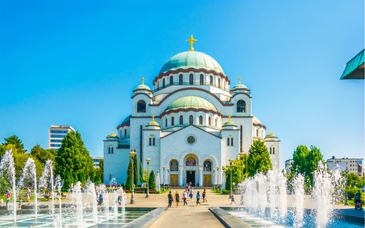
Saint Sava Temple dominates the skyline with its brilliant white marble domes, one of the world's largest Orthodox churches and a powerful symbol of Serbian faith. The interior dazzles with golden mosaics and frescoes still being completed by master craftsmen, whilst the crypt houses a small museum; entry is free, and the sheer scale inspires awe. The Museum of Yugoslavia, located in the leafy Dedinje district, comprises several buildings including the House of Flowers—Marshal Tito's mausoleum—and exhibitions chronicling socialist-era Yugoslavia through photographs, propaganda posters and personal artefacts. History enthusiasts will find the narrative compelling and nuanced. The Nikola Tesla Museum celebrates the inventor's life and groundbreaking work in electricity and magnetism, displaying original documents, prototypes and interactive demonstrations. The Museum of Contemporary Art, reopened after extensive renovation, showcases bold Balkan modernism and avant-garde installations. Together, these sites offer deeper insight into Serbia's spiritual heritage, political evolution and cultural innovation, rewarding visitors who venture beyond the fortress walls.
Splavovi—floating barge clubs and restaurants moored along the Sava and Danube—define Belgrade's unique social landscape. By day they serve coffee, lunch and lazy riverside lounging; by night they transform into pulsing nightclubs where DJs spin turbo-folk, Balkan beats, house and techno until sunrise, drawing crowds of locals and visitors onto packed dance floors suspended above the water. An evening on a splav is essential to understanding Belgrade's legendary nightlife. The Sava Promenade has been revitalised into a waterfront strip ideal for jogging, cycling or a leisurely evening stroll, dotted with benches, pop-up bars and views across to the gleaming towers of New Belgrade. Ada Ciganlija, a river island turned peninsula, is nicknamed "Belgrade's seaside": in summer, locals flock here to swim in the lake, hire bikes and kayaks, play beach volleyball, or relax in lakeside cafés and beach bars, offering a refreshing escape from the urban buzz. The rivers are central to Belgrade's identity—no city break is complete without experiencing the waterfront, whether on a splav dance floor, a promenade sunset walk, or a lazy afternoon at Ada.

Arrive at Belgrade Nikola Tesla Airport and transfer to your hotel—Mama Shelter Belgrade places you in the heart of the action. Drop your bags and head straight to Knez Mihailova for coffee and a leisurely stroll to Kalemegdan Fortress; explore the ramparts, visit the Victor Monument, and enjoy lunch in the shaded park. Afternoon: wander Republic Square and step into the National Museum to admire Serbian medieval art and modern collections. Evening: dine in Skadarlija at a traditional kafana, savouring ?evapi and live folk music, then head to a Sava splav for your first taste of Belgrade's nightlife. Day two: morning visit to Saint Sava Temple, then choose between the Museum of Yugoslavia (Tito's mausoleum and socialist heritage) or the Nikola Tesla Museum (inventor's genius on display). Afternoon: lunch in Zemun, stroll the Danube quay and climb Gardoš Tower for panoramic views. Evening: return to the city centre for a final rakija toast and late-night clubbing on the splavovi. Forty-eight hours captures Belgrade's highlights but leaves you craving more.
Build on the compact weekend plan by dedicating a third day to deeper exploration. Day one and two follow the itinerary above—Knez Mihailova, Kalemegdan, Skadarlija, splavovi, Saint Sava, Zemun. Day three: begin at the Nikola Tesla Museum if you skipped it earlier, then browse Bajloni Market (Zeleni Venac) for colourful produce, local cheeses, ajvar and homemade rakija—perfect for souvenirs and a glimpse of everyday Belgrade life. Explore the Dor?ol neighbourhood, where vintage shops, street art and hip cafés reveal the city's creative pulse; stop for a leisurely lunch at a modern Serbian bistro experimenting with traditional recipes. Afternoon: if the weather permits, head to Ada Ciganlija for swimming, cycling or simply lounging lakeside; alternatively, revisit favourite spots for last-minute shopping and people-watching along Knez Mihailova. Evening: farewell dinner at a contemporary restaurant showcasing seasonal Serbian ingredients, then one final night sampling the legendary Belgrade nightlife—whether on a splav, in a Savamala warehouse club, or at a live-music venue. Seventy-two hours allows a more relaxed pace, time to absorb the local rhythm and discover hidden corners beyond the main sights.
With four or five days, add a day trip to Novi Sad, Serbia's second city, just ninety minutes by bus or train: explore Petrovaradin Fortress—the "Gibraltar on the Danube"—stroll the charming old town with its pastel-coloured buildings, and sample wines from nearby Fruška Gora vineyards. Alternatively, visit the medieval Smederevo Fortress on the Danube or the wine region of Topola, home to the royal Kara?or?evi? dynasty cellars. For a luxurious twist, consider the 10-night Danube Serenade cruise, which includes Belgrade as part of a multi-country river journey through Central and Southeast Europe—wake each morning in a new port whilst enjoying on-board dining and guided excursions. Or join the 10-night Balkans tour combining Belgrade with Zagreb, Sarajevo and other regional gems, perfect for first-timers wanting a curated, hassle-free introduction to the wider region. Belgrade serves as an excellent base or stopover for exploring the Balkans, and extended itineraries reveal the rich cultural tapestry of Southeast Europe.

?evapi—grilled minced-meat sausages nestled in soft flatbread (lepinja) with diced onions, creamy kajmak and smoky ajvar—are ubiquitous, delicious and cheap, found at street stalls and sit-down restaurants alike. Pljeskavica, a hefty spiced burger often stuffed with cheese, satisfies the heartiest appetite. Sarma, cabbage rolls filled with minced meat and rice then slow-cooked in rich tomato sauce, epitomises Serbian comfort food, especially in winter. Gibanica, a flaky cheese pie, pairs perfectly with morning coffee, whilst krempita (kremšnita)—a luscious custard-cream cake—is a Belgrade café staple that locals swear by. Drinks: rakija, the national fruit brandy (usually plum or apricot), is sipped as an aperitif or digestif and often accompanies toasts at family gatherings and celebrations. Local beers such as Jelen and Lav are crisp, refreshing and affordable. Serbian wine, particularly from Župa and Fruška Gora, is gaining international recognition. For the full experience, visit a traditional kafana—live music, hearty portions, convivial atmosphere and tables that overflow with shared plates and laughter. Belgrade's food scene also embraces modern bistros and international cuisine, but the soul of the city lies in these timeless flavours.
Splavovi remain the signature after-dark experience—floating clubs on the Sava and Danube that stay open until dawn, playing everything from turbo-folk and Balkan brass to house and techno. Dress smart-casual, arrive after midnight, and prepare for an unforgettable party suspended above the water; popular venues include Freestyler, Hot Mess and Lasta, though new splavovi open regularly and trends shift season to season. For live music, try Bitef Art Café (jazz, indie, alternative), Drugstore (rock, punk), or catch a performance by the Belgrade Philharmonic for classical concerts in historic halls. Clubs: the Savamala district, the city's creative quarter, hosts warehouse clubs and underground techno nights; Cetinjska Street pulses as the epicentre of the alternative scene. Belgrade's nightlife is famously welcoming, affordable and unpretentious—locals party hard and visitors are embraced without hesitation. Safety tips: stick to well-lit areas, use licensed taxis or ride-hailing apps rather than hailing cabs on the street, keep valuables secure, and trust your instincts. The energy is intoxicating, the music relentless, and the memories indelible.
Bajloni Market (Zeleni Venac) is the main produce market—colourful, bustling and aromatic, a wonderful spot to buy fresh fruit, artisan cheeses, homemade ajvar and bottles of rakija direct from producers. Kalenic Market offers a smaller, more local vibe. Belgrade's café culture is intense: locals spend hours over a single espresso, people-watching, chatting and smoking (though indoor smoking bans exist in theory, enforcement varies). Try a traditional turska kafa (Turkish coffee) served with a glass of water and a sugar cube, or opt for a modern flat white in one of Dor?ol's hipster spots. Cultural tips: greet with a firm handshake; remove shoes when entering homes; tipping is customary—round up the bill or add ten per cent in restaurants. Serbians are proud, hospitable and passionate about history and politics; approach conversations with respect and genuine curiosity, and you will be rewarded with warm, open exchanges. Learning a few Serbian phrases—"Hvala" (thank you), "Živeli" (cheers)—goes a long way. Belgraders are eager to share their city, recommend hidden gems, and ensure you leave with unforgettable stories.
Belgrade rewards the curious traveller with layers of discovery: every cobbled lane, riverside promenade and late-night splav session reveals another facet of this dynamic capital. Whether you come for a compact weekend or an extended Balkan adventure, the city's energy, affordability and authenticity will linger long after you return home.
Yes—Belgrade offers excellent value, rich history including Kalemegdan Fortress and Ottoman and Austro-Hungarian heritage, vibrant nightlife on legendary splavovi clubs, diverse cuisine and warm hospitality. It is less crowded and cheaper than Western European capitals, making it ideal for a two-to-four-day escape from the UK.
A minimum of forty-eight hours covers the main sights: Kalemegdan, Saint Sava, Skadarlija and a splav night. Three days (seventy-two hours) allows museums, neighbourhoods and relaxed exploration. Four to five days lets you add day trips to Novi Sad or Smederevo, or combine with a Danube cruise for a richer Balkan experience.
Yes—Belgrade is generally safe for tourists. Petty crime such as pickpocketing is rare but possible in crowded areas; use common sense, avoid unlit streets late at night and keep valuables secure. Political demonstrations occasionally occur but are typically peaceful. UK travellers do not need a visa for stays up to ninety days.
Yes—direct flights operate from London (Heathrow, Gatwick) and Manchester to Belgrade Nikola Tesla Airport (BEG) with carriers including Air Serbia, Wizz Air and British Airways. Flight time is approximately two-and-a-half to three hours. Book early for the best fares, especially in peak season during summer and Christmas.
Absolutely—Belgrade combines affordability, fascinating history, cutting-edge nightlife, excellent food and genuine hospitality. It is one of Europe's most underrated capitals, offering authentic experiences without the tourist crowds. Whether you are a history buff, foodie or party-seeker, Belgrade delivers a memorable city break that exceeds expectations.