
New
Exclusive

Our offers
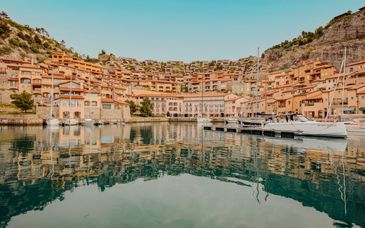
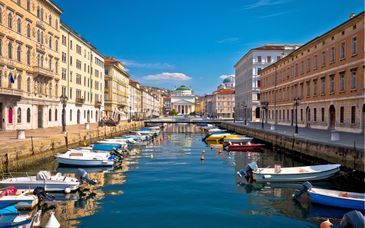
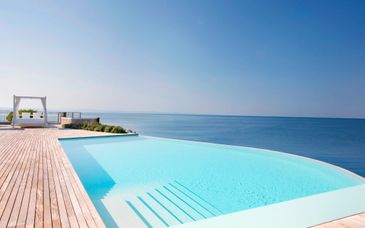
Table of contents
Picture yourself standing in Piazza Unità d'Italia, one of Europe's most magnificent sea-facing squares, where neoclassical palaces frame the glittering Adriatic and the scent of espresso drifts from Belle Époque cafés. A Trieste city break immerses you in a crossroads of cultures: Italian passion meets Viennese elegance and Slavic soul, all woven into a tapestry of grand architecture, vibrant markets and waterfront promenades. Whether you seek a romantic weekend, a cultural deep-dive or a base for exploring the Slovenian coast and Friulian wine country, Trieste rewards every curiosity. Join our members today to unlock exclusive offers on handpicked hotels across Trieste and beyond, ensuring your escape combines exceptional value with unforgettable experiences.

Set within a lovingly restored early-1900s building in the heart of the city, this hotel marries Belle Époque elegance with contemporary comfort across approximately 125 rooms. Guests enjoy an onsite spa, a refined restaurant serving regional and international cuisine, and a prime location mere steps from Piazza Unità d'Italia and the waterfront promenade. The blend of historic charm and modern amenities makes it an ideal base for exploring Trieste's main sights on foot, while returning each evening to a sanctuary of relaxation and style.
What we love: The seamless fusion of Belle Époque architecture and modern wellness facilities in the very centre of the action.

Design enthusiasts will appreciate this contemporary four-star retreat on Corso Italia, where sleek interiors, bold colour accents and curated artwork create a fresh, urban aesthetic. The casual bistro serves innovative takes on local flavours, perfect for a leisurely breakfast or post-sightseeing aperitivo. Its central position places you within easy reach of the historic quarter, museums and the harbour, making it a stylish launchpad for a Trieste city break that balances culture with modern comfort and cosmopolitan flair.
What we love: The designer ambiance and vibrant bistro that bring a cosmopolitan edge to traditional Trieste hospitality.

Perched on the shores of the Gulf of Trieste in the exclusive enclave of Portopiccolo, this five-star sanctuary combines coastal serenity with world-class service. Guests unwind by the infinity pool overlooking azure waters, indulge in the full-service spa, and access a private beach club for sun-soaked relaxation. Though a short drive from the city centre, the resort offers the perfect counterpoint to urban exploration: a luxurious retreat where you can recharge between cultural excursions and savour the best of both worlds—vibrant Trieste and tranquil Adriatic beauty.
What we love: The private beach, infinity pool and spa that elevate a Trieste escape into a true luxury coastal experience.
Situated on Italy's northeastern frontier where the Adriatic coast meets the Slovenian border, Trieste occupies a singular position both geographically and culturally. This compact port city exudes a Mitteleuropean atmosphere rare in Italy: think grand Viennese coffee houses, Habsburg palaces and tree-lined boulevards that echo Vienna and Budapest, all infused with Italian warmth and Adriatic light. The historic centre unfolds on foot—cobbled lanes climb to hilltop sanctuaries, elegant arcades shelter boutique shops, and the waterfront promenade invites sunset strolls. A Trieste city break appeals to culture lovers, history buffs, foodies and couples seeking an authentic, less-trampled alternative to Venice or Florence. Here, you can sip a perfect espresso in a Belle Époque salon, explore Roman ruins and Renaissance churches, then dine on seafood risotto infused with Slavic spices—all within a single, delightfully walkable day.
The optimal windows for a Trieste city break are late spring—May through June—and early autumn, from September into October, when temperatures hover between 18°C and 25°C, crowds thin and open-air dining thrives along the Rive promenade. Summer, particularly July and August, brings sunshine and beach weather but also peak tourist numbers and higher accommodation rates; book well ahead if you favour this season. Winter offers a quieter, atmospheric experience: Christmas markets light up Piazza Unità, museums welcome you without queues, and cafés become cosy havens. Be aware, however, of the Bora—a fierce, cold northeasterly wind that can gust through the city in winter and shoulder months, clearing skies but demanding warm layers. Spring and autumn strike the best balance: pleasant weather, cultural events and the chance to explore both city sights and coastal paths without battling summer heat or winter chill.
Travellers often ask how many days to dedicate to Trieste, and the answer hinges on your pace and curiosity. A minimum of two days—48 hours—suffices to tick off the headline attractions: Piazza Unità d'Italia, Miramare Castle, the historic cafés and a waterfront walk. Extend to three days and you gain breathing room for museums such as the Revoltella or Museo del Mare, a leisurely coastal ramble along the Rilke Path, and time to savour the city's legendary coffee culture without rushing. Four to five days unlock deeper exploration: add Portopiccolo for seaside chic, venture into the Collio wine region for tastings of Friulano and Ribolla Gialla, or cross into Slovenia for a day in picturesque Piran or vibrant Ljubljana. Trieste's compact size makes it ideal for a weekend escape, yet its layers of history, culture and proximity to neighbouring lands reward those who linger longer and embrace the Adriatic rhythm.
Begin your Trieste adventure at Piazza Unità d'Italia, the city's monumental heart and one of Europe's grandest sea-facing squares. Encircled by neoclassical and eclectic palaces—each a testament to the city's Habsburg heyday—the piazza opens directly onto the shimmering Adriatic, creating a theatrical meeting of architecture and ocean. Stroll out onto the Molo Audace, a long pier beloved by locals for sunset views and gelato breaks, then meander along the Rive promenade, where yachts bob in the marina and café terraces buzz with conversation. The square glows under floodlights after dark, transforming into a romantic stage for evening aperitivos. Practical tip: the piazza is free to visit year-round and remains a lively hub day and night. Stay at DoubleTree By Hilton Trieste or The Modernist Hotel, both within easy walking distance, and you can return whenever the mood strikes.
No Trieste city break is complete without a pilgrimage to Miramare Castle (Castello di Miramare), a fairy-tale white fortress perched on a rocky promontory overlooking the Gulf of Trieste. Built in the 1850s for Archduke Maximilian of Austria and his wife Charlotte, the castle enchants with its romantic interiors—period furnishings, gilded ceilings and seascapes painted by the Archduke himself—and the lush surrounding park, laced with coastal paths and panoramic viewpoints. Located roughly eight kilometres northwest of the city centre, Miramare is easily reached by bus line 6 or via a scenic walk or cycle along the waterfront. Entry costs around €10; the castle typically opens from 9am to 7pm in summer, with shorter hours in winter, so check ahead and book online during peak season to skip queues. Combine your visit with a hike along the Rilke Path (Sentiero Rilke) for dramatic clifftop Adriatic vistas that will linger in your memory long after you return home.
Trieste claims the title of Italy's coffee capital, a legacy of its role as the Austro-Hungarian Empire's chief coffee port. Stepping into institutions like Caffè San Marco—with its Belle Époque mirrors, marble tables and literary ghosts—or Caffè Tommaseo, the city's oldest café, is to taste history in a porcelain cup. Order a "capo in b" (cappuccino served in a glass, local style) and pair it with a slice of presnitz or putizza, sweet pastries steeped in Slavic tradition. Beyond coffee, Trieste's cuisine reflects its multicultural DNA: savour jota (a hearty bean and sauerkraut soup), Hungarian-style goulash, and seafood risotto fragrant with Adriatic catch. For fresh produce, cheeses and cured meats, head to the Ponterosso market by the canal or the covered market on Via Carducci, where vendors banter in Italian, Friulian and Slovenian. A morning spent browsing stalls followed by a café stop captures the essence of daily life here. Consider dining at The Modernist Hotel's bistro for a contemporary twist on these timeless flavours.
A two-day Trieste weekend distils the city's highlights into a walkable, memorable itinerary. Day one: arrive mid-morning, check into DoubleTree By Hilton Trieste or The Modernist Hotel, then head straight to Piazza Unità d'Italia to soak up the grandeur. Lunch at a trattoria in the old town, follow with a visit to the Roman Theatre tucked into the hillside, and climb to San Giusto Cathedral for panoramic views over rooftops and sea. As afternoon fades, stroll the Molo Audace for an aperitivo, then dine on fresh seafood in the historic quarter. Day two: catch bus line 6 to Miramare Castle, explore the opulent rooms and stroll the parkland, then walk part of the coastal path back toward the city. Return for a late lunch, spend the afternoon with coffee at Caffè San Marco and browsing Via Carducci market, and cap your weekend with a sunset walk along the Rive waterfront, savouring every last glimpse of the Adriatic.
Stretching your stay to three days allows a more measured rhythm and deeper cultural immersion. Days one and two mirror the 48-hour itinerary: Piazza Unità, old town, San Giusto, then Miramare Castle and coastal strolls. On day three, dedicate the morning to the Revoltella Museum, housed in a 19th-century palazzo and showcasing modern Italian art, or the Museo del Mare to trace Trieste's maritime heritage. Lunch in the revitalised Porto Vecchio (old harbour) district, where warehouses have become galleries and eateries. In the afternoon, embark on the Rilke Path (Sentiero Rilke)—a spectacular clifftop trail linking Sistiana and Duino, offering dramatic Adriatic panoramas; the walk takes roughly two hours one way, and you can return by bus. This slower pace lets you linger in cafés, absorb the city's multilayered identity, and perhaps enjoy a spa session or poolside afternoon at Falisia Resort in Portopiccolo if you've chosen to split your accommodation between city and coast.
Five days transform a Trieste city break into a comprehensive northeastern Italy and Slovenia exploration. Follow the three-day city itinerary—Piazza Unità, Miramare, museums, coastal paths—then dedicate days four and five to excursions. Option A: drive south to Portopiccolo, a chic marina village where designer boutiques, waterfront restaurants and the exclusive beach club at Falisia, a Luxury Collection Resort & Spa invite a day of seaside indulgence. Option B: head 30 minutes north into the Collio wine region, where family-run cellars pour crisp Friulano, aromatic Ribolla Gialla and robust Refosco amid rolling vine-covered hills. Day five: cross into Slovenia—passport in hand but no border formalities thanks to Schengen—for a day trip to Piran, a postcard-perfect Venetian port town an hour away by car, or to Ljubljana, the capital, reachable in 90 minutes by train. Both countries use the euro, simplifying logistics. This extended itinerary showcases the rich tapestry of cultures, landscapes and flavours that make the Trieste area a crossroads like no other.
Reaching Trieste from the UK involves a choice of air, rail or road. Flights: Trieste Airport (TRS, also called Ronchi dei Legionari) sits 30 kilometres northwest of the city; as of 2025, Ryanair operates seasonal direct flights from London Stansted—verify current schedules before booking, as frequencies vary. For broader airline choice, fly into Venice Marco Polo (approximately one hour from Trieste by direct bus or train) or Ljubljana Airport in Slovenia (one hour by car or shuttle). Trains: Italy's rail network serves Trieste admirably; direct trains run from Venice in around two hours, from Milan in roughly six hours via Venice, and international services connect Vienna and Ljubljana, making rail an atmospheric, eco-friendly option. Driving: Trieste lies 150 kilometres east of Venice along the A4 motorway; car hire proves useful for exploring the Carso plateau, wine country and Slovenia, though the city centre itself is walkable and parking can be tight. For a pure city break, public transport and taxis suffice; for wider regional adventures, wheels grant freedom.
Once you arrive, Trieste reveals itself as one of Italy's most pedestrian-friendly cities. Walking: the historic core, waterfront, Piazza Unità, San Giusto hill and Ponterosso market all lie within a leisurely 20-minute stroll of one another; comfortable shoes and a sense of curiosity are your only requirements. Buses: Trieste Trasporti operates a comprehensive urban network; key routes include line 6 to Miramare Castle and line 51 climbing to the Carso plateau for sweeping views. Single tickets cost around €1.35, with day passes available; purchase from tabacchi shops or kiosks and validate onboard. Trams: the historic Opicina tramway—a charming funicular-tram hybrid—ascends to the plateau, though it has been under maintenance in recent years; check operational status before planning a trip. Ferries: in summer, seasonal boat services link Trieste to Grado, Muggia and Croatian Istria, adding a nautical dimension to your itinerary. Taxis and ride-hailing apps like FreeNow exist but rarely prove necessary for a compact, walkable city break.
Prospective visitors often wonder whether Trieste will stretch their wallets; the good news is that this city offers excellent value compared to Venice, Rome or Florence. Daily budget: expect to spend €80–120 per person per day for mid-range travel, covering accommodation (such as DoubleTree By Hilton Trieste), meals, transport and entry fees. Budget-conscious travellers can manage on €50–70 by choosing simpler lodgings, market picnics and free sights. Luxury seekers staying at Falisia Resort and dining at upscale restaurants will spend considerably more. Typical prices: coffee €1–1.50, pizza or pasta lunch €10–15, three-course dinner €25–40, museum admission €5–10, bus ticket €1.35. Tourist tax: Trieste levies a city tax (tassa di soggiorno) of roughly €1–3 per person per night, varying by hotel category and paid at check-out. Useful apps: download Google Maps for navigation, Trieste Trasporti for real-time bus schedules, TheFork for restaurant reservations, and Trenitalia for train bookings. While cards are widely accepted, carry some cash for markets, small cafés and tips—Italian hospitality appreciates the gesture.
Absolutely. Trieste offers a unique blend of Italian, Austro-Hungarian and Slovenian cultures, stunning waterfront vistas centred on Piazza Unità d'Italia, and a rich coffee tradition unmatched elsewhere in Italy. Less crowded than Venice or Florence, it combines history, cuisine and coastal beauty in a compact, walkable setting—ideal for a weekend or longer escape that feels both authentic and refreshing.
A minimum of two days (48 hours) covers the main sights: Piazza Unità, Miramare Castle, historic cafés and waterfront walks. Three days allow a more relaxed pace, adding museums and coastal trails. Four to five days unlock day trips to Portopiccolo, Slovenia or the Collio wine region. The city's compact size suits weekend breaks perfectly, yet rewards those who linger.
Ryanair operates seasonal direct flights from London Stansted to Trieste Airport (TRS). Schedules vary, so check availability before booking. Alternatively, fly to Venice Marco Polo (one hour from Trieste by train or bus) or Ljubljana (one hour by car) for broader airline options and year-round services.
Late spring (May–June) and early autumn (September–October) offer mild weather, fewer crowds and vibrant outdoor dining—ideal for a Trieste city break. Summer (July–August) brings beaches and sunshine but higher prices and tourist numbers. Winter provides a quieter, atmospheric experience with Christmas markets, though the cold Bora wind can blow strongly. Avoid peak August if you prefer a calmer vibe.
No. Trieste is more affordable than Venice, Rome or Florence. A mid-range daily budget runs €80–120 per person, covering accommodation, meals and transport. Coffee costs €1–1.50, lunch €10–15, dinner €25–40. The city tourist tax is modest (€1–3 per night). Overall, Trieste delivers excellent value for a high-quality Italian city break.