New
Exclusive

Our offers
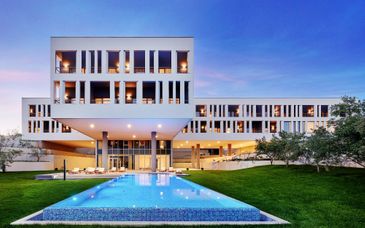
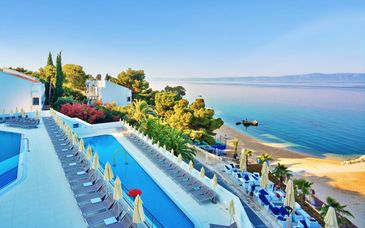
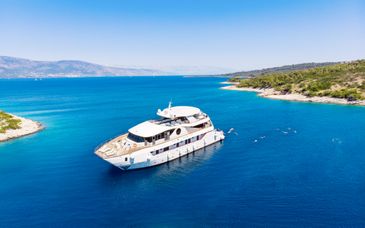
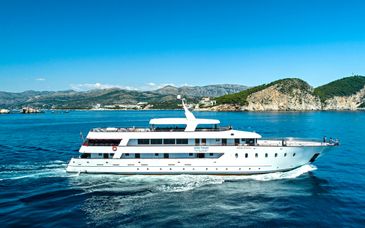
Table of contents
Picture yourself wandering through vaulted Roman cellars at dusk, sipping espresso on the sun-drenched Riva promenade, then boarding a morning ferry to the lavender-scented island of Hvar or the golden shores of Bra?. A Split city break delivers this rare alchemy of ancient heritage, vibrant café culture and crystal-clear Adriatic coast, all within a compact, walkable city perfect for a short escape. Register free with Voyage Privé to unlock exclusive offers on handpicked hotels and packages in Split, securing exceptional value for your Croatian adventure.
Before diving into itineraries and practicalities, discover our curated selection of exceptional stays in Split. Each property has been chosen for its location, comfort and ability to enhance your city break—whether you want to step straight into the Old Town, unwind by the sea, or enjoy five-star luxury. Register with Voyage Privé to unlock exclusive rates (up to 70% off) on these handpicked hotels.

This boutique heritage property occupies a beautifully restored Art Nouveau building just steps from Diocletian's Palace. Rooms blend period elegance with modern comfort, and the central location means you can explore Split's labyrinthine Old Town on foot within minutes. Ideal for culture lovers and couples seeking an intimate, character-filled base in the heart of the city.
What we love: The seamless combination of historic architecture and contemporary design, plus the unbeatable proximity to Split's most iconic monuments and vibrant café-lined squares.

A historic five-star hotel near Ba?vice beach and a short stroll from Split Old Town, Hotel Park offers the best of both worlds: easy access to Roman ruins and a sandy beach for afternoon swims. The property features a spa, outdoor pool and half-board dining options, making it perfect for a romantic city break balancing sightseeing with relaxation.
What we love: The elegant interiors, the beachfront setting inviting post-museum dips in the Adriatic, and the attentive service elevating every moment of your stay.

Luxury meets convenience at Palazzo President, a refined five-star hotel close to Split's historic centre. Curated interiors, spacious rooms and thoughtful design details create a sophisticated retreat after days spent exploring Diocletian's Palace and the Riva promenade. The central location means all major monuments, restaurants and ferry terminals are within easy walking distance.
What we love: The polished, contemporary style, the prime location for car-free exploration, and the sense of understated elegance making every return to your room feel like a treat.

For travellers wanting to combine city visits with resort-style comfort, Le Meridien Lav delivers. This five-star seafront property boasts extensive spa facilities, multiple pools and private beach access, all set along a stunning stretch of Adriatic coast. Located about 20 minutes from Split Old Town by car or taxi, it serves as an ideal tranquil base with easy day-trip access to the city and islands.
What we love: The world-class spa, the private pebble beach perfect for sunset swims, and the balance of luxury resort amenities with proximity to Split's cultural treasures.
Split possesses a distinctive character unmatched anywhere along the Adriatic: Diocletian's Palace, a living Roman monument, forms the beating heart of a bustling modern city where ancient cellars house trendy bars and marble-paved streets open onto sun-soaked café terraces. The climate favours visitors—hot, dry summers from June through September with temperatures reaching 25–30°C, and mild springs and autumns perfect for comfortable sightseeing. The relaxed Dalmatian vibe blends history, beach life and vibrant nightlife in a way few cities manage. Split stands more authentic and less touristy than Dubrovnik, compact enough to explore on foot yet large enough to offer excellent restaurants, the bustling Green Market and year-round cultural events. The stunning backdrop of Marjan Hill and the Adriatic frames the city, while Split's role as gateway to Croatia's most beautiful islands—Hvar, Bra?, Vis—adds another dimension. Split delivers a rare mix: world-class heritage, genuine local atmosphere and easy island access, all in a single, walkable destination perfect for a short break.
Split appeals to a broad spectrum of travellers. Couples find romance in the Old Town's narrow lanes, sunset strolls along the Riva promenade and intimate konobas serving fresh seafood paired with local wine. Culture and history enthusiasts can spend days exploring Diocletian's Palace (a UNESCO World Heritage site), the Cathedral of St Domnius, atmospheric ancient cellars and museums, plus easy day trips to Trogir (another UNESCO town) and Roman ruins at Salona. Beach seekers benefit from Ba?vice beach right in the city, plus countless coves and island beaches a short ferry ride away—Split ranks among the few European cities where you can combine morning museum visits with afternoon swims in crystal-clear Adriatic waters. Families with older children, solo travellers and active visitors interested in hiking, sailing or diving will also find plenty to enjoy. In short, Split suits anyone seeking a compact, multifaceted break requiring no compromise between culture, coast and authentic urban life.
Timing and duration shape your experience. Best months: May, June and September offer warm, sunny weather (20–28°C), fewer crowds than peak summer, and lower accommodation prices; the sea remains swimmable from late May through September. July and August represent peak season—hot (often exceeding 30°C), busy and more expensive, yet guaranteeing sunshine and the liveliest atmosphere with festivals and open-air concerts. April and October provide mild, quiet conditions ideal for culture-focused trips, though some island ferries run less often and swimming may feel cool. Trip length: Two days suffices to see Diocletian's Palace, the Old Town and Ba?vice beach, but feels rushed. Three days hits the sweet spot—day one for the city, day two for an island (Hvar or Bra?), day three for a second island or Krka/Trogir. Four days allows a more relaxed pace, adding a second island, a national-park excursion or simply time to enjoy your hotel and local beaches. Three days emerges as the most popular choice among visitors, striking the perfect balance for a city break.
A weekend break demands focus. Day one morning: Arrive, check into your hotel—consider the Heritage Hotel Fermai MGallery for central access—then dive straight into Diocletian's Palace. Explore the Peristyle square, climb the Cathedral bell tower for panoramic views, wander the ancient cellars and shop for souvenirs in the narrow lanes. Afternoon: Lunch at a konoba in the Old Town, then stroll the Riva promenade and visit the Green Market. Evening: Sunset drink on the Riva, dinner at a seafood restaurant. Day two morning: Walk or taxi to Ba?vice beach for a swim and morning coffee. Afternoon: Hike up Marjan Hill for views and pine-shaded trails, or take a quick ferry to Bra? (Bol) if time allows—though this proves tight. Evening: Return for a final dinner in the Old Town before departure. Two days captures Split's essence but leaves you wanting more—perfect for a taste, less ideal for island hopping.
The recommended three-day plan delivers balance. Day one – Old Town immersion: Morning arrival, settle into your hotel—the Hotel Park 5* offers beach proximity—then spend the day in Diocletian's Palace and the Old Town: Peristyle, Cathedral, cellars, Ethnographic Museum, People's Square. Lunch in a traditional konoba, afternoon shopping and Riva promenade stroll. Evening brings dinner and drinks in the Old Town or along the waterfront. Day two – Island day trip: Early ferry to Hvar Town (one hour) or Bol on Bra? (50 minutes). Explore Hvar's Venetian architecture, hilltop fortress and lavender fields, or relax on Zlatni Rat beach in Bol. Return late afternoon. Evening allows casual dinner, perhaps at Ba?vice beach. Day three – Local culture and relaxation: Morning hike on Marjan Hill or visit the Meštrovi? Gallery. Afternoon swim at Ba?vice or a nearby cove (Kašjuni, Žnjan). Optional evening fish-market visit or sunset boat tour. This itinerary balances must-see sights, island adventure and downtime—ideal for first-time visitors.
An extra day opens richer possibilities. Following the three-day itinerary above, add one of these: Option A – Krka National Park: Join a day tour (or rent a car) to Krka, about 90 minutes north; walk the boardwalks around Skradinski Buk waterfalls, swim in designated areas and visit historic watermills. Return to Split by evening. Option B – Trogir: A 30-minute bus or drive to this UNESCO-listed medieval town; explore the cathedral, Kamerlengo Fortress and charming stone streets, then return for a Split beach afternoon. Option C – Extended island time: Spend a full day and night on Hvar or Bra?, staying overnight to experience island nightlife (Hvar's Carpe Diem beach club) or simply enjoy a slower pace and more swimming. Option D – Pure relaxation: Use the fourth day to unwind at your hotel—the Le Meridien Lav 5* spa proves perfect for this—explore lesser-known Split beaches or take a leisurely coastal walk. Four days transforms a city break into a mini Dalmatian odyssey.
Diocletian's Palace, built in the 4th century AD as a retirement residence for the Roman emperor, functions not as a single monument but as an entire living quarter—shops, bars, apartments and museums occupy ancient walls and cellars. Start at the Peristyle, the palace's central square, where you can admire the Cathedral of St Domnius (originally Diocletian's mausoleum; climb the bell tower for stunning views). Descend into the substructures, atmospheric vaulted halls mirroring the palace layout above and often hosting exhibitions. Wander the narrow marble-paved streets—Diocletian's Palace ranks as a UNESCO World Heritage site and one of the best-preserved Roman monuments worldwide. Beyond the palace, explore People's Square (Narodni trg), the medieval heart of Split, and the Riva promenade, a palm-lined waterfront perfect for people-watching. Do not miss the Green Market for fresh produce, local cheese and Dalmatian prosciutto. You can spend a full day getting lost in the Old Town's layers of history; book a guided walking tour for deeper context.
Split delivers genuine beach credentials. Ba?vice stands as the city's most famous beach, a shallow sandy bay a ten-minute walk from the Old Town, popular with families and known for picigin (a local ball game played in the shallows). The beach offers cafés, showers and a lively atmosphere, especially in summer. For quieter options, head to Kašjuni beach on the south side of Marjan Hill—a pebble cove surrounded by pine forest, reached by a short walk or bike ride. Žnjan and Trstenik beaches, east of the centre, offer more space, beach bars and water sports. Marjan's west coast features several small, rocky coves ideal for snorkelling and escaping crowds. The water remains crystal-clear and swimmable from late May through September (warmest July–August, around 25°C). Split ranks among the few European cities where you can combine morning museum visits with afternoon beach time, and staying at a seafront hotel makes beach access even easier.
Island-hopping opportunities make Split special. Hvar: The most glamorous Dalmatian island, one hour by ferry or 50 minutes by catamaran. Hvar Town offers Venetian architecture, a hilltop fortress, lavender fields, excellent restaurants and buzzing nightlife. Day-trippers can explore the town, swim at nearby beaches and return the same evening. Bra?: Closest major island (50 minutes to Supetar, one hour to Bol). Bol hosts Zlatni Rat, Croatia's most photographed beach—a golden pebble spit shifting with the wind. Ideal for a beach-focused day trip. Blue Cave (Biševo): A natural sea cave near Vis island where sunlight creates an ethereal blue glow; typically visited on organised boat tours (full-day trips from Split, often combined with stops at Vis, Stiniva Cove and the Green Cave). Other options include Vis (quieter, more remote), Šolta (close and peaceful) and multi-island speedboat tours. Ferries and catamarans depart from Split's main port; book tickets online during peak season. Island hopping highlights any Split city break, and even a single island day trip adds unforgettable coastal magic to your itinerary. For travellers wanting a longer island experience, consider the seven-night Dubrovnik to Split cruise.
Flights: Split Airport (SPU) lies 25 km west of the city, with direct flights from London, Manchester, Edinburgh and many European hubs (more frequent May–September). Airport to Old Town: Airport shuttle buses (Pleso Prijevoz) run to the main bus station and ferry port (30–40 minutes, around €6–8); taxis and private transfers cost €25–35; pre-book for convenience. Getting around Split: The Old Town and most attractions are walkable. Local buses serve beaches (Ba?vice, Žnjan) and Marjan Hill; buy tickets at kiosks (around €1.50) or from the driver (slightly more). Taxis and Uber/Bolt are available and affordable for short trips. Ferries and catamarans: Jadrolinija and Krilo run regular services to Hvar, Bra?, Vis and other islands from Split's ferry port (walking distance from the Old Town). Book online in summer to secure foot-passenger tickets; car ferries require advance booking. Car hire: Useful for Krka, Trogir or exploring the coast, but unnecessary for the city itself (parking proves limited and expensive). Split offers easy navigation, with excellent public transport and ferry links making island hopping straightforward.
Croatia uses the euro (€) since 2023; ATMs are widespread, and cards are accepted in most restaurants and shops (carry some cash for markets and small konobas). Split remains very safe; standard precautions apply (watch bags in crowded areas, avoid unlit alleys late at night). Tap water is safe to drink. Tourist/city tax runs around €1.50–2 per person per night, collected by your hotel. The Old Town's ancient streets are cobbled and uneven, challenging for wheelchairs; newer areas and some hotels (including the Palazzo President 5*) offer better accessibility. Beaches like Ba?vice have ramps and facilities. Croatian is the native language; English is spoken in tourist areas. Tipping runs at 10% in restaurants if service was good; round up taxi fares. Pharmacies (ljekarna) are common; EU citizens should carry an EHIC card; travel insurance is recommended. Wi-Fi is free in most hotels, cafés and restaurants. Split proves a hassle-free, well-organised destination with all the infrastructure needed for a comfortable city break.
Smart packing enhances comfort, especially in summer. Footwear: Comfortable walking shoes or trainers are essential—Split's Old Town is paved with smooth marble and ancient stone that can be slippery; sandals work fine for the beach but not for all-day sightseeing. Bring flip-flops or water shoes for pebbly beaches. Clothing: Light, breathable fabrics (linen, cotton) for hot days; a sun hat, sunglasses and high-SPF sunscreen are must-haves (the Adriatic sun is strong). Pack a swimsuit, beach towel and light cover-up. Evenings can be breezy, so bring a light cardigan or shawl. Day-to-day tips: Carry a refillable water bottle (public fountains are safe). Start sightseeing early (before 10 a.m.) to avoid midday heat. Seek shade during the hottest hours (1–4 p.m.)—perfect for a leisurely lunch or hotel pool time. Insect repellent proves useful for evening walks near the water. What to avoid: Do not wear beachwear in churches or restaurants; dress modestly when visiting religious sites. Smart packing and a flexible daily rhythm (early starts, afternoon breaks) keep you comfortable and energised throughout your Split city break.
Split blends Roman grandeur, Adriatic beaches and island access into a compact, walkable city break that suits couples, culture lovers and beach seekers alike. Whether you have two days or four, Split delivers a memorable Dalmatian escape—register with Voyage Privé to unlock exclusive offers on handpicked hotels and start planning your Croatian adventure today.
Split proves excellent for a city break. It combines world-class Roman heritage—Diocletian's Palace, a UNESCO site—with a vibrant, authentic atmosphere, beautiful beaches within walking distance, and easy access to stunning islands like Hvar and Bra?. The city remains compact and walkable, with excellent restaurants, lively markets and a relaxed Dalmatian vibe. Unlike more touristy destinations, Split feels like a real, lived-in city where history and modern life coexist. Whether you have two, three or four days, Split delivers a rich, multifaceted experience—culture, coast, cuisine and island adventures—all in one convenient, affordable and sun-soaked package. It suits couples, culture lovers and beach seekers alike.
Three days represents the ideal length for a Split city break. Day one allows you to explore Diocletian's Palace, the Old Town and the Riva promenade in depth. Day two proves perfect for an island day trip—Hvar for glamour and history, or Bra? for the famous Zlatni Rat beach. Day three gives you time to hike Marjan Hill, visit a museum (Meštrovi? Gallery), relax on Ba?vice beach or take a half-day excursion to Trogir or Krka National Park. Three days strikes the perfect balance: you will not feel rushed, you will experience both the city and the islands, and you will leave with a genuine sense of Split's character. Two days is possible but tight; four days adds welcome flexibility.
The best months are May, June and September. These shoulder-season months offer warm, sunny weather (20–28°C), fewer crowds than peak summer, lower hotel prices and a more relaxed atmosphere. The sea is warm enough for swimming (especially June and September), and island ferries run often. July and August are the hottest and busiest months—guaranteed sunshine and vibrant nightlife, but also higher prices and crowded beaches. April and October are mild and quiet, ideal for culture-focused trips, though swimming may be cool and some island services reduced. Avoid November–March unless you are happy with cooler, quieter conditions and limited ferry schedules. For the best all-round experience—sun, sea, sightseeing and value—book your Split city break for late May, June or early September.
Both are beautiful, but they offer different experiences. Dubrovnik is more dramatic and picture-perfect—famous for its intact medieval walls and Game of Thrones locations—but it is also more expensive, more touristy and can feel crowded, especially in summer. Split is larger, more authentic and lived-in; it feels like a real city rather than an open-air museum. Split offers better value, easier island access (ferries to Hvar, Bra?, Vis), a mix of Roman and modern culture, and beaches right in the city. If you want postcard-perfect medieval beauty and do not mind crowds, choose Dubrovnik. If you prefer a vibrant, multifaceted city break with history, beaches, islands and local life, Split proves the better choice. Many visitors do both, but for a short city break, Split delivers more variety and authenticity.
Split Airport (SPU) lies 25 km west of the city. The easiest and cheapest option is the airport shuttle bus (Pleso Prijevoz), which runs to the main bus station and ferry port (both walking distance from the Old Town) in 30–40 minutes; tickets cost around €6–8 and can be bought at the airport or online. Buses are timed to meet arriving flights. Taxis and private transfers cost €25–35 and take about 25 minutes; book in advance or use the official taxi rank outside arrivals. Uber and Bolt operate in Split and may be slightly cheaper. Car hire desks are in the arrivals hall if you plan to explore beyond the city. The shuttle bus proves reliable and convenient for most travellers; taxis are best if you arrive late or have heavy luggage.