New
Exclusive

Table of contents
A Sardinia city break delivers everything discerning travellers crave: sun-drenched beaches, ancient nuraghi, vibrant piazzas and world-class cuisine, all within easy reach. From the baroque streets of Cagliari to the Catalan-flavoured lanes of Alghero, the island's compact towns pack extraordinary experiences into short stays. Unlock exclusive offers on handpicked hotels and resorts across Sardinia, and turn your short break into an unforgettable escape. This Mediterranean jewel rewards those seeking sophistication, authenticity and natural beauty without the crowds of mainland Italy, making it the perfect choice for a refined getaway.

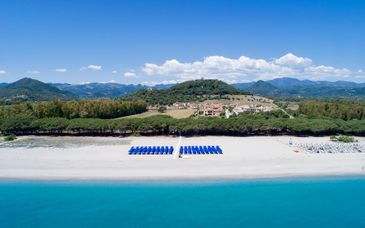
Explore Sardinia at your own pace with this self-guided road trip covering the island's most captivating destinations. Choose from 7, 10 or 12-night itineraries that take in Cagliari's historic quarter, Alghero's cobbled streets, the medieval fortress of Castelsardo and the glamorous Emerald Coast. Car hire and carefully selected hotels are included, giving you the freedom to discover hidden coves, ancient archaeological sites and authentic hill towns. Perfect for couples and small groups seeking flexibility and adventure.
What we love: The freedom to craft your own Sardinian story, combining culture, coast and countryside with handpicked accommodation and seamless logistics.

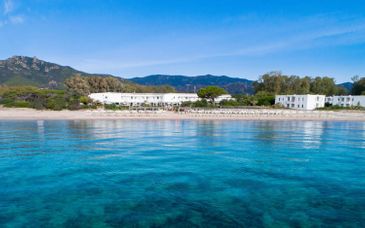
Nestled on the legendary Costa Smeralda, Hotel Abi D'Oru offers five-star luxury with direct beach access and breathtaking views over the Emerald Coast. Elegant rooms blend contemporary comfort with Sardinian style, while the resort's spa, gourmet dining and water sports facilities ensure every moment is memorable. Positioned for exploring Porto Cervo's chic boutiques and the pristine archipelago of La Maddalena, this hotel is perfect for those seeking sophistication and natural beauty in equal measure.
What we love: The seamless blend of glamour and authenticity, with world-class service set against one of the Mediterranean's most stunning coastlines.

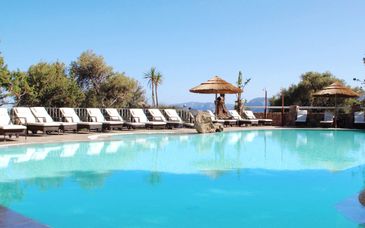
Perched in northwestern Sardinia, Castelsardo Resort places you within easy reach of one of the island's most photogenic medieval towns. The resort offers comfortable accommodation, excellent facilities including pools and wellness areas, and a prime location for exploring the dramatic coastline, artisan workshops and historic fortifications of Castelsardo. With nearby beaches, hiking trails and authentic Sardinian villages, it's an ideal base for culture-seekers and beach lovers alike on a short break or extended stay.
What we love: The perfect balance of resort comfort and proximity to one of Sardinia's most enchanting hilltop towns, rich in history and local craftsmanship.
Sardinia delivers the rare combination of urban sophistication and natural splendour within remarkably compact distances, making it perfect for travellers with limited time but unlimited expectations. Within an hour's drive of most major towns, you'll find pristine beaches where turquoise waters lap against powder-white sand, ancient nuraghi stone towers dating back three millennia, and baroque churches adorned with gilded altarpieces. The island's airports at Cagliari, Olbia and Alghero offer direct connections from major European cities, putting you in the heart of the action within hours of departure. Unlike mainland Italian cities where beaches require lengthy transfers, here you can explore a medieval quarter in the morning, lunch on fresh lobster by the harbour, and swim in crystalline coves before sunset. The culinary scene rivals any European capital, with restaurants serving everything from Michelin-starred reinterpretations of traditional dishes to family-run trattorias where recipes have passed through generations. Sardinian wine, particularly Vermentino and Cannonau, provides the perfect accompaniment to seafood feasts and slow-roasted suckling pig. The island's unique cultural identity—shaped by Phoenician, Roman, Catalan and Italian influences—creates a character neither wholly Mediterranean nor entirely Italian, offering discoveries at every turn.

Modern transport links have transformed Sardinia into one of Europe's most accessible island destinations for short breaks, with multiple daily flights from London, Manchester and other British airports to Cagliari, Olbia and Alghero. Flight times rarely exceed three hours, meaning you can leave your desk on Friday afternoon and be sipping aperitifs in a harbour-side piazza by dinner. The island's excellent road network connects major towns seamlessly, with well-maintained motorways and scenic coastal routes making self-drive exploration both practical and pleasurable. Car rental facilities at all airports offer competitive rates and modern fleets, while comprehensive bus services link smaller villages for those preferring public transport. Hotels across all price points provide international standards of comfort, from boutique properties in restored palazzos to contemporary resorts with spa facilities and private beach access. English is widely spoken in tourist areas, restaurants display menus in multiple languages, and contactless payment has become standard even in traditional establishments. The compact nature of Sardinian towns means most historic centres are easily explored on foot, with major sights, dining options and shopping streets within pleasant walking distance of hotels and parking areas. Seasonal variations in visitor numbers offer advantages throughout the year: spring and autumn deliver perfect weather with fewer crowds, while summer brings vibrant nightlife and extended opening hours for museums and archaeological sites.
The Castello district crowns Cagliari with medieval ramparts, pastel-coloured townhouses and sweeping views across the harbour to the flamingo-filled lagoons beyond. Narrow alleys wind past the Cathedral of Santa Maria, where Pisan-Romanesque facades conceal baroque interiors of extraordinary richness, and the Bastion of Saint Remy provides panoramic terraces perfect for sunset aperitifs. The National Archaeological Museum houses the world's finest collection of nuragic bronzes—miniature warriors, priests and fantastical creatures that illuminate Sardinia's mysterious pre-Roman civilisation. Descend through the Marina quarter where fishermen's cottages have been transformed into contemporary galleries, artisan workshops and restaurants serving the day's catch with minimal fuss but maximum flavour. The Roman Amphitheatre, carved directly into limestone hillside, still hosts summer concerts where modern performances echo ancient entertainments. Poetto Beach stretches for eight kilometres along the city's southern edge, offering golden sand and shallow waters within a ten-minute drive of the historic centre, while the Molentargius-Saline Natural Park attracts thousands of pink flamingos year-round, creating surreal tableaux against industrial salt pans and azure lagoons.

Cagliari's restaurant scene spans traditional trattorias serving malloreddus pasta with saffron-scented sausage ragu to innovative establishments where young chefs deconstruct Sardinian classics with molecular techniques and international influences. The Marina and Stampace quarters concentrate the finest dining options, where menus change with market availability and wine lists champion local producers from across the island. Aperitivo culture thrives in the capital, with bars offering generous buffets of local cheeses, cured meats and seafood alongside cocktails crafted from Sardinian spirits and herbs. Evening passeggiata sees locals promenade along Via Roma and through the arcaded squares, stopping for gelato or coffee at historic cafes where marble counters and Art Nouveau fittings remain unchanged since the early twentieth century. Late-night venues cluster around the university district, where live music ranges from traditional Sardinian polyphony to contemporary jazz and electronic sets. Weekend beach clubs at Poetto transform from daytime swimming spots to sophisticated lounges after dark, with DJs, cocktail bars and seafood restaurants creating a Balearic atmosphere without the Ibiza price tags. The capital's compact size means you can sample multiple venues in a single evening, moving from refined dining to casual drinks and late dancing without lengthy taxi rides or complex logistics.
The fortified old town of Alghero remains one of the Mediterranean's best-preserved medieval centres, where honey-coloured ramparts enclose a labyrinth of narrow streets still bearing Catalan names and resonating with a dialect closer to Barcelona than Rome. The Cathedral of Santa Maria combines Gothic, Renaissance and Neoclassical elements in a harmonious whole, while the adjacent bell tower offers vertiginous views across terracotta rooftops to the sapphire sea beyond. Evening brings the ritual of the passeggiata along the bastions, where locals and visitors alike stroll the Lungomare promenade as the setting sun gilds the defensive towers and fishing boats return with the day's catch. Churches dedicated to Catalan saints, street signs in two languages, and restaurants serving paella alongside Sardinian specialities testify to centuries of Iberian rule that ended only in the eighteenth century. The octagonal towers of Porta Terra and Torre di San Giovanni frame entrances to the historic quarter, while the former Jewish ghetto preserves a distinct atmosphere of artisan workshops and family-run businesses unchanged across generations. Beyond the walls, elegant boulevards lined with Liberty-style villas and palm-shaded gardens give way to the modern town, where excellent shopping streets offer everything from coral jewellery—the coast's traditional craft—to contemporary Sardinian fashion and design.

The coastline surrounding Alghero ranks among the Mediterranean's most spectacular, with dramatic limestone cliffs plunging into waters that shift from emerald to indigo depending on depth and light. The Grotta di Nettuno, accessible by boat or via the vertiginous Escala del Cabirol stairway carved into the cliff face, reveals cathedral-like chambers adorned with stalactites and stalagmites reflected in underground lakes of crystalline clarity. Capo Caccia promontory offers hiking trails with panoramic vistas and birdwatching opportunities, where peregrine falcons nest on sheer rock faces and rare Audouin's gulls patrol the thermals. The beaches north of town—Bombarde, Lazzaretto and Mugoni—provide white sand and shallow, translucent waters ideal for families and snorkelling, while the protected Porto Conte bay creates a natural harbour beloved by sailors and windsurfers. Further afield, the archaeological site of Palmavera preserves a substantial nuragic village where you can explore Bronze Age dwellings and central towers, gaining insight into the sophisticated society that flourished here long before Roman conquest. Wine estates in the fertile hinterland welcome visitors for tastings of Vermentino di Sardegna and Torbato, distinctive white wines that pair beautifully with the local seafood and provide the perfect souvenir of your Sardinian sojourn.
Olbia serves as the primary gateway to northeastern Sardinia, combining the practical functions of a major port and airport hub with genuine historic interest and contemporary Sardinian life beyond the tourist bubble. The pedestrianised Corso Umberto forms the commercial and social heart of the city, lined with boutiques, cafes and restaurants where locals outnumber visitors even in high season. The Basilica di San Simplicio, built from granite blocks in Romanesque style during the eleventh century, stands as testimony to Olbia's importance as a medieval religious centre, while recent excavations have revealed extensive Roman remains including a forum, thermal baths and sections of ancient harbour works. The city's Archaeological Museum displays finds spanning from Punic times through the Roman era, with particular highlights including perfectly preserved shipwrecks that illustrate ancient maritime trade routes across the Mediterranean. Modern Olbia offers excellent shopping, dining and entertainment options, making it more than just a transit point for those heading to the glamorous Costa Smeralda resorts. The nearby beaches of Pittulongu and Porto Istana provide pristine sand and crystalline waters within minutes of the city centre, while the protected marine area of Tavolara offers boat trips to one of the Mediterranean's most dramatic islands, where sheer limestone cliffs rise 560 metres directly from the sea.
The legendary Costa Smeralda stretches north from Olbia, where the Aga Khan's vision of sustainable luxury development in the 1960s created a playground for international elite without sacrificing the natural beauty that makes this coastline so compelling. Porto Cervo marina fills with superyachts during summer months, while the town's piazza and shopping district offer haute couture boutiques, jewellers and galleries alongside restaurants where reservations require weeks of advance planning. Yet the real treasures lie in the dozens of beaches and coves—Capriccioli, Romazzino, Liscia Ruja—where granite boulders frame crescents of white sand and waters glow with the emerald luminescence that gave the coast its name. The Maddalena Archipelago, accessible by ferry from Palau, preserves pristine islands where military restrictions limited development and created an accidental paradise of unspoiled beaches, hidden anchorages and hiking trails through Mediterranean maquis fragrant with wild rosemary and myrtle. Back on the mainland, the medieval town of San Pantaleo provides authentic contrast to coastal glamour, with artisan workshops, weekly markets and trattorias serving traditional mountain cuisine in granite-built streets that seem untouched by the luxury developments visible on the horizon.

A weekend Sardinia city break demands focus and efficiency, choosing one base to explore thoroughly rather than attempting to cover the entire island. Fly into Cagliari Friday evening, check into a hotel in the Marina or Castello district, and head straight to dinner at a traditional restaurant serving fresh seafood and Sardinian wine. Saturday morning, explore the historic quarter on foot—the cathedral, archaeological museum, ramparts and panoramic terraces—before descending to the Marina for lunch at a harbour-side trattoria. Afternoon brings a choice: relax at Poetto Beach or visit the flamingo colonies at Molentargius park, followed by aperitivo at a bastion-top bar as sunset gilds the city. Evening demands the finest dining the capital offers, perhaps a tasting menu showcasing modern interpretations of island classics, followed by drinks in the student quarter. Sunday allows a morning market visit to stock up on pecorino cheese, bottoncini pasta and saffron before a final swim at Poetto, lunch of fresh lobster or sea urchin, and an afternoon flight home carrying memories and culinary treasures. This concentrated approach delivers authentic Sardinian experiences without the exhaustion of constant movement, allowing time to savour rather than simply tick off sights.
Four days permits pairing two contrasting towns, revealing the island's diversity while maintaining a relaxed pace conducive to genuine discovery rather than frantic sightseeing. Arrive in Cagliari Thursday evening for two nights exploring the capital's historic quarter, beaches, restaurants and archaeological sites as outlined above. Saturday afternoon, collect a hire car and drive north to Alghero—the three-hour journey crosses the island's mountainous interior, offering dramatic scenery and opportunities to stop in traditional villages for coffee and pastries. Check into a hotel within the old town walls for two nights, spending Saturday evening exploring the medieval streets, Catalan architecture and seafood restaurants for which Alghero is celebrated. Sunday combines a morning boat trip to Grotta di Nettuno with afternoon beach time at Bombarde or Lazzaretto, followed by sunset drinks on the bastions and dinner at a restaurant specialising in lobster Catalan-style or paella. Monday morning allows final exploration—perhaps the nuragic village at Palmavera or wine tasting in the countryside—before the drive to Alghero airport and evening flight home. This itinerary balances urban culture, natural beauty, historical interest and coastal relaxation while showcasing both southern and northwestern Sardinia.
Seven days enables thorough exploration of multiple regions, creating a rich tapestry of experiences that capture Sardinia's extraordinary diversity. Begin with two nights in Cagliari, covering the capital's highlights plus day trips to nearby beaches and archaeological sites. Drive north through the interior to Oristano, stopping at nuraghe Su Nuraxi near Barumini—the island's most impressive Bronze Age complex and a UNESCO World Heritage site. Continue to Alghero for two nights, exploring the Catalan quarter, coastal caves and northern beaches. Journey east to Castelsardo, one of Sardinia's most photogenic medieval hilltop towns, where artisan basket-weavers maintain centuries-old traditions and the fortress offers commanding views across the Golfo dell'Asinara. Conclude with two nights on the Costa Smeralda, basing yourself near Olbia or in Porto Cervo to experience both glamorous beaches and the pristine Maddalena Archipelago. This comprehensive tour reveals contrasts between baroque south and medieval north, mountain villages and coastal resorts, ancient civilisations and contemporary luxury, creating memories and photographs that will inspire return visits to explore the regions and islands you inevitably missed.

Spring and autumn emerge as the optimal seasons for a Sardinia city break, when temperatures range from 18 to 25 degrees, crowds thin, and accommodation rates drop from summer peaks. April through June delivers wildflower-carpeted hillsides, pleasant beach weather and long daylight hours, while September and October maintain warm seas, harvest festivals and ideal hiking conditions. Summer—particularly July and August—brings intense heat, packed beaches and inflated prices, though extended opening hours and vibrant nightlife compensate for the drawbacks. Winter surprises many visitors with its charms: mild temperatures around 15 degrees, deserted archaeological sites, authentic local life untouched by tourism, and dramatically reduced hotel rates, though some coastal restaurants and attractions close until Easter. Christmas and New Year see Sardinians celebrate with distinctive traditions, from elaborate nativity scenes to special pastries and roasted meats, offering cultural insights rarely accessible to summer visitors. Weather patterns vary between coasts, with the west experiencing more wind—welcomed by surfers and windsurfers—while the east enjoys calmer conditions and the south combines attributes of both. Pack layers regardless of season, as evenings cool even in summer and mountain excursions require warmer clothing than coastal areas.
Hiring a car provides maximum flexibility for exploring Sardinia, with rental offices at all airports offering competitive rates and the freedom to discover hidden beaches, mountain villages and archaeological sites beyond public transport routes. Roads are well-maintained and scenic, though mountain passes demand confident driving and attention to local habits like casual parking and relaxed attitudes to speed limits in rural areas. Parking in historic town centres can prove challenging—seek out designated lots on the periphery and walk into medieval quarters, where narrow streets were designed for donkeys rather than automobiles. Alternatively, base yourself in one city and rely on walking for local exploration, using buses or trains for day trips to nearby attractions and beaches. The regional bus network connects major towns reliably, while trains link Cagliari, Oristano and Sassari on scenic routes through the interior, though services can be infrequent and timetables require careful checking. Taxis and ride-sharing apps operate in larger cities, providing convenient transfers between airports, hotels and restaurants when you prefer not to drive after enjoying Sardinian wine. Boat services run between coastal towns during summer months, offering scenic alternatives to road travel and access to offshore islands like La Maddalena and Tavolara. Cycling appeals to sporty visitors, with bike rental available in resort areas and challenging routes through mountains and along coastal roads, though summer heat and hills demand good fitness levels.
Sardinian accommodation spans the full spectrum from budget guesthouses to five-star resorts, with the sweet spot for discerning travellers lying in boutique hotels occupying restored historic buildings in town centres or design-focused properties on or near the best beaches. Book well in advance for summer visits—particularly July and August—when popular hotels fill months ahead and prices peak, while shoulder seasons offer both availability and significant discounts on the same properties. Consider location carefully: staying within medieval quarters of Cagliari, Alghero or Castelsardo maximises atmosphere and eliminates parking hassles, while coastal resorts provide beach access and resort amenities but may feel isolated from authentic local life. Agriturismo properties—working farms offering accommodation and meals—present excellent value and genuine Sardinian hospitality in rural settings, though they require transport and suit those seeking tranquillity over nightlife. Verify what's included in room rates: breakfast standards vary wildly from pastry and coffee to extensive buffets, and some properties charge separately for beach access, parking or spa facilities. Read reviews carefully, paying attention to comments about noise, cleanliness and staff helpfulness, as Sardinian hospitality can sometimes prioritise charm over efficiency in ways that delight some guests and frustrate others. Half-board packages often represent poor value given the quality and variety of independent restaurants, unless you're staying at an isolated resort where dining options are limited.

Sardinian cuisine stands apart from mainland Italian traditions, shaped by centuries of isolation, pastoral heritage and distinctive ingredients that reflect the island's unique terroir. Begin with pane carasau, the paper-thin flatbread shepherds carried into the mountains, served with olive oil and salt or as a base for pane frattau layered with tomato sauce, pecorino and poached egg. Culurgiones—plump ravioli filled with potato, pecorino and mint—showcase the island's pasta-making artistry, while malloreddus with sausage and saffron delivers earthy, satisfying flavours. Seafood reaches extraordinary heights of freshness and simplicity: whole sea bass or bream grilled over wood fires, lobster served Catalan-style with tomato and onion in Alghero, sea urchin roe spooned directly from spiny shells, and bottarga—cured mullet roe grated over pasta or eaten with butter and lemon. Meat-eaters must try porceddu, slow-roasted suckling pig crackling with herbs and myrtle, or agnello lamb prepared countless ways from simple grills to complex stews. Cheeses deserve serious attention, particularly pecorino sardo in various ages from fresh and mild to aged and pungent, often served with honey or mostarda. Finish with sebadas—pastry pockets filled with cheese, fried and drizzled with honey—or pardulas, ricotta tarts flavoured with saffron and lemon. Local wines merit exploration: Vermentino for crisp whites, Cannonau for robust reds, and Vernaccia for distinctive sherry-like fortified wines from the Oristano area.
Dining in Sardinia follows Italian rhythms and rituals, with lunch served from 12:30 to 14:30 and dinner rarely beginning before 20:00, later in summer when locals dine after the heat dissipates. Reservations prove essential at popular restaurants, particularly in smaller towns where options are limited and in resort areas during summer months when demand far exceeds supply. Look for establishments where locals outnumber tourists—a reliable indicator of authentic cooking and fair prices—and don't hesitate to ask for recommendations from hotel staff or shop owners. Menus often list daily specials verbally rather than in writing, featuring whatever the fishermen brought in that morning or the forager found in the hills, so engage with servers and trust their suggestions. Portions are generous by British standards, and ordering multiple courses plus wine means you'll rarely leave hungry or sober. Fixed-price menus can offer good value and introduce you to dishes you might not otherwise try, though à la carte selection allows greater control over your meal. Expect to linger—Sardinians view dining as social occasion rather than mere refuelling, and rushing through courses or requesting the bill before coffee signals either emergency or rudeness. Tipping practices follow Italian norms: round up for casual meals, leave 10 percent for excellent service at finer establishments, but never feel obligated to match British or American percentages as service charges are often included and staff receive proper wages.
The mysterious nuragic civilisation flourished across Sardinia from approximately 1800 to 500 BCE, leaving behind more than seven thousand stone towers and associated settlements that represent one of the Mediterranean's most enigmatic Bronze Age cultures. The UNESCO-listed complex of Su Nuraxi near Barumini stands as the finest example, where a central tower surrounded by defensive bastions and village remains illustrates the sophisticated society that built these structures without mortar, using precisely cut basalt blocks weighing several tonnes. Nuraghe Losa near Abbasanta and Palmavera outside Alghero offer similarly impressive remains with the advantage of fewer visitors and more atmospheric settings. Beyond nuraghi, Roman sites include the well-preserved city of Nora on the southern coast near Cagliari, where mosaics, thermal baths and a theatre overlook the sea, and Tharros on the Sinis Peninsula, where Phoenician foundations support Roman columns against a backdrop of windswept beaches. The Tombs of the Giants—collective burial chambers from the same nuragic period—dot the countryside, their distinctive facades suggesting monumental doorways for the dead. Guided tours provide context and access to areas otherwise closed, while museum visits before or after archaeological sites help interpret what you're seeing and appreciate the artistry of nuragic bronzes, ceramics and jewellery.
Sardinia's interior mountains, coastal cliffs and offshore islands support remarkable biodiversity protected within national parks and nature reserves that reward active visitors with pristine landscapes and rare wildlife encounters. The Gennargentu National Park encompasses the island's highest peaks, where hiking trails wind through cork oak forests, past shepherd's huts and across mountain meadows where wild horses graze. The Gulf of Orosei on the east coast combines dramatic limestone cliffs with hidden beaches accessible only by boat or demanding coastal paths, including the famous Cala Goloritzé with its distinctive natural arch and pinnacle. The Maddalena Archipelago National Park preserves pristine islands and marine habitats where snorkelling and diving reveal rich underwater ecosystems, while restricted access maintains the untouched character that military occupation accidentally protected for decades. Birdwatchers find paradise in the coastal lagoons and wetlands, where flamingos, herons and rare species concentrate during migration periods and winter months. Rock climbing on the granite towers and sea cliffs attracts international climbers, while mountain biking trails range from gentle coastal paths to challenging mountain routes. Sea kayaking offers peaceful exploration of coastlines and caves, and sailing provides the ultimate freedom to discover remote anchorages and swimming spots beyond the reach of road-bound visitors. Guides and outfitters in resort towns organise everything from half-day excursions to multi-day adventures, providing equipment, expertise and access to protected areas otherwise closed to independent visitors.

A city break in Sardinia transcends the ordinary urban escape, weaving together millennia of history, natural splendour and culinary excellence in a compact, accessible format perfect for time-pressed travellers seeking maximum impact. From the baroque elegance of Cagliari to the Catalan charm of Alghero, from pristine beaches minutes from historic centres to mountain villages preserving ancient traditions, the island delivers experiences that linger long after your return. The combination of excellent transport links, diverse accommodation options and the ability to combine culture, cuisine and coastline within a single day makes Sardinia the ideal short-break destination for those who refuse to compromise on quality or authenticity. Whether you choose a concentrated weekend in one city or a week-long exploration of multiple regions, the island's unique character—neither wholly Italian nor entirely Mediterranean—guarantees discoveries and delights at every turn, inviting return visits to explore the corners and experiences you inevitably had to leave for next time.
A weekend delivers a satisfying taste of one city and its surroundings, while four days permits exploring two contrasting towns such as Cagliari and Alghero. Seven days enables comprehensive discovery across multiple regions, combining southern baroque charm, northwestern Catalan heritage and the glamorous Emerald Coast. Consider travel time from the UK—typically three hours—and whether you prefer depth in one location or breadth across several destinations when planning your itinerary.
Cagliari provides the most comprehensive introduction, combining substantial historic interest, excellent museums, nearby beaches and the widest range of restaurants and accommodation. The capital's central location facilitates day trips to archaeological sites, coastal towns and mountain villages. Alghero appeals to those prioritising medieval atmosphere and dramatic coastal scenery, while Olbia suits visitors focused on the Costa Smeralda and northeastern beaches. Your choice depends on whether culture, beaches or a balanced mix takes priority.
Expect to spend £80–150 per night for quality mid-range hotels, £30–60 per person for dinner with wine at good restaurants, and £15–25 for museum entries and boat trips. Car hire costs approximately £25–40 per day including insurance. A weekend for two might total £600–900 excluding flights, while a week could reach £1,500–2,500 depending on accommodation standards and dining choices. Shoulder seasons offer better value than July–August peaks, and booking accommodation in advance secures competitive rates.
Not essential if you base yourself in one city and focus on urban exploration, beaches accessible by public transport and organised excursions. However, a car dramatically increases flexibility, enabling spontaneous discovery of hidden beaches, mountain villages and archaeological sites beyond bus routes. Roads are excellent and scenic, parking outside historic centres is manageable, and the freedom to explore at your own pace justifies the modest cost for most visitors, particularly those staying four days or longer.
Prioritise culurgiones pasta filled with potato and pecorino, fresh seafood grilled simply or prepared Catalan-style in Alghero, porceddu slow-roasted suckling pig fragrant with myrtle, and bottarga cured mullet roe grated over pasta. Finish meals with sebadas honey-drizzled pastries or local cheeses paired with Cannonau red wine. Every region offers distinctive specialities, so ask servers for local recommendations and trust daily specials featuring seasonal ingredients. Sardinian cuisine rewards adventurous eaters willing to move beyond familiar Italian staples.
April through June and September through October deliver optimal conditions: pleasant temperatures of 18–25 degrees, fewer crowds than summer peaks, comfortable beach weather and competitive hotel rates. July–August bring intense heat and packed resorts but vibrant nightlife and extended opening hours. Winter offers mild weather, authentic local culture and dramatically reduced prices, though some coastal facilities close. Consider your priorities—beaches, hiking, cultural sites or festivals—when selecting dates, and book accommodation well ahead for summer visits.