9.4/10
- 34 reviews
Exclusive

Our offers
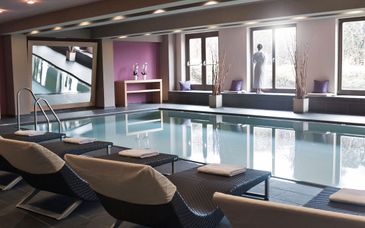
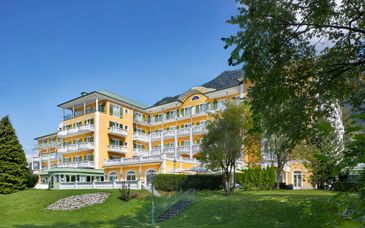
Table of contents
Discover the enchantment of a Salzburg city break, where baroque splendour meets alpine grandeur in one of Europe's most captivating destinations. Wander through the UNESCO-listed Altstadt, trace Mozart’s footsteps along cobbled lanes, ascend the mighty Hohensalzburg Fortress for sweeping panoramas, and stroll the manicured gardens of Mirabell Palace. Compact, walkable and brimming with musical heritage, Salzburg offers the perfect blend of culture, history and natural beauty—from riverside terraces to nearby alpine lakes. Join our exclusive members' club to unlock exceptional offers on handpicked hotels and resorts in and around Salzburg, ensuring an unforgettable Austrian escape tailored to your tastes.

This charming boutique retreat sits moments from the Old Town, blending traditional elegance with contemporary comfort. Guests enjoy a rooftop terrace with fortress views, a wellness area featuring a sauna and steam bath, and spacious rooms decorated in warm Alpine tones. The central location makes it effortless to explore Getreidegasse, Mozart’s Birthplace and the Salzach riverbanks on foot, while the tranquil garden courtyard provides a peaceful haven after a day of sightseeing.
What we love: The rooftop terrace panorama and the serene spa—perfect for unwinding between cultural excursions.

Housed in a beautifully restored 14th-century building, this intimate property places you at the heart of Salzburg’s pedestrian Altstadt. Each room combines historic character—exposed beams, vaulted ceilings—with modern amenities and individual design. Step outside to find yourself surrounded by baroque facades, artisan shops and renowned cafés. The hotel’s prime position means major sights, including the cathedral, Residenzplatz and the Hohensalzburg Fortress funicular, are mere minutes away.
What we love: The authentic medieval architecture and unbeatable location for immersive city exploration.

This lakeside castle hotel stands on the shores of Fuschlsee, twenty minutes from Salzburg, offering an exquisite blend of city access and alpine serenity. Elegantly appointed rooms and suites overlook the lake or surrounding forests; the spa features indoor and outdoor pools, saunas and a range of treatments. Dining options showcase regional and international cuisine, while the estate’s private jetty and walking trails invite leisurely exploration. Ideal for travellers seeking a luxurious base that combines cultural sightseeing with lakeside relaxation.
What we love: The castle setting, lakefront spa and proximity to both city highlights and mountain trails.
Salzburg captivates visitors with a rare fusion of cultural grandeur and natural drama. As Mozart’s birthplace, the city pulses with musical heritage—from intimate chamber concerts in gilded salons to the world-renowned Salzburg Festival each summer. The UNESCO-listed Altstadt dazzles with baroque architecture: the soaring twin towers of the cathedral, the sculpted splendour of Mirabell Gardens and the pastel-hued facades lining the Salzach river. Crowning the skyline, the medieval Hohensalzburg Fortress commands views over red rooftops and alpine peaks beyond. Compact and eminently walkable, Salzburg rewards first-time visitors and seasoned travellers alike, offering layers of history, art and music within a fifteen-minute stroll, all framed by the majestic backdrop of the Alps. This combination makes a Salzburg city break both effortlessly navigable and endlessly enriching.
Choosing when to embark on your Salzburg city break depends on your priorities. Spring—April through May—ushers in mild temperatures, blooming gardens and manageable visitor numbers, while autumn—September and October—paints the surrounding hills in amber and gold, offering crisp air and fewer queues at major sites. Summer, particularly June to August, brings the celebrated Salzburg Festival (late July into August), warm sunshine and extended daylight hours, yet also peak crowds and elevated accommodation prices; book well ahead if attending performances. Winter transforms the city into a festive wonderland: from late November through December, Christmas markets fill Residenzplatz and Mirabell Square with twinkling stalls, mulled wine and handcrafted gifts, though some attractions operate on reduced hours. Ultimately, Salzburg enchants year-round, so consider whether you seek festival excitement, budget-friendly shoulder seasons or the magic of snow-dusted spires when planning your escape.
Determining the ideal length for your Salzburg city break ensures you experience the highlights without feeling rushed. A 48-hour visit—two days and one night—suffices to cover the essential Old Town landmarks: Mirabell Gardens, Getreidegasse, Mozart’s Birthplace, the cathedral and the fortress, making it perfect for a quick weekend getaway. Extending to 72 hours—three days and two nights—grants breathing room for museum visits, a Sound of Music tour or a leisurely half-day excursion to nearby Fuschlsee or Wolfgangsee. Four or more days suit those wishing to explore Salzkammergut villages such as Hallstatt and St Wolfgang, indulge in spa treatments at a lakeside resort or combine urban culture with alpine hiking. Most travellers find two to three nights strike the sweet spot, offering ample time to savour Salzburg’s compact charms while leaving a few hours for spontaneous discoveries along cobbled lanes and riverside promenades.
Reaching Salzburg from the UK is straightforward, with multiple transport options to suit your schedule and budget. Salzburg Airport—officially W. A. Mozart Airport—handles direct flights from London and select British cities, with journey times around two hours; check seasonal availability and compare fares early for the best deals. Alternatively, fly into Munich Airport in neighbouring Germany, just ninety minutes away by train or road, or Vienna, connected to Salzburg by a comfortable three-hour rail journey. Austria’s efficient ÖBB railway network links Salzburg directly with Munich, Vienna and Zurich, offering scenic routes through alpine landscapes. Once you land at Salzburg Airport, the city centre lies twenty minutes distant via bus line 2 (tickets around €2–3) or taxi (€15–20). Road access via the A1 Autobahn and coach services provide additional flexibility for those travelling overland or combining multiple Austrian destinations.
Navigating Salzburg proves delightfully simple thanks to its compact layout and excellent public transit. The Altstadt and principal attractions cluster within a fifteen- to twenty-minute walk end to end, so comfortable footwear is your best asset on cobblestone streets. For longer journeys—reaching lakeside hotels, suburban spa resorts or trailheads—rely on the city’s network of trolleybuses (Obus) and regular buses. Single tickets cost approximately €2–3; a 24-hour day pass runs €5–6 and covers unlimited travel within the urban zone, offering excellent value if you plan multiple trips. Taxis and ride-hailing services such as Uber and Bolt operate throughout Salzburg, though fares exceed public transport rates. Consider the Salzburg Card, which bundles free public transport with complimentary entry to many museums, the fortress and other attractions, plus discounts on concerts and tours—worth evaluating if your itinerary includes several paid sites over 48 to 72 hours.
Planning your Salzburg city break budget helps ensure a smooth, enjoyable experience without unexpected costs. Accommodation spans a wide range: budget-friendly hostels and guesthouses start around €60–80 per night, mid-range hotels typically cost €100–150, while luxury properties command €200 or more. Dining expenses vary: breakfast averages €8–12, a casual lunch €12–18, and a sit-down dinner at a mid-range restaurant runs €20–35 per person; don’t skip the traditional coffee-and-cake ritual at a historic café (€6–10). Major attractions charge modest fees—Hohensalzburg Fortress entry with funicular costs €13–16, individual museums €8–12 each, though Mirabell Gardens remain free. City tax (Ortstaxe) adds €1–2 per person per night to your hotel bill. Savvy travellers can economise by purchasing a Salzburg Card for multiple site visits, enjoying hearty meals at local bakeries or traditional Beisl taverns, and booking flights and lodging well ahead to secure competitive rates.
Begin your first morning at Mirabell Palace and its enchanting baroque gardens, where Pegasus fountains and geometric flowerbeds (a Sound of Music filming location) set a fairy-tale tone; allow thirty to forty-five minutes to explore. Cross the Salzach via the picturesque Makartsteg footbridge into the Altstadt, then meander along Getreidegasse, the famous shopping street adorned with ornate wrought-iron guild signs. Visit Mozart’s Birthplace museum (Mozarts Geburtshaus, €12, one hour) to trace the composer’s early years. Pause for lunch at a traditional café or bakery, sampling local specialties. Spend the afternoon wandering Residenzplatz, admiring Salzburg Cathedral (Dom) and exploring St Peter’s Abbey with its atmospheric cemetery. Late afternoon, stroll the riverbank or relax with coffee and Sachertorte. In the evening, attend a classical concert at the Mozarteum or Mirabell Marble Hall, or dine at a cosy Gasthaus. Staying at Hotel Goldgasse or Hotel & Villa Auersperg places you steps from every highlight.
Dedicate your second morning to Hohensalzburg Fortress, one of Europe’s largest and best-preserved medieval castles. Ride the funicular (or hike twenty minutes uphill) to the summit, then spend two to three hours exploring defensive ramparts, state rooms, historical exhibits and the magnificent panorama stretching over terracotta rooftops to distant alpine summits; combined entry and funicular tickets cost €13–16. Descend for lunch in the Old Town, then choose an afternoon cultural experience: the Salzburg Museum delves into city history, the DomQuartier reveals cathedral treasures and princely art collections, or the Museum der Moderne on Mönchsberg hill showcases contemporary works alongside sweeping views. Alternatively, enjoy a leisurely riverside walk along the Salzach, revisiting favourite streets for last-minute shopping and photographs. Late afternoon, savour coffee and Apfelstrudel at a historic café. Evening options include casual dining in the Neustadt district or a final stroll through floodlit baroque squares, reflecting on two days of architectural splendour and musical heritage.
Evenings in Salzburg offer a wealth of refined pleasures befitting the city’s cultural pedigree. Music lovers should attend a classical concert—venues such as the Mozarteum, Mirabell Palace Marble Hall or the fortress host performances ranging from chamber ensembles to full orchestras; consult schedules and book tickets ahead, especially during peak season. For dining, immerse yourself in traditional Austrian cuisine: savour Wiener Schnitzel, Tafelspitz (boiled beef) or Kasnocken (cheese dumplings) at a welcoming Gasthaus or Beisl tucked along Getreidegasse or in the quieter Neustadt quarter. Salzburg’s celebrated café culture beckons after dinner—indulge in a slice of Sachertorte or warm Apfelstrudel paired with Viennese coffee at storied establishments like Café Tomaselli or Café Sacher. Summer evenings see locals and visitors alike flocking to riverside terraces and beer gardens, where chilled Stiegl lager and convivial atmosphere round out a day of sightseeing. Consider booking a hotel with spa facilities, such as Hotel & Villa Auersperg, to unwind with a sauna or massage before retiring for the night.
Extending your stay to three days opens the door to the sublime Salzkammergut lake district, a mosaic of crystalline waters and forested peaks just twenty to forty minutes from Salzburg. Fuschlsee, a serene alpine lake ringed by walking trails and swimming spots, invites a tranquil half-day escape; the elegant Schloss Fuschl Resort on its shores combines luxury accommodation with direct lake access, ideal for blending urban culture and natural repose. Wolfgangsee lies slightly further afield, its charming villages—St Wolfgang and St Gilgen—offering boat trips, waterfront cafés and the famous pilgrimage church. For a truly iconic excursion, venture to Hallstatt, the UNESCO-listed lakeside village celebrated for its photogenic wooden houses and salt-mine heritage (1.5 hours by car or train plus bus). An early start helps you beat the crowds; alternatively, Fuschlsee or Wolfgangsee provide easier half-day options, adding alpine tranquillity and postcard scenery to your Salzburg city break.
Salzburg and its surroundings served as the enchanting backdrop for the 1965 film The Sound of Music, and fans worldwide flock to retrace Maria and the von Trapp family’s footsteps. Key filming sites include Mirabell Gardens (Do-Re-Mi scene), Nonnberg Abbey (Maria’s convent, exterior viewable only), Leopoldskron Palace (the lakeside villa, privately owned but visible from public paths) and Hellbrunn Palace (glass pavilion, Sixteen Going on Seventeen). Several specialist companies operate half-day Sound of Music tours by minibus or bicycle, typically lasting four to five hours and covering these locations plus a scenic drive through the Salzkammergut to Mondsee, where the wedding church scene was filmed. Even travellers unfamiliar with the movie appreciate the stunning countryside and historical insights. Tours prove popular, so book ahead, particularly in summer. Note that some sites lie outside easy walking distance or have restricted access, making a guided tour the most efficient way to experience this slice of cinematic and cultural history.
If your third day calls for a gentler pace, Salzburg’s surroundings offer restorative options beyond intensive sightseeing. Indulge in a spa day at one of the region’s wellness hotels—lakeside retreats such as Schloss Fuschl or the mountain-perched Alpina Alpendorf provide thermal pools, saunas and therapeutic massages in serene alpine settings. For a breath of mountain air without strenuous effort, ascend Gaisberg (thirty minutes by car, easy summit trail with 360-degree panoramas), ride the Untersberg cable car to 1,800 metres for high-alpine walks, or explore the Mönchsberg cliff path, a twenty-minute trail within the city offering elevated views and forest shade. Regional villages beckon those seeking quieter charm: Mondsee pairs a baroque church with lakeside cafés, St Gilgen honours Mozart’s maternal heritage amid tranquil waters, and the Salzach Valley reveals pastoral hamlets and countryside inns. These alternatives suit travellers craving nature, relaxation and a slower rhythm after two days immersed in urban culture.
Absolutely—Salzburg ranks among Europe's finest short-break destinations. Its compact, walkable Old Town brims with baroque architecture, Mozart heritage and the imposing Hohensalzburg Fortress. The alpine setting adds natural drama, while world-class concerts, charming cafés and nearby lakes ensure varied experiences. Two to three days suffice to explore highlights, making it perfect for history, music and nature enthusiasts seeking a culturally rich yet manageable escape.
Most visitors find 48 hours (two days, one night) adequate to see essential Old Town sights—Mirabell Gardens, Getreidegasse, Mozart's Birthplace, the cathedral and fortress. 72 hours (three days, two nights) allows a relaxed pace, museum visits and a half-day lake excursion. Four or more days suit those exploring Salzkammergut villages like Hallstatt or combining city culture with spa time and alpine hikes.
Spring (April–May) and autumn (September–October) offer mild weather, fewer crowds and beautiful scenery—ideal for budget-conscious travellers. Summer (June–August) brings the Salzburg Festival, warm sunshine and peak visitor numbers; book early. Winter (late November–December) enchants with Christmas markets and festive ambience, though some attractions have reduced hours. Salzburg captivates year-round, so choose based on your priorities: festivals, value or seasonal atmosphere.
Hohensalzburg Fortress crowns the list—medieval ramparts, panoramic views, historical exhibits. Stroll the UNESCO-listed Altstadt: Getreidegasse, Mozart's Birthplace, Salzburg Cathedral, St Peter's Abbey. Explore Mirabell Palace and Gardens. Visit the DomQuartier museum complex or Museum der Moderne for art and culture. Take a Sound of Music tour or day trip to Salzkammergut lakes (Fuschlsee, Wolfgangsee, Hallstatt). Attend a classical concert for the full Mozart experience.
Salzburg Airport lies four kilometres from the city centre, a twenty-minute journey. Bus line 2 runs frequently to the main station and Old Town stops; single tickets cost €2–3, available from machines or the driver. Taxis wait outside arrivals and charge €15–20 for the same trip. Ride-hailing apps (Uber, Bolt) operate in Salzburg. If staying at a central hotel like Hotel & Villa Auersperg, the bus drops you within easy walking distance.