New
Exclusive

Table of contents
A Nile cruise offers an extraordinary window into ancient Egypt, combining world-renowned archaeological sites with the ease and elegance of river travel. Each morning brings a new temple or tomb, each afternoon invites relaxation on sun-drenched decks, and each evening unfolds with fine dining and entertainment under star-studded skies. For discerning travellers seeking depth, comfort and expert guidance, few journeys compare to this timeless voyage between Luxor and Aswan. Joining exclusive member offers ensures exceptional value, seamless logistics and curated itineraries that showcase the very best of the Nile, from Karnak's hypostyle hall to the remote grandeur of Abu Simbel. Prepare to step into history, unpack once and let the river carry you through landscapes and legacies unchanged for millennia.

Sail the Nile aboard the boutique Alexander the Great, a luxury cruiser offering 7-night (or 10-night with Cairo extension) itineraries. Onboard, enjoy a sun-deck pool, spa and refined cabins. The route takes in Luxor's Karnak and Valley of the Kings, Edfu's Horus Temple, Kom Ombo's twin shrines and Aswan's Philae, with expert Egyptologist guides at every stop. Full board and evening entertainment complete the experience.
What we love: The intimate boutique atmosphere and onboard spa, perfect for unwinding between temple visits.

Combine the wonders of Cairo with a classic Nile voyage on this comprehensive package. Spend nights in Cairo exploring the Pyramids of Giza and the Egyptian Museum, then fly to Luxor for a 7-night cruise aboard the MS Radamis II. The itinerary covers all the Nile highlights—Karnak, Valley of the Kings, Edfu, Kom Ombo and Aswan—with flights, transfers and hotel stays all included for a seamless journey through ancient Egypt.
What we love: The perfect pairing of Cairo's iconic pyramids with a full week cruising the Nile—two bucket-list experiences in one trip.

Discover the magic of the Nile on this 7-night cruise from Luxor to Aswan, with the option to extend your holiday at a Red Sea resort in Hurghada. The itinerary includes guided visits to Karnak, Luxor Temple, Edfu, Kom Ombo and Aswan's Philae Temple, plus optional excursions to Abu Simbel. Full board, onboard entertainment and expert guides are included, and the Hurghada add-on offers beach relaxation and snorkelling after your cultural adventure.
What we love: The flexibility to add a Red Sea beach break, blending ancient history with turquoise waters and coral reefs.

Step aboard the 5-star MS Amwaj for a luxurious 7-night Nile cruise. This elegant ship features a sun-deck pool, Jacuzzi and spacious cabins, many with private balconies. The classic itinerary visits Karnak, the Valley of the Kings, Edfu's Temple of Horus, Kom Ombo and Philae Temple in Aswan. Full-board dining, evening entertainment and expert-led excursions ensure a comfortable, enriching voyage through Egypt's ancient heartland.
What we love: The onboard Jacuzzi and pool deck—ideal for sunset views over the Nile after a day exploring temples.

A Nile cruise remains one of the most rewarding ways to explore Egypt, seamlessly combining history, comfort and expert guidance in a single, unforgettable journey down the world's most storied river.
Nile cruises appeal to a wide spectrum of travellers, each drawn by the promise of discovery and ease. History enthusiasts relish the chance to walk among pharaohs' tombs and decipher hieroglyphs with qualified Egyptologists. Couples find romance in sunset sails and candlelit dinners beneath desert stars. Families appreciate the educational value—children marvel at mummies and colossal statues—while parents enjoy onboard pools and stress-free logistics. Senior travellers value the gentle pace: unpack once, let the ship glide between UNESCO World Heritage sites, and avoid the fatigue of multiple hotel check-ins. First-time visitors to Egypt benefit from all-inclusive packages that handle flights, transfers, meals and guided excursions, removing logistical headaches. Seasoned explorers seeking deeper immersion can choose boutique cruisers or dahabeyas for intimate, off-the-beaten-path experiences. Most ships feature lifts and accessible cabins, though temple sites often involve steps and uneven terrain, so moderate mobility is advisable. The leisurely rhythm—mornings for temples, afternoons for the sun deck, evenings for entertainment—suits those who value both cultural enrichment and relaxation.
Nile cruise vessels range from grand floating resorts to intimate sailing boats, each offering distinct experiences. Large luxury ships such as the MS Amwaj and MS Radamis II carry 100 to 200 passengers and boast five-star amenities: expansive sun decks with pools, spas, gyms, lounges and nightly entertainment. They suit sociable travellers who enjoy meeting fellow guests and appreciate comprehensive onboard facilities. Boutique cruisers like the Alexander the Great accommodate fewer passengers, delivering personalised service, upgraded cabins and a quieter, more refined atmosphere—ideal for honeymooners and those prioritising privacy. Dahabeyas are traditional wind-powered sailboats hosting just 8 to 12 guests; with no engine noise and flexible itineraries, they moor at smaller, less-visited sites and offer an authentic, tranquil pace perfect for travellers seeking exclusivity and a deeper connection to the river. Itinerary lengths vary: short 3- to 4-night samplers cover the highlights between Luxor and Aswan, ideal for time-pressed visitors or those combining the cruise with Cairo or the Red Sea. Classic 7-night round trips explore all major temples at a relaxed tempo, while extended 10-plus-night packages add Cairo, Lake Nasser or beach resorts. Curated selections ensure quality across categories, balancing price, comfort and itinerary depth.
Timing your Nile cruise correctly transforms comfort and enjoyment. The optimal travel window runs from October to April, when daytime temperatures hover between 20 and 28 degrees Celsius—warm enough for sun-deck lounging yet cool enough for temple exploration without exhaustion. December through February marks peak season: skies are clear, evenings pleasantly cool and conditions near perfect, but expect higher prices and busier sites; early booking secures the best cabins and rates. March to April and October to November represent the sweet spot for many: weather remains excellent, crowds thin and prices drop, delivering outstanding value without sacrificing comfort. May to September constitutes low season, with mercury soaring to 35 to 45 degrees; midday temple visits become gruelling, though Nile breezes and air-conditioned cabins provide respite. This period suits budget travellers and those tolerant of intense heat. Egypt's climate is dry year-round; rain is rare. Pack layers for cool mornings and evenings on deck, plus sun protection—wide-brimmed hat, high-SPF sunscreen, sunglasses—and lightweight, breathable clothing. Shoulder seasons balance pleasant weather, manageable crowds and attractive pricing, making them the preferred choice for discerning travellers seeking both quality and value.

Nile cruise itineraries vary in length and direction, yet all share a common thread: a curated journey through Egypt's most iconic ancient sites between Luxor and Aswan.
Short 3- to 4-night Nile cruises distil the river's greatest hits into a compact, action-packed voyage, perfect for travellers with limited time or those weaving the cruise into a multi-destination Egypt adventure. A typical 4-day, 3-night southbound itinerary departs Luxor, opening with the Valley of the Kings (royal tombs of Tutankhamun, Ramses VI and Seti I), Karnak Temple (colossal hypostyle hall with 134 towering columns) and Luxor Temple at sunset. Day two sails to Edfu, where horse-drawn carriages ferry guests to the superbly preserved Temple of Horus. Day three visits Kom Ombo's unique double shrine honouring Sobek and Haroeris, then continues to Aswan. Day four explores Philae Temple on its island sanctuary, the High Dam and the Unfinished Obelisk, before disembarking. Northbound routes reverse the sequence. These brisk itineraries pack in essential monuments but allow less downtime onboard, suiting active travellers eager to maximise sightseeing. Optional add-ons—Abu Simbel excursions, hot-air balloon rides over Luxor, sound-and-light shows—can be booked in advance or onboard. Short-cruise packages include flights, transfers and full board, ensuring seamless logistics even on tight schedules.
The classic 7-night Nile cruise remains the gold standard, offering comprehensive coverage of major sites at a leisurely pace that balances discovery with relaxation. Embark in Luxor; day one explores the East Bank—Karnak Temple's sacred lake, obelisks and ram-headed sphinxes, followed by Luxor Temple illuminated after dark. Day two crosses to the West Bank: the Valley of the Kings (visit three or four tombs; Tutankhamun's requires an extra ticket), the terraced Temple of Hatshepsut and the Colossi of Memnon. Day three sails south to Edfu, visiting the Temple of Horus, Egypt's best-preserved sanctuary, rich in hieroglyphs and falcon statues. Day four stops at Kom Ombo to explore its twin temple and crocodile mummy museum, then continues to Aswan. Days five and six in Aswan: Philae Temple (dedicated to Isis, reached by motorboat), the High Dam, a felucca sail around Elephantine Island, and an optional pre-dawn excursion to Abu Simbel—Ramses II's colossal rock-cut temples, 280 kilometres south (coach or short flight). Day seven begins the return journey, revisiting sites or relaxing onboard. Day eight: disembark in Luxor. This itinerary, offered on ships like the MS Amwaj and Alexander the Great, includes expert Egyptologist guides, full board and entry fees, delivering a comprehensive, immersive voyage through 5,000 years of history.
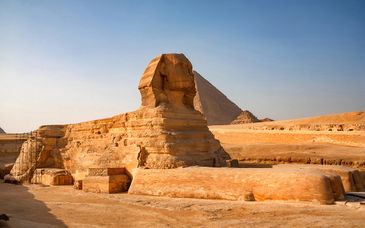
Many travellers crave both the Nile's temples and Cairo's pyramids, or wish to add beach relaxation after cultural immersion. Combined packages deliver seamless multi-destination experiences. A typical Cairo-and-Nile itinerary spends 3 nights in Cairo—exploring the Pyramids of Giza, the Sphinx, the Egyptian Museum (home to Tutankhamun's treasures) and bustling Khan el-Khalili bazaar—then flies to Luxor or Aswan for a 7-night cruise, with all domestic flights, hotel stays and transfers included. Packages such as the combined Cairo and Nile option bundle logistics into one cohesive journey, ideal for first-time visitors wanting Egypt's full spectrum. Red Sea extensions offer a contrasting finale: after the cruise, add 3 to 7 nights in Hurghada or Sharm el-Sheikh for snorkelling, diving on coral reefs and beach leisure. The Magic of the Nile package with optional Hurghada extension exemplifies this flexibility, pairing ancient history with turquoise waters and marine life. Combined packages maximise value and convenience—one booking, one point of contact, comprehensive ATOL protection—removing the hassle of coordinating multiple providers. They suit families, couples and groups seeking variety, depth and relaxation across Egypt's diverse landscapes and legacies.

A Nile cruise balances immersive daily excursions to ancient monuments with comfortable onboard life—dining, relaxation and entertainment—all designed to enrich the journey and deepen appreciation of Egypt's heritage.
Core excursions form the heart of every Nile cruise, each led by qualified Egyptologist guides who bring stone and hieroglyph to life. Karnak Temple in Luxor sprawls over 100 hectares, its hypostyle hall boasting 134 columns soaring 21 metres high; allow 2 to 3 hours to explore pylons, obelisks and the sacred lake. Luxor Temple, elegant and compact, glows under evening floodlights. The Valley of the Kings, royal necropolis on the West Bank, grants entry to three or four tombs (Tutankhamun's often costs extra); vibrant wall paintings depict the journey to the afterlife. The Temple of Hatshepsut, terraced into cliffs, honours Egypt's female pharaoh. Edfu's Temple of Horus, reached by horse-drawn carriage from the ship, is remarkably intact, with falcon statues and detailed reliefs. Kom Ombo's double temple venerates Sobek (crocodile god) and Haroeris (falcon god), with a crocodile mummy museum alongside. In Aswan, Philae Temple occupies a granite island, accessed by motorboat, its sanctuary dedicated to Isis. Abu Simbel, 280 kilometres south, requires a pre-dawn coach trip (3 to 4 hours each way) or short flight; Ramses II's four colossal seated statues guard rock-cut halls aligned to capture sunrise twice a year. Most excursions, entry fees and guides are included; optional add-ons (Abu Simbel, hot-air balloon, sound-and-light shows) incur extra charges and can be booked in advance or onboard.
Time onboard a Nile cruise blends comfort, culture and camaraderie. Full-board dining features buffet breakfasts and lunches showcasing international and Egyptian cuisine—mezze, grilled meats, fresh salads, local sweets—and multi-course dinners, often themed (Egyptian night, Nubian night, Galabeya party with traditional dress). Tea, coffee and snacks flow throughout the day; alcohol is available for purchase at bars. Cabins are air-conditioned sanctuaries with en-suite bathrooms, flat-screen TVs, mini-safes and daily housekeeping; many offer picture windows or French balconies framing ever-changing Nile vistas. Onboard facilities vary by ship: sun decks with pools or Jacuzzis (the MS Amwaj excels here), spas offering massages and beauty treatments, gyms, lounges and bars create spaces for relaxation and socialising. Evening entertainment includes live music, belly-dancing performances, Nubian folklore shows and occasional Egyptologist lectures on pharaonic history or hieroglyphics. Optional activities enrich the experience: felucca sailing (traditional wooden sailboats) offers tranquil sunset cruises; visits to Nubian villages near Aswan reveal colourful homes, henna painting and local crafts. Some ships host cooking demonstrations or Arabic language classes. The pace remains gentle—mornings for temples, afternoons for the pool or reading on deck, evenings for dining and shows—fostering a rhythm that honours both adventure and repose.
Choosing the right cabin category enhances comfort and enjoyment. Standard cabins feature large picture windows (often floor-to-ceiling, non-opening) offering uninterrupted Nile views; they are well-appointed and comfortable, ideal for budget-conscious travellers who spend most time exploring sites or on the sun deck. Balcony cabins (or French balconies—sliding glass doors that open, sometimes with a small step-out) provide fresh air and private outdoor space to savour sunrise, watch feluccas glide past and photograph riverside villages; they add a premium touch and are worth the extra cost for those who value personal outdoor access and early-morning tranquillity. Suites are larger, featuring separate seating areas, upgraded amenities (bathrobes, premium toiletries, minibars) and sometimes preferential dining seating or concierge service; they suit honeymooners, anniversary travellers or anyone desiring extra space and luxury. On the Nile, the climate is warm and dry, so a balcony enhances comfort—morning coffee in the breeze, evening cocktails under stars. However, sun decks and public areas offer ample Nile panoramas for all guests, making a window cabin perfectly adequate. Balconies shine for photographers and romantics; suites deliver indulgence. Consider your budget, priorities (privacy versus socialising) and how much time you plan to spend in the cabin. Ships like the Alexander the Great and MS Amwaj offer a range of categories; book early to secure your preferred choice.

Understanding what is included, visa requirements, health and safety advice, and budget expectations will help travellers book with confidence and prepare thoroughly for a Nile cruise adventure.
Most Nile cruise packages bundle essential elements into one transparent price. Typically included: return flights from the UK to Cairo, Luxor or Aswan, plus any domestic flights for combined itineraries (Cairo to Luxor, for example); airport and hotel transfers; 7-night cruise accommodation (or 3 to 4 nights for short cruises) aboard a 4- or 5-star ship; full-board meals onboard (breakfast, lunch, dinner); guided excursions with qualified Egyptologists; entry fees to major sites (Karnak, Valley of the Kings, Edfu, Kom Ombo, Philae); and sometimes hotel nights in Cairo or Luxor. NOT typically included: Egyptian visa (e-Visa approximately £25 or visa-on-arrival around $25); optional excursions (Abu Simbel roughly £50 to £80, hot-air balloon £60 to £100); drinks (alcohol, soft drinks, bottled water outside meals); gratuities (budget £5 to £7 per person per day for guides and crew); travel insurance; and personal expenses (souvenirs, laundry, spa treatments). Prices vary by season, ship category and itinerary length: expect £600 to £1,200 per person for a 7-night cruise in low to mid season (May to September, October to November) on a 4- or 5-star ship, and £1,200 to £2,500 or more for peak season (December to February), luxury vessels or combined Cairo and Red Sea packages. Compare offers carefully—transparent pricing, ATOL protection and member reviews ensure value and peace of mind.
Practical preparation ensures a smooth, enjoyable journey. UK citizens require a visa for Egypt; apply online for an e-Visa (single-entry, 30 days, approximately £25, valid 90 days from issue) at least 7 days before departure, or obtain a visa-on-arrival at Cairo, Luxor or Aswan airports (around $25 cash). Ensure your passport remains valid for at least six months from your arrival date. Health: no vaccinations are mandatory, but Hepatitis A, Typhoid and routine immunisations (tetanus, MMR) are recommended; consult your GP 6 to 8 weeks before travel. Tap water is unsafe; rely on bottled water (provided on most ships). Pack a small first-aid kit, prescription medications and comprehensive travel insurance covering medical evacuation. Dress code: Egypt is conservative; at temples and in towns, cover shoulders and knees—lightweight trousers, long skirts, maxi dresses, scarves. Onboard and at tourist sites, smart-casual attire suffices; swimwear remains poolside. Women can wear shorts on the ship and at some resorts, but long, loose trousers or skirts are more respectful and comfortable for excursions. Tipping: budget £5 to £7 per person per day for cruise crew (collected in a communal tip box at the end) and £2 to £3 per person per excursion for guides. Safety: Egypt's tourist zones are well-policed and secure; heed your guide's advice, avoid political gatherings and keep valuables discreet.
Beyond the cruise package, allocate £200 to £400 per person for optional excursions (Abu Simbel, balloon rides), drinks, tips, souvenirs and any extra meals. When comparing offers, scrutinise inclusions: flights, transfers, excursions, meals, ship rating (3-star, 4-star, 5-star), cabin type (window, balcony, suite), and ATOL or financial protection. Member reviews and transparent pricing guide informed choices. Packing checklist: lightweight, breathable clothing (long trousers, long-sleeved shirts, sundresses with shawls), comfortable walking shoes (temples feature uneven ground), sun hat, sunglasses, high-SPF sunscreen, insect repellent, swimwear, light jacket or pashmina (evenings can be cool October to March), adapter plug (Egypt uses 220V, type C or F sockets), reusable water bottle, small daypack, camera, prescription medications and toiletries. Luggage: verify your airline's baggage allowance (typically 20 to 23 kilograms checked, 7 to 10 kilograms hand luggage); observe 100-millilitre liquid limits for carry-on (3-1-1 rule). Cruise cabins offer limited storage, so pack light and favour soft bags that stow easily. Bring a modest amount of US dollars or Egyptian pounds for tips and incidental purchases; ATMs are available in Luxor, Aswan and Cairo, and credit cards are accepted at hotels and larger shops. Preparing thoroughly maximises comfort, minimises stress and ensures you focus on the wonders unfolding at every bend of the Nile.

A Nile cruise stands as one of travel's most enduring and rewarding experiences, weaving together ancient temples, expert storytelling, onboard comfort and the timeless rhythm of the river. From the grandeur of Karnak to the serenity of a felucca at sunset, every moment enriches understanding and stirs the imagination. Whether you choose a short sampler, a classic 7-night voyage or a combined package embracing Cairo and the Red Sea, the Nile promises discovery, relaxation and memories to treasure. Book with confidence, prepare thoughtfully and let the river carry you through history.
The best months are October to April, when temperatures are warm (20 to 28 degrees Celsius) but comfortable for sightseeing. December to February is peak season with ideal weather but higher prices and crowds. March to April and October to November offer excellent conditions, fewer tourists and better value, making them the sweet spot for most travellers.
A 7-night Nile cruise typically costs 600 to 1,200 pounds per person in low to mid season (May to September, October to November) and 1,200 to 2,500 pounds or more in peak season (December to February) or for luxury ships. Prices usually include flights, transfers, full board and guided excursions. Budget an extra 200 to 400 pounds for optional tours (Abu Simbel, hot-air balloon), drinks, tips and souvenirs.
A Nile cruise is one of the most rewarding ways to explore Egypt, combining world-class ancient sites (Karnak, Valley of the Kings, Abu Simbel) with the comfort of a floating hotel. You unpack once, enjoy expert Egyptologist guides, full-board dining and stunning river scenery—all in a relaxed, immersive journey through 5,000 years of history.
A balcony (or French balcony) adds comfort and a private outdoor space to enjoy Nile views, sunrise and fresh air. It is worth the extra cost if you value personal outdoor access and photography opportunities. However, sun decks and public areas offer ample views for all guests, so a window cabin is perfectly adequate for budget-conscious travellers.
Yes. Most Nile cruise ships serve alcohol (beer, wine, spirits) for purchase at onboard bars and restaurants. Egypt is a Muslim-majority country, so alcohol is not included in standard full-board packages, but it is widely available to buy. Some all-inclusive or luxury packages may include selected drinks; check your itinerary details.
A classic 7-night Luxor to Aswan round-trip cruise is ideal for first-timers. It covers all major highlights (Karnak, Valley of the Kings, Edfu, Kom Ombo, Philae) at a relaxed pace, with expert guides, full board and onboard entertainment. Choose a 4- or 5-star ship (for example MS Amwaj, Alexander the Great) for comfort and quality, and consider a combined Cairo package to see the Pyramids too.
Shorts are acceptable onboard the cruise ship and at some beach resorts, but Egypt is a conservative country. For temple visits and in towns, women should cover shoulders and knees out of respect—lightweight trousers, long skirts or maxi dresses with a scarf are ideal. Modest dress also provides sun protection and is more comfortable in the heat.
Yes. UK citizens need a visa to enter Egypt. You can apply online for an e-Visa (single-entry, 30 days, approximately 25 pounds) at least 7 days before travel, or obtain a visa-on-arrival at Cairo, Luxor or Aswan airports (around 25 US dollars, cash). Ensure your passport is valid for at least six months from your arrival date.