New
Exclusive

Our offers
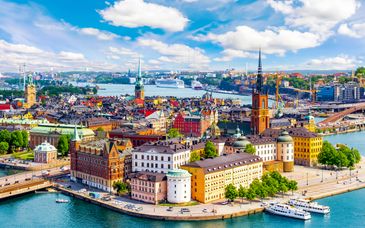
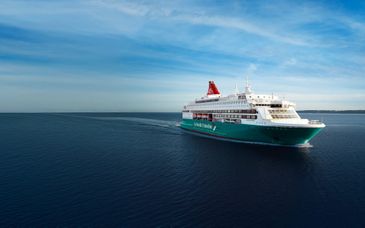
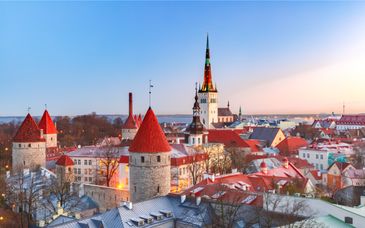
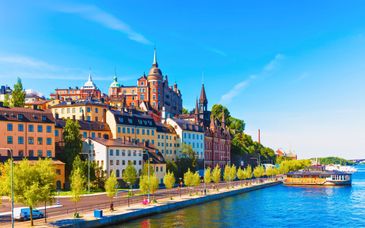
Table of contents
The Baltic states of Estonia, Latvia and Lithuania offer enchanting New Year’s Eve celebrations that blend medieval heritage with contemporary European festivities, creating unique cultural experiences across three nations that share similar histories yet maintain distinct identities. These former Soviet republics have transformed into vibrant democracies that celebrate their independence through colourful festivals, traditional customs and welcoming hospitality that makes visitors feel part of ancient communities.
From Tallinn’s fairy-tale medieval squares to Vilnius’s baroque architecture and Riga’s Art Nouveau districts, the Baltic capitals provide magical backdrops for New Year’s celebrations that honour both past traditions and future aspirations. These UNESCO World Heritage sites come alive during winter festivities, with cobblestone streets illuminated by thousands of lights whilst historic buildings frame spectacular fireworks displays and cultural performances that showcase the region’s rich artistic heritage.

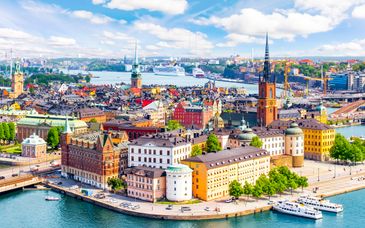
This exceptional three-night Baltic adventure begins in Stockholm’s sophisticated urban landscape before embarking on a magical New Year’s Eve cruise across the Baltic Sea to Helsinki. The Classic Package features accommodation at the distinguished Clarion Amaranten, a contemporary four-star property renowned for its strategic location and modern amenities, whilst the Premium Package elevates the experience with stays at the prestigious Scandic Grand Central Hotel, perfectly positioned in Stockholm’s vibrant heart. Both properties exemplify Swedish design philosophy, combining functionality with aesthetic excellence.
The New Year’s Eve celebration unfolds aboard a magnificent Tallink Silja cruise vessel, where guests enjoy either comfortable interior cabins (Class B) or superior outside cabins (Class A) depending on their selected package. The festivities feature an elaborate gala dinner showcasing Nordic culinary specialities, complemented by comprehensive beverage service including wines, beers and soft drinks. Additional onboard amenities encompass tax-free shopping opportunities, casino entertainment, international shows and diverse bars, creating an atmosphere of romance and celebration as the ship glides through beautiful archipelagos.
Helsinki provides the perfect finale with accommodation at either the Holiday Inn Helsinki West Ruoholahti or the luxurious Sokos Vaakuna, both offering distinctive perspectives on Finnish hospitality. Guests can explore architectural marvels including the neoclassical Senate Square, the picturesque Kauppatori market square with its abundance of local produce, and the remarkable Temppeliaukio Church carved directly into solid rock. The itinerary perfectly balances structured experiences with leisurely exploration time, allowing visitors to discover each destination’s unique character.
What we love: The flexibility of Classic and Premium package options, the spectacular New Year’s Eve gala dinner cruise across the Baltic Sea, and the seamless combination of two magnificent Nordic capitals in one unforgettable journey.

Distinguished by exceptional customer satisfaction with an impressive 8.4/10 rating from guest reviews, this remarkable Baltic experience offers travellers the choice of beginning their adventure in either Stockholm or Helsinki, providing unprecedented flexibility in itinerary planning. The accommodation selection reflects this versatility, featuring premium properties in both capitals: Stockholm’s options include the sophisticated Clarion Amaranten or the boutique Haymarket by Scandic, whilst Helsinki presents the contemporary Holiday Inn West Ruoholahti or the elegant Sokos Presidentti Hotel.
Stockholm reveals its treasures through leisurely exploration of Gamla Stan’s medieval streets, where centuries-old cobblestones lead to charming craft stalls, atmospheric art galleries and intimate second-hand bookstores. The majestic Kungliga Slottet Royal Palace, constructed between 1690 and 1754, stands as a testament to Swedish royal heritage with its opulent interiors and historical significance. Meanwhile, the distinctive Stadshuset city hall, built on architectural stilts, houses sumptuously furnished chambers that exemplify Nordic design excellence.
The New Year’s Eve cruise experience features either Class A outside cabins or Class B inside accommodations aboard the Tallink Silja line, ensuring comfortable passage across the Baltic’s enchanting waters. Helsinki’s exploration encompasses the architectural splendour of Senaatintori’s Senate Square, famous for featuring in Dr Zhivago film scenes, the bustling Kauppatori market square alive with merchants and seasonal produce, and the extraordinary Temppeliaukio rock church renowned for its exceptional acoustics. Additional highlights include the neo-Byzantine Orthodox cathedral’s impressive red-brick architecture on Katajanokka island.
What we love: The exceptional 8.4/10 customer satisfaction rating, the complete itinerary flexibility allowing departure from either Stockholm or Helsinki, and the comprehensive exploration of both capitals’ most iconic landmarks and hidden treasures.
Estonia’s capital transforms into a winter wonderland during New Year’s Eve, with the perfectly preserved medieval Old Town providing an authentic historical setting that feels like stepping into a fairy tale. The Town Hall Square becomes the centrepiece of celebrations, surrounded by merchant houses dating back to the 13th century whilst traditional Christmas markets extend their festivities through New Year’s weekend.
Toompea Castle and the ancient city walls create dramatic backdrops for fireworks displays that illuminate the medieval skyline with spectacular light shows. These historic fortifications, built by Danish and German crusaders, provide elevated viewing points where visitors can appreciate both the celebration activities below and panoramic views across the Baltic Sea towards Finland and Sweden.
Traditional Estonian folk performances take centre stage during New Year’s celebrations, with local groups dressed in authentic costumes performing ancient dances and songs that have been passed down through generations. These cultural displays often include traditional instruments such as the kannel (Estonian zither) and accordion music that creates festive atmospheres whilst educating visitors about Baltic cultural heritage.
The magnificent Orthodox cathedral dominates Tallinn’s upper town and hosts special New Year’s services that blend Russian Orthodox traditions with Estonian cultural elements. These religious ceremonies provide spiritual dimensions to secular celebrations whilst highlighting the complex cultural layers that characterise Baltic history and contemporary identity.
Candlelit processions often wind through the cobblestone streets leading to the cathedral, creating magical atmospheres where participants carry flickering flames through medieval passages whilst singing traditional hymns that echo off ancient stone walls.
Latvia’s capital showcases the world’s finest collection of Art Nouveau architecture during New Year’s celebrations, with elaborate building facades providing elegant backdrops for sophisticated urban festivities. The historic centre features over 750 Art Nouveau buildings that create unique architectural environments where turn-of-the-century elegance enhances contemporary celebration atmospheres.
The Daugava River embankments host elaborate fireworks displays that reflect off the water’s surface whilst illuminating Riga’s diverse architectural styles spanning eight centuries of European history. These waterfront celebrations often include boat excursions that provide unique perspectives on the city’s skyline whilst offering comfortable viewing positions for the midnight fireworks spectacular.
Traditional Latvian winter solstice customs influence New Year’s celebrations throughout Riga, with bonfires lit in various neighbourhood squares and traditional foods served at outdoor markets. These ancient practices connect contemporary celebrations to pre-Christian traditions that honoured seasonal transitions and community solidarity during the darkest period of the Baltic winter.
Lithuania’s capital combines baroque architectural grandeur with passionate cultural traditions during New Year’s festivities that reflect the country’s strong national identity and Catholic heritage. Vilnius Old Town, one of Europe’s largest medieval quarters, provides atmospheric venues for celebrations that range from intimate neighbourhood gatherings to large-scale public festivals.
Cathedral Square serves as the focal point for official New Year’s celebrations, with the neoclassical cathedral and bell tower creating majestic settings for cultural performances and religious ceremonies. These events often feature traditional Lithuanian music including ancient folk songs and contemporary compositions that showcase the country’s remarkable musical heritage.
Gediminas Tower, perched atop Castle Hill, offers panoramic views of New Year’s celebrations throughout the city whilst providing symbolic connections to Lithuanian medieval history and the struggle for independence that defines national character. The tower’s strategic position allows visitors to witness fireworks displays across multiple neighbourhoods whilst enjoying heated viewing areas and traditional refreshments.
The bohemian Užupis district, which declared itself an independent republic in 1998, hosts alternative New Year’s celebrations that reflect its artistic community and unconventional spirit. This self-proclaimed republic, complete with its own constitution and currency, provides unique party atmospheres where creativity and humour take precedence over traditional formality.
Local artists and performers create spontaneous entertainment throughout the district, with galleries, studios and cafés hosting impromptu celebrations that welcome visitors into the creative community that has transformed this former working-class neighbourhood into Vilnius’s most vibrant cultural quarter.
Baltic New Year’s feasts showcase regional culinary traditions that emphasise hearty comfort foods designed to provide warmth and sustenance during harsh winter months. These traditional meals often feature preserved meats, root vegetables and dairy products that reflect agricultural practices developed over centuries of Baltic farming and food preservation techniques.
Estonian cuisine contributes distinctive dishes including blood sausage, sauerkraut and various fish preparations that showcase the country’s maritime heritage and Germanic influences. Traditional Estonian bread, often served with butter and honey, provides foundational elements for New Year’s meals whilst demonstrating the importance of grain cultivation in Baltic agricultural traditions.
Latvian specialities such as grey peas with bacon, smoked fish and traditional pastries create festive meals that combine local ingredients with cooking techniques inherited from various cultural influences including German, Russian and Scandinavian traditions. These hearty dishes provide comfort during cold winter celebrations whilst maintaining authentic flavours that connect diners to Baltic culinary heritage.
Lithuanian New Year’s tables feature distinctive preparations including cepelinai (potato dumplings), various pork dishes and traditional desserts that reflect the country’s agricultural abundance and Catholic feast day traditions. These elaborate meals often require extensive preparation and represent significant investments of time and resources that demonstrate the importance of family gatherings and community celebration.
Traditional Christmas markets throughout the Baltic capitals extend their operations through New Year’s celebrations, offering authentic regional handicrafts, traditional foods and warm beverages that create festive shopping experiences. These markets often feature local artisans demonstrating traditional crafts such as amber jewellery making, woodworking and textile production that showcase Baltic artistic traditions.
Estonian craft traditions include intricate knitting patterns, traditional pottery and amber working that reflects the country’s access to Baltic Sea amber deposits. These handmade items make unique souvenirs whilst supporting local artisan communities that maintain traditional skills and cultural knowledge through contemporary practice.
Latvian markets specialise in traditional textiles, wooden crafts and distinctive pottery that demonstrates the country’s rich folk art traditions. Many vendors offer hands-on workshops where visitors can learn basic techniques whilst creating their own traditional crafts under expert guidance from experienced artisans.
The Baltic region produces the world’s finest amber, and New Year’s celebrations often feature amber-themed activities including jewellery-making workshops, amber-hunting expeditions along winter beaches and educational displays about the geological processes that create these ancient fossilised treasures. Many visitors consider Baltic amber purchases essential souvenirs that connect them to the region’s natural heritage.
Traditional beliefs attribute protective and healing properties to Baltic amber, making amber gifts particularly meaningful during New Year’s celebrations that emphasise fresh starts and positive intentions for the coming year.
The Baltic states share remarkable choral traditions that reach particular prominence during New Year’s celebrations, with mass singing events that unite thousands of participants in performances of traditional folk songs and contemporary compositions. These musical traditions played crucial roles in the independence movements of the 1980s and continue to serve as powerful expressions of national identity and cultural solidarity.
Each Baltic capital hosts special New Year’s concerts featuring both traditional folk ensembles and contemporary artists who represent the region’s diverse musical heritage. These performances often take place in historic venues such as medieval churches, concert halls and outdoor stages that enhance the musical experience whilst providing atmospheric settings for cultural appreciation.
Traditional Baltic instruments including the kokle (Latvian zither), kannel (Estonian zither) and various folk percussion instruments feature prominently in New Year’s performances. These ancient instruments create distinctive soundscapes that connect contemporary audiences to pre-Christian musical traditions whilst demonstrating the continuity of Baltic cultural practices.
The Baltic states’ complex 20th-century history adds unique dimensions to New Year’s celebrations, with many events specifically celebrating independence and democratic values whilst acknowledging the region’s difficult past under Soviet occupation. These celebrations often emphasise European integration, NATO membership and EU participation as symbols of successful transition to democracy and prosperity.
Former Soviet buildings and monuments have been repurposed or recontextualised to serve contemporary celebration needs whilst preserving historical awareness about the region’s recent past. Many celebration venues deliberately contrast authoritarian architectural styles with joyful festivities that celebrate freedom, democracy and cultural expression.
Museums throughout the Baltic capitals offer special New Year’s exhibitions that explore themes of independence, cultural preservation and European integration. These educational displays provide historical context for contemporary celebrations whilst helping visitors understand the significance of freedom and democracy for Baltic peoples.
The Baltic Sea coastline provides spectacular settings for New Year’s celebrations that emphasise maritime heritage and connections to Scandinavian cultures across the water. Coastal towns and fishing villages host intimate celebrations that showcase traditional seafaring cultures whilst offering fresh seafood and maritime entertainment.
Traditional fishing boats decorated with lights create magical harbour displays during New Year’s celebrations, whilst local fishermen often provide freshly caught fish for community feasts. These maritime elements add authentic cultural dimensions to coastal celebrations whilst demonstrating the continuing importance of fishing and maritime trade in Baltic economies.
Beach bonfires provide gathering points for New Year’s celebrations along the Baltic coast, with participants bundling in warm clothing whilst enjoying hot beverages and traditional foods around crackling fires. These beachside celebrations often feature traditional sea shanties and maritime folk music that reflects centuries of Baltic seafaring culture.
Visiting all three Baltic capitals during New Year’s period provides opportunities to experience diverse cultural traditions within relatively compact geographic areas connected by efficient transportation networks. The proximity of these capitals allows ambitious travellers to experience multiple national celebrations whilst observing similarities and differences in cultural practices across the region.
Winter weather conditions require appropriate clothing and equipment, though the Baltic climate remains more moderate than Scandinavian regions due to maritime influences that moderate temperature extremes. Quality winter clothing, waterproof footwear and warm accessories ensure comfortable participation in outdoor celebrations regardless of weather conditions.
Accommodation booking requires advance planning during New Year’s period, particularly in historic city centres where atmospheric medieval buildings provide unique lodging experiences. Early reservations ensure access to preferred locations whilst allowing time for comprehensive itinerary planning that maximises cultural experiences and celebration participation throughout the Baltic region.