New
Exclusive

Table of contents
Miami stands where Art Deco glamour meets Caribbean energy, where turquoise waters lap against pastel-coloured facades and where every neighbourhood tells a different story. From the iconic Ocean Drive and Wynwood Walls to the rhythms of Little Havana and the wild beauty of the Everglades, a city break here delivers culture, nature and non-stop sunshine. Discover exclusive offers on handpicked hotels and resorts, and turn your short break into an unforgettable escape filled with beach lounging, world-class dining and vibrant street life.

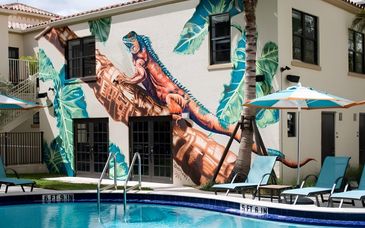
Casa Mare offers stylish apartment-style accommodation perfect for families or groups seeking space and independence during a city break. This package includes exciting excursions: an Everglades hydrofoil or airboat adventure and a scenic Biscayne Bay cruise for stays of 5–6 nights. Guests booking six nights can add an optional Key West day trip, making it ideal for those wanting to combine city exploration with Florida's natural wonders. The property's location and flexible layout suit travellers who value comfort and convenience.
What we love: The included Everglades and Biscayne Bay experiences bring outdoor highlights straight into your itinerary, while the apartment format offers home-from-home flexibility.

Aloha Fridays Miami Beach brings a laid-back, boutique vibe to your city break, with complimentary bike hire to explore South Beach and beyond at your own pace. This package bundles a Biscayne Bay cruise and an exhilarating Everglades airboat tour, plus the option to add a Key West excursion depending on your stay length. It's a brilliant choice for active couples or friends who want curated experiences without the hassle of separate bookings, all within easy reach of Ocean Drive and the Art Deco district.
What we love: Free bike hire lets you discover the beach like a local, while the included tours tick off bucket-list adventures effortlessly.

The Guild Miami sits in the heart of downtown, offering a sleek rooftop pool and easy access to the city's cultural and business districts. This offer includes optional excursions such as a hop-on/hop-off bus tour and a Biscayne Bay cruise, perfect for first-time visitors wanting flexibility. The standout feature is the optional three-night Bahamas cruise, transforming a straightforward city break into a dual-destination adventure. Ideal for travellers who want urban energy by day and the option to sail to tropical islands mid-trip.
What we love: The optional Bahamas cruise extension turns a city break into a Caribbean escape, all in one seamless booking.
Miami's distinctive appeal as a city-break destination rests on year-round sunshine, world-famous beaches such as South Beach and Miami Beach, and a melting pot of Latin American, Caribbean and North American cultures. The Art Deco architecture defines Ocean Drive, whilst Cuban heritage thrives in Little Havana and contemporary art flourishes in Wynwood. This city blends urban sophistication—rooftop bars, fine dining, design hotels—with outdoor leisure including watersports, beach clubs and bay cruises. Compact, walkable neighbourhoods and efficient transport links make it easy to pack multiple experiences into a short stay, whether you're lounging on pristine sands, exploring street murals or sipping mojitos in a historic Cuban café. The warm climate ensures beach days in January as reliably as in July, whilst the cultural calendar pulses with music festivals, gallery openings and culinary events. Few destinations offer such seamless integration of city energy and coastal relaxation within minutes of each other.
The optimal window for a city break runs from November through April, when temperatures hover around 24–28°C and humidity drops, delivering perfect beach weather without the oppressive summer heat. December to March sees the highest visitor numbers, driven by North Americans escaping winter; hotel rates peak during this period, particularly around Art Basel in early December and the Miami Open tennis tournament in March. Summer months—June to September—bring afternoon thunderstorms and higher humidity, yet prices fall and beaches remain enjoyable in the mornings. Hurricane season spans June to November, though direct strikes are rare. Spring breakers flood South Beach in March, creating lively nightlife but crowded sands. May and early November offer sweet spots: warm weather, fewer crowds and mid-range pricing. For cultural immersion, time your visit around Calle Ocho Festival in March, celebrating Latin culture with street parties, or Miami Spice in August–September, when top restaurants offer prix-fixe menus at discounted rates.
Begin Saturday morning on Ocean Drive, strolling past pastel Art Deco hotels before settling into a beachfront brunch. Spend midday on the sand at Lummus Park Beach, then walk north to the Bass Museum for a quick dose of contemporary art. Late afternoon, rent a bike and pedal through the Art Deco Historic District, pausing for photos at the iconic Colony Hotel and Carlyle. As evening falls, head to Lincoln Road Mall for al-fresco dining, followed by cocktails at a rooftop bar with skyline views. Sunday morning, cross the causeway to Wynwood Walls, where vibrant murals cover entire buildings; grab coffee at a local roaster before exploring galleries. For lunch, dive into Little Havana along Calle Ocho, sampling Cuban sandwiches and watching cigar-rollers at work. Finish with a sunset cruise on Biscayne Bay, gliding past celebrity mansions on Star Island before your evening flight.
Day one mirrors the express start—South Beach, Art Deco architecture and oceanfront relaxation. Day two ventures to Coral Gables, exploring the Mediterranean Revival architecture of Miracle Mile and the lush Venetian Pool, a spring-fed public pool carved from coral rock. Lunch at a traditional Spanish restaurant, then visit the Fairchild Tropical Botanic Garden for rare palms and rainforest exhibits. Evening takes you to the Design District, where luxury boutiques sit alongside cutting-edge galleries; dine at a celebrity-chef restaurant. Day three heads to the Everglades, booking a morning airboat tour to spot alligators, wading birds and sawgrass prairies, followed by a ranger-led walk explaining the ecosystem. Return for a late lunch in Coconut Grove, then wander the bohemian village's waterfront parks. Night three, experience Brickell nightlife, bar-hopping among rooftop lounges and craft-cocktail speakeasies. Day four reserves morning for shopping at Bayside Marketplace or the Bal Harbour Shops, with a final beach swim before departure.
Days one to three follow the four-day plan, immersing you in urban Miami. Day four embarks on the Overseas Highway to the Florida Keys, stopping at Key Largo for snorkelling at John Pennekamp Coral Reef State Park, where tropical fish dart through underwater sculptures. Overnight in Islamorada, dining on fresh hogfish at a waterfront shack. Day five continues to Key West, touring Ernest Hemingway's house, watching the sunset celebration at Mallory Square and savouring key lime pie. Return north on day six, detouring to Big Cypress National Preserve for a deeper Everglades experience, perhaps a kayak trip through mangrove tunnels. Overnight in Homestead before day seven back in Miami, visiting the Pérez Art Museum and Frost Science Museum in Museum Park, both offering interactive exhibits and bay views. Final evening, book a table in South Pointe for fine dining with ocean breezes, toasting a week of sun, adventure and cultural discovery.
South Beach remains the postcard face of Miami, where pastel hotels line Ocean Drive and bronzed bodies populate the sand. The Art Deco Historic District boasts over 800 preserved buildings from the 1930s and 1940s, their neon signs glowing after dark. Lincoln Road, a pedestrianised boulevard, hosts open-air restaurants, boutiques and weekend farmers' markets under the shade of banyan trees. Beach clubs dot the shoreline, offering cabana service, DJ sets and frozen cocktails. At night, the neighbourhood transforms into a party zone, with bars spilling onto sidewalks and clubs pulsing until dawn. Yet pockets of calm exist: early morning walks along the quieter stretches near South Pointe Park reveal pelicans diving and cruise ships gliding out to sea. The neighbourhood's compact size means everything sits within a 20-minute walk, from sunrise yoga on the beach to midnight salsa dancing.
Wynwood Walls has evolved from a warehouse district into an open-air museum, where international street artists cover facades with murals ranging from photorealistic portraits to abstract explosions of colour. Wander freely—the best works hide down alleys and side streets—pausing at breweries and coffee roasters that occupy converted industrial spaces. Galleries host monthly openings during the Wynwood Art Walk, when crowds spill onto the streets with wine in hand. North lies the Design District, a manicured precinct of luxury flagships—Hermès, Louis Vuitton, Dior—interspersed with contemporary art installations and Michelin-starred restaurants. Public sculptures dot palm-lined plazas, inviting selfies beneath giant geometric forms. The contrast between Wynwood's gritty creativity and the Design District's polished elegance makes exploring both in a single afternoon a study in Miami's dual identity: raw energy meets refined taste.
Calle Ocho pulses with the rhythms of Cuban exile culture, where domino players gather in Máximo Gómez Park and cigar-rollers work behind shop windows. Murals honour heroes of Cuban independence, whilst sidewalk windows serve cafecito—sweet espresso shots—for a dollar. Lunch means a pressed Cubano sandwich or ropa vieja at a family-run restaurant, followed by a slice of guava pastelito. Live salsa bands perform at venues like Ball & Chain, a restored 1930s nightclub where locals and visitors dance together under string lights. Fridays bring Viernes Culturales, a street fair with food stalls, live music and artisan vendors. The neighbourhood offers an authentic slice of Latin culture without crossing the Caribbean, where Spanish dominates conversations and the scent of roasting pork wafts from corner eateries. Strolling these blocks feels less like tourism and more like stepping into a vibrant, living community.
Coconut Grove retains a bohemian village atmosphere, with tree-shaded streets, waterfront parks and a marina where sailboats bob at anchor. CocoWalk offers casual dining and boutique shopping, whilst the Kampong, a historic garden estate, showcases tropical fruit trees and flowering vines. Cafés spill onto sidewalks, perfect for lazy afternoons people-watching. Adjacent Coral Gables presents Mediterranean Revival grandeur, its tree-lined boulevards flanked by stately homes and the landmark Biltmore Hotel, where you can tour the opulent lobby or dine beside the palatial pool. The Venetian Pool, carved from a coral rock quarry, fills with spring water and features grottos, waterfalls and arched bridges—swim here for a taste of 1920s glamour. Miracle Mile delivers upscale shopping and sidewalk cafés, whilst nearby Matheson Hammock Park offers a calm, family-friendly beach and mangrove boardwalks. Both neighbourhoods exude a quieter elegance than the buzz of South Beach, ideal for travellers seeking refinement and natural beauty.
Lummus Park Beach stretches along Ocean Drive, delivering the quintessential Miami beach experience: wide white sands, lifeguard towers painted in pastel hues and volleyball nets strung between palms. The water glows turquoise, shallow and warm, perfect for wading. Beach amenities include restrooms, outdoor showers and rental stands offering umbrellas, chairs and jet skis. The scene skews social, with groups playing beach tennis, DJs spinning at nearby clubs and vendors selling fresh coconuts. Early risers catch sunrise yoga classes, whilst afternoon crowds peak around midday. The pedestrian promenade behind the sand hums with rollerbladers, cyclists and joggers, backed by the Art Deco skyline. Despite the energy, patches of quiet exist if you walk north toward the less crowded stretches. The beach's central location means you can stroll from your hotel in swimwear, spend hours lounging, then duck into a café for lunch without ever leaving the neighbourhood.
Crandon Park Beach on Key Biscayne offers two miles of calm, shallow water ideal for families with young children, along with barbecue grills, picnic tables and a vintage carousel. The sandbar extends far from shore, creating a natural lagoon where toddlers splash safely. Mangrove trails wind inland, offering birdwatching and shade breaks. Further south, Bill Baggs Cape Florida State Park crowns the island's tip with a historic lighthouse, nature trails through coastal hammock and the popular Lighthouse Café serving conch fritters. The beach here feels wilder, with driftwood-strewn sands and views across to downtown's skyline. Rent kayaks to explore the mangroves or simply claim a spot under a palm and read, lulled by gentle waves. Both parks charge a modest entrance fee but deliver pristine conditions, ample parking and facilities that make a full day outdoors effortless. The 20-minute drive from South Beach transports you from urban bustle to serene, family-focused coastline.
Biscayne Bay serves as a playground for paddleboarders, kayakers and jet-skiers, its calm waters protected by barrier islands. Rental outfitters cluster around South Pointe Park and Key Biscayne, offering hourly rates and guided tours through mangrove tunnels where herons stalk and manatees graze. Stand-up paddleboarding at sunset provides a workout with a view, the downtown skyline glowing orange across the water. For a more relaxed experience, book a Biscayne Bay cruise, gliding past Star Island and Fisher Island whilst a guide narrates tales of celebrity estates and maritime history. Speedboat tours add adrenaline, zipping around the bay and offering photo ops with the city as backdrop. Snorkelling trips depart for the offshore reefs, where parrotfish and sergeant majors dart through coral gardens. Sailing charters cater to small groups, providing champagne and canapés as the boat tacks across the bay. Whether you seek adventure or leisure, the water remains central to the city break experience, offering cooling relief and a fresh perspective on the skyline.
Pérez Art Museum Miami sits on the bay in Museum Park, its hanging gardens and open-air terraces as striking as the contemporary art within. Rotating exhibitions spotlight Latin American and Caribbean artists, whilst the permanent collection spans modern and contemporary works. The waterfront café offers bay breezes and light bites between galleries. Next door, the Phillip and Patricia Frost Museum of Science dazzles families with a three-level aquarium featuring a Gulf Stream tank, planetarium shows projected onto a dome and interactive exhibits on Everglades ecology and space exploration. The museum's architecture—glass walls framing palm trees and water—creates a seamless indoor-outdoor experience. Dedicate a half-day to both institutions, arriving mid-morning to avoid crowds. Combination tickets offer savings, and the park's bayside location means you can end your visit with a stroll along the promenade, watching sailboats tack across the bay as downtown towers gleam in the afternoon sun.
The Art Deco Historic District encompasses over 800 buildings, the largest concentration of 1930s and 1940s resort architecture in the world. Guided walking tours, offered by the Miami Design Preservation League, decode the style's hallmarks: streamlined curves, nautical motifs, pastel palettes and geometric patterns. Iconic structures include the Colony Hotel, Carlyle and Breakwater, each featured in films and fashion shoots. Tours run morning and evening, the latter allowing you to see neon signs illuminate facades. Self-guided audio tours provide flexibility, letting you pause for coffee or beach dips. Beyond South Beach, Coral Gables showcases Mediterranean Revival elegance, with landmarks like the Biltmore Hotel and Coral Gables Congregational Church. The neighbourhood's tree-canopied streets and grand entrances—such as the Douglas Entrance—reward slow exploration. Architecture enthusiasts should allocate time for both districts, contrasting the playful optimism of Art Deco with the stately grandeur of Mediterranean Revival.
Immerse yourself in Cuban culture through Little Havana walking tours, which guide you past murals, cigar factories and the Cuban Memorial Boulevard, honouring figures from the island's struggle for independence. Visit Domino Park, where elderly men slap tiles and debate politics in rapid Spanish. Stop at Azucar Ice Cream Company for flavours like abuela Maria (guava and cheese) or café con leche. Live music venues such as Ball & Chain host salsa bands and dance lessons, welcoming beginners to the floor. The monthly Viernes Culturales street fair transforms Calle Ocho into an open-air festival, with food trucks, artisan stalls and impromptu dance circles. For deeper engagement, book a private tour led by a Cuban exile who shares personal stories of migration and community-building. These experiences transcend typical sightseeing, offering genuine connection to the heritage and resilience of Miami's Cuban population. Allow at least a half-day to savour the neighbourhood's rhythms, ideally over lunch and into the early evening when music spills from doorways.
Renting a car offers maximum flexibility for exploring distant neighbourhoods and day trips to the Everglades or Keys, though parking in South Beach can be expensive and scarce. The Metromover, a free elevated tram, loops downtown and Brickell, connecting to the Metrorail, which reaches Coral Gables and southern suburbs. Brightline trains link Miami to Fort Lauderdale and West Palm Beach, ideal for regional excursions. Ride-sharing apps dominate short hops between neighbourhoods; fares remain reasonable except during surge pricing. Citi Bike stations dot the city, offering hourly or daily rentals perfect for beach cruising and neighbourhood exploration. Many hotels provide complimentary bikes. For Key Biscayne, a bike ride over the Rickenbacker Causeway delivers stunning bay views, though the distance and traffic make it best suited to confident cyclists. Water taxis connect waterfront districts, adding novelty to your commute. Plan transport in advance for evening outings, as public transit frequency drops after 10pm.
Accommodation dominates city break budgets; South Beach hotels peak at £200–£400 per night during high season, whilst downtown or Miami Beach options north of 20th Street offer better value. Booking through exclusive platforms can unlock discounts of up to 70 per cent on luxury properties. Dining ranges from £10 food-truck meals to £100 tasting menus; budget-conscious travellers should embrace Cuban cafeterias and food halls like Time Out Market. Museum entry averages £15–£25, whilst beaches remain free. Excursions—Everglades airboat tours, bay cruises—cost £40–£80 per person; bundled packages often reduce per-activity prices. Nightlife varies: rooftop bars charge £15 cocktails, whilst dive bars in Little Havana serve beer for £5. Allocate £50–£100 daily for meals, £20–£50 for transport and £30–£60 for one paid activity. A four-day break totals £800–£1,500 per person excluding flights and accommodation, though savvy choices and package deals can trim costs without sacrificing experience.
Pack lightweight, breathable clothing in natural fabrics; humidity makes synthetics uncomfortable. Swimwear, cover-ups and flip-flops are daily essentials, but add smart-casual outfits for restaurants and nightlife—many upscale venues enforce dress codes. Reef-safe sunscreen (minimum SPF 50) protects against intense UV, whilst a wide-brimmed hat and sunglasses shield face and eyes. Comfortable walking shoes suit neighbourhood exploration; sandals suffice for beach days. A reusable water bottle keeps you hydrated as you stroll; refill at hotel or public fountains. Bring a light rain jacket or umbrella for summer afternoon showers. For evening bay cruises or air-conditioned museums, pack a cardigan or shawl. A small daypack holds beach towels, snacks and electronics; waterproof bags protect phones during watersports. Insect repellent is useful for Everglades excursions, whilst a portable charger ensures your camera never dies mid-sightseeing. Leave bulky luggage at home; the climate and relaxed vibe favour minimal, versatile packing.
The Everglades, a UNESCO World Heritage Site, sprawls across 1.5 million acres of sawgrass marsh, mangrove forests and cypress swamps, hosting alligators, manatees, panthers and over 350 bird species. Airboat tours depart from Shark Valley or Everglades City, skimming across shallow waters at thrilling speeds whilst guides point out basking gators and roosting egrets. Slower-paced kayak tours through mangrove tunnels offer intimate encounters with wading birds and the occasional dolphin. Anhinga Trail near the Ernest Coe Visitor Centre provides a boardwalk where wildlife congregates; arrive at dawn for the best sightings. Ranger-led programmes explain the ecosystem's fragility and conservation efforts. Allocate a full day, packing sunscreen, water and binoculars. Winter months deliver the driest conditions and highest wildlife activity, whilst summer brings mosquitoes and afternoon storms. The park sits 45 minutes from downtown, accessible via the Tamiami Trail. Combine your visit with lunch at a Miccosukee restaurant, sampling gator tail and fry bread.
Key West lies 160 miles south, a four-hour drive along the scenic Overseas Highway, which hops across 42 bridges and turquoise waters. Depart early to arrive by midday, exploring Duval Street boutiques, the Hemingway Home with its six-toed cats, and the Southernmost Point marker. Lunch on fresh seafood at a harbour-side shack, then rent a scooter to tour the island's quieter corners: Fort Zachary Taylor beach, the Key West Butterfly Conservatory and the Key West Cemetery with its quirky epitaphs. Sunset at Mallory Square transforms into a street festival, with fire-eaters, musicians and vendors creating carnival energy as the sun melts into the Gulf. For overnight stays, book a guesthouse in the historic district, where porches and ceiling fans evoke old Florida. Alternatively, fly from Miami International Airport in 45 minutes, maximising time on the island. Key West's laid-back vibe and Caribbean flavour make it the perfect contrast to Miami's urban pace.
Fort Lauderdale, 30 miles north, offers a more relaxed beach scene along Las Olas Boulevard, where sidewalk cafés and boutiques line the route to the sand. The Riverwalk meanders past museums and the Broward Center for the Performing Arts, whilst water taxis cruise the canals, earning the city its 'Venice of America' nickname. Hugh Taylor Birch State Park provides shaded trails and a quiet lagoon for paddleboarding. Continue north to Boca Raton, where the opulent Boca Raton Resort & Club and Mizner Park showcase upscale shopping and dining. Red Reef Park delivers excellent snorkelling just offshore, with artificial reefs attracting tropical fish. Both towns cater to travellers seeking calmer beaches and a slower pace than Miami, yet remain close enough for half-day excursions. Rent a car or book a shared shuttle; Brightline trains serve Fort Lauderdale, making it accessible without driving. Allocate a day to explore both, stopping for lunch and beach time before returning to Miami by evening.
Cuban food anchors Miami's culinary identity, from the iconic Cubano sandwich—roast pork, ham, Swiss cheese, pickles and mustard pressed between crisp bread—to hearty plates of ropa vieja (shredded beef in tomato sauce) and lechón asado (roast pork). Versailles on Calle Ocho has served generations of exiles since 1971, its mirrored walls and bustling counter embodying old Havana. El Exquisito offers no-frills authenticity, whilst Doce Provisions adds a modern twist, plating Cuban flavours with contemporary flair. Don't miss croquetas—creamy ham or chicken croquettes—or tostones, twice-fried plantains served with garlic dipping sauce. For breakfast, seek out a ventanita, a walk-up window serving cafecito and pastelitos filled with guava or meat. Pair your meal with a mojito or batido, a tropical fruit milkshake blended thick and sweet. Cuban dining in Miami feels less like restaurant-going and more like family gathering, with generous portions, rapid service and affordable prices.
Miami's coastal location ensures fresh catches dominate menus, from stone crab claws (in season October to May) to hogfish, mahi-mahi and yellowtail snapper. Joe's Stone Crab in South Beach has cracked claws since 1913, drawing queues for its legendary coleslaw and hash browns. Garcia's Seafood Grille on the Miami River serves fried snapper and conch fritters with waterfront views of passing boats. Casablanca on the water in Fort Lauderdale offers grilled octopus and lobster tails beneath twinkling lights. For upscale experiences, Lido Bayside at The Standard pairs ceviches and grilled whole fish with sunset bay vistas. Seafood shacks dot Key Biscayne and the Keys, frying grouper sandwiches and serving them on paper plates with lime wedges. Freshness and simplicity define the best seafood meals; let the ocean's bounty speak for itself, enhanced by citrus, garlic and butter.
Miami's skyline best reveals itself from above, cocktail in hand as the sun dips into the bay. Juvia atop a Lincoln Road car park blends Asian-Latin fusion cuisine with sweeping views of South Beach and the ocean. Sugar at East Miami in Brickell offers a chic rooftop pool scene, signature cocktails and 360-degree city panoramas. Area 31 at the Kimpton EPIC Hotel sits on the 16th floor, its terrace overlooking the Miami River and bay, perfect for sundowner mojitos. The Broken Shaker at Freehand Miami mixes inventive cocktails using house-made shrubs and tropical ingredients in a garden setting under string lights. For Art Deco glamour, The Rooftop at The Betsy combines live jazz with ocean breezes. Dress codes vary—some venues enforce smart-casual standards—so check before arriving. Arrive before sunset to claim a prime spot, then watch the city transition from golden hour to neon night, the skyline glittering like a jewel box.
A city break here delivers far more than beaches and sunshine. The fusion of cultures, architectural heritage and natural wonders creates a destination where every street corner offers discovery. Whether you spend 48 hours or a full week, the energy, warmth and sheer variety of experiences ensure your escape remains vivid long after you return home. Book your stay, pack light and prepare to embrace the rhythm of a city where the ocean meets the urban pulse.
November to April offers the best weather, with temperatures around 24–28°C and low humidity. December to March sees peak crowds and higher prices, especially during Art Basel and the Miami Open. May and early November deliver warm weather, fewer visitors and mid-range rates, making them ideal for budget-conscious travellers seeking sunshine without summer storms or winter premiums.
A 48-hour weekend covers South Beach, Wynwood and Little Havana essentials. Four days allows deeper neighbourhood exploration, Everglades excursions and leisurely beach time. A full week enables trips to the Keys, multiple museum visits and a relaxed pace, letting you experience both urban energy and natural Florida. Choose duration based on whether you prioritise city immersion or regional day trips.
A car provides flexibility for Everglades and Keys trips but isn't essential for central neighbourhoods. South Beach, Wynwood and the Design District are walkable or bikeable. Ride-sharing apps, the free Metromover and Citi Bike stations cover most urban needs. For families or those planning multiple day trips, a rental offers convenience; solo travellers or couples staying in core areas manage well without one.
Prioritise South Beach for Art Deco architecture and beaches, Wynwood for street art and galleries, and Little Havana for Cuban culture. Add Coral Gables for Mediterranean elegance or the Design District for luxury shopping and contemporary art. Each neighbourhood offers distinct character, so choose based on interests: beach life, culture, art or refined dining and architecture.
South Beach, Lincoln Road and Brickell remain busy and well-lit after dark, with strong police presence. Wynwood and the Design District are safe around restaurants and galleries but quieter on side streets. Little Havana stays lively along Calle Ocho but exercise caution in unfamiliar areas. Stick to main thoroughfares, use ride-sharing for late-night transport and trust your instincts. Tourist zones are generally secure.
Bring swimwear, cover-ups, flip-flops and lightweight, breathable clothing. Add smart-casual outfits for upscale restaurants and rooftop bars. Reef-safe sunscreen (SPF 50), a wide-brimmed hat, sunglasses and comfortable walking shoes are essential. Pack a light rain jacket for summer showers, a daypack for beach gear and a reusable water bottle. Minimal, versatile packing suits the warm climate and relaxed atmosphere.
Crandon Park and Bill Baggs beaches on Key Biscayne offer shallow waters and playgrounds. The Frost Science Museum captivates children with interactive exhibits and an aquarium. Everglades airboat tours thrill all ages, whilst Miami Seaquarium and Zoo Miami provide animal encounters. Many hotels feature pools and kids' clubs. The city blends education and adventure, ensuring families find engaging activities beyond beach lounging.
Miami International Airport sits 30 minutes from South Beach. Ride-sharing apps cost £25–£35; shared shuttles run £15–£20 per person. Taxis charge flat rates around £35. Renting a car provides flexibility but adds parking costs. The Airport Flyer bus serves Miami Beach for under £3, taking 45–60 minutes. Choose based on budget and convenience; ride-sharing offers door-to-door ease for most travellers.
Tip 18–20 per cent at restaurants; some add gratuity for groups of six or more. Bar staff expect £1–£2 per drink. Hotel housekeeping deserves £2–£5 daily, bellhops £1–£2 per bag. Ride-sharing apps include tipping options; 15–20 per cent is standard. Tour guides appreciate £5–£10 per person. Tipping is customary and expected across service industries, reflecting American hospitality norms.
Half-day Everglades tours departing from Miami typically include two to three hours in the park with an airboat ride and brief nature walk. Full-day excursions add kayaking, ranger programmes and deeper exploration. For a meaningful experience, allocate at least four hours including travel. Winter offers the best wildlife viewing and comfortable temperatures. Book morning departures to avoid afternoon heat and storms, especially in summer months.