New
Exclusive

Our offers
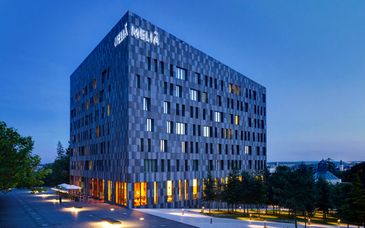
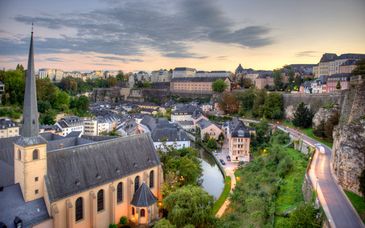
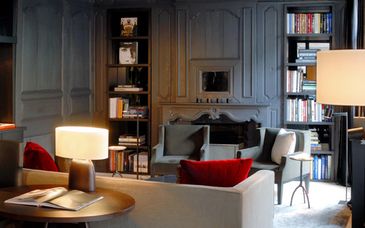
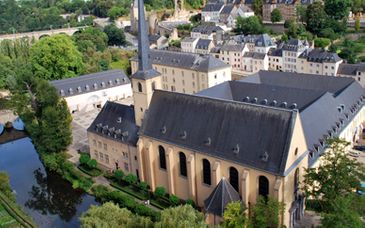
Table of contents
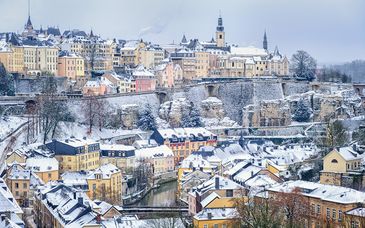
Welcome to Luxembourg City, a destination that redefines the art of the weekend escape. This compact capital, dramatically perched above the gorges of the Alzette and Pétrusse rivers, blends fortified medieval grandeur with cutting-edge European sophistication. The UNESCO-listed Old Quarter unfolds across clifftops and valleys, revealing ancient casemates, Baroque palaces, and panoramic promenades that have earned the title of Europe's most beautiful balcony. Safe, walkable, and effortlessly multilingual, the city packs world-class museums, Michelin-starred dining, and hidden riverside quarters into a space you can explore on foot in just two or three days. Join us to discover exclusive hotel offers that unlock exceptional stays at top-tier properties, turning your city break into a seamless blend of history, culture, and contemporary luxury.

The Melia Luxembourg 4* offers a modern, comfortable base ideally located for exploring the capital's highlights. This contemporary hotel features well-appointed rooms, a fitness centre, sauna, and on-site dining options, making it perfect for both leisure and relaxation after a day of sightseeing. Its central position puts you within easy reach of the Old Quarter, Kirchberg's museums, and the city's excellent public transport network. Whether you're planning a romantic weekend or a cultural escape, the Melia combines convenience with quality amenities.
What we love: The central location, modern wellness facilities, and the blend of comfort and accessibility—ideal for a hassle-free Luxembourg city break.
The capital's headline attractions cluster within an area you can traverse in twenty minutes, yet each reveals layers of history that span a millennium. The Ville Haute, the UNESCO-listed Old Quarter, crowns the clifftops with cobbled lanes, the Grand Ducal Palace's Renaissance façade, and the lively Place d'Armes, where pavement cafés spill onto sun-drenched squares. Beneath the palace walls, the Bock Casemates—17th-century tunnels carved deep into rock—wind through 17 kilometres of subterranean passages that once sheltered thousands during sieges. The Chemin de la Corniche, a promenade built atop ancient ramparts, delivers sweeping vistas over the Alzette valley and the picturesque Grund district below, a former working-class neighbourhood now alive with galleries, riverside bistros, and the serene Neumünster Abbey. This blend of military engineering, Baroque elegance, and natural beauty makes Luxembourg City an exceptionally compact and rewarding destination for a short break, where dramatic fortifications meet intimate, walkable charm.
Luxembourg City's unique appeal lies in its compact scale and striking contrasts. Most major sights sit within a two-kilometre radius, allowing you to explore medieval ramparts, cobbled lanes, and Baroque palaces on foot, then stroll across the valley to sleek modern districts like Kirchberg, home to the futuristic Philharmonie Luxembourg and MUDAM, the Museum of Modern Art housed in a striking I.M. Pei building. The city's UNESCO World Heritage status recognises centuries of military engineering and cultural significance, while its role as a European Union hub brings a cosmopolitan, multilingual atmosphere—Luxembourgish, French, German, and English flow seamlessly in conversation. Safety, cleanliness, and excellent infrastructure complete the picture, ensuring that even first-time visitors navigate with confidence. Here, medieval towers overlook glass-and-steel concert halls, ancient fortifications frame contemporary art galleries, and every turn reveals a capital that honours its past while embracing the future with remarkable grace.
Late spring and early autumn—May, June, September, and October—offer the ideal window for a Luxembourg city break, delivering mild temperatures between 15°C and 22°C, fewer crowds than peak summer, and parks bursting with colour. July and August bring warmer weather, reaching 25°C, along with the most tourists and a calendar packed with outdoor festivals, longer daylight hours, and al fresco dining on every square. Winter, from December to February, turns cold—temperatures hover between 0°C and 5°C—but the season transforms Place d'Armes and Place Guillaume II into enchanting Christmas markets filled with mulled wine, artisan gifts, and twinkling lights. Key events punctuate the calendar: National Day on 23 June explodes with fireworks and street celebrations, the Schueberfouer funfair animates late August and early September with rides and stalls, and the Winterlights festival illuminates the city from November through January. Booking accommodation early for major events ensures you secure the best rates and locations for your escape.
Day 1: Begin in the Old Quarter—wander Place d'Armes and Rue du Marché-aux-Herbes, admire the Grand Ducal Palace exterior, then descend into the Bock Casemates for an hour exploring candlelit tunnels and panoramic viewpoints. At midday, stroll the Chemin de la Corniche for sweeping views, then descend to Grund via the Pfaffenthal lift or stone steps. Spend the afternoon exploring the riverside quarter, visiting Neumünster Abbey, and pausing at a café overlooking the Alzette. Return to the Old Quarter for dinner on a terrace. Day 2: Visit MUDAM or the National Museum of History and Art, then stroll the Pétrusse valley parks, cross the Adolphe Bridge, and browse boutiques on Grand-Rue. Close your weekend with an aperitif on Place d'Armes, watching the city's golden light settle over ancient ramparts.
Extend your weekend with a third day that deepens your discovery. Day 3 morning: Take a bus to Kirchberg and explore the Philharmonie Luxembourg and the European Quarter, including Place de l'Europe and the Court of Justice, or visit the Villa Vauban art museum or Luxembourg City History Museum for interactive exhibits. At midday, lunch at a traditional café—Clairefontaine or Scott's serve seasonal menus with local flair. In the afternoon, embark on a short day trip: the Moselle wine valley lies 30 minutes away by train, where Remich and Grevenmacher offer vineyard tastings and river views, or take the 45-minute bus to Vianden Castle, a dramatic hilltop fortress overlooking wooded hills. Return to Luxembourg City for a final dinner in Grund or the Old Quarter, savouring the capital's blend of history and hospitality. Curated hotel packages make extended stays seamless, combining quality accommodation with members-only rates.
Three signposted routes unlock the city's layers at your own pace. The Wenzel Walk, a five-kilometre circuit taking two to three hours, loops through 1,000 years of history—start at Place de la Constitution, wind through the Bock, Grund, and Pfaffenthal, then return via the Old Quarter, guided by multilingual panels and dramatic viewpoints at every turn. The Pétrusse valley loop, a gentle three-kilometre stroll through parkland along the Pétrusse river, passes under stone viaducts and beneath the Adolphe Bridge, ideal for a relaxed afternoon immersed in greenery. The Alzette River trail follows the waterway from Grund to Clausen, a former brewery district now home to trendy bars and the Rham Plateau viewpoint. Download the Visit Luxembourg app or collect a free city map from the tourist office on Place Guillaume II to navigate with ease—Luxembourg City's compact scale and clear signage make self-guided exploration both simple and rewarding.
Luxembourg Airport (LUX) sits just six kilometres from the city centre, connected by bus 16 or taxi in 15 minutes—the bus fare costs €2.50, though all public transport within the country is now free for passengers. Direct flights from London Heathrow, City, and Stansted take around 90 minutes, operated by Luxair and British Airways, while regional UK airports such as Manchester and Edinburgh may require one connection. Alternatively, take the Eurostar to Brussels in two hours, then board an onward train to Luxembourg in three hours—total journey time from London is five to six hours. Direct trains also run from Paris in two hours ten minutes, Frankfurt in three hours, and other European hubs, arriving at Gare Centrale, a 15-minute walk or short bus ride from the Old Quarter. Cross-border travellers from Belgium, France, and Germany find Luxembourg easily accessible by car or coach, making it popular for combined trips across the region.
Luxembourg City rewards walkers—most attractions lie within 20 to 30 minutes on foot, and the compact scale means you rarely need mechanised transport. For longer distances or trips to Kirchberg, the excellent public bus network, operated by AVL and RGTR, serves every district; since 2020, all buses, trams, and trains within the country have been free for all passengers, making Luxembourg one of Europe's most budget-friendly cities for getting around. The Pfaffenthal panoramic lift, also free, whisks you from the Old Quarter to Grund and Pfaffenthal in under a minute, cutting out steep climbs. Taxis and ride-hailing apps such as Uber and Bolt operate throughout the city but remain rarely necessary. The Luxembourg Card, priced between €13 and €28 for one to three days, grants free entry to over 60 museums and attractions nationwide—though transport is already free, the card's real value lies in unlocking cultural sites across the capital and beyond.
Choosing your neighbourhood shapes your experience. Ville Haute, the Old Quarter, places you at the heart of the action—cobbled streets, restaurants, boutiques, and major sights on your doorstep. Expect boutique hotels and higher prices, but the convenience and atmosphere prove unbeatable for first-time visitors. Grund, the charming riverside quarter below the cliffs, offers a quieter, more bohemian vibe, ideal for romantic or relaxed stays; a short walk or lift ride reconnects you to the Old Quarter. Fewer hotels operate here, but characterful guesthouses and B&Bs deliver intimacy and charm. Kirchberg, the modern, business-oriented district, features contemporary hotels close to EU institutions, MUDAM, and the Philharmonie—good value, excellent transport links via tram and bus reach the centre in ten minutes, and amenities such as gyms and pools suit travellers prioritising comfort over historic ambience. The Gare area near the station offers budget-friendly chain hotels and easy train access, functional rather than picturesque. Exclusive offers combine quality and location, ensuring your stay matches your itinerary and budget.
Luxembourg's food scene reflects French refinement, German heartiness, and Belgian indulgence, creating a culinary identity all its own. Signature dishes include Judd mat Gaardebounen—smoked pork collar with broad beans, rich and comforting—Bouneschlupp, a velvety green bean soup, and Gromperekichelcher, crispy potato fritters sold at market stalls and perfect for snacking. Kachkéis, a melted cheese spread served with bread and mustard, and Quetschentaart, a plum tart dusted with sugar, round out traditional menus. Seek out Um Dierfgen, Mousel's Cantine, and the Rives de Clausen brewpub district for local beers such as Bofferding and Battin. Café culture thrives on Place d'Armes and Place Guillaume II, where pavement terraces invite you to linger over coffee and pastries from renowned patisseries like Namur and Oberweis. The Sunday morning market on Place Guillaume II offers artisan produce, cheeses, and snacks—arrive early for the best selection. Dining can be pricey, with mains ranging from €18 to €30, but quality consistently impresses.
Beyond the headline sights, a wealth of museums, viewpoints, and tours enrich your itinerary. MUDAM, housed in an I.M. Pei masterpiece, showcases cutting-edge modern art; the National Museum of History and Art explores archaeology and fine art; the Luxembourg City History Museum offers interactive exhibits on urban evolution; and Villa Vauban displays 18th to 20th-century European paintings. The Philharmonie Luxembourg, a world-class concert hall designed by Christian de Portzamparc, hosts performances worth checking in advance. Viewpoints abound—Chemin de la Corniche, the Bock promontory, Rham Plateau, and the Adolphe Bridge deliver stunning panoramas ideal for photography. Seasonal boat tours on the Alzette and Pétrusse rivers run from April to October, lasting around an hour and costing €12 to €15, offering a relaxing perspective on fortifications from below. Free guided walking tours run by the tourist office operate on set schedules; private themed tours covering history, food, or photography can be arranged through local operators. The Luxembourg Card unlocks free museum entry, amplifying your cultural exploration.
Luxembourg City ranks among Europe's pricier capitals—expect to spend €10 to €15 for a casual lunch, €25 to €40 for dinner, €3 to €5 for coffee, and €5 to €8 for beer. Accommodation ranges from €80 to €150 per night for mid-range hotels, with prices climbing in Ville Haute. Free public transport offsets costs, and many parks, viewpoints, and walking routes cost nothing to enjoy; the Luxembourg Card delivers savings on museum admissions. Safety remains excellent—crime rates rank among the lowest in Europe, and standard precautions such as watching belongings in crowded areas suffice. Accessibility presents challenges in the Old Quarter, where cobbled streets and steep topography hinder wheelchair users, but the Pfaffenthal lift, modern trams, and buses offer accessible alternatives. Major museums, including MUDAM and the Philharmonie, provide full accessibility, and the tourist office supplies accessibility maps. A small tourist tax, typically €2 to €5 per person per night, appears on hotel bills. Plan for €80 to €150 per day per person, including accommodation, to enjoy the capital comfortably.
Luxembourg City transforms the short break into an art form, delivering UNESCO-listed history, dramatic landscapes, and contemporary culture within a walkable, welcoming capital. Whether you explore medieval casemates, savour riverside bistros, or wander modern galleries, every moment reveals a destination that balances intimacy with ambition, tradition with innovation, and ease with elegance.
Yes, Luxembourg City is an excellent city break—compact, safe, and rich in history, with a UNESCO-listed Old Quarter, dramatic fortifications, and a blend of medieval and modern culture. Its walkability, multilingual atmosphere, and proximity to other European destinations make it ideal for a weekend escape.
Two to three days is ideal for a Luxembourg city break. A weekend covers the main highlights—Old Quarter, Casemates, Chemin de la Corniche, and Grund—while a third day allows time for museums, the European Quarter, or a short day trip to the Moselle valley or Vianden.
Spend day one exploring the Old Quarter, Bock Casemates, and Grund; day two visiting MUDAM, the Philharmonie, and strolling the Pétrusse valley; and day three taking a day trip to the Moselle wine region or Vianden Castle, or relaxing in cafés and boutique shopping on Grand-Rue.
May, June, September, and October offer the best weather—mild temperatures between 15°C and 22°C—and fewer crowds, ideal for sightseeing and outdoor activities. July and August are warmer and busier, with festivals and longer days. December is magical for Christmas markets, though cold.
Luxembourg City is relatively expensive—meals, accommodation, and drinks cost more than in many European capitals. However, free public transport, affordable museums with the Luxembourg Card, and numerous free attractions such as parks, viewpoints, and walking routes help balance the budget. Plan for €80 to €150 per day per person, including accommodation.