New
Exclusive

Our offers
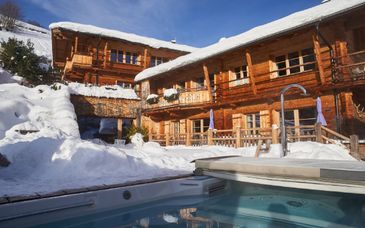
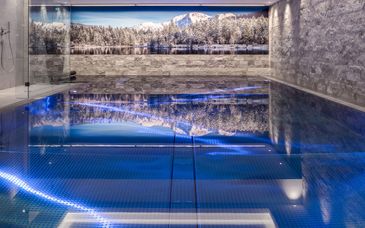
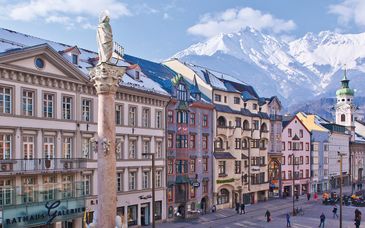
Table of contents
Tucked into the heart of the Tyrolean Alps, Innsbruck presents a rare fusion of baroque architecture, world-class museums and cable-car access to dramatic peaks—all within walking distance of each other. Planning a short break here proves remarkably straightforward thanks to the compact historic centre, year-round appeal spanning winter skiing and summer hiking, and vibrant seasonal events including enchanting Christmas markets. Urban culture and mountain adventure coexist in a setting few European cities can match, offering travellers a seamless blend of sophistication and natural splendour. Register with Voyage Privé to discover exclusive offers on top-tier hotels in Innsbruck, unlocking exceptional stays at unbeatable prices and ensuring your Alpine escape exceeds every expectation.
Before diving into itineraries and attractions, discover our hand-picked selection of exceptional hotels in Innsbruck, each offering exclusive savings and premium experiences through Voyage Privé.

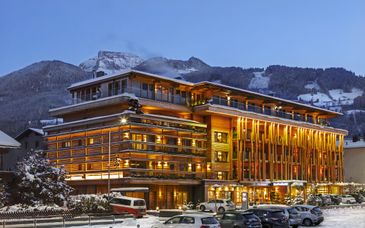
This historic five-star gem sits in the very heart of Innsbruck's Old Town, steps from the Golden Roof and Imperial Palace. The Grand Hotel Europa blends Belle Époque elegance with modern wellness facilities, including a spa and multiple dining rooms serving Tyrolean and international cuisine. Guests enjoy direct access to the Nordkette cable car and all major attractions on foot, making it the ideal base for a cultural city break with a touch of Alpine luxury.
What we love: The unbeatable central location, the blend of historic grandeur and contemporary comfort, and the seamless access to both cultural landmarks and mountain excursions.

Perfectly positioned for mountain lovers, Hotel Grauer Bär offers a comprehensive wellness area with panorama pool and the unique perk of included ascent and descent on the Hungerburg funicular. This four-star property combines Tyrolean hospitality with modern amenities, allowing guests to reach alpine viewpoints in minutes while staying close to the city centre. It's an excellent choice for visitors who want quick mountain access without sacrificing urban convenience.
What we love: The complimentary Hungerburg funicular tickets, the rooftop panorama pool with mountain views, and the perfect balance between city exploration and alpine adventure.

Situated along the Inn river with stunning views of the Nordkette mountain range, Hotel Innsbruck 4* delivers a central location with excellent spa facilities. The property offers comfortable rooms, wellness amenities including sauna and treatment rooms, and easy walking access to the Old Town's main attractions. With flexible board options and family-friendly facilities, it suits both romantic getaways and family city breaks in equal measure.
What we love: The riverside setting with mountain panoramas, the comprehensive spa facilities for post-sightseeing relaxation, and the proximity to both Old Town landmarks and modern shopping districts.

This modern twelve-floor hotel stands opposite the Olympiaworld sports complex, offering contemporary comfort with breakfast included and excellent leisure facilities such as sauna and gym. The Ramada Innsbruck Tivoli provides great value for city-break travellers, with efficient tram connections to the Old Town and easy access to ski areas. Its practical location and modern amenities make it ideal for active visitors and those attending events at the nearby venues.
What we love: The modern facilities and reliable comfort, the included breakfast to fuel sightseeing days, and the convenient location for both city exploration and sporting events.
Innsbruck occupies a unique position as an Alpine capital where dramatic mountain scenery meets rich imperial heritage. The compact historic centre is dominated by the iconic Golden Roof, while the Nordkette range rises directly from the Old Town, creating a backdrop few cities can rival. Habsburg rule left an enduring legacy visible in baroque palaces, ornate churches and grand public buildings, while the 1964 and 1976 Winter Olympic Games bequeathed world-class sporting infrastructure. Vibrant café culture, contemporary galleries, concert halls and seasonal events—Christmas markets, summer festivals, cultural celebrations—add layers of sophistication to the urban experience. Visitors explore world-class museums, wander cobbled medieval lanes and ride a funicular to 2,000-metre peaks within a single day, a combination of urban refinement and immediate mountain access rare in Europe. As Tyrol's cultural and economic heart, Innsbruck delivers a compelling proposition for travellers seeking both culture and nature in one compact destination, where every street corner reveals history and every skyline promises adventure.
Innsbruck proves ideal for short city breaks of two to four days thanks to excellent accessibility and a compact layout. Direct flights from London and other UK hubs land at Innsbruck Airport (INN), just 4 km from the centre with a 15-minute transfer by taxi, bus or private shuttle. Alternatively, scenic train connections via Munich (two hours), Zurich (three hours) or Vienna (four hours) arrive at the Hauptbahnhof, a ten-minute walk or short tram ride from the Old Town. Most major sights—Golden Roof, Imperial Palace, cathedral, museums—lie within a 1 km radius, allowing efficient sightseeing without wasted travel time. Excellent public transport including trams, buses and funiculars ensures seamless mobility, while the Innsbruck Card bundles transport and attraction entry for maximum convenience. This compactness means visitors experience a rich mix of culture, dining and mountain excursions in a weekend, without the fatigue of sprawling metropolises. Innsbruck delivers maximum variety in minimal time, perfect for busy travellers seeking a rewarding short break.
Innsbruck's seasonal appeal varies, with each period attracting distinct traveller profiles. Winter (December to March) peaks for ski enthusiasts: nearby resorts like Axamer Lizum, Muttereralm and Stubai Glacier offer excellent slopes within 30 minutes, while the city hosts festive Christmas markets and winter sports events. Winter city breaks combine cultural sightseeing with easy ski-day add-ons, ideal for active visitors. Summer (June to September) draws hikers, cyclists and families to alpine trails, via ferratas and outdoor festivals; the Nordkette and surrounding peaks provide endless hiking routes under warm, sunny skies. Spring (April to May) and autumn (October to November) present quieter shoulder seasons with mild weather, fewer crowds and lower prices—perfect for culture-focused visitors seeking a relaxed pace. Winter suits active, ski-loving travellers and festive-market fans; summer appeals to hikers and outdoor adventurers; shoulder seasons attract budget-conscious culture seekers. Innsbruck offers year-round appeal, with each season delivering distinct experiences tailored to different interests and travel styles.
The Old Town (Altstadt) showcases Innsbruck's most celebrated landmarks within a compact, pedestrianised area. The Golden Roof (Goldenes Dachl) stands as the city's most famous icon: a late-Gothic balcony adorned with 2,657 gilded copper tiles, built for Emperor Maximilian I in the 1500s and now housing a small museum about the emperor and the building's history. Nearby, the Imperial Palace (Hofburg) presents a baroque residence with opulent state rooms, frescoed ceilings and Habsburg grandeur; guided tours reveal centuries of imperial splendour. The Cathedral of St. James (Dom zu St. Jakob) impresses with twin towers, ornate stucco and a celebrated ceiling fresco by Cosmas Damian Asam, plus the famous Madonna painting by Lucas Cranach the Elder. Charming surrounding streets lined with pastel-painted townhouses, boutique shops and traditional Tyrolean restaurants invite leisurely exploration. Allocate two to three hours to explore the Old Town thoroughly, with time for a coffee stop in one of the historic squares, soaking in the imperial atmosphere and baroque beauty.
Innsbruck's spectacular cable-car experiences and mountain viewpoints define the city's Alpine character. The Nordkette cable car whisks visitors from the city centre (Congress station) to the Hungerburg plateau in minutes via striking Zaha Hadid-designed funicular stations; from Hungerburg, continue by cable car to Seegrube (1,905 m) and Hafelekar (2,334 m) for breathtaking panoramas over Innsbruck and the Inn Valley. Hiking trails, mountain restaurants and the thrill of standing at alpine altitude within 20 minutes of leaving the Old Town create an unforgettable experience. The Bergisel Ski Jump, another iconic landmark designed by Zaha Hadid, offers a viewing platform with 360-degree vistas over the city and surrounding peaks, plus an on-site museum about Innsbruck's Olympic history. Visit at sunset for golden-hour photography or in winter when the mountains wear their snow-capped majesty. These cable-car excursions are essential sightseeing experiences, combining engineering marvels, stunning scenery and easy accessibility—not just for skiers. Budget half a day for a Nordkette trip, including time at the summit for photos and a meal at the panoramic restaurant.
Innsbruck's top museums and unique attractions extend beyond the Old Town, offering diverse cultural experiences. Ambras Castle (Schloss Ambras), a Renaissance palace set in landscaped gardens on the city's outskirts, showcases world-class collections of armour, art and curiosities assembled by Archduke Ferdinand II, plus the stunning Spanish Hall with its ornate wooden ceiling. The Tyrolean State Museum (Ferdinandeum) presents regional art and archaeology, while the Tyrolean Folk Art Museum offers insights into Alpine traditions, costumes and crafts. The Alpenzoo, Europe's highest-altitude zoo (750 m), features alpine species like ibex, lynx and golden eagles in naturalistic enclosures—ideal for families. Swarovski Kristallwelten (Crystal Worlds) lies 20 km east in Wattens, a dazzling multimedia experience in crystal art and design, easily reached by bus or car; a half-day excursion suits those interested in design and spectacle. History buffs, art lovers, families and design enthusiasts all find tailored attractions. Combine a museum visit with a stroll through the Hofgarten (Court Garden) for a balanced cultural day.
A practical 2-day itinerary for a weekend Innsbruck city break maximises sights and experiences. Day 1 morning: arrive, check into your hotel (consider the Grand Hotel Europa for central convenience), then explore the Old Town—Golden Roof, Imperial Palace, Cathedral of St. James, and lunch at a traditional Gasthof. Day 1 afternoon: ride the Nordkette cable car to Hungerburg and Seegrube for panoramic views and a short alpine walk; return for dinner in the Old Town. Day 2 morning: visit Ambras Castle or the Tyrolean Folk Art Museum, followed by a stroll through the Hofgarten. Day 2 afternoon: take the tram to Bergisel Ski Jump for views and Olympic history, then explore the trendy St. Nikolaus district for boutique shopping and cafés before departure. This itinerary balances culture, mountain scenery and relaxation, covering Innsbruck's highlights without rushing. Purchase the Innsbruck Card (24- or 48-hour) to include transport and entry fees, maximising value and convenience.
A 3-day itinerary allows deeper exploration and a half-day mountain excursion. Day 1: follow the 2-day itinerary's first day (Old Town morning, Nordkette afternoon). Day 2: dedicate the morning to museums—Ferdinandeum or Ambras Castle—then enjoy lunch and an afternoon at leisure exploring local markets, the Hofgarten, or shopping along Maria-Theresien-Strasse. Day 2 evening: dine at a gourmet restaurant or visit a traditional Tyrolean tavern. Day 3: take a half-day trip to a nearby ski area (winter) or hiking trail (summer)—options include Axamer Lizum for skiing, or the Muttereralm cable car for summer hikes and alpine meadows. Return to the city by early afternoon, visit Bergisel or the Alpenzoo, and enjoy a final evening stroll and farewell dinner. The extra day allows a relaxed pace, time for a mountain adventure, and the chance to experience Innsbruck's culinary scene. Stay at the Hotel Grauer Bär for included funicular access, enhancing mountain convenience.
Adapt itineraries for seasonal activities to maximise your Innsbruck experience. Winter variant: on Day 3 (or Day 2 of a weekend break), dedicate a full or half day to skiing or snowboarding at nearby resorts—Axamer Lizum (19 km, Olympic slopes), Muttereralm (family-friendly, 20 minutes by car), or Stubai Glacier (year-round skiing, 40 minutes away). Many hotels offer ski-pass packages and shuttle services; the Hotel dasMEI in Mutters provides discounted passes and free station transport. Après-ski culture and Christmas markets add festive charm. Summer variant: replace the ski day with a hiking or cycling excursion—hike from Hungerburg to Seegrube, explore the Zirbenweg panoramic trail, or rent an e-bike to tour the Inn Valley cycle paths. Summer activities like via ferrata climbing, paragliding or visiting a mountain lake complement urban sightseeing. Both seasons offer active add-ons that complement urban sightseeing, allowing travellers to tailor their break to interests and fitness levels. Innsbruck's year-round outdoor access makes it a versatile destination for all tastes.
Choosing the right neighbourhood enhances your Innsbruck city-break experience. The Old Town (Altstadt) offers maximum convenience: walking distance to all major sights, restaurants and nightlife; properties like the Grand Hotel Europa deliver luxury and location. The area near the Hauptbahnhof (main station) provides excellent transport links, modern hotels and easy access to both the city centre and ski resorts; the Ramada Innsbruck Tivoli exemplifies this zone's practicality. Hungerburg, the elevated plateau above the city, suits those seeking a quieter, more alpine atmosphere with stunning views and direct funicular access to the centre—ideal for mountain lovers wanting a retreat feel. All zones connect seamlessly via trams and funiculars, so even staying slightly outside the Old Town poses no inconvenience. Choose based on priorities: culture and nightlife (Old Town), transport and value (station area), or tranquillity and views (Hungerburg). Innsbruck's compact size means no location is far from the action.
Reaching Innsbruck from the UK offers convenient options. Innsbruck Airport (INN) receives direct flights from London and other UK cities (check seasonal schedules with airlines like British Airways, easyJet or Ryanair); the airport sits just 4 km west of the centre, with taxis (€15–20, 15 minutes), airport buses (line F, €2.50, 20 minutes) or private transfers available. Many hotel packages include or arrange airport transfers—confirm when booking. Alternatively, train travel provides a scenic route: fly to Munich, Zurich or Vienna and take a train to Innsbruck Hauptbahnhof (journey times: Munich two hours, Zurich three hours, Vienna four hours); the station is a ten-minute walk or short tram ride from the Old Town. Innsbruck serves as a major rail hub on the Brenner route, offering excellent connections across Austria, Germany, Italy and Switzerland. Book trains in advance for best fares. Both air and rail options prove convenient, with the choice depending on budget, time and preference for scenic travel.
Local transport within Innsbruck ensures efficient navigation. The tram and bus network (IVB) runs frequent, reliable services covering all key districts, attractions and suburbs; single tickets cost around €2.50, day passes €5.50, and the Innsbruck Card includes unlimited public transport plus attraction entry. The funiculars—Hungerburg funicular (part of the Nordkette system) and the Patscherkofelbahn—offer quick mountain access and inclusion in the Innsbruck Card. The Old Town and most central sights are easily walkable—comfortable shoes are essential for cobbled streets and hilly areas. Taxis and ride-hailing apps (Uber, Bolt) are available but rarely necessary given excellent public transport; taxis suit late-night returns or airport transfers. Purchase the Innsbruck Card (24-, 48- or 72-hour options) for hassle-free travel and entry to museums, cable cars and the zoo—it's the best-value option for city-break visitors. Innsbruck's compact layout and efficient transport make getting around stress-free, allowing more time for sightseeing and enjoyment.
Innsbruck stands as a rare Alpine gem where imperial heritage, baroque splendour and dramatic mountain scenery converge within a compact, accessible city centre. Whether you seek winter skiing, summer hiking, cultural immersion or festive Christmas markets, this Tyrolean capital delivers a rewarding short break that combines urban sophistication with outdoor adventure. Book your exclusive hotel package through Voyage Privé today and unlock exceptional value on your Innsbruck city break, creating memories that will last a lifetime.
Yes, Innsbruck is an excellent city break destination. It combines rich imperial history, baroque architecture and world-class museums with immediate access to alpine peaks via cable cars and funiculars. The compact, walkable centre, excellent transport links from the UK, and year-round appeal (skiing in winter, hiking in summer) make it ideal for short breaks of two to four days.
Two to three days is ideal for an Innsbruck city break. A weekend (two days) covers the main sights—Old Town, Golden Roof, Imperial Palace, and a Nordkette cable-car trip. Three days allows deeper exploration, including museums, Ambras Castle, and a half-day ski or hiking excursion. Four days suits those wanting a relaxed pace or combining Innsbruck with nearby attractions like Swarovski Kristallwelten.
The best month depends on your interests. December is magical for Christmas markets and festive atmosphere. January to March suits skiers seeking snow and winter sports. June to September offers warm weather, long days and excellent hiking conditions. May and September are ideal for fewer crowds, mild weather and lower prices. Innsbruck is a year-round destination, so choose based on your preferred activities.
Both are beautiful, but they offer different experiences. Salzburg is larger, with baroque grandeur, Mozart heritage and the Sound of Music connection—better for culture and music lovers. Innsbruck is more compact, with dramatic mountain scenery, immediate alpine access and a blend of urban and outdoor adventure. Choose Salzburg for classical culture, Innsbruck for mountains and active pursuits. Many visitors combine both in one trip.
No, two nights (a full weekend) is not too much—it's the minimum recommended for a satisfying Innsbruck city break. You'll have time to explore the Old Town, ride the Nordkette cable car, visit a museum or Ambras Castle, and enjoy the local dining scene without rushing. Three nights is even better if you want to add a ski or hiking day.