New
Exclusive

Our offers
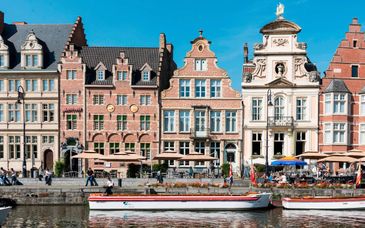
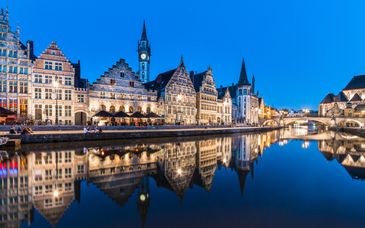
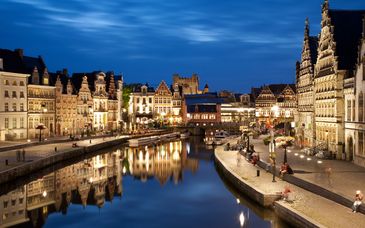
Table of contents
Discover Ghent, Belgium’s most captivating yet understated city break destination, where medieval splendour meets contemporary vitality along tranquil canals. This Flemish gem offers the architectural grandeur visitors seek—towering castles, Gothic cathedrals, and centuries-old guildhouses—without the overwhelming tourist crowds that plague more famous destinations. The compact historic centre invites leisurely exploration, revealing hidden courtyards, world-class art treasures, and exceptional Belgian cuisine at every turn. Whether you seek cultural immersion, romantic canal-side strolls, or simply a relaxed weekend escape, Ghent delivers an authentic experience. Explore exclusive hotel packages and curated stays that place you at the heart of this enchanting city, ensuring your short break becomes truly unforgettable.

Nestled in an elegant 18th-century mansion, this luxury boutique hotel combines historic charm with contemporary sophistication. Guests enjoy beautifully appointed rooms, a tranquil spa, and the acclaimed LOF restaurant, which serves refined Belgian cuisine. Its location near the historic centre makes exploring Ghent’s medieval treasures effortless. The hotel’s attention to detail and personalised service create an unforgettable stay, perfect for couples seeking romance or travellers wanting indulgent comfort during their city break.
What we love: The seamless blend of heritage architecture and modern luxury, plus the exceptional on-site dining experience that showcases local flavours.

Perfectly positioned in Ghent’s historic heart, this charming hotel offers direct access to the city’s picturesque waterways via its private river landing stage. Comfortable rooms blend modern amenities with classic style, while the central location puts Gravensteen Castle and St Bavo’s Cathedral within easy walking distance. Packages often include bed and breakfast options and occasionally feature convenient Eurostar and train combinations, making your journey seamless from the UK.
What we love: The unique riverside setting with private boat access and the unbeatable location for exploring Ghent’s medieval core on foot.

This contemporary hotel delivers excellent value in the very centre of Ghent, placing you steps from the Belfry and major attractions. Modern, well-equipped rooms provide a comfortable base for your city break, while the flexible bed and breakfast packages suit various travel styles. The hotel’s central position means you can maximise your time exploring rather than commuting, and its facilities cater perfectly to both leisure travellers and families discovering Ghent’s treasures together.
What we love: The unbeatable central location and the consistently positive guest reviews praising the helpful staff and comfortable accommodations.
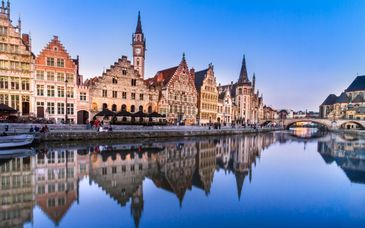
Ghent distinguishes itself from other Belgian cities through its remarkably preserved medieval architecture—three commanding towers dominate the skyline alongside Gravensteen Castle and ornate guildhouses—while a romantic network of canals and ancient bridges creates enchanting vistas at every turn. The city’s youthful, creative energy, fuelled by over 80,000 students, infuses the historic core with vitality. Unlike museum-like destinations, Ghent feels authentically lived-in; locals inhabit the medieval centre, frequenting its thriving cultural scene of street art galleries, independent boutiques, and innovative restaurants that coexist harmoniously with centuries-old monuments. This Flemish gem offers the medieval charm tourists crave without the overwhelming crowds plaguing Bruges, making it ideal for travellers seeking immersive, relaxed experiences. The compact, walkable centre reveals architectural gems around every corner, while welcoming cafés and bars line Graslei and Korenlei quaysides. This unique combination—historic grandeur meeting contemporary Belgian life—makes Ghent perfect for a weekend escape balancing culture, history, and genuine local atmosphere.
Spring (April–May) brings mild temperatures ranging from 12–18°C, blooming parks, and occasionally the spectacular Ghent Flower Show (Floraliën, held every five years). Summer (June–August) offers the warmest weather at 18–23°C and the famous Ghent Festival (Gentse Feesten) in July—ten exhilarating days of music, street theatre, and celebration—though peak crowds and elevated prices accompany this season. Autumn (September–October) delivers pleasant temperatures between 10–17°C, fewer tourists, and beautiful golden light perfect for photographing the canals. Winter (November–March) can feel cold at 2–8°C with grey skies, yet Christmas markets, cosy café culture, and lower hotel rates compensate; indoor attractions like museums and the cathedral shine during rainy days. Ghent experiences rain throughout the year, so pack layers and waterproofs, though the compact centre ensures you are never far from shelter. Late spring or early autumn offers the best balance of agreeable weather, manageable crowds, and reasonable prices for your Ghent weekend.
Ghent appeals to remarkably diverse traveller types. Culture enthusiasts relish world-class art—the Van Eyck Altarpiece, SMAK contemporary museum, Design Museum—alongside medieval architecture and vibrant street art. Foodies discover exceptional Belgian cuisine, from Michelin-starred restaurants to traditional waterzooi and innovative vegetarian eateries (Ghent pioneered ‘Veggie Thursday’). Couples find romance strolling canal-side at sunset, enjoying intimate bistros in Patershol’s cobbled lanes, and staying in boutique hotels like the Pillows Grand Boutique Hotel Reylof. Families appreciate the manageable size, interactive museums (Castle of the Counts with armour displays), boat tours children adore, and welcoming restaurants with outdoor terraces. The flat terrain suits pushchairs and less mobile visitors. Solo travellers enjoy safe streets, friendly locals (many speak English), excellent public transport, and a thriving café culture perfect for people-watching. Ghent’s relaxed pace and diverse offerings ensure virtually any traveller finds their ideal city break experience here.

Day 1: Arrive mid-morning, check into your hotel (consider the Ghent River Hotel for its central location), then explore the historic core—St Bavo’s Cathedral and the Ghent Altarpiece (allow 1.5 hours), climb the Belfry for panoramic views (30 minutes), and have lunch in the Patershol quarter (try traditional Flemish stew). Afternoon: visit Gravensteen Castle (1.5 hours), stroll along Graslei and Korenlei quaysides, photographing the guildhouses. Evening: enjoy dinner at a canal-side restaurant, then have drinks in the student quarter or jazz bars near Vrijdagmarkt.
Day 2: Take a morning boat tour on the Leie (1 hour, departures from Graslei), visit SMAK or the Design Museum (2 hours), and have lunch at Groentenmarkt. Afternoon: explore St Nicholas’ Church, shop along Veldstraat, and enjoy Belgian waffles and coffee. This itinerary covers Ghent’s essential experiences without rushing, perfect for a weekend escape.
A third day allows deeper exploration: Follow the Day 1–2 itinerary above, then on Day 3 choose between neighbourhood discovery—morning walk through Prinsenhof gardens and the Bijloke Abbey complex, explore the trendy Dampoort area with vintage shops and hip cafés, visit Citadelpark and the Museum of Fine Arts (MSK), which houses Flemish Masters and Symbolist works. Have lunch in the university quarter, then spend the afternoon browsing independent boutiques along Serpentstraat.
Alternatively, take a day trip: Bruges lies just 30 minutes by train (€6–8 return)—explore its UNESCO-listed canals, Markt square, and Belfry, though expect more tourists. Antwerp (50 minutes, €10–15) offers fashion shopping, Rubens’ House, and the stunning Central Station. Both cities complement Ghent perfectly. Return to Ghent for a final evening enjoying local beer at Dulle Griet or Het Waterhuis. The extra day transforms your short break into a richer Belgian experience, and staying at the NH Gent Belfort keeps you centrally based throughout.
Rainy-day indoor option (4–5 hours): Start at St Bavo’s Cathedral to admire the Van Eyck masterpiece in climate-controlled comfort (book timed tickets online), then walk through covered arcades to the Design Museum Gent, which showcases Belgian design from Art Nouveau to contemporary (allow 1.5 hours). Have lunch at the museum café or nearby covered market hall. Afternoon: explore the STAM city museum, which tells Ghent’s story through interactive exhibits, or browse the university library and Boekentoren tower. Finish with hot chocolate and pastries at a traditional tearoom.
Evening food and walk loop (3 hours): Begin at 18:00 with an aperitif at a Graslei terrace, watching the sunset reflect on the canals. Stroll through illuminated Patershol lanes (the medieval quarter glows beautifully at night) to dinner at a cosy bistro serving carbonnade flamande. Post-dinner, walk to Vrijdagmarkt square, perhaps catching live music, then end with craft beer at a brown café. Both options maximise limited time while experiencing authentic Ghent atmosphere regardless of the weather.

Gravensteen (Castle of the Counts) stands as Ghent’s most imposing monument—a formidable 12th-century fortress with crenellated walls rising dramatically from the city centre. Visitors explore the gatehouse with murder holes, the count’s residence featuring a great hall and chapel, the keep offering 360-degree city views, and the gruesome torture museum displaying medieval punishment devices (fascinating but unsuitable for young children). The excellent audio guide included with admission (€12 adults, €9 students/seniors) explains the castle’s evolution from comital residence to mint, courthouse, and cotton mill. Allow 1.5–2 hours for a thorough visit. Note the steep spiral staircases (wear comfortable shoes; limited accessibility for wheelchairs). Visit mid-morning or late afternoon to avoid school groups. The rampart walk provides spectacular photo opportunities of Ghent’s three towers and the Leie. Gravensteen offers an authentic medieval experience—this isn’t a sanitised palace but a genuine fortress where you can almost hear the clang of swords.
St Bavo’s Cathedral (Sint-Baafskathedraal) houses one of art history’s greatest treasures: the Ghent Altarpiece (Adoration of the Mystic Lamb) by Jan and Hubert van Eyck, completed in 1432. This polyptych revolutionised painting with its luminous colours, intricate detail, and realistic human figures—viewing it represents a pilgrimage for art lovers worldwide. Book timed-entry tickets online (€12.50, essential in high season; cathedral entry itself is free), allow 30–45 minutes in the climate-controlled chapel to appreciate the restored panels’ astonishing detail (bring reading glasses if needed). The cathedral also houses Rubens’ St Bavo Enters the Convent and a Rococo pulpit. Opening hours: Monday–Saturday 08:30–18:00, Sunday 13:00–18:00; altarpiece viewing from 09:30. Photography of the altarpiece is prohibited. The visitor centre next door offers context via multimedia displays. Seeing this masterpiece in its original location provides a profound experience no Ghent city break should miss.
Boat tours offer the perfect way to appreciate Ghent’s canal-side beauty and architectural heritage from a unique perspective. Forty- to fifty-minute cruises depart from Graslei and Korenlei quays (€8–10, multiple operators, departures every 15–30 minutes in season), gliding past medieval guildhouses, under ancient bridges, and along the Leie while guides share city history and legends. The late afternoon ‘golden hour’ provides magical light and fewer crowds. For land-based viewpoints: St Michael’s Bridge (Sint-Michielsbrug) offers the iconic postcard vista of Graslei, Korenlei, and the three towers perfectly aligned—visit at sunset for unforgettable photos. The Gravensteen ramparts provide elevated panoramas. The Belfry’s top (366 steps) rewards climbers with 360-degree views across Flanders. For a local secret, climb to the Boekentoren (university library tower) viewing platform during open days. Whether by boat or on foot, Ghent’s waterways and viewpoints reveal why this city captivates photographers and romantics alike.

Ghent’s culinary experiences are essential: Belgian beer culture thrives here—sample Trappist ales, fruity lambics, and local brews like Gruut (made with herbs instead of hops) at specialist bars; try a tasting flight to discover your preference. Waffles come in two styles: Brussels (light, rectangular, dusted with icing sugar) and Liège (dense, sweet, with pearl sugar)—both delicious from street vendors or tearooms. Carbonnade flamande (Flemish beef stew braised in beer with onions) epitomises Belgian comfort food, best enjoyed at traditional restaurants in Patershol. Frites (chips) represent an art form—thick-cut, double-fried to crispy perfection, served in paper cones with mayonnaise or andalouse sauce from friteries like Frituur Jozef. Do not miss waterzooi (creamy chicken or fish stew, a Ghent speciality), cuberdon (cone-shaped purple sweets), and artisan chocolates from boutique chocolatiers. Note that Ghent pioneered ‘Donderdag Veggiedag’ (Veggie Thursday)—many restaurants offer creative vegetarian menus weekly. Ghent’s food scene balances tradition with innovation, satisfying every palate.
Map Ghent’s best eating and drinking districts: Patershol, the medieval quarter’s labyrinth of cobbled lanes, hides intimate bistros, cosy brown cafés, and upscale restaurants in converted guildhouses—wander and choose based on atmosphere. Graslei and Korenlei quaysides offer canal-view terraces perfect for afternoon drinks or romantic dinners, though prices run higher for the location. The Vrijdagmarkt square and surrounding streets buzz with student-friendly bars, live music venues, and affordable eateries. For markets: the daily Groentenmarkt (vegetable market) features food stalls and casual lunch spots; Friday’s organic market at Bij Sint-Jacobs showcases local producers; Sunday’s flea market at Vrijdagmarkt is ideal for browsing and then brunching nearby. The Overpoort student strip offers late-night bars and clubs (lively but touristy). For craft beer connoisseurs, seek out Dulle Griet (400+ beers, quirky shoe-deposit tradition) or Het Waterhuis aan de Bierkant (100+ beers, canal views). Each neighbourhood offers distinct character—explore several to experience Ghent’s full flavour.
Lunch costs €10–18 for a café meal or sandwich, €15–25 for a sit-down restaurant with daily specials (dagschotel). Dinner ranges from €20–35 per person at mid-range bistros to €50–80+ at upscale establishments; add €4–8 per beer or €20–40 for wine. Street food (frites, waffles) costs €3–6. Money-saving tips: lunch menus offer better value than dinner; supermarkets sell excellent picnic supplies; friteries and bakeries provide cheap, tasty meals. Splurge on one special dinner, perhaps at the Pillows Grand Boutique Hotel Reylof’s LOF restaurant. Belgians lunch from 12:00–14:00 (kitchens close after); dinner service runs from 18:30–22:00, with locals dining from 19:00–20:00. Book popular restaurants ahead, especially at weekends. Many kitchens close between lunch and dinner (15:00–18:00)—plan accordingly or seek cafés serving all day. Service is included in bills; small tips (rounding up or 5–10%) are appreciated but not obligatory. Ghent offers excellent value compared to Brussels or Bruges, with quality food at reasonable prices.

Ghent awaits your discovery—a city where medieval grandeur meets contemporary energy, where canals reflect centuries of history, and where every cobbled lane promises new delights. Whether you seek artistic masterpieces, culinary adventures, romantic escapes, or simply a relaxed weekend away from daily pressures, this Flemish gem delivers experiences that linger long after you return home. Book your stay, pack your curiosity, and prepare to fall under Ghent’s enchanting spell.
Absolutely. Ghent excels as a city break destination, offering the perfect combination of medieval architecture, world-class art (including the Van Eyck Altarpiece), vibrant culture, and authentic Belgian atmosphere without overwhelming tourist crowds. Its compact, walkable centre, diverse dining scene, and easy access from the UK via Eurostar make it ideal for a memorable weekend escape that balances history, culture, and relaxation.
Two days suffice to see Ghent's main attractions—the castle, cathedral, museums, and canal walks—at a comfortable pace. Three days allow deeper neighbourhood exploration and a day trip to Bruges or Antwerp. Even a well-planned single day captures the essence, though a weekend break lets you truly savour the city's relaxed rhythm and discover hidden corners.
'Nicer' is subjective: Bruges offers fairy-tale canals and chocolate shops but suffers from mass tourism. Ghent delivers equally stunning medieval architecture, superior museums, better restaurants, and a lived-in authenticity—it's a real city where locals outnumber tourists. Many travellers prefer Ghent's relaxed, genuine atmosphere for a more immersive Belgian city break experience.
Both cities reward visitors: Antwerp excels in fashion, shopping, and Baroque art (Rubens), with a more cosmopolitan, modern vibe. Ghent offers better-preserved medieval character, the Van Eyck masterpiece, more romantic canals, and a compact centre perfect for short breaks. Ideally, visit both—they're only 50 minutes apart by train—or choose Ghent for history and intimacy, Antwerp for contemporary culture.
The easiest route is Eurostar from London St Pancras to Brussels (2 hours), then a direct train to Ghent-Sint-Pieters station (35 minutes, frequent departures). Total journey time is approximately 3.5–4 hours. Some packages, like those at Ghent River Hotel, occasionally include convenient Eurostar and train combinations, simplifying your city break travel arrangements.