New
Exclusive

Our offers
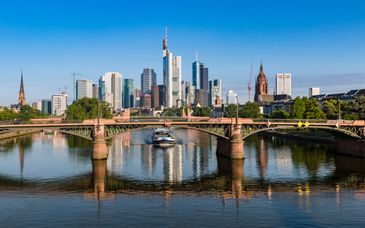
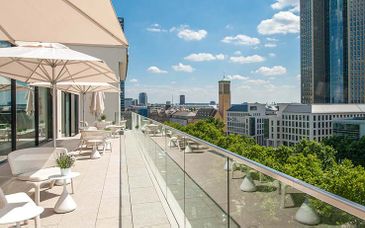
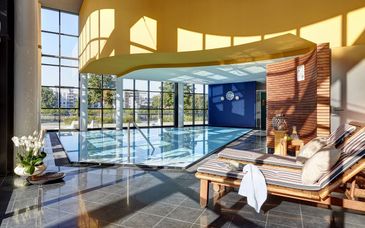
Table of contents
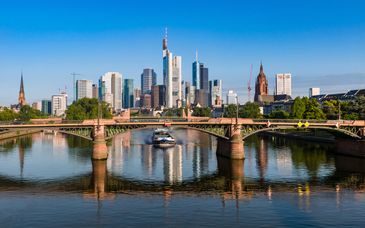
Frankfurt presents a captivating contrast between its gleaming skyline and the meticulously reconstructed medieval Römer square, earning its distinctive nickname Mainhattan. As Europe's financial capital, the city surprises visitors with its world-renowned Museumsufer cultural quarter stretching along both banks of the Main River, where thirteen museums house collections spanning seven centuries of art history. The atmospheric Sachsenhausen district preserves authentic cider tavern traditions, whilst seamless airport connectivity places the city centre just fifteen minutes from international arrivals. This dynamic German metropolis appeals equally to culture enthusiasts drawn by the Städel's Old Masters, food lovers seeking traditional Apfelwein experiences, and business travellers extending corporate visits into enriching weekend explorations. Register with Voyage Privé to discover exceptional stays in top-tier hotels perfectly positioned throughout Frankfurt's most desirable neighbourhoods, combining premium comfort with exclusive member rates for exploring this compelling destination.
Before exploring itineraries and sights, discover our handpicked selection of exceptional hotels in Frankfurt, each offering prime locations, outstanding comfort and exclusive member rates.

A luxurious urban retreat in the heart of Frankfurt's bustling city centre, the chic JW Marriott Hotel Frankfurt 5* is an ideal gateway to the city. This five-star property combines contemporary elegance with impeccable service, placing you within walking distance of the Zeil shopping district, Alte Oper and the Main River promenade. Guests enjoy spacious rooms with modern amenities, a refined spa, and exceptional dining options showcasing both international and regional cuisine.
What we love: The central location perfect for exploring Frankfurt on foot, the sophisticated interiors and the attentive service making every city break feel special.

Stay in the centre of vibrant, cosmopolitan Frankfurt at the Grandhotel Hessischer Hof 5*, a luxurious hotel with plenty of facilities for a relaxing city break. This elegant property blends classic grandeur with modern comfort, situated in the prestigious Westend district near the trade fair grounds and within easy reach of Palmengarten and the Museumsufer. The hotel features beautifully appointed rooms, a wellness area and gourmet dining celebrating regional specialities.
What we love: The timeless elegance, the peaceful Westend location away from crowds yet close to key attractions, and the exceptional breakfast spread.

Explore Frankfurt's world-famous architecture and see why this city is the cultural gem of Germany at the Lindner Hotel & Residence Main Plaza 4*. Our members are treated to First Class Rooms or a Junior Suite, with a welcome drink and daily breakfast included. Perfectly positioned for discovering the skyline, Old Town and riverside promenades, this contemporary hotel offers excellent value and comfort for city explorers.
What we love: The generous room upgrades for members, the complimentary welcome drink, and the ideal base for sightseeing adventures across Frankfurt.
Frankfurt strikes visitors with its unique juxtaposition of medieval Römerberg square and modern glass skyscrapers, earning the nickname Mainhattan for its distinctly un-German, almost American skyline. As Europe's financial capital, the city possesses a surprisingly intimate Old Town alongside its business districts, offering exceptional transport connectivity through one of the continent's busiest airports with rail links reaching London and major German cities. Contrasting sharply with Munich's traditional Bavarian charm and Berlin's sprawling alternative scene, Frankfurt remains compact, walkable, business-focused yet culturally rich, making it ideal for short breaks. The cosmopolitan atmosphere reflects Germany's most international city, where the Main River setting frames a skyline unlike any other in the nation. Frankfurt rewards visitors who look beyond initial impressions, revealing world-class museums including the renowned Städel, atmospheric cider taverns in Sachsenhausen, and a thriving culinary scene blending tradition with innovation. Direct flights from the UK take under two hours, enabling effortless weekend escapes.
Frankfurt appeals particularly to business travellers extending work trips into weekends to explore the Museumsufer and skyline observation decks, discovering cultural depth beyond corporate meetings. Culture enthusiasts gravitate toward the Städel Museum's Old Masters collection, Goethe House literary heritage, and over a dozen museums lining the riverbank, offering artistic riches rivalling larger European capitals. Architecture lovers find fascination in the contrast between reconstructed medieval Römer and contemporary towers designed by Norman Foster, whilst food and drink aficionados seek authentic Apfelwein in traditional Sachsenhausen taverns, Michelin-starred dining, and the vibrant Kleinmarkthalle food market. Frankfurt also suits couples seeking sophisticated city escapes, families drawn to Palmengarten botanical gardens and river cruises, plus travellers using the city as a base for Rhineland day trips. The destination may disappoint those seeking picture-postcard Germany—Heidelberg or Rothenburg better serve that desire—but rewards curious explorers who appreciate urban energy, world-class art, and authentic local traditions alongside modern dynamism.
Spring arrives with mild weather between twelve and eighteen degrees, blooming Palmengarten, and fewer crowds making April through May ideal for museum visits and riverside walks without summer congestion. Summer delivers warm temperatures reaching twenty to twenty-five degrees, outdoor festivals along the Main, beer garden season, and the celebrated Museumsufer Festival in late August when all museums open late with special events; accommodation requires early booking during peak season. Autumn provides pleasant weather between fifteen and twenty degrees, harvest festivals, and the famous Frankfurt Book Fair in October, offering excellent conditions for exploring neighbourhoods and sampling seasonal specialities. Winter brings cold temperatures near freezing but the Christmas markets, particularly the historic market at Römerberg, create magical atmosphere from late November through December; January and February offer quietest periods with best hotel deals. Avoid trade fair dates when hotels triple prices and availability plummets. Optimal months remain May, September and early December for weather, manageable crowds and special events, though weekend breaks work throughout the year given excellent indoor cultural attractions.
Day one morning begins with arrival at Frankfurt Airport, taking S-Bahn S8 or S9 fifteen minutes to Hauptwache for five euros twenty, checking into your centrally located hotel, then walking to Römerberg to admire the reconstructed medieval square and Römer city hall requiring thirty minutes; lunch follows at Kleinmarkthalle market sampling regional produce. Afternoon exploration includes Goethe House costing seven euros for one hour, strolling across Eiserner Steg footbridge capturing skyline photographs, then exploring Sachsenhausen's cobbled lanes. Evening brings traditional Apfelwein dinner at a Sachsenhausen tavern trying Handkäs mit Musik cheese. Day two morning ascends Main Tower observation deck for nine euros opening at ten o'clock providing three-hundred-sixty-degree views, followed by walking along Museumsufer. Afternoon offers choice between Städel for art costing sixteen euros allowing two to three hours or German Film Museum for cinema history. Late afternoon permits shopping along Zeil pedestrian street with coffee at Hauptwache, whilst evening concludes with riverside promenade walk and Westend dinner before morning departure. This route covers eight to ten kilometres walking daily, all easily manageable.
Day one follows the weekend route covering Römerberg, Goethe House and Sachsenhausen explorations establishing orientation. Day two morning visits Main Tower viewpoint followed by Museumsufer walk and Städel Museum requiring three hours for collections spanning seven centuries from medieval altarpieces through Rembrandt, Monet and Picasso to contemporary works. Afternoon brings lunch in Sachsenhausen then choice between Applied Arts Museum or Architecture Museum depending on interests, both costing twelve euros. Evening books a fifty-minute Main River cruise departing from Eiserner Steg for thirteen euros capturing sunset skyline views with commentary covering architecture and history. Day three morning explores Palmengarten botanical gardens costing seven euros for two hours offering peaceful escape with tropical glasshouses and seasonal displays. Afternoon features Westend neighbourhood walks admiring Gründerzeit villas followed by Senckenberg Natural History Museum costing ten euros with excellent dinosaur collections suiting families. Evening discovers Berger Strasse in Bornheim district for dinner among locals at trendy restaurants away from tourist areas. Consider purchasing Frankfurt Card for twelve euros fifty daily providing unlimited transport plus museum discounts proving worthwhile visiting two or more museums. Stay at the Grandhotel Hessischer Hof in Westend for easy access to all areas.
Days one through three follow the itinerary above establishing comprehensive city knowledge. Day four offers several excursion options: Mainz reached in forty minutes by S-Bahn features the Gutenberg Museum celebrating printing history costing five euros, Romanesque cathedral, charming Altstadt and Rhine riverfront, returning afternoon for final Frankfurt evening. Wiesbaden lies forty-five minutes by S-Bahn offering elegant spa town atmosphere with grand nineteenth-century architecture, Kurhaus casino, Neroberg hill railway and thermal baths perfect for relaxation. Kronberg im Taunus requires thirty minutes by S-Bahn presenting picturesque medieval town in forested hills, visiting the fairy-tale Schlosshotel Kronberg castle (former royal residence now luxury hotel with public areas and gardens), hiking Taunus trails, returning via Höchst's preserved old town. Rhine Valley full-day tours reach Rüdesheim, Rhine Gorge castles and vineyards through organised excursions or car rental. All destinations connect easily on regional trains using Frankfurt transport passes, adding variety whilst maintaining your city base, ideal for four to five-night stays combining urban culture with regional exploration beyond the metropolitan area.
Römerberg square forms Frankfurt's emotional heart, its colourful half-timbered houses meticulously reconstructed after wartime bombing—the Römer itself serves as city hall since fourteen-oh-five, its Kaisersaal displaying portraits of fifty-two Holy Roman Emperors costing two euros when open. Adjacent Old St Nicholas Church and Fountain of Justice complete the postcard scene, whilst the New Old Town reconstruction between Römerberg and cathedral recreates medieval lanes including Hühnermarkt and Goldene Waage opened in twenty-eighteen. Frankfurt Cathedral where emperors received coronation offers tower climbs costing three euros ascending three-hundred-twenty-eight steps for panoramic views. Goethe House at Großer Hirschgraben twenty-three preserves Germany's greatest writer's birthplace, furnished in eighteenth-century style with family portraits and young Goethe's puppet theatre, costing seven euros with audio guide requiring forty-five minutes. The adjacent Goethe Museum displays manuscripts and period art. This compact area within five-hundred-metre radius requires two to three hours minimum; visit morning or late afternoon avoiding tour groups. Free walking tours depart Römerberg daily at half-past ten.
Thirteen museums line both Main riverbanks along the celebrated Museumsufer, making Frankfurt Germany's second museum city after Berlin. The Städel Museum at Schaumainkai sixty-three proves unmissable—seven centuries of European art from medieval altarpieces through Rembrandt, Vermeer, Monet, Renoir to Picasso and Gerhard Richter requiring two to three hours minimum, costing sixteen euros with free entry for children under twelve, open until nine o'clock Thursdays. Modern and contemporary art enthusiasts choose Museum MMK at Domstrasse ten costing twelve euros. Architecture lovers select German Architecture Museum at Schaumainkai forty-three for nine euros housed in an Oswald Mathias Ungers building. Families prefer Senckenberg Natural History Museum featuring dinosaurs costing ten euros or German Film Museum at Schaumainkai forty-one for seven euros with interactive cinema exhibits. Applied Arts Museum at Schaumainkai seventeen costing twelve euros covers five thousand years of design. The Museum Embankment Festival during the last August weekend offers late openings, live music, food stalls and special exhibitions. Consider Frankfurt Card for twelve euros fifty daily or Museumsufer Ticket at twenty-one euros covering two days across all museums. Most museums close Mondays. Choose one to two museums per day for meaningful visits rather than rushing through multiple venues.
Main Tower at Neue Mainzer Strasse fifty-two offers Frankfurt's only public observation platform—ascend two hundred metres in forty-five seconds reaching the fifty-sixth-floor viewing deck for three-hundred-sixty-degree panoramas across the city, Taunus hills and on clear days to Odenwald forest, costing nine euros for adults and six euros fifty for children, open until nine o'clock weekdays and eleven o'clock weekends during summer, until seven o'clock winter; closed during high winds. Time visits for sunset, booking online to skip queues. For skyline appreciation from below, walk the Main River promenades—the south bank Sachsenhausen side provides classic photo angles of tower clusters reflected in water. The Eiserner Steg footbridge from eighteen-sixty-nine connects both banks with love-lock-festooned railings and perfect viewpoints. River cruises lasting fifty to one hundred minutes costing thirteen to sixteen euros with multiple daily departures from Eiserner Steg or Mainkai offer relaxed sightseeing with commentary covering architecture, history and bridges; sunset cruises prove particularly atmospheric. Hafenpark development east of centre showcases contemporary urban regeneration with waterfront dining options. Frankfurt's skyline genuinely impresses—embrace the Mainhattan nickname enjoying the un-German modernity defining this unique city.
Sachsenhausen's cobbled lanes south of the Main harbour authentic Apfelwein taverns serving this tart alcoholic apple cider at five-point-five to seven percent alcohol in distinctive ribbed glasses or ceramic jugs called Bembel. Traditional establishments like Adolf Wagner, Atschel and Fichtekränzi offer the full experience: communal wooden tables, no-frills décor and hearty regional dishes. Must-try specialities include Handkäs mit Musik (marinated sour milk cheese with onions and caraway), Grüne Soße (green herb sauce with seven herbs served with boiled eggs and potatoes during spring and summer), Frankfurter Rippchen (cured pork chops), and Frankfurter Würstchen (the original frankfurter sausage, thinner than expected, served with mustard and bread). Portions prove generous with prices reasonable at twelve to eighteen euros for mains. The Apfelwein culture remains authentically local where tourists and Frankfurters mix freely during weekends. Alt-Sachsenhausen around Klappergasse and Große Ritterstrasse concentrates the best taverns; avoid overly touristy spots on Schweizer Strasse. Visit Thursday through Saturday evenings for atmosphere. Kleinmarkthalle at Hasengasse five to seven offers daytime food exploration with sixty stalls selling regional produce, international delicacies and fresh flowers, perfect for lunch or picnic supplies.
The Zeil ranks among Germany's busiest shopping streets—this pedestrianised mile between Hauptwache and Konstablerwache features international chains, department stores including Galeria Kaufhof and MyZeil with spectacular spiral architecture, plus Zeilgalerie mall. Hauptwache square dominated by the baroque guardhouse from seventeen-thirty serves as Frankfurt's central meeting point with cafés and transport interchange. Upscale shopping explores Goethestrasse's luxury boutiques featuring Prada, Gucci and Hermès. Dining districts include Westend around Leipziger Strasse offering international restaurants and wine bars in elegant surroundings; Nordend along Berger Strasse and Oeder Weg provides trendy bistros, craft beer bars and multicultural eateries popular with locals; Bahnhofsviertel near the station has transformed from red-light area to hip dining destination with Korean, Vietnamese, Italian and fusion restaurants plus cocktail bars, though remaining edgy requiring alertness at night. Evening entertainment includes Alte Oper hosting classical concerts in a stunning eighteen-eighties building; English Theatre at Gallusanlage staging productions in English; jazz clubs like Jazzkeller operating since nineteen-fifty-two and Mampf offering live music. Sachsenhausen's Schweizer Strasse and Alt-Sachsenhausen buzz with bars and taverns until late. Frankfurt's nightlife proves sophisticated rather than wild—expect quality cocktail bars, wine lounges and cultural venues rather than mega-clubs.
City Centre around Hauptwache, Zeil and Römerberg offers maximum convenience for sightseeing, shopping and transport connections with walking distance to most attractions and excellent hotel choice including the Lindner Hotel & Residence Main Plaza; the area proves busy and less characterful yet ideal for short breaks prioritising efficiency. Sachsenhausen south of the river features atmospheric cobbled streets, traditional taverns and Museumsufer proximity with more residential feel requiring crossing the river reaching main sights via ten-minute walk or quick tram, perfect for food lovers wanting authentic neighbourhood experience with good mid-range hotel options. Westend presents elegant nineteenth-century character west of centre with tree-lined streets, grand villas and upscale residential atmosphere near Palmengarten, Messe trade fair and university, offering quieter environment than centre with excellent hotels like the Grandhotel Hessischer Hof, requiring fifteen-minute walk or short U-Bahn to Römerberg, suiting those wanting peaceful base with easy access. Avoid Bahnhofsviertel station area despite gentrification remaining edgy with visible drug issues; far eastern districts require longer commutes. Frankfurt remains compact—any central location works well. Book early during trade fairs when prices surge and availability vanishes.
Frankfurt Airport lies just twelve kilometres southwest of city centre with excellent connections: S-Bahn trains S8 and S9 run every fifteen minutes to Hauptwache taking fifteen minutes costing five euros twenty single or ten euros ninety day ticket covering all zones; regional trains reach Hauptbahnhof main station in eleven minutes for five euros twenty; taxis cost twenty-five to thirty-five euros requiring twenty to thirty minutes; hotel shuttles serve premium properties. Within Frankfurt, the RMV public transport network comprising U-Bahn metro, S-Bahn suburban trains, trams and buses operates efficiently, cleanly and punctually—single tickets cost three euros ten for city zone, day passes five euros sixty, group day tickets eleven euros sixty covering up to five people. The Frankfurt Card at twelve euros fifty for one day or seventeen euros for two days includes unlimited transport plus twenty-five to fifty percent museum discounts, proving worthwhile visiting two or more museums. Central Frankfurt remains highly walkable—Römerberg to Sachsenhausen measures one kilometre, to Palmengarten two-point-five kilometres. Taxis operate on meters, reliable but expensive at three euros fifty base plus two euros per kilometre. Bike rental available through Call a Bike at one euro plus eight cents per minute, though cobbles and tram tracks require care. Download the RMV app for journey planning and mobile tickets. Frankfurt proves safe, well-signposted and tourist-friendly for navigation.
Frankfurt generally proves safe with violent crime against tourists remaining rare, though pickpocketing occurs in crowded areas including Hauptbahnhof, Zeil and Christmas markets requiring standard precautions. Areas demanding caution include Bahnhofsviertel station district particularly Taunusstrasse and Moselstrasse where open drug dealing occurs—avoid at night though daytime remains manageable; Konstablerwache after dark can feel uncomfortable. Sachsenhausen, Westend, Nordend and city centre prove safe day and night. Budget estimates per person daily: budget sixty to eighty euros (hostel or budget hotel forty to sixty euros, street food and supermarkets fifteen to twenty euros, limited sightseeing); mid-range one-hundred-twenty to one-hundred-eighty euros (three to four-star hotel eighty to one-hundred-twenty euros, restaurant meals thirty to forty euros, museums and transport twenty euros); luxury two-hundred-fifty euros plus (five-star hotels one-hundred-eighty euros plus, fine dining sixty euros plus, taxis and premium experiences). Frankfurt costs more than German averages but compares to London prices. Practical tips: shops close Sundays except bakeries and station outlets; restaurants add service but small tips rounding up or five to ten percent prove appreciated; credit cards gain wide acceptance though cash remains preferred at markets and taverns; tap water proves safe and free in restaurants when requested; learn basic German phrases including Guten Tag, Danke and Bitte though English receives wide understanding in tourist areas. Book accommodation well ahead for trade fair dates checking Messe Frankfurt calendar when prices triple.
Frankfurt rewards curious travellers who venture beyond initial impressions, discovering a sophisticated metropolis where medieval heritage meets contemporary ambition. The compact centre facilitates effortless exploration on foot, whilst exceptional museums, authentic culinary traditions and striking architecture create memorable experiences distinct from typical German destinations. Register with Voyage Privé to access exclusive rates at premium hotels perfectly positioned throughout Frankfurt's most desirable neighbourhoods, transforming your city break into an outstanding urban adventure combining culture, cuisine and comfort in Germany's most cosmopolitan city.
Yes, Frankfurt makes an excellent city break, especially for travellers seeking culture, history and modern urban energy combined. The compact centre, world-class museums, unique Apfelwein culture and striking skyline offer distinctive experiences different from typical German destinations. Exceptional transport links from the UK with under two-hour flights and direct trains from across Europe make it ideal for short breaks. Frankfurt rewards curious visitors who look beyond initial business-city impressions to discover authentic neighbourhoods, outstanding art collections and genuine local traditions alongside contemporary architecture and cosmopolitan atmosphere.
A weekend covering two days and one night captures essential highlights including Römerberg, Main Tower, one major museum and Sachsenhausen, though this feels rushed. Three days allows more relaxed pace exploring multiple museums, neighbourhoods and riverside with time for leisurely meals and evening atmosphere. Four to five days proves ideal when including day trips to Rhine Valley, Heidelberg or Taunus region, or for museum enthusiasts wanting to explore Museumsufer thoroughly. Most visitors find two to three nights the sweet spot for satisfying city breaks without exhausting main attractions.
May and September offer optimal conditions with pleasant temperatures between fifteen and twenty degrees, manageable crowds and good availability outside trade fair dates. Early December proves magical for Christmas markets, especially the historic Römerberg market, though book accommodation early and dress warmly. Late August brings Museumsufer Festival when all museums open late with special events, live music and food stalls along riverbanks. Avoid major trade fair dates checking Messe Frankfurt calendar when hotel prices surge and the city fills with business visitors, unless your trip coincides with work commitments.
Frankfurt deserves at least a full weekend rather than just airport stopover. The Städel Museum alone ranks among Europe's finest art collections, whilst reconstructed Old Town, unique Apfelwein tavern culture and impressive skyline provide experiences unavailable elsewhere in Germany. The compact size means you can experience highlights thoroughly in two to three days without feeling rushed. Whilst Frankfurt lacks immediate charm of Munich or Heidelberg, it offers authentic urban German life, world-class culture and excellent cuisine rewarding visitors who invest time to explore properly beyond surface impressions.
The Bahnhofsviertel station district, particularly Taunusstrasse, Moselstrasse and streets immediately around Hauptbahnhof, has visible drug dealing and can feel uncomfortable especially after dark—exercise caution and avoid lingering, though violent crime against tourists remains rare. Konstablerwache square and surrounding streets can feel edgy late at night. The rest of central Frankfurt including Sachsenhausen, Römerberg, Westend, Nordend and Museumsufer proves safe day and night with standard urban precautions against pickpocketing in crowded areas. Frankfurt generally remains a safe, well-policed city where tourists can explore confidently.