New
Exclusive

Our offers
Table of contents
Perched on a dramatic horseshoe bend of the River Wear, Durham unfolds as a masterpiece of medieval heritage, UNESCO splendour, and riverside tranquillity. This compact city rewards visitors with soaring cathedral architecture, Norman castle ramparts, and cobbled lanes that whisper centuries of history. Whether you seek a romantic weekend steeped in ancient stones, a family adventure through living museums, or a peaceful retreat along wooded riverbanks, Durham delivers unforgettable experiences without overwhelming crowds. Join us to unlock exclusive stays in handpicked hotels near Palace Green and discover the perfect base for your city break, where every corner reveals a new chapter of England's storied past.

Positioned on the riverfront with stunning views of Durham's skyline, the Radisson Blu Durham 4* combines contemporary comfort with proximity to the city's UNESCO treasures. Guests enjoy a full-service spa, stylish restaurant, and modern rooms designed for relaxation after a day exploring the cathedral and castle. The hotel's central location makes it ideal for walkable city breaks, whilst the wellness facilities provide a luxurious retreat. Exclusive offers include stay details and added extras to enhance your Durham experience, from breakfast packages to spa access that transforms a simple weekend into a rejuvenating escape. The riverside setting invites evening strolls with panoramic city views framed by floodlit medieval architecture.
What we love: The riverside setting with panoramic city views, the rejuvenating spa facilities, and the seamless access to Durham's historic quarter—all wrapped in modern elegance.

Located in the heart of Durham city centre, the Durham Marriott Hotel Royal County 4* offers recently refurbished accommodation with an indoor pool and fitness facilities. Its prime position places you within minutes of Palace Green, the cathedral, and the city's charming independent shops and cafés. Families and couples alike appreciate the blend of comfort and convenience, with spacious rooms and attentive service creating a stress-free base for exploration. Package specifics including breakfast options and leisure access ensure a seamless booking experience, whilst the hotel's contemporary interiors balance classic charm with modern style, making every return from sightseeing a welcome retreat into comfort and hospitality.
What we love: The unbeatable city-centre location, the indoor pool perfect for unwinding, and the freshly updated interiors that balance classic charm with contemporary style.

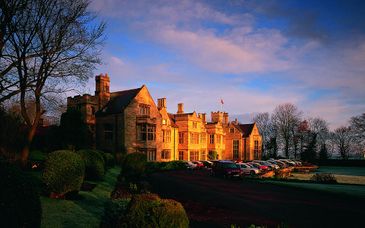
Set in tranquil woodland just outside Durham, Redworth Hall Hotel 4* is a stunning manor house offering a countryside escape with easy city access. The hotel features extensive spa facilities, elegant dining, and beautifully appointed rooms that blend period character with modern amenities. Ideal for those seeking a peaceful retreat after exploring Durham's historic sites, Redworth Hall provides the perfect balance of relaxation and adventure. Offer details include perks such as dinner inclusions and spa access to elevate your stay, whilst the woodland setting invites morning walks among ancient trees before you journey into the city for cathedral tours and riverside exploration, returning each evening to tranquillity and indulgence.
What we love: The enchanting woodland setting, the luxurious spa treatments, and the architecture that transports you to another era whilst remaining close to Durham's attractions.

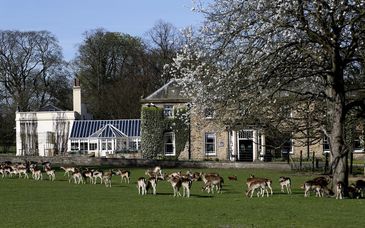
For those seeking luxury beyond the city, Rockliffe Hall 5* in nearby Darlington offers a five-star spa and championship golf course within County Durham's rolling countryside. This award-winning hotel combines opulent accommodation with world-class wellness facilities and fine dining, making it an exceptional complement to a Durham city break. Guests can explore Durham's UNESCO sites by day and return to indulgent spa treatments and gourmet cuisine by evening. Package benefits including spa access and dining credits create a truly memorable escape, where countryside tranquillity meets urban exploration, and every detail—from the manicured grounds to the attentive service—elevates your weekend into an unforgettable luxury experience.
What we love: The five-star luxury and spa excellence, the championship golf course, and the countryside tranquillity that perfectly balances urban exploration with rural relaxation.
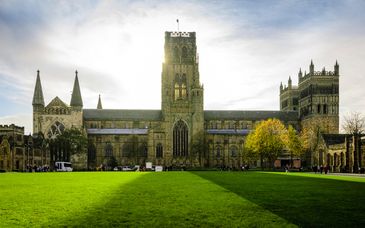
Durham earned its UNESCO World Heritage status in 1986, recognising Durham Cathedral and Durham Castle as two of Britain's finest Norman monuments. The cathedral, completed in 1133, stands as a masterpiece of Romanesque architecture, its soaring vaulted ceilings and ribbed arches representing medieval engineering genius. Inside, the Shrine of St Cuthbert has drawn pilgrims for over a millennium, whilst the tomb of the Venerable Bede honours England's first historian. Film enthusiasts recognise the cloisters from scenes in popular cinema, adding contemporary allure to ancient stone. Entry remains free, though donations support ongoing conservation, making this world-class monument accessible to every budget. Across Palace Green, Durham Castle—built by William the Conqueror in 1072—now houses university students, a living monument where guided tours reveal medieval great halls, Norman chapels, and ornate staircases. Both landmarks sit mere minutes apart, their proximity allowing visitors to traverse centuries within a single morning, experiencing heritage without the overwhelming scale or crowds of larger cities.
The entire historic core of Durham fits within a 20-minute radius, creating an intimate urban landscape ideal for exploration on foot. The River Wear curves in a dramatic horseshoe, cradling the peninsula where cathedral and castle rise above wooded banks and ancient bridges. The celebrated Riverside Walk traces a 2-mile loop, passing weirs where water tumbles over stone, bridges spanning centuries of engineering, and leafy paths where dappled sunlight filters through mature trees. Prebends Bridge offers the iconic postcard view—cathedral towers framed by river and foliage—whilst hidden viewpoints near the Old Fulling Mill reveal quieter perspectives. Most main attractions provide step-free access or alternative routes, though cobbled streets and steep lanes from Elvet Bridge to Palace Green require comfortable footwear and caution. Unlike sprawling cities where attractions scatter across tube zones and taxi rides, Durham invites leisurely strolls between landmarks, cafés, and riverside benches, its village-like tranquillity belying the richness of cultural offerings concentrated within its compact boundaries.
Late spring—May through June—and early autumn—September into October—deliver mild weather, vibrant foliage along the River Wear, and thinner crowds than high summer. July and August bring longer daylight hours and outdoor events such as Durham Regatta and the biennial Lumiere light festival, though visitor numbers peak and accommodation books early. Winter months from November through February offer atmospheric quiet, Christmas markets clustered around Market Place, and cathedral carol services echoing through Norman stone, albeit with shorter days limiting sightseeing hours. Durham suits diverse visitor profiles: couples savour romantic riverside strolls and cosy pub evenings; families appreciate interactive museums like the Oriental Museum and safe, walkable streets; history enthusiasts immerse themselves in Norman architecture, medieval manuscripts, and university heritage spanning nine centuries. The city accommodates all ages and mobility levels, its relaxed pace and concentrated attractions allowing first-time visitors to cover essentials in 48 hours whilst repeat guests discover deeper layers across 72-hour stays or extended breaks combining city exploration with countryside retreats.
Begin your weekend at Durham Cathedral by 9:00 or 9:30, allowing 90 to 120 minutes to absorb the nave's soaring columns, the cloisters' serene arcades, the Shrine of St Cuthbert, and the Treasury's Anglo-Saxon treasures. Pre-book the tower climb—325 steps ascending narrow spiral staircases reward you with 360-degree panoramas over city, river, and rolling countryside, a 30 to 45-minute ascent worth every breathless moment for photographers and view-seekers. Cross Palace Green in two minutes to join the Durham Castle guided tour, an hour-long journey through the Norman chapel's carved capitals, the Great Hall's minstrels' gallery, and the Black Staircase's ornate woodwork, all within a working university college where students inhabit medieval chambers. Pause mid-morning for coffee at the cathedral's Undercroft café or a Palace Green tearoom, savouring the atmosphere of ancient stone and scholarly calm. This morning covers Durham's two UNESCO jewels without rushing, setting a measured pace for your weekend. Staying at a riverside hotel places you minutes from these landmarks, maximising morning hours before crowds gather.
After lunch in Market Place or along Saddler Street—where local pubs and independent cafés serve seasonal fare—dedicate your afternoon to the Riverside Walk. Start at Framwellgate Bridge, following the tree-lined south bank past the Old Fulling Mill archaeology museum, crossing Prebends Bridge to pause for the cathedral's iconic view framed by river and foliage, then looping back via Elvet Bridge. The 2-mile circuit takes 60 to 90 minutes at a leisurely pace, revealing weirs where water rushes over stone, rowing boats gliding past wooded banks, and glimpses of the cathedral towers through autumn leaves or spring blossoms. Insert a museum stop—Durham University's Museum of Archaeology offers free entry and 30 to 45 minutes of Roman and medieval artefacts, whilst Crook Hall & Gardens presents medieval manor rooms and walled gardens for seasonal exploration. Afternoon tea or cake at a riverside café completes this flexible itinerary, allowing you to linger, detour, or rest according to energy and weather. The riverside walk's flat, accessible paths suit families and older visitors, whilst central accommodation ensures easy returns for refreshment before evening plans.
Your second day offers two paths. For countryside adventure, drive or taxi 15 to 30 minutes to Beamish Museum, an open-air living history site where costumed guides populate recreated 1820s, 1900s, and 1940s streets, trams rattle between period shops, and three to four hours vanish exploring Georgian farms, Edwardian towns, and wartime homes—ideal for families and history enthusiasts. Alternatively, venture to Barnard Castle, 30 minutes distant, where medieval ruins crown the town and The Bowes Museum houses European art and fashion collections. The North Pennines AONB beckons with High Force waterfall and moorland walks. For city-focused travellers, Saturday's Market Place market runs 9am to 4pm, offering local produce, crafts, and street food amongst historic stalls. Explore independent bookshops and vintage stores along Saddler Street and Elvet Bridge, browse Durham University's Botanic Garden for £2, or revisit riverside paths at different times of day. This flexible day adapts to weather, interests, and energy, whether you seek countryside spectacle or slow urban immersion, with countryside hotels offering spa relaxation if you prefer a gentler pace.
A third day unlocks compelling regional exploration. Kynren, staged summer evenings in Bishop Auckland 20 minutes away, presents an epic outdoor spectacle with 1,000 volunteers, horses, and pyrotechnics retelling 2,000 years of English history across a purpose-built arena—advance booking essential, tickets ranging £25 to £45 for an unforgettable three-hour performance. The Durham Heritage Coast, 30 to 40 minutes distant, reveals Seaham Beach for sea glass hunting and coastal walks, or Whitburn for dramatic cliffs and Souter Lighthouse tours. The North Pennines AONB, 30 to 50 minutes by car, offers England's largest waterfall at High Force, industrial heritage at Killhope Lead Mining Museum, and moorland vistas stretching to distant peaks. Each option delivers distinct appeal—Kynren for theatrical spectacle, coast for fresh air and beaches, Pennines for wilderness and heritage—and car hire or organised tours facilitate access. A 72-hour break allows deeper regional immersion whilst retaining Durham as your base, with luxury countryside stays suiting longer itineraries combining day-trip flexibility and evening spa indulgence.
Embrace a slower, more immersive third day focused on local culture and flavours. Begin at Durham Indoor Market on Market Place, where Monday to Saturday stalls offer artisan bread, local cheeses, handmade crafts, and seasonal produce from County Durham farms. Wander independent bookshops preserving literary heritage, vintage stores curating mid-century treasures, and galleries showcasing regional artists along Elvet Bridge and Saddler Street—no chain stores interrupt the character. Craft a self-guided food trail: morning coffee at a speciality roastery, lunch featuring farm-to-table seasonal vegetables and County Durham lamb, afternoon cake at a traditional tearoom, evening meal at a gastropub pouring local real ales and serving hearty regional fare. Consider distillery tours or craft brewery visits for enthusiasts. This approach champions quality over quantity, supports local businesses, and connects you with Durham's community beyond landmark ticking. Foodies, slow travellers, and those seeking authentic experiences beyond tourist circuits find richness in this unhurried exploration, whilst central accommodation keeps markets and independent quarters mere minutes from your hotel door.
Round out your 72-hour stay with evening entertainment enhancing daytime sightseeing. The Gala Theatre at Millennium Place hosts drama, comedy, live music, and cinema—check listings for touring productions, local performances, or student shows from Durham University during term time. Traditional pubs cluster within the historic core, offering riverside inns pouring real ales beside open fires, coaching inns preserving centuries of hospitality, and student-friendly bars hosting live folk music and pub quizzes. The intimate scale means most venues sit within a 10-minute walk, allowing you to enjoy a show, riverside stroll, and cosy pub dinner in one evening without taxis or planning logistics. Seasonal events punctuate the calendar: Durham Lumiere, the biennial light festival transforming November streets into illuminated art installations; Durham Regatta in June, when rowing crews compete on the River Wear; cathedral concerts echoing choral music through Norman stone year-round. Evening plans transform a city break from sightseeing checklist into fuller cultural immersion, adding depth and memory to your Durham experience whilst the city's safety and walkability ensure relaxed post-theatre returns.
Durham Cathedral stands as the city's unmissable highlight, a monument where architecture, history, and spirituality converge. Enter through vast Norman doors into a nave where ribbed vaulting—medieval engineering genius—soars above Romanesque columns. The Shrine of St Cuthbert remains a pilgrimage destination after a millennium, whilst the tomb of the Venerable Bede honours England's earliest historian. The Treasury displays Anglo-Saxon manuscripts, St Cuthbert's coffin, and vestments spanning centuries. The tower climb—325 steps up narrow spiral staircases—delivers breathtaking 360-degree views over city, river, and countryside, worth every step for photographers and view-seekers. Opening hours run Monday to Saturday 10am to 4pm, Sunday 12:30pm to 3pm; cathedral entry remains free with donations welcomed, tower climb costs £5, Treasury £3. Ground floor and cloisters offer step-free access, though the tower climb suits only those with good mobility. Attend evensong services for atmospheric choral music resonating through ancient stone. The cathedral alone justifies a Durham city break, its scale, beauty, and history rivalling any European monument, yet accessible, uncrowded, and deeply moving.
Durham Castle stands unique among UK castles—still home to University College students, blending living accommodation with medieval monument. Guided tours, essential as self-guided access is restricted, reveal the Norman chapel with original carved capitals, the Great Hall's minstrels' gallery, medieval kitchens, and the Black Staircase's ornate woodwork. Built by William the Conqueror in 1072 as the seat of Prince Bishops, the castle now serves as both UNESCO site and student residence, where lectures echo in medieval halls and undergraduates inhabit rooms within Norman walls. Tours last one hour, cost £5, and require advance booking via the castle website, with limited availability during term time and university exams. Extend your visit across the wider University quarter: Palace Green's historic buildings, Durham University Library's exhibitions, and peaceful quadrangles where ancient and academic life intertwine. Students cycle past Norman stone, modern scholarship unfolds in centuries-old chambers, and the atmosphere—scholarly, tranquil, steeped in tradition—captivates history lovers and university enthusiasts alike. Central accommodation places you minutes from this quarter, allowing leisurely exploration between college tours and riverside strolls.
The Riverside Walk encircles Durham's historic peninsula, a 2-mile loop offering ever-changing perspectives on cathedral, castle, and wooded banks. Start at Framwellgate Bridge, follow the south bank past the Old Fulling Mill archaeology museum, cross Prebends Bridge to pause for the iconic cathedral view framed by river and foliage, continue along the north bank through Count's House woodland, and return via Elvet Bridge. Hidden viewpoints reveal quieter beauty: the weir below the cathedral where water tumbles over stone, the secluded bend near South Street where reflections mirror medieval towers, the elevated path above Kingsgate Bridge—a striking 1963 footbridge spanning the gorge. Wildlife populates the riverbanks—ducks paddle amongst reeds, swans glide beneath bridges, herons stalk the shallows, and occasional kingfishers flash electric blue. The path's condition varies—mostly paved or well-maintained gravel, some steps and slopes—accessible for most visitors, though specific sections require checking for wheelchair access. Visit at different times: morning mist softening the cathedral's silhouette, golden afternoon light gilding stone and water, twilight when floodlit towers glow against darkening skies. This walk costs nothing, offers peace, and captures quintessentially Durham beauty—nature and heritage in perfect harmony.
Durham connects via direct trains from London King's Cross (3 hours), Edinburgh (2 hours), Manchester (2.5 hours), and York (1 hour), with Durham railway station sitting 10 minutes' walk uphill from the city centre—taxis and buses available for luggage or limited mobility. By car, Durham sits on the A1(M), with city-centre and park-and-ride car parks charging £7 to £10 daily. Nearest airports include Newcastle (30 minutes by train or car), Durham Tees Valley (20 minutes by car), and Leeds Bradford (1.5 hours). Within the city, walking reigns supreme—compact, scenic, free, and the best way to absorb atmosphere and architecture. Local buses serve outer attractions like the Botanic Garden and Beamish Museum. City-centre streets remain narrow and cobbled, parking limited and expensive, making public transport or foot travel the practical choice for stress-free exploration and environmental responsibility.
Late spring—May through June—and early autumn—September into October—strike the ideal balance: mild weather, vibrant foliage along riverside paths, and thinner crowds than high summer. July and August extend daylight hours and host outdoor events like Durham Regatta and Lumiere, though visitor numbers peak and accommodation requires early booking. Winter—November through February—delivers atmospheric quiet, Christmas markets warming Market Place, and cathedral carol services echoing through Norman stone, albeit with limited daylight (8am to 4pm) constraining sightseeing hours. Avoid university exam periods in May and December if planning castle tours, as access becomes restricted. Durham's compact indoor attractions—cathedral, museums, cafés—make it a year-round destination, yet spring and autumn provide optimal conditions for combining heritage exploration with riverside walks and outdoor photography.
Durham offers affordable appeal compared to London or Edinburgh. Budget expectations: cathedral entry free (£5 tower, £3 Treasury), castle tour £5, museum entry £0 to £6, riverside walk free, café lunch £8 to £12, pub dinner £12 to £20, pint £3.50 to £5. Accommodation spans budget B&Bs at £60 to £80 nightly through to luxury hotels at £120 to £200-plus, with exclusive rates on quality stays offering exceptional value. A weekend break—two nights, meals, attractions—costs approximately £200 to £350 per person excluding travel. Free activities abound: riverside walks, Palace Green exploration, window-shopping independent stores, cathedral visits—helping budgets stretch further. Strategic booking secures the best value, transforming a modest investment into a rich cultural experience without financial stress.
Durham's historic core presents accessibility challenges: cobbled streets, steep lanes from Elvet Bridge to Palace Green, and narrow pavements demand careful navigation. However, main attractions offer support: Durham Cathedral's ground floor and cloisters provide step-free access, though the tower climb remains inaccessible to limited mobility visitors; Durham Castle tours involve stairs, with advance contact recommended for specific needs; the Riverside Walk maintains mostly paved, flat surfaces with some slopes and steps. Accessible parking operates at city-centre car parks, many cafés and shops feature step-free entry, and Durham University provides online accessibility maps. Overall, with planning and advance contact with attractions, Durham remains manageable for visitors with mobility considerations, its compact scale reducing distances whilst its historic fabric requires patience and adaptation.
The cobbled streets of Durham invite you to step back through centuries whilst the River Wear whispers tales of pilgrims, scholars, and princes. Whether you wander riverside paths at dawn, climb cathedral towers for panoramic views, or simply savour local flavours in a centuries-old inn, this UNESCO city rewards every moment with beauty, history, and tranquillity. Book your exclusive stay, craft your perfect itinerary, and discover why Durham remains one of England's most cherished yet uncrowded treasures—a city break where heritage, nature, and hospitality combine to create memories that linger long after you return home.
Absolutely. Durham combines UNESCO World Heritage sites, compact walkability, and riverside beauty in a stress-free package. Unlike larger cities, you can cover the main attractions—cathedral, castle, museums, and riverside walks—in a weekend without rushing. The intimate scale suits couples, families, and history enthusiasts seeking quality over quantity. Excellent transport links from London, Edinburgh, and Manchester, plus a range of accommodation options, make planning easy. Durham delivers rich cultural experiences without crowds or complexity.
Day 1: Morning at Durham Cathedral including tower climb and Durham Castle tour, afternoon riverside walk and museum visit, evening in a local pub. Day 2: Choose between a countryside day trip to Beamish Museum, North Pennines, or coast, or a slower city day with Saturday market, independent shops, Botanic Garden, and leisurely café stops. This 48-hour itinerary balances must-see landmarks with flexible exploration, ensuring you experience Durham's heritage and natural setting without feeling rushed.
Yes, Durham is highly walkable. The historic centre fits within a 20-minute radius, with cathedral, castle, Market Place, and riverside paths all easily reached on foot. The Riverside Walk loop measures 2 miles and remains mostly flat. Cobbled streets and some steep lanes from Elvet Bridge to Palace Green require care, but most main attractions offer step-free or alternative routes. No need for taxis or buses within the centre—comfortable shoes are your best transport for exploring this compact city.
County Durham boasts several charming villages. Barnard Castle remains popular, with medieval castle ruins, The Bowes Museum, and picturesque market town setting. Romaldkirk, near Barnard Castle, features a historic church and traditional green. Staindrop offers a long village green and proximity to Raby Castle. For coastal beauty, Seaham's regenerated seafront and sea glass beaches attract visitors. Each village offers different character—medieval, rural, or coastal—making them ideal day-trip additions to a Durham city break.
Durham stands out as an excellent 3-day UK city break, offering UNESCO heritage, countryside access, and a relaxed pace. Other strong options include York with Viking history and medieval walls, Bath with Roman baths and Georgian architecture, Edinburgh with castle and Royal Mile, and Cambridge with colleges and punting. Durham excels for its compact size, lack of crowds, and blend of history and nature—ideal for travellers seeking depth and tranquillity over bustling tourist hotspots, with world-class monuments and riverside beauty concentrated in one walkable city.