
New
Exclusive

Our offers

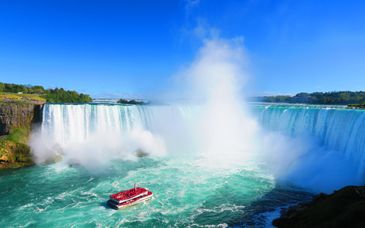

Table of contents
Toronto beckons travellers seeking a dynamic urban escape, where glass-and-steel towers frame waterfront promenades, over 180 languages animate bustling markets, and every neighbourhood tells a different story through food, art and architecture. The city's compact geography and excellent public transport mean visitors can pack culture, dining and sightseeing into just a few days without feeling rushed, while its proximity to Niagara Falls and Ontario's wine country opens the door to unforgettable day trips and regional adventures. Whether you crave rooftop cocktails with CN Tower views, dim sum in Chinatown, gallery-hopping in the Distillery District or ferry rides to car-free islands, Toronto delivers a distinctly Canadian blend of cosmopolitan energy and lakeside calm, making it the perfect canvas for a memorable city break that combines iconic landmarks with authentic neighbourhood discoveries.

Perfectly positioned on Toronto's waterfront, the Westin Harbour Castle Hotel offers sweeping views of Lake Ontario and direct access to the Harbourfront promenade. This contemporary 4-star property combines modern comfort with an unbeatable location—minutes from the CN Tower, Union Station and the Entertainment District. Guests enjoy spacious rooms, on-site dining, a fitness centre and an indoor pool, making it an ideal base for exploring Toronto's top attractions on foot or by streetcar. The hotel's proximity to ferry terminals also makes day trips to the Toronto Islands effortless.
What we love: Waterfront setting with panoramic lake views, walkable access to the CN Tower and Harbourfront, and excellent facilities for families and couples alike.

This thoughtfully curated package pairs the energy of downtown Toronto with the tranquil charm of Niagara-on-the-Lake, Ontario's prettiest wine village. Spend your first nights exploring Toronto's vibrant neighbourhoods, CN Tower and Distillery District, then retreat to boutique 4-star accommodation in Niagara-on-the-Lake for vineyard tours, historic streetscapes and easy access to Niagara Falls. The combination offers the best of both worlds: urban excitement and countryside relaxation, all within a short drive along the scenic Niagara Parkway.
What we love: The perfect blend of city buzz and wine-country calm, with seamless logistics and hand-picked hotels in both destinations.

For travellers eager to extend their Toronto city break into a grand Eastern Canada adventure, this self-drive tour delivers an unforgettable multi-city experience. Begin in Toronto with visits to the CN Tower, Kensington Market and a Niagara Falls excursion, then drive east through Ontario's countryside to bilingual Ottawa and French-speaking Québec City, before finishing in cosmopolitan Montréal. The itinerary includes hand-selected 4-star hotels, flexible daily schedules and insider route suggestions, giving you the freedom to explore at your own pace while enjoying the comfort of pre-arranged accommodation.
What we love: Complete flexibility, iconic cities and the romance of the open road through Canada's most scenic provinces.

Travel in comfort and style aboard VIA Rail's scenic routes with this expertly planned train tour linking Toronto, Ottawa, Montréal and Québec City. Perfect for those who prefer to sit back and watch the landscape unfold, the journey includes reserved seating, central-station departures and carefully chosen hotels in each city. You'll experience Toronto's urban energy, Ottawa's national monuments, Montréal's European flair and Québec's old-world charm—all without the stress of driving or navigating unfamiliar roads. Ideal for couples, solo travellers and anyone seeking a relaxed, eco-friendly way to discover Eastern Canada.
What we love: Stress-free rail travel, panoramic views and the romance of classic train journeys through Canada's heartland.
Toronto distinguishes itself as one of the world's most multicultural cities, where over 180 languages animate streets and every neighbourhood offers a distinct cultural flavour, from the dim sum parlours of Chinatown to the espresso bars of Little Italy, from the global street food stalls of Kensington Market to the artisan vendors at St. Lawrence Market. The culinary scene alone justifies a visit: Michelin-worthy tasting menus sit alongside authentic family-run eateries, craft-beer breweries share blocks with third-wave coffee roasters, and food trucks serve everything from Korean tacos to Portuguese custard tarts. Beyond gastronomy, Toronto's walkable downtown core packs world-class museums—the Royal Ontario Museum, Art Gallery of Ontario—minutes from lively entertainment districts, Victorian brick facades beside glass-and-steel skyscrapers, and creative energy spilling from Graffiti Alley, indie boutiques on Queen West and live-music venues along King Street. Excellent public transport (streetcars, subway, bike-share) connects every corner, letting visitors pack culture, dining and sightseeing into 2–4 days without feeling rushed or overwhelmed by logistics.
Late spring (May–June) and early autumn (September–October) deliver Toronto's most pleasant weather—mild temperatures between 15–25°C, lower humidity, and vibrant spring blooms or autumn foliage—making them ideal for walking tours, outdoor festivals and patio dining. Summer (July–August) brings peak season: warm, sunny days, the Toronto International Film Festival (TIFF) in September, Pride celebrations in June and Harbourfront concerts, though hotel rates and flight prices climb accordingly. Winter (December–March) means snow, freezing temperatures and shorter days, yet the season charms with festive Christmas markets in the Distillery District, ice skating at Nathan Phillips Square and fewer crowds at major attractions—plus the chance to experience Toronto's cosy side, from hot chocolate in Victorian cafés to underground PATH shopping. Shoulder months (April, November) can be unpredictable—rain, grey skies, fluctuating temperatures—but offer excellent hotel deals and quieter streets. Check the festival calendar before booking: TIFF, summer music festivals and holiday markets draw visitors, so reserve accommodation early if your dates overlap.
Families benefit from Toronto's child-friendly attractions—Ripley's Aquarium of Canada, the Toronto Zoo, Ontario Science Centre, ferry rides to the Toronto Islands and Centreville Amusement Park—paired with safe, walkable streets and abundant green spaces. Couples find romance in waterfront strolls, rooftop bars offering CN Tower views, intimate dinners in the Distillery District's cobbled lanes and boutique shopping along Queen West, all wrapped in a cosmopolitan yet relaxed atmosphere. Foodies rank Toronto among North America's culinary capitals: the city delivers Michelin-worthy tasting menus, vibrant food markets (St. Lawrence, Kensington), authentic global cuisines in every neighbourhood and a thriving craft-beer and cocktail scene. First-time Canada visitors often choose Toronto as their gateway: the city is well connected by air, offers iconic Canadian experiences (CN Tower, Niagara Falls day trip) and serves as a launchpad for exploring Ontario or taking the train to Montréal and Ottawa. Toronto's diversity, safety, ease of navigation and English-speaking majority make it welcoming for solo travellers, seniors and international guests arriving from Europe, Asia or beyond.
A packed 2-day Toronto itinerary begins Day 1 morning at the CN Tower: arrive early for sunrise or first-entry tickets to avoid queues, spend 1–2 hours on the observation deck and glass floor, then walk south to Harbourfront for lakeside coffee and a promenade stroll. Afternoon: lunch at St. Lawrence Market (Saturday offers the best vendor selection), then explore the Distillery District's cobbled lanes, galleries and craft-spirit tastings. Evening: dinner and cocktails on King Street East. Day 2 morning: brunch in Kensington Market, wandering vintage shops, record stores and global food stalls. Afternoon: walk west to Chinatown and the Art Gallery of Ontario (AGO); detour to Graffiti Alley for street-art photos. Evening: sunset at Harbourfront or a harbour cruise. This loop is walkable or connected by short streetcar hops; book CN Tower and AGO tickets online to save queuing time. Guests staying at the Westin Harbour Castle Hotel enjoy a perfect central base, with the tower, market and waterfront all within a 15-minute walk.
Expand the 48-hour itinerary into a 3-day plan by dedicating Day 1 to the highlights loop (CN Tower, Harbourfront, Distillery District). Day 2 morning: visit a museum—Royal Ontario Museum or AGO—then spend the afternoon exploring Queen West's indie boutiques, Trinity Bellwoods Park and street art. Evening: dinner in Little Italy or a show in the Entertainment District. Day 3: take a full-day trip to Niagara Falls (see transport options below)—depart early (7–8 a.m.), spend 4–5 hours at the falls (boat tour, Journey Behind the Falls, lunch with a view), return to Toronto by evening. Alternatively, swap Niagara for a relaxed day on the Toronto Islands: ferry from Jack Layton Terminal, bike hire, beach time and skyline views. Three days gives breathing room to enjoy sit-down meals, browse markets and experience Toronto's neighbourhoods without rushing. Readers extending their stay can explore the Toronto & Niagara-on-the-Lake package for a seamless city-and-wine-country combination.
A leisurely 4-day itinerary allows deeper cultural immersion and green-space exploration. Day 1: arrive, settle in, evening stroll along Harbourfront or the Distillery District. Day 2: morning at the Royal Ontario Museum (world-class collections, 2–3 hours), lunch in Yorkville's upscale cafés, afternoon at the Art Gallery of Ontario, evening in Kensington Market or Chinatown. Day 3: full day on the Toronto Islands—ferry, bike hire, Centreville Amusement Park (if travelling with children), picnic on Ward's Island beach, sunset skyline photos. Day 4: slow neighbourhood exploration—brunch on Queen West, vintage shopping, Trinity Bellwoods Park, then head north to the Annex or Leslieville. Alternatively, take a half-day trip to the Distillery District for guided whisky or craft-beer tasting, or book a food tour through St. Lawrence and Kensington markets. Four days allows spontaneous discoveries—pop-up markets, live music, a Blue Jays game at Rogers Centre—without sacrificing relaxation. Travellers seeking a longer, multi-city experience can consider the Self-drive Tour of Toronto, Quebec and Montreal.
Toronto's downtown core and Entertainment District form the natural starting point for any city break. The CN Tower remains the city's most iconic landmark—ascend 553 metres for 360-degree views, dine in the revolving restaurant or brave the EdgeWalk (a hands-free walk around the tower's exterior ledge at 356 metres). Directly below, Ripley's Aquarium of Canada captivates families with walk-through tunnels, touch tanks and daily dive shows. The Harbourfront promenade serves as a year-round destination: summer concerts, winter ice rinks, waterfront cafés and the departure point for Toronto Islands ferries. Nearby attractions include Rogers Centre (home of the Blue Jays), Scotiabank Arena (Raptors, Maple Leafs, concerts) and the PATH—an underground network of shops and restaurants perfect for rainy or freezing days. This area is walkable, well served by Union Station (subway, GO Transit, VIA Rail) and packed with hotels, making it the most convenient base for first-time visitors. Readers can find excellent waterfront accommodation such as the Westin Harbour Castle Hotel.
The Distillery District ranks as Toronto's most photogenic neighbourhood: a pedestrian-only enclave of Victorian-era brick buildings that once housed the Gooderham and Worts distillery, now transformed into galleries, design studios, craft-spirit bars and artisan chocolatiers. Visit in the afternoon for gallery-hopping and shopping, then stay for dinner at one of the district's farm-to-table restaurants or rooftop patios. Seasonal highlights include the Christmas Market (November–December) and summer open-air concerts. King Street East runs west from the Distillery into the Entertainment District, lined with cocktail bars, live-music venues and late-night eateries—ideal for couples and nightlife seekers. King Street West (near Spadina) is the heart of Toronto's theatre scene, with the Royal Alexandra, Princess of Wales and TIFF Bell Lightbox cinemas. This area comes alive after dark, offering everything from speakeasy-style cocktail lounges to comedy clubs and jazz bars. Book evening tickets early, especially during TIFF (September) or theatre season (autumn–spring).
Kensington Market pulses as Toronto's most eclectic, bohemian neighbourhood—a maze of narrow streets crammed with vintage clothing stores, record shops, global food stalls (Jamaican patties, Mexican tacos, Middle Eastern falafel) and colourful murals. Visit on a Sunday afternoon when Pedestrian Sundays close streets to cars, creating a festival atmosphere with buskers and pop-up vendors. Chinatown (Spadina Avenue) sits immediately east, offering dim sum parlours, bubble-tea cafés, herbalists and late-night noodle joints—perfect for budget-friendly, authentic meals. Queen West (from University Avenue to Ossington) runs as Toronto's creative corridor: indie boutiques, contemporary art galleries, brunch spots and the iconic Graffiti Alley (Rush Lane). Trinity Bellwoods Park serves as a local hangout for picnics and people-watching. These three neighbourhoods reward foot exploration, ideally over a half-day, offering Toronto's most authentic street life far from corporate towers. This area is a foodie paradise and a must for anyone seeking Instagram-worthy backdrops and multicultural flavours.
Niagara Falls sits approximately 130 km (80 miles) south of Toronto, reachable in 1.5–2 hours by car via the QEW highway. Driving: hire a car for flexibility; parking is plentiful near the falls (paid lots). Coach tours: many operators offer full-day packages (hotel pick-up, guided commentary, 4–5 hours at the falls, wine-country stop) for around £50–80 per person—convenient and stress-free. Train: GO Transit runs seasonal weekend trains from Union Station to Niagara Falls (summer/autumn only; check schedule); journey time approximately 2 hours, budget-friendly. VIA Rail does not serve Niagara Falls. Depart Toronto by 8 a.m. to maximise time at the falls; must-dos include the Hornblower boat tour (or Maid of the Mist), Journey Behind the Falls and lunch with a falls view. Return by 6–7 p.m. to enjoy dinner back in Toronto. Combining Toronto with Niagara is seamless via packages like Toronto & Niagara-on-the-Lake or the New York, Toronto, Niagara Falls package.
The Toronto Islands offer a peaceful, car-free archipelago just a 15-minute ferry ride from downtown—a favourite escape for locals and visitors seeking beaches, bike trails and postcard skyline views. Ferries depart year-round from the Jack Layton Ferry Terminal (foot of Bay Street, near Union Station) to three main islands: Centre Island (busiest, home to Centreville Amusement Park—ideal for families with young children), Ward's Island (quietest, residential, best for picnics and sunset views) and Hanlan's Point (beach, clothing-optional section, Billy Bishop Airport views). Rent a bike or tandem on Centre Island to explore interconnected paths, or stroll the boardwalks and beaches. The islands are perfect for a half-day trip (3–4 hours) in good weather—pack a picnic, sunscreen and a camera. Ferries run frequently in summer (every 15–30 minutes) but less often in winter; check schedules and buy return tickets online to avoid queues. The islands offer Toronto's best skyline photo opportunities, especially at sunset.
Travellers can extend their Toronto city break into multi-day regional tours via train or car. By train (VIA Rail): Toronto to Ottawa (4.5 hours), Ottawa to Montréal (2 hours), Montréal to Québec City (3 hours)—comfortable, scenic, eco-friendly; book Economy or Business class; consider a rail pass for flexibility. The 6–10 Night Tour: Eastern Canada by Train offers a hassle-free, pre-planned option. By car: self-drive loops offer freedom; popular routes include Toronto ? Niagara-on-the-Lake ? Niagara Falls ? return (2 days), or Toronto ? Kingston ? Thousand Islands ? Ottawa ? Montréal ? return via the St. Lawrence River (5–7 days). The Thousand Islands (near Kingston, 3 hours east) provide a scenic detour: boat cruises, Boldt Castle and charming waterfront villages. Consider the Self-drive Tour of Toronto, Quebec and Montreal or the 9–12 Night Road Trip: Northeastern Canada for expertly planned itineraries with pre-booked hotels.

Toronto rewards every type of traveller with its blend of urban energy, cultural depth and natural beauty—from the soaring heights of the CN Tower to the tranquil shores of the Toronto Islands, from the multicultural buzz of Kensington Market to the Victorian charm of the Distillery District. Whether you spend 2 days hitting the highlights or 4 days exploring at a leisurely pace, the city's walkable neighbourhoods, world-class dining and seamless connections to Niagara Falls ensure a rich, memorable Canadian escape that leaves you eager to return.
Two days covers the main highlights (CN Tower, Harbourfront, Distillery District, Kensington Market), but 3–4 days allows museum visits, neighbourhood exploration, and a Niagara Falls day trip. Four days offers the best balance of sightseeing and relaxation.
Late spring (May–June) and early autumn (September–October) offer mild weather, lower humidity, and vibrant foliage or blooms. Summer (July–August) is warmest and busiest, ideal for festivals. Winter (December–March) brings festive markets and fewer crowds, though temperatures drop below freezing.
Toronto sits mid-range for North American cities. Budget £100–150 per night for central hotels, £30–50 per person for meals, and £20–40 for attraction tickets. Public transport (day pass £10) and free museums on select evenings help manage costs.
Niagara Falls is 130 km south, reachable in 1.5–2 hours by car (QEW highway), coach tour (£50–80, hotel pick-up included), or seasonal GO Transit train (summer/autumn weekends, £15–20 return). Depart by 8 a.m. for a full day.
CN Tower (observation deck, glass floor), Harbourfront promenade, Distillery District (galleries, craft spirits), Kensington Market (vintage shops, street food), St. Lawrence Market, Royal Ontario Museum, Art Gallery of Ontario, and Toronto Islands (ferry, bike trails, skyline views).