9.4/10
- 34 reviews
Exclusive

Our offers
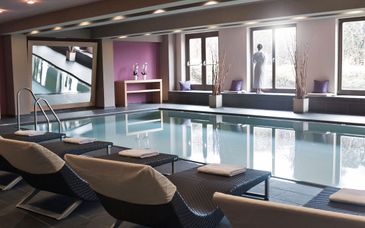
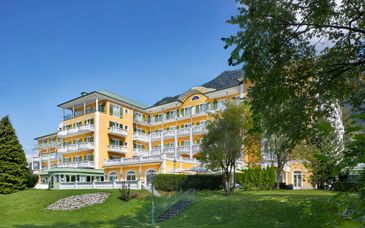
Table of contents
Nestled between alpine peaks and the Salzach River, Salzburg enchants visitors with its UNESCO-listed Old Town, world-renowned musical heritage and baroque splendour. From Mozart’s birthplace on Getreidegasse to the commanding Hohensalzburg Fortress and the manicured Mirabell Gardens, this compact city rewards short stays with rich culture, elegant architecture and easy day trips to shimmering mountain lakes. Whether you're drawn by the Salzburg Festival, Christmas markets or simply the romance of a weekend escape, Salzburg delivers unforgettable experiences. Register with Voyage Privé to unlock exclusive offers on handpicked hotels and make your city break truly exceptional.

Tucked into a beautifully restored 14th-century building in the heart of Salzburg’s Old Town, Hotel Goldgasse offers boutique charm just steps from Getreidegasse and the cathedral. Its intimate rooms blend historic character with modern comfort, making it the perfect base for a cultural city break. The central location means you can explore Mozart sites, baroque squares and riverside cafés on foot, then retreat to a cosy, authentic atmosphere that captures the spirit of old Salzburg.
What we love: The unbeatable Old Town location, historic architecture and walkability to every major sight—ideal for a short, immersive stay.

Just a short stroll from Mirabell Palace and the Old Town, Hotel & Villa Auersperg combines boutique elegance with wellness facilities and organic breakfasts. The spa area offers a tranquil retreat after a day of sightseeing, while the stylish rooms provide a comfortable sanctuary. Its location in a quiet residential neighbourhood ensures peaceful evenings yet keeps you within easy walking distance of Salzburg’s top attractions, concert halls and riverside promenades.
What we love: The spa access, organic breakfast and perfect balance of central convenience with peaceful surroundings—great for couples seeking relaxation and culture.

Set on the shores of Lake Fuschl, this lakeside castle resort blends five-star luxury with natural beauty, just 30 minutes from Salzburg. Elegant rooms, a world-class spa and gourmet dining create an indulgent retreat, while the proximity to the city makes it easy to combine cultural sightseeing with serene lakeside relaxation. Perfect for travellers who want to experience Salzburg’s highlights and then unwind in a tranquil, alpine setting surrounded by forest and water.
What we love: The fairytale castle setting on Lake Fuschl, luxurious spa and the best of both worlds—city culture and nature escape in one stay.

This spacious resort on the banks of Lake Fuschl offers families and couples a blend of wellness, gourmet dining and lake access, all within easy reach of Salzburg. The extensive spa, indoor and outdoor pools, and direct lake frontage make it a relaxing base, while the short drive to the city allows you to explore Mozart’s birthplace, Hohensalzburg Fortress and the Old Town before returning to peaceful alpine surroundings and sunset views over the water.
What we love: The large spa facilities, lakeside location and flexibility to enjoy both Salzburg’s cultural riches and outdoor relaxation by the water.
Salzburg concentrates world-class sights within an exceptionally walkable UNESCO-listed Old Town, making it perfect for short breaks. Mozart’s birthplace on Getreidegasse invites you into the composer’s childhood apartment, now a museum filled with original instruments, family portraits and manuscripts. Just across the river, Mirabell Gardens dazzle with baroque symmetry, the Pegasus fountain and The Sound of Music fame, offering countless photo opportunities against a backdrop of alpine peaks. Dominating the skyline, Hohensalzburg Fortress rewards a funicular ride with panoramic views over the city’s tiled roofs and church spires, plus medieval state rooms and torture chambers. All three landmarks lie within 20 minutes’ walk or a quick funicular ascent, allowing you to tick off Salzburg’s greatest hits in 48 to 72 hours while still savouring the depth each offers. The compact, pedestrian-friendly streets and riverside setting mean you spend more time exploring culture and less time commuting, ideal for weekend escapes.
Salzburg’s historic centre spans roughly two square kilometres, ensuring every major sight, museum and restaurant sits within comfortable walking range. The Salzach River divides the Old Town on the left bank from the New Town on the right, connected by elegant bridges such as the Makartsteg and Staatsbrücke. Most visitors base themselves on the left bank near Getreidegasse or across the water near Mirabell Palace, placing them minutes from Mozart museums, cathedral squares and the fortress funicular. Cobbled lanes and arcaded courtyards reveal hidden cafés, artisan shops and baroque churches at every turn, rewarding leisurely strolls. Even the airport lies just four kilometres from the centre, reachable in 20 minutes by bus or taxi. This tight geography maximises your sightseeing time, letting you return to your hotel for a rest before heading out to evening concerts or riverside dinners without lengthy commutes, a significant advantage for short city breaks.
Salzburg uniquely marries urban sophistication with mountain drama, framing baroque palaces and concert halls against the Untersberg massif and nearby Salzkammergut lakes. Morning visits to the cathedral, Residenz Palace or DomQuartier museums immerse you in princely splendour and ecclesiastical art, while afternoon excursions to Untersberg cable car or Hellbrunn Palace water gardens place you amid forests, fountains and alpine vistas. The city’s musical heritage—birthplace of Mozart, home of the Salzburg Festival, backdrop to The Sound of Music—adds a living cultural dimension that goes beyond static monuments. Evening concerts in the Felsenreitschule or Mozarteum bring chamber music and opera to life in historic venues. This blend means your city break can shift seamlessly from high culture to outdoor adventure, satisfying diverse interests within a single weekend and offering a richer, more varied experience than purely urban or purely mountain destinations.
Arrive mid-morning and check into a centrally located hotel such as Hotel Goldgasse in the Old Town. Spend your first afternoon exploring Getreidegasse, visiting Mozart’s birthplace and browsing wrought-iron shop signs before crossing the Salzach to stroll Mirabell Gardens and photograph the palace terraces. Evening brings dinner at a traditional Gasthaus followed by a concert at the Mozarteum or Marionette Theatre. On day two, ride the funicular to Hohensalzburg Fortress early to beat crowds, then descend to tour the cathedral, Residenz Palace and DomQuartier museums. Lunch on the Universitätsplatz market square, then walk to Hellbrunn Palace for the trick fountains and park. Conclude with sunset drinks on the Mönchsberg terrace or a river cruise before your departure. This itinerary covers Salzburg’s essential highlights, balances indoor culture with outdoor beauty and fits comfortably into 48 hours without feeling rushed, perfect for a weekend escape.
A third day allows deeper immersion and a half-day excursion. Follow the two-day plan for days one and two, then dedicate day three to either a The Sound of Music tour through the Salzkammergut (visiting Mondsee, St Gilgen and lakeside filming locations) or a trip to the Untersberg cable car for alpine hiking and panoramic views. Alternatively, explore the Museum der Moderne on Mönchsberg, wander the tranquil Nonnberg Abbey grounds and enjoy a leisurely lunch in the Altstadt before an afternoon spa session at Hotel & Villa Auersperg. Evening options include a classical concert, a riverside wine bar or a traditional dinner at Stiftskeller St Peter, Europe’s oldest restaurant. Three days grant time to savour Salzburg’s slower rhythms, discover lesser-known corners and enjoy relaxed mornings without sacrificing major sights, ideal for travellers seeking both cultural depth and alpine ambience.
Salzburg’s central location opens easy access to stunning day trips. Hallstatt, the postcard-perfect lakeside village, lies 90 minutes by car or train, offering salt mine tours, a charming market square and boat rides on Lake Hallstatt. Berchtesgaden and the Eagle’s Nest in Germany sit 30 minutes south, combining mountain scenery with historical interest. Closer still, Lake Fuschl and Lake Wolfgang provide serene lakeside walks, boat trips and opportunities to visit villages such as St Wolfgang or St Gilgen, Mozart’s mother’s birthplace. For spa enthusiasts, Bad Ischl and Bad Gastein deliver thermal waters and belle époque elegance within an hour’s drive. These excursions complement urban sightseeing, letting you experience the alpine lakes, mountain panoramas and spa culture that define the broader Salzburg region, enriching your city break with diverse landscapes and activities beyond the historic centre.
July and August bring the world-renowned Salzburg Festival, transforming the city into a global stage for opera, drama and classical music. Hotels fill with culture lovers, concert tickets sell out months ahead and the Old Town buzzes with open-air performances, late-night cafés and festival crowds. Prices peak and advance booking becomes essential, yet the atmosphere remains electric and unforgettable. December ushers in equally popular Christmas markets on Domplatz, Residenzplatz and Mirabell Gardens, where wooden chalets sell handcrafted ornaments, mulled wine and gingerbread against a backdrop of twinkling lights and baroque architecture. Snow often dusts the fortress and surrounding peaks, adding fairytale charm. Both periods deliver Salzburg at its most vibrant and photogenic, justifying the premium rates and crowds for travellers who prioritise cultural events, festive ambience and the chance to experience the city’s traditions at their zenith.
April to June and September to October offer milder weather, fewer tourists and more competitive hotel rates, making them ideal for city breaks focused on sightseeing rather than festivals. Spring brings blooming gardens at Mirabell and Hellbrunn, longer daylight hours and comfortable temperatures for walking tours and outdoor cafés. Autumn paints the surrounding hills in gold and russet, delivers crisp, clear skies perfect for fortress panoramas and sees the start of the concert season without festival crowds. Museums, palaces and restaurants operate full schedules yet remain easier to visit spontaneously. Shoulder seasons also coincide with lower airfares and hotel availability, allowing you to secure prime Old Town accommodation or lakeside resorts such as Schloss Fuschl at more accessible prices, maximising value without sacrificing the quality of your experience.
January through March, excluding Christmas and New Year, sees the quietest visitor numbers and the lowest accommodation prices, appealing to travellers seeking tranquillity and budget savings. While some outdoor attractions such as Hellbrunn’s fountains close for winter, core sights—Mozart museums, Hohensalzburg Fortress, cathedral, Residenz—remain open and crowd-free, allowing unhurried visits and better photo opportunities. Snow-capped peaks provide a dramatic backdrop, and cosy coffee houses, hearty Austrian cuisine and spa hotels such as Arabella Jagdhof Resort on Lake Fuschl offer warm retreats. Concert schedules continue, and the Mozarteum hosts chamber music and recitals throughout winter. Off-season travel suits flexible itineraries, culture-focused visitors and those who value peaceful exploration over bustling festival energy, delivering an intimate Salzburg experience at a fraction of high-season costs.
Salzburg Airport (W. A. Mozart Airport) lies just four kilometres west of the city centre, served by direct flights from London, major European hubs and seasonal connections. Budget and legacy carriers operate frequent services, making weekend city breaks highly accessible. From the terminal, the Obus 2 trolleybus reaches the Old Town in 20 minutes for a few euros, while taxis and ride-hail services cost around €15 to €20 and take 15 minutes. Many hotels, including Hotel & Villa Auersperg, offer airport shuttle services or arrange private transfers. For lakeside stays such as Schloss Fuschl, pre-booking a transfer ensures a seamless 30-minute journey. Alternatively, Munich Airport, 150 kilometres north, provides a wider range of international flights, with direct coaches and trains connecting to Salzburg in under two hours, offering flexibility for travellers combining Austrian and Bavarian destinations.
Salzburg’s compact centre makes walking the primary mode of transport, yet the Obus trolleybus network and city buses provide efficient connections to outlying attractions, the airport and lakeside areas. A 24-hour pass covers unlimited travel and costs under €6, excellent value for visiting Hellbrunn Palace, Untersberg cable car or Hangar-7. Buses run frequently, stops are clearly marked and routes are easy to navigate using the Salzburg Verkehr app. The funicular to Hohensalzburg Fortress operates year-round, saving the steep climb and is included in some museum passes. For evening concerts or restaurants beyond the Old Town, taxis and ride-hail services are readily available and affordable for short hops. Most hotels provide free or discounted public transport cards to guests, further reducing costs. Overall, Salzburg’s transport infrastructure supports effortless mobility, letting you maximise sightseeing time and explore beyond the pedestrian zone without the hassle of car hire or parking.
Hiring a car makes sense for travellers planning multiple day trips to the Salzkammergut lakes, Berchtesgaden or spa towns such as Bad Ischl. Major rental agencies operate at the airport and train station, offering competitive rates for weekend hire. Salzburg’s Old Town is largely pedestrianised, so hotel parking (often paid) or public car parks on the perimeter become necessary. Driving to Hallstatt, Lake Fuschl or Lake Wolfgang takes 60 to 90 minutes, providing flexibility to explore lakeside villages and alpine viewpoints at your own pace. Austrian motorways require a vignette (toll sticker), available at border crossings, petrol stations and rental desks. For those staying at lakeside resorts such as Arabella Jagdhof Resort, a car simplifies the commute to Salzburg’s city centre and opens access to hiking trailheads and thermal baths, enhancing the blend of urban and natural experiences.
Staying in the Altstadt places you steps from Getreidegasse, the cathedral, Mozart museums and riverside promenades, ideal for immersive short breaks. Boutique properties such as Hotel Goldgasse blend historic charm with modern amenities, offering atmospheric rooms in centuries-old buildings where cobbled courtyards and vaulted ceilings transport you to baroque Salzburg. Expect higher nightly rates offset by unbeatable walkability, early-morning photo opportunities before tour groups arrive and immediate access to cafés, restaurants and evening concerts. Many Old Town hotels occupy protected buildings, meaning compact rooms and steep staircases, yet the authentic character and central location more than compensate. For travellers prioritising culture, sightseeing efficiency and the romance of sleeping within a UNESCO World Heritage Site, Old Town accommodation delivers an unmatched city break experience.
Across the Salzach, the New Town around Mirabell Palace offers quieter, more residential surroundings with equally convenient access to attractions. Hotels such as Hotel & Villa Auersperg combine boutique style with wellness facilities, organic breakfasts and peaceful courtyards, perfect for couples seeking relaxation alongside culture. The neighbourhood features tree-lined streets, local bakeries and the Mirabell Gardens on your doorstep, yet remains a five-minute walk from the Old Town via footbridges. Rates tend to run slightly lower than Altstadt hotels, and rooms are often larger and quieter. The New Town also hosts the Mozarteum concert hall, the Landestheater and several excellent restaurants, making it a well-rounded base. For travellers who value tranquillity, spa access and a short commute to major sights, this area strikes an appealing balance between convenience and calm.
For those seeking a blend of city culture and alpine relaxation, lakeside resorts within 30 minutes of Salzburg offer five-star comfort, spa facilities and natural beauty. Schloss Fuschl on Lake Fuschl combines castle elegance with gourmet dining, wellness treatments and private lake access, while Arabella Jagdhof Resort delivers spacious rooms, indoor and outdoor pools and sunset terraces overlooking the water. These properties suit travellers who prefer a serene retreat after a day exploring Salzburg’s museums and concert halls, offering the best of both worlds. Morning hikes, boat trips and lakeside picnics complement afternoon sightseeing in the Old Town, while evenings end with spa sessions and alpine views. A hire car or pre-arranged transfers simplify commuting, and many resorts provide concierge services to book concert tickets and city tours, ensuring a seamless, luxurious city break experience.
Mid-range hotels in Salzburg’s centre average €120 to €180 per night, while boutique properties such as Hotel Goldgasse or Hotel & Villa Auersperg range from €150 to €250. Lakeside five-star resorts such as Schloss Fuschl start around €300 per night. Meals run €12 to €18 for lunch at a café, €25 to €40 for dinner at a traditional Gasthaus and €50+ for fine dining. A coffee and pastry costs €5 to €7, while a glass of Austrian wine averages €4 to €6. Major attractions charge €10 to €15 per person—Hohensalzburg Fortress €12, Mozart’s birthplace €13, DomQuartier €14—with combination passes offering modest savings. Budget €50 to €80 per person per day for meals and sightseeing, plus accommodation. Concert tickets range from €20 for standing room to €100+ for premium opera seats during the Salzburg Festival. Overall, a weekend city break for two totals €600 to €1,200, excluding flights, with luxury stays and festival periods pushing costs higher.
The Salzburg Card grants free admission to most museums, palaces and attractions, plus unlimited public transport, making it worthwhile for intensive sightseeing. Available for 24, 48 or 72 hours (€29, €38, €45 respectively), the card covers Hohensalzburg Fortress, Mozart museums, Residenz Palace, Hellbrunn Palace, the DomQuartier, Museum der Moderne and more, saving €20 to €40 over paying individual entries. It also includes river cruises and discounts on concerts and tours. Families benefit from children’s cards priced at roughly half the adult rate. Some hotels provide the card free to guests, so confirm before purchasing. For travellers planning to visit four or more attractions plus use public transport, the Salzburg Card delivers clear value and convenience, eliminating queues at ticket offices and simplifying budgeting. Alternatively, combination tickets for specific clusters—Mozart museums plus fortress—offer targeted savings for shorter stays or focused itineraries.
Many of Salzburg’s pleasures cost nothing. Strolling Getreidegasse, admiring wrought-iron shop signs and photographing the Old Town’s baroque facades requires no admission fee. Mirabell Gardens remain open year-round at no charge, offering manicured parterres, the Pegasus fountain and alpine views. The Kapitelplatz and Domplatz host free outdoor concerts and markets, while Sunday mass at the cathedral features magnificent organ music in a stunning setting. Walking the Mönchsberg trails provides forest paths and panoramic viewpoints above the city for free, with only the Museum der Moderne charging entry. The Salzach riverbanks invite leisurely walks, picnics and sunset watching, and many churches—Franziskanerkirche, Kollegienkirche—welcome visitors at no cost. Weekly classical concerts at the Mozarteum or university offer affordable tickets under €20, and bakery lunches or market snacks keep meal costs low. These free and budget-friendly options ensure Salzburg remains accessible to all travellers, letting you enjoy the city’s beauty and culture without overspending.
German is Salzburg’s official language, yet English is widely spoken in hotels, restaurants and tourist attractions, making communication straightforward for international visitors. Menus, museum signage and transport apps often feature English versions. Austria uses the euro, and credit cards are accepted in most establishments, though carrying cash for small purchases, market stalls and tips remains advisable. Tipping customs call for rounding up café bills or adding 5 to 10 per cent in restaurants—simply state the total you wish to pay when settling. Taxi drivers appreciate rounding to the nearest euro, and hotel porters €1 to €2 per bag. Service charges are included in bills, so tipping reflects satisfaction rather than obligation. ATMs are plentiful in the city centre, and exchange rates at banks typically beat airport kiosks. Understanding these basics ensures smooth transactions and respectful interactions throughout your city break.
Salzburg ranks among Europe’s safest cities, with low crime rates and a visible police presence in tourist areas. Petty theft can occur in crowded markets or public transport, so keep valuables secure and remain aware in busy spots. Emergency services dial 112, and English-speaking operators assist. Austria’s healthcare standards are excellent; EU citizens should carry a European Health Insurance Card for reduced-cost treatment, while non-EU travellers require comprehensive travel insurance covering medical expenses, trip cancellations and lost luggage. Pharmacies (Apotheke) stock over-the-counter medications and offer advice, and many staff speak English. Tap water is safe and delicious, sourced from alpine springs. No vaccinations are required for travel to Austria. Travel insurance also protects against disruptions such as flight delays or missed connections, particularly valuable during winter when weather can affect alpine transport, ensuring peace of mind and financial security throughout your city break.
Pack layers to accommodate Salzburg’s variable weather and indoor-outdoor itinerary. Comfortable walking shoes are essential for cobbled streets, fortress climbs and museum tours; stylish but supportive footwear works for both sightseeing and evening concerts. Spring and autumn require a light waterproof jacket, while summer needs sun protection—hat, sunglasses, sunscreen—and winter demands a warm coat, gloves and scarf. A small daypack carries water, camera, guidebook and layers. Smart-casual attire suits restaurants and concert halls; Austrians dress well for cultural events, so a collared shirt or dress elevates the experience. Adapters for European sockets (Type F) charge devices, and a portable power bank keeps phones ready for navigation and photos. Bring a reusable water bottle to refill from fountains, and a compact umbrella for sudden showers. If staying at spa hotels such as Hotel & Villa Auersperg, swimwear and flip-flops are useful. These essentials ensure comfort, preparedness and the flexibility to enjoy every facet of your Salzburg city break.
Salzburg rewards short breaks with a rare blend of cultural depth, architectural beauty and alpine proximity, all wrapped in a compact, walkable city centre. From Mozart’s legacy and baroque palaces to mountain vistas and serene lakeside retreats, every element combines to create a memorable escape. Whether you choose an intimate Old Town hotel, a wellness-focused New Town boutique or a luxurious lakeside resort, the city’s treasures lie within easy reach, ready to enchant and inspire. Register with Voyage Privé to access exclusive offers and handpicked accommodation, ensuring your Salzburg city break delivers exceptional value and unforgettable experiences.
Two to three days is ideal for a Salzburg city break, allowing time to visit major sights such as Mozart's birthplace, Hohensalzburg Fortress, Mirabell Gardens and the cathedral, plus a half-day excursion to nearby lakes or mountains. A long weekend offers a relaxed pace without feeling rushed, balancing culture, dining and optional spa time or concerts.
Summer (July-August) brings the Salzburg Festival and warm weather, while December offers magical Christmas markets. Shoulder seasons (April-June, September-October) deliver fewer crowds, pleasant temperatures and better hotel rates, making them ideal for sightseeing-focused city breaks. Winter (January-March) is quietest and most budget-friendly.
Salzburg Airport lies four kilometres from the Old Town. The Obus 2 trolleybus reaches the centre in 20 minutes for a few euros, while taxis cost €15 to €20 and take 15 minutes. Many hotels offer shuttle services or arrange transfers, and rental cars are available at the terminal.
Yes, if you plan to visit four or more attractions and use public transport. The card grants free admission to major museums, palaces and Hohensalzburg Fortress, plus unlimited buses, saving €20 to €40 over individual tickets. Available for 24, 48 or 72 hours, it also includes river cruises and concert discounts.
Absolutely. Hallstatt, Berchtesgaden, Fuschlsee and Wolfgangsee all lie within 60 to 90 minutes by car or public transport, offering alpine scenery, lakeside villages and outdoor activities. Organised tours simplify logistics, or hire a car for flexible exploration. These excursions enrich your city break with natural beauty and regional culture.
Bring comfortable walking shoes for cobbled streets, layers for variable weather, a waterproof jacket and smart-casual attire for restaurants and concerts. A daypack, adapter for European sockets, reusable water bottle and camera are essential. In winter, add a warm coat, gloves and scarf; in summer, sun protection.
Stay in the Old Town for maximum convenience and atmosphere, or choose the New Town near Mirabell Palace for quieter surroundings with spa hotels and easy access to sights. Lakeside resorts such as Schloss Fuschl or Arabella Jagdhof Resort offer luxury, wellness and nature, ideal for combining city culture with alpine relaxation.
Mid-range hotels cost €120 to €180 per night, meals €12 to €40 depending on venue, and attractions €10 to €15 each. Budget €50 to €80 per person per day for meals and sightseeing, plus accommodation. A weekend for two totals €600 to €1,200 excluding flights, with luxury stays and festival periods increasing costs.
No, English is widely spoken in hotels, restaurants and tourist attractions. Menus and museum signage often feature English, and transport apps provide translations. Learning a few German courtesies (Guten Tag, Danke) is appreciated but not essential for navigating the city.
Hohensalzburg Fortress, Mozart's birthplace on Getreidegasse, Mirabell Gardens, Salzburg Cathedral and the DomQuartier museums top the list. Hellbrunn Palace, the Salzach riverside and the Museum der Moderne on Mönchsberg add variety. All lie within walking distance or a short funicular ride, perfect for a short city break.