New
Exclusive

Our offers
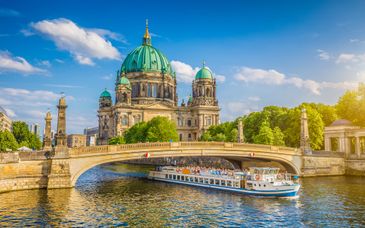


Table of contents
Germany is a treasure trove for short-break travellers, blending world-class museums, historic landmarks, and lively food and beer culture into compact, walkable cities. Whether you're drawn to Berlin's cutting-edge galleries and poignant memorials, Munich's Bavarian charm and beer gardens, or the romantic Rhine towns decked in Christmas lights, a city break in Germany delivers rich experiences in just 48–72 hours. Sign up today to unlock exclusive offers on handpicked hotels and make your German escape truly exceptional.

Contemporary hotel in Friedrichshain with a rooftop sauna and easy access to Berlin attractions and nightlife. Perfect for exploring the East Side Gallery, Museum Island, and the city's legendary club scene, Sly Berlin combines modern design with a central location. Ideal for couples and culture seekers looking for a stylish base in the German capital.
What we love: The rooftop sauna with panoramic city views and the hotel's proximity to Berlin's best bars, galleries, and historic sites.

Discover the beauty of Munich, including the Olympic Park, Marienplatz, Nymphenburg Palace, and the English Garden. Match tickets at the Allianz Arena are included. This package is perfect for football fans and culture lovers alike, combining sightseeing with an unforgettable live match experience at one of Europe's most iconic stadiums.
What we love: The unique blend of Bavarian culture, world-class football, and easy access to Munich's top attractions—all in one seamless package.

City-centre stay with cathedral views, an indoor pool, and easy access to Cologne Cathedral and the Rhine promenade. The Maritim Hotel Köln places you steps from Germany's most visited landmark and the charming Old Town. After a day exploring galleries and Christmas markets, unwind in the hotel's wellness facilities.
What we love: Waking up to views of the magnificent Cologne Cathedral and enjoying a relaxing swim in the indoor pool after sightseeing.

Luxury JW Marriott in central Berlin with a spa, indoor pool, and proximity to major sights. This five-star hotel offers refined elegance and world-class service, making it the perfect choice for couples seeking a premium city break in Germany. Explore the Brandenburg Gate, Reichstag, and Museum Island, then return to unwind in the hotel's tranquil spa.
What we love: The combination of luxury amenities, central location, and impeccable service—ideal for a romantic or indulgent weekend escape.
Berlin is the ultimate destination for a city break in Germany, offering a compelling mix of history, art, and nightlife. Start at the Brandenburg Gate and Reichstag, then delve into the city's complex past at the Berlin Wall Memorial and Checkpoint Charlie. Museum Island, a UNESCO World Heritage Site, houses five world-class museums, including the Pergamon and Neues Museum. Don't miss the East Side Gallery, a 1.3-kilometre stretch of the Berlin Wall transformed into an open-air gallery featuring murals by international artists. Stroll through the trendy neighbourhoods of Kreuzberg and Friedrichshain for vintage shops, street art, and buzzing cafés. In the evening, explore Berlin's legendary nightlife or enjoy a sunset drink at a rooftop bar. With excellent public transport and compact central districts, Berlin is perfect for a 48-hour adventure.
Munich blends Bavarian tradition with cosmopolitan flair, making it one of the best city breaks in Germany. Begin at Marienplatz, the heart of the Old Town, where the neo-Gothic New Town Hall's Glockenspiel chimes daily. Wander through the Viktualienmarkt, a lively food market brimming with local produce, cheeses, and sausages. The English Garden, one of the world's largest urban parks, is perfect for a leisurely stroll or watching surfers ride the Eisbach wave. Beer culture is central to Munich life—visit a traditional beer garden like the Hofbräuhaus or Augustiner-Bräu to sample Bavarian brews and hearty pretzels. Art lovers should explore the Alte Pinakothek and Neue Pinakothek galleries. Munich's compact centre and efficient U-Bahn make it easy to pack in culture, history, and Bavarian hospitality in just two days.
Cologne and Düsseldorf, both on the Rhine, are ideal for a short break in Germany, especially if you're flying into the region. Cologne's skyline is dominated by its magnificent Gothic Cathedral (Kölner Dom), a UNESCO World Heritage Site and Germany's most visited landmark. Climb the 533 steps for panoramic views, then explore the charming Old Town (Altstadt) with its colourful houses and traditional breweries serving Kölsch beer. The Rhine promenade is perfect for a sunset stroll. Just 40 minutes north by train, Düsseldorf offers a sleek, modern contrast with its fashion boutiques along Königsallee and a thriving contemporary art scene—visit the K20 and K21 galleries for cutting-edge exhibitions. Düsseldorf's Altstadt, known as the longest bar in the world, boasts over 260 pubs and restaurants in a single square kilometre, making it a paradise for food and drink enthusiasts.
Spring (April to June) and autumn (September to October) are the best times for a city break in Germany. Temperatures hover between 15°C and 22°C, perfect for walking tours and outdoor exploration without the summer heat. Berlin's parks burst into bloom in spring, while Munich's beer gardens come alive with locals enjoying the milder weather. Autumn brings golden foliage to the English Garden and the Rhine valley, creating stunning backdrops for photography. Fewer tourists mean shorter queues at major attractions like Museum Island and the Cologne Cathedral. Hotel rates drop outside peak summer months, offering better value for premium properties. Spring festivals, including May Day celebrations and Oktoberfest (late September to early October), add cultural richness to your visit. Pack layers for unpredictable weather, but enjoy the advantages of shoulder-season travel: authentic local experiences, comfortable sightseeing conditions, and excellent availability at top restaurants and hotels across Germany's most exciting cities.
Winter transforms German cities into enchanting wonderlands, making December an exceptional time for a city break in Germany. Christmas markets (Weihnachtsmärkte) are the main attraction, with Nuremberg, Dresden, and Cologne hosting some of Europe's most famous. Sip Glühwein (mulled wine) while browsing handcrafted ornaments, gingerbread, and roasted chestnuts. Berlin's Gendarmenmarkt market is particularly atmospheric, set between stunning twin cathedrals. Munich's Christkindlmarkt at Marienplatz radiates Bavarian charm with traditional crafts and live music. Cities are illuminated with twinkling lights, and ice-skating rinks appear in central squares. While temperatures can drop below freezing, the festive spirit and cosy indoor attractions—museums, galleries, historic beer halls—keep visitors warm and entertained. Book accommodation early, as December is peak season for city breaks. January and February offer quieter streets and lower prices, with the added bonus of winter sales in fashion-forward cities like Düsseldorf and Hamburg.
Germany's excellent air connectivity makes it one of the easiest destinations for a city break from the UK. Direct flights depart from London, Manchester, Edinburgh, and other major UK airports to German hubs including Berlin, Munich, Frankfurt, Hamburg, Düsseldorf, and Cologne. Flight times range from 90 minutes to two hours, making Germany perfect for weekend escapes. Budget carriers and full-service airlines offer multiple daily departures, giving travellers flexibility in scheduling. Berlin Brandenburg Airport and Munich Airport are well-connected to city centres via fast trains and buses, with journey times under 45 minutes. Frankfurt Airport is one of Europe's largest hubs, ideal for onward connections or exploring the Main valley. Book in advance for the best fares, particularly during peak travel periods like Christmas markets and Oktoberfest. Many German airports feature efficient security and immigration, minimising transit time. Consider flying into one city and out of another to maximise your itinerary—for example, arrive in Berlin and depart from Munich after exploring both cities.
Germany's Deutsche Bahn (DB) network is renowned for speed, punctuality, and comfort, making inter-city travel seamless during a multi-city break. High-speed ICE (InterCity Express) trains connect major destinations at up to 320 km/h, reducing travel times between cities. Berlin to Munich takes just four hours, while Cologne to Frankfurt is under 70 minutes. Modern carriages offer spacious seating, free Wi-Fi, power outlets, and onboard bistros serving snacks and beverages. Regional trains (RE and RB) link smaller cities and towns, perfect for day trips to Heidelberg, Rothenburg ob der Tauber, or Potsdam. Purchase tickets online via the DB Navigator app or website, often at discounted advance rates. Germany's central location also makes it easy to combine your city break with visits to neighbouring countries—Amsterdam, Prague, and Paris are all accessible by direct train. Validate tickets before boarding and keep them handy for inspection. Train stations are centrally located, placing you steps from hotels and attractions upon arrival.
Start your Berlin city break at the Brandenburg Gate, then walk to the nearby Reichstag for panoramic views from the glass dome (book ahead). Spend the afternoon at Museum Island, focusing on the Pergamon Museum or Neues Museum to see the bust of Nefertiti. Stroll along Unter den Linden boulevard, stopping at Checkpoint Charlie and the Topography of Terror exhibition. Day two begins at the East Side Gallery, where international artists have transformed a remaining section of the Berlin Wall into a colourful open-air gallery. Explore Kreuzberg for brunch at a trendy café, then visit the Jewish Museum or Berlin Wall Memorial for deeper historical context. In the evening, experience Berlin's legendary nightlife in Friedrichshain or catch a performance at the Berliner Philharmonie. End your weekend with drinks at a rooftop bar overlooking the city's skyline. Berlin's efficient U-Bahn and S-Bahn networks make navigating between districts effortless, allowing you to pack in culture, history, and contemporary energy in just 48 hours.
Begin your Munich weekend at Marienplatz to watch the Glockenspiel performance at 11 am, then explore the Viktualienmarkt for Bavarian specialities and fresh produce. Visit the Residenz, the former royal palace, to admire opulent interiors and the Treasury's crown jewels. After lunch at a traditional beer hall, head to Nymphenburg Palace, a Baroque masterpiece surrounded by landscaped gardens and ornamental canals. Day two starts with a morning stroll through the English Garden, stopping to watch surfers at the Eisbach wave before settling into a beer garden for pretzels and Weissbier. Spend the afternoon at the Deutsches Museum, one of the world's largest science and technology museums, or explore art at the Pinakothek galleries. In the evening, dine at Hofbräuhaus for live music and hearty Bavarian cuisine, or opt for a refined meal in the Schwabing district. Munich's blend of royal heritage, green spaces, and beer culture creates a city break experience unlike any other in Germany.
Extend your city break in Germany to 72 hours by combining two destinations. Fly into Berlin, spend two days exploring the capital's history, museums, and nightlife, then take a four-hour ICE train to Munich for a full day of Bavarian culture, beer gardens, and palaces. This itinerary offers contrasting experiences: Berlin's edgy, cosmopolitan energy versus Munich's traditional charm and royal grandeur. Alternatively, pair Berlin with Cologne (four-hour train journey) to experience the Rhine valley, Gothic architecture, and Kölsch beer culture. Cologne Cathedral is unmissable, and the city's compact Old Town is perfect for an afternoon of exploration. Another option is Munich and Cologne (four-and-a-half-hour train), allowing you to compare southern and western German cultures. Each pairing delivers diverse architecture, cuisine, and atmosphere within a single long weekend. Book hotels near central train stations for seamless transitions between cities. Germany's efficient rail network and short distances between major hubs make multi-city breaks effortless and rewarding.
Germany's museums rank among the world's finest, making them essential stops on any city break. Berlin's Museum Island houses five institutions, including the Pergamon Museum, home to ancient reconstructions like the Ishtar Gate and Market Gate of Miletus. The Neues Museum displays Egyptian artefacts, including the iconic bust of Nefertiti. In Munich, the Deutsches Museum is a paradise for science and technology enthusiasts, with interactive exhibits spanning aviation, engineering, and space exploration. Art lovers should visit the Alte Pinakothek, showcasing European masterpieces from the 14th to 18th centuries, and the Neue Pinakothek, focusing on 19th-century works. Cologne's Museum Ludwig features modern art, including one of Europe's largest Picasso collections. Hamburg's Kunsthalle spans seven centuries of European painting and sculpture. Many museums offer discounted combination tickets and late-night openings on Thursdays. Plan ahead to avoid queues at popular sites, particularly during summer and holiday periods. Germany's museum landscape is vast and varied, ensuring every visitor finds exhibitions to match their interests.
Beer culture is central to the German experience, offering more than just a drink—it's a social ritual steeped in tradition. Munich's beer gardens, like Augustiner-Bräu and Hirschgarten, welcome visitors to long communal tables under chestnut trees, serving Maß (litre mugs) of lager alongside pretzels and roasted pork. The Hofbräuhaus, founded in 1589, is a must-visit for its lively atmosphere, oompah bands, and Bavarian fare. In Cologne, the beer of choice is Kölsch, a light, crisp ale served in small 200 ml glasses by tradition. Visit historic breweries like Früh am Dom or Gaffel am Dom near the cathedral for authentic tavern culture. Berlin's beer scene is more diverse, with craft breweries and international styles gaining popularity alongside traditional pilsners. Try a Berliner Weisse, a tart wheat beer often flavoured with raspberry or woodruff syrup. Many beer halls and gardens allow guests to bring their own food, reflecting Germany's relaxed, communal approach to dining and drinking. Beer culture embodies German hospitality, making it an essential part of any city break.
Germany's Christmas markets are world-famous, transforming city squares into magical winter wonderlands from late November through December. Nuremberg's Christkindlesmarkt is one of the oldest and most atmospheric, with over 180 wooden stalls selling handcrafted ornaments, gingerbread, and roasted almonds. Dresden's Striezelmarkt, dating back to 1434, is equally historic, known for its giant Christmas pyramid and traditional Stollen (fruit bread). In Cologne, multiple markets dot the city, including the romantic market at Cologne Cathedral and a medieval-themed market near the Chocolate Museum. Munich's Christkindlmarkt at Marienplatz radiates Bavarian charm, with wooden chalets offering local crafts, mulled wine, and hearty sausages. Berlin hosts over 80 Christmas markets, from the upscale Gendarmenmarkt market to the bohemian Kreuzberg alternative markets. Sample regional specialities like Glühwein (mulled wine), Lebkuchen (spiced cookies), and Bratwurst. Live music, nativity scenes, and ice-skating rinks add to the festive atmosphere. Christmas markets offer a quintessentially German experience, blending tradition, craftsmanship, and seasonal cheer into an unforgettable city break highlight.
Germany's public transport systems are efficient, punctual, and easy to navigate, making them ideal for city breaks. U-Bahn (underground) and S-Bahn (suburban rail) networks cover major cities like Berlin, Munich, Hamburg, and Frankfurt, connecting central districts, airports, and surrounding suburbs. Trams and buses fill gaps in coverage, ensuring comprehensive access to attractions, hotels, and restaurants. Purchase day passes or multi-day tickets for unlimited travel within designated zones, offering better value than single fares. In Berlin, the AB zone ticket covers most tourist areas, while Munich's inner-zone ticket reaches the English Garden and Marienplatz. Validate tickets before boarding to avoid fines—ticket machines and validators are located at stations and on trams. Mobile apps like DB Navigator and local transport apps provide real-time schedules, route planning, and mobile ticketing. Most systems operate from 4 am to 1 am, with night buses covering late hours. Public transport is clean, safe, and accessible, making it the preferred choice for navigating German cities during your short break.
English is widely spoken in German cities, particularly among younger generations, hospitality staff, and at tourist attractions, making communication straightforward for UK travellers. However, learning a few basic German phrases enhances your experience and demonstrates respect for local culture. Start with Guten Tag (good day), Danke (thank you), Bitte (please/you're welcome), and Entschuldigung (excuse me). In restaurants, Die Speisekarte, bitte (the menu, please) and Die Rechnung, bitte (the bill, please) are useful. Ordering beer is simple: Ein Bier, bitte gets you a pint, while Prost means cheers. Germans appreciate polite greetings when entering shops or restaurants, so a friendly Hallo or Guten Tag goes a long way. Pronunciation is straightforward—most letters sound as written, with a few exceptions like ch (a soft guttural sound) and ö or ü (rounded vowels). Menus in tourist areas often include English translations, and staff are generally patient and helpful. Download a translation app for peace of mind, but don't hesitate to engage with locals—most are friendly and willing to assist.
Germany uses the euro, making transactions simple for travellers from the UK. Credit and debit cards are accepted at most hotels, restaurants, and shops, though smaller establishments and market stalls may prefer cash. ATMs are plentiful in city centres, offering competitive exchange rates. Tipping (Trinkgeld) is customary but not obligatory—round up bills in cafés, add 5–10 per cent in restaurants, and tip taxi drivers and hotel porters a euro or two for good service. Unlike in some countries, tips are handed directly to servers rather than left on the table, and it's common to state the total amount you wish to pay, including the tip. Germany is one of Europe's safest destinations, with low crime rates in major cities. Exercise standard precautions: watch for pickpockets in crowded tourist areas, avoid unlit streets late at night, and keep valuables secure. Emergency services can be reached by dialling 112. Healthcare standards are excellent, and UK visitors should carry a valid GHIC (Global Health Insurance Card) for emergency medical treatment. Tap water is safe to drink, and public facilities are clean and well-maintained, ensuring a comfortable and worry-free city break experience.
Germany's cities offer the perfect blend of history, culture, and contemporary energy, making them ideal for short breaks from the UK. Whether you're exploring Berlin's world-class museums, raising a stein in a Munich beer garden, or wandering through Cologne's festive Christmas markets, every visit promises unforgettable experiences. With excellent transport links, diverse accommodation options, and attractions to suit every interest, a city break in Germany is both accessible and rewarding. Start planning your German adventure today and discover why these vibrant cities continue to captivate travellers year after year.
Spring (April to June) and autumn (September to October) offer mild weather, fewer crowds, and excellent value for money. December is magical for Christmas markets but expect higher prices and busier streets. Summer brings warm weather but also peak tourist numbers at major attractions.
A 48-hour weekend is sufficient to explore one city like Berlin or Munich. For a richer experience, plan 72 hours to combine two cities or delve deeper into one destination. Three to four days allow time for day trips to nearby towns or palaces.
No, English is widely spoken in hotels, restaurants, and tourist areas across major German cities. Learning a few basic phrases like Guten Tag (hello) and Danke (thank you) is polite and appreciated, but you'll manage comfortably with English alone.
Berlin is ideal for history and culture enthusiasts, offering world-class museums and vibrant neighbourhoods. Munich suits those seeking Bavarian charm, beer gardens, and royal palaces. Cologne is perfect for a shorter break, with its stunning cathedral and compact Old Town.
Public transport is excellent, with U-Bahn (underground), S-Bahn (suburban rail), trams, and buses covering all major cities. Purchase day passes for unlimited travel. Cities are also walkable, and bike-sharing schemes are popular in Berlin and Munich.
Absolutely. German Christmas markets are among Europe's finest, offering handcrafted gifts, mulled wine, seasonal treats, and festive atmosphere. Top markets include Nuremberg, Dresden, Cologne, and Munich. Book accommodation early, as December is peak season.
Germany uses the euro. Credit and debit cards are widely accepted, though smaller establishments and market stalls may prefer cash. ATMs are readily available in city centres for convenient currency exchange.
Yes, Germany is one of Europe's safest destinations, with low crime rates and excellent public safety standards. Exercise standard precautions against pickpockets in crowded areas and keep valuables secure. Emergency services can be reached by dialling 112.