New
Exclusive

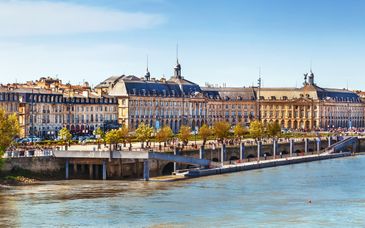


Table of contents
A city break in France is the perfect antidote to routine—compact enough for a long weekend yet rich enough to leave you inspired. From the iconic boulevards of Paris and the riverside charm of Lyon to the sun-drenched promenades of Nice and the wine cellars of Bordeaux, France's cities reward curious travellers with world-class museums, unforgettable gastronomy and effortless style. Join us today to unlock exclusive offers on handpicked hotels and curated stays that transform a short escape into an extraordinary experience.

This itinerary-led package begins in the heart of Paris before whisking you through the Loire Valley’s fairy-tale châteaux, the dramatic tidal island of Mont-Saint-Michel and the historic beaches of Normandy. With included excursions, entrance fees and carefully selected accommodation, it is the ideal choice for travellers who want a comprehensive French experience without the hassle of planning logistics. Perfect for first-time visitors or anyone seeking a curated multi-destination adventure in one seamless booking.
What we love: The effortless blend of iconic landmarks, regional heritage and hassle-free transport—all in one week.

Nestled in the elegant Saint-Germain-des-Prés district, the Hotel Lutetia is a legendary Palace hotel that marries Art Deco grandeur with contemporary luxury. Guests enjoy access to a serene spa, Michelin-calibre dining and rooms that exude Parisian sophistication. Its location places you steps from the Latin Quarter’s literary cafés, the Jardin du Luxembourg and the vibrant galleries of the Left Bank—ideal for culture lovers seeking both comfort and cachet.
What we love: The timeless elegance, world-class spa and unbeatable Saint-Germain address for discerning city breakers.

Set in the vibrant Latin Quarter, Villa Pantheon offers boutique charm just moments from the Panthéon, the Sorbonne and the lively rue Mouffetard market. Many packages include a Seine river cruise and other curated excursions, making it easy to experience Paris’s highlights without the stress of separate bookings. The hotel’s intimate scale and central location appeal to couples and solo travellers who value character, convenience and a genuine neighbourhood feel.
What we love: The authentic Left Bank atmosphere, included Seine cruise and proximity to iconic monuments and student bistros.
Often overlooked in favour of Paris, Lille rewards curious travellers with Flemish architecture, world-class art museums and a thriving food scene. This destination showcases handpicked hotels—such as the Crowne Plaza Lille-Euralille—and offers region-specific tips on markets, breweries and day trips to nearby Belgium. Just 90 minutes from London on the Eurostar, Lille is perfect for a quick, culture-rich escape that feels refreshingly off the beaten track.
What we love: The Eurostar convenience, vibrant Grand Place, exceptional museums and proximity to Belgian border towns.
- -
Paris remains the quintessential destination for a city break in France, blending iconic landmarks with intimate neighbourhood charm. In 48 hours, you can explore the Eiffel Tower, stroll along the Seine, marvel at the Louvre’s treasures and sip espresso in a pavement café. Add a third day and you unlock Versailles or deeper dives into the Marais—known for vintage boutiques and historic hôtels particuliers—Saint-Germain-des-Prés for literary haunts, or Montmartre’s bohemian cobblestones. The city’s compact Métro network means you move swiftly between arrondissements, while Eurostar trains from London in just two hours and 15 minutes make weekend escapes effortless. Book a centrally located hotel near the Latin Quarter or Champs-Élysées to maximise sightseeing time, enjoy world-class dining from Michelin-starred tables to corner crêperies, and soak up the romantic atmosphere that has captivated travellers for centuries. Paris rewards both first-time visitors and seasoned Francophiles with layers of culture, art and gastronomy.
Lyon stands as France’s culinary capital, where traditional bouchons serve butter-rich quenelles and silk-weaving history meets Renaissance architecture. The Vieux Lyon quarter, a UNESCO World Heritage site, enchants with traboules—secret passageways once used by silk merchants—and the imposing Basilica of Notre-Dame de Fourvière crowns Fourvière Hill with panoramic city views. Stroll the banks of the Rhône and Saône rivers, browse the vast Les Halles de Lyon Paul Bocuse covered market for cheeses and charcuterie, then dine at a Michelin-starred table or a rustic bouchon. The Presqu’île district offers chic shopping along rue de la République, while the Confluence neighbourhood showcases bold contemporary architecture. Lyon’s TGV links to Paris take under two hours, and the city’s compact centre is easily navigated on foot or by tram. A long weekend here balances indulgent meals with cultural exploration, from Roman ruins at the ancient theatre to cutting-edge exhibitions at the Musée des Confluences.
Bordeaux combines neoclassical grandeur with a world-renowned wine culture, making it an irresistible city break destination in France. The Place de la Bourse and its shimmering Miroir d’Eau draw photographers at sunset, while the Cité du Vin—a gleaming contemporary museum—immerses visitors in global viticulture through interactive exhibits and tastings. Wander the Saint-Pierre district’s medieval lanes, browse antique shops along rue Notre-Dame, then cross the Garonne river to explore the regenerated Darwin Ecosystem, a former military barracks turned creative hub with street art and organic cafés. Day trips to the Médoc, Saint-Émilion or Pauillac vineyards are essential for oenophiles, with châteaux offering cellar tours and barrel tastings. Bordeaux’s tramway system connects key sights, and direct flights or TGV trains from Paris make access straightforward. Enjoy oysters at the Marché des Capucins, dine on canelés—the city’s signature caramelised pastry—and savour the Atlantic influence that keeps the climate mild and the seafood exceptional.
Nice captures the essence of the French Riviera, where palm-lined promenades meet pebble beaches and pastel façades. The Promenade des Anglais stretches along the Baie des Anges, perfect for sunrise jogs or evening apéritifs with sea views. Explore Vieux Nice’s labyrinthine alleys, where flower markets overflow with mimosa and lavender, and socca—chickpea pancakes—sizzle in wood-fired ovens. Climb Castle Hill for sweeping vistas over terracotta rooftops and the turquoise Mediterranean, then visit the Matisse Museum or Marc Chagall National Museum to trace the artists who fell under the city’s spell. Nice’s position allows easy day trips to Monaco, Cannes or hilltop villages like Èze and Saint-Paul-de-Vence. The city’s international airport and direct train links to Paris ensure smooth logistics, while mild winters and sun-drenched summers make Nice a year-round city break destination in France. Dine on bouillabaisse, sip local rosé and embrace the dolce vita lifestyle that defines the Côte d’Azur.
Marseille pulses with a raw, multicultural energy distinct from France’s more polished cities. The Vieux-Port remains the beating heart, where fishermen sell the morning catch and ferries depart for the Château d’If, the island fortress immortalised in Dumas’s novel. Climb to the Basilique Notre-Dame-de-la-Garde for 360-degree views over the city and the Mediterranean, then wander Le Panier, Marseille’s oldest quarter, where street art adorns narrow stairways and artisan workshops thrive. The MuCEM—Museum of European and Mediterranean Civilisations—anchors the revitalised waterfront with striking contemporary architecture and thought-provoking exhibitions. Beyond the urban core, the Calanques National Park offers dramatic limestone cliffs and turquoise inlets, accessible by boat or hiking trail. Marseille’s bouillabaisse—a saffron-scented fish stew—is legendary; order it at a harbourside bistro for an authentic taste. Direct flights and TGV services from Paris streamline access, and the city’s gritty charm appeals to travellers seeking substance over polish. Marseille delivers a city break experience in France rich in history, flavour and unexpected encounters.
- -
Selecting the right city hinges on your passions. Art lovers gravitate toward Paris for the Louvre, Musée d’Orsay and Centre Pompidou, while foodies find nirvana in Lyon’s bouchons and Bordeaux’s wine estates. Beach seekers favour Nice or Marseille, where Mediterranean sunshine and coastal trails beckon. History enthusiasts explore Lille’s Flemish architecture or Lyon’s Roman amphitheatres. Consider travel time: Eurostar makes Paris and Lille ultra-accessible from London, while budget airlines serve Nice, Bordeaux and Marseille from regional UK airports. Match your pace to the destination—Paris demands brisk sightseeing, whereas Bordeaux invites leisurely vineyard afternoons. Multi-city itineraries work well on TGV routes: pair Paris with Lyon or Bordeaux with Toulouse. Budget plays a role, too; Marseille and Lille often offer better value than Paris or Nice. Reflect on whether you crave urban buzz or coastal calm, museum marathons or market meanders. A clear focus ensures your city break in France aligns with your travel style and delivers maximum satisfaction.
Timing shapes the quality of your city break in France. Spring—April through early June—brings mild temperatures, blooming gardens and fewer crowds in Paris, Lyon and Bordeaux. Autumn, from September to October, mirrors spring’s appeal with the added bonus of harvest festivals and vineyard tours at their peak. Summer attracts visitors to Nice and Marseille for beach days, though expect higher prices and packed promenades; book accommodation early. Winter offers advantages: Paris glitters with festive lights, hotel rates drop and museums feel less frenetic, though shorter daylight hours limit sightseeing. Lyon hosts the spectacular Fête des Lumières in December, transforming the city into an open-air light show. Avoid French school holidays—mid-February, Easter fortnight, July–August—when domestic tourists swell numbers. Weekdays generally prove calmer than weekends, particularly in Paris. Check local event calendars: the Cannes Film Festival in May or Bordeaux Fête le Vin in June add excitement but inflate accommodation costs. Shoulder seasons strike the best balance between pleasant weather, manageable crowds and competitive pricing for your French city escape.
The Eurostar trains from London St Pancras to Paris Gare du Nord take two hours and 15 minutes, with onward TGV connections to Lyon, Bordeaux, Marseille and beyond. Budget airlines serve Nice, Toulouse and Nantes from regional UK airports, often at competitive fares when booked ahead. Within cities, metros, trams and buses provide efficient, affordable mobility: the Paris Métro covers 300 stations, Lyon’s TCL network integrates tram and funicular, and Bordeaux’s sleek tram glides through the centre. Purchase multi-day passes to simplify ticketing and save money. Walking remains the best way to absorb atmosphere—Nice’s Vieux Nice, Marseille’s Le Panier and Paris’s Marais reveal their charms on foot. Bicycle-share schemes like Vélib’ in Paris or Vélo’v in Lyon suit active travellers. Car hire makes sense for vineyard tours around Bordeaux or exploring Provence from Nice, but avoid driving in city centres where parking is scarce and expensive. Taxis and ride-shares offer convenience for late-night returns or luggage-heavy arrivals. Plan connections in advance to maximise your city break in France itinerary.
Accommodation ranges from boutique guesthouses to five-star palaces. Expect to pay £100–£200 per night for mid-range hotels in Paris or Nice, less in Lille or Marseille. Luxury properties like Hotel Lutetia command £400-plus but deliver impeccable service and prime locations. Book through curated platforms for exclusive rates and added perks. Dining costs vary: a brasserie lunch averages £15–£25, while Michelin-starred dinners start at £80 per person. Market picnics—fresh baguettes, cheese, charcuterie—offer delicious savings. Museum entry typically costs £10–£15; many offer free admission on the first Sunday of the month. City passes bundle transport and attractions, but calculate whether they suit your pace. Wine tastings in Bordeaux châteaux range from complimentary to £30 for premium cuvées. Budget £50–£100 daily for meals and activities, more if indulging in fine dining or guided tours. Transport within cities is inexpensive: a ten-trip Métro carnet in Paris costs around £15. Allocate funds for spontaneous experiences—an impromptu concert in Montmartre, a sunset cruise on the Garonne—that elevate your city break in France from pleasant to unforgettable.
- -
Day one begins at the Eiffel Tower, ascending for sunrise views before crowds arrive, then stroll through the Champ de Mars to the Trocadéro. Cross the Seine for a late breakfast in Saint-Germain-des-Prés, perhaps at Café de Flore, then explore the Latin Quarter and Panthéon. Dedicate the afternoon to the Louvre—pre-book tickets to skip queues—focusing on highlights like the Mona Lisa and Winged Victory of Samothrace. Evening calls for a Seine river cruise, followed by dinner in the Marais, where bistros serve duck confit and crème brûlée. Day two starts in Montmartre: climb to Sacré-Cœur, wander artists’ studios on Place du Tertre, then descend to browse vintage shops. Lunch at a corner crêperie, then visit the Musée d’Orsay for Impressionist masterpieces. Conclude with cocktails near the Champs-Élysées and a final stroll past the illuminated Arc de Triomphe. This compact city break in France itinerary captures Paris’s essence without exhausting you.
Arrive on Friday evening, check into a hotel near Place Bellecour, then dine at a traditional bouchon for tablier de sapeur and a carafe of Beaujolais. On Saturday morning, explore Vieux Lyon’s traboules and the Cathedral of Saint-Jean, then ride the funicular to Fourvière Basilica for panoramic vistas. Lunch at Les Halles Paul Bocuse, sampling oysters and regional cheeses. Spend the afternoon in the Presqu’île, shopping on rue de la République or visiting the Musée des Beaux-Arts. Evening brings a Michelin-starred experience or casual riverside dining. On Sunday, cross to the Croix-Rousse district, once the heart of silk-weaving, now a bohemian enclave with Sunday markets. Walk the Montée de la Grande Côte, then enjoy brunch at a canal-side café. Afternoon options include a river cruise or a short train ride to the Beaujolais vineyards for tastings. Return for a final bouchon dinner before departure. This long weekend balances gastronomy, history and relaxation, showcasing why Lyon deserves a spot on every city break in France shortlist.
Day one immerses you in Bordeaux proper: stroll Place de la Bourse, photograph the Miroir d’Eau, then tour the Cité du Vin for wine education and tastings. Lunch at the Marché des Capucins, savouring oysters and canelés. In the afternoon, wander the Saint-Pierre quarter’s antique dealers and boutiques, then cross the Pont de Pierre to the Darwin Ecosystem for street art and craft beer. Dinner at a quayside restaurant pairs regional dishes with Pessac-Léognan whites. Day two ventures into the Médoc: hire a car or join a guided tour visiting châteaux like Château Margaux and Château Pichon Baron, learning about terroir and blending. Picnic among the vines or dine at an estate restaurant. Return to Bordeaux for an evening tramway ride along the riverfront. Day three explores Saint-Émilion, a UNESCO-listed village of cobblestone streets and underground cellars. Tour the monolithic church, taste Grand Cru Classé wines, then lunch at a terrace overlooking the vineyards. Back in Bordeaux, enjoy a farewell apéritif before departure. This itinerary marries urban sophistication with countryside charm, defining a well-rounded city break in France adventure.
- -
France’s cities house some of the world’s finest museums. The Louvre in Paris demands at least three hours; focus on Egyptian antiquities, Italian Renaissance or French paintings. The Musée d’Orsay dazzles with Impressionist and Post-Impressionist works by Monet, Renoir and Van Gogh, housed in a Belle Époque railway station. In Lyon, the Musée des Confluences blends natural history with anthropology in a futuristic structure, while the Musée des Beaux-Arts rivals Paris’s collections. Nice celebrates its artistic heritage at the Matisse Museum and Marc Chagall National Museum, both set in serene gardens. Marseille’s MuCEM examines Mediterranean civilisations through innovative exhibitions and rooftop views. Bordeaux’s contemporary art scene thrives at CAPC Musée d’Art Contemporain, installed in a converted warehouse. Book timed-entry tickets online to avoid queues, especially in summer. Many museums offer free entry on the first Sunday of each month. Combine major institutions with smaller gems—the Musée Rodin in Paris, the Musée Gadagne in Lyon—for a richer cultural tapestry on your city break in France.
French markets burst with regional bounty and local colour. Paris’s Marché d’Aligre offers North African spices alongside Normandy cheeses, while Marché des Enfants Rouges in the Marais serves international street food. Lyon’s Les Halles Paul Bocuse functions as a gourmet temple, with stalls dedicated to foie gras, praline tarts and Bresse chicken. Bordeaux’s Marché des Capucins specialises in Atlantic seafood—oysters, langoustines—and local wines. In Nice, the Cours Saleya flower and produce market transforms into an antiques fair on Mondays. Join a guided food tour to decode regional specialties: learn how socca is made, discover the secrets of perfect croissants or pair cheeses with wines under expert tutelage. Wine tastings abound in Bordeaux, from casual bar-à-vin sessions to private château visits in Saint-Émilion or Pauillac. Cooking classes let you master bouillabaisse in Marseille or macarons in Paris. These gustatory adventures add depth to your city break in France, connecting you to terroir, tradition and the French art de vivre through every bite and sip.
Exploring French cities from the water offers fresh perspectives. A Seine cruise in Paris glides past the Eiffel Tower, Notre-Dame and Musée d’Orsay, particularly magical at sunset when monuments illuminate. In Lyon, river tours navigate the Rhône and Saône, revealing the city’s dual-river geography. Bordeaux’s Garonne cruises showcase the neoclassical waterfront and the modern Chaban-Delmas lift bridge. Walking tours—free or paid—unlock hidden histories: follow a guide through Montmartre’s artistic past, trace Lyon’s Resistance heritage or explore Marseille’s Le Panier street art. Bike tours suit active travellers: pedal Paris’s Right Bank, cycle Bordeaux’s riverside parks or ride the Promenade des Anglais in Nice. For nature lovers, hike the Calanques near Marseille, where limestone cliffs plunge into turquoise coves, or explore Lyon’s Parc de la Tête d’Or, one of Europe’s largest urban parks. These outdoor and guided experiences diversify your city break in France, balancing culture with movement and offering encounters beyond museums and restaurants.
- -
Securing the right accommodation at competitive prices requires strategy. Book three to six months ahead for peak seasons—spring, autumn, major festivals—or last-minute for off-season bargains. Compare rates across platforms, but prioritise curated travel clubs offering exclusive discounts, complimentary upgrades and member-only perks like spa credits or champagne on arrival. Read recent reviews on independent sites to verify quality and location accuracy. Central hotels cost more but save transport time; weigh convenience against budget. Boutique properties deliver character, while international chains guarantee consistency. Check cancellation policies—flexible rates offer peace of mind if plans shift. Request upper floors for quieter rooms in busy districts like Paris’s Marais or Lyon’s Presqu’île. Loyalty programmes accumulate points for future stays. Package deals bundling flights, transfers and breakfast often beat à la carte bookings. Confirm included amenities—Wi-Fi, breakfast, parking—to avoid surprise charges. A well-chosen hotel anchors your city break in France, providing a comfortable retreat after days spent wandering boulevards, museums and markets.
Pack light but smart: a carry-on suffices for a long weekend. French cities favour style over sportswear; bring smart-casual outfits for restaurants and museums. Comfortable walking shoes are non-negotiable—Paris and Lyon involve cobblestones and metro stairs. Layer for spring and autumn: a light jacket, scarf and umbrella handle variable weather. Summer demands sunscreen, sunglasses and breathable fabrics, particularly in Nice and Marseille. Winter requires a warm coat, gloves and waterproof boots; Paris can be damp and chilly. A crossbody bag deters pickpockets and keeps essentials accessible. Pack a reusable water bottle—French tap water is safe and fountains abound. Bring a universal adapter for UK plugs; French sockets require European two-pin. Download offline maps and translation apps for moments when Wi-Fi falters. A small daypack holds market purchases, museum brochures and layers shed during warm afternoons. Keep prescription medications in original packaging and carry travel insurance documents. Thoughtful packing enhances comfort, letting you focus on the pleasures of your city break in France rather than wardrobe regrets or missing gear.
While many French urbanites speak English, attempting basic French earns goodwill. Master greetings—Bonjour, Merci, S’il vous plaît—and use them liberally. Address shopkeepers and waiters with Monsieur or Madame before launching into requests. Parisians appreciate politeness; a curt demand risks cool service. Tipping is discretionary—round up café bills or leave 5–10% in restaurants if service is not included. Lunch runs from noon to 2 pm, dinner from 7:30 pm; many kitchens close between services. Dress codes lean smart-casual; avoid athletic wear in upscale venues. Smoking is banned indoors but common on terraces. Queue discipline matters; pushing ahead draws frowns. In Lyon and Bordeaux, strike up conversations about local wine or cuisine to engage residents. Sunday closures affect shops, though bakeries and cafés open in the mornings. Museums close on Mondays or Tuesdays; verify schedules online. Respect quiet hours in residential areas after 10 pm. Understanding these nuances smooths your city break in France, fostering positive interactions and deeper cultural immersion.

A successful city break in France hinges on preparation, curiosity and openness to serendipity. Whether you are sipping Bordeaux in a vineyard courtyard, tracing Impressionist footsteps through Parisian galleries or savouring bouillabaisse on a Marseille terrace, France’s cities reward every traveller with unforgettable moments. Let these itineraries and tips guide your planning, then allow spontaneity to shape the details—the unplanned café, the hidden courtyard, the conversation with a local—that transform a good trip into an exceptional one.
A long weekend—typically three to four days—strikes the ideal balance for most French cities. Paris rewards 48 to 72 hours, allowing time for major landmarks, a museum or two and neighbourhood strolls. Lyon, Bordeaux and Nice benefit from three full days to explore urban centres and venture into surrounding regions like Beaujolais vineyards, Médoc châteaux or Provençal hilltop villages. Shorter 48-hour breaks suit repeat visitors focusing on specific districts or those combining multiple cities via TGV.
For peak seasons—spring, summer and major festivals—book hotels and Eurostar tickets three to six months ahead to secure the best rates and availability. Off-season travellers can find last-minute deals, though popular boutique properties fill quickly. Flexibility with dates unlocks cheaper fares on budget airlines. Curated travel platforms often release exclusive offers four to eight weeks before departure, blending advance planning with competitive pricing.
Basic French phrases enhance your experience and earn local appreciation, but English is widely spoken in hotels, restaurants and tourist sites across Paris, Lyon, Bordeaux, Nice and Marseille. Learn greetings, polite requests and numbers to navigate markets and cafés with confidence. Translation apps bridge gaps when needed. Smaller cities like Lille or regional towns may have fewer English speakers, making a phrasebook or offline translator valuable.
Each city boasts signature specialties. In Paris, sample croissants, duck confit and crème brûlée. Lyon's bouchons serve quenelles, andouillette and praline tarts. Bordeaux excels in oysters, entrecôte bordelaise and canelés. Nice offers socca, salade niçoise and pissaladière. Marseille is synonymous with bouillabaisse and panisse. Pair meals with regional wines—Burgundy in Lyon, Bordeaux appellations, Provençal rosé in Nice—to complete the gastronomic journey.
Yes, French cities are generally safe for solo travellers exercising standard urban precautions. Stay alert in crowded tourist areas and on public transport, where pickpockets operate. Avoid poorly lit streets late at night and keep valuables secure in a crossbody bag. Paris, Lyon and Bordeaux have reliable public transport and well-policed centres. Nice and Marseille require slightly more vigilance in certain districts. Solo diners are welcome in most restaurants; bring a book or enjoy people-watching.
Lille and Marseille typically offer better value than Paris or Nice, with lower hotel rates, affordable dining and free or inexpensive attractions. Lyon balances quality and cost, delivering world-class gastronomy without Parisian price tags. Bordeaux can be pricey during wine festivals but remains reasonable off-season. Budget-conscious travellers should compare accommodation across cities, book advance transport and prioritise market picnics over restaurant meals to stretch euros further.
Absolutely. France's TGV network connects major cities swiftly: Paris to Lyon in two hours, Paris to Bordeaux in two hours ten minutes, Lyon to Marseille in under two hours. A week allows a three-city itinerary—Paris, Lyon and Bordeaux, for instance—with two to three nights per destination. Weekend travellers might pair Paris with Lille via Eurostar or combine Nice with a Marseille day trip. Plan transfers to avoid wasting daylight hours on logistics.
Metro systems in Paris and Lyon offer extensive, affordable coverage; purchase multi-day passes for convenience. Bordeaux, Nice and Marseille have efficient tram networks. Walking remains the most rewarding way to absorb atmosphere, especially in compact historic centres. Bicycle-share schemes suit active travellers, while taxis and ride-shares provide comfort for late-night returns or luggage-heavy arrivals. Avoid hiring cars for city centres due to traffic and parking challenges; reserve them for vineyard or countryside excursions.
Many French cities offer free experiences. Stroll iconic streets like the Champs-Élysées, Promenade des Anglais or Bordeaux's quays. Explore parks such as Luxembourg Gardens in Paris or Parc de la Tête d'Or in Lyon. Admire architecture in districts like Vieux Lyon or Marseille's Le Panier. Attend free concerts or festivals, common in summer. Some museums offer free entry on first Sundays, and churches like Sacré-Cœur or Notre-Dame de Fourvière welcome visitors without charge.
Comprehensive travel insurance covering medical emergencies, trip cancellation, lost luggage and personal liability is essential. UK travellers should obtain a Global Health Insurance Card for basic EU healthcare access, but private insurance covers repatriation, specialist treatment and non-medical issues. Verify coverage for adventure activities if planning Calanques hikes or cycling tours. Compare policies to ensure adequate limits and read exclusions carefully. Peace of mind allows you to enjoy your city break France without financial worry.