New
Exclusive

Our offers
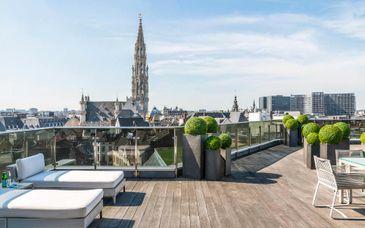
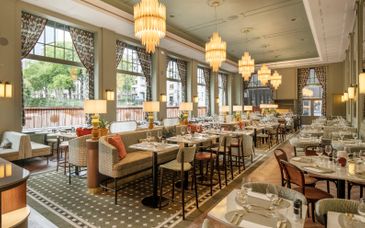
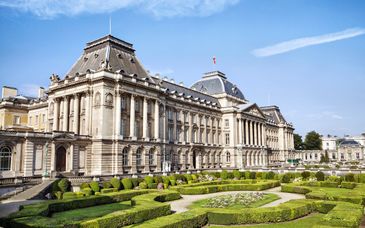
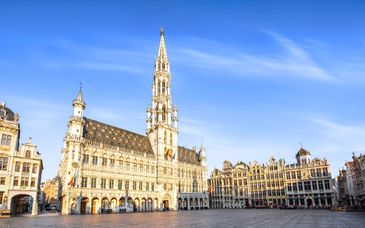
Table of contents
A Brussels city break promises an enchanting mix of Gothic grandeur, surrealist art and indulgent Belgian flavours. From the gilded facades of the Grand Place to the futuristic Atomium, this cosmopolitan capital packs centuries of history and culture into a wonderfully compact centre. Stroll along cobbled lanes lined with chocolate boutiques, savour craft beer in Art Nouveau cafés, and explore world-class museums—all within easy reach of your hotel. Join today to unlock exclusive offers on handpicked Brussels hotels and turn your short stay into an unforgettable escape.


Set on the elegant Avenue Louise, the Steigenberger Wiltcher’s combines Belle Époque grandeur with contemporary five-star comfort. Guests enjoy spacious rooms, a refined spa and a central location perfect for shopping and sightseeing. The hotel’s proximity to the Sablon district and major museums makes it an ideal base for culture lovers, whilst Eurostar and flight connections are easily accessible. Members benefit from exclusive rates and package perks.
What we love: The blend of historic architecture and modern luxury, plus the prime Avenue Louise address for both business and leisure travellers.

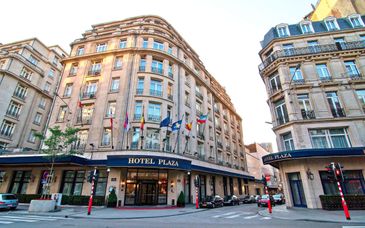
A grand heritage hotel in the heart of Brussels, Le Plaza sits just steps from the Grand Place and the city’s finest restaurants. Its Art Deco interiors, elegant rooms and attentive service evoke the golden age of European travel. On-site dining, a fitness centre and flexible package options—including breakfast—make it a favourite for weekend city breaks. The central location means you can explore Brussels’ top attractions on foot.
What we love: The timeless elegance, unbeatable proximity to Grand Place, and the hotel’s storied history as a Brussels landmark.
For design enthusiasts, the Pantone Hotel offers a vibrant, colour-drenched experience in the heart of Brussels. Each room celebrates bold hues and contemporary style, whilst the central location puts you within easy reach of the Grand Place, Manneken Pis and the city’s best chocolate shops. Breakfast is included in most packages, and the hotel’s modern amenities ensure a comfortable, stylish stay.
What we love: The playful, design-led interiors and the hotel’s commitment to creating a unique, Instagram-worthy city break experience.

The Moxy Brussels City Center brings contemporary flair and excellent value to the heart of the Belgian capital. With its lively communal spaces, comfortable rooms and central address, it’s perfect for travellers who want to be close to Grand Place, the Atomium and Brussels’ vibrant nightlife. Packages often include optional excursions—beer tastings, chocolate workshops and day trips to Bruges—making it easy to build your ideal itinerary.
What we love: The energetic atmosphere, central location and the range of curated experiences available.

Brussels stands apart as a city break destination thanks to its extraordinary fusion of medieval heritage, Art Nouveau masterpieces and cutting-edge European culture. The Grand Place—a UNESCO World Heritage site—dazzles with its gilded guildhouses and Gothic town hall, whilst the Atomium symbolises Belgium’s modernist ambition. Beyond the iconic sights, Brussels is a living museum of comic strip art, surrealist painting (the Magritte Museum is unmissable) and Art Deco cafés. Gastronomy is equally compelling: Belgian waffles, handcrafted chocolates, over 1,000 beer varieties and the humble yet sublime street frites elevate every meal into an experience. The city’s bilingual character (French and Dutch) and role as the de facto capital of the European Union add layers of cosmopolitan intrigue. Whether you’re admiring a Horta façade, savouring a praline in the Sablon or debating Trappist ales in a centuries-old estaminet, Brussels rewards curiosity with authenticity and charm.
One of Brussels’ greatest assets for a city break is its compact, pedestrian-friendly centre. Most headline attractions—Grand Place, Manneken Pis, the Royal Palace, Sablon antiques quarter and the Magritte Museum—lie within a 20-minute walk of one another, making it easy to pack a rich itinerary into a weekend. The efficient metro, tram and bus network (STIB/MIVB) connects outlying sights like the Atomium, European Parliament and trendy Ixelles in minutes. Unlike sprawling capitals, Brussels feels intimate and navigable: you can breakfast near the Grand Place, explore a museum mid-morning, lunch on moules-frites in Saint-Géry, stroll through the Galeries Royales Saint-Hubert for chocolate shopping, and still have time for an evening beer tasting—all without rushing. This walkability also means less time in transit and more time savouring the city’s unique atmosphere. For families or first-time visitors, the Brussels Card offers unlimited public transport plus free or discounted entry to over 40 museums, further simplifying logistics.
Brussels enjoys a temperate maritime climate, with mild summers and cool, damp winters. The best months for a city break are May, June and September, when temperatures hover around 18–22°C, daylight stretches into the evening, and crowds are manageable. July and August bring warmer weather (up to 25°C) and open-air festivals, but also peak tourist numbers and higher hotel rates. Spring (April–May) sees the city bloom with tulips and hosts events like the Brussels Short Film Festival, whilst autumn (September–October) offers golden light, fewer queues at museums and the chance to sample new-season beers. December is magical: the Christmas markets transform the Grand Place into a glittering wonderland, though expect cold, wet weather and busy weekends. Winter (January–March) is the quietest and most affordable period, ideal if you prioritise museum visits, cosy beer bars and indoor chocolate tastings over outdoor sightseeing. Whenever you visit, pack layers and a compact umbrella—Brussels’ weather can be capricious.

Day 1: Arrive via Eurostar at Brussels-Midi (or fly into Brussels Airport) and check into your hotel—Le Plaza Brussels or Pantone Hotel offer central bases. Head straight to the Grand Place (15 minutes on foot) to admire the gilded facades, then hunt for Manneken Pis nearby. Lunch on moules-frites at a traditional brasserie, then explore the Galeries Royales Saint-Hubert for chocolate shopping (Neuhaus, Godiva, Pierre Marcolini). Afternoon: visit the Magritte Museum or the Royal Museums of Fine Arts. Evening: stroll through the Sablon district, dine at a local bistro and sample Belgian beers at Delirium Café or Moeder Lambic. Day 2: Breakfast at your hotel, then take the metro to the Atomium (30 minutes). Spend an hour exploring this iconic structure and the adjacent Mini-Europe. Return to the centre for lunch in the trendy Saint-Géry or Sainte-Catherine neighbourhoods (seafood is excellent here). Afternoon: wander the comic strip murals, visit the Belgian Comic Strip Center, or shop on Rue Neuve. Grab street frites before your departure, or extend your evening with a final beer tasting.
Day 1: Follow the 48-hour highlights route above (Grand Place, Manneken Pis, Galeries Royales, Magritte Museum, Sablon evening). Day 2: Morning visit to the Atomium and Mini-Europe, then return to explore the European Parliament quarter (free visitor centre and hemicycle tours). Lunch in the Ixelles neighbourhood—try the Flagey area for international cuisine and vintage shops. Afternoon: book a chocolate-making workshop (many chocolatiers offer 90-minute sessions) or join a guided beer-tasting tour. Evening: dine in the trendy Dansaert district and explore its boutique bars. Day 3: Dedicate the morning to the Royal Palace (open July–September) and the adjacent Parc de Bruxelles. Visit the Musical Instruments Museum (MIM) for its Art Nouveau architecture and rooftop café views. Lunch at a traditional estaminet, then spend the afternoon in the Horta Museum (Art Nouveau masterpiece) or the Cinquantenaire Museum complex. Evening: enjoy a final dinner in the Grand Sablon, savouring Belgian classics paired with a Trappist ale, before your departure.
Family 2-day route: Day 1: Start at the Grand Place (kids love the Manneken Pis treasure hunt), then visit the Belgian Comic Strip Center—Tintin and the Smurfs captivate all ages. Lunch on waffles and frites, then head to the Atomium: children enjoy the futuristic spheres and the views. Afternoon: explore Mini-Europe next door (scale models of European landmarks). Evening: return to the centre for an early dinner and a stroll through the illuminated Grand Place. Day 2: Morning at the Natural Sciences Museum (famous dinosaur gallery) or the Autoworld vintage car collection. Picnic lunch in Parc du Cinquantenaire, then visit Choco-Story Brussels (interactive chocolate museum with tastings). Afternoon: let kids run in Parc de Bruxelles or take a canal boat tour (seasonal). Day-trip option: Bruges (1 hour by train) enchants with its fairy-tale canals, medieval belfry and boat rides; Ghent (35 minutes) offers Gravensteen Castle and a more relaxed, local vibe. Both are easily manageable as day trips, returning to your Brussels hotel in the evening.

No Brussels city break is complete without these three landmarks. The Grand Place (Grote Markt) is the beating heart of the city: a UNESCO-listed square surrounded by opulent guildhouses, the Gothic Town Hall and the Maison du Roi. Visit at sunrise for photos without crowds, or in the evening when the facades are floodlit. Every two years (even years) in August, the square is carpeted with a million begonias—the Flower Carpet—a breathtaking spectacle. Manneken Pis, the cheeky bronze statue of a urinating boy, stands a few minutes’ walk away; whilst small, he’s a beloved symbol of Brussels’ irreverent spirit (check his costume schedule—he’s dressed for over 130 events a year). The Atomium, built for the 1958 World’s Fair, towers over the Heysel plateau: its nine steel spheres represent an iron crystal magnified 165 billion times. Ride the escalators to the top sphere for panoramic views, explore the exhibitions inside, and don’t miss the adjacent Mini-Europe park. All three sights are easily accessible and offer quintessential Brussels photo opportunities.
Brussels is a paradise for food lovers. Chocolate: The city boasts over 2,000 chocolatiers; visit the Sablon district for artisan pralines at Pierre Marcolini, Wittamer and Neuhaus (inventor of the praline). The Galeries Royales Saint-Hubert house Godiva and other boutiques, whilst Choco-Story Brussels offers tastings and workshops. Beer: Belgium produces over 1,500 beer varieties, from Trappist ales (Westvleteren, Chimay) to lambics and fruit beers. Sample them at historic bars like Delirium Café (2,000+ beers), Moeder Lambic (craft focus) or À La Mort Subite (Belle Époque ambience). Many breweries offer guided tastings; pairing beer with cheese or chocolate elevates the experience. Street frites: Belgian fries—double-fried in beef fat, served in a paper cone with mayo, andalouse or samurai sauce—are an institution. Maison Antoine (Place Jourdan) and Fritland (near the Bourse) are legendary. Add moules-frites (mussels and fries), waffles (Brussels-style: light and rectangular; Liège-style: dense and sweet) and speculoos biscuits to your must-try list.
Brussels’ museums and districts reveal the city’s artistic soul. The Magritte Museum, part of the Royal Museums of Fine Arts, houses the world’s largest collection of René Magritte’s surrealist works—over 200 paintings, drawings and sculptures. Allow 90 minutes to explore his dreamlike universe. Nearby, the Musical Instruments Museum (MIM) occupies a stunning Art Nouveau building; its rooftop café offers panoramic views over the city. The Sablon neighbourhood is synonymous with antiques, chocolatiers and weekend markets; its elegant squares and cafés invite leisurely exploration. Ixelles, just south of the centre, is Brussels’ bohemian heart: the Flagey area buzzes with vintage shops, international restaurants and the beautiful Étangs d’Ixelles ponds. The Horta Museum (former home of Art Nouveau architect Victor Horta) is a must-see here. For comic strip fans, the Belgian Comic Strip Center and the outdoor murals scattered across the city (over 50 giant frescoes) celebrate Belgium’s graphic novel heritage. Each neighbourhood offers a distinct flavour of Brussels life.

Eurostar is the most convenient option for UK travellers: direct trains from London St Pancras reach Brussels-Midi in just two hours, depositing you in the city centre. Book in advance for the best fares. Flights to Brussels Airport (Zaventem) take around one hour from most UK cities; the Airport Express train connects to Brussels-Central in 20 minutes (€9). Budget carriers also serve Brussels South Charleroi Airport (one hour south); shuttle buses run to the city (€17, 90 minutes). Within Brussels: the STIB/MIVB metro, tram and bus network is efficient and affordable. A single ticket costs €2.50 (€2.10 if bought via the MOBIB app); a 24-hour pass is €8, and a 72-hour pass €18. The Brussels Card (from €28 for 24 hours) includes unlimited transport plus free or discounted entry to 40+ museums—excellent value if you plan to visit several attractions. The city centre is compact and walkable; taxis and ride-shares are available but rarely necessary.
Central Brussels (around Grand Place, Sainte-Catherine, Dansaert) is ideal for first-time visitors and short stays: you’re within walking distance of major sights, restaurants and nightlife. Hotels like Le Plaza Brussels, Pantone Hotel and Moxy Brussels City Center offer convenience and character. Avenue Louise and the Sablon district suit travellers seeking upscale shopping, quieter streets and elegant surroundings; Steigenberger Wiltcher’s is an excellent choice here, with easy tram links to the centre. Ixelles (Flagey, Matonge) appeals to culture lovers and foodies, offering a local, bohemian vibe. European Quarter hotels suit business travellers but feel quieter at weekends. For a city break, prioritise central or Avenue Louise locations to maximise sightseeing time. Curated offers ensure quality and value across all neighbourhoods.
Brussels uses the euro (€); ATMs are widespread, and cards are accepted almost everywhere (contactless is standard). Tipping is discretionary—service is included in bills, but rounding up or leaving 5–10% for excellent service is appreciated. Safety: Brussels is generally safe for tourists; exercise normal precautions in crowded areas (Grand Place, metro stations) to avoid pickpockets. The city centre is well-lit and busy until late. Tourist tax: Hotels charge a city tax (€2–€8 per person per night, depending on category); this is usually added to your bill. Opening hours: Shops open 10:00–18:00 (later on Fridays); many close on Sundays except in tourist areas. Museums often close on Mondays. Restaurants serve lunch 12:00–14:30 and dinner from 18:30; book ahead for popular spots. Passes: The Brussels Card (24/48/72 hours) is excellent value for museum lovers. Language: French and Dutch are official; English is widely spoken in tourist areas. Accessibility: Most major museums and hotels are wheelchair-accessible; the metro has lifts at key stations.
Brussels delivers a perfect city break: compact, walkable and brimming with culture, gastronomy and timeless charm. From the gilded Grand Place to the futuristic Atomium, from artisan chocolate shops to centuries-old beer bars, the Belgian capital rewards every visitor with unforgettable experiences. Book your escape today and discover why Brussels remains one of Europe’s most enchanting destinations.
Yes, three days is ample time to explore Brussels' highlights, enjoy its food and beer culture, and even take a day trip to Bruges or Ghent. You'll cover the Grand Place, Atomium, top museums, chocolate shops and beer bars comfortably, with time to savour the city's relaxed pace.
May, June and September offer the best combination of mild weather (18–22°C), longer daylight and manageable crowds. December is magical for Christmas markets, whilst spring (April–May) and autumn (September–October) provide pleasant conditions and fewer tourists. Winter (January–March) is quietest and most affordable.
Two days is sufficient for a highlights-focused city break: you can visit the Grand Place, Manneken Pis, Atomium, a museum or two, and enjoy chocolate and beer tastings. The compact centre makes it easy to pack a lot into a weekend, though three days allows for a more relaxed pace and deeper exploration.
Two to three nights strike the ideal balance for most visitors. A weekend (two nights) covers the essentials; three nights let you explore neighbourhoods like Ixelles and Sablon, visit more museums, or add a day trip to Bruges or Ghent without feeling rushed.
Brussels is better for a city break if you want variety: world-class museums, diverse dining, nightlife and easy access to the Eurostar. Bruges is smaller, more romantic and medieval, ideal for a quieter, canal-focused escape. Many travellers base themselves in Brussels and day-trip to Bruges (one hour by train) to enjoy both.